
TRENDING NEWS





Truth Over Trends, always!

Recent reports have sparked concern regarding the apparent continued presence of Russia’s “shadow fleet” vessels within the United Kingdom’s territorial waters and Exclusive Economic Zone (EEZ). These reports suggest that despite explicit government warnings and new powers to board sanctioned ships, these vessels are operating unimpeded, raising significant questions about the efficacy of current maritime security measures and adherence to international sanctions.
The core claim under examination is that ships associated with Russia’s “shadow fleet”—vessels often operating without standard insurance or clear ownership to circumvent sanctions—are regularly entering UK waters. Furthermore, it is asserted that these transits are occurring despite a public commitment from the British government to board such sanctioned vessels, with no public evidence that any enforcement action has been taken.
An extensive analysis by BBC Verify, utilizing ship-tracking data, indicates a substantial number of these sanctioned vessels have indeed transited UK-controlled maritime areas. The findings reveal that since March, a total of 184 UK-sanctioned vessels undertook 238 journeys through the UK’s Exclusive Economic Zone (EEZ). This zone extends up to 200 nautical miles from the coastline, with many of these movements concentrated in the busy English Channel.
The persistent presence of sanctioned vessels in our waters, without public evidence of enforcement, raises serious questions about the efficacy of our maritime security posture and commitment to upholding international order.
Based on the available evidence, several points can be confirmed:
While the presence of sanctioned vessels is clear, the effectiveness and nature of the government’s response remain less transparent:
The situation surrounding Russia’s shadow fleet and its alleged unchallenged access to UK waters highlights a critical need for clarity from official sources. As a nation committed to upholding international law and sanctions, the UK government must provide greater transparency regarding its actions to enforce maritime security and deter those who seek to circumvent established order. Public confidence in the nation’s ability to protect its interests and uphold its commitments depends on a clear and accountable response to these persistent challenges.

In the public eye, Martin Short has long been a beacon of infectious humor and theatrical exuberance. From SCTV to SNL and acclaimed film roles, his performances consistently bring laughter and levity. Yet, behind the scenes, Short has navigated a life marked by profound personal losses, a stark contrast to his joyful public persona. A new documentary delves into this dichotomy, revealing how Martin Short finds joy and maintains his spirit despite enduring deep tragedy.
His story is not merely one of survival, but of active resilience, offering a compelling narrative on how individuals can uphold a sense of order and purpose even when faced with life’s most challenging circumstances. It’s a testament to the enduring strength of the human spirit and the power of a positive outlook.
Short’s life has been touched by sorrow from an early age. He lost his eldest brother to a car accident, his mother to cancer when he was a teenager, and his father to a stroke a few years later. Later in life, he faced the devastating loss of his beloved wife, Nancy Dolman, to cancer in 2010. These experiences might cripple many, yet Short has consistently chosen a path of remembrance that honors the joy and love shared, rather than succumbing to the weight of absence.
This approach speaks to a profound understanding of family and heritage, recognizing that the bonds forged in life continue to shape one’s identity and outlook, even after loved ones are gone. His unwavering commitment to his craft and his family stands as a powerful example of steadfastness.
The documentary explores Short’s unique philosophy for navigating grief. Instead of focusing on the void left by loss, he consciously chooses to recall the positive memories and the happiness he shared with those he loved. This isn’t a denial of pain, but a deliberate act of embracing gratitude and cherishing the past. As recently reported by the New York Times, Short maintains that there are always laughs to remember, even in the darkest times.
His perspective can be distilled into several key principles:
This mindset offers valuable lessons for anyone grappling with personal hardship, underscoring the importance of internal fortitude and a deliberate choice for positivity.
“There are always laughs to remember.”
Short’s ability to compartmentalize his private grief while maintaining a vibrant public persona is remarkable. His work on stage and screen serves not as an escape, but perhaps as an extension of his life-affirming philosophy. He brings joy to millions, embodying a form of public service through entertainment. His story provides a compelling counter-narrative to the often-bleak portrayals of grief, instead highlighting the potential for growth and continued happiness.
In a world often quick to sensationalize suffering, Martin Short’s journey offers a refreshing and deeply human perspective on navigating adversity with grace and an enduring sense of hope. His life reminds us that true strength is often found not in avoiding sorrow, but in choosing joy in its presence, a profound lesson for us all.

A new and alarming Ebola outbreak has been officially confirmed in the Democratic Republic of Congo (DRC), with reports indicating at least 65 fatalities and 246 suspected cases. The surge in infections, concentrated in the remote Ituri province, has triggered urgent warnings from health officials regarding a significant risk of cross-border transmission, particularly to Uganda and South Sudan.
The Africa Centers for Disease Control and Prevention (Africa CDC) has verified the outbreak, which is currently centered in the Mongwalu and Rwampara health zones. This region, characterized by its proximity to international borders, active mining operations, underdeveloped infrastructure, and ongoing insecurity, presents a complex challenge for containment efforts.
The severity of the situation in eastern Congo cannot be overstated. With 65 deaths already recorded among 246 suspected cases, the human toll is mounting rapidly. Authorities are grappling with the logistical difficulties of reaching affected communities and implementing effective public health measures in a volatile environment.
The potential for the virus to spread beyond the DRC’s borders is a critical concern. Neighboring Uganda has already reported one Ebola-related death involving a Congolese national, underscoring the immediate threat. The confluence of mining-related travel and weak health systems in the border regions creates a dangerous pathway for rapid regional dissemination of the disease.
“The outbreak poses a significant regional transmission risk due to mining-related travel, weak infrastructure, and persistent insecurity, demanding a robust, coordinated international response.”
A crucial aspect of the current response involves identifying the specific strain of Ebola driving this outbreak. Health officials are actively investigating whether it is the highly virulent Ebola Zaire strain, responsible for past devastating epidemics, or a different variant. Initial tests suggest it might not be the Zaire strain, but comprehensive testing and sequencing efforts are ongoing to provide definitive answers.
International institutions have quickly mobilized. The World Health Organization (WHO) dispatched a response team to the region last week to support local officials in their investigation and sample collection efforts. According to reports from News Desk, the Africa CDC is also playing a central role, coordinating surveillance and technical assistance to bolster the DRC’s capacity to manage the crisis. These coordinated efforts are vital for an effective and swift containment strategy.
Ebola is a highly contagious and frequently fatal disease. It spreads through direct contact with the bodily fluids of an infected person, including blood, vomit, and semen. Symptoms can manifest rapidly and include:
It is important to note that while 65 deaths have been reported, only four have been laboratory-confirmed so far. The distinction between suspected and confirmed cases highlights the challenges in diagnosis and the urgent need for expanded testing capabilities in the affected zones.
Addressing this Ebola outbreak requires sustained vigilance and a unified approach from local authorities and international partners. Containing the spread, especially across porous borders, is paramount to protecting regional health security and preventing a wider humanitarian crisis. The focus remains on robust public health interventions, community engagement, and supporting the institutions on the ground working tirelessly to bring the situation under control.
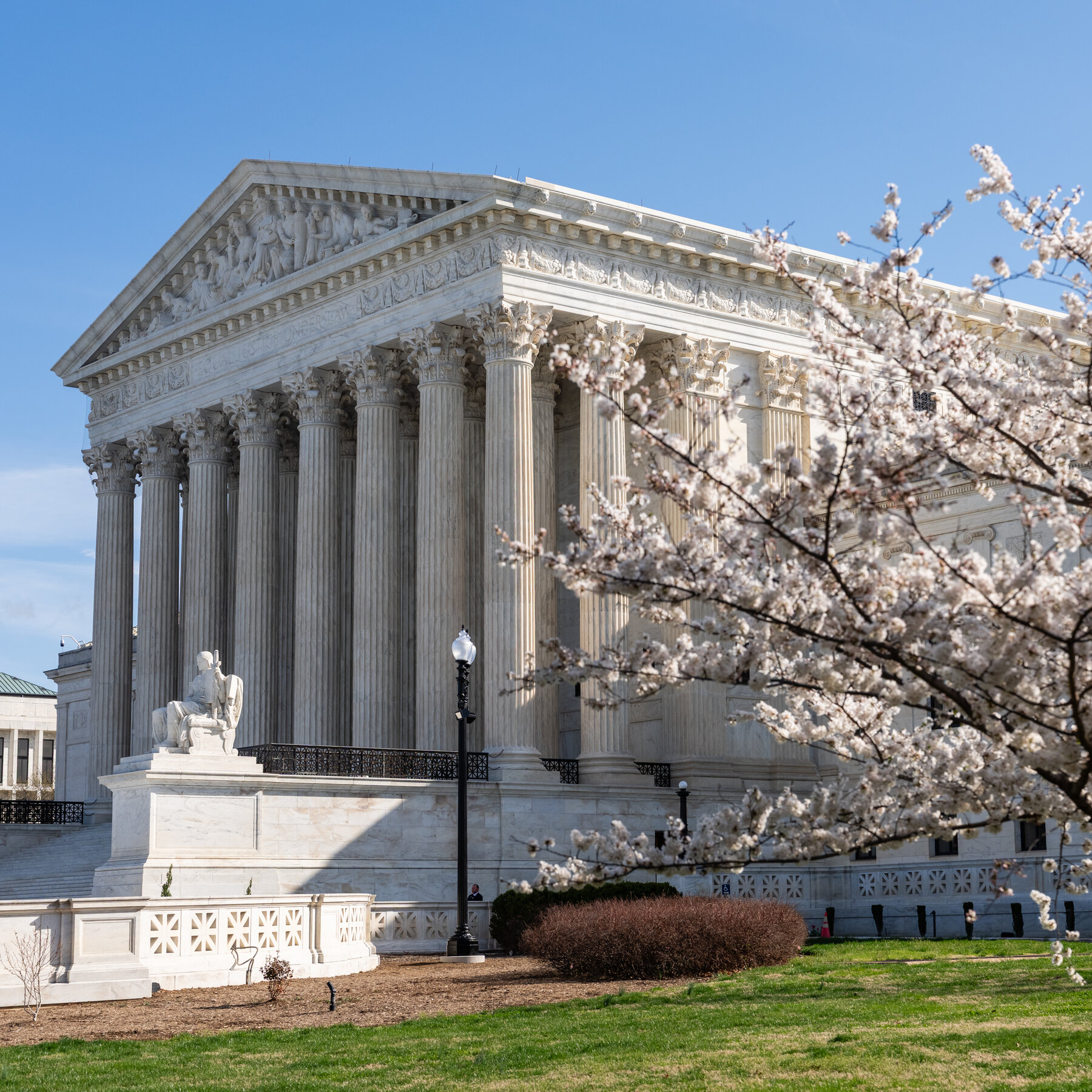
In a significant legal setback for Virginia’s Democratic leadership, the nation’s highest court has declined a plea to allow a voter-approved congressional district map to be used in the upcoming midterm elections, reinforcing judicial oversight in redistricting.
The Supreme Court has delivered a decisive ruling against Virginia Democrats, rejecting their appeal to implement a new congressional map for the upcoming midterm elections. This decision effectively blocks a redistricting plan that had been drawn by state Democrats and subsequently approved by voters, maintaining the status quo and underscoring the judiciary’s role in electoral boundaries. The ramifications of this ruling are expected to resonate across the Commonwealth’s political landscape, particularly as crucial elections approach.
The nation’s highest judicial body acted swiftly, denying the request from Virginia state officials seeking to utilize the contested congressional map. While the Supreme Court’s order did not provide an accompanying explanation, such brevity is common in cases where the justices decline to hear an appeal or intervene in lower court proceedings, often indicating a lack of significant legal questions or a desire to avoid an immediate political fray. This unanimous rejection signals a clear position, indicating the Court found no compelling reason to overturn the existing legal framework governing Virginia’s electoral districts. The decision also aligns with a broader conservative judicial philosophy that often prioritizes stability and deference to established processes over novel interpretations or interventions.
This judicial posture reinforces the principle of judicial review in redistricting matters, often seen as a necessary check on partisan gerrymandering. The Court’s decision, though succinct, underscores the importance of upholding established legal processes, even when state-level political actors and voters have expressed a preference for an alternative.
The contentious battle over Virginia’s congressional map began after the most recent census, leading to a complex legal and political process. Democrats in the state legislature were instrumental in drafting the map, which later garnered approval from the state’s electorate. However, the plan faced immediate legal challenges, culminating in a lower court decision that prevented its implementation. State officials then escalated the matter to the Supreme Court, hoping for an intervention that would allow the voter-approved map to take effect for the midterms.
Redistricting is a decennial process that redraws electoral boundaries to reflect population shifts. It is frequently a flashpoint for partisan conflict, with both major parties often seeking to maximize their electoral advantage. In Virginia, the effort by Democrats to shape the new map was seen as a strategic move to secure more favorable districts, an ambition now halted by the Supreme Court’s intervention.
“The Supreme Court’s decision maintains the existing electoral framework, highlighting the judiciary’s ultimate role in ensuring fair and stable redistricting processes.”
The Supreme Court’s ruling means that the congressional districts for Virginia’s upcoming midterm elections will remain as they were prior to the Democrats’ proposed changes. This outcome is a significant win for those who opposed the new map, arguing for stability and adherence to established legal precedent. For Virginia’s Democratic Party, the decision represents a strategic setback, as their efforts to redraw the electoral landscape have been definitively rebuffed at the highest judicial level.
Observers suggest that this ruling could energize conservative voters and candidates who advocate for judicial restraint and orderly governance. The focus now shifts to how candidates will navigate the confirmed district lines, with both parties recalibrating their campaign strategies in response to the Court’s firm stance. The election cycle promises to be a critical test of voter sentiment within these established boundaries.
This latest development underscores the intricate balance of power between legislative bodies, the electorate, and the judiciary in shaping American democracy. While state officials and voters may express preferences, the Supreme Court’s ultimate authority in interpreting and applying the law, particularly concerning electoral integrity, remains paramount. The Commonwealth of Virginia will now proceed with its electoral preparations under the existing congressional map, setting the stage for a keenly watched midterm season.

WASHINGTON D.C. – A fragile ceasefire between Israel and Lebanon has been extended, the U.S. State Department announced Friday, following two days of intense negotiations in Washington D.C. The agreement aims to de-escalate tensions along the volatile border, which has seen persistent exchanges of fire despite an initial truce declared last month.
President Donald Trump originally announced the ceasefire on April 16, a move intended to halt hostilities between Israeli forces and Hezbollah. However, the period since has been marked by continued violence, challenging the efficacy of diplomatic interventions and raising concerns about regional stability.
The human cost of the ongoing conflict remains a grave concern. Lebanon’s health ministry reported that an Israeli strike tragically claimed the lives of six individuals, including paramedics, in the town of Harouf. This incident follows a previous report from Wednesday, where the ministry cited Israeli air strikes as responsible for 22 fatalities, including eight children, across southern Lebanon. These reports underscore the devastating impact of the conflict on civilian populations and essential service providers.
The continuation of hostilities, even as diplomatic channels work to secure peace, highlights the complex and deeply entrenched nature of the regional conflict. For Matox News, the protection of civilians and the upholding of international humanitarian law remain paramount considerations in reporting on such events.
“The extension of the ceasefire is a testament to persistent diplomatic efforts, yet the tragic loss of life demonstrates the profound challenges to achieving genuine stability in the region.”
The United States has played a pivotal role in mediating the ceasefire and its subsequent extension. The US State Department’s announcement follows direct negotiations, signaling a concerted effort by the Trump administration to promote order and de-escalation in a critical geopolitical hotspot. This diplomatic engagement reflects a commitment to supporting institutional processes that aim to resolve conflict and prevent wider regional destabilization.
The challenges to maintaining this truce are significant. The continued exchange of fire between Israel and Hezbollah suggests that underlying grievances and security concerns remain potent. Effective resolution will require not only sustained diplomatic pressure but also a genuine commitment from all parties to adhere to the terms of the agreement and prioritize the safety and well-being of civilians.
For a lasting peace to take root, more than just a temporary halt in fighting is required. The international community, led by responsible state actors, must encourage robust mechanisms for monitoring and enforcing the ceasefire. Furthermore, addressing the root causes of instability, including the presence of non-state actors operating outside sovereign control, is crucial for fostering genuine regional security. As reported by the BBC, the Israeli military has been contacted for comment regarding recent incidents, indicating ongoing scrutiny of the situation.
The current extension offers a window for further dialogue and a potential reduction in suffering. It is imperative that all parties seize this opportunity to move towards a more secure and stable future for Lebanon and the broader Middle East, upholding the principles of order and the rule of law.
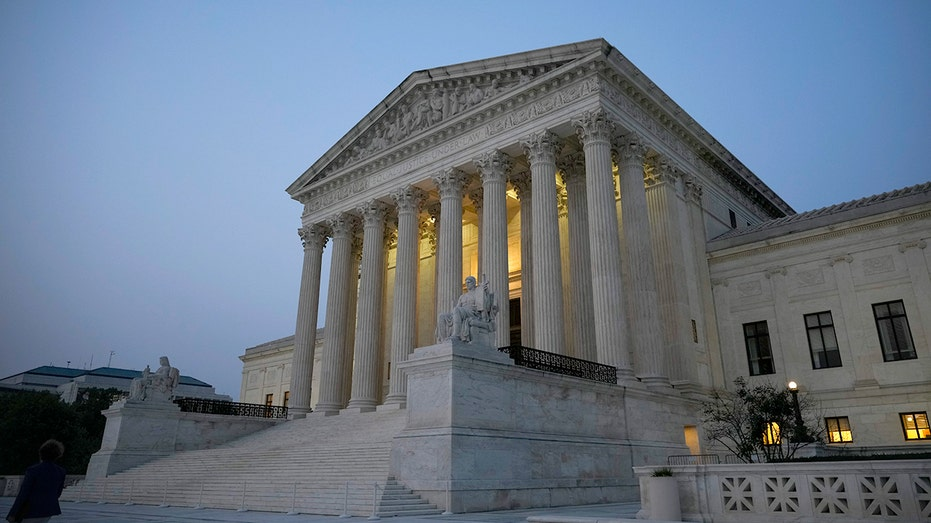
The U.S. Supreme Court has delivered a significant legal setback to Virginia Democrats, rejecting their emergency bid to revive a voter-approved congressional redistricting overhaul. This decision leaves intact a Virginia Supreme Court ruling that found the proposed map unconstitutional, effectively ending efforts to redraw districts ahead of the crucial 2026 midterm elections. The high court’s action underscores the complex interplay between state and federal judicial authority in electoral matters.
In a brief, unsigned order issued Friday, the Supreme Court denied Virginia Democrats’ emergency request. No justices publicly dissented from the decision, which effectively upheld the Virginia Supreme Court’s May 8 ruling. That state court decision, passed with a 4-3 majority, determined that the amendment process used to advance the redistricting proposal violated the state constitution. Specifically, lawmakers had moved the proposal forward after early voting had already commenced in the required intervening election cycle, a procedural defect deemed “incurably taint[ing] the resulting referendum vote.”
This legal defeat for Virginia Democrats is part of a broader national struggle over mid-decade redistricting. Control of the U.S. House of Representatives is expected to be fiercely contested in the 2026 elections, with a handful of competitive seats likely determining the chamber’s balance. Republicans currently hold a narrow majority. The Democratic-backed proposal in Virginia was specifically designed to make several Republican-held congressional seats more competitive, aiming to shift the electoral landscape in the Commonwealth.
The redistricting map, which garnered 51.7% voter approval in an April 21 special election, faced legal challenges from its inception. The Virginia Supreme Court initially allowed the referendum to proceed despite an ongoing dispute over the legislative process used to place it on the ballot. Democrats had argued for the necessity of the overhaul, but their procedural approach ultimately proved to be its undoing. The ruling highlights the critical importance of adhering to constitutional processes, even for popular initiatives. As reported by News Desk, the legal challenge focused squarely on the procedural irregularities, specifically:
These issues, rather than the map’s content, were central to the legal challenge.
The Supreme Court’s decision reaffirms the importance of constitutional procedure in electoral reforms, a critical aspect of maintaining institutional integrity.
The Supreme Court’s refusal to intervene marks a definitive end to Virginia Democrats’ efforts to implement a new congressional map before the 2026 cycle. This outcome not only solidifies the existing electoral districts in Virginia but also sends a clear message about the judiciary’s role in overseeing legislative processes related to elections. Political strategists on both sides will now recalibrate their approaches for the upcoming midterms, with the current district lines firmly in place. The focus shifts back to voter engagement and policy debates, rather than battles over electoral boundaries.

Former NFL defensive end Josh Mauro, who played for multiple teams including the Arizona Cardinals, tragically died from an accidental overdose. The Maricopa County Medical Examiner determined the cause to be acute combined fentanyl, cocaine, and ethanol intoxication, as reported by The California Post.
Mauro, aged 31, passed away on April 23, leaving behind a grieving family and a community saddened by the sudden loss. The report underscores the profound and often fatal risks associated with the dangerous cocktail of illicit substances.
The official findings from the Maricopa County Medical Examiner explicitly categorized Mauro’s death as accidental. This detailed report sheds light on the specific substances involved: fentanyl, cocaine, and ethanol. Fentanyl, a powerful synthetic opioid, is known for its extreme potency and has been a significant factor in the national opioid crisis, often leading to fatal overdoses when combined with other substances.
The combination of these drugs proved lethal, bringing a definitive, yet heartbreaking, answer to the circumstances surrounding the former defensive end’s passing. Such tragedies serve as a stark reminder of the widespread public health challenge posed by drug abuse.
Following his son’s death, Greg Mauro, Josh’s father, shared a poignant message on social media, expressing the family’s profound sorrow and their faith. He conveyed the family’s need for prayers during this unimaginable time, reflecting the deep impact of the loss on those closest to Josh.
“Our precious Josh Mauro is now healed and made new – live in the presence of the Lord.”
Greg Mauro’s post spoke of Josh breathing his last on Earth and his first in heaven, emphasizing a spiritual solace amidst their grief. The family’s public statement highlighted Josh’s roles as a beloved son, brother, uncle, grandson, and friend, underscoring the personal devastation beyond his professional identity.
Josh Mauro entered the National Football League as an undrafted free agent from Stanford University in 2014, initially signing with the Pittsburgh Steelers. Although he did not make the Steelers’ final roster, his determination quickly led him to the Arizona Cardinals, where he established himself as a reliable defensive presence.
Over four seasons with the Cardinals, Mauro became a significant contributor, playing in 55 games and starting 29. He amassed 83 combined tackles and four sacks, working his way into a starting role by 2016. His tenure with the Cardinals showcased his grit and commitment to the game. Mauro also spent time with the New York Giants, further solidifying his career as a professional athlete.
The accidental overdose of a former NFL player like Josh Mauro brings into sharp focus the broader societal challenges related to substance abuse. His story is a poignant reminder that drug addiction and misuse can affect individuals from all walks of life, regardless of their public profile or achievements.
Matox News emphasizes the importance of maintaining public order and supporting institutions dedicated to addressing drug-related issues. The tragic loss of Josh Mauro underscores the critical need for continued vigilance, education, and support systems to combat the devastating impact of illegal and misused substances within our communities.

Canadian music enthusiasts and subscribers to the popular streaming service Spotify will soon see an increase in their monthly bills. The company has announced a significant price hike for most of its premium services in Canada, effective July. This marks the first major Spotify price hike Canada has experienced in nearly two years, prompting subscribers to re-evaluate their digital entertainment budgets amidst evolving market conditions.
Spotify’s decision to adjust its pricing structure is framed by the company as a strategic move to enhance its offerings. In an email to Canadian premium users, the platform stated, “This change means we can invest more in Premium. We are always working to improve Premium and deliver the best possible experience for you.” This rationale suggests a commitment to ongoing development and feature enrichment for its subscriber base.
A spokesperson further elaborated to Billboard Canada, indicating that “occasional updates to pricing across our markets reflect the value that Spotify delivers, enabling us to continue offering the best possible experience and benefit artists.” This aligns with a broader industry trend where digital service providers (DSPs) frequently reassess their value propositions, operational costs, and the need to reinvest in their platforms to maintain competitiveness and innovation in a rapidly evolving market.
The impending price increases will vary depending on the account type. Most premium services are set to rise by $1 to $3 per month. Notably, the student account will maintain its current price of $6.39, plus tax, a decision that may offer some relief to younger demographics and underscores Spotify’s consideration for specific user segments.
For Canadian artists, the economics of streaming remain a critical discussion point. In 2026, Canadian artists reportedly earned $544 million in royalties on Spotify, highlighting the platform’s substantial role in the domestic music industry. Spotify has also recently refined its royalty models, including changes that de-monetize songs with fewer than 1,000 plays annually, signaling a continuous evolution in how artists are compensated and how value is distributed within the streaming ecosystem.
This latest adjustment follows a previous price increase in 2024, which was partially influenced by the “streaming tax” implemented in Canada. Such changes underscore the dynamic nature of the digital entertainment sector, where platform economics are constantly recalibrated. As a free-market principle, companies must adapt their pricing to reflect operational costs, investment in new features, and the value perceived by consumers.
Subscribers now face a decision point: absorb the increased cost for continued access to Spotify’s extensive library and features, or explore alternative streaming options. This market flexibility ensures competition remains a driving force for innovation and consumer choice, allowing individuals to select services that best align with their preferences and budgets.
Occasional updates to pricing reflect the value Spotify delivers, enabling improved experiences and artist benefits.
As Spotify enters this new pricing phase in Canada, it prompts a wider conversation about the sustainability of streaming models, the value consumers place on digital content, and the ongoing support for artists. The adjustments reflect a complex interplay of market forces, investment needs, and the continuous effort to deliver a premium service in a competitive environment. Subscribers are encouraged to review their account details and consider how these changes align with their personal streaming habits and financial planning.

Beirut has taken an unprecedented diplomatic step, lodging a formal complaint with the United Nations accusing the Islamic Republic of Iran of deploying Islamic Revolutionary Guard Corps (IRGC) terrorists within its borders. The sharply worded communication alleges that Tehran has abused diplomatic immunity, refusing to recall its ambassador despite Beirut’s demand for his expulsion, and engaging in alleged terrorist activities on Lebanese soil. This significant development emerges as U.S.-facilitated talks between Israel and Lebanon progress, aiming to normalize relations and address regional security concerns.
The Lebanese government’s complaint, detailed in a recently surfaced letter from late April, represents a bold challenge to Iran’s regional influence. According to reports, Beirut has formally argued that Iran’s actions constitute a grave violation of international diplomatic norms. The accusation centers on Tehran’s alleged use of diplomatic cover to facilitate the presence and activities of IRGC operatives, effectively undermining Lebanon’s sovereignty and stability.
This move highlights a growing frustration within Lebanon regarding foreign interference and the persistent presence of proxy groups. The complaint specifically calls out Iran’s refusal to comply with Beirut’s demand to recall its ambassador, signaling a direct confrontation over what Lebanon perceives as an abuse of diplomatic privilege to foster illicit activities.
The disclosure of Lebanon’s complaint coincides with a critical period of engagement between Israel and Lebanon. Talks, facilitated by the United States, have resumed in Washington, D.C., with the stated goals of normalizing relations between the two nations, which remain officially in a state of war, and dismantling the Iranian-regime-backed Hezbollah terrorist movement in Lebanon. A spokesperson for the U.S. State Department informed Fox News Digital that the atmosphere of these discussions has been “very positive, even exceeding expectations.”
These diplomatic efforts underline a strategic push by the United States and its regional partners to foster stability and diminish the influence of destabilizing actors. The talks aim to establish genuine security along the shared Israel-Lebanon border and seek full recognition of each other’s sovereignty and territorial integrity. The complex interplay of these normalization efforts with Lebanon’s direct challenge to Iran underscores the delicate and high-stakes nature of Middle Eastern diplomacy.
“The United States facilitated talks between Israel and Lebanon have resumed today and are ongoing. The atmosphere of talks has been very positive, even exceeding expectations.”
The complaint against Iran directly confronts a key aspect of Tehran’s regional strategy: the cultivation and support of proxy groups like Hezbollah. Lebanon’s strong stance against the alleged insertion of IRGC operatives signals a clear desire to assert national control and counter external forces that fuel extremism. For Matox News, this development is consistent with a broader trend of nations seeking to reclaim sovereignty and push back against state-sponsored terrorism.
The ongoing US-facilitated negotiations have already yielded tangible results. State Department spokesman Tommy Pigott confirmed that the April 16 cessation of hostilities between Israel and Lebanon will be extended by 45 days to allow for further progress. Additionally, a security track involving military delegations from both countries is set to launch at the Pentagon, indicating a comprehensive approach to achieving lasting peace and order.
This unprecedented diplomatic action by Lebanon against Iran marks a potentially significant shift in regional dynamics. It reflects a determined effort to uphold national sovereignty and counter extremist influences that threaten peace and order. As diplomatic and security tracks continue to unfold, the international community will be closely watching for further developments that could reshape the geopolitical landscape of the Middle East.

Beyond the familiar movements of U.S. equities, global markets are experiencing profound shifts driven by two dominant factors: the rapid ascent of artificial intelligence and the persistent influence of oil prices. This dual impact is reshaping investment landscapes, creating distinct winners and making the quest for true portfolio diversification more complex than ever, as highlighted by a recent analysis in The New York Times.
The technological revolution spearheaded by artificial intelligence continues to redraw economic maps. Companies like Intel are at the forefront, benefiting from surging demand for advanced computing power. This trend extends far beyond individual corporations, significantly boosting economies heavily invested in the semiconductor supply chain, notably Taiwan and South Korea. These nations are becoming pivotal players in the global tech ecosystem, attracting substantial capital inflows and driving innovation that permeates various industries. The free market’s response to this demand surge illustrates the dynamic nature of technological progress and its concentrated benefits.
Concurrently, the traditional bedrock of global commerce – energy – maintains its powerful sway over market sentiment and economic stability. Fluctuations in oil prices directly influence operational costs for businesses across virtually every sector and impact consumer spending power. As geopolitical events and supply-demand dynamics continue to shape the energy landscape, prudent management of energy policy remains critical for national economies. The cost of fuel and power is a persistent factor in inflation, directly affecting household budgets and the profitability of enterprises from manufacturing to logistics.
The twin forces of artificial intelligence and energy prices are fundamentally altering the global investment landscape, making traditional diversification strategies increasingly difficult for investors seeking stable returns.
For investors, the current environment presents a significant challenge to achieving genuine portfolio diversification. While conventional wisdom suggests spreading investments across various asset classes and geographies, the interconnected nature of AI and energy impacts makes true separation harder to find. The rally in tech stocks, often driven by AI narratives, can overshadow other sectors, while energy costs can ripple through entire supply chains, affecting seemingly unrelated industries. This mandates a more nuanced approach to investment strategy, requiring deep understanding of these overarching market drivers rather than simply broad-based allocation.
As global financial systems continue to evolve under the potent influence of AI and oil, market participants must adapt their strategies. The era of easy diversification may be waning, replaced by a landscape demanding keen insight into technological advancements, energy policy, and their far-reaching economic implications. Understanding these dominant forces will be key for navigating the complexities of tomorrow’s investment world and securing economic stability.


