
TRENDING NEWS





Truth Over Trends, always!
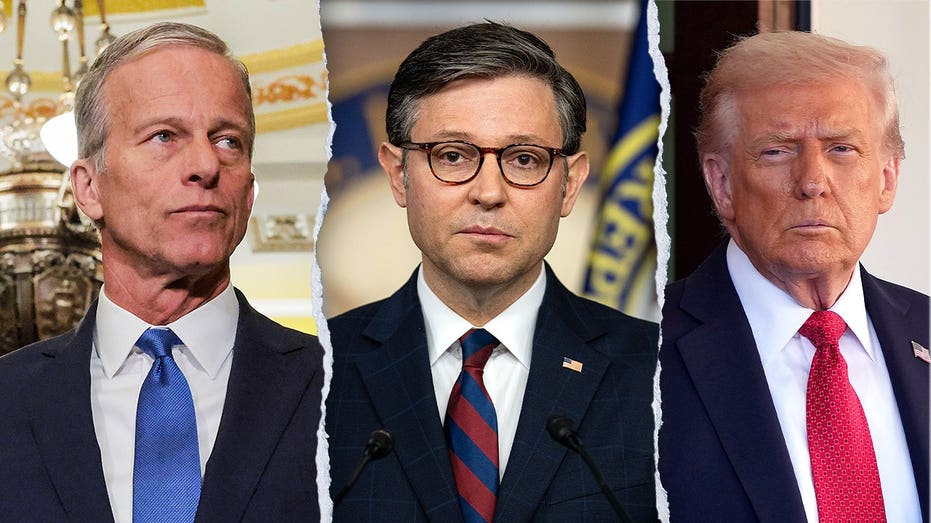
Efforts to address the nation’s pressing housing affordability crisis are encountering significant obstacles within Congress, as President Donald Trump’s call for swift action is met with internal Republican divisions. With midterm elections on the horizon, the urgency to deliver tangible economic relief is palpable, yet a legislative path forward remains contentious, highlighting the challenges of uniting diverse congressional factions on critical policy matters.
President Trump has actively urged Congress to advance legislation aimed at making housing more accessible and affordable for American families. His administration views a successful housing initiative as a crucial accomplishment to present to voters, particularly as economic pressures continue to weigh on households nationwide. However, the legislative process has been anything but smooth. The Senate previously passed a comprehensive bill designed to tackle various aspects of the housing market, a measure that has since languished in the House of Representatives.
Rather than simply adopting the Senate’s version of the ’21st Century ROAD to Housing Act,’ House Republicans have expressed reservations and are now championing their own modified proposal. This alternative approach, which senior House lawmakers unveiled recently, is slated for a vote in the lower chamber as early as next week. While House Speaker Mike Johnson, R-La., has voiced optimism about achieving a ‘bipartisan, bicameral bill,’ the divergence in legislative strategies presents a clear challenge. Any alterations made by the House would necessitate a return to the Senate for reconsideration, thereby extending the timeline for the legislation to reach the President’s desk.
The differing opinions on how best to address housing affordability underscore a broader struggle within the Republican Party to coalesce around specific policy mechanisms. On one side, proponents of the Senate bill, such as Senator Elizabeth Warren, D-Mass., a primary architect of the original measure, emphasize the immediate need for action. She reportedly stated that the existing bill ‘can pass today if the House would just put it on the floor,’ emphasizing the need for immediate action. This sentiment reflects a desire to capitalize on existing legislative momentum to address what many perceive as a deepening crisis.
Conversely, some House Republican members are resolute in their opposition to the Senate’s framework. As reported by News Desk, certain members of the House Freedom Caucus have explicitly stated, ‘We cannot take the Senate bill to the floor,’ indicating a firm commitment to their own version. This entrenched disagreement poses a significant hurdle to legislative efficiency.
The ongoing debate over housing policy exemplifies the complexities of federal governance, where urgency often clashes with legislative nuance and political strategy.
The current legislative environment suggests several key points of contention:
As the legislative calendar shortens, the impasse over housing affordability legislation highlights the intricate dance between congressional chambers and the executive branch. The ability of Republicans to reconcile their internal differences and present a cohesive plan will not only determine the fate of this critical economic initiative but could also influence voter perceptions of their governing capacity leading into the autumn elections. The path to a unified policy solution remains uncertain, underscoring the persistent challenges of bipartisan and even intra-party consensus in a divided Washington.

London’s financial markets witnessed a notable downturn this week, with UK borrowing costs experiencing a significant uptick and the pound sterling depreciating against major currencies. This market volatility coincides directly with the unfolding leadership drama within the UK’s political landscape, specifically concerns surrounding a potential Burnham-led government and its perceived fiscal intentions.
Analysts widely attribute these movements to growing investor anxieties regarding an anticipated increase in government borrowing. While other European nations also saw their borrowing costs rise, the UK’s movements were markedly more pronounced, signaling a specific reaction to domestic political developments and economic policy uncertainty.
The 10-year bond yield, a crucial indicator of the interest rate the UK government pays for a decade-long loan, climbed to 5.11% on Friday, up from 4.99% at the start of trading. This rise reflects a heightened cost for the Treasury to finance national debt, ultimately impacting taxpayers.
Concurrently, the pound fell by 0.3% against the dollar, reaching $1.3371. This decline follows a sharp drop observed late on Thursday, immediately after Burnham’s announcement. According to reports from the News Desk, research director Kathleen Brooks at XTB highlighted that the pound concluded the week 1.5% lower, underscoring the severity of the market’s reaction to the political shifts.
“Market jitters over potential increases in government borrowing are clearly driving the current instability in UK bond markets and the pound.”
The implications of rising UK borrowing costs extend far beyond government ledgers. Higher bond yields can translate into increased interest rates for mortgages, business loans, and other forms of credit, potentially squeezing household budgets and hindering corporate investment. A weaker pound also raises the cost of imports, which could fuel inflation at a time when consumers are already feeling pressure.
The current market reaction underscores the critical importance of fiscal prudence and clear economic policy direction, particularly during periods of political transition. Investors seek stability and predictability, and any perception of a move towards less disciplined public spending can quickly erode confidence, as evidenced by the recent movements in government bonds and the pound.
As the leadership situation continues to evolve, maintaining market trust will be paramount for any incoming administration. A commitment to responsible fiscal management and a clear strategy for economic growth will be essential to restore stability and ensure the UK’s long-term prosperity.
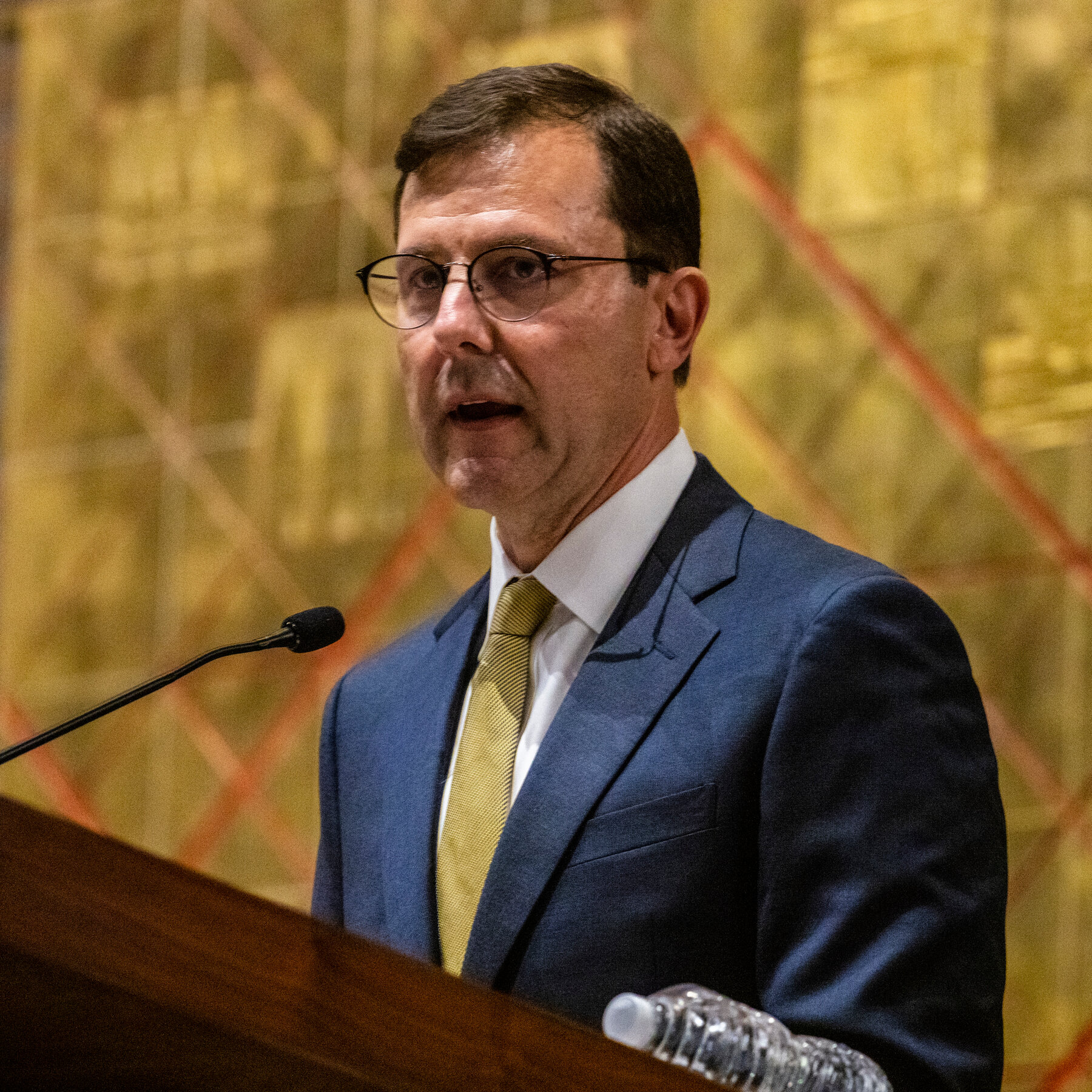
The halls of Congress thrive on public trust and accountability, yet a persistent shadow often falls over the health status of its members. The recent, extended absence of Republican Representative Thomas Kean Jr. of New Jersey, without clear public explanation regarding his health, has once again brought this critical issue to the forefront. While presidents are rightly expected to offer basic health information to the public, a different standard appears to apply to legislative officials, raising questions about transparency and the functioning of government.
Representative Kean Jr.’s prolonged quiet departure from public duties has underscored a significant gap in congressional norms. Unlike the executive branch, where presidential health is often detailed, members of the House and Senate frequently remain silent about medical conditions, even when these may impact their capacity to perform vital legislative work. This discretion, while ostensibly rooted in personal privacy, can inadvertently erode public confidence in the institution.
For a conservative publication like Matox News, the integrity of institutions is paramount. When elected representatives, particularly those in critical positions, are absent for extended periods without explanation, it can impede legislative progress and leave constituents without a clear understanding of their representation. The public has a legitimate interest in knowing that their elected officials are fully capable of executing their duties.
The tension between an individual’s right to privacy and the public’s right to information is central to this debate. While personal medical details are inherently private, the role of a federal lawmaker is inherently public. This necessitates a careful consideration of where the line should be drawn, especially when health issues might affect attendance, voting, or leadership responsibilities.
Arguments for greater transparency often highlight several key points:
As noted by News Desk, the historical precedent for congressional silence on health matters is long-standing, but modern expectations for transparency in government are evolving.
“The health of public servants, particularly those in positions of immense power, is not merely a private matter when it impacts their ability to govern effectively and represent their constituents.”
The issue extends beyond individual cases to the broader institutional framework. Congress, as a cornerstone of American democracy, benefits from clear, consistent standards that uphold public trust. Establishing guidelines for how and when health-related absences or conditions should be disclosed could strengthen the institution without unduly infringing on personal privacy. This isn’t about invasive scrutiny, but about ensuring the functionality and reliability of our elected bodies.
Ultimately, a robust democracy relies on informed citizens and accountable leaders. While personal privacy is a fundamental right, the public office carries with it a unique set of responsibilities. Ensuring that the health of our representatives is handled with appropriate transparency is a step towards reinforcing the integrity of Congress and maintaining the confidence of the American people.

Mexico City recently played host to a notable convergence of music, politics, and philanthropy as U2 members Bono and The Edge joined Mexican President Claudia Sheinbaum at an event for the General Assembly of the Street Child World Cup. This unexpected collaboration, as reported by Billboard, brought a significant spotlight to an international competition dedicated to empowering vulnerable youth. The gathering highlighted the importance of global figures uniting to champion critical social causes.
The 2026 Street Child World Cup, held in Mexico City from May 6-14, brought together 30 teams from various nations. More than just a football tournament, the event serves as a powerful advocacy platform, focusing intently on the fundamental rights of children living in vulnerable circumstances. Its core mission revolves around:
Such initiatives provide crucial support networks and opportunities for young individuals who often lack basic necessities and recognition within society.
The appearance of U2’s lead singer Bono and guitarist The Edge alongside President Sheinbaum at the Hidalgo Theater generated considerable enthusiasm. Social media videos shared by Mexico City’s secretary of tourism, Alejandra Frausto, depicted the head of state and the musicians greeting the audience before taking their seats. Bono notably addressed President Sheinbaum with the phrase “My president,” accompanied by a hug, a gesture that was met with significant applause from attendees.
Later, President Sheinbaum’s own social media accounts shared further details of the interaction. Bono reportedly acknowledged her governmental efforts, citing universal healthcare and an increase in the minimum wage, before playfully noting her busy schedule. This public display of support from internationally renowned artists brought an additional layer of visibility to the humanitarian efforts championed by the Street Child World Cup.
“My president.” — Bono to Claudia Sheinbaum
The involvement of high-profile figures like Bono, The Edge, and President Sheinbaum underscores the increasing recognition of the role that celebrities and political leaders can play in drawing attention to critical social issues. Their presence at the Street Child World Cup not only generated media coverage but also served to inspire participants and reinforce the message that these children are seen and valued.
Such collaborative efforts are vital for non-governmental organizations like the Street Child World Cup, enabling them to amplify their message and garner greater support for their initiatives. The focus remains squarely on ensuring that every child, regardless of their circumstances, has the opportunity to thrive and contribute positively to society.
The convergence of music, politics, and humanitarianism in Mexico City provided a timely reminder of the power of collective action. By shining a light on the Street Child World Cup, the event served to reinforce the importance of global partnerships in addressing the challenges faced by vulnerable children worldwide. It is hoped that such high-profile engagements will continue to foster increased awareness and tangible support for these essential humanitarian causes.

Matox News has learned that OpenAI, a leading artificial intelligence firm, is reportedly weighing legal action against Apple. This potential dispute centers on OpenAI’s dissatisfaction with Apple’s integration of its groundbreaking ChatGPT technology into the iPhone maker’s devices. The news, initially reported by The New York Times, indicates a significant escalation in tensions between two of the most influential companies in the technology sector.
This development underscores a growing friction point in the rapidly evolving AI landscape: how established tech giants integrate and manage relationships with pioneering AI developers. For OpenAI, a company at the forefront of generative AI, ensuring proper representation and control over its core technology appears paramount.
The precise grievances leading OpenAI to consider legal recourse have not been fully disclosed, but the general dissatisfaction revolves around Apple’s handling of ChatGPT integration. Industry observers suggest that OpenAI may be concerned about several factors:
This situation highlights a fundamental clash between Apple’s historically closed, tightly controlled ecosystem and OpenAI’s push for broad, impactful AI deployment that maintains the integrity of its innovations.
Should OpenAI proceed with legal action, it would send a strong signal across the entire technology industry. It could set a precedent for how AI companies protect their intellectual property and market standing when partnering with dominant platform providers. From a free-market perspective, such disputes are crucial for defining the boundaries of fair competition and ensuring that innovation is rewarded, not co-opted.
The outcome could influence future AI partnerships, potentially leading to more stringent contractual agreements and greater transparency in integration efforts. For consumers, the ultimate impact could be seen in the quality and accessibility of AI features on their devices, depending on how these complex corporate relationships are resolved.
“The future of seamless AI integration hinges on clear agreements and equitable partnerships, not on unilateral control.”
This potential legal battle with Apple is not an isolated incident for OpenAI. The company is currently embroiled in another high-profile legal challenge, specifically a court fight with co-founder Elon Musk. That case, involving allegations related to OpenAI’s founding mission and its commercial trajectory, recently saw closing arguments and is now heading to a jury for deliberation. This pattern suggests OpenAI is increasingly willing to utilize legal avenues to defend its interests and strategic direction in a rapidly evolving technological and business environment.
Such actions, while costly and time-consuming, demonstrate a firm commitment to institutional processes and upholding contractual integrity. For a company at the vanguard of a transformative technology like AI, asserting control and protecting its assets through established legal channels is a critical aspect of responsible corporate stewardship.
As the digital economy continues its rapid expansion, disputes over intellectual property, market control, and the terms of technological integration are becoming more frequent. The potential legal clash between OpenAI and Apple will be closely watched, as it could reshape expectations for partnerships between AI innovators and platform giants, ultimately influencing the future trajectory of AI development and deployment.
The legal showdown between two of Silicon Valley’s most influential figures, Elon Musk and Sam Altman, has reached a critical juncture. At stake is not only the reputation of these tech titans but also the very foundation of OpenAI, the company behind the revolutionary ChatGPT. This Musk-Altman trial has laid bare the complex and often contentious origins of a firm now valued in the billions, raising crucial questions about corporate responsibility and intellectual property in the rapidly evolving artificial intelligence landscape.
As a jury in a California federal court deliberates, the proceedings have cast a spotlight on the intricate dealings and personal dynamics that shape the tech world. The outcome could set significant precedents for how future start-ups, particularly those operating in frontier technologies like AI, structure their governance and uphold their founding principles.
Central to the legal challenge is Elon Musk’s assertion that he was “cheated out of a charity” when OpenAI, initially conceived as a non-profit venture, pivoted towards a for-profit model. Musk, a co-founder, contends that the company deviated from its original mission to develop AI for the benefit of humanity, free from corporate profit motives. Sam Altman, OpenAI’s current CEO, has vehemently rejected these claims, arguing that the company’s evolution was necessary for its survival and continued innovation.
This fundamental disagreement underscores a broader tension within the tech industry: the balance between altruistic goals and the immense financial pressures and opportunities presented by groundbreaking technologies. For many, the case highlights the importance of clear, unambiguous agreements and ethical leadership from a company’s inception, particularly when significant public interest is at stake.
The trial has offered an unprecedented glimpse into the often-opaque world of high-stakes tech deal-making. Evidence presented ranged from explosive text messages exchanged between key figures to allegations of free Teslas offered in exchange for influence. These revelations, widely reported by outlets including the BBC, paint a vivid picture of the intense negotiations and personal rivalries that can accompany the creation of transformative technologies.
Such disclosures underscore the need for greater transparency and accountability in Silicon Valley. For Matox News, upholding institutions and order means scrutinizing the conduct of major corporations and their leaders to ensure that innovation does not come at the expense of integrity or fairness. The trial serves as a stark reminder that even the most visionary projects must adhere to legal and ethical standards.
“The dispute between two tech titans over OpenAI’s founding principles underscores the urgent need for clarity and accountability in Silicon Valley’s rapid innovation.”
Regardless of the jury’s final decision, the Musk-Altman trial has already delivered several critical lessons for the corporate world, particularly concerning the governance of AI companies:
The proceedings serve as a potent reminder that while innovation drives progress, it must be underpinned by sound ethical frameworks and clear institutional guidelines. The tech sector, a crucial engine of our free market economy, benefits immensely from a predictable and fair legal environment. This trial, therefore, is not merely a personal battle between two prominent individuals but a pivotal moment for understanding the future of corporate responsibility in an age defined by artificial intelligence.
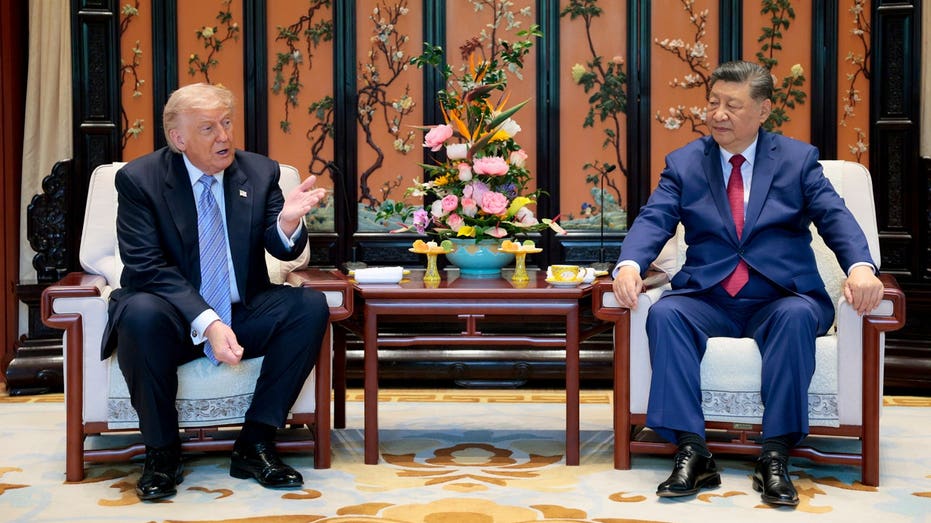
President Donald Trump has declared significant progress on US-China trade deals following his final bilateral meeting with Chinese President Xi Jinping. Speaking to reporters after their discussions at the Zhongnanhai compound, President Trump characterized the visit as “incredible” and highlighted the achievement of “fantastic trade deals” beneficial to both nations, amidst a backdrop of years-long tariff disputes.
The announcement of new agreements comes as a notable development in the complex economic relationship between Washington and Beijing. For years, the Trump administration has employed aggressive duties, asserting their necessity to compel China towards fairer trade practices and to address long-standing imbalances. Beijing, in turn, has consistently resisted these measures, leading to a protracted standoff that has impacted global supply chains and markets. This latest move, reported by the News Desk, marks a significant moment in the ongoing dialogue.
While specific details of all the deals remain undisclosed, a prominent outcome mentioned was China’s commitment to order 200 Boeing jets. This substantial acquisition represents a significant boost for the American aerospace giant, supporting thousands of jobs and bolstering the U.S. manufacturing sector. It signals a potential thaw in economic tensions, offering a tangible win for American industry and a positive step towards rebalancing US-China trade deals. Such large-scale commercial transactions are often seen as indicators of improving diplomatic relations.
The crucial meeting saw the participation of several high-ranking American officials, underscoring the strategic importance of the discussions and the administration’s commitment to securing favorable outcomes. Their collective presence indicates a comprehensive, multi-agency approach to addressing the multifaceted challenges and opportunities in US-China trade deals, ensuring that national security and economic interests are aligned. Key officials present included:
Beyond the presidential meeting, America’s top business leaders, accompanying President Trump, engaged with Premier Li Qiang on Thursday to explore broader avenues for U.S.-China economic and trade cooperation. These parallel discussions aim to foster a more stable, predictable, and prosperous bilateral economic environment, vital for global stability and sustained growth.
Statements from the Chinese Ministry of Foreign Affairs echoed a desire for positive outcomes, emphasizing cooperation over confrontation. A press release from the Ministry indicated China’s willingness to collaborate with the United States to “implement the important consensus reached by the two heads of state, strive for more positive outcomes, achieve mutual success and promote common prosperity, and better benefit the people of both countries and the world.” This diplomatic language suggests a shared recognition of interdependence.
The Ministry further emphasized the importance of both countries meeting “each other halfway” and actively working to “safeguard bilateral economic and trade relations.” This sentiment suggests a shared understanding of the need for constructive engagement to navigate future challenges and build upon the recent progress in US-China trade deals, moving towards a more structured and equitable trade framework.
“This has been an incredible visit… fantastic trade deals. Great for both countries.”
The successful conclusion of this summit between President Trump and President Xi marks a pivotal moment, signaling a concerted effort to de-escalate trade tensions and forge pathways for renewed economic collaboration. While the full implications of these new US-China trade deals will unfold over time, the immediate agreement on Boeing jets provides a concrete indicator of progress and a testament to high-level diplomacy. Matox News remains committed to providing factual and professional analysis of these critical international developments.
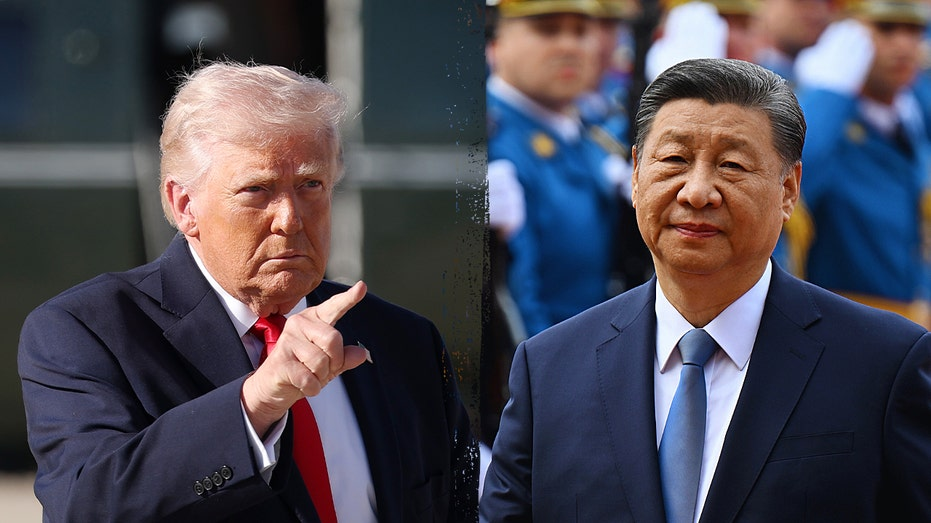
Former President Donald Trump has asserted that Chinese President Xi Jinping’s recent comments about a potential ‘declining nation’ were a direct reference to the perceived weaknesses of the United States during the Biden administration. This forceful interpretation by Trump comes amidst high-stakes diplomatic meetings between Washington and Beijing, turning geopolitical rhetoric into a potent domestic political weapon.
During opening ceremonies for US-China talks in Beijing, President Xi Jinping reportedly invoked the concept of the ‘Thucydides Trap’. This historical analogy questions whether a rising power and an established one can avoid conflict. While the specific phrase “declining nation” was not explicitly confirmed as used by Xi concerning the U.S. or the West, Trump quickly framed the sentiment as a critical assessment of America’s recent past.
Trump’s social media statement, made ahead of the second day of discussions, directly linked Xi’s observations to the “tremendous damage” he claims the nation suffered under the previous four years. He contended that on this point, Xi was “100% correct.”
Contrasting sharply with his assessment of the Biden years, Mr. Trump highlighted what he described as the “incredible rise” of the United States during his own 16 months in office. He pointed to several key areas he believes demonstrated national strength:
This narrative is central to Trump’s political platform, emphasizing a return to perceived American strength and prosperity. He expressed hope for improved relations with China, contingent on this renewed American vigor.
The exchange underscores the delicate balance of power between the U.S. and China, a relationship often characterized by both cooperation and intense rivalry. Xi’s invocation of the ‘Thucydides Trap’ reflects Beijing’s broader perspective on shifting global dynamics, where China sees itself as an ascendant power challenging existing global orders.
For the American political landscape, Trump’s swift politicization of Xi’s remarks serves to reinforce his critique of the current administration’s foreign policy and economic stewardship. It frames the complex geopolitical discussions through a lens of national strength versus perceived weakness, directly impacting the ongoing political discourse.
This strategic use of international statements for domestic political gain is a hallmark of current political campaigning, aiming to shape public perception of leadership effectiveness and America’s standing globally.
“President Xi, in referring to a ‘declining nation,’ correctly observed the damage under the prior administration.”
— Former President Donald Trump
The former President’s remarks, as reported by outlets like Fox News Digital, inject a sharp political dimension into the already intricate U.S.-China relationship. As diplomatic efforts continue, the domestic interpretation of global dialogues will undoubtedly remain a significant factor, shaping public opinion on America’s standing on the world stage and its future leadership. The ongoing debate over national strength and global influence continues to be a defining characteristic of this political era, underscoring the profound impact of both international and internal narratives.

Former MLB pitcher Carl Pavano is now facing a wave of deeply disturbing allegations from his ex-wife, Alissa, amid a contentious custody and prenup dispute. New court documents, revealed through outlets like CT Insider, detail a pattern of alleged behavior far exceeding initial reports of controlling conduct, raising serious questions about personal conduct and family integrity.
The latest legal filings follow earlier reports indicating significant domestic discord between Pavano and his ex-wife. Police have reportedly been called to their Fairfield, Connecticut, home nine times over the past two years. Initially, Alissa Pavano accused the former athlete of “controlling behavior,” including name-calling, cutting off her expenses, and threatening to take their children during what has been described as an ugly prenup battle.
While their divorce was finalized last December, the conflict appears far from over. The new allegations, submitted in a fresh court filing, suggest a troubling escalation of the dispute, moving beyond financial and emotional control to deeply personal and unsanitary acts.
Alissa Pavano’s recent filing outlines a series of particularly egregious claims against her former husband. Among the most shocking accusations are:
Furthermore, the filing details an alleged incident where Pavano sent photos of “multiple firearms laid out on the kitchen table” to Alissa and their children in a group chat shortly after divorce papers were served. This act, if proven, could be perceived as highly intimidating and threatening, especially within the context of an already fraught domestic situation.
Beyond the personal conduct allegations, the legal battle also centers on a prenuptial agreement that Alissa Pavano claims she was forced to sign. Her lawyers argue that while prenuptial agreements are legitimate tools for individuals to define financial interests before marriage, they should not be weaponized. They contend it should not be an acceptable way for a “monied spouse who has already started a family with his significant other to force her” into an unfair agreement.
The former couple currently shares custody of their three children, alternating weeks with them in the Fairfield home, which Pavano owns through a trust. The ongoing legal proceedings highlight the complexities of navigating divorce and custody, particularly when significant financial disparities and contentious personal allegations are involved.
These allegations paint a troubling picture of a domestic situation spiraling into deeply concerning conduct, raising serious questions about personal responsibility and family well-being.
These latest revelations underscore the profound complexities and emotional toll of high-profile domestic disputes. As the legal proceedings continue to unfold, the focus remains on ensuring a safe and stable environment for the children involved and upholding standards of respectful conduct, even amidst personal conflict. The allegations against Carl Pavano present a deeply troubling narrative that will undoubtedly continue to draw scrutiny as the courts deliberate.

The legal cloud hanging over rock legend Neil Young has lifted, as the fashion brand Chrome Hearts announced it has voluntarily dropped its trademark lawsuit against him. The dispute centered on Young’s new backing band, also named “The Chrome Hearts,” which the apparel and jewelry company claimed infringed upon its long-established intellectual property rights. This resolution marks a significant moment for both the music icon and the fashion industry, underscoring the complexities of brand protection in a diverse commercial landscape.
The lawsuit, initially filed last year, targeted Neil Young and his new musical ensemble, “The Chrome Hearts,” which debuted in 2024. The fashion brand, established in Los Angeles, has been utilizing the “Chrome Hearts” name for its distinct line of apparel, jewelry, and accessories since 1988. Often stylized with a Gothic script and a cross motif, the brand’s identity is deeply intertwined with its name.
The core of the fashion brand’s complaint, as detailed in its legal filing, was that Young’s continued use of a confusingly similar name in commerce directly violated its “valuable intellectual property rights.” This legal action highlighted the constant vigilance required by brands to protect their unique identity in a competitive market.
In a recent court filing this past Thursday, Chrome Hearts confirmed its decision to voluntarily dismiss the case against Young and his band members. The filing did not specify whether this conclusion was the result of a confidential settlement agreement or simply a decision to drop the litigation without further conditions. Neither party has offered immediate public comment on the matter.
This outcome, regardless of its specific terms, underscores the inherent challenges and costs associated with intellectual property litigation. For businesses and artists alike, navigating trademark law is essential for safeguarding creative and commercial endeavors.
“This resolution offers clarity for both the artist and the brand, allowing them to focus on their respective creative and commercial endeavors.”
Neil Young, renowned for his prolific career and collaborations, has a history of distinctive band names. For decades, he notably toured and recorded with Crazy Horse, a partnership that produced some of his most iconic work. The formation of “The Chrome Hearts” in 2024, followed by their debut album, Talkin’ to the Trees, in June 2025 and subsequent world tour, marked a new chapter in his musical exploration.
The ability of artists to innovate and explore new creative avenues is vital for the cultural landscape. This legal development ensures that Young can continue his musical journey with his current ensemble without the shadow of this particular legal challenge. As reported by Billboard, the case had faced difficult odds, indicating the complexities of proving infringement in this context.
The dismissal of this trademark lawsuit provides a definitive end to a high-profile legal battle. It allows both the established fashion brand, Chrome Hearts, and the legendary musician, Neil Young, to move forward with their respective pursuits. For the music industry and intellectual property owners, this case serves as a reminder of the intricate balance between artistic freedom and the protection of brand identity, reinforcing the importance of clear legal frameworks in fostering innovation and order.


