
TRENDING NEWS





Truth Over Trends, always!

The UK energy market is poised for a significant shift as E.On and Ovo Energy announce plans for a substantial takeover. This strategic move, which could establish Britain’s largest energy provider, comes with critical reassurances for millions of households nationwide. The proposed Ovo Energy takeover aims to consolidate market presence while prioritizing consumer stability.
The deal, which is currently undergoing review, promises a seamless transition for customers, ensuring that daily essential services remain uninterrupted. This focus on continuity is paramount for maintaining public trust in a vital sector.
Amidst the anticipation of a major industry consolidation, a primary concern for the public is the impact on their household budgets and service quality. Fortunately, the companies involved have provided clear commitments to protect consumer interests. All existing tariffs, for instance, are guaranteed to be honoured in full, a crucial pledge for financial predictability.
Consumer groups, including Which?, have confirmed that under the planned deal, both gas and electricity services will remain unaffected. This means households should experience no disruption to their energy supply or billing arrangements.
Should the deal be approved, the combined entity of E.On and Ovo Energy would become Britain’s largest energy supplier. E.On currently serves 5.6 million customers, while Ovo has four million. This merger would surpass the customer base of the current market leader, Octopus, significantly reshaping the competitive landscape.
While the precise value of the transaction remains undisclosed, previous reports have placed its potential worth at up to £600 million. This substantial investment underscores the strategic importance of scale in the modern energy market, reflecting a trend towards consolidation among major players seeking efficiency and broader reach.
“This significant energy sector consolidation underscores the dynamic nature of the market, with a clear focus on ensuring consumer confidence and service continuity throughout the transition.”
Any such large-scale merger in a critical infrastructure sector like energy is subject to rigorous examination by regulatory bodies. The proposed takeover will be thoroughly checked by regulators before any final approval is granted, a process that could extend later into the year. This oversight is vital to ensure fair competition, prevent monopolies, and ultimately protect the interests of the end consumer.
Both E.On and Ovo are expected to continue operating separately until a decision on the deal’s approval is reached. This phased approach allows for a methodical review process, upholding institutional integrity and order within the market.
The proposed Ovo Energy takeover represents a pivotal moment for the UK’s energy sector. While promising stability for consumers and a stronger market presence for the merging entities, the ultimate success and benefit will hinge on transparent execution and robust regulatory oversight. Matox News will continue to monitor developments, focusing on how this shift impacts household finances and the broader economic framework.
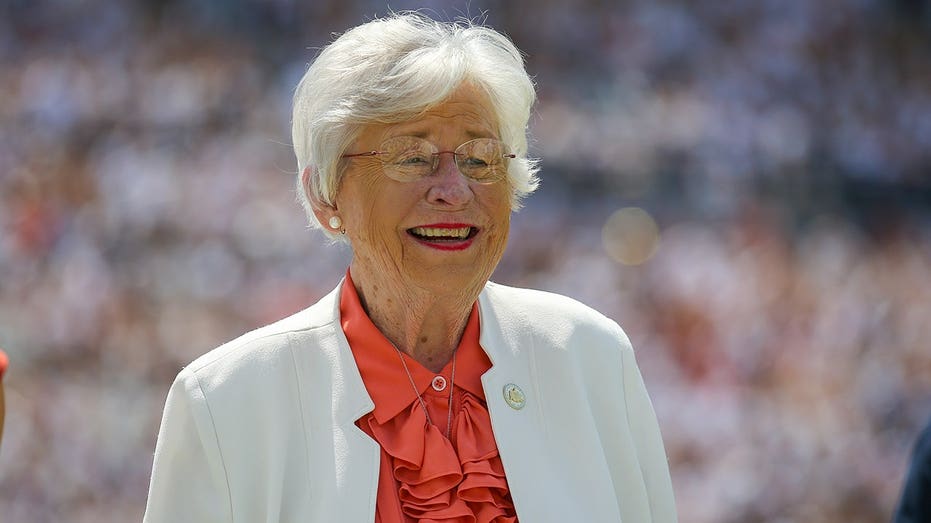
Alabama’s leadership is actively preparing for potential federal court rulings on its electoral districts, underscoring the state’s commitment to implementing its legislatively approved maps.
Governor Kay Ivey has taken a decisive step, signing legislation that paves the way for special primary elections should federal courts permit Alabama to utilize its 2023 congressional district lines. This move comes as the state presses the U.S. Supreme Court for clarity on a contentious redistricting battle, aiming to assert local control over electoral boundaries. The future of the Alabama congressional map now largely hinges on the nation’s highest judicial authority.
Governor Ivey’s recent signing of legislation on Friday demonstrates a proactive strategy by Alabama to be fully prepared for any favorable court decisions. This measure specifically targets U.S. House districts, with similar legislation also enacted for state Senate districts from 2021. The governor’s office emphasized the swift action by the legislature during a special session called to address the issue.
“Alabama knows our state, our people and our districts best.” – Governor Kay Ivey
Governor Ivey expressed gratitude for the legislative body’s responsiveness, stating, “With this special session successfully behind us, Alabama now stands ready to quickly act, should the courts issue favorable rulings in our ongoing redistricting cases.” She added, “I thank the Legislature for answering my call to address the issue in fast order. I am grateful to Speaker Ledbetter and Pro Tem Gudger for their strong leadership and focus this week.”
The state’s efforts to implement its preferred Alabama congressional map have faced recent setbacks in lower federal courts. A federal court on Friday denied an emergency motion for a stay in the congressional redistricting case. The court cited a lack of authority to “upend Alabama’s status quo” while the injunction establishing that status quo is well under review by the Supreme Court.
In response, Alabama’s legal team is intensifying its appeal to the U.S. Supreme Court, seeking a definitive ruling that would allow the state to proceed with its legislatively approved boundaries. State Attorney General Steve Marshall reaffirmed the state’s commitment, stating, “I will continue to fight for Alabama to be able to use the congressional map the people’s elected representatives enacted.” Marshall, whose comments were highlighted in reporting from Fox News Digital, further asserted that the map was drawn based on “lawful policy goals.”
This ongoing legal challenge highlights a significant institutional power struggle between state legislative authority and federal judicial oversight. For Alabama, the core of the argument rests on the principle that elected state representatives are best positioned to determine district lines, reflecting the unique demographics and priorities of their constituents.
The proactive steps taken by Governor Ivey and the state legislature underscore a commitment to maintaining order and ensuring that the democratic process, as defined by state law, can proceed without undue delay. The outcome of this case will not only shape Alabama’s political landscape for future elections but could also set precedents for other states grappling with similar redistricting disputes, emphasizing the importance of state sovereignty in electoral matters.
As the legal process unfolds, Alabama’s leadership remains steadfast in its defense of the maps, asserting the fundamental right of the people’s representatives to define their electoral future. All eyes now turn to the U.S. Supreme Court, whose impending decision will either greenlight Alabama’s carefully crafted redistricting plan or prolong the legal uncertainty surrounding its electoral boundaries.
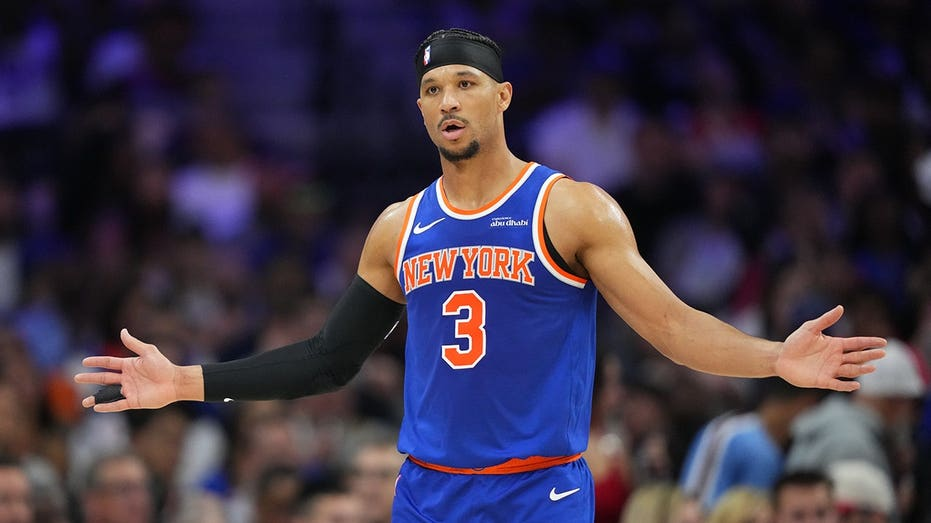
New York Knicks guard Josh Hart questioned the passion of Philadelphia’s fanbase following his team’s dominant playoff victory, igniting a regional rivalry beyond the court.
Following a decisive sweep of the Philadelphia 76ers in the second round of the NBA Playoffs, New York Knicks guard Josh Hart did not hold back. His pointed remarks about Philadelphia’s identity as a sports city have sent ripples through both fanbases and reignited a fierce regional debate. The Knicks’ commanding 144-114 victory on Sunday night sealed the series, but it was Hart’s post-game commentary that truly captured headlines.
The New York Knicks completed their sweep of the 76ers with a dominant performance, showcasing their depth and offensive prowess. Miles McBride led the team with 25 points, supported by Jalen Brunson’s six assists and four rebounds, and Karl-Anthony Towns’ 17 points, 10 assists, and four rebounds. Josh Hart himself contributed significantly with 17 points and nine rebounds.
However, it was his candid assessment of the opposing city’s sports culture that became the evening’s most talked-about moment. A Villanova alum, Hart’s words carried a particular sting for Philadelphia faithful. “I used to think Philly was a sports town, I don’t know if it is anymore,” Hart stated plainly, challenging a core aspect of the city’s self-perception.
Hart’s comments arrive amidst a challenging period for Philadelphia sports, with trophies proving elusive for many of its professional teams. While the Philadelphia Eagles recently celebrated a Super Bowl LIX victory over the Kansas City Chiefs, other franchises have faced significant droughts and recent disappointments.
This pattern of near-misses and early exits provides a backdrop to Hart’s critique, suggesting a broader frustration with the city’s sporting landscape.
“I used to think Philly was a sports town, I don’t know if it is anymore.”
— Josh Hart, New York Knicks Guard
Further exacerbating the situation for Philadelphia fans was the visible presence of New York Knicks supporters in what should have been home-court advantage. Knicks fans reportedly traveled to Philadelphia in significant numbers for Games 3 and 4, creating an atmosphere that, for some, felt less like a hostile road game and more like a neutral site. This influx of rival fans to witness the sweep only amplified the sting of Hart’s post-game remarks, suggesting a perceived lack of local passion.
The sentiment was echoed by 76ers star Tyrese Maxey, who expressed disappointment over the fan turnout in home games, noting the prevalence of Knicks fans, as reported by Fox News. This highlights a concerning trend for the 76ers organization and its fanbase, as they grapple with fan engagement amidst playoff struggles.
As the NBA season progresses without the 76ers, Philadelphia fans are left to ponder the state of their beloved teams. While the Phillies’ season continues, many may already be looking towards September, eagerly anticipating the start of the Eagles’ 2026 campaign. Josh Hart’s bold statements have certainly stirred the pot, serving as a stark reminder of the intense rivalries and high expectations that define professional sports.
The challenge now falls to Philadelphia’s teams to reassert their dominance and prove Hart’s assessment incorrect, restoring pride to a city that deeply values its sporting heritage.
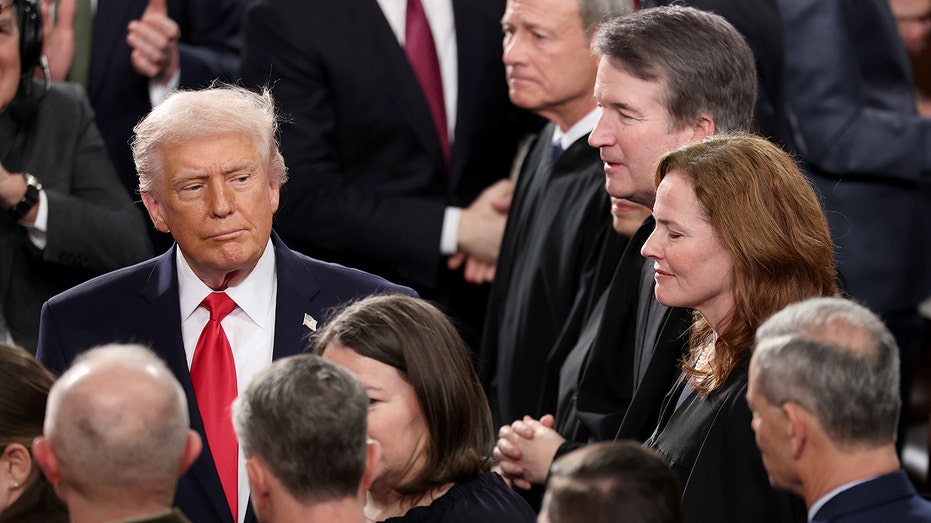
Former President Donald Trump has publicly criticized Supreme Court Justices Neil Gorsuch and Amy Coney Barrett, two of his own appointees, over a recent ruling concerning tariffs. In a lengthy statement posted on Truth Social, Mr. Trump alleged the decision cost the United States a staggering $159 billion and highlighted what he perceived as a profound lack of respect for the nation and its people.
The former president’s strong remarks underscore a growing tension between executive expectations and judicial independence, particularly when significant policy outcomes are at stake. His disappointment comes amidst a broader political landscape where institutional power struggles often dominate national discourse.
Mr. Trump specifically targeted the tariff ruling, calling it an “illegal” or “unconstitutional” determination that contradicted his preferred economic strategies. He expressed frustration that this decision, arrived at by a close vote with three strong dissents, impeded his ability to implement tariffs quickly and effectively. While acknowledging an alternative, slower method, the former president emphasized the immediate and substantial financial impact he attributed to the Court’s judgment.
“Yes, I have another way of doing Tariffs, but it is far slower, and more laborious than what was just determined, in a close decision, to be ‘illegal’ or ‘unconstitutional,’ with three powerful, and highly accurate, dissents!” Trump wrote, underscoring his belief that the ruling was a setback for national economic policy.
In his candid post, Trump articulated his expectations for those in positions of power, stating, “I don’t want loyalty, but I do want and expect it for our Country.” This sentiment reflects a perspective that judicial decisions should align with what he views as the national interest, particularly on matters of economic stability and sovereignty. He suggested that such rulings, if repeated, could lead to significant national breakdown.
The former president’s comments highlight a recurring theme in his public statements: the importance of appointees aligning with a broader vision for the nation, even within the independent judiciary. His frustration appears rooted in a perception that the Court’s decision undermined a critical tool for American economic leverage.
Adding to his critique, Mr. Trump also linked the tariff decision to a pending Supreme Court ruling on Birthright Citizenship. He warned that a negative outcome on this issue, combined with the recent tariff judgment, would be “not Economically sustainable for the United States of America!” This concern, detailed in a report by the News Desk, points to his desire to end practices like “birth tourism,” where foreign nationals seek U.S. citizenship for their children born on American soil. The Court’s decision on this matter is anticipated in the coming weeks.
The former president’s direct challenge to sitting Supreme Court justices is a significant moment, emphasizing the ongoing debate about the boundaries of judicial review and executive authority. His remarks suggest a profound concern about the judiciary’s impact on national policy and the balance of power among governmental branches.
As the nation looks ahead, the implications of these high-profile criticisms extend beyond the immediate rulings, contributing to broader discussions about judicial activism, the role of the Supreme Court, and the future direction of American jurisprudence.

An influential think tank, the Institute for Public Policy Research (IPPR), has put forth a proposal for a ‘double lock’ private rent cap in England. This initiative aims to alleviate the burden of surging living costs, prompting a broader discussion on market intervention and its potential effects on the housing sector.
Amidst escalating living costs, exacerbated by global geopolitical events, a prominent think tank has introduced a controversial proposal for controlling private rents. The Institute for Public Policy Research (IPPR), known for its close ties to the current Labour government, suggests implementing a ‘double lock’ rent cap that would tie rental increases to either consumer price inflation or wage growth, whichever is lower. This move, detailed in a recent paper, is designed to offer relief to tenants but immediately raises questions about its long-term economic implications and potential impact on the free market.
The core of the IPPR’s proposal is a mechanism designed to shield tenants from excessive rent hikes. The ‘double lock’ would ensure that annual rent increases in the private sector are capped at the lower figure between the rate of consumer price inflation (CPI) and average wage growth. Proponents argue this would provide much-needed stability for renters, allowing their housing costs to remain more predictable and affordable in an era of economic uncertainty. The think tank asserts that such a measure is a crucial component of a broader strategy to address the ongoing cost of living crisis, which has seen household budgets squeezed across the nation.
While the intent behind the IPPR’s ‘double lock’ is to ease financial pressure on households, the proposal immediately sparks concerns among those who champion free market principles and economic stability. Historically, interventions like rent caps have often led to unintended consequences. Critics frequently point to potential scenarios where landlords, faced with capped returns, may reduce investment in property maintenance and new developments. This could, in turn, lead to a deterioration of housing quality and a significant reduction in the supply of available rental properties, ultimately exacerbating the very housing shortages the policy aims to alleviate. A healthy rental market relies on a balance between tenant affordability and landlord incentives to invest and maintain properties.
The IPPR’s close relationship with the Labour government lends significant weight to its recommendations, potentially increasing pressure on ministers to incorporate the ‘double lock’ idea into upcoming policy packages. Chancellor Rachel Reeves is reportedly weighing various options to address living costs, with an announcement anticipated later in May. The inclusion of such a measure would represent a substantial shift in housing policy for England, moving away from a largely unregulated private rental market towards greater state intervention. The debate now intensifies as policymakers consider the short-term benefits against the long-term economic health of the housing sector.
"The IPPR’s proposal seeks to ease living costs, but critics warn of potential market distortions and reduced housing supply."
As the government deliberates on its strategy to combat the cost of living crisis, the ‘double lock’ rent cap proposal stands as a focal point of discussion. Balancing the immediate needs of tenants with the imperative to maintain a dynamic and well-supplied housing market will be a critical challenge. Any policy intervention must be carefully evaluated for its potential to foster stability without inadvertently undermining the investment and growth essential for a robust housing sector. The coming weeks will reveal the extent to which these free-market concerns are integrated into the government’s final decisions.

Global energy markets are grappling with renewed volatility as oil prices experienced a significant jump today. The surge follows President Donald Trump’s unequivocal rejection of a peace proposal put forth by Iran, deepening geopolitical tensions. This diplomatic impasse comes amidst the continued closure of the Strait of Hormuz, a vital maritime choke point, which has already severely hampered global oil and gas supplies since late February. The confluence of these events signals a challenging period for energy security and economic stability worldwide.
The immediate aftermath of President Trump’s statement saw international oil benchmark Brent crude rise sharply. Prices climbed by 4.1% to reach $105.50 a barrel in Asian trading, before experiencing a slight moderation. This upward pressure on prices reflects heightened market anxiety regarding the future availability of crude oil, as the prospect of a swift resolution to regional hostilities appears increasingly dim. Such significant price movements underscore the direct impact of geopolitical developments on household and business energy costs, potentially fueling inflationary pressures across various sectors. The market’s reaction demonstrates the fragile balance between supply, demand, and political stability.
The ongoing disruption to global energy shipments is primarily attributed to the effective closure of the Strait of Hormuz. This narrow waterway, situated strategically between the Persian Gulf and the Gulf of Oman, is one of the world’s most important maritime passages for crude oil and liquefied natural gas. A substantial portion of the world’s oil supply, alongside significant volumes of natural gas, transits through this strait daily, making its free passage indispensable for global energy security. Its inaccessibility since shortly after the conflict began on February 28 has created a substantial supply deficit in world markets, contributing significantly to market instability and elevated prices. Ensuring the unhindered flow of commerce through such international arteries is paramount for global economic health and maintaining supply chain integrity.
Iran had reportedly conveyed its response to the ongoing conflict through Pakistan, which has been acting as a mediator between the two sides. According to Iran’s semi-official Tasnim news agency, Tehran’s proposal called for an immediate cessation of hostilities and assurances against further US-Israeli attacks on Iranian territory. These terms aimed at de-escalation and establishing a framework for future stability. However, President Trump’s reaction, shared publicly via social media, was swift and unequivocally firm. He stated, “I have just read the response from Iran’s so-called ‘Representatives.’ I don’t like it – TOTALLY UNACCEPTABLE.” This firm rejection indicates a significant hurdle to any immediate diplomatic de-escalation. The BBC also reported on these critical diplomatic exchanges, highlighting the international attention on the impasse.
“The continued closure of the Strait of Hormuz poses a grave threat to global energy security and economic stability, underscoring the urgent need for a return to order and diplomatic resolution.“
The current trajectory of events suggests that global energy markets will remain under considerable pressure, with potential ramifications for economic growth and consumer spending. The combination of sustained geopolitical tension and the physical impediment to crucial shipping lanes presents a complex challenge for policymakers and businesses alike. For households, this translates to potentially higher energy costs, impacting budgets and overall economic confidence. A return to stability and the restoration of normal trade routes are therefore essential for mitigating these profound impacts and fostering a predictable economic environment. Matox News emphasizes that maintaining robust international institutional frameworks and adhering to a principled approach to global order remain critical in navigating these turbulent times.
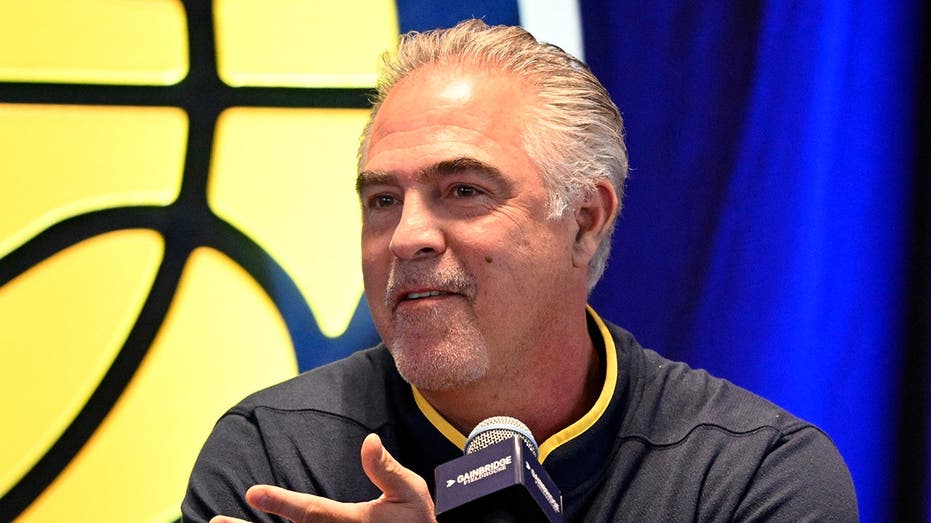
The Indiana Pacers faced a difficult reality on Sunday afternoon as their calculated gamble in the NBA Draft Lottery spectacularly backfired. Despite entering the lottery with a significant chance of securing a coveted top-four pick, the team’s fortunes took a dramatic turn, resulting in the loss of their first-round selection to the Los Angeles Clippers.
This outcome has prompted an immediate and public apology from Pacers President of Basketball Operations, Kevin Pritchard, who acknowledged full responsibility for the high-stakes decision that has left the franchise without a crucial asset in the upcoming draft.
The core of the Pacers’ predicament stems from a trade with the Los Angeles Clippers for center Ivica Zubac. As part of that deal, Indiana included its first-round pick, crucially protecting it only if it landed within the top four selections. Heading into the lottery, the Pacers, who finished the season with a 19-63 record, held a 52.1% chance of securing a top-four position, including a 14% chance at the coveted No. 1 overall pick. However, when the lottery balls revealed Indiana’s selection at No. 5, the protection vanished, and the pick officially transferred to the Clippers.
This outcome underscores the inherent risks of NBA team building and the lottery system itself. While the intention was to acquire a starting center to bolster their roster, the conditional nature of the draft pick proved to be a costly oversight, turning a strategic move into a significant setback for the franchise’s rebuilding efforts.
In the wake of the disappointing news, Pacers team president Kevin Pritchard swiftly addressed the fan base, taking to social media platform X to express his regret. “I’m really sorry to all our fans,” Pritchard wrote, directly owning the decision. He further explained his rationale, stating, “I own taking this risk. Surprised it came up 5th after this year. I thought we were due some luck. But please remember – this team deserved a starting center to compete with the best teams next year. We have always been resilient.”
Pritchard’s transparency, as reported by Fox News, aimed to provide an honest assessment of the situation, though it was met with a mixed reaction from fans online. The apology highlights the intense pressure on team executives to balance immediate competitive needs with long-term strategic planning, especially within the unpredictable framework of the NBA Draft Lottery.
“I’m really sorry to all our fans. I own taking this risk… But please remember – this team deserved a starting center to compete with the best teams next year.”
The loss of the fifth overall pick will undoubtedly force the Pacers to re-evaluate their offseason strategy. Without a high-value draft asset, the team’s avenues for acquiring talent may shift towards free agency or other trade opportunities. The incident also reignites discussions surrounding the league’s efforts to deter “tanking,” where teams intentionally underperform to improve their lottery odds. While the NBA has implemented measures to flatten the lottery odds, this outcome serves as a stark reminder that strategic gambles do not always pay off, even for teams perceived to be rebuilding.
Moving forward, the Pacers organization will need to demonstrate its resilience, as Pritchard noted, and articulate a clear path to competitiveness to reassure its loyal fan base. The consequences of this lottery outcome will undoubtedly shape their approach to the upcoming season and beyond.

In a competitive week featuring numerous high-profile releases, MUNA’s new record decisively claimed the lead in a recent listener poll. This victory highlights the trio’s sustained appeal and their knack for producing music that deeply resonates with a broad audience, solidifying their position as a significant voice in modern indie pop.
The acclaimed indie-pop trio, comprising Katie Gavin, Naomi McPherson, and Josette Maskin, celebrated a significant milestone with ‘Dancing on the Wall.’ This album, released on Saddest Factory Records, marks their third studio effort and their first since their widely successful self-titled record in 2022. That previous album, propelled by the Phoebe Bridgers collaboration “Silk Chiffon,” garnered extensive critical acclaim and helped MUNA break through to mainstream audiences, cementing their place in the indie scene.
Listeners participating in a poll published by Billboard on Friday, May 8, overwhelmingly chose ‘Dancing on the Wall’ as their favorite new music. The win signifies not just popular appeal but also critical momentum for the band. The title track itself has been lauded as one of the year’s most immediate and danceable releases, embodying the band’s signature blend of euphoric and emotionally direct indie pop that has become their hallmark.
MUNA’s triumph came amidst a particularly rich week for new music, showcasing the vibrant diversity of today’s soundscape. The poll featured a strong lineup of contenders, reflecting varied genres and artistic directions. Among the notable releases competing for attention were:
This array of releases underscores a dynamic industry where both established names and rising stars vie for listener attention, making MUNA’s decisive win all the more impressive against such a diverse and strong field.
The second-place finisher, Charli XCX’s “Rock Music,” represented a notable departure from her previous “Brat”-era sound, which had achieved commercial breakthrough in 2024. In an April interview with British Vogue, Charli XCX explained her artistic choice, stating, “If I’d made another album that felt more dance-leaning, it would have felt really hard, really sad.” She emphasized her interest in “bend[ing] the possibilities of what my perspective on that could be,” ahead of her still-unannounced new album. This bold move highlights an artist’s freedom to evolve, even against commercial expectations.
This deliberate shift by a prominent artist like Charli XCX, alongside MUNA’s consistent yet evolving sound, highlights a broader trend in the music industry: artists are constantly exploring new creative avenues, and audiences are increasingly open to diverse musical experiences. This dynamic interplay between artistic innovation and listener reception drives the ever-changing landscape of popular music, reflecting a healthy, competitive free market for creative expression.
MUNA’s ‘Dancing on the Wall’ affirms the band’s ability to consistently deliver emotionally resonant and danceable indie pop, captivating a broad and dedicated audience.
The success of MUNA’s ‘Dancing on the Wall’ is a testament to the band’s consistent artistry and their deep connection with fans. In an era of rapid cultural shifts and diverse musical tastes, their ability to resonate so strongly speaks volumes about the enduring power of well-crafted, authentic music. As the digital music landscape continues to evolve, Matox News will keep a close eye on the trends shaping audience preferences and artist trajectories, recognizing the importance of both artistic integrity and market response in the cultural sphere.

The United Kingdom is facing a significant economic headwind, with new projections indicating a loss of 163,000 jobs in 2026. This stark forecast, primarily attributed to the economic fallout from the escalating Iran war, highlights the profound global impact of geopolitical instability on domestic prosperity. Rising energy costs and subsequent inflationary pressures are set to challenge economic stability across the nation.
According to the latest regional outlook from the Item Club, a leading economic forecasting group, the UK job market is set for a substantial contraction. The predicted 163,000 job losses underscore the vulnerability of the British economy to external shocks, particularly those affecting crucial global supply chains and commodity prices. This downturn is not uniform, with the report specifically warning that lower-income regions, such as South Wales and the Humber, will be disproportionately affected by the economic reverberations from the Middle East conflict.
Businesses in these areas, often operating on tighter margins, are less equipped to absorb the increased operational costs stemming from elevated energy prices. The ripple effect could see local economies struggle, impacting livelihoods and community stability.
The Iran war has sent shockwaves through the global energy markets, manifesting in a sharp increase in crude oil prices. This surge is a primary driver of the inflationary pressures now being observed worldwide. For instance, China’s producer price inflation (PPI) has jumped to a 45-month high of 2.8% in April, a significant rise from 0.5% in March, according to data from the National Bureau of Statistics (NBS).
Key indicators of this global energy shock include:
These rising costs inevitably translate into higher prices for goods and services, squeezing consumer spending power and increasing operational expenses for businesses, ultimately contributing to the slowdown in economic activity.
“The economic woes caused by the Iran war are expected to cost the British economy jobs this year, with lower income regions hit hardest by the economic shock from the Middle East.”
As the conflict shows no immediate signs of abating, policymakers face a critical challenge in mitigating the domestic economic fallout. Strategies to support vulnerable households and businesses, particularly in the regions most at risk, will be essential. This includes considering measures to alleviate the burden of rising energy costs and fostering an environment conducive to job retention and economic resilience.
Matox News will continue to monitor these developments closely, providing factual updates on how global events impact the economic stability of the United Kingdom. Protecting the foundations of our free market and supporting the prosperity of British families remains paramount during these uncertain times.

In a significant development for the music industry, indie-pop trio MUNA has captured the attention of listeners, with their latest album, “Dancing on the Wall,” being crowned this week’s favorite new music. The release underscores the band’s growing influence and the evolving preferences of contemporary audiences.
MUNA, comprising Katie Gavin, Naomi McPherson, and Josette Maskin, achieved the top position in a poll published last Friday by Billboard. This win is particularly noteworthy as “Dancing on the Wall” is their third studio album and their first under Saddest Factory Records since their breakthrough self-titled record in 2022. That previous success was bolstered by the popular collaboration “Silk Chiffon” with Phoebe Bridgers, earning them widespread critical acclaim and a broader audience.
The week’s poll showcased a vibrant array of new releases, highlighting the diverse tastes of music enthusiasts. While MUNA secured the leading spot, the competition was robust, featuring several high-profile artists:
“MUNA’s latest offering, ‘Dancing on the Wall,’ reinforces their position as innovators in indie-pop, delivering an immediate and danceable experience that resonates widely.”
“Dancing on the Wall” sees MUNA further refine their signature style, blending euphoric melodies with emotionally direct lyricism. The title track itself has been recognized as one of the year’s most immediate and compelling dance releases. This evolution demonstrates the band’s commitment to artistic growth while maintaining a strong connection with their fanbase.
Meanwhile, Charli XCX’s second-place single, “Rock Music,” represents a deliberate shift away from her previous “Brat”-era sound. The artist shared in a British Vogue interview that creating another dance-oriented album “would have felt really hard, really sad,” expressing her interest in “bend[ing] the possibilities” of her artistic perspective. This deliberate change signals a broader trend among artists to explore new creative territories, challenging listener expectations.
The engagement seen in this week’s music poll underscores the dynamic nature of the contemporary music scene. Audiences are clearly responsive to artists who offer both innovative soundscapes and authentic artistic expression. MUNA’s success with “Dancing on the Wall” not only highlights their artistic merit but also reflects a broader cultural appreciation for music that is both compelling and thoughtfully crafted.


