
TRENDING NEWS





Truth Over Trends, always!

Morocco – The U.S. military has confirmed the tragic recovery of one US soldier in Morocco, 1st Lt. Kendrick Lamont Key Jr., who went missing earlier this month during recreational activities near a training area. The search, however, presses on for a second American service member who disappeared alongside him, casting a somber note on the ongoing ‘African Lion’ exercises.
The incident underscores the profound risks inherent in military service, even during routine training and off-duty activities. Authorities are committed to thorough investigation and recovery efforts, demonstrating the military’s unwavering dedication to its personnel and their families.
The U.S. Army Europe and Africa command announced on Sunday the recovery of 1st Lt. Kendrick Lamont Key Jr., 27, of Richmond, Virginia. His remains were found on Saturday morning by a Moroccan military search team. The discovery occurred along the Atlantic shoreline, approximately one mile from where Key and another soldier reportedly fell from a cliff during an off-duty recreational hike on May 2.
Brig. Gen. Curtis King, commanding general of the 10th Army Air and Missile Defense Command, expressed profound sorrow over the loss. “Today, we mourn the loss of 1st Lt. Kendrick Key, whose remains were recovered in Morocco,” King stated. “Our hearts are with his Family, friends, teammates, and all who knew and served alongside him. The 10th Army Air and Missile Defense Command Family is grieving, and we will continue to support one another and 1st Lt. Key’s Family as we honor his life and service.” According to a report from News Desk, the recovery operation involved significant multinational cooperation.
Both soldiers were participating in ‘African Lion,’ an annual multinational military exercise hosted across Morocco, Tunisia, Ghana, and Senegal. This critical exercise aims to enhance interoperability and strengthen alliances among participating nations, reflecting a commitment to regional stability and security. The disappearance occurred near the Cap Draa Training Area outside Tan-Tan, a challenging terrain characterized by mountains, desert, and semi-desert plains.
The immediate aftermath of their disappearance on May 2 triggered a massive search-and-rescue operation. Over 600 personnel from both the U.S. and Moroccan militaries were mobilized, deploying extensive resources to locate the missing soldiers. The dedication of these teams highlights the robust partnership between the two nations and the comprehensive support system for military personnel.
The U.S. military, in close coordination with Moroccan authorities, remains fully committed to finding the second missing soldier. This unwavering resolve is a testament to the military’s core values and its promise to leave no one behind. Families of the service members are receiving comprehensive support and regular updates during this difficult period.
Such incidents serve as a stark reminder of the inherent dangers faced by men and women in uniform, even when not engaged in direct combat. Their sacrifice and dedication to duty are foundational to national security and global stability. The ‘African Lion’ exercises, despite this tragedy, continue to represent a vital component of international defense cooperation, fostering stronger bonds and operational readiness among allied forces.
“Today, we mourn the loss of 1st Lt. Kendrick Key, whose remains were recovered in Morocco. Our hearts are with his Family, friends, teammates, and all who knew and served alongside him.”
— Brig. Gen. Curtis King, Commanding General, 10th Army Air and Missile Defense Command
As the search for the second soldier continues, the thoughts of many remain with the families and colleagues affected by this profound loss. The military community stands united in grief and resolve, demonstrating the strength of institutions built on honor, service, and mutual support.

Spanish singer Aitana marked the beginning of her Cuarto Azul World Tour on May 9, 2026, with a compelling show at the Municipal Stadium Antonio Peroles in Almería. Drawing nearly 18,000 attendees, the concert combined emotional intimacy with dynamic stage production, reflecting the star’s significant growth since her early career days.
The tour kickoff, reported by Billboard, spotlighted Aitana’s new album Cuarto Azul (2025), while thoughtfully weaving in fan favorites from previous releases. The event’s design and setlist created a journey through her musical evolution, delivering an experience that resonated deeply with the audience.
The stage was crafted as an open house with multiple levels and rooms, providing a unique platform for Aitana to move seamlessly between intimate performances and energetic numbers. The opening song, “6 de Febrero,” was performed from a white bed atop a two-level structure, emphasizing a personal and reflective mood.
Lighting and giant screens shifted atmospheres throughout the show, complementing the vivid colors of the set and costumes. Aitana’s nude custom outfit by Devol Studio, paired with personalized boots by Hispanitas, reinforced the show’s aesthetic balance between vulnerability and strength.
The concert’s song choices centered on Cuarto Azul, but also incorporated hits like “Mon Amour,” “Vas a Quedarte,” and “Gran Vía.” The artist acknowledged the audience warmly, describing the event as a “little piece of Cuarto Azul,” while promising nods to her earlier work.
Beyond the planned setlist, the concert was marked by spontaneous moments that fostered a closer bond between Aitana and her fans. She read signs, accepted gifts, and shared personal reflections, enhancing the authenticity of the live experience.
“Welcome to our little piece of Cuarto Azul,” Aitana told the crowd, emphasizing the show’s intimate yet expansive nature.
Her ability to balance professional performance with approachable warmth underscores Aitana’s growing stature as a leading figure in Spanish pop music.
The successful launch of the Cuarto Azul World Tour reflects broader trends in Spain’s live music sector, which surpassed $930 million in 2025. Aitana’s prominence as the first woman to enter the top 10 live acts list highlights the increasing role of female artists in shaping the market.
This tour not only advances her career but also contributes positively to the cultural and economic vitality of the Spanish music industry.
As the Cuarto Azul World Tour continues, it will be closely watched for its impact on audience engagement and the evolving dynamics of live performances in a post-pandemic era.
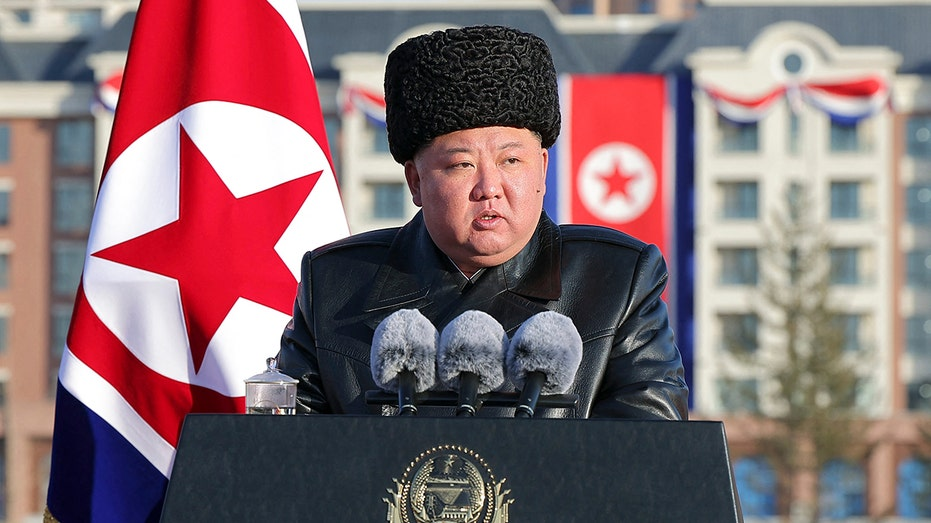
North Korea has taken a drastic step by revising its constitution to mandate an automatic nuclear strike should its leader, Kim Jong Un, be assassinated. This development, reported by The Telegraph and briefed by South Korea’s National Intelligence Service, underscores Pyongyang’s determination to deter any hostile actions targeting its top leadership.
The constitutional amendment was adopted during the Supreme People’s Assembly session that convened on March 22 in Pyongyang. It stipulates that if the command and control over North Korea’s nuclear arsenal is threatened or disabled by hostile forces, a retaliatory nuclear strike will be launched immediately without further orders.
This unprecedented clause institutionalizes a doctrine of instant nuclear retaliation, reflecting North Korea’s increasingly aggressive posture. The move follows a period of heightened global tensions, including the recent killing of Iran’s Supreme Leader Ali Khamenei in an Israeli strike coordinated with U.S. forces.
The new constitutional language states: “If the command-and-control system over the state’s nuclear forces is placed in danger by hostile forces’ attacks … a nuclear strike shall be launched automatically and immediately.” This eliminates any ambiguity about Pyongyang’s readiness to respond with nuclear force under extreme circumstances.
North Korea’s decision signals a significant escalation in its nuclear doctrine, complicating the strategic calculations of South Korea, the United States, and their allies in East Asia. It also coincides with other constitutional revisions, such as redefining North Korea’s territorial claims to formally separate itself from South Korea, marking a clear departure from previous reunification rhetoric.
These changes suggest a hardening stance, with Kim Jong Un recently labeling South Korea the “most hostile enemy” and pledging to expand North Korea’s nuclear arsenal further.
“If the command-and-control system over the state’s nuclear forces is placed in danger by hostile forces’ attacks … a nuclear strike shall be launched automatically and immediately.”
International observers and governments are expected to view this constitutional update with alarm. The automatic launch provision reduces the window for diplomatic intervention or de-escalation in the event of a crisis involving North Korean leadership.
It also raises questions about command and control safeguards and the risks of unintended escalation in an already volatile region. The development was detailed in briefings by South Korea’s intelligence agency, highlighting the urgency with which allied nations must reassess their security and diplomatic strategies toward Pyongyang.
North Korea’s constitutional revision marks a significant milestone in its nuclear policy, embedding a doctrine that could trigger a nuclear conflict virtually instantaneously. This hard-line stance underscores the regime’s prioritization of survival and deterrence through nuclear capabilities.
As tensions remain high, maintaining robust intelligence, diplomatic engagement, and alliance coordination in the Indo-Pacific will be critical to managing the risks posed by this shift.
Fox News Digital first reported on the broader regional military actions linked to North Korea’s policy overhaul earlier this year, situating this constitutional change within a wider context of escalating global security challenges.

Russian President Vladimir Putin suggested that the military conflict in Ukraine could be approaching its end, a rare indication of possible diplomatic progress amid a prolonged and brutal war. However, he simultaneously condemned the West’s continued support for Ukrainian President Volodymyr Zelensky’s government.
This statement came on the same day as Russia’s annual Victory Parade, which this year lacked the customary display of tanks and missiles due to heightened security concerns. Authorities feared that Ukrainian drone attacks might target Moscow’s Red Square, underscoring the persistent security risks despite recent ceasefire efforts.
Speaking publicly, Putin referred to the ongoing military operations as a “special military operation” and remarked, “I think that the matter is coming to an end.” This signals a subtle shift in tone compared to earlier phases of the conflict, though the Kremlin leader stopped short of outlining any concrete peace plans.
Putin’s comments coincided with a last-minute ceasefire agreement brokered by former US President Donald Trump, which helped reduce immediate threats and allowed the Victory Parade to proceed without incident. Yet, the Russian leader reiterated sharp criticism of Western nations for their support of Kyiv, blaming them for prolonging the war.
In a departure from tradition, Russia’s Victory Day parade omitted heavy weaponry displays. This decision was driven by intelligence warnings of potential Ukrainian drone strikes targeting central Moscow. The precautionary approach underscores how the conflict continues to pose internal security challenges for Russia.
Putin’s acknowledgment of a potential resolution contrasts sharply with his denunciation of Western military and financial aid to Ukraine. This tension remains a core obstacle to peace talks, as Western powers maintain that supporting Kyiv is essential to uphold Ukraine’s sovereignty and regional stability.
While the Kremlin portrays the conflict as a defensive operation against Western encroachment, Western governments frame their support as a necessary response to Russian aggression. This fundamental disagreement complicates any near-term resolution.
“I think that the matter is coming to an end,” Putin stated, signaling cautious optimism amid ongoing hostilities.
According to a report in the BBC, these developments highlight the delicate balance between military realities on the ground and the broader geopolitical contest shaping the conflict.
The coming weeks will be critical in determining whether diplomatic efforts can capitalize on this apparent shift or if military tensions will escalate anew. Moscow’s security concerns and Western resolve to support Ukraine remain significant factors influencing the conflict’s trajectory.
Observers should watch for further negotiations and any changes in Western policy, as these will heavily impact the prospects for lasting peace and regional stability.

Republican-led legislatures in the South are swiftly moving to redraw congressional districts, targeting majority-Black constituencies in the wake of a significant Supreme Court ruling. This development has major implications for minority representation and the upcoming midterm elections.
The redistricting efforts, reported by The New York Times’ national politics correspondent Nick Corasaniti, reflect a strategic approach by the GOP to recalibrate electoral advantages in key states. The changes underscore ongoing debates about the balance between electoral fairness and political strategy.
The recent Supreme Court ruling has altered the legal landscape surrounding electoral districting. Republican-controlled state legislatures, particularly in Southern states with historically significant Black populations, are now revisiting and revising their congressional maps.
These new maps often dismantle majority-Black districts, which have traditionally ensured African American voters a stronger voice in Congress. GOP lawmakers argue the revisions are necessary to comply with the Court’s guidelines and to reflect population changes.
Breaking up majority-Black districts risks diluting the voting power of African American communities. Critics warn this could undermine minority representation in Congress, affecting policy advocacy on issues vital to these constituencies.
Supporters contend that the changes promote competitive districts and uphold principles of fair representation without explicit racial gerrymandering. The debate highlights a complex intersection of legal standards, demographic shifts, and partisan interests.
These redistricting moves arrive at a critical time as candidates prepare for the midterm elections. The reshaped districts may influence electoral outcomes by altering the partisan composition of key races.
The political consequences extend beyond immediate elections, potentially affecting legislative priorities and the national balance of power.
“Republican legislatures are swiftly dismantling majority-Black districts, reshaping electoral dynamics in the South.”
As these changes unfold, the importance of institutions and adherence to legal frameworks remains paramount. Ensuring fair and transparent redistricting processes is essential to maintaining public trust and upholding democratic principles.
Matox News will continue monitoring developments in redistricting and their impact on governance and representation.

Bobby Cox, the celebrated manager who guided the Atlanta Braves to 14 division titles and the 1995 World Series championship, passed away at 84, the Braves organization announced Saturday. Cox’s impact on baseball remains profound, with a managerial career highlighted by strategic acumen and a deep commitment to player development.
Known affectionately as the Braves’ “treasured skipper,” Cox earned widespread respect throughout Major League Baseball for his leadership and passion. His tenure with the Braves spanned over two decades, during which he established a culture of competitiveness and resilience that defined the franchise.
Cox’s managerial career featured two stints with Atlanta. His first term began in 1978 and lasted until 1981. After managing the Toronto Blue Jays from 1982 to 1985, he returned to the Braves in 1990 and remained at the helm for 21 seasons. It was during this second tenure that Cox led the Braves to their lone World Series championship in 1995—breaking a long-standing title drought and cementing his legacy.
Throughout his career, Cox amassed 2,504 wins, ranking him fourth in MLB history behind legends like Connie Mack and Tony La Russa. His managerial excellence was acknowledged with four Manager of the Year awards, including back-to-back honors—a rare feat shared only with Kevin Cash.
Beyond his on-field achievements, Cox was revered for his mentorship and dedication to the game’s finer points. The Braves emphasized his expertise in player development and game management as key factors in their sustained success. His induction into the Baseball Hall of Fame in 2014 recognized these contributions at the highest level.
The Braves also highlighted Cox’s devotion to his family, noting that his passion for baseball was matched only by his love for his wife, Pam, and their children and grandchildren. The news of his passing prompted heartfelt condolences from the baseball community and fans alike.
“Bobby was a favorite among all in the baseball community, especially those who played for him,” the Braves stated.
Cox was not just a symbol of Braves baseball but also a respected figure across the sport. He served as first-base coach for the New York Yankees during their 1977 World Series championship, demonstrating his influence extended beyond Atlanta. His leadership helped elevate the Braves into a perennial powerhouse, fostering intense rivalries and memorable playoff appearances.
His iconic number 6 was retired by the Braves in 2011, a testament to his enduring imprint on the franchise. Cox’s tenure is often recalled for blending tradition with innovation, underscoring the importance of stability and strong leadership in professional sports.
Bobby Cox’s passing marks the end of an era for the Atlanta Braves and Major League Baseball at large. His legacy as a manager who valued discipline, teamwork, and excellence will continue to inspire future generations of players and coaches.
As the baseball world mourns, Cox’s record and impact serve as reminders of how one individual’s vision and dedication can shape a franchise’s destiny and influence an entire sport.
Reported by Fox News Sports, Cox’s death has brought forth widespread reflection on his storied career and the mark he left on the game.

The Federal Aviation Administration (FAA) is pioneering an artificial intelligence solution designed to tackle one of the most persistent issues in air travel: flight delays. The new system, known as Strategic Management of Airspace Routing Trajectories (SMART), uses advanced AI algorithms to predict congestion weeks ahead and make subtle schedule adjustments early enough to prevent bottlenecks.
With the nation’s air traffic control infrastructure long overdue for modernization, this ambitious project represents a critical step toward a more efficient and reliable aviation network.
Unlike conventional approaches that react to problems once they arise, SMART aims to anticipate trouble spots in the airspace. By analyzing flight patterns far in advance, the AI can recommend minor timing shifts—such as moving a departure five to ten minutes earlier or later—that cumulatively alleviate pressure on busy air corridors.
These incremental adjustments might seem trivial in isolation, but across thousands of flights daily, they can significantly smooth out traffic flow and reduce the cascading effects of weather or operational disruptions.
The FAA is collaborating with several leading private sector firms experienced in data analytics and aviation systems to develop SMART. Palantir Technologies, known for its expertise in complex data integration, has publicly confirmed its involvement in crafting the system’s analytic capabilities.
This partnership reflects a broader trend of leveraging private innovation to bolster public infrastructure. However, the undertaking is costly, with estimates placing the project’s budget around $12 billion—a substantial investment within a multi-billion-dollar modernization initiative for national air traffic control.
While the technical promise of SMART is substantial, experts remain cautiously optimistic about the system’s real-world impact. Skeptics question whether the AI can account for the myriad unpredictable variables—including weather, technical malfunctions, and human factors—that often trigger delays.
Ensuring seamless integration with existing air traffic management and securing buy-in from all aviation stakeholders will be essential to realizing the system’s full potential.
“The FAA’s AI system could spot problems weeks in advance, smoothing schedules before delays stack up,” Transportation Secretary Sean Duffy said, underscoring the urgency for upgrading America’s air traffic infrastructure.
As air travel demand grows and the complexity of managing crowded skies intensifies, solutions like SMART offer a path forward. By harnessing AI, the FAA aims to bring order to a system strained by rising traffic and aging technologies.
Although challenges remain, the initiative embodies the kind of forward-thinking, market-driven innovation necessary to sustain the nation’s aviation leadership and safeguard the efficiency critical to commerce and family travel alike.
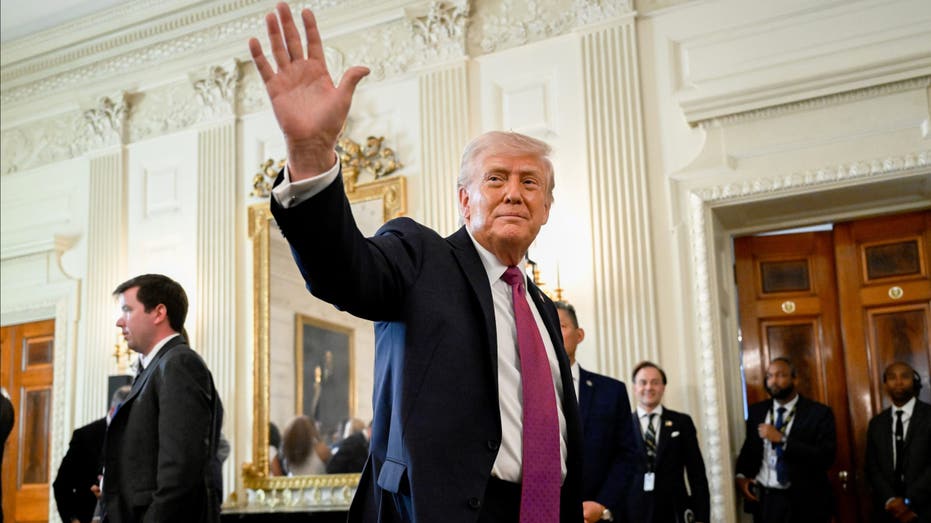
Former President Donald Trump has intensified calls for Congress to address the escalating financial turmoil in college sports. He warns that without swift federal intervention, the collegiate athletic system could be “lost forever” due to an unchecked arms race fueled by rising player compensation and costly operational practices.
This push follows a White House-backed committee’s draft proposal advocating for sweeping reforms, including the establishment of a task force with antitrust exemptions and the power to override conflicting state laws. The proposal aims to restore order in a landscape threatened by ballooning costs and destabilized eligibility rules.
The current model, according to the White House, drives universities deeper into debt while jeopardizing critical programs, particularly women’s and Olympic sports. The financial strain undermines educational opportunities for student-athletes and pressures institutions to prioritize revenue over values.
Trump’s executive order labeled the situation an “out-of-control financial arms race,” emphasizing that nearly 500,000 educational and athletic opportunities are at stake annually, alongside approximately $4 billion in scholarships.
The draft document outlines several measures aimed at reining in excesses and restoring competitive balance:
These reforms seek to establish national standards, a priority for the NCAA and sports leaders who have long called for uniformity across states to prevent a patchwork of conflicting regulations.
Trump’s recent remarks during a White House roundtable highlighted concerns about “crazy things” occurring in college sports, such as athletes extending their college tenure and exploiting name, image, and likeness (NIL) deals. These developments, while beneficial to some players, have contributed to the financial arms race and regulatory confusion.
By urging Congress to swiftly pass legislation, Trump underscores the risks of further delay, emphasizing the need for a coordinated federal response to preserve the long-term viability of college athletics.
“Further delay is not an option given what is at stake,” the executive order stated, pointing to the vital role of college sports in education and leadership development.
As reported by Fox News, this call to action reflects a broader concern about preserving institutional order and protecting student-athletes from the unintended consequences of deregulation.
The proposed reforms aim to balance market dynamics with the preservation of educational values and institutional stability. By establishing federal oversight with clear authority, Congress could curb unchecked spending, promote fairness, and safeguard the integrity of college athletics.
For policymakers, the challenge lies in crafting legislation that respects the autonomy of educational institutions while addressing the urgent need for systemic reform. Failure to act risks further destabilization, threatening the very foundation of college sports and the opportunities it provides.
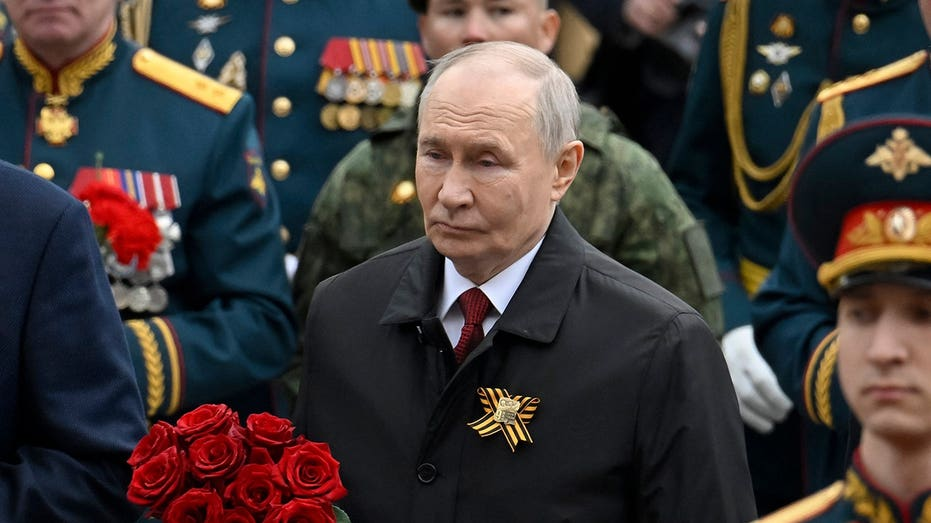
Russian President Vladimir Putin has indicated that the war with Ukraine might be nearing its conclusion. This development coincides with a three-day ceasefire and prisoner exchange brokered by former U.S. President Donald Trump, marking a rare moment of de-escalation in a conflict that has persisted since early 2022.
The ceasefire, which began on Saturday and will continue through Monday, aims to commemorate Victory Day, a significant date in Russia and Ukraine commemorating the Soviet victory in World War II. Both nations will suspend military operations and exchange 1,000 prisoners each, a move that has been cautiously welcomed by international observers.
In an unexpected announcement, Donald Trump revealed on his social platform that he directly requested the ceasefire and prisoner swap, which received agreement from both President Putin and Ukrainian President Volodymyr Zelenskyy. This diplomatic breakthrough, although limited in scope and duration, stands out amid years of entrenched hostilities and failed negotiations.
The ceasefire coincides with what Russia marked as its most modest Victory Day parade in years. The ongoing conflict has deeply affected both countries, with Russia having failed to secure full control over the contested Donbass region after more than four years of fighting.
Putin has expressed openness to dialogue with European leaders, specifically naming German Chancellor Gerhard Schroeder as a preferred interlocutor. However, he has set a clear condition for direct talks with President Zelenskyy: a lasting peace agreement must first be reached. This stance underscores the complexity of achieving a comprehensive and enduring resolution.
Meanwhile, President Zelenskyy confirmed the prisoner exchange on social media, signaling a rare moment of cooperation between the two adversaries. While this ceasefire does not resolve the broader conflict, it provides a temporary and symbolic pause that could pave the way for further diplomatic engagement.
The war in Ukraine has been a focal point of international security concerns, with significant implications for European stability and global order. This ceasefire, though brief, may signal a potential shift in the trajectory of the conflict, highlighting the role of third-party mediation in conflict resolution.
“I think that the matter is coming to an end,” Putin told reporters, signaling a possible turning point.
As reported by Fox News, this ceasefire represents a fragile but noteworthy development in a deeply entrenched conflict. While optimism remains guarded, the involvement of established political figures and the willingness of both sides to engage offer a glimmer of hope.
The path forward remains uncertain, but initiatives like these underscore the importance of continued diplomatic efforts, adherence to international law, and the pursuit of stability in the region.
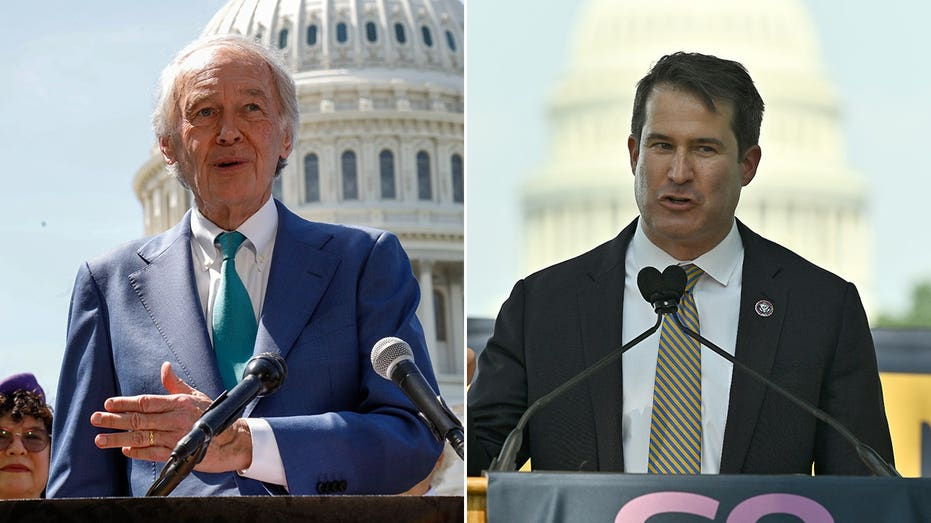
The Massachusetts Democratic Senate primary is heating up as Rep. Seth Moulton narrows the lead held by incumbent Senator Ed Markey. A recent Emerson College poll indicates that Markey’s once sizable advantage has shrunk considerably, reflecting changing voter sentiment in the state.
With the primary election drawing closer, the gap between the long-standing progressive senator and his centrist challenger is tightening, posing a significant contest that may influence the Democratic Party’s direction in Massachusetts.
The Emerson College survey, conducted on May 3 and 4 among likely Democratic primary voters, reveals Senator Markey ahead by just 5 percentage points—37% to 32%—over Representative Moulton. This is a notable decline from previous polls where Markey commanded leads of up to 20 points.
About 29% of voters remain undecided, leaving room for shifts as the campaign progresses. Other candidates in the race collectively garner only 2% support, underscoring the head-to-head nature of the primary.
Markey continues to maintain support among registered Democrats, leading by 13 points within this group. However, among unenrolled voters, who can often sway primaries, Moulton holds a slight edge.
The contest represents a broader ideological split within the Massachusetts Democratic electorate. Senator Markey, 79, enjoys backing from prominent progressives including Senator Elizabeth Warren and Representative Ayanna Pressley, emphasizing his established progressive credentials.
Meanwhile, Moulton, 47, positions himself as a more centrist alternative, gaining endorsements from groups such as VoteVets PAC and the Massachusetts Teamsters. This coalition signals his appeal to moderate and labor-oriented voters.
“Senator Markey leads the Democratic primary by 13 points among registered Democrats, while Rep. Moulton holds a 38% to 32% edge among unenrolled voters,” noted Spencer Kimball, executive director of Emerson College Polling.
The tightening race underscores the dynamic nature of electoral politics within the Democratic Party, reflecting tensions between progressive and centrist factions. With a significant portion of voters undecided, the primary outcome remains uncertain.
Both campaigns will likely intensify efforts to mobilize their bases and sway independents in the weeks ahead. The result will have implications not only for Massachusetts but for the broader ideological balance within national Democratic politics.
The Emerson College poll, as reported by Fox News, serves as a critical indicator of the shifting landscape in this key primary.


