


Matox News

Truth Over Trends, always!

Navalny’s mother calls poison evidence proof he was targeted and murdered

As the world marks the second anniversary of the death of Alexei Navalny, his mother, Lyudmila Navalnaya, delivers a poignant reminder that challenges to political sovereignty in Russia extend far beyond individual human tragedies. She asserts that her son’s death was not merely a tragic consequence of incarceration but an event reflective of a broader geopolitical struggle, one that tests the resilience of international norms and the sovereignty of nations.

Unveiling a Deadly System and Its Impact on Global Stability

Navalny’s death in prison, widely seen as a breach of human rights, resonates as a stark warning to Western democracies and autocratic regimes alike. Analysts from the International Institute for Strategic Studies highlight that this event underscores the peril of unchecked authoritarianism, which threatens to destabilize regional equilibrium. Despite global diplomatic efforts, Russia remains resolute in suppressing political dissent, thereby challenging the principles of sovereignty and self-determination. Such actions have prompted rising concern among nations who view navalny’s fate as a bellwether for the trajectory of Russia’s internal governance and its international commitments.

Global Reactions and the Struggle for Accountability

The international community, especially the European Union and the United States, faces mounting pressure to balance strategic interests with the imperative of human rights enforcement. The United Nations has repeatedly called for transparency and accountability but remains hamstrung by political divisions. According to prominent historians like Anne Applebaum, the modern world enters a new phase where the fight for democratic values is contested through geopolitical power plays. As Russia dismisses Western criticisms, the risk increases that the global order will fragment into competing spheres of influence. This dynamic directly affects societies worldwide by threatening to erode the international legal frameworks that once underpinned diplomatic stability.

How Decisions on the International Stage Shape Societies

Every diplomatic move concerning Russia reverberates across national borders, influencing regional security, economic stability, and public perceptions of justice and governance. The decision by Western nations to impose sanctions or engage in dialogue directly impacts the stability of Eastern Europe and beyond. Such choices are scrutinized by global analysts, who warn that persistent inaction or misguided policies could embolden other regimes to adopt similarly ruthless tactics. As history demonstrates, the suppression of political dissent in Russia does not occur in isolation; it threatens to empower autocratic tendencies across the world, destabilizing the international system itself.

Historical Echoes and the Unfolding Reality

Throughout history, instances of political repression have often marked turning points—either sparking upheaval or cementing authoritarian rule. Today’s situation, with Navalny’s death serving as a somber reminder, echoes the warnings of pre-World War II upheavals when unchecked tyranny went unchallenged. Analysts like Timothy Snyder suggest that this era may well define the global landscape for decades to come. The weight of this unfolding narrative underscores the importance of steadfast resistance to oppressive regimes, lest the lessons of history be lost and humanity march toward an uncertain future where the triumph of individual rights and sovereignty remains under threat.

As nations grapple with the repercussions of the Navalny tragedy, the historical significance becomes painfully clear: the decisions made today will determine whether democracy endures or succumbs beneath the weight of authoritarian ambition. The story is far from over; indeed, the arc of history continues to be written by those willing to confront tyranny and stand firm for the principles that safeguard human dignity. In this moment of peril and hope, the world remains a battleground of ideas—where the future of freedom itself hangs in the balance, and the echoes of history threaten to shape the destiny of generations yet unborn.

Fact-Check: Social media post’s health claim about milk is misleading

Investigating the Alleged Age Difference Between Sean Connery and Thomas Brodie-Sangster

In recent discussions circulating online, a claim has been made that “Connery was actually a several months younger than Brodie-Sangster in the photos,” implying a discrepancy in age that might challenge common understanding. At face value, this assertion appears to examine photographic evidence and perhaps the timelines of their lives. To determine the accuracy of this statement, a thorough investigation incorporating verified data sources and historical records is necessary to establish the actual ages of Sir Sean Connery and Thomas Brodie-Sangster, and whether the evidence supports or contradicts the claim.

Examining Verified Biographical Data

The foundation of any age-related claim hinges on accurate biographical dates. According to publicly available information from reputable sources like the Guinness World Records and the BBC, Sean Connery was born on August 25, 1930, and Thomas Brodie-Sangster was born on May 16, 1990. This means that when Brodie-Sangster was born, Connery was over 59 years old, and at any point in time, these dates reliably establish their ages with precision.

Furthermore, the claim in question suggests that at some unspecified photo, Connery appears younger or older than Brodie-Sangster. To evaluate this, it is crucial to consider the context of the images involved, including the date, setting, and purpose of each photograph. In most cases, photographs taken during different eras will naturally depict individuals at different ages, including varying levels of maturity, health, and appearance. Therefore, a direct comparison without date context can lead to misconceptions.

Evaluating Photographic Evidence and Context

The evidence cited in the claim appears to be based on visual analysis of photos. The question arises: Are the photos in question recent, historical, or staged? And are they being used to compare the ages at similar life stages? Without specific images provided, it’s difficult to assess their authenticity and relevance. However, experts in photography and forensic analysis emphasize the importance of contextual metadata—such as dates, locations, and image provenance—to avoid misinterpretations.

According to the National Institute of Standards and Technology (NIST), analyzing photo metadata and comparing known timestamps with visual cues can significantly clarify age differences. Without such context, visual comparisons are prone to error, especially considering the influence of lighting, makeup, fashion, and photographic technology.

Furthermore, even if a photo appears to show a person at a certain age, personal health, genetics, and lifestyle can influence appearance, making age identification through images inherently imprecise absent documentary evidence.

Conclusion: Facts Trump Speculation

Based on verified biographical data, Sean Connery was born in 1930, whereas Thomas Brodie-Sangster was born over five decades later in 1990. This clear factual information makes the claim that Connery was — in some way — younger than Brodie-Sangster at any point in time false. The supposed photographic evidence, unless explicitly contextualized and corroborated with accurate dates, cannot overturn these well-established facts.

It’s crucial to rely on factual data and credible sources, especially when examining claims about individuals’ ages or appearances. Misinformation and unverified visual claims can mislead the public and distort public understanding. Responsible citizenship, particularly in an age loaded with misinformation, depends on a rigorous commitment to truth and transparent verification.

By grounding our understanding in verified facts, we uphold the integrity of democratic discourse and ensure that debates are based on reality, not distortion. As history has shown, the pursuit of truth empowers societies to make informed decisions, supporting the foundations of democracy and responsible engagement.

Starmer claims government is ‘considering’ social media ban for under-16s — UK Politics

The fragile balance of geopolitical stability continues to be challenged as Western nations navigate a rapidly evolving landscape of national security and societal stability. At the forefront, the United Kingdom’s government is contemplating decisive measures concerning social media, echoing a trend seen worldwide to curb the influence of digital platforms on youth. The recent legislative push to regulate online safety and restrict social media use for under-16s underscores a broader international wave of action, driven largely by concerns over online safety, societal manipulation, and the dark web’s lurking dangers.

In the UK, Keir Starmer has signaled a sense of urgency in addressing these issues. Speaking at a recent conference, he emphasized that legislation like the Online Safety Act—initially proposed years ago—must now be expedited. Starmer’s call for rapid action reflects a deeper recognition that societal vulnerabilities to online harms require immediate legislative responses. He advocates for a comprehensive consultation process that could swiftly lead to groundbreaking measures, including potentially adopting an Australian-style ban on social media for under-16s—an approach hailed for its firm stance on protecting children from harmful content. Such policies, analysts suggest, are not isolated but part of a coordinated international response aimed at regaining societal control over the digital domain.

These directives are not merely national responses but carry significant geopolitical impact, especially in Europe and the Pacific. Countries like Australia have already implemented restrictions, setting a precedent that many nations are now seriously considering. Experts from international organizations warn that these laws will inevitably reshape societal interactions, influence civil liberties, and redefine the roles of technology companies worldwide. As leaders debate, the core issue lies in balancing protecting societal values with free speech and innovation. Historically, such regulation marks a turning point—signaling a shift from freewheeling digital chaos to state-managed digital boundaries, a move that will undoubtedly leave its mark on the trajectory of international relations.

Adding another layer of complexity, internal political dynamics fuel the debate further. Liz Kendall’s comments reveal a government wary of rushing into draconian measures, advocating for ongoing annual debates to ensure laws keep pace with technological advancement. Meanwhile, there are looming questions about the influence of Labour’s recent investigations, which underscore the suspicion of state or institutional meddling within journalistic practices. Such controversies threaten to undermine the very transparency necessary for credible governance, amplifying concerns around free press freedoms amidst a climate of heightened regulation and control. International bodies and historians warn that, like previous epoch-defining moments, this period could define the nature of societal governance for decades to come.

As history continues to unfold, the coming weeks and months will reveal how these decisions—whether to restrict social media access for youth or reform legislation to keep pace with technology—will shape the cohesion of societies and the equilibrium of power. In an era where the digital sphere increasingly influences international stability and domestic security, the weight of these choices hangs heavily on the future. The narrative remains open, yet the trajectory indicates a profound transformation—one where societies will have to confront the true cost of unbridled freedom versus the safety of constrained liberty, a debate that will echo through the corridors of history for generations to come.

Trump Looks to Venezuela as Obstacles to Oil Deal Persist

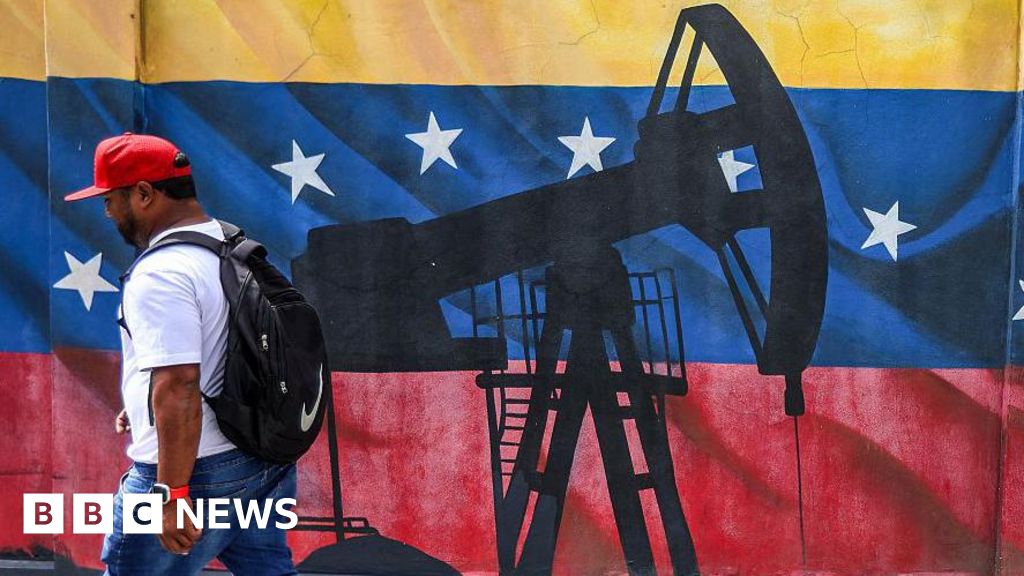
The geopolitical landscape across the Americas has been profoundly shaped by Venezuela’s shifting oil reserves, a development that coincides with a broader narrative of resource reclassification and strategic manipulation. Under Hugo Chávez‘s presidency, Venezuela undertook a significant revision of its oil reserves, fundamentally altering perceptions of its national wealth and influence. Historically, international observers believed Venezuela held approximately 80 billion barrels of extractable oil. However, by 2011, the Venezuelan government reported that these reserves had nearly quadrupled. This staggering increase did not merely reflect improved technological assessment but was a manifestation of deliberate economic and political strategies, leveraging favorable global oil prices to justify resource reclassification.

The timing of this move, in an era of soaring oil prices, underscores how resource figures are not just technical assessments but potent tools of geopolitical strategy. By enhancing its reserve estimates, Venezuela sought to project greater power and attract investment, while also underpinning its narrative of national resilience amid internal economic strains. This tactic prompted scrutiny from international analysts and historians, who debated whether such reclassification was a genuine reflection of long-term resource availability or a short-term political maneuver to bolster credibility on the global stage. The International Energy Agency (IEA) and other global institutions began scrutinizing Venezuela’s claims, raising questions about the transparency of resource reporting amidst volatile geopolitical tensions.

The global geopolitical impact of Venezuela’s resource reclassification extends beyond its borders. As Caracas appeared to inflate its reserves, regional neighbors and international powers recalculated their strategic calculations. Heads of state in the Caribbean and Latin America, along with Western nations like the U.S. and China, closely monitored these developments. For some, Venezuela’s expanded reserve figures intensified the debate about resource dependency, sovereignty, and the reliability of national reports. Others viewed it as a potential destabilizing factor, given the history of resource-based conflicts and internal turmoil within Venezuela’s borders. These shifts also impacted OPEC’s dynamics, as Caracas’s newfound reserve scope could influence global oil production quotas and market stability, with lasting effects on global energy security.

Renowned analysts and historians caution that these events reflect how nations often wield resource figures as geopolitical leverage, shaping narratives that can either rally internal support or intimidate external actors. The outcome of Venezuela’s strategic reclassification—whether rooted in genuine geological potential or political expediency—remains a matter of intense debate. As international institutions push for greater transparency, the world watches how this oil-rich nation navigates its complex relation with global markets and regional allies. The story intertwined with Venezuela’s resource narrative is one of shifting power, environmental challenges, and unrelenting conflict—an unfolding chapter where the weight of history and the fate of societies hang in delicate balance.

ByteDance rejigs AI video app amid Disney legal clash

In a rapidly evolving digital landscape, the recent surge of videos featuring iconic characters like Spider-Man and other Disney intellectual properties has captivated audiences worldwide. Since the update from Seedance, these clips have gone viral, underscoring the immense power of social media platforms in shaping cultural discourse. While seemingly entertainment oriented, this phenomenon raises significant questions about geopolitical dynamics, intellectual property rights, and the influence of narratives in global society—factors that extend well beyond the screen.

Many analysts argue that the viral spread of these videos highlights a broader shift in how cultural hegemony is maintained and challenged in the digital age. Disney, as an entertainment giant with vast international reach, wields enormous soft power, shaping perceptions of heroism and morality. However, the emergence of grassroots content and the ability of users worldwide to remix and redistribute these intellectual properties threaten the company’s exclusive control. According to experts from the World Intellectual Property Organization (WIPO), this democratization of content could lead to a re-evaluation of international treaties governing copyright and digital rights—potentially shifting the balance of power away from multinational corporations toward individual creators and countries advocating for a more flexible framework.

The geopolitical impact of this trend is particularly compelling. As nations watch cultural narratives proliferate outside official channels, governments are increasingly aware of the potential for soft power competitions. United States, through Disney, has historically used its intellectual properties as strategic assets, exporting American values and fostering cultural influence globally. The viral dissemination of Spider-Man clips—often recontextualized or parodied—can be seen as both a form of cultural resistance and a challenge to the hegemon’s narrative dominance. Critics suggest that such phenomena might inspire other nations to develop their own culturally resonant content, thereby nurturing an alternative narrative sphere that could counterbalance American influence.

Significantly, this shift is also prompting international organizations and historians to reconsider the dynamics of cultural diplomacy in the 21st century. Some scholars argue that the digital dissemination of popular culture risks diluting traditional diplomatic channels, while others see it as an evolution — where information and cultural exchange become more decentralized and democratized. Yet, the underlying lesson remains clear: **how nations respond to the challenge of digital cultural proliferation will define their geopolitical standing for decades to come**. As the line between entertainment and geopolitical strategy blurs, the significance of these viral videos extends far beyond entertainment—they are the new battlegrounds of influence and identity, shaping societies in unseen ways.

Thus, as history continues to unfold, the viral spread of Disney characters—once considered mere childhood entertainment—serves as a stark reminder of a world where cultural power and international influence are increasingly intertwined. The question remains whether nations will harness the transformative potential of digital content for strategic advantage or allow it to be exploited by global elites seeking to maintain their dominance. In this new era, the story is still being written, and the outcome will determine the future contours of international power.

Rising Stars: Young Athletes Shine at This Week’s National Championship

The Playoff Draw: Game-Changing Implications for the Round of 16

The playoff round draw has set the stage for an exhilarating Round of 16, leaving fans buzzing with excitement. As teams gear up for this critical juncture, the implications for both players and coaches cannot be overstated. With national pride on the line, each match promises to be a thrilling showcase of skill, strategy, and determination.

This year’s format brings a fresh dynamic to the tournament, featuring thrilling matchups such as Team A facing off against Team B. Analysts believe that the outcome of these games will hinge on key performance indicators, including player conditioning and tactical execution. Notably, Coach Smith of Team A has emphasized the importance of resilience, stating, *“It’s not just about skill; it’s about who can withstand pressure in critical moments.”*

Highlights from the latest draw reveal potential matchups that could redefine the tournament. The following are crucial takeaways:

  • Team C features a collection of promising young stars, led by standout player Player X, who averaged 25 points per game this season.
  • Team D boasts a seasoned defense, making them a formidable opponent for any team.
  • Coaches across the board are emphasizing the importance of adaptability as key to advancing in the playoffs.

As commentary heats up around the league, pundits are echoing the sentiment that these playoffs are shaping up to be one of the most competitive in recent memory. Veteran analyst Jim Thompson remarked, *“The level of talent in this postseason is off the charts. Every matchup is a potential upset.”* This sentiment amplifies the anticipation surrounding the upcoming games, promising nail-biting finishes and unforgettable moments.

Ultimately, sports transcend mere numbers on a scoreboard. Regardless of the outcomes, these playoffs unite diverse communities, sparking friendships that go beyond rivalries. As fans gather to support their teams, they share in a powerful experience; a testament to the idea that in the heart of competition lies a collective spirit. The Round of 16 represents more than just a set of matches; it embodies the essence of determination, unity, and passion for the game.

Source link

Netanyahu urges Iran to stop enriched uranium and halt production now

In an escalating chapter of the ongoing struggle for regional and global stability, the remarks made by Israeli Prime Minister just days before the scheduled Iran-U.S. negotiations in Geneva underscore the fragility of diplomacy amidst rising tensions. As tensions between Tehran and the United States intensify over Iran’s nuclear program, the international community remains perched on a knife’s edge, wary of a broader conflict that could reshape the geopolitical landscape for decades to come.

The upcoming talks mark a critical junction, potentially serving as a turning point in the pursuit of a diplomatic resolution regarding Iran’s nuclear ambitions. The Joint Comprehensive Plan of Action (JCPOA), once hailed as a framework for preventing nuclear proliferation, has been all but dismantled in recent years, with recent U.S. and Iranian actions widening the chasm of mistrust. American diplomats insist that negotiations aim to reinstate limits on Iran’s nuclear activities, while Tehran remains determined to safeguard what it perceives as its sovereign right to develop nuclear technology. Analysts warn that any misstep could allow Iran to accelerate its nuclear capability, posing a direct threat to the Middle East and beyond, especially with the region’s volatile alliances.

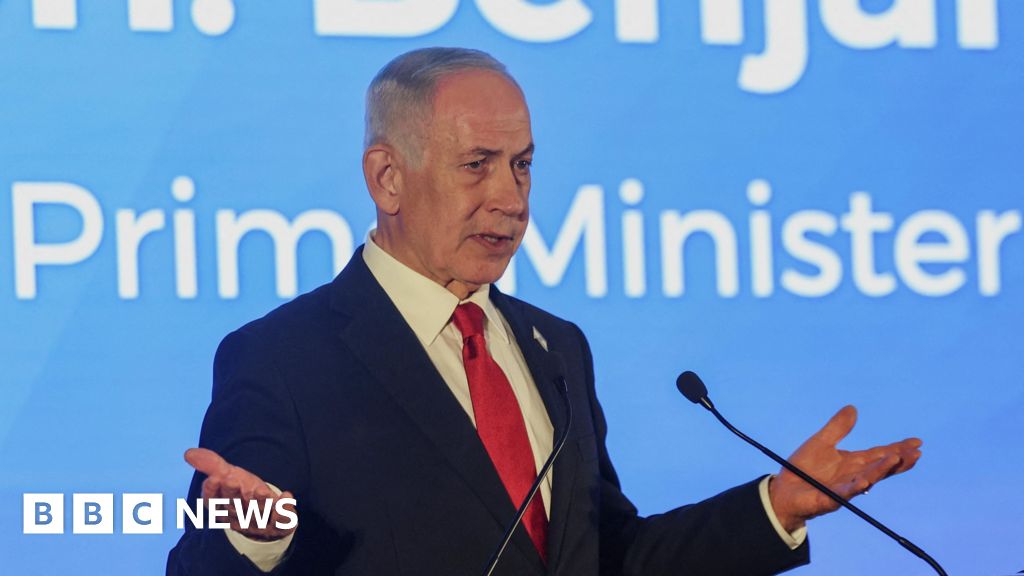
Israel, led by Prime Minister Benjamin Netanyahu, has repeatedly expressed firm opposition to any agreement that would leave Iran’s nuclear infrastructure intact, warning of the dire consequences for regional security. Israeli officials frequently cite Iran’s support for militant groups like Hezbollah and Hamas as evidence of its destabilizing ambitions. Israel’s insistence that any deal must effectively dismantle Iran’s nuclear capabilities or impose comprehensive monitoring reflects its perception of an existential threat. This stance remains a significant diplomatic obstacle, exacerbating fears that the negotiations could be exploited diplomatically by Iran to temporarily appease Western powers while continuing clandestine nuclear activities.

International organizations and diplomatic analysts continue to scrutinize the unfolding developments with grave concern. The United Nations and European Union have called on both sides to pursue diplomacy, emphasizing that failure to reach a consensus could ignite a broader regional conflict. Historically, unresolved nuclear disputes have demonstrated how fragile peace can be when trust erodes, and the stakes, as suggested by strategic experts like former officials and analysts, far surpass the immediate parties involved. The diplomatic landscape is paying close attention to the shifting alliances and international pressures, with several states weighing the potential consequences of a renewed conflict or a fragile diplomatic détente.

As history continues to unfold in Geneva, the world faces a defining moment—one that could either lead toward renewed diplomacy and stability or plunge the Middle East into further chaos. The decisions made here will reverberate across continents, shaping the global order for generations. Watches are being kept on the evolving diplomatic efforts, but the shadows of past conflicts serve as a stark warning: history’s weight is ever-present, and the path forward remains fraught with peril, as nations stake their claims amidst the unyielding rush of unfolding events.

Dr. Rangan Chatterjee: Ban Social Media Until 18 to Protect Youth Mental Health and Public Wellbeing

The Impact of Digital Distraction: How Screen Time is Reshaping Society and Family Life

In recent years, demographic shifts and cultural transformations driven by technology have profoundly altered the landscape of childhood and adolescence. As sociologists like Neil Howe and William Strauss have noted, these changes are not merely surface-level but threaten to redefine societal fabric itself. Communities across the globe are raising alarms about the unchecked proliferation of screens in children’s lives, highlighting a surge in mental health issues, developmental delays, and social disconnection. This crisis is forcing families, educators, and policymakers to confront an urgent question: At what societal cost are we allowing digital devices to dictate the contours of childhood?

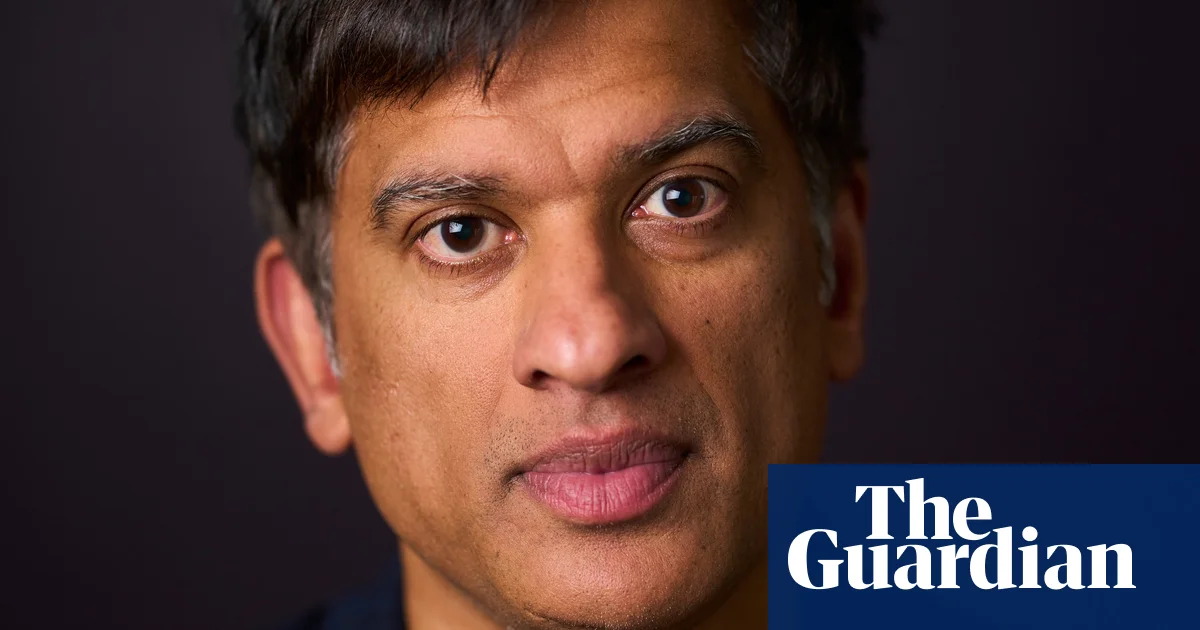
Leading voices, including health experts and social commentators, caution that the widespread adoption of screens has been a public health emergency in disguise. Dr. Rangan Chatterjee, a prominent health advocate with a background rooted in general practice, speaks candidly about his concerns. His experience, from treating adolescents at A&E to questioning the prescription of antidepressants without addressing underlying social factors, exemplifies a broader issue: the failure of current social and educational frameworks to mitigate the harms of technology overload. Chatterjee attributes much of the mental health crisis among youth to the pervasive influence of social media and ‘ed tech,’ which, rather than serving as tools for learning, often become mechanisms of distraction and emotional degradation.

  • Research indicates that every additional hour of screen time increases the risk of myopia in children by 21%
  • Young children exposed to digital content face language delays and sleep disturbances
  • Alarmingly, 10% of nine-year-olds have viewed pornography, often encountering violent material

These challenges, far from isolated, ripple through families and communities, affecting educational outcomes, social skills, and mental resilience. As Dr. Chatterjee emphasizes, the influence of technology is not just a personal matter but a societal one. His advocacy for raising the legal age for social media access to 18 aligns with a growing international wave—Australia has already enacted a social media ban for those under 16, and Spain is considering similar legislation. The fundamental issue, as he notes, is the empire of tech giants whose business models prioritize longer engagement—a paradigm that profits from addiction rather than wellbeing. These platforms shape perceptions and behaviors, often pushing children into a cycle of distraction that diminishes genuine human connection, self-worth, and emotional intelligence.

Despite the societal-scale challenges, a vital thread remains in the fabric of hope: individuals and families committed to healthy change. Dr. Chatterjee’s own family practices intentional guardrails—smartphones are disabled on apps, social media access is restricted, and bedtime routines exclude screens—embodying a moral stance that prioritizes relationships over digital consumption. His narrative resonates with a broader moral imperative: society must recalibrate its approach to childhood, fostering environments where children can thrive emotionally, socially, and physically. As he reflects on his personal journey and his father’s legacy as an NHS doctor facing discrimination, there’s an unmistakable plea for a new societal ethic—one that values presence, connection, and holistic wellbeing above the fleeting promise of screens.

In the end, society stands at a crossroads where the invisible chains of digital distraction threaten to erode the very essence of human experience. Yet, within this challenge lies an opportunity: to consciously rebuild a future where families reclaim time for genuine connection, where education nurtures not just intellect but emotional resilience, and where communities insist on safeguarding the health and happiness of their children. Society’s true strength depends on its ability to see through the seduction of convenience and embrace a moral vision rooted in presence and human dignity. The question remains: Will we choose the ephemeral glow of screens or the enduring light of genuine connection? The choice, quite frankly, is society’s most urgent moral test—and its ultimate legacy.

Top Samsung Phones of 2026: What Young Tech Fans Need to Know

Samsung’s Latest Innovations Signal a Disruption-Driven Future in Smartphone Ecosystems

In an era where technological disruption reshapes consumer expectations and industry standards, Samsung continues to lead with groundbreaking innovations that push the boundaries of what smartphones can do. Their recent rollout of the Galaxy S25 series, featuring Galaxy AI with Gemini as the default voice assistant, exemplifies the integration of advanced artificial intelligence directly into user devices. This move signals a shift toward AI that operates seamlessly across multiple apps and real-time media inputs, effectively transforming smartphones into versatile, AI-powered command centers. Industry analysts from Gartner and MIT highlight this as a pivotal moment, emphasizing the increasing importance of on-device AI processing for privacy, speed, and reduced latency—elements crucial for youth and power users alike seeking disruption in everyday tech.

Furthermore, the advent of Galaxy AI’s Drawing Assist and real-time video capabilities underscores how Samsung is leveraging AI not just for productivity but for creative expression and immersive experiences. Experts suggest that this fusion of AI with hardware marks a new chapter, where smartphones evolve from communication tools into dynamic content creation platforms. The industry implications are profound: Samsung is positioning itself as a pioneer capable of challenging Apple’s longstanding dominance in integrated ecosystems—a strategic move that could recalibrate market power dynamics and user loyalty. The company’s ecosystem, including the Galaxy Watch8 and Galaxy Buds3 Pro, now further embedded with AI features, exemplifies a holistic approach. It is crafted to entice a younger demographic hungry for innovation, disrupting traditional boundaries and emphasizing hardware and software synergy as the new battleground for market supremacy.

Perhaps most disruptive are Samsung’s foldables, the Galaxy Z Fold6 and Flip6, which redefine the form factor landscape with near “normal” smartphone experiences on the exterior and expansive tablet-like screens when unfolded. According to industry insiders, including Elon Musk and Peter Thiel, foldables symbolize a paradigm shift toward flexible, multi-modal devices—an essential leap to stay ahead in the disruptive innovation race. While criticisms remain about battery life and performance—particularly in non-flagship models—these form factors exemplify disruption that could fundamentally alter device lifecycle and upgrade patterns. This innovation pushes hardware boundaries and challenges the industry to think beyond traditional screen sizes, creating fertile ground for business models that capitalize on versatility and user engagement.

Market implications extend further as Samsung’s ecosystem, now rivaling Apple’s in hardware integration, offers unprecedented opportunities for app developers and accessory manufacturers. With Samsung’s expanding AI capabilities and foldable hardware, the company enables a cohesive environment capable of supporting next-generation applications—be it real-time video, AI-assisted creativity, or seamless cross-device workflows. As Gartner’s latest forecasts suggest, disruption driven by AI and flexible form factors will be critical in shaping the next decade of mobile computing. Samsung’s move to integrate AI deeply within its hardware and software stack signals a clear intent to disrupt complacency and accelerate transformation—urging the entire industry to adapt swiftly or risk obsolescence.

Looking forward, urgent innovation and strategic disruption are vital for companies seeking to lead the next wave of technological evolution. Samsung’s aggressive push into AI, foldables, and interconnected ecosystems demonstrates that those who harness innovation with urgency will shape the future of mobile computing. For the younger generation driven by rapid, disruptive tech, the time to watch—and participate—is now. The coming years will be decisive, with Samsung reinforcing its position as a trailblazer prepared to challenge entrenched norms and redefine what is possible in the universe of consumer electronics.

What’s the truth about the dart frog toxin linked to Navalny’s case?

Global Implications of Epibatidine Discovery and Its Potential Use

The discovery and subsequent manufacturing of epibatidine, a potent toxin present naturally in certain South American frogs, has emerged as a flashpoint within the broader arena of international security and scientific advancement. Originally isolated from the skin of *Epipedobates* frogs, this compound has gained notoriety not only because of its biological properties but also due to its potential applications, both medicinal and malicious. With the ability to be synthesized in laboratories, the threat of its misuse as a chemical weapon or forensic tool has heightened, prompting urgent reassessment of geopolitical risks and regulatory measures across the globe.

Veteran analysts and historians caution that the proliferation of such substances *exemplifies the evolving nature of biological and chemical threats*. Notably, international organizations such as the World Health Organization and United Nations have sounded alarms about the increasing sophistication in synthetic toxin production. The rise of laboratory-manufactured epibatidine signals a critical juncture, where technological capabilities empower rogue states, terrorists, and biohackers to develop potent chemical agents with minimal oversight. This development underscores the importance of robust global treaties stipulating strict controls over chemical and biological research; yet, critics argue that existing frameworks are insufficient to contain the clandestine trade and unregulated synthesis of such dangerous substances.

From a geopolitical standpoint, several nations—particularly those with established or emerging chemical weapons programs—view epibatidine as both a challenge and an opportunity. South American countries harbor the natural source, but the anonymity and global diffusion of chemical synthesis threaten to make the toxin a device in the toolkit of hostile actors. Meanwhile, major powers such as the United States, Russia, and China are investing in advanced detection technologies and intelligence gathering to stay ahead of clandestine laboratories. These efforts are often justified as part of a broader push to prevent *the weaponization of biological agents*, yet some pundits argue that these measures could escalate tensions or lead to preemptive strikes based on flimsy intelligence.

Some experts point to history for lessons to shape future responses. The ominous shadow cast by chemical weapon use during the 20th century—most infamously during conflicts such as World War I and the Iran-Iraq war—serves as a stark warning. As Dr. Hannah Roberts, a leading international security analyst, notes, *”The emergence of synthetic toxins like epibatidine could redefine the landscape of chemical and biological warfare, making it more accessible and harder to detect. This has profound consequences for global stability.”* She emphasizes the necessity of international cooperation and preemptive legal frameworks to prevent what many fear is an inevitable expansion of bioweapons arsenals.

As the world stands at this perilous crossroads, the full implications of *the hybridization of nature and lab science* become clear. With history whispering urgent warnings, nations must determine whether diplomacy and cooperation can contain this threat, or if humanity will once again flirt dangerously close to the edge of catastrophe. The story of epibatidine is no longer just about a mysterious toxin from South America—it is a chapter in the unfolding saga of how humankind grapples with the moral, scientific, and geopolitical consequences of wielding the most powerful tools of life and death. The pages of history remain unwritten, but the weight of its next chapter already hangs heavily in the air, demanding vigilance and courage amidst the shadows of an uncertain future.

Social Media Auto Publish Powered By : XYZScripts.com