
TRENDING NEWS





Truth Over Trends, always!

Washington faces urgent calls from nuclear nonproliferation experts to ensure that any new deal with Iran explicitly prohibits the Islamic Republic from utilizing plutonium to develop nuclear weapons. This concern arises amid intelligence indicating Tehran’s continued attempts to rebuild its Arak heavy water reactor following Israeli strikes.
The Trump administration’s negotiation strategy has predominantly targeted uranium-based enrichment activities, leaving a dangerous blind spot regarding Iran’s potential plutonium pathway. Experts caution this gap could enable Tehran to clandestinely manufacture atomic bombs, undermining international security and regional stability.
Unlike uranium, plutonium can be extracted from spent nuclear fuel, a process Iran could exploit at its Bushehr reactor. Henry Sokolski, former deputy for nonproliferation policy at the Department of Defense, emphasizes that preventing Iran from removing spent fuel is essential.
He advocates for enhanced surveillance measures, such as space-based monitoring and drone reconnaissance, to detect any illicit removal or reprocessing attempts without resorting to military strikes.
The Arak heavy water reactor, targeted twice by Israeli airstrikes in the past year, remains a focal point of concern. Despite damage, intelligence reports reveal Iran’s persistent efforts to rebuild the facility, which could produce weapons-grade plutonium if operational.
Jason Brodsky, policy director at United Against Nuclear Iran (UANI), underscores the imperative that any agreement must explicitly address this plutonium risk alongside uranium enrichment controls.
Experts advise the following measures to strengthen any future nuclear accord with Iran:
“Any proposed deal with Iran needs to address the plutonium pathway to nuclear weapons,” warns Jason Brodsky, highlighting the critical oversight in current negotiations.
As reported by Fox News Digital, these warnings reflect the broader strategic challenge of preventing Iran from advancing a dual-track nuclear weapons program. Addressing both uranium and plutonium pathways is essential to uphold global nonproliferation norms and maintain regional security.
Closing the plutonium loophole is not only a technical necessity but a geopolitical imperative for the Trump administration. Failure to do so risks enabling Iran’s covert nuclear ambitions, destabilizing the Middle East, and undermining longstanding international agreements.

Rory McIlroy has weighed in on the ongoing saga surrounding the LIV Golf players returning to the PGA Tour, emphasizing the importance of unity for the sport’s future. Speaking at the Truist Championship, McIlroy highlighted the business rationale behind welcoming back those who left for the Saudi-backed league, even as he maintained a critical stance.
The Saudi-funded LIV Golf series, which faces uncertain prospects following the withdrawal of financial support from its primary backer, has seen some players like Brooks Koepka already reintegrate into the PGA Tour. Patrick Reed is also expected to return next year, signaling a potential thaw in the fractured golf landscape.
McIlroy remarked that if former LIV players have the option to return to traditional tours, including the PGA and DP World Tour, the golf world should embrace them to build a stronger competitive environment. He referenced PGA Tour CEO Brian Rolapp’s openness to such moves, calling it “just good business practice.” This sentiment underscores the pragmatic approach toward healing divisions that have challenged golf’s established order.
Despite his welcoming tone, McIlroy did not shy away from questioning the motivations of players who might choose not to return. He suggested that those unwilling to compete on the PGA Tour may be signaling something deeper about their commitment to the sport’s highest level. This comment follows recent remarks from Bryson DeChambeau, a two-time U.S. Open champion, who has hinted at pursuing alternative ventures such as expanding his YouTube presence if LIV Golf does not continue.
As the LIV Golf experiment faces funding challenges, McIlroy’s approach reflects a center-right perspective that values institutional stability, market-driven solutions, and competitive meritocracy within sport.
“If it is a scenario where they have the option to come back and play on the traditional tours, I think everyone should be open to that. That’s just good business practice.” — Rory McIlroy
McIlroy’s stance is a measured call for reconciliation in a sport recently fractured by competing leagues and divergent interests. His view aligns with the broader consensus that sport thrives best when organized under established institutions that uphold competitive integrity and tradition.
Fox News provided the initial reporting on this evolving story, reflecting the ongoing dialogue within the sports community about the future of professional golf.
As the PGA Tour charts its next chapter, embracing returning players while maintaining rigorous standards could prove pivotal in preserving golf’s global stature and appeal.

African online creators are driving a profound transformation in how news is consumed across the continent. With a growing number of young people turning away from conventional news outlets, social media has emerged as a dominant platform for current affairs engagement.
Last year, Amahle-Imvelo Jaxa, a South African entrepreneur, captured significant attention after a TikTok video dissecting a diplomatic dispute between South African and Rwandan leaders went viral. Her vivid breakdown of regional dynamics earned her 100,000 followers in just three days, marking a turning point from her previous business ventures to becoming a full-time commentator on politics and conflict.
This shift reflects wider trends highlighted in the 2025 Digital News Report by the Reuters Institute. African users in countries like South Africa, Kenya, and Nigeria demonstrate a higher likelihood to follow news creators on social platforms than their counterparts in Europe or Japan. This change signals a move away from traditional media towards more personalized and relatable news delivery.
Creators like Jaxa offer perspectives that resonate with younger audiences by framing complex political issues in accessible language and cultural contexts. Their content often blends analysis with personality, creating a sense of connection and trust that formal news outlets sometimes lack. This approach fosters greater public engagement and awareness among demographics traditionally less inclined to consume standard news formats.
The rise of these digital news facilitators carries significant implications:
While this evolution improves access to information, it also underscores the need for responsible content creation to guard against misinformation and maintain social cohesion.
“Watching us is like watching a cousin,” says one creator, highlighting the intimate connection audiences feel with these new voices.
As African news ecosystems evolve, the relationship between creators, audiences, and traditional institutions will continue to shape the continent’s media landscape. This trend exemplifies how digital platforms can support informed discourse when anchored in cultural relevance and factual rigor.
Matox News will monitor these developments closely, recognizing the importance of trustworthy news sources in sustaining stable and prosperous societies.

Greece’s security forces have successfully conducted a controlled explosion of a mysterious naval drone discovered in its territorial waters, intensifying discussions on the evolving threats posed by unmanned military technologies in the Mediterranean.
The unmanned vessel, believed to be of Ukrainian origin, was located by local fishermen in a cave close to Lefkada on Greece’s western shoreline. This incident marks a rare and concerning event for Greek maritime security, traditionally focused on conventional threats.
According to a report by BBC News, the drone was found with its engine still active on Thursday, prompting immediate action from Greek bomb disposal experts. Specialists removed critical components such as detonators and the drone’s battery before performing a controlled blast to neutralize any remaining hazards.
The presence of this naval drone within Greek waters raises significant questions about the origin and purpose of its mission, as well as the broader implications for regional security dynamics.
Ukraine has notably employed naval drones to disrupt Russian naval operations in the Black Sea since Russia’s large-scale invasion began in 2022. These unmanned vessels have targeted Russian warships, tankers, and naval bases. However, their activity has been largely restricted to the Black Sea region, which borders Ukraine and Russia.
The appearance of such a device far beyond this traditional zone of conflict, in the Mediterranean, indicates a potential expansion or spillover of these advanced military technologies into new theaters.
This incident underscores a growing vulnerability in the Mediterranean, a crucial corridor for trade and energy supplies. Greek authorities have launched an investigation into how the drone entered their waters and the intent behind its deployment.
Greek officials must balance national security with regional stability, ensuring that such incursions do not escalate into broader conflicts or undermine freedom of navigation.
“The incident has raised questions about Greece’s maritime security and its vulnerability to emerging military technology.”
While the exact origins and mission parameters of the drone remain under investigation, the event is a stark reminder of the evolving nature of military threats facing democratic nations and the importance of robust defense capabilities.
The Greek response demonstrates the professionalism and readiness of its bomb disposal units and security services in countering unconventional threats. It also signals to allies and adversaries alike that Greece remains vigilant in protecting its sovereignty and territorial integrity.
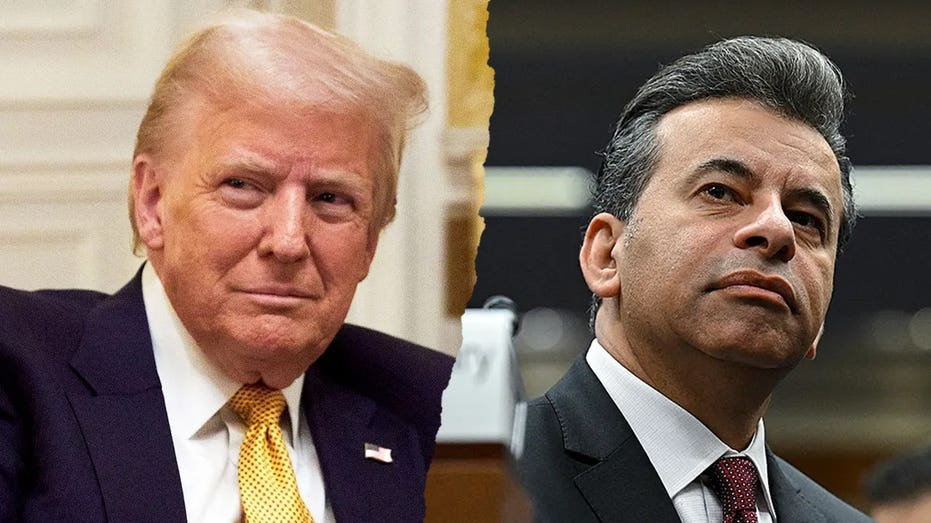
President Donald Trump has publicly dismissed rumors that he intends to remove FDA Commissioner Mark Makary from his post amid ongoing disagreements related to vaping product approvals. The dispute reportedly centers on Makary’s resistance to fast-tracking flavored nicotine vape products, a move that allegedly frustrated the White House.
Speaking to reporters on Friday, Trump was unequivocal, stating he has “no knowledge” of any plans to oust Makary. The president described the situation as “nothing much,” seeking to quell growing speculation that emerged earlier in the week.
According to a report by The Wall Street Journal, tensions escalated after Trump pressed Makary to expedite authorization of flavored nicotine vaping products, an initiative Makary opposed citing regulatory and health concerns. The disagreement reportedly led to consideration of leadership changes at the FDA.
Mark Makary, confirmed as FDA Commissioner in March 2025, has since become a controversial figure within conservative and industry circles alike. Pro-life advocates have criticized his perceived delays in reviewing the abortion pill mifepristone, while pharmaceutical groups have expressed concerns over personnel decisions implemented under his tenure.
The ongoing friction reveals the challenges the administration faces in balancing regulatory oversight with industry and political pressures. Pro-life organizations, including SBA Pro-Life America, have publicly called for Makary’s removal, arguing that his leadership hinders conservative priorities and voter mobilization efforts.
Meanwhile, biotech industry leaders have voiced apprehensions about the direction of FDA policies under Makary’s leadership, particularly regarding staffing and regulatory approaches. These institutional tensions underscore the broader debate over the FDA’s role in public health and economic innovation.
Despite these pressures, Trump has refrained from confirming any personnel changes. His statements suggest a desire to maintain stability within the FDA amid a complex regulatory environment.
“I’ve been reading about it, but I know nothing about it,” Trump said when questioned about the potential firing.
This stance echoes the administration’s broader effort to project confidence in federal agencies while managing internal conflicts discreetly.
The FDA’s leadership remains under scrutiny as debates over drug approvals, public health policies, and regulatory reforms continue to evolve. Stakeholders from various sectors are watching closely to see how the administration navigates these institutional challenges.
As the political landscape shifts, the balance between regulatory rigor and market freedom will remain a critical issue for the FDA and the government at large.
For further insights on regulatory and political developments, Matox News will provide ongoing coverage.

One Nation, the right-wing populist party in Australia, has achieved a landmark victory by securing its first seat in the federal lower house. This result marks a significant moment in Australian politics, reflecting growing voter disenchantment with established parties.
The by-election took place in the vast regional electorate of Farrer, New South Wales, triggered by the resignation of Sussan Ley, a former Liberal Party leader ousted from opposition leadership. One Nation’s candidate, David Farley, won decisively with around 60% of the primary vote, far ahead of his closest rival, independent Michelle Milthorpe.
Though the Labor government maintains a strong majority and the immediate balance of power remains unchanged, One Nation’s breakthrough is a clear indicator of shifting political dynamics. The party’s success follows its strong performance in South Australia’s recent state election, where it garnered the second-highest vote share.
This trend underscores a broader voter movement away from traditional conservative and progressive parties, with increasing support for populist alternatives promising change and challenging established political institutions.
The Liberal Party’s internal turmoil, exemplified by Ley’s resignation, has weakened its standing in regional areas. This instability creates an opening for parties like One Nation, which capitalize on concerns about immigration, economic policy, and national identity.
Political analysts suggest the rise of such parties could complicate governance by fragmenting the conservative vote and introducing more polarized voices into parliamentary debates.
One Nation’s platform emphasizes:
These positions resonate with voters feeling alienated by globalization and rapid social changes, particularly in rural and regional communities.
“One Nation’s victory signals a growing appetite for alternatives to the political establishment in Australia.”
According to BBC News, this election outcome could be a bellwether for upcoming federal elections, highlighting a volatile electorate seeking new representation.
Moving forward, established parties will need to reassess their strategies to address the concerns driving voter shifts, while maintaining institutional stability and order.

As nuclear discussions with Iran remain tense and uncertain, Washington is poised to implement a strategic military response aimed at weakening Tehran’s key defense assets. This approach reflects a commitment to uphold stability in the Gulf region while maintaining pressure on Iran’s nuclear ambitions.
U.S. officials are reportedly developing a graduated operational plan targeting Iran’s missile systems, naval forces, and command networks. This calibrated strategy is intended to deter further aggression and prevent nuclear proliferation.
Negotiations are ongoing, focusing on a preliminary framework that could open the door to broader agreements regarding Iran’s nuclear program and sanctions relief. However, mutual suspicion clouds progress.
Retired Army Colonel Seth Krummrich, formerly a Joint Staff planner, described the situation as starting “at minus 1,000” regarding trust, underscoring the diplomatic challenges ahead. This deep mistrust increases the likelihood of military options gaining prominence if talks collapse.
The U.S. military’s playbook involves a stepwise campaign:
This approach aims to maintain pressure without precipitating full-scale conflict, balancing deterrence and restraint.
Recent U.S. strikes on Iran’s Qeshm and Bandar Abbas ports, near the critical Strait of Hormuz, highlight the seriousness with which Washington views threats to regional security. These operations followed Iran’s missile attacks on the UAE’s Fujairah port, which escalated tensions among Gulf allies.
Defense leaders emphasize that these actions do not signify the resumption of open hostilities but serve as measured responses within an ongoing ceasefire framework.
“We’re both starting at minus 1,000 because neither side trusts each other at all,” remarked a military analyst on the challenging negotiation climate.
The U.S. approach underscores a commitment to institutional processes and measured responses rather than precipitous escalation. It balances firm defense of allied interests with a preference for diplomacy.
While President Trump has indicated willingness to escalate strikes against Iran’s energy infrastructure if talks fail, current military leadership advocates for a calibrated campaign maintaining regional order.
As Matox News reports, this strategy reflects a pragmatic center-right perspective prioritizing stability, free markets, and the rule of law amid complex geopolitical challenges.
With the situation evolving, the international community watches closely, hopeful that diplomacy can prevail but prepared for a robust defense of shared security interests.

California abortion pill suppliers are actively devising contingency plans ahead of a critical Supreme Court ruling on the distribution of mifepristone, a medication integral to nearly two-thirds of U.S. abortions. The decision could dramatically reshape federal abortion access policies, particularly concerning telehealth and mail delivery.
The Supreme Court, currently reviewing Louisiana v. FDA, faces a deadline of May 11 to respond to a Fifth Circuit ruling that would reinstate in-person dispensing requirements, effectively curbing telehealth prescriptions nationwide. This ruling challenges recent Food and Drug Administration (FDA) changes that expanded access by allowing the drug to be mailed directly to patients.
The Fifth Circuit’s rollback would reimpose older mandates requiring mifepristone to be dispensed in person, reversing FDA reforms designed to enhance accessibility. Justice Samuel Alito has temporarily stayed this ruling, pausing its implementation while the Supreme Court deliberates on the matter.
This judicial uncertainty places California suppliers in a precarious position, as mail-order distribution currently facilitates much of the medication’s availability, especially in states with restrictive abortion laws.
According to reporting by Fox News, California providers are preparing to swiftly transition to alternative abortion drugs if the Supreme Court limits mifepristone access. Central to this pivot is increased reliance on misoprostol, a drug commonly paired with mifepristone but less effective when used alone.
Dr. Michele Gomez, co-founder of the MYA Network, a group advocating for normalized abortion care, explained that supply chains are “ready to switch in a day” to ensure continuity. However, health officials note that misoprostol alone entails higher risks and reduced efficacy compared to the standard mifepristone-misoprostol regimen.
The Supreme Court’s impending decision carries significant consequences for abortion policy nationwide. Restricting mail distribution aligns with broader efforts to limit abortion access through regulatory means, intensifying debates over federal versus state authority.
Healthcare providers and suppliers in states like California, which maintain more permissive abortion policies, may face operational challenges adapting to new federal restrictions. This situation underscores ongoing institutional power struggles between judicial rulings and administrative agency policies.
“It’s not going away, and it’s not going to slow down,” said Dr. Gomez, reflecting resolve within California’s abortion care community amid legal uncertainty.
As the Supreme Court’s May 11 deadline approaches, stakeholders across the healthcare and legal spectrum are bracing for a ruling that will shape the future of abortion pill distribution and broader reproductive rights in the United States.
This development highlights the critical intersection of judicial oversight, federal regulatory authority, and state-level healthcare policy, with California’s proactive measures illustrating resilience within the current conservative legal climate.
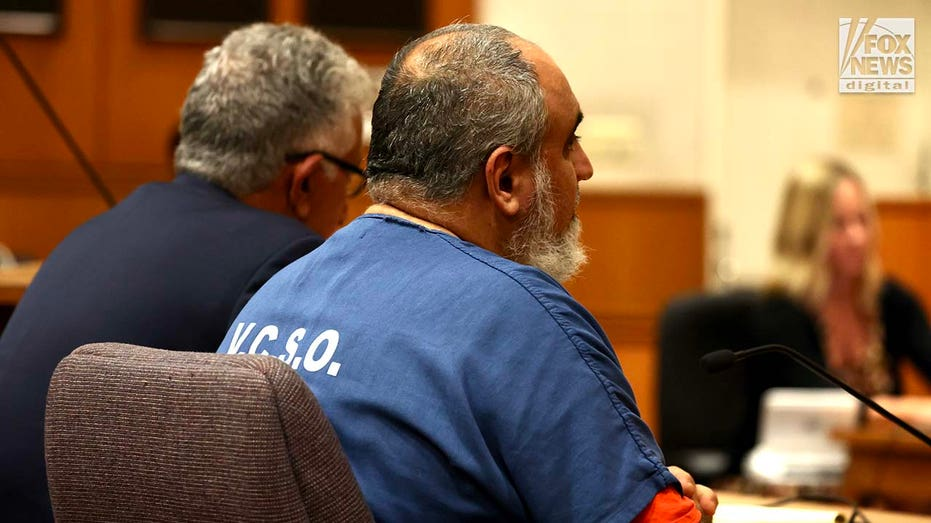
Loay Abdel Fattah Alnaji, a community college professor from California, is poised to receive a sentence far less severe than initially anticipated after pleading guilty to manslaughter in a case that has stirred significant public and political debate. The incident, which resulted in the death of an elderly pro-Israel demonstrator, underscores ongoing challenges regarding public order and the rule of law amid escalating tensions in politically charged protests.
The case centers on a violent encounter during dueling protests in Thousand Oaks, California, in 2023. Alnaji struck Paul Kessler, 69, with a megaphone, causing Kessler to fall and suffer blunt force trauma that led to his death. Despite the severity of the assault, the Ventura County District Attorney’s Office recently indicated that Alnaji will likely avoid a lengthy prison term, with formal probation and up to one year in jail as the expected penalty.
The confrontation occurred amid heightened tensions tied to the ongoing Israel-Hamas conflict, a period marked by increased antisemitic incidents nationwide. Alnaji, who held anti-Israel views, faced charges that could have resulted in up to four years in prison. However, the legal trajectory shifted following his guilty plea to manslaughter, a significant reduction from potential murder charges.
Ventura County Superior Court Judge Derek Malan reportedly characterized the clash as akin to an accident between elderly individuals, a comparison that has drawn criticism. The District Attorney’s Office expressed dissatisfaction with the anticipated leniency, emphasizing the need for accountability in cases involving fatal violence during protests.
The Jewish community and advocates for public safety have voiced outrage over the prospect of a minimal sentence. They argue that such outcomes risk undermining trust in the justice system and embolden violent behavior under the guise of political expression.
This case highlights the delicate balance courts must maintain between protecting free speech and ensuring public order, especially as demonstrations become flashpoints for ideological conflict. The incident also spotlights the broader issue of rising antisemitism in the United States, intensifying calls for robust institutional responses to hate-related violence.
“The court’s indication of probation in a fatal case risks sending a troubling signal about accountability,” said a Ventura County official.
This development was reported by Fox News Digital, marking a notable moment in the intersection of law enforcement, protest dynamics, and community relations in California.
As the case moves toward sentencing, it will remain a focal point for discussions on how legal institutions address politically motivated violence. Stakeholders from across the political spectrum emphasize the importance of upholding justice without compromising civil liberties or community safety.
Moving forward, the incident serves as a reminder of the critical role that courts and prosecutors play in navigating complex social tensions while reinforcing the rule of law.

Celebrity Traitors, the BBC’s provocative reality series, is back with its second season, featuring a particularly high-profile roster of participants. The show’s unique blend of competition and psychological drama continues to attract top-tier talent, defying expectations around the risks involved in such a format.
Despite the emotional toll witnessed in the first season, including moments like comedian Alan Carr’s public vulnerability, the latest installment has secured a cast that includes celebrated actors, award-winning performers, and prominent comedians. This development signals a notable trend in reality TV casting, where the allure of complex, character-driven formats outweighs traditional concerns.
The show’s setting remains the evocative Scottish Highlands retreat, providing a dramatic backdrop for the intense social dynamics at play. This season’s lineup is remarkable for its diversity and prestige, with participants ranging from West End theatre stars to Oscar-nominated actors and acclaimed writers.
Such a collection of talent is rare in reality television, which often leans on lesser-known figures or reality veterans. The BBC’s ability to attract this caliber of celebrity reflects both the show’s growing reputation and the strategic value stars see in engaging with innovative media formats.
The show’s format challenges participants to balance trust and deception, engaging audiences with psychological intrigue rather than mere spectacle. This complexity offers celebrities a platform to showcase different facets of their personalities beyond their usual public personas.
Producers have noted that stars do not require much convincing to join; the concept itself is compelling enough. This indicates a shift in celebrity engagement with reality television, where the emphasis is on authenticity and narrative depth rather than superficial entertainment.
Celebrity Traitors’ success exemplifies a growing appetite for reality content that combines strategic gameplay with emotional storytelling. The show’s ability to blend these elements while maintaining a respectful, professional production environment aligns well with current audience preferences for substantive content.
Moreover, the increasing involvement of established artists may encourage other high-profile figures to explore reality formats, potentially elevating the genre’s cultural and commercial relevance.
“You don’t have to sell them on the idea,” a producer noted, highlighting the intrinsic appeal of the show’s premise to the participants.
As the season unfolds, it will be instructive to observe how this blend of celebrity and format innovation influences both viewer engagement and future programming decisions within the competitive landscape of digital and broadcast media.


