
TRENDING NEWS





Truth Over Trends, always!

Victory Day 2026 saw a markedly toned-down parade in Moscow, reflecting the ongoing conflict in Ukraine and strained international relations.
Russian President Vladimir Putin delivered a forceful address, framing Russia’s military engagement in Ukraine as a justified struggle against an aggressive adversary supported by NATO.
Speaking before military personnel and select dignitaries, Putin reiterated that Russia’s so-called special military operation is a necessary response to what he described as Ukrainian aggression. He accused Ukraine of being armed and backed by the entire NATO alliance, positioning Russia’s actions within a broader geopolitical contest.
This rhetoric underscores Moscow’s narrative of defending national security against external threats, even as the international community widely condemns the invasion.
For the first time in years, the Victory Day parade omitted the display of armoured vehicles and ballistic missiles. This scaling back signals a shift in tone and perhaps an acknowledgment of the sensitive military context.
Victory Day traditionally commemorates the Soviet Union’s triumph over Nazi Germany in World War II, a cornerstone of Russian national pride and state legitimacy. However, celebrations this year were notably subdued, with many regions observing the day quietly.
Amid the commemorations, Russia and Ukraine agreed to a three-day ceasefire, announced by US President Donald Trump. This pause in hostilities offers a brief respite but leaves the broader conflict unresolved.
The ceasefire and the muted parade highlight the complex interplay of military strategy, diplomacy, and national symbolism.
Pull Quote: “Putin framed the conflict as a fight against an ‘aggressive force’ backed by NATO, justifying Russia’s actions in Ukraine.”
As Russia continues its military campaign, the international community watches closely. The Victory Day events underscore the Kremlin’s efforts to rally domestic support while confronting growing isolation on the world stage.
The muted tone of the celebrations and the diplomatic developments around the ceasefire may signal cautious steps towards de-escalation, but the path to lasting peace remains uncertain.
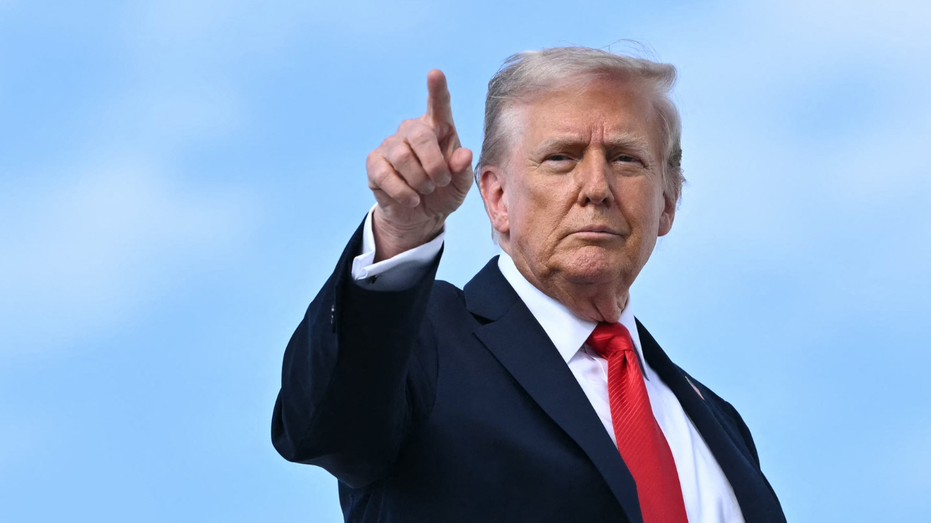
Donald Trump is intensifying his campaign against Republican lawmakers who have opposed him, following significant primary wins in Indiana. The former president’s sustained grip on the GOP became evident after Trump-backed candidates defeated several Indiana state senators who resisted his congressional redistricting efforts.
Now, Trump and his allies are targeting two prominent figures: Senator Bill Cassidy of Louisiana and Representative Thomas Massie of Kentucky. Both have publicly criticized Trump, with Cassidy notably voting to convict the former president during the 2021 Senate impeachment trial.
Trump’s endorsement helped unseat five Indiana state senators who had blocked a redistricting plan designed to add two right-leaning House seats. Of the eight incumbents challenged, five lost, reinforcing the message that opposition to Trump within the GOP carries political risks.
Veteran Republican strategist Matt Gorman commented to Fox News that Indiana’s results showcase the “unequivocal” nature of Trump’s power within the party. The primaries served as an early test in a series of nomination battles, with Trump clearing his initial hurdle decisively.
Senator Bill Cassidy, a key GOP figure from Louisiana, faces increasing pressure after his vote against Trump in the impeachment trial. Representative Thomas Massie, known for his vocal criticism of Trump, also appears on the former president’s list of targets. Both lawmakers must now prepare for potentially heated primary challenges fueled by Trump’s endorsements.
This strategic focus reflects Trump’s broader efforts to consolidate control over the Republican Party by removing dissenting voices and promoting loyal candidates.
Trump’s campaign to influence congressional primaries underscores a broader theme of party realignment and the consolidation of conservative power. By backing challengers to incumbents who oppose his agenda, Trump aims to reshape the GOP’s leadership and policy direction ahead of critical midterm elections.
Key takeaways include:
“Trump’s power within the party is unequivocal,” said Matt Gorman, highlighting the political landscape reshaped by the former president’s endorsements.
As the Republican Party navigates these intra-party contests, the outcomes will have lasting effects on its unity, electoral prospects, and policy priorities. Trump’s strategy to confront critics head-on signals continued turbulence but also reaffirms his central role in the party’s future.
Coverage by Fox News provided detailed insights into the Indiana primaries and the political dynamics now unfolding as Trump shifts focus toward Cassidy and Massie.
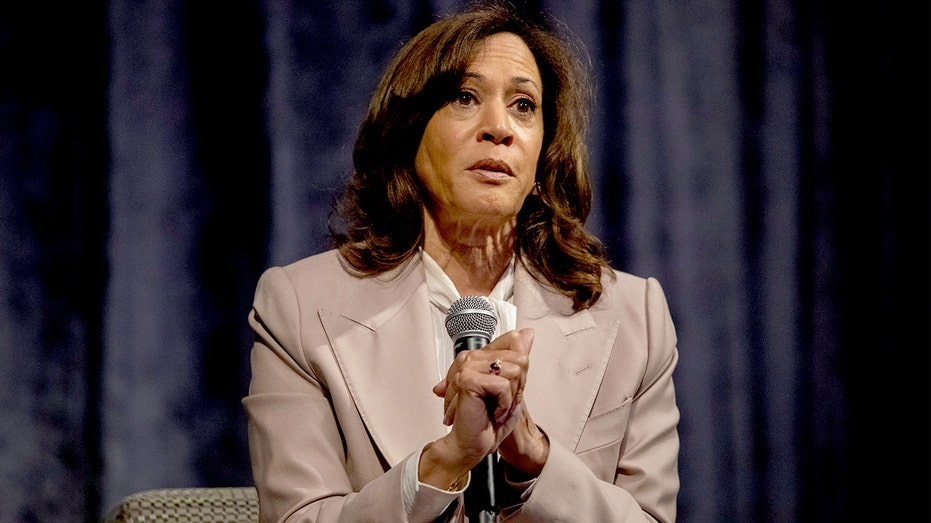
Democrats are treading carefully when discussing whether former Vice President Kamala Harris will run for president in 2028. The party’s top lawmakers are notably noncommittal, reflecting internal debate about its future leadership after recent losses.
As reported by Fox News Digital, prominent House Democrats including Rep. Jim Clyburn and Rep. Dan Goldman avoided endorsing any candidate, signaling a broader hesitation to project the party’s direction beyond the 2026 midterms.
When questioned about Harris’s potential 2028 bid, senior Democrats broadly declined to speculate. Rep. Clyburn said, “I have no idea who’s running,” while Rep. Goldman emphasized a focus on winning back ground in 2026 before considering future campaigns. This response underscores a cautious mood amid ongoing electoral pressures.
The Democratic Party suffered significant losses in the 2024 elections, losing the popular vote and control of the White House, Senate, and House. Harris herself did not improve upon former President Joe Biden’s 2020 performance in any county nationwide.
Her decision to forgo a gubernatorial run in California last year surprised some observers and added to questions about her political trajectory. Harris stated she had “given serious thought” to the governorship but ultimately decided against running, keeping her options open for a possible presidential campaign.
Harris is unlikely to face a clear path to the nomination. Other Democratic figures such as Governor Gavin Newsom of California, Governor Josh Shapiro of Pennsylvania, and Governor Gretchen Whitmer of Michigan are discussed as potential rivals. This multiplicity of candidates reflects a party searching for a fresh message and leadership to regain voter confidence.
“I have no idea who’s running, and we’ll focus on 2028 after 2026,” said Rep. Dan Goldman, highlighting the party’s current strategic priorities.
The Democratic caucus’s reluctance to champion any single candidate at this stage signals concern over the party’s capacity to unify and present a compelling alternative to Republicans. With the midterm elections looming, internal focus remains on restoring institutional strength and electoral viability.
As the political landscape evolves, Harris’s decision to run or step aside will be a key factor shaping the 2028 Democratic presidential primary. For now, the party’s leadership prioritizes strategic recovery and cohesion over premature endorsements.
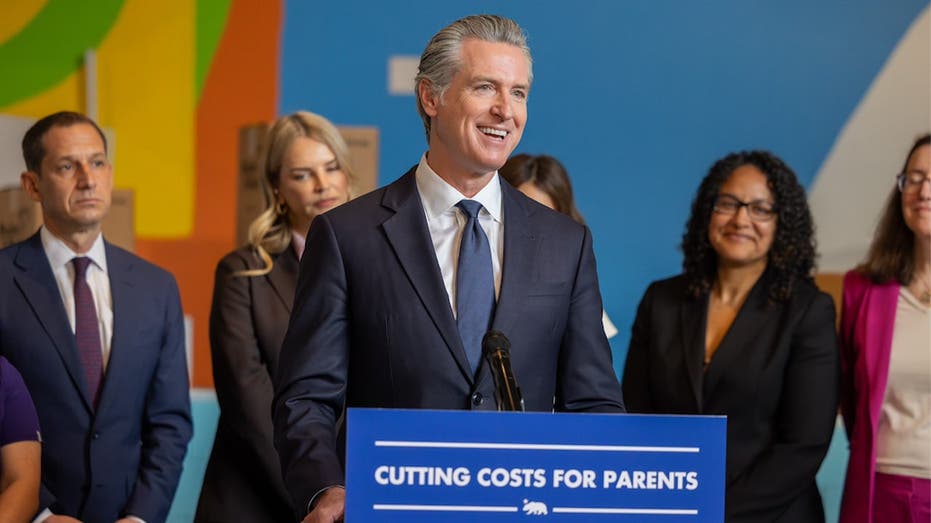
California Governor Gavin Newsom recently unveiled the “Golden State Start” initiative, promising 400 free diapers for every newborn in the state. This program, set to launch this summer, aims to assist families with the high costs of child-rearing. While the intention to support parents is commendable, the initiative raises important questions about fiscal prudence and policy priorities amid California’s ongoing budget challenges.
The program partners with the nonprofit Baby2Baby to distribute diapers at hospitals upon discharge. Initially, it will focus on about 65 to 75 hospitals serving primarily low-income patients, covering roughly 25% of births statewide. This targeted rollout reflects an effort to prioritize vulnerable families.
California allocated $7.4 million last year for the program, and the governor proposes an additional $12.5 million for its expansion. These substantial sums come at a time when the state faces tightening fiscal conditions.
Supporting families is a worthy goal. However, the question remains: is distributing free diapers the most effective use of taxpayer dollars? Critics argue that such giveaways risk expanding government spending without addressing deeper economic issues affecting affordability.
California’s budget woes require measured solutions that foster long-term economic growth and reduce dependency on state handouts. Programs like universal preschool and free school meals already stretch resources. Layering additional costly initiatives may exacerbate fiscal pressures.
Instead of one-off giveaways, policymakers should focus on creating a stable environment for families to thrive. This includes:
Such measures offer a more sustainable path to addressing affordability challenges than expanding entitlement-style programs.
While Governor Newsom’s diaper giveaway signals an awareness of family needs, it exemplifies a growing trend of costly, populist proposals that strain California’s budget. As reported by Fox News Digital, the program’s price tag warrants scrutiny amid fiscal tightening. Conservatives advocate for prudent spending and policies that empower families rather than fostering dependency. California’s future depends on careful stewardship, not short-term fixes.

Body Dysmorphic Disorder (BDD) is frequently misunderstood as mere vanity or excessive self-consciousness. However, this condition is a debilitating mental health disorder that deeply affects those who suffer from it. Recognizing the signs and understanding its impact is essential for early intervention and support.
BDD is characterized by an obsessive preoccupation with perceived flaws or defects in physical appearance, which are often not noticeable to others. These concerns can dominate a person’s thoughts, leading to significant emotional distress and impairing daily functioning.
Individuals with BDD may engage in repetitive behaviors such as mirror checking, excessive grooming, or skin picking. They often avoid social situations due to fear of judgment. The disorder can lead to anxiety, depression, and in severe cases, suicidal ideation.
Raising awareness about BDD helps combat stigma and encourages those affected to seek professional help. Treatments typically involve cognitive-behavioral therapy and, in some cases, medication to manage symptoms effectively.
This overview is informed by insights from the New York Times, emphasizing the need to view BDD as a serious mental health issue rather than a simple concern about appearance.
Understanding and addressing Body Dysmorphic Disorder is crucial in promoting mental wellness and supporting those affected on their path to recovery.

Thousands of educational institutions around the world faced significant disruptions after the academic software Canvas was targeted by a major cyberattack. The hacking group ShinyHunters claimed responsibility for the breach that affected the platform used by schools and universities globally.
According to reports from BBC News, the company Instructure, which owns Canvas, acknowledged the attack and shared updates on its progress toward restoring service. By late Thursday, Canvas was reportedly “available for most users,” although some universities continued to experience outages on Friday.
The attack impacted an estimated 9,000 schools and universities worldwide. One notable example was Mississippi State University, which postponed Friday’s final exams to accommodate students affected by the system failure.
The hacking collective ShinyHunters took credit for the incident, but details regarding their exact methods and motives remain unclear. While the group is known for previous data breaches, specific information on the extent of data compromised during this attack has not been confirmed.
This cyberattack highlights the vulnerability of critical digital infrastructure in education to sophisticated hacking attempts. While service restoration efforts are underway, educational institutions must remain vigilant and reinforce cybersecurity measures to protect sensitive information and ensure continuity of learning.
The coverage by BBC News provides a reliable foundation for understanding the incident without speculation, emphasizing the need for transparent communication between technology providers and educational stakeholders.

David Attenborough turns 100, a milestone that celebrates not only his longevity but his profound impact on environmental awareness and nature broadcasting. As a leading figure in natural history, Attenborough’s work has transcended generations, blending education with conservation advocacy.
Attenborough’s career spans over seven decades, during which he has brought the wonders of the natural world into millions of homes. His documentaries have pioneered techniques in wildlife filming, setting a high bar for visual storytelling. This legacy has helped foster a global appreciation for biodiversity and the urgent need to protect it.
Beyond his role as a broadcaster, Attenborough has been a vocal advocate for environmental conservation. His clear, fact-based messaging has informed public discourse and influenced policy debates. As highlighted by The New York Times in coverage of his 100th birthday, his work underscores the interconnectedness of ecosystems and humanity’s responsibility to safeguard them.
Attenborough’s ability to communicate complex natural phenomena with clarity and passion has inspired countless individuals worldwide. His dedication to factual, respectful storytelling aligns with conservative values of stewardship and respect for nature. His centennial is an opportunity to reflect on how media can responsibly shape cultural understanding.
David Attenborough’s 100th birthday is a testament to his enduring influence. His work remains a vital resource in educating the public on natural history and environmental responsibility, reflecting a commitment to factual, balanced perspectives that resonate across the political spectrum.

The Cincinnati Reds are facing mounting challenges as their seven-game losing streak deepens. A critical baserunning error during their recent game against the Chicago Cubs underscored ongoing struggles for the team.
During the bottom of the fourth inning, with the Reds trailing 2-0 and bases loaded, third baseman Ke’Bryan Hayes executed a potential double play. However, Reds catcher Tyler Stephenson failed to tag Cubs runner Ian Happ at home plate. Although the throw beat Happ, the lack of a tag allowed Happ to return safely to the dugout, negating the out.
This error, described by commentators as a “middle school mistake,” directly contributed to the Cubs extending their lead. Chicago scored four additional runs in the inning, eventually winning 8-3 and completing a four-game sweep over Cincinnati.
After a promising start at 20-11, the Reds have struggled significantly in May. The current losing streak has pushed them to the bottom of the National League Central division.
Additional challenges include a recent MLB record-tying event where the Reds walked seven consecutive batters against the Pittsburgh Pirates, highlighting ongoing offensive issues.
The Reds’ difficult road trip has concluded, and the team is set to host the Houston Astros and Washington Nationals in their next six games. These matchups offer a crucial chance to halt the slide and regain footing in the division.
The Cincinnati Reds’ recent performance has raised concerns among fans and analysts alike. As reported by Fox News, the team must address fundamental errors and improve execution to reverse their fortunes and remain competitive this season.

Shania Twain, the celebrated country music star, has stirred anticipation among fans by hinting at new music through recent social media posts. Known for her influential career and iconic hits, Twain’s latest teasers suggest a promising return to the music scene.
On Wednesday, Twain shared a cryptic video on Instagram featuring herself in cowboy boots and a fringed outfit, walking through a field. The clip shows her raising an axe to chop wood before cutting to black with the message, “Don’t touch that dial. I’ll be right back.” This subtle hint has fueled speculation about upcoming releases.
The following day, Twain posted another video showing her dancing in a nude lace dress reminiscent of lingerie. Accompanied by cowboy boots and a hat, she sings lyrics fans believe are from her new single:
The post’s caption reiterates the catchy refrain, “You can drive me CRAZY (BUT… You can’t drive my truck!).” Enthusiastic fans have expressed joy over her return, praising the fresh sound and her iconic style.
The response on social media has been overwhelmingly positive. Comments include praise for Twain’s energy and hopes that the new music will become a favorite. This marks her first musical hint since 2023, making the upcoming release highly anticipated.
According to Fox News, these posts clearly signal that Twain is preparing to re-enter the spotlight with new material, delighting her global audience.
Shania Twain’s recent social media activity strongly suggests the arrival of new music. Her blend of classic country style with modern elements continues to captivate fans. As anticipation builds, listeners can look forward to what promises to be a notable addition to her celebrated catalog.
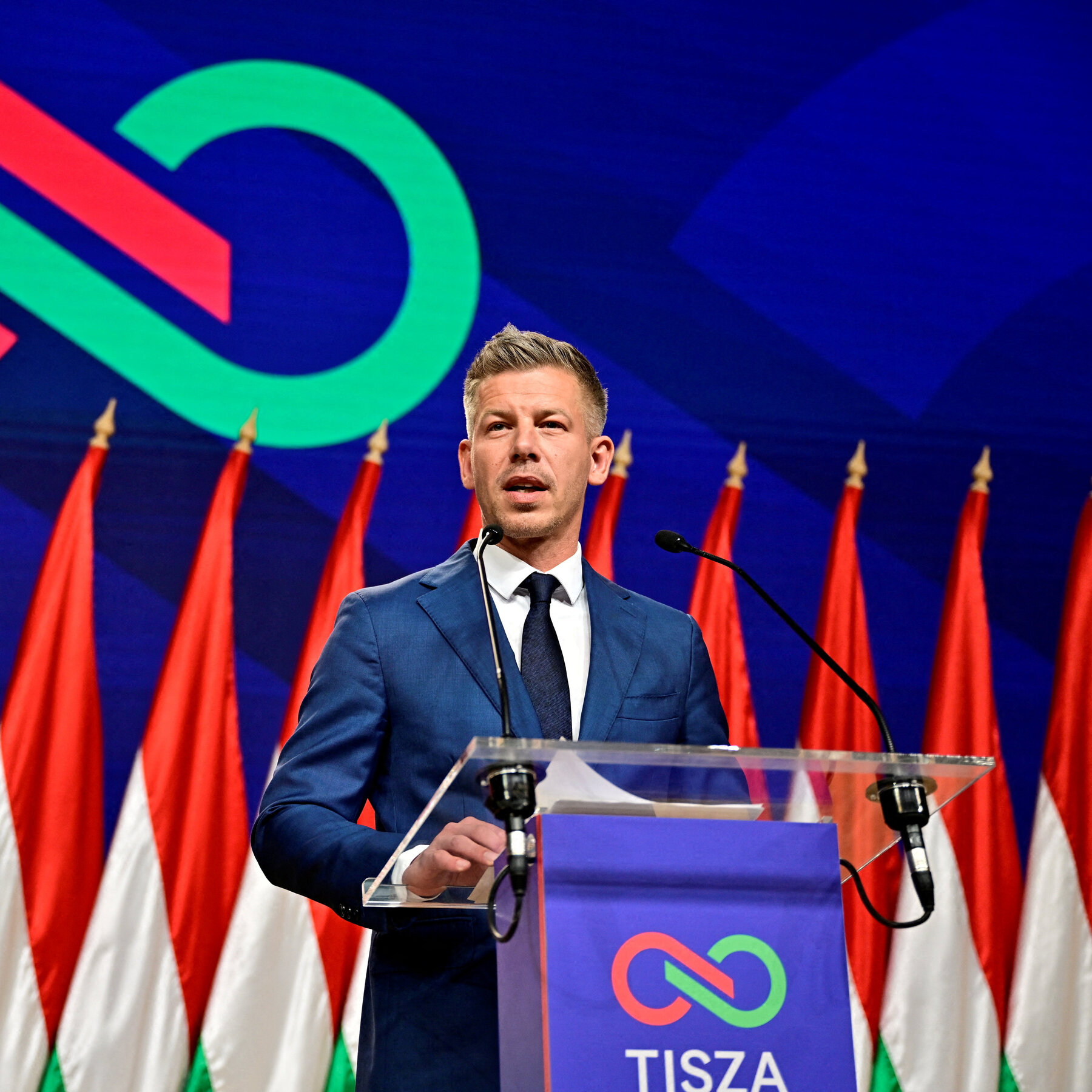
Peter Magyar is poised to become Hungary’s next leader after securing a sweeping electoral victory. His ascent marks a significant political shift from Viktor Orban’s long-standing governance.
Magyar, the former opposition leader, won the election by a wide margin, ending Orban’s tenure marked by a style often described as an “illiberal democracy.” This result reflects voter desire for reform and a new approach to governance in Hungary.
Taking office, Magyar faces the formidable task of dismantling entrenched systems established by Orban’s government. Key areas of focus include:
These reforms will be critical to aligning Hungary more closely with traditional democratic standards and strengthening its international standing.
Magyar’s leadership could herald a new chapter in Hungarian politics, impacting regional dynamics. As reported by The New York Times, this transition is being closely watched by policymakers and analysts across Europe.
While Magyar’s victory offers hope for political renewal, success will depend on his administration’s ability to address complex domestic and international challenges.
In conclusion, Peter Magyar’s rise ushers in a pivotal moment for Hungary. His upcoming leadership will test the nation’s capacity to move beyond the legacy of illiberal governance towards a more open and democratic future.


