
TRENDING NEWS





Truth Over Trends, always!
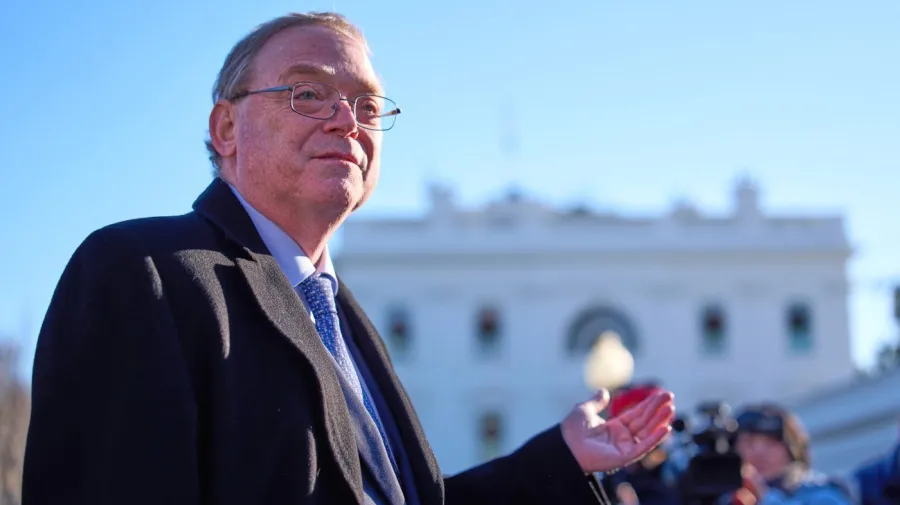
Amid escalating geopolitical tensions, notably the ongoing Iran conflict, the economic narrative presented by President Trump’s advisors signals a resolute belief in the resilience of the American economy. On Wednesday, a senior economic adviser confidently projected a “very, very strong” job market future, asserting that despite the perils of war, consumer confidence remains buoyant. Evidence from the financial sector reveals credit card expenditures soaring, with banking officials indicating that consumer spending is “through the roof.” This apparent economic vigor seems to reinforce the conservative narrative that, under America’s free-market enterprise, resilience persists—even when the geopolitical horizon darkens.
This stance aligns with a broader ideological framework that views the free market as a bulwark against global instability. Yet, critics—often from progressive or Keynesian perspectives—question whether this optimism obscures underlying vulnerabilities. Renowned political theorists like Friedrich Hayek have long argued that market signals serve as vital feedback mechanisms; however, in moments of crisis, these signals can be manipulated or misinterpreted, shaping public perception and policy decisions in ways that favor the powerful. The decision by government officials and financial elites to project unwavering confidence illustrates a classic power struggle: the attempt to maintain market stability while preserving the influence of entrenched economic interests, even as the tangible lives of ordinary Americans hang in the balance.
At the heart of this economic outlook lies an ongoing power struggle. The political class, wielding influence over fiscal policies and international relations, sets the tone for how decisions impact the populace. The recent policy shifts—particularly under the shadow of war escalation—highlight key tensions: will the government prioritize military engagement or domestic recovery? As policy reforms accelerate, the question remains whether the prevailing narrative effectively shapes the people into both beneficiaries and spectators of these strategic battles.
Historical parallels resonate deeply in these moments. Just as Reagan’s economic policies aimed to invigorate American enterprise amid Cold War tensions, today’s leaders brandish optimism to shore up morale and mitigate fears. Yet, the risk remains that this optimism may mask profound structural vulnerabilities: debt accumulation, inflation spirals, and unequal wealth distribution. The constitutional architecture of the nation—its checks and balances—faces ongoing tests of resilience, as executive power increasingly confronts calls for accountability amid crisis. The political landscape is a crucible where ideas about populism vs. elitism, security vs. liberty, and protection vs. free enterprise clash fiercely, shaping the destiny of the republic.
As the drums of war echo around the globe, the true battleground is within the corridors of power. Decisions enacted today—be they military commitments or economic policies—will carve out the future for generations. The rhetoric of strength and resilience cloaks complex power struggles that threaten to redefine constitutional norms and democratic accountability. Political theorists warn that in such moments, the state’s capacity to endure hinges on a delicate balance: harnessing the energies of its populace without succumbing to authoritarian temptations.
Ultimately, politics becomes a stage where the destiny of nations is scribed in the ink of strategic choices and ideological victories. Just as Carl Schmitt declared, “The sovereign is he who decides on the state of exception,” today’s leaders deftly navigate crises—real or perceived—to cement their influence. As the world watches, the question persists: will those in power shape history for the collective good or for their own enduring empire? In this play of power, the stakes are nothing less than the destiny of an entire civilization, written in the shadows of diplomacy, war, and economic prudence.

In an unexpected development in the ongoing global health and security landscape, the United Kingdom has confirmed that a British national is among three evacuees transported to the Netherlands after exhibiting symptoms aboard the MV Hondius. This vessel, originally tasked with a maritime operation, has now become a focal point of international concern, highlighting how recent events continue to ripple across national borders and geopolitical stability.
According to officials, the evacuees were identified following a routine health assessment onboard the vessel, which was under strict quarantine measures. The individual in question reportedly displayed symptoms consistent with a contagious disease, prompting immediate cooperation with European health authorities. The decision to evacuate and isolate these individuals underscores the delicate balance nations attempt to strike amid rising fears of infectious outbreaks—especially as global populations become increasingly interconnected. Analysts note that this episode emphasizes how simple health scares can escalate into broader diplomatic and security stakes, especially in geopolitically sensitive zones.
International organizations, such as the World Health Organization and EU health officials, have swiftly responded, reinforcing protocols for the management of potentially infected individuals at sea and within international waters. This incident forms part of a broader pattern that dates back to recent crises involving maritime quarantine procedures—highlighted by historians as emblematic of the unpredictable challenges faced in 21st-century geopolitics. The UK government has stated that the evacuees are receiving appropriate medical attention in the Netherlands, reflecting a coordinated effort to contain any potential health threat while maintaining diplomatic channels open.
Experts warn that these incidents serve as a stark reminder of the fragile interconnectedness of the modern world. Policymakers and international agencies continuously grapple with the fallout of decisions made amidst crises, often revealing the underlying tensions between national sovereignty and multilateral cooperation. How nations respond to transnational health threats not only shapes the immediate outcome of such incidents but also influences their geopolitical leverage and societal stability in the long term. As the world watches this evolving story, it becomes increasingly clear that the unfolding events aboard the MV Hondius are a microcosm of a larger, more turbulent era—where the balance of health, security, and diplomacy is more delicate than ever before.

The ongoing legal battles within the artificial intelligence sector are echoing far beyond the courtroom, signaling a critical juncture for market stability and policy direction. Recently, OpenAI has become embroiled in a dispute that centers around internal communications, including emails and text messages, revealing deliberations on restructuring its corporate framework. These insights, disclosed through legal proceedings involving Sam Altman, Greg Brockman, and Elon Musk, emphasize the complex web of corporate interests and the high stakes involved in AI’s rapidly evolving landscape. As lawyers seize on these historical communications, the industry teeters on the edge of a transformative period, with ramifications that will ripple through the broader tech economy.
Market analysts are closely watching this legal saga as it underscores the underlying tension between strategic innovation and regulatory oversight. The tech giants, particularly those on the forefront of AI development, are navigating a delicate balance—aiming to capture market share while avoiding potential pitfalls that could stem from corporate restructuring or regulatory sanctions. Economists from prominent think tanks warn that prolonged legal uncertainty could stifle growth in the sector, which has become a crucial driver of global economic dynamism. Notably, the AI market is projected to grow at an average rate of 20% annually over the next five years, but this trajectory may accelerate or decelerate depending on the outcome of current disputes and policy shifts.
Investors are poised, watching for signs of market impact as new information about internal governance surfaces. The controversy highlights the broader risk associated with rapid technological advancement: regulatory overreach threatens to impose constraints on innovation, while overly lax policies may lead to monopolistic practices or ethical breaches. What is clear, however, is that the global economy will not remain unaltered. The interplay between legal frameworks and technological prowess will define the competitive landscape for decades to come, influencing investments, venture capital flows, and startup activity. As renowned economists suggest, the key moving forward is fostering a framework that encourages pioneering R&D while ensuring accountability and transparency.
Ultimately, this clash within the AI sector reflects a broader truth: the economy is a living, breathing organism, and its future vitality depends on how nations and corporations steer their policies through turbulent waters. The current legal tensions symbolize a moment of reckoning—testing the resilience of market forces and the strategic agility of industry leaders. As market impact unfolds and policy responses form, the stage is set for the emergence of new economic paradigms. These developments underscore that, in the grand scheme, artificial intelligence is more than just technology; it is a power shaping, and being shaped by, the most fundamental currents of global influence. The pulse of this dynamic sector will determine which nations and companies rise to dominate the future economy, forging a new era where innovation and regulation dance a delicate, high-stakes ballet.
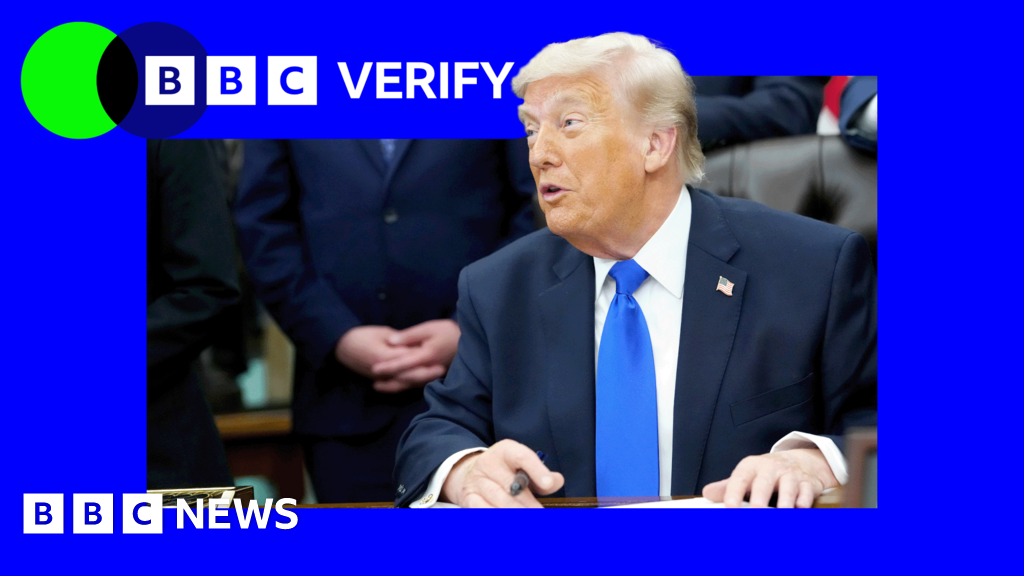
In a strategic move that has captured international attention, the President of the United States announced a temporary pause in a significant military operation designed to secure vital maritime routes through the Strait of Hormuz. This narrow and globally critical waterway, which links the Persian Gulf to the Arabian Sea, remains the focal point of geopolitical tensions and the hub of international energy supplies. The decision, made just two days after the initial announcement, underscores the delicate balance between assertive military posture and diplomatic maneuvering on the world stage.
According to official sources, the pause aims to facilitate the passage of U.S. Navy ships through the Strait, signaling an attempt to de-escalate immediate tensions. Analysts suggest that this move reflects a broader strategy to avoid escalation with regional powers, notably Iran, which has historically responded to U.S. military actions with increased hostility and destabilizing acts in the Gulf. Historically, the Strait of Hormuz has been the epicenter of conflict and brinkmanship, with over a fifth of global oil supplies passing through its waters. Recent years have seen tensions flare over Iran’s attempts to block or threaten shipping, leading to fears of a wider regional conflagration.
International organizations and geopolitical analysts have weighed in on the implications of this tactical pause. The International Maritime Organization cautions that even temporary military standoffs can have lasting destabilizing effects, disrupting global energy markets and regional diplomacy. Meanwhile, foreign policy scholars, such as Dr. Elizabeth Johnson, emphasize that decisions made in moments of crisis often set precedents. The current maneuver, they argue, could either pave the way for renewed diplomatic negotiations or inexorably lead to further confrontations that threaten global security. The geopolitical impact of this delicate operational pause is profound, as it reflects the ongoing tug-of-war between U.S. military assertiveness and regional diplomacy.
Observers note that the recent actions are part of a broader pattern where Washington seeks to project strength, yet recognizes the potential costs of full-scale conflict. The strategic importance of the Strait of Hormuz is unparalleled; control over this chokepoint influences not just regional, but global energy security. Historians warn that past conflicts in this area, such as during the Iran-Iraq War, have shown how rapid escalation can spiral quickly beyond initial intentions. As flickers of diplomacy now flicker amidst the shadow of military readiness, the world confronts the possibility that these tactical decisions could either reinforce peace or slip into a destabilizing regional war.
As the international community watches anxiously, history looms large. The decision to pause military actions, while seemingly momentary, echoes with the weight of centuries of maritime disputes, ideological clashes, and economic stakes. The narrative unfolding here is not just about ships passing through straits but about the profound choices that shape the future of international order. With each passing day, the drama in the Persian Gulf unfolds with the silent promise that every decision now could echo through the corridors of history, defining the 21st century’s geopolitical landscape—either as a new chapter of stability or the beginning of a turbulent era that could engulf the global stage in chaos.

As local elections approach in Reading, the overarching concern that dominates the discourse is housing. Across political lines, the debate intensifies around how best to navigate the complex web of urban development, affordability, and sustainable growth. For political analysts, this election represents more than a routine democratic exercise; it exposes the power struggles shaping the future trajectory of local governance and the decision-making processes that directly impact the lives of constituents.
At the heart of this contention lies the contrast between established urban planning policies and groundbreaking reforms proposed by grassroots coalitions. Traditionally, the dominant political forces in Reading, often aligned with center-right parties, have championed fiscal conservatism and market-driven development. These policies tend to favor large-scale housing projects, frequently criticized for disenfranchising lower-income residents and accelerating gentrification. Conversely, emerging progressive factions advocate for affordable housing mandates, community-led planning, and protections for vulnerable populations. The ensuing power struggle exemplifies a broader ideological battle—whether to prioritize economic expansion or social equity—echoing debates that have historically shaped municipal governance.
This contest over policy directions is compounded by constitutional questions surrounding local authority and citizen participation. Some experts draw parallels with historical moments like the 19th-century Chartist movement, which demanded greater voice for the working class—highlighting how decision-making shifts influence the social fabric. Recent legal debates also question whether municipal leaders are overstepping their constitutional boundaries in pursuit of aggressive land-use reforms. Such disputes underscore the importance of power dynamics in shaping the urban landscape, with each side jockeying to secure their vision of the city. The outcome of these elections could determine how Reading’s governance balances public interests against private enterprise, impacting generations to come.
It is precisely this clash of visions that frames local politics as a microcosm of national ideological battles. The electorate’s choice will signal whether Reading adopts a more progressive path emphasizing social justice and inclusivity, or adheres to a more conservative stance prioritizing fiscal responsibility and market freedoms. During campaigns, candidates articulate starkly contrasting promises—those seeking to expand public housing initiatives versus advocates for reducing regulatory red tape for developers. Such policy decisions are not mere administrative acts; they delineate the moral and economic compass of the city, shaping how the population interacts with its infrastructure, economy, and community life.
Ultimately, local elections reveal that politics remains the ultimate stage of destiny, where ideologies clash, alliances shift, and power dynamics reconfigure the foundations of society itself. The choices made in Reading’s voting booths today will ripple through the corridors of power and into the daily lives of its citizens, reaffirming that governance is less about bureaucracy and more about the battle for the soul of the city. In this fierce contest, history reminds us that those who grasp the levers of authority not only write laws but also carve the very destiny of their communities—prompting each voter to consider: who truly controls the future?
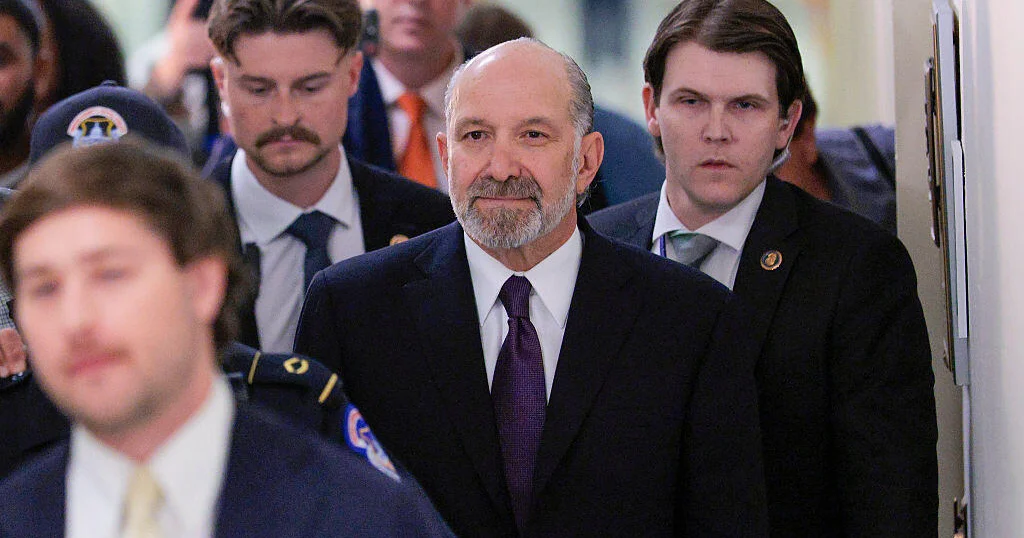
On a day that spotlighted the enduring tentacles of power and influence, Commerce Secretary Howard Lutnick found himself scrutinized before the House Oversight Committee in connection with the Jeffrey Epstein scandal. This hearing is emblematic of a larger conflict over transparency, accountability, and the true extent of political protection. As allegations swirl and testimonies unfold, it becomes increasingly clear that the inquiry is more than just about one individual’s actions—it’s about the very fabric of power that often shields the elite from justice. The committee’s questioning underscores a critical moment where decision-makers are forced to confront the murky intersection of wealth and political influence, shaping the lives of ordinary citizens and the integrity of the nation’s political institutions.
The Epstein case, long a symbol of systemic corruption and clandestine networks, exposes a power struggle rooted in the desire for accountability. Historically, such scandals have revealed how political and economic elites operate in a world where justice is often manipulated by those with the most influence. Critics argue that behind the curtain, figures like Lutnick may have navigated a web of connections that protected them from scrutiny, echoing historical parallels such as the Teapot Dome scandal or the Watergate scandal, where the real battle was fought behind closed doors. The ongoing investigation signifies a concerted effort by a restless political class eager to shed light on these obscured dealings, holding up a mirror to the enduring question: who truly controls the levers of power, and at what cost to the American people?
Amidst the spectacle, political analysts emphasize that decisions made today will echo in the corridors of power for years to come.
The ideological clash is evident: on one side, defenders of entrenched privilege argue that such inquiries threaten economic stability or diplomatic diplomacy; on the other, reform-minded voices insist that restoring integrity to governance is paramount, even if it means confronting uncomfortable truths about those in power. The decision to probe Lutnick and others reflects a broader *fight for the soul of the nation*—a battle between those who believe in transparency and those who clutch tightly to their clandestine influence.
Drawing from figures like Alexander Hamilton and Friedrich Hayek, commentators suggest that our constitutional roots are being tested anew. The question hinges on whether the structures designed to preserve liberty can withstand the encroachments of unchecked power, or whether the shadow cast by elite collusion will deepen further. Habeas corpus and the independent judiciary serve as battlegrounds where constitutional experts warn the real contest is for the controls of destiny. As history demonstrates, when elites escape accountability, democracy itself risks erosion—a danger that vigilant oversight must confront head-on. The unfolding drama of Lutnick and the Epstein legacy is thus a stark reminder that politics is not merely a game of policy but a battlefield where the very fate of sovereign liberty is fought.
In this arena of raw power and relentless accountability, the ordinary citizen remains an observer—yet within this spectacle, the ink is being written where the future will be forged. Politics, after all, is the stage where the architects of a nation’s destiny come into focus, shaping laws, influencing powers, and ultimately deciding whether justice is a shield for the righteous or just another weapon in the hands of the powerful. As the echoes of this inquiry fade into history, one truth endures: in the relentless pursuit of truth and justice, the true rulers are the ones who dare to confront the shadow, for it is in these fiercest struggles that the very spirit of democracy is tested—and often, reborn.

In a move that underscores the ongoing battle for digital freedom and safety, Pornhub’s parent company, Aylo, has announced that UK iOS users can now access the platform again, thanks to innovative device-based age verification technology. After a controversial push to block the adult content giant earlier this year, the company’s reversal highlights a paradigm shift in how society balances personal responsibility with online content regulation. The key enabler? Apple’s latest iOS 26.4 update, which introduces what Aylo describes as the world’s first device-level age verification solution specifically for UK users. This new system leverages the familiarity and security of existing devices—requiring proof-of-age through credit cards, identity scans, or official documents—aiming to create a safer yet unrestricted digital space for adults.
This development isn’t just a win for the adult industry; it’s a cultural statement about the importance of personal agency in digital consumption. Influencers, legal experts, and tech analysts are weighing in to evaluate how technology can be harnessed to protect minors without infringing on adult privacy and freedom. As Solomon Friedman, VP of Compliance at Ethical Capital Partners, points out, “device-based age verification offers a highly effective, privacy-conscious way of reconciling safety concerns with the need for unrestricted access for adults.” This move aligns with the broader societal trend toward personalized online safety measures and reflects a societal shift in the way digital content is controlled, emphasizing adult responsibility over blanket censorship.
Alongside this regulatory evolution, a remarkable rise in hookup apps reveals how society’s approach to relationships and casual connections is transforming. According to trending consumer data, platforms like AdultFriendFinder, Tinder, and Hinge are experiencing surges in popularity among young adults. These apps are now viewed less as mere tools for fleeting encounters and more as central nodes in a broader quest for authentic social experiences. The trend is shaped by an emerging societal attitude: casual connections are increasingly normalized and celebrated as part of the modern lifestyle.
These social platforms symbolize more than just convenience; they reflect a noticeable cultural shift toward open sexuality, digital integration into dating lives, and a move away from traditional, conservative notions of relationships. Influencers across social media channels are championing this rebirth of sexual freedom, suggesting that societal acceptance of casual intimacy is casting aside outdated stigmas. Sociologists like Dr. Emma Harris describe this as “a democratization of sexuality, facilitated by technology and driven by youth’s desire for authentic, *safe* experiences.”
While these advancements—both in content accessibility and social connection—signal a more open and technologically integrated future, they also raise critical questions. How will privacy and personal data be protected amid an environment where age verification becomes so seamlessly embedded into everyday devices? Will society be able to strike a balance between personal freedom and societal safety? And as youth culture continues to evolve around the digital realm, the core question remains: what is the future of online authenticity, privacy, and responsibility? As the next wave of innovations approaches, global society must grapple with these complexities—shaping a future where technology enhances life, not compromises its integrity.
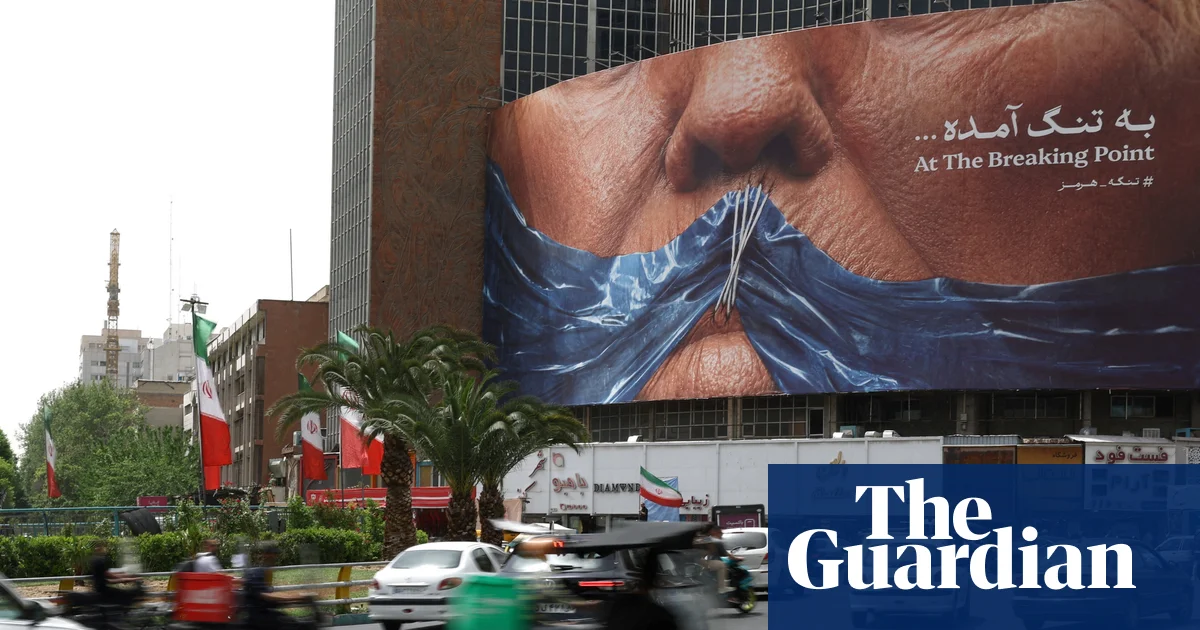
Amid mounting tensions and fragile negotiations in the Middle East, President Donald Trump has issued a stark ultimatum to Iran: accept a proposed peace deal or face a dramatic escalation in U.S. military action. In a recent social media statement, Trump warned that **if Tehran refuses** to comply with Washington’s conditions, the U.S. will initiate a wave of bombing “at a much higher level and intensity than it was before.” This rhetoric signals a volatile crossroads in the ongoing confrontation rooted in decades of geopolitical rivalry, with America asserting and reasserting its dominance, while Iran maintains its defiant stance against what it perceives as aggressive encirclement and economic strangulation.
Unconfirmed reports suggest that extensive negotiations between Tehran and Washington may be on the verge of a breakthrough, with some officials indicating a tentative agreement on a *one-page memorandum* aimed at ending the war. Yet, the prospects remain uncertain. Analysts and diplomats from the region highlight that trust deficits and external influences—especially China’s role—continue to complicate the diplomatic process.
However, the hardline rhetoric from Tehran’s senior negotiator, Mohammad Bagher Ghalibaf, accuses Washington of attempting to “destroy” Iran through economic blockade, naval threats, and media manipulation. Such language underscores the depth of mistrust and the complex web of interests that continue to threaten any fragile peace.
Adding to the geopolitical firestorm, the *strut of the Strait of Hormuz* has become a pivotal flashpoint. Earlier in the week, Trump ordered a pause to the naval convoy, dubbed “Project Freedom,” which had been attempting to safeguard shipping lanes and ensure the flow of roughly 20,000 ships annually through what is arguably the world’s most vital maritime chokepoint. Despite this, Iran has threatened to deploy mines, drones, and missile strikes should Washington attempt another blockade, risking a major escalation in the region’s already volatile environment. The potential shutdown of the strait—a lifeline for global oil supplies—could ignite fuel prices worldwide and send markets into chaos, illustrating how intertwined regional conflicts are with global economies.
Among international observers, China emerges as a critical player with its historical ties to Tehran. While Beijing advocates for a *comprehensive ceasefire*, skepticism remains about its capacity to influence Iran’s radical regime—yet many analysts see China’s “role as a guarantor” as perhaps a key to lasting peace. Meanwhile, Pakistan and regional intermediaries are striving to broker a *temporary relaxation of hostilities*, emphasizing the importance of trust-building measures amid ongoing negotiations. As Turkey and other regional actors watch closely, the U.S. seeks to leverage these dynamics to pressure Iran into acceptance, while avoiding full-scale war that could destabilize the entire Middle Eastern balance of power.
With oil prices soaring earlier this week and the specter of renewed conflict looming large, domestic and international pressures converge on Trump. His diplomatic dance—balancing aggressive posturing with the hope of a negotiated settlement—reflects a broader strategy that seeks not just regional stability but also to cement his legacy ahead of the upcoming U.S. congressional elections. Yet, the core questions remain: Will Tehran capitulate to U.S. demands, or will this crisis spiral into an unpredictable chapter of open conflict? As the world holds its breath, history continues to write itself in the flames of diplomatic negotiations and military posturing, with each new move echoing far beyond the sands of the Middle East. The ultimate outcome—whether peace or chaos—stands as a stark testament to the fragile architecture of power in the 21st century, where the lines of diplomacy blur with the shadows of war, and the weight of history presses heavily on the unfolding future.

In a world increasingly captivated by the transient spectacle of modernity, it is vital to recognize the enduring significance of culture as the bedrock of identity, tradition, and societal cohesion. The story of Michael Tilson Thomas—a titan of American orchestral music—serves not merely as a chronicle of artistic achievement but as a testament to the profound role culture plays in shaping national character and collective memory. An advocate of the arts who seamlessly bridged the classical tradition with America’s vibrant, sometimes rebellious, cultural landscape, Thomas exemplified how the arts can act as both a mirror and a mold for society. His commitment to nurturing young talent, fostering innovation, and intertwining popular culture with high art underscores a fundamental truth: culture is the living fabric of a nation itself, crafted through the continuous dialogue between the past’s storied echoes and the prophetic voices of future generations.
Throughout his illustrious career, Thomas exemplified the profound philosophy that culture is both memory and prophecy. His work with the San Francisco Symphony and the founding of the New World Symphony embodied a mission to keep alive the lessons of tradition while eagerly anticipating the future. His efforts to incorporate diverse musical idioms—ranging from the classical to the avant-garde—mirrored the broader cultural shift of an America that increasingly values its hybrid identity. As Ortega y Gasset once argued, culture is not static; it is a dynamic process, a reflection of the rational spirit constantly shaping and reshaping societal values. Thomas’s embrace of technology, especially through initiatives like the YouTube Symphony Orchestra, represents a conscious effort to democratize art and democratize the link between tradition and innovation—integral in a society that prizes connectivity and accessibility.
The influence of figures like Thomas reminds us that culture is the architecture of society, influencing how communities conceive of their history, their values, and their destiny. When Thomas championed artists like Yuja Wang and Julia Bullock, he did more than foster individual careers; he reaffirmed the importance of cultural continuity in a rapidly changing world. His work was rooted in the understanding that tradition is not relic but the foundation from which new greatness is born. Historical critics such as Chesterton have long argued that a society without a vibrant love of its cultural roots risks falling into superficiality and alienation. Conversely, Thomas’s life demonstrated that to preserve tradition is to safeguard the soul of a nation, and to innovate within that tradition is to propel it forward—both essential in a society resisting the erosion of its identity amidst the chaos of modern change.
As we reflect on Thomas’s legacy, it becomes clear that the arts serve as a crucial platform for shaping young minds and reaffirming societal ideals. His attention to education and mentorship embodies the belief that culture is the seed of community, capable of inspiring the fiercest patriotism and the most profound human understanding. In this sense, culture is prophecy: what we cultivate today becomes the moral and aesthetic landscape of tomorrow’s society. This powerful idea is echoed by thinkers like T.S. Eliot, who emphasized that tradition is the backbone of creative renewal. In a cultural epoch often dominated by fleeting trends, Thomas’s life stands as a towering record of the enduring power of cultural roots—roots that anchor us to our history and blossom into the visions of what our society could yet become.
In the quiet dignity of his final years, Thomas returned to the nurturing ground of education, underscoring a fundamental truth: culture demands perpetual renewal. As he worked with students at the San Francisco Conservatory of Music, he exemplified the belief that each generation bears the responsibility of preserving the memory of their cultural ancestors while becoming prophets of their own artistic destiny. Culture, then, is both remembrance and prophecy—an eternal dialogue between memory and the future. When we recognize that our shared cultural endeavors are the ongoing stories of humanity, it becomes clear that society’s truest strength lies in its ability to remember and envision, to honor its past and forge its future. As the final notes of a symphony fade into silence, the enduring melody of culture continues to resonate, a poetic testament: human life, an unfolding epic, both rooted in history and reaching beyond it, shaping the destiny of humanity’s collective soul.
The recent actions taken by the U.S. Supreme Court underscore the complex power struggles that define contemporary American politics, revealing how judicial decisions are not merely legal rulings but pivotal battles that shape the fabric of society. Justice Samuel Alito stepped into the spotlight by intervening to preserve access to abortion pills—a move that stunned many as it signaled the court’s willingness to engage in direct action amidst ongoing national debates. His intervention, rooted in a recognition of the potential ramifications of restricting reproductive rights, contrasts sharply with the stance of some of his colleagues, highlighting the internal fissures within the high court’s conservative bloc.
The court’s emergency docket, historically reserved for urgent legal matters, has recently roared back to vitality, positioning itself as a battleground where decisions carry profound implications for ordinary Americans. In particular, the contentious dispute over Louisiana’s congressional map exemplifies the high-stakes power struggles between judicial and legislative branches. Justice Ketanji Brown Jackson and Samuel Alito have found themselves at odds, reflective of the court’s wider ideological divides. Such conflicts evoke historical parallels to past judicial battles—where courts have acted as decisive arbiters in battles over voting rights and legislative boundaries—underscoring that the judiciary’s role remains central in shaping political fortunes and policy directions.
This ongoing clash over electoral districting underscores an essential truth: the decisions made inside the courtroom ripple outward, affecting how populations are represented and how power is distributed across states. While some constitutional experts argue that such interventions are necessary to uphold the rule of law and checks and balances, critics contend they risk turning courts into political battlegrounds, where the outcomes are less about legal doctrine and more about ideological dominance. Meanwhile, figures such as James Comey find themselves confronting new challenges—signaling that the broader political landscape continues to evolve, driven by power assertions both within government and the increasingly polarized public sphere.
In the context of these upheavals, the question remains: who truly controls the destiny of the nation—the courts, the Congress, or the Executive? As the judiciary asserts its independence, it also assumes a critical role as the final arbiter of contentious policy issues—yet the balance of power remains fragile. In a sense, the court embodies the tension of a nation crafting its future amid the shadows of historical precedents and contemporary crises. Just as earlier eras saw courts as custodians of constitutional integrity or political agitators depending on the era’s storm, today’s judicial landscape tells us that the battle for the soul of America persists at the intersection of law, politics, and destiny.
Ultimately, the great political theater continues. Decisions made within these hallowed halls are not mere legal rulings—they are the strokes that may redraw the nation’s map of power. As leadership contends with internal divisions and external pressures, the courts remain a vivid stage where the future of liberty, justice, and national identity is forged in the crucible of controversy. In this relentless pursuit of dominance, politics is less about party lines and more about who holds the pen that writes history.


