
TRENDING NEWS





Truth Over Trends, always!
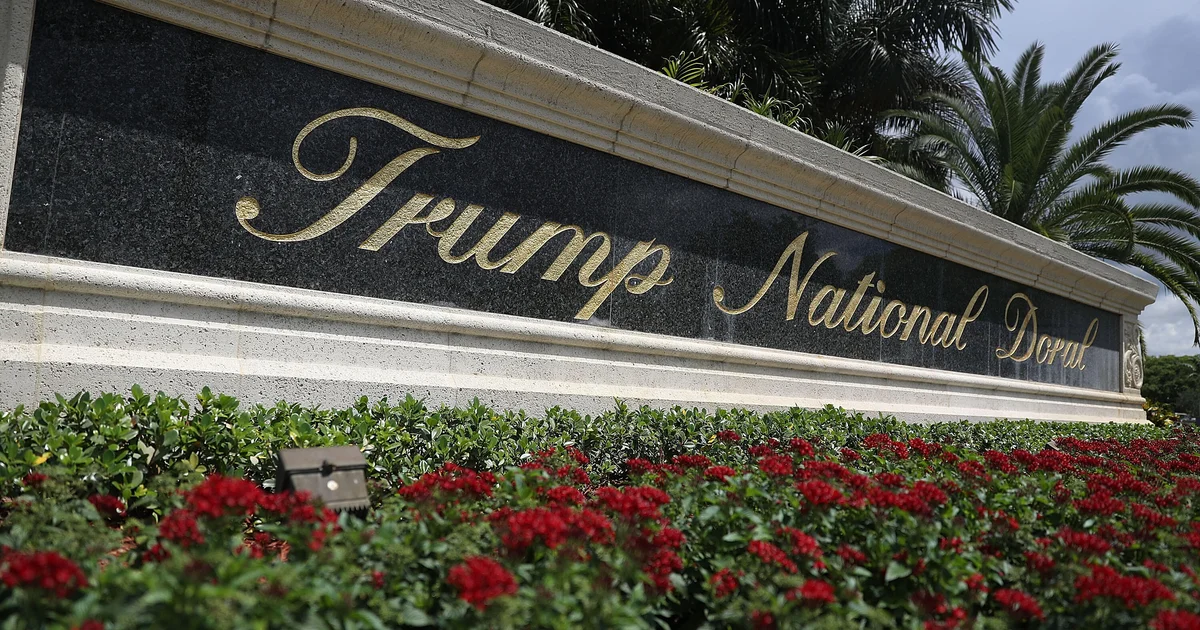
The recent incident in Washington, D.C., capturing the nation’s attention just one week after the unsettling event at the White House Correspondents’ Dinner, underscores the volatile nature of contemporary political theatre. During this episode, former President Donald Trump was swiftly escorted off the dais, an incident emblematic of the shifting power landscape and the underlying unrest that characterizes the current American political climate. Such occurrences are more than mere disruptions; they are indicative of deeper power struggles between factions vying for influence and the profound consequences these struggles impose on the fabric of American democracy.
Historically, moments of political chaos serve as mirrors reflecting the tensions simmering beneath the surface. In this case, the event demonstrates how the battle for narrative control is intensifying, with voices from both the populist right and the entrenched establishment seeking to dominate the discourse. The incident’s timing, amid ongoing debates over constitutional interpretation and the boundaries of presidential authority, echoes the ideological clash reminiscent of the early 20th-century conflict between progressivism and conservatism. Constitutional experts liken the hurried removal of Mr. Trump to a modern-day example of how constitutional crises may unfold—a struggle not just over laws but over who holds the power to interpret and enforce them.
The political theatre today is marked by a battle for legitimacy. Campaign promises from the right, often characterized by a promise to uphold traditional values and sovereignty, are being challenged by left-leaning visions of reform and progressivism, which advocate for a more extensive redistribution of power. This ongoing conflict shapes policy shifts that impact millions, echoing the age-old question of who truly wields authority. The decision to eject Mr. Trump from the event reflects a rising tension where power struggles are no longer confined to legislative chambers but are played out visibly on the public stage, with the media acting as both judge and jury.
As this political drama unfolds, it recalls the teachings of Carl Schmitt, who argued that sovereignty lies not merely in the legislative process but in decisive moments where authority is visibly asserted or challenged. These incidents demand that citizens and political analysts ask: who benefits from these spectacles of disorder, and what do they reveal about the true nature of power in America? The stage has been set, the players are aligned, and history suggests that in times of crisis, democracy is tested not in calm deliberation but through decisive moments that define the future. As the nation witnesses these tumultuous shifts, it becomes clear that politics remains the ultimate arena where freedom, authority, and destiny are constantly contested—an ongoing narrative where the pen is wielded by those daring to shape the course of history.
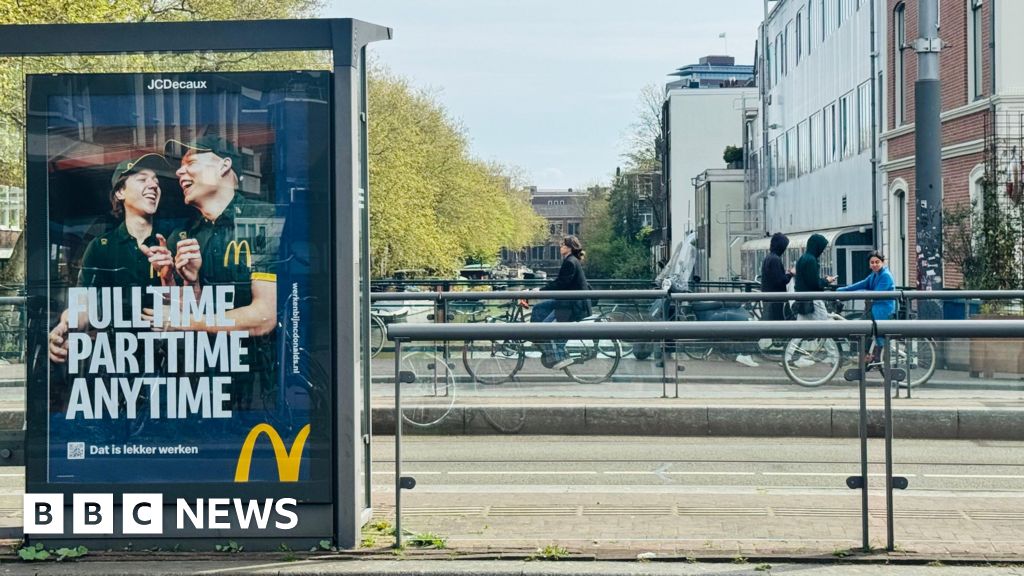
In a groundbreaking move, Amsterdam has cemented its reputation as a leader in environmental policy by becoming the world’s first capital city to ban public advertisements for meat and fossil fuel products. Effective since May 1st, this initiative eliminates promotional content for burgers, petrol cars, airlines, and related industries from billboards, tram shelters, and metro stations across the city. This bold step not only underscores a shift in the city’s public messaging but also sends a strong signal to global businesses and investors about the future of sustainable urban development.
The decision reflects a broader trend among metropolitan centers to pursue climate-conscious policies that influence consumer behavior and reshape market dynamics. By restricting advertising for industries notorious for their carbon footprints, Amsterdam aims to reduce consumer demand and promote healthier, more sustainable choices. Market analysts suggest that such policy shifts could significantly impact market impact in sectors linked to traditional fossil fuels and animal agriculture. Companies such as Volkswagen or McDonald’s may need to reassess their marketing strategies as urban centers increasingly adopt restrictive advertising policies under the guise of climate activism.
Economists and investors are watching closely as this policy could redefine urban economic landscapes. According to the International Energy Agency (IEA), continued reductions in fossil fuel advertising can accelerate the transition to renewable energy sources and electric mobility—particularly as cities demonstrate they are willing to prioritize environmental impact over traditional commercial growth. This move could encourage other jurisdictions to follow suit, creating a ripple effect that could challenge the dominance of fossil-fuel-heavy industries in urban economies. The response from the business community has been mixed; while some view it as a setback to industry profitability, others see it as an opening for innovative brands to emerge, aligned with a sustainable future.
The policy has significant policy consequences for the transportation and food sectors. With visibility and advertising being vital components of brand growth, firms reliant on conventional promotional channels will likely face increased costs and the need to adapt their marketing infrastructure. Furthermore, the ban could accelerate the decline of fossil-fueled vehicles and meat-centric diets in urban settings—indicators of an emerging shift in consumer preferences. Such dynamics create a fertile environment for renewable energy providers, plant-based food companies, and tech firms pioneering sustainable transportation options, positioning them at the forefront of future economic leadership.
Looking ahead, Amsterdam’s pioneering approach exemplifies the escalating role of economic policy as a tool to combat climate change and shape future markets. By leveraging urban influence and setting a precedent, it paves the way for other global capitals to reconsider the conventional power of advertising in shaping societal values. This innovation signifies that the economy is not merely a driver of prosperity but also a powerful platform for societal transformation—an essential stage where future global power is forged. As the pulse of nations shifts toward *sustainable resilience and innovation*, the economic landscape stands on the cusp of a revolutionary era, where climate consciousness becomes the currency of true progress.
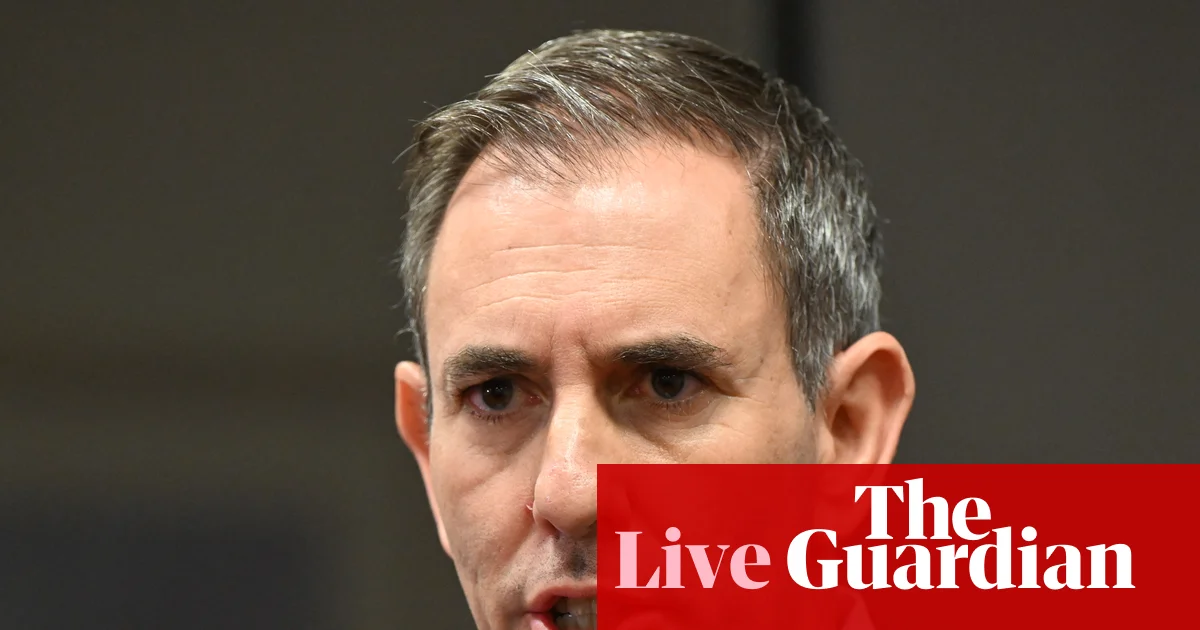
As the world witnesses a flurry of geopolitical developments, Australia finds itself navigating a complex landscape of international diplomacy, economic recalibration, and internal social challenges. The Australian government, under the stewardship of Prime Minister Anthony Albanese, is making headlines with its commitment to responsible fiscal management amid a turbulent global economy. Jim Chalmers, the Treasurer, asserts that the upcoming budget will be the most restrained in recent memory, emphasizing an approach that prioritizes debt reduction over expansive spending. This fiscal stance coincides with ongoing diplomatic efforts to maintain stability in critical regions, notably the Strait of Hormuz, a vital corridor for global energy supplies. Australia’s engagement with international partners underscores its strategic awareness of how decisions made today will ripple across future geopolitical landscapes.
In tandem with fiscal restraint, Australia is actively participating in diplomatic dialogues concerning regional security. Tensions surrounding the Strait of Hormuz, where US-led efforts to escort ships amidst escalating Iran conflicts unfold, have caught the attention of Prime Minister Anthony Albanese. According to Australia’s Foreign Minister Penny Wong, the nation is engaged with the United Kingdom, France, and the United States in negotiations aimed at ensuring the strait’s open passage—an essential element for global energy markets. This diplomatic tug-of-war highlights how decisions in one region can cascade into global economic repercussions — influencing oil prices, inflation, and even the cost of living for ordinary citizens worldwide. Historical analysts warn that such conflicts over strategic choke points could ignite broader confrontations, especially as major powers prioritize their geopolitical interests. The stakes are high, and the unfolding efforts to keep the waterways open reflect a broader international struggle for influence and stability.
Meanwhile, in domestic spheres, Australia is confronting social challenges that threaten to fracture societal cohesion. The royal commission into *antisemitism* has commenced public hearings, spotlighting the troubling rise of discrimination and the impact it has on Jewish Australians. Families of victims, such as the relatives of Reuven Morrison, have expressed outrage over the delayed condemnation of *terrorist* acts and the broader issue of Israel’s blockade on Gaza. These internal conflicts reveal how ideological and humanitarian disputes can influence international perceptions and diplomatic relations. Historians suggest that how Australia manages these domestic issues will significantly influence its standing on the world stage, affecting diplomatic leverage and its commitment to social justice.
Adding to the international web of tensions, Sanae Takaichi, Japan’s newly elected Prime Minister, arrived in Canberra on a historic visit to bolster energy and defense partnerships. As the first Japanese leader to visit Australia since 2022, her trip commemorates the 50th anniversary of the *Nara Treaty*—a key agreement that formalized diplomatic relations amid the 1973 oil crisis. Her visit occurs against the backdrop of ongoing Middle East conflicts, specifically the US-led war on Iran, which has exacerbated energy supply concerns across the Indo-Pacific. Analysts argue that this renewed diplomatic engagement between Australia and Japan is a strategic maneuver to counterbalance rising regional threats, especially from China and North Korea. How these alliances evolve will shape an Indo-Pacific order increasingly dominated by great-power competition, where every move could tip the regional balance of power.
As history continues to unfold with each diplomatic handshake, economic policy, and societal debate, the global order hangs in a fragile equilibrium. Decisions made within the corridors of Canberra, Washington, and Tokyo will set precedents, influence alliances, and define the enduring contest for influence in the 21st century. The world watches closely, for in these pivotal moments, the course of history is being written—one summit, one budget, and one conflict at a time. The question remains: in the fog of power and ideology, which nations will forge a sustainable future, and which will be swept away by the tides of change?
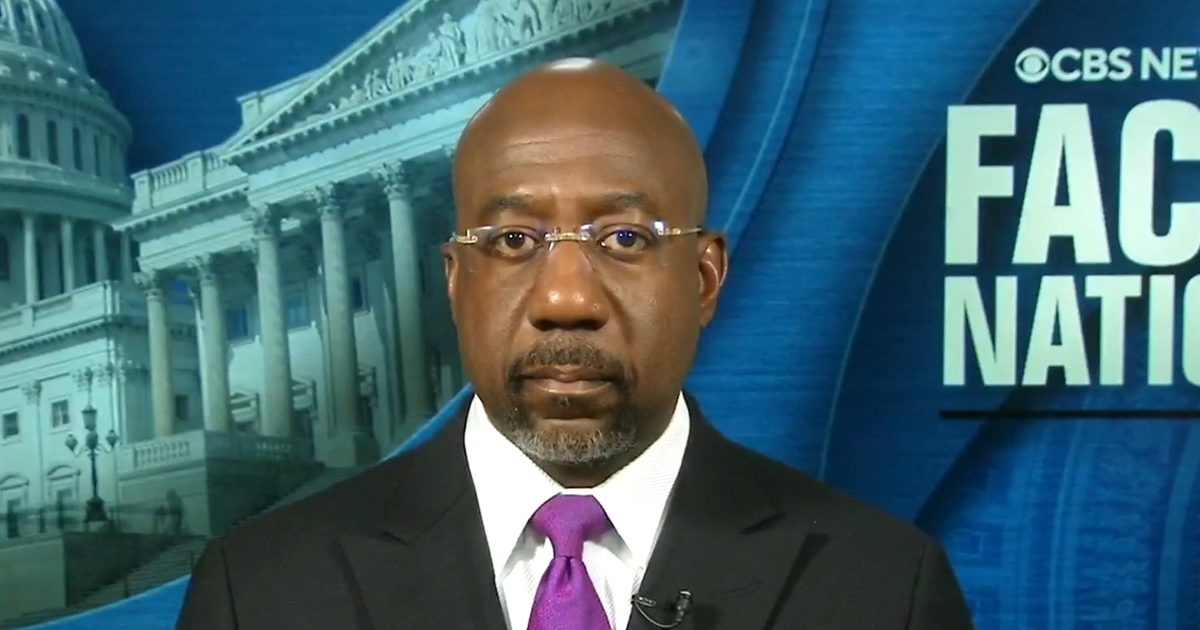
In the tumultuous landscape of 2026, the recent interview with Senator Raphael Warnock of Georgia on “Face the Nation” illuminates more than just the individual stances of a senator; it exposes the larger power struggles shaping the destiny of the United States. As the political arena continues to be defined by seismic shifts in party ideologies and policy priorities, Warnock’s discourse offers a window into a broader ideological clash—one that hinges on the very soul of American democracy. The fact that this interview garners national attention underscores how each political maneuver and rhetorical flourish becomes a piece in the chess game for control, influence, and historical legacy.
Within the interview, Warnock’s positions encapsulate the ongoing tension between progressive reforms and conservative resistance. While he advocates for expanded social programs and electoral reforms, these initiatives are often met with fierce opposition from the conservative bloc—led by figures aligned with the “looking to preserve constitutional structures” camp. The opposition’s defenders of the status quo frequently invoke historical precedent, arguing that rapid reforms threaten fundamental constitutional principles. Yet, critics—drawing parallels with the New Deal era or even more recent judicial battles—contend that modifications to the social fabric are imperative for the nation’s survival in an era of unprecedented economic and geopolitical turbulence. This ongoing conflict over reform and resistance reflects a classic power struggle over who controls the nation’s narrative and policy direction.
More significantly, the interview reveals how decisions made today will **shape the lives of generations to come**. Warnock’s emphasis on voting rights and social justice points to an understanding that political victory extends beyond abstract policy discussions—it’s about wielding power to mold society’s future. Political theorists like Machiavelli and modern constitutional scholars warn that such moments define the trajectory of a nation; history, after all, shows how decisively the course of democracy can turn on the control of institutions and narratives. The ongoing contest for control over the legislative apparatus exemplifies a broader struggle: whether the government remains a tool to empower the people or becomes a mechanism for entrenched elites. The decisions made now are not mere policy choices but **battlegrounds where the future of liberty and justice are contested**.
In this chess game of power, the stakes are high. The political elite—whether custodians of tradition or champions of reform—understand that their success or failure can resonate for decades. Whether one views these developments through the lens of constitutional safeguards or reformist ambition, there is no denying that this is the arena where true sovereignty is exercised. As history continues to write itself in the corridors of power, the closing lines remind us that politics is not just a reflection of current battles but the script where the destiny of nations is ultimately penned—each decision a stroke on the canvas of history, each leader a figure in the story that will echo through eternity.

The World Health Organization (WHO) has issued a brief but significant update regarding a potential resurgence of hantavirus infections across multiple regions worldwide. According to recent reports, one confirmed case has been documented, with five additional suspected cases currently under investigation. While the immediate figures appear modest, the implications for global health security and international stability are profound, especially given the virus’s capacity for rapid spread in vulnerable populations.
This reported incident marks a potential turning point in how nations perceive emerging zoonotic threats. Hantavirus, a disease transmitted primarily via rodent contact, historically remains localized to certain regions such as North America, Asia, and parts of Europe. However, climate change, urban expansion, and increased international travel are progressively blurring these geographic boundaries, escalating the risk of wider outbreaks. Analysts from the Global Health Security Initiative warn that containment becomes increasingly difficult once initial cases emerge outside traditional hotspots. The WHO’s cautious approach—to confirm and investigate suspected cases—underscores the seriousness of this threat.
The geopolitical impact of such health crises cannot be overstated. Nation-states are now recognizing that infectious diseases are no longer confined within borders but are part of a broader security calculus. Decisions on border controls, international cooperation, and resource allocation will directly influence each country’s ability to contain potential pandemics. For instance, especially in regions where healthcare infrastructure may already be strained, the emergence of hantavirus could exacerbate existing socioeconomic inequalities and strain diplomatic relations, particularly if misinformation or inadequate response strategies complicate containment efforts.
Historically, international organizations and governments have learned hard lessons about preventive measures and the importance of global cooperation. The WHO and national health agencies are under increasing pressure to enhance disease surveillance, strengthen public health infrastructure, and foster transparency. Many experts cite the recent outbreaks of other zoonotic infections as evidence that humanity remains dangerously vulnerable. As the world watches in cautious anticipation, the unfolding response to this initial hantavirus case will set a precedent for how future health emergencies will be managed across the globe.
In the grand tapestry of global history, this moment is a stark reminder that viruses do not respect borders. Today’s outbreak could be tomorrow’s pandemic, echoing through the corridors of power and into the fabric of societies worldwide. As nations mobilize and scientists race against time, the story remains unfinished. With every new case, the weight of history presses harder, leaving the world poised between resilience and vulnerability, waiting to see if collective action will turn the tide or if this incident will quietly fade into the annals of forgotten threats, only to resurface when least expected.
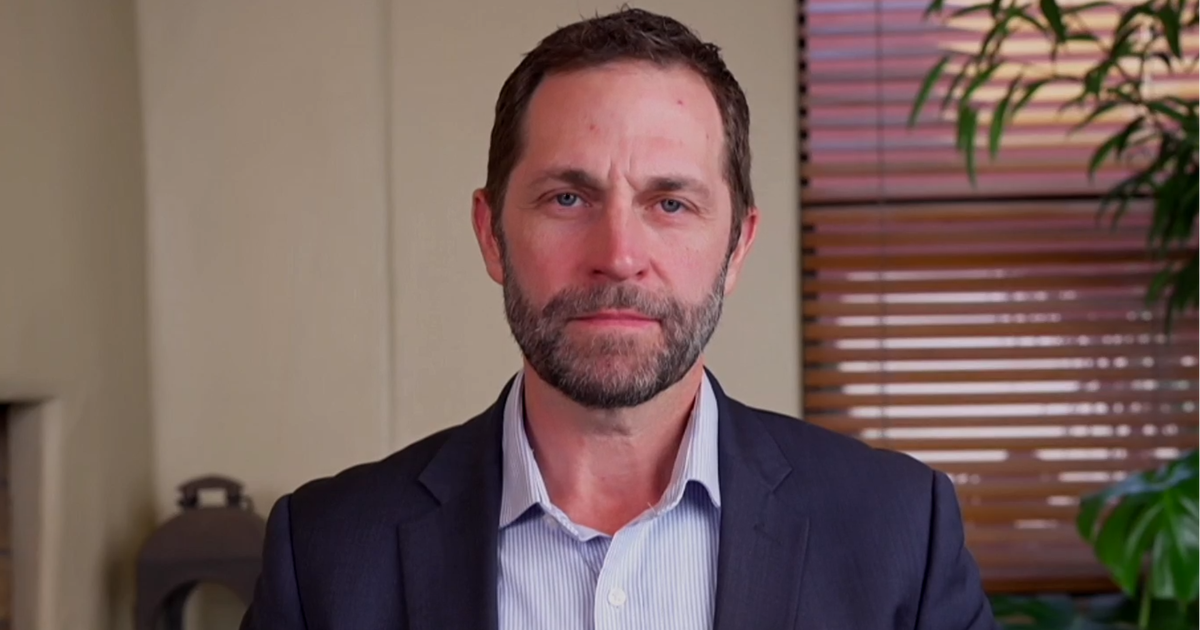
The recent statement by Democratic Rep. Jason Crow of Colorado signals a pivotal moment in the ongoing debate over U.S. foreign policy towards Iran. Speaking publicly on Sunday, Crow emphasized the necessity for the United States to reevaluate its approach, urging broader strategic considerations rather than sticking to conventional tactics. This call for a more comprehensive strategy reflects the shifting dynamics of global influence and the underlying power struggles that define modern geopolitics. In the context of an increasingly volatile Middle East, Crow’s stance underscores a crucial division within American political discourse—a division rooted in how decisions shape the people and influence future generations.
Historically, U.S. foreign policy in the Middle East has oscillated between military engagement and diplomatic efforts, often driven by the ideological perspectives of different administrations and politico-military elites. Contemporary debates echo the Cold War era’s conflicts, where the ideological struggle between interventionism and restraint defined national security paradigms. Cybersecurity concerns, nuclear proliferation, regional proxy wars, and economic sanctions all feature prominently in the complex chess game aimed at containing Iran’s influence. Power struggles within Washington, however, are not just about the immediate threat; they are about shaping the domestic policy environment and determining the limits of American influence abroad.
As the dialogue shifts toward a broader strategic reconsideration, constitutional experts and political theorists draw parallels to historical precedents grounded in realist philosophy. They argue that the U.S. must consider not only military strength but also the long-term implications of its interventions. This introspective approach is vital because policy decisions in the arena of international relations directly resonate with the power dynamics playing out on the ground—decisions made in Washington profoundly impact the lives of millions in Iran and neighboring states. The question remains whether the current administration and Congress will recognize the importance of such a holistic strategy or succumb to the temptation of quick military fixes, which historically exacerbate conflicts and undermine national security.
In the end, the debate over how to approach Iran embodies a broader contest — one where political power, ideological loyalty, and national interests collide. Whether through diplomacy or deterrence, the decisions made today will determine whether the U.S. maintains its global influence or unwittingly cedes ground to emerging powers. As history teaches us, in the theater of politics, it is not merely policy but destiny that is written in the choices we make. Remaining silent or decisive, the U.S. stands at a crossroads—a place where every move echoes through the corridors of history, shaping the future not just of nations, but of the very balance of power itself.

The rapidly evolving landscape of artificial intelligence continues to challenge traditional paradigms within the healthcare sector. New research published in Science by a collaboration between Harvard Medical School and Beth Israel Deaconess Medical Center has demonstrated how large language models (LLMs) are making significant headway in medical diagnostics, even surpassing human doctors in certain emergency scenarios. The findings mark a pivotal breakthrough in AI innovation, with profound business implications that threaten to disrupt both healthcare and tech industries alike. As industry giants and fierce startups race to harness AI’s disruptive potential, this study underscores the urgent need to redefine standards of accountability, efficacy, and ethical deployment in AI-driven medicine.
Designed as a rigorous comparative analysis, the study tested OpenAI’s GPT-4 and GPT-1 models against seasoned physicians at a high-stakes emergency room in Boston. Within the scope of 76 patient cases, AI models demonstrated diagnostic performance that either matched or surpassed that of internal medicine physicians—particularly at crucial triage points: a stage where rapid, accurate decision-making can be life-saving. In initial ER triage, the AI’s accuracy in providing ‘exact or very close’ diagnoses reached an impressive 67%, outpacing physicians who recorded 55% and 50% respectively. Such landmark results highlight the disruptive edge AI can bring in crisis response, potentially transforming how healthcare providers address urgent patient needs.
The key to these breakthroughs lies in the disruption of conventional diagnostic frameworks. According to Harvard’s researchers, the models relied solely on unprocessed electronic health record data, emphasizing AI’s ability to extract actionable insights from raw inputs without extensive pre-filtering.
These technical advancements could enable hospitals to better allocate resources, prioritize treatments, and possibly reduce human error—an urgent necessity as healthcare systems worldwide grapple with burnout, resource shortages, and rising demand.
However, the study explicitly recognizes that AI is not yet ready to assume full responsibility in high-stakes environments. Lead author Arjun Manrai stressed that prospective trials are essential before AI can be integrated into real-world patient care. Meanwhile, industry experts like Peter Thiel and Elon Musk have warned about overhyping AI without addressing regulatory and ethical challenges. Notably, the lack of accountability frameworks remains a critical oversight, with safety concerns lingering over AI’s deployment in life-or-death scenarios. Adam Rodman, a Beth Israel physician involved in the study, cautioned that patients still demand human guidance in critical decisions, emphasizing the need for careful, controlled innovation.
Nevertheless, the transformative potential of AI in medicine is unmistakable. As Gartner and MIT researchers point out, these advances lead to a new era of healthcare where disruption and innovation can radically reshape the business landscape. The integration of powerful LLMs promises to slash costs, improve diagnostic accuracy, and even open new markets for AI-enabled health data analytics. In this fiercely competitive environment, firms that harness this technology swiftly could dominate healthcare’s future, capitalizing on the global shift toward digital, AI-driven solutions to meet mounting demand.
Looking ahead, the technical and regulatory challenges notwithstanding, the trajectory is clear: AI is poised to fundamentally alter medical diagnostics, emergency response, and healthcare delivery. Industry stakeholders, policymakers, and technologists must act with urgency, establishing robust frameworks that ensure safety without stifling innovation. With AI models demonstrating the potential to outperform human judgment in critical domains, the window to lead in this new frontier is closing fast. The next decade promises unprecedented levels of disruption and opportunity; those who adapt swiftly will shape the future of healthcare—and by extension, global technological dominance.

In recent weeks, a controversy involving Green Party candidates in London has escalated into a reflection of larger international concerns about political integrity and extremism. The arrest of Sabine Mairey and Saiqa Ali on charges related to alleged antisemitic social media posts underscores a troubling phenomenon that transcends local politics and raises questions about the effectiveness of political parties international. As Britain grapples with internal divisions, analysts fear that such incidents may amplify existing geopolitical tensions, particularly in a world increasingly fractured by ideological conflicts.
For Britain and its alliances, the scandal feeds into a broader narrative of moral decline and political instability, which global leaders observe with concern. European analysts, including historians like David Runciman, argue that internal conflicts within parties serve as a barometer for wider societal health, hinting at vulnerabilities ripe for exploitation by hostile foreign powers. This is especially pertinent as Russia and China continue to exploit social fissures to weaken Western democracies, casting doubt on Britain’s ability to maintain a unified front in international diplomacy.
The incident also intensifies debates about freedom of speech and political accountability. Critics point out that the backlash against the Green Party exemplifies how identity politics can become a double-edged sword, fueling division rather than promoting unity. Meanwhile, international institutions warn that the erosion of social cohesion in countries like Britain creates a fertile ground for extremist movements to flourish, jeopardizing the stability of the transatlantic alliance.
Although the incident involves local governance, its repercussions reach far beyond London. The decision by the Labour Party and Green Party to confront or tolerate such behavior could influence neighboring European nations and allies across the Atlantic. The case serves as a reminder of the ongoing struggle for values-based governance in an era where identity-based conflicts threaten to undermine centuries-old alliances. As politicians and analysts debate the appropriate response, the shadows of history’s darkest chapters—including intolerance and extremism—loom large over the current political landscape.
In the closing moments of this unfolding drama, the question remains: will the nations of the West recognize the critical importance of defending their core values—freedom, tolerance, and integrity—or will internal divisions deepen, paving the way for a new era of discord and chaos? As history continues to pen its next chapter, the weight of these decisions will resonate through generations, shaping the future of liberal democracies amid an increasingly volatile international arena.
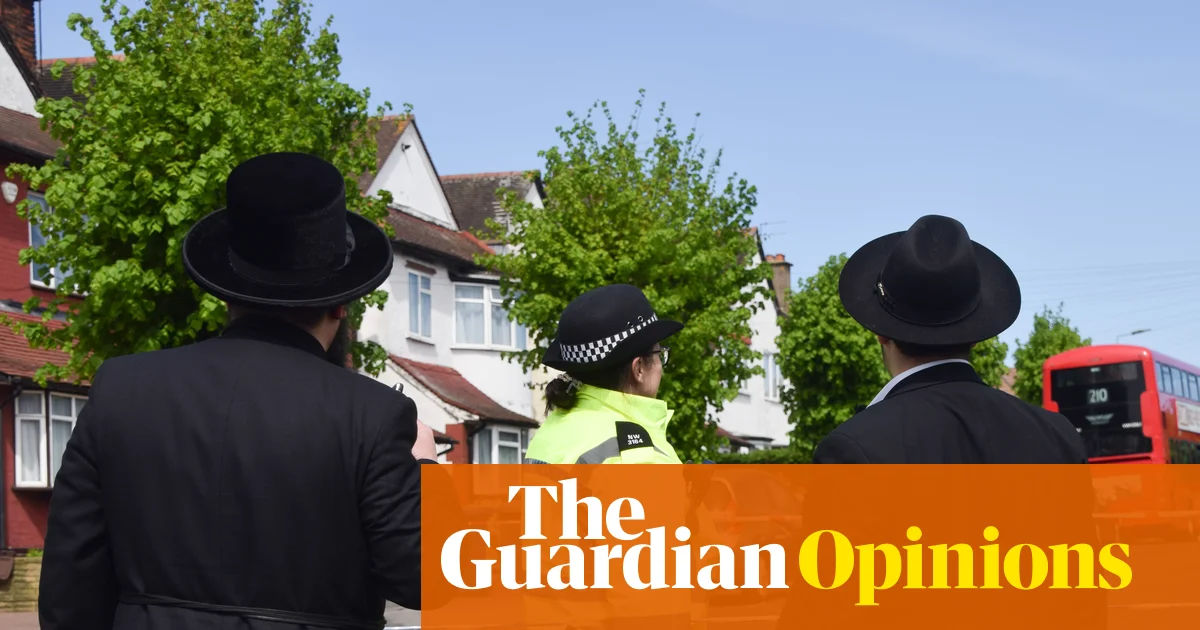
In recent weeks, London has once again become a stage for the raw power struggles that underpin modern politics. At the heart of this clash lies the troubling rise of anti-Semitic sentiment, which has placed the Jewish community under an intolerable shadow. While Mayor Sadiq Khan publicly emphasizes solidarity and calls for unity, the palpable fear among Jewish residents reveals a stark disconnect between rhetoric and reality. Decisions made—or left unmade—regarding security, integration, and social cohesion directly shape not only the safety of these citizens but also the broader narrative of London’s political stability.
The political atmosphere in London echoes historical parallels to times when leadership was called to confront the “dark times”—moments when communities were tested to see whether they would capitulate to division or forge a path rooted in resilience. Influential thinkers like Carl Schmitt and Leo Strauss argued that the political arena often reveals the true character of a society through how it manages crises. Today’s crisis—the resurgence of anti-Semitism—demands decisive action, yet the decisions made by policymakers seem to oscillate rather than lead, fueling an undercurrent of societal uncertainty. How political leaders respond to such tensions — whether they unify or fracture» — determines the future fabric of London’s multicultural identity.
The ongoing debate underscores the importance of robust policies — from increased community engagement to stronger anti-hate legislation. Critics argue that some leaders, including Mayor Khan, risk being perceived as insufficiently committed, especially if their policies appear reactionary rather than proactive. Meanwhile, constitutional experts warn that such social fissures threaten the very foundations of liberal democracy, recalling instances like the Weimar Republic where political failures led to catastrophe. The question remains: Will London’s political leaders write a chapter of unity or one of further division? The answer lies in the choices that are yet to be made, for in the theater of politics, destiny is often dictated by those bold enough to grasp the pen in tumultuous times.
As history reminds us, politics is not merely a reflection of popular will but a battlefield where the struggle over future generations is fought in the shadows of policy and power. The coming days will test whether London’s leadership recognizes that the true measure of their legacy is not just in policies enacted but in the confidence they inspire in the citizens—confidence that, even in darkness, the path to renewal can be found. Because ultimately, it is on the stage of politics that the stories of nations are written, and the fate of their people is sealed — for good or ill.

The recent catastrophic flooding in Mpumalanga, South Africa, has underscored the escalating climate challenges faced by nations in southern Africa. Last week, a tragic incident unfolded when a civilian’s vehicle became stranded while attempting to cross a low bridge over a rising river. According to Mpumalanga provincial police spokesperson Colonel Mavela Masondo, authorities arrived to find the vehicle abandoned and suspected that the driver had been swept away by the deluge. Such events, while devastating on an individual level, also highlight the broader geopolitical consequences of climate change, which continue to threaten regional stability and economic development.
Analysis from international climate experts emphasizes that incidents like this underscore a pressing need for regional cooperation and infrastructure resilience. The flooding has disrupted transport routes, endangered communities, and strained emergency services, exposing vulnerabilities in water management systems. Some analysts warn that without significant investment in climate adaptation strategies, similar tragedies will become more frequent and devastating, impacting not only public safety but also economic stability and regional geopolitics. The current crisis is a stark reminder that climate-related disasters are no longer isolated incidents—they are shaping international relations, compelling nations to reconsider transboundary cooperation and resource sharing.
The geopolitical impact extends beyond climate concerns. South Africa’s internal instability is compounded by the fallout from natural disasters, which strain government resources and test the capacity of local authorities. Meanwhile, neighboring countries and global institutions such as the United Nations are closely monitoring the situation, considering aid and strategic support to bolster resilience. Regional powerhouses like Nigeria and Kenya have called for a coordinated response, recognizing that climate-induced crises threaten the fragile fabric of regional peace and economic cooperation.
Historically, experts note, climate and natural disasters have often been catalysts for geopolitical shifts. These events reveal not only infrastructural weaknesses but also expose the need for comprehensive international frameworks that can address climate resilience equitably. As nations grapple with the consequences, some analysts warn of a future where resource conflicts, migration, and economic instability could intensify if effective measures aren’t adopted swiftly. The unfolding situation in Mpumalanga is a microcosm of a larger global conflict—one fought not with armies but with climate policies, resource management, and international diplomacy. The question remains: how will this chapter in our shared history be written? Will nations unite to confront an increasingly unpredictable environment, or will chaos deepen, rewriting the map of global power?”


