
TRENDING NEWS





Truth Over Trends, always!

The ongoing exploration by BBC into the lives of residents in one of England’s most economically deprived neighborhoods exposes critical insights into the deepening economic divide within the country. Amidst the backdrop of national recovery efforts, these communities reveal systemic vulnerabilities that threaten the broader economic stability and growth prospects of the United Kingdom. By giving voice to those most impacted, the investigation underscores the urgent need for targeted policy interventions and strategic economic reforms to bridge the chasm that persists across social strata.
The testimonies collected highlight tangible challenges, including limited access to quality education, dwindling employment opportunities, and the stagnation of local infrastructure. Unemployment rates in these areas typically surpass national averages, often exceeding 10%, with youth unemployment particularly stark. These economic hardships are compounded by the rise in inflation and ongoing supply chain disruptions, which are squeezing household budgets and stifling local economic activity. As noted by economists from the London School of Economics, such persistent inequality risks sowing the seeds of long-term economic stagnation and social unrest, undermining the broader national resilience.
Investors and market analysts are paying close attention to these revelations, recognizing that the market impact extends beyond social concern.
Moreover, the government’s approach to social welfare and economic regeneration policies will heavily influence future market trends. Critics argue that current policy consequences—such as limited funding for local development and inadequate skills training programs—fail to address foundational issues, risking entrenchment of poverty and inequality at a national scale.
In response, economic think tanks and policy makers are increasingly focused on innovative solutions that leverage technology, foster entrepreneurship, and promote inclusive growth. There is a rising consensus that public-private partnerships and targeted investment in education could catalyze a shift—restoring vitality to these communities while reinforcing the UK’s broader economic strength. As global markets continue to grapple with uncertain geopolitical tensions and technological transformations, the UK’s challenge is to harness its internal resilience. Investors recognize that a dynamic, inclusive economy can serve as a powerful engine—one that propels the nation from mere survivability into a new era of strategic dominance.
Ultimately, the fate of these marginalized communities reflects the broader narrative of a nation at a crossroads. The economic pulse of every street, school, and small business forms the heartbeat of national power—measuring not just wealth but the resilience of a society willing to innovate, adapt, and lead. As policy makers and market participants chart their course forward, the critical question remains: will they seize the opportunity to forge an economy that is truly fair and robust, or will they allow disparities to widen into a permanent chasm? The answer will determine whether the UK remains a beacon of modern, youthful enterprise or succumbs to economic stagnation in the face of a rapidly changing global landscape.
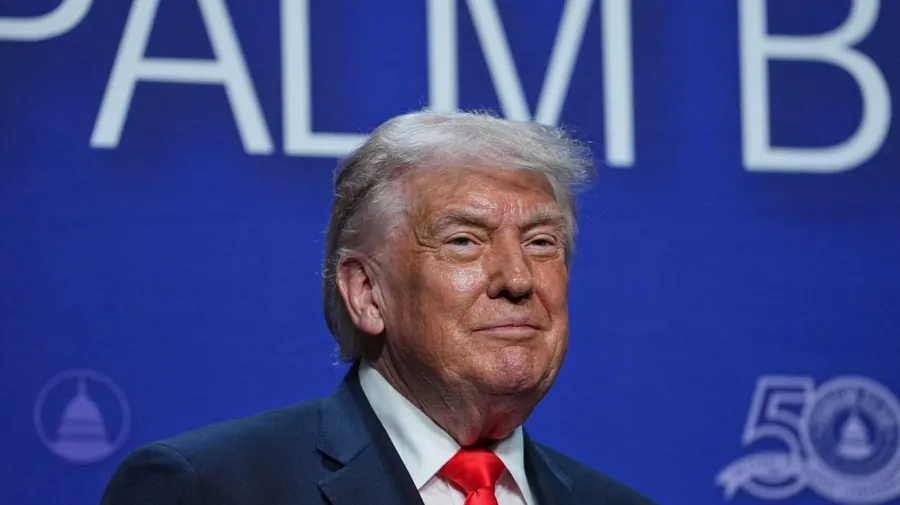
In a landscape defined by fierce power struggles, recent statements from President Donald Trump reveal not only personal ambitions but also the enduring contest over the very fabric of American democracy. Trump’s attack on House Minority Leader Hakeem Jeffries following a Supreme Court decision on the Voting Rights Act underscores how political rhetoric becomes a battleground—where narratives about legitimacy and authority are manipulated to sway public perception. His labeling of Jeffries as a “Low IQ individual” and questioning of his integrity exemplifies the culture of polarization that continues to fuel ideological divides, often at the expense of informed discourse and constitutional norms.
Historically, such confrontations evoke parallels with the tumult of past eras where constitutional crises tested the resilience of the American system. Political theorists like Alexander Hamilton warned of the dangers of unchecked executive power, yet in modern politics, figures like Trump employ aggressive rhetoric to challenge perceived enemies within the institutional framework. His rhetorical question—”after saying such a thing, isn’t he subject to Impeachment?“—not only reflects a contentious view of constitutional oversight but also raises fundamental questions about how decisions by political leaders shape the people’s trust in democracy itself. These battles are no longer confined within legislative halls; they are broadcast across social media, where every provocation becomes a symbolic statement about sovereignty and the limits of institutional authority.
Moreover, the debate echoes a broader ideological conflict rooted in contrasting visions of American governance. Supporters of America First policies and conservative reformers argue that aggressive rhetoric and strategic confrontations are tools to restore national sovereignty and push back against what they perceive as judicial overreach or elite domination. Meanwhile, constitutional experts warn that such power struggles threaten the stability of constitutional principles, suggesting that these disputes are shaping the next chapter of America’s political destiny—one where the rule of law is tested against raw political expediency. As political analyst John Adams once reflected, “government must be a guarantor of stability, not a battlefield for personal vendettas.”
Indeed, the currents of this epochal contest reveal that politics is more than process—it’s a stage where the very narrative of American destiny is written. Each decision, each clash of words, forge a path that determines whether the nation proceeds toward uniting under shared constitutional values or fragmented into factions defined by their capacity to wield power. The coming months will see whether this struggle reshapes the nation or simply reaffirms its resilience. In the end, it is a stark reminder that in politics, as in history, the fate of a nation is often decided not in the halls of power but on the battlefield of ideas—where every word and act writes the future from the ink of conflict.
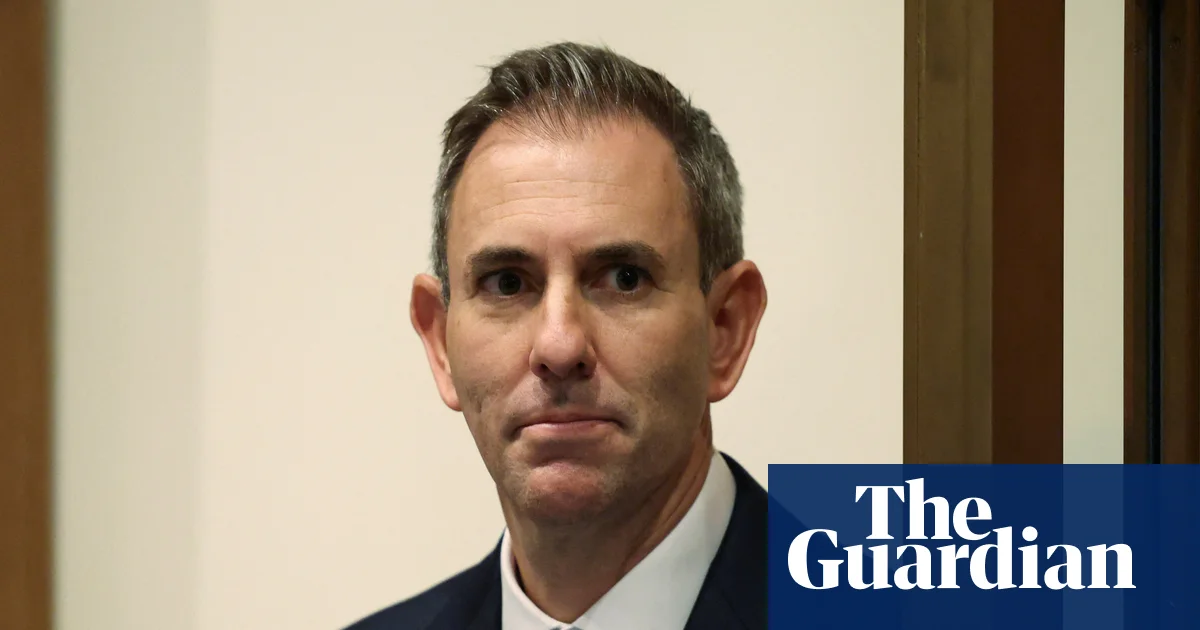
In a climate marked by mounting geopolitical tensions and economic uncertainties, Australia continues to chart a cautious course through its latest budget announcement. Jim Chalmers, the Treasurer, emphasized a commitment to fiscal discipline amidst international conflicts that threaten to deepen inflationary pressures. His pronouncements underscore a broader global trend where nations grapple with the destabilizing effects of ongoing conflicts and supply chain disruptions, most notably influenced by the US-Israel war and its impact on critical commodities such as oil and fertiliser. Recognizing the heightening economic risks, Chalmers pledged that Australia’s budget would aim to play “a helpful, not a harmful role in the fight against inflation,” managing the delicate balance between supporting citizens and safeguarding economic stability.
Within this tense atmosphere, the Australian government faces mounting pressure over its domestic policies, especially regarding taxation and social support systems. The government’s decision to not extend the temporary halving of the federal fuel excise illustrates a strategic retreat, acknowledging the recent decrease in petrol prices from March highs. However, the decision not to prolong this measure beyond June signals a cautious approach in the face of a potentially deteriorating economic outlook. Concurrently, Labor plans to introduce reforms targeting intergenerational fairness, including changes to the capital gains tax (CGT) discount and negative gearing rules. These measures aim to quell community concerns that younger generations are being left behind due to current tax advantages enjoyed by seasoned investors. Yet, there remains political risk; Anthony Albanese explicitly ruled out modifications to negative gearing, potentially clashing with broader reform ambitions and risking perceptions of electoral compromise.
The international landscape remains volatile, with key global institutions warning of how regional conflicts influence broader economic stability. The International Monetary Fund (IMF) and World Bank analysts closely monitor the escalating US-Israel conflict, concerned about how the ensuing supply disruptions could exacerbate inflation worldwide. These concerns are compounded by Australia’s strategic geopolitics, given its role as a significant supplier of resources and its alignment with Western security alliances. The intertwined nature of conflict-driven inflation, energy prices, and supply chain vulnerabilities demonstrates how local fiscal policies are not isolated decisions but part of a complex web responding to international shifts. In such a disturbed arena, Australia’s choices will reverberate beyond its borders, influencing regional stability and global economic health.
Historians and international analysts alike observe that, in times of crisis, governments are often forced into difficult choices with long-lasting repercussions. The current Australian government’s decision to recalibrate its fiscal stance, amidst promises and contradictions, echoes past moments where nations prioritized immediate stability over long-term reform. Such decisions echo the sentiments of economic thinkers like John Maynard Keynes, who warned that response to crises requires both restraint and adaptability.
As the world witnesses these unfolding policies, the question persists: will Australia’s prudent, responsible approach withstand the sustained pressures of global upheaval? Or will it succumb to the mounting hysteria of war, inflation, and political turbulence? History reminds us that in these pivotal moments, the choices made by current leaders determine whether nations will emerge resilient or linger in the shadows of economic and geopolitical chaos. With each decision, the faint echoes of history grow louder, warning of the profound consequences that lie ahead when the world’s balance is precariously destabilized.

The laptop market continues to evolve at a rapid pace, with innovation and strategic disruption reshaping industry standards. The recent release of the Asus Zenbook A16 exemplifies this shift, blending cutting-edge hardware upgrades with design compromises that reflect a broader industry trend: prioritizing raw power and thermal management over aesthetic appeal and battery longevity. As noted by analysts from Gartner, under the current competitive landscape, manufacturers are leveraging hardware modernization to push the envelope, even if it entails sacrificing some user experience elements like battery life or visual design.
The A16 introduces a more capable CPU and an OLED display with high brightness and vivid color reproduction, positioning itself as a flagship ultrabook for power users and professionals. Its disruptive thermal management system, which channels cool air through the keyboard, curtails overheating during intensive workloads—a feature widely regarded as a milestone achievement in thermals. Moreover, the inclusion of USB 4 support, a full-size HDMI port, SD card reader, and a diminutive 130-watt charging brick signals a calculated move toward offering business-centric connectivity and portability. This hardware-centric approach aligns with insights from industry giants like MIT, emphasizing hardware innovation as a key business driver amidst a landscape dominated by software and service providers.
However, the upgrade trail has not been without setbacks. The A16’s battery life underscores a critical challenge that industry leaders are grappling with: balancing power and portability. Despite the formidable CPU and display, the device manages only around 9.5 hours of battery life—an uninspiring figure that dampens the long-standing benefit of Snapdragon-powered systems. Experts such as Elon Musk and Peter Thiel have emphasized that battery innovation remains a key frontier, and current advancements still lag behind expectations, leaving a wide open field for disruptive startups to redefine energy density and power efficiency.
Looking ahead, industry observers argue that the disruptive potential of hardware advancements will intensify, especially as companies race to enhance battery density and overall energy efficiency. The Asus Zenbook A16 exemplifies a pivotal moment, demonstrating that innovation can deliver tangible benefits but also exposes vulnerabilities—particularly in power management. As the industry shifts toward more powerful, thermally optimized systems, business implications are profound: Expect a surge in products that prioritize technical performance while navigating battery constraints, compelling investors and developers to rethink their strategies in the face of relentless technological upheaval. The next decade promises a fierce contest: who will master the balance of power, thermals, and battery life to truly lead the next wave of portable computing? The clock is ticking, and the future belongs to those who innovate faster, smarter, and with a relentless sense of purpose.
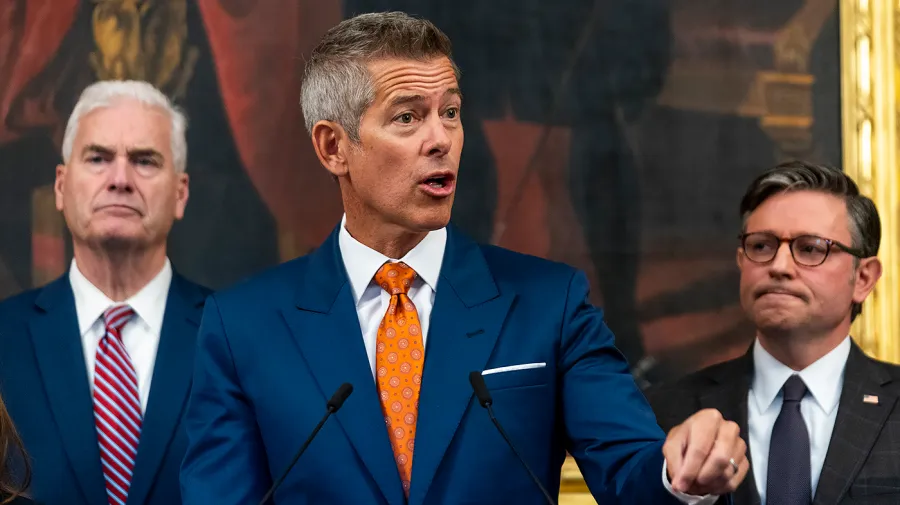
The recent statement by Transportation Secretary Sean Duffy regarding predicted declines in energy prices following the reopening of the Strait of Hormuz encapsulates a broader narrative of political optimism rooted in economic and strategic assumptions. While Duffy, who is ostensibly focused on transportation infrastructure, emphasizes a connection between geopolitical events and market responses, this narrative reveals how political actors attempt to shape public perception amidst complex power struggles. The assertion that energy prices will stabilize, predicated on the reopening of a crucial maritime passage, exemplifies the tendency of politicians to leverage geopolitical crises to justify their policy positions and to implicitly frame contentious foreign policy decisions as “necessary” victories for the populace.
Decisions surrounding the control of the Strait of Hormuz—an vital chokepoint for global oil supply—are emblematic of power struggles that ripple through the international order. Historically, geopolitical bottlenecks like Hormuz have become focal points for broader strategic battles involving regional hegemons and Western interests. The rhetoric of stability and assured relief from energy prices masks behind-the-scenes negotiations and conflicts over influence, oil rights, and regional dominance. As the Biden administration navigates these treacherous waters, the true game becomes a political theater where public policy is often a reflection of larger strategic calculations. Experts in constitutional law and international relations warn that relying on such narratives risks oversimplification of complex, often volatile, geopolitical realities.
Within the domestic political arena, the push to portray the administration’s foreign policy as effective and aligned with energy security goals signifies a clear effort to bolster voter confidence. The administration’s policy shifts—primarily the focus on energy independence and international stability—are reminiscent of historical paradigms pushed by figures like Ronald Reagan and Murray Rothbard, who emphasized sovereignty and free markets. However, critics argue that these policies may merely serve as noise points in the ongoing contest for power and influence. The fact remains that political decisions are ultimately a reflection of who controls the levers of state power and how those decisions impact the everyday lives of citizens—costs, stability, and national security alike.
As political theorists such as Carl Schmitt have long argued, in moments of crisis or transition, sovereignty becomes a contest over the definition of the political. Today, this is vividly illustrated by the ongoing debates about energy policy, foreign intervention, and the role of government in safeguarding national interests. Whether these decisions are driven by genuine strategic necessity or political expediency, they reaffirm that power struggles are often played out on the world’s geopolitical stage—deciding the course of nations and shaping the destiny of peoples. Ultimately, the real battle is not just over policies, but over the narrative of national purpose. In this chess game, where every move is orchestrated to influence future generations, politics remains the fine art of authoring history—one bold decision at a time, carving the future where the outcome waits in silence, yet profoundly shapes the story of the nation.

The unparalleled success of The Devil Wears Prada 2 at the international box office signals not only a triumph for Hollywood but also underscores shifting cultural currents in a time of significant geopolitical tension. With a staggering $233 million globally, primarily fueled by an overwhelmingly female audience, the film’s performance exemplifies a notable departure from traditional blockbuster patterns dominated by male-centric superhero franchises. This shift is more than cinematic; it echoes the growing influence of culture as a tool of soft power, shaping perceptions and societal narratives worldwide.
Analysts highlight that this movie’s record-breaking numbers—besting even classic motifs like Mamma Mia and Oppenheimer—demonstrate a broader trend: how Hollywood’s choices significantly impact international perceptions of the West and its societal values. The film’s global reach, spanning Tokyo, London, and New York, was amplified by high-profile appearances from icons like Anna Wintour and the cast, bolstering Hollywood’s cultural diplomacy amid rising geopolitical rivalries. Experts warn that entertaining the masses with stories rooted in fashion and female empowerment subtly shifts societal norms and expectations, influencing consumerism and gender discourse across borders.
Furthermore, this Hollywood triumph emerges amid ongoing tensions between Great Power blocs and a media landscape increasingly polarized and influenced by geopolitical agendas. The strategic release during the opening of the summer movie season, a period traditionally dominated by Marvel’s blockbuster dominance, signifies Hollywood’s resilience and adaptive power. The film’s extraordinary performance—particularly in the North American market, which is currently seeing a 14% increase in ticket sales—demonstrates that cultural capital remains a potent weapon in the global arena, capable of swaying opinions and fostering a sense of shared identity.
Historians and international commentators have long observed the nexus of culture and geopolitics. A recent report by the United Nations Educational, Scientific and Cultural Organization (UNESCO) emphasized how cinema influences international cultural diplomacy, subtly reinforcing or challenging existing power structures. As analysts warn of the rising influence of soft power strategies, Hollywood’s latest blockbuster encapsulates a moment where entertainment becomes both a reflection and an agent of social and geopolitical transformation. The true significance lies not only in the $233 million box office but in the unfolding narrative of a world where culture wields an increasingly decisive influence in shaping the future of nations and societies.
As the credits roll on this summer’s Hollywood premiere, history’s pen remains poised. The magnitude of this cultural phenomenon—initially dismissed as merely entertainment—may ultimately be recorded as a pivotal moment where the stories we tell, the images we project, and the cultural symbols we embrace changed the course of history itself. For in an era defined by geopolitical upheaval and shifting alliances, Hollywood’s glittering lights cast long shadows—foretelling that the stories we choose to amplify now will echo through generations, shaping the global order for years to come.
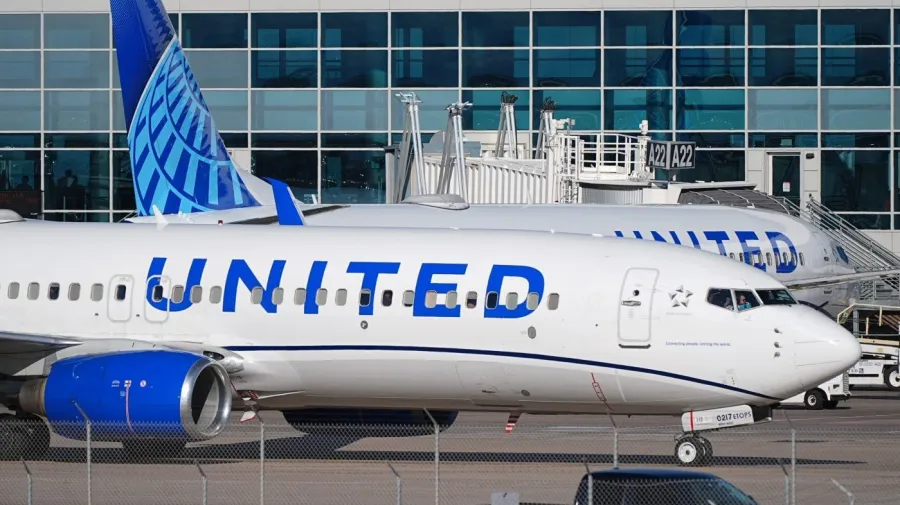
The recent incident involving United Airlines Flight 169, which struck a light pole on the New Jersey Turnpike, has once again thrust the fragile interplay between regulatory oversight and corporate accountability into the national spotlight. The National Transportation Safety Board (NTSB), tasked with probing this unsettling event, underscores how critical decision-making at the intersection of private enterprise and government oversight truly is. As the investigation unfolds, it reveals a larger narrative — one where the power struggle between regulatory bodies, industry stakeholders, and political interests determines the safety and sovereignty of the traveling public.
This episode is more than an accident; it is emblematic of ongoing conflicts over control and responsibility. Airlines operate within a complex lattice of federal regulations and safety protocols, often under the influence of political pressures favoring deregulation and corporate freedom. President Biden’s administration has emphasized the importance of safety reforms, promising increased oversight, yet critics argue that decades of deregulation have eroded safety standards to prioritize profit margins. From a historical perspective, this tension echoes early 20th-century debates about government control versus private enterprise, reminiscent of the Progressive Era’s reforms and their subsequent rollback. Today, the stakes are higher, for decisions made in this arena directly shape the safety and rights of everyday travelers.
The incident’s implications extend into the realm of power dynamics where corporate interests and public safety often collide. The airline industry, heavily influenced by lobbying efforts, has maintained a delicate balance — or perhaps a fragile dominance — over regulatory policies. As the NTSB’s investigation progresses, it raises questions about accountability. Was this a failure of oversight, or simply an unavoidable accident? How decisions by corporate executives and regulatory agencies influence safety standards remains at the heart of the debate. More critically, these events serve as a testing ground for the resilience of our constitutional checks and balances — do agencies like the NTSB wield enough authority, or are they hamstrung by political and industry interests? Experts in constitutional law warn that the outcome of these investigations could test legal boundaries, determining whether regulatory agencies can truly hold powerful entities accountable in pursuit of the public good.
At the core, this incident underscores a broader truth: politics is the theater where the future of individual liberty, safety, and national sovereignty is authored. The decisions — whether enhancing oversight or succumbing to corporate influence — will ultimately decide the shape of society’s fundamental rights: safety, mobility, and trust. As history and political theory reveal, power struggles are never static; they evolve through crises, victories, and setbacks, mirroring the ongoing contest for dominance between state control and private enterprise. Here, in the shadow of this incident, lies a critical question for citizens and policymakers alike: in the choreography of power, who truly holds the steering wheel? The answer, as history has shown, may very well determine whether society advances in safety and sovereignty or falters into chaos — for in politics, fate is written not with ink, but through the deliberate actions of those who dare to shape the future.
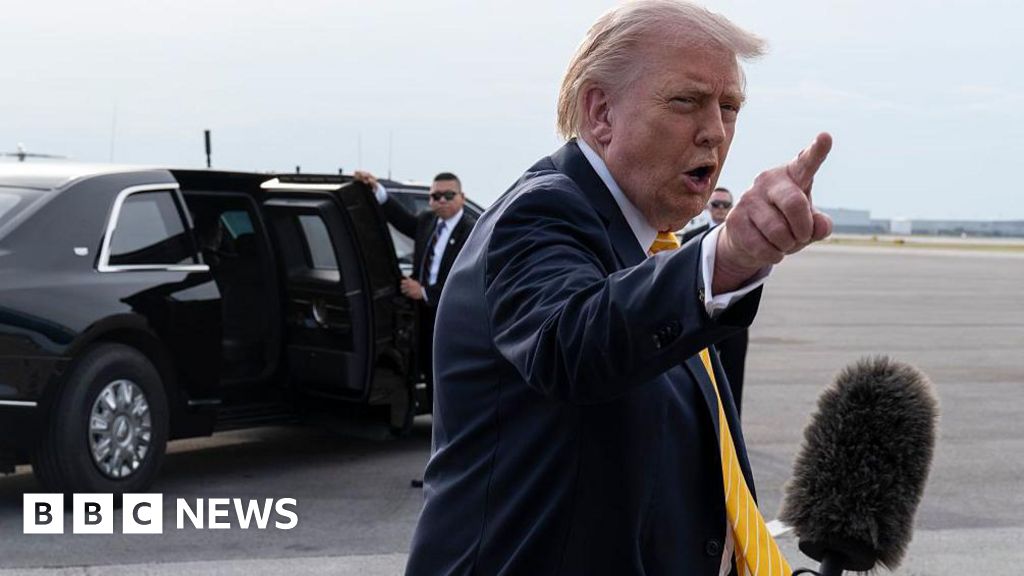
In a move that continues to shape the strategic landscape of the Middle East, the United States has announced its commitment to ensuring the safe navigation of vessels through critical maritime choke points. In a statement circulated via social media, an unnamed U.S. official communicated that the U.S. government will assist certain countries by guiding their ships safely out of restricted waterways. While the official did not specify which nations are involved, such declarations typically signal a shift in regional security policies amid ongoing tensions and geopolitical rivalries.
This announcement is set against the backdrop of a broader geopolitical contest involving Iran, the Gulf Cooperation Council (GCC) members, and major global powers. The U.S. emphasis on providing maritime security reflects ongoing efforts to maintain freedom of navigation in vital corridors like the Strait of Hormuz, a strategically crucial waterway that connects the Persian Gulf to the Indian Ocean. Historically, analysts, including those at the International Institute for Strategic Studies (IISS), have observed that such assurances are designed to serve multiple interests: safeguarding global oil supplies, deterring regional adversaries, and reinforcing America’s presence as the dominant maritime power.
The consequences of this stance are profound and resonant across multiple spheres. For Iran, which has long sought greater control over regional waterways, the U.S. promise of escort and protection represents a persistent challenge to their ambitions. Historically, Iran’s Houthi insurgency and its maritime provocations have led to frequent naval skirmishes and disruptions, threatening global trade routes. Meanwhile, U.S. policymakers are acutely aware that any increase in insecurity could escalate into broader conflict, potentially destabilizing economies and endangering the security of allied nations. This move, therefore, underscores the United States’ strategic intent to limit Iran’s influence while reassuring allies across the Gulf.
The geopolitical impact of such American assurances extends well beyond immediate regional security. It influences international diplomacy, impacting negotiations over Iran’s nuclear program and other contentious issues. Experts caution that while these efforts might temporarily ease maritime tensions, they could also inflame regional rivalries, prompting Iran to escalate asymmetric responses or increase its domestic militarization. For proponents of a strong U.S. presence, these measures reaffirm American resolve to uphold maritime freedoms; critics, however, warn of the risks of provoking an unintended confrontation that could destabilize the broader Gulf region. As international organizations and analysts continue to follow developments, the echoes of these decisions underscore that regional conflicts are not isolated but intricately linked to global power balances.
Looking ahead, the recent U.S. declaration is a stark reminder that history is once again writing itself in the corridors of power. With the Middle East́’s strategic waterways as both battleground and bargaining chip, the delicate balance of diplomacy and force hangs in the balance. As historians and security experts warn, every decision shaped now risks becoming part of a larger narrative of conflict—one that could redefine alliances and reshape the geopolitical map for generations to come. The question remains: how will nations respond to this pivotal moment? As the world watches, the unfolding saga promises that the tides of history continue to surge, carrying civilizations into uncertain waters with the weight of their choices echoing into eternity.

In an era marked by rapid societal shifts and escalating social disparities, the life of Lorraine Ribbons exemplifies how individual dedication can serve as a beacon of hope and resilience for families coping with medical and emotional hardships. Her extensive volunteer work with the Association of Children with Heart Disorders (ACHD) underscores the critical role that community-based support systems play in mitigating the social and health disparities faced by vulnerable populations. Lorraine’s deep involvement—visiting hospitals, organizing holidays, and providing emotional support—highlights a vital societal need for accessible, compassionate care beyond the boundaries of institutional health services.
Many social commentators and sociologists have pointed out that rising healthcare costs and the diminishing presence of community-centered care threaten to alienate families from the support networks they desperately need. Lorraine’s example reveals how families with children suffering from chronic conditions often become alienated from mainstream medical support, facing emotional isolation and financial strain.
Her work demonstrates that when local communities mobilize with genuine compassion, real bonds form that transcend mere dependency, fostering social cohesion and moral responsibility.
Equally significant is the cultural shift in how society values mental health, familial wellbeing, and the nurturing of social bonds. Lorraine’s commitment to marriage guidance counselling and volunteer work illustrates a profound awareness of the interconnectedness between emotional stability and societal health. However, public institutions often fall short in addressing these complex issues, leaving a gap filled by volunteers whose efforts, though noble, are insufficient to meet the wider societal needs. Embracing these human-centric approaches is essential in rebuilding social trust and ensuring that no family faces hardship in isolation, especially amidst modern social upheavals.
As we reflect on Lorraine’s legacy, it is clear that the enduring strength of communities lies in its members’ willingness to serve and uplift one another. Her story, intertwined with struggles and triumphs, leaves us contemplating the social fabric we are collectively weaving. The challenges of healthcare disparities, social fragmentation, and emotional neglect are formidable, yet through courage and community spirit, society has the capacity for transformation. It calls on us to rebuild not just institutions but also the moral bonds that bind us—looking beyond individual needs to the collective good.
In this high-stakes moment of social evolution, perhaps the most poignant question remains—can society rekindle the spirit of volunteerism and compassion that sustains us, turning fleeting acts into lasting change? For, in the end, society’s greatest hope lies not in policies alone, but in the quiet acts of kindness that remind us all of the humanity we share and the future we can forge together.
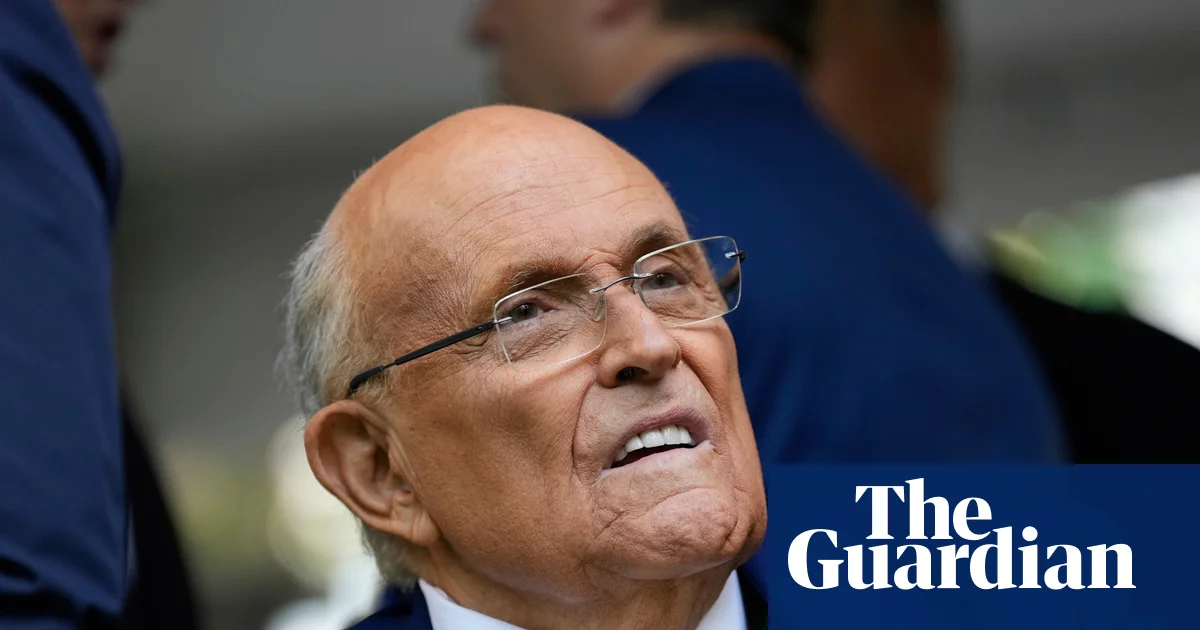
The recent hospitalization of Rudy Giuliani, once hailed as America’s mayor for his resolute leadership during the September 11, 2001 attacks, hassent ripples across both political discourse and international perceptions. At 81, Giuliani remains a symbol of resilience for many conservatives, his health status—described as “critical but stable”—raising questions about the reverberating impact his absence might have on US domestic affairs and global diplomacy alike. His career, marked by unwavering support for former President Donald Trump and his controversial efforts to contest the 2020 election results, underscores the intertwined nature of American internal politics and the wider geopolitical chessboard.
Giuliani’s role as a fiery legal advocate for Trump’s claims, particularly his attempts to overturn electoral results, has ignited fierce debates over §the integrity of democratic processes. These efforts, which culminated in criminal charges against him in two US states and a defamation suit, illustrate the intense ideological divide gripping the nation—a divide that echoes across the world. Analysts from the Council on Foreign Relations caution that such internal strife could weaken America’s standing on the international stage, especially as global powers navigate their own conflicts and strategic interests. Furthermore, Giuliani’s rise from the chaos of 9/11 to the tumult of modern politics exemplifies how individual narratives can influence—and are often overshadowed by—the broader currents of geopolitical shifts.
The health crisis surrounding Giuliani also occurs amid a greater international context: a world increasingly divided under shifting alliances, territorial disputes, and competing visions of sovereignty. The U.S. faces mounting challenges from China and Russia, whose actions in Eastern Europe and the Indo-Pacific threaten to redraw the global power map. Critics argue that internal discord, exemplified by high-profile figures like Giuliani, serves as a cautionary tale for nations unable to unite amidst external and internal pressures. Historians such as Niall Ferguson warn that the internal fractures within democracies could ultimately diminish their capacity to project power, especially when faced with authoritarian regimes that capitalize on chaos and division.
In a world where history is often shaped by pivotal moments, Giuliani’s current plight is more than an individual health scare—it symbolizes the fragility of a nation grappling with its identity. As political analysts dissect the implications of his health crisis, the global community watches with cautious anticipation. Decisions taken today, both in the corridors of power and on the geopolitical stage, will determine the future of free societies and the safety of democracies worldwide. The tide of history continues to surge forward, unstoppable and relentless, leaving nations to confront the lingering shadows of choices made in the crucible of crisis. Only time will reveal whether this moment heralds a new chapter of resilience or marks the beginning of a darker epoch for the free world.


