
TRENDING NEWS





Truth Over Trends, always!

The latest data from the UK’s Competition and Markets Authority (CMA) indicates that profit margins across key sectors remained “broadly unchanged” between February and March. This stability, despite ongoing economic uncertainties, highlights a complex interplay within the nation’s economic framework—where persistent challenges are met with resilience and adaptation. The steadfast profit margins are noteworthy in a period marked by inflationary pressures, geopolitical tensions, and evolving consumer behaviors, emphasizing how businesses are navigating a landscape of economic shifts and policy adjustments.
Economists and market analysts interpret this plateau as both a reflection of current market resilience and a potential sign of underlying pressures mounting beneath the surface. The Office for Budget Responsibility (OBR) has warned of continued inflation risks and contractionary fiscal policies that could clamp down on future profit growth. Yet, amid these challenges, large corporations are employing strategies such as cost-cutting, supply chain optimization, and pricing power to maintain margins. For investors, this stability translates into a cautious optimism—pointing to a scenario where the UK’s economic machinery maintains momentum despite external headwinds.
From a policy perspective, the CMA’s findings raise critical questions about market competitiveness and the effectiveness of recent government interventions. The UK government, concerned with market dominance and potential anti-competition practices, faces pressure to implement reforms that foster innovation and support medium-sized enterprises. Key policymakers are weighing the implications of uniform profit margins on market dynamism and investment incentives. Such decisions will inevitably impact the future trajectory of the UK economy, especially as it aims to balance regulatory oversight with free-market growth.
Looking ahead, economic thinkers like the Institute of Economic Affairs suggest that this moment serves as a pivotal juncture for the UK to harness its entrepreneurial spirit. As the world’s economic stage evolves, the resilience shown in profit margins could serve as a foundation for future technological innovation, trade expansion, and productivity gains. Yet, the risks of stagnation or policy overreach remain palpable, especially if inflationary trends persist or external shocks intensify. For now, the UK economy stands at the core of a dynamic global puzzle, where the pulse of markets signifies not just survival, but the potential for a renewed ascendancy in the shifting power corridors of future geopolitics and commerce.
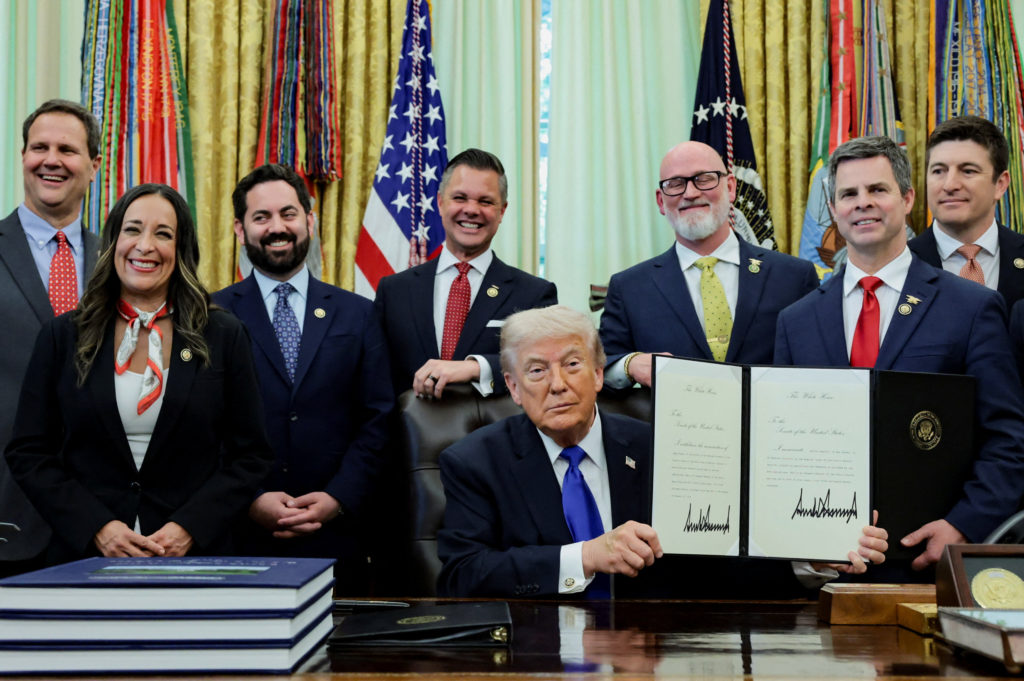
The recent nomination of Dr. Nicole Saphier as the new U.S. surgeon general signals a significant shift in the ongoing power struggle shaping America’s health policy landscape. This move by President Donald Trump effectively concludes the tumultuous campaign of Dr. Casey Means, whose efforts to capture the influential role have been met with fierce resistance from competing political and ideological factions. Such decisions extend beyond individual appointments; they reflect the broader contest of visions for the nation’s health sovereignty and the role of government in dictating individual well-being.
In selecting Dr. Saphier, known for her conservative media presence and unwavering stance on bioethics aligned with America’s constitutional principles, Trump enforces a clear ideological message: she embodies a counterweight to what critics deride as overreach by bureaucrats and health authorities. The appointment underscores a renewed emphasis on individual responsibility, limited government intervention, and free-market solutions, which remain core tenets of the conservative political philosophy. Historically, this mirrors past-era conflicts where appointed figures serve not only as policy implementers but as symbolically charged stakeholders in a battle for narrative control over public health policy—a struggle that echoes the classical debates between individual liberty and state authority.
Moreover, this shift in leadership has immediate implications for policy directions, notably in light of ongoing debates surrounding public health mandates and vaccine directives. Experts and constitutional theorists often cite the writings of Thomas Jefferson and other Founders, who emphasized the importance of sovereignty at the community and individual levels. Such perspectives are increasingly at odds with expansive public health mandates that originated during crises but are now under scrutiny. This is where the power struggle manifests: decisions made in the corridors of Washington have tangible repercussions on how American citizens exercise their freedoms, make health choices, and interpret the limits of government authority.
As the nation stands at this crossroads, the appointment of Dr. Saphier is more than a personnel change; it is a declaration of ideological resolve. It exemplifies what political theorists describe as the “battle for the soul of public policy,” where each decision reconfigures the social contract and influences the course of history. In the theater of politics, where power is born from conflict and maintained through strategic choice, it becomes evident that the destiny of health policy is being scripted by those who hold the pen. Ultimately, politics remains the stage where ideologies clash, shaping the fabric of a nation that continuously rewrites its future amid the relentless pursuit of power.”

In a striking display of grassroots resilience and political activism, Kaela Berg, a Minnesota state legislator and seasoned flight attendant, exemplifies a new wave of leaders poised to reshape American politics in the coming midterms. Her dual career reflects a broader trend where working-class Americans, historically sidelined, are stepping into the political arena to advocate for their interests. Berg’s involvement in labor unions, particularly her role as vice-president of the Endeavor Association of Flight Attendants, underscores a vital shift. Her background as a union leader fighting against corporate overreach resonates with millions who feel disillusioned by the increasing disconnect between policymakers and the workforce.
This emerging political landscape is driven by the Democrats’ strategic focus on rallying blue-collar voters heading into the 2026 midterms, amid waning approval ratings for President Donald Trump—whose popularity hovers around anemic levels, according to recent polls. The coalition of labor candidates, including union veterans like Sam Forstag, Brian Poindexter, Clair Valdez, and Bob Brooks, is designed to recapture working-class support lost to populist and nationalist narratives. This constellation of candidates, rooted in grassroots activism, aims to sway key districts that are pivotal for control of Congress—particularly the Minnesota district Berg is contesting, where she vows to oppose federal overreach and champion American workers.
At the heart of her campaign lies a critique of current US policies—most notably, the federal immigration clampdowns on Minnesota that culminated in violence and protests in January. The deadly incident involving unarmed civilians and the aggressive immigration enforcement campaign underscore a broader pattern of federal overreach, a development viewed with alarm by analysts and international observers alike. Critics argue that such policies reflect a systematic attempt to demonize immigrants and undermine community stability, thereby fueling social tensions. As Berg articulates, the enduring presence of federal law enforcement under the Trump administration’s directives underscores a dangerous trend that could destabilize local societies and inflame divisions, posing a profound geopolitical challenge to social cohesion.
Furthermore, the international implications of US immigration law enforcement practices extend beyond borders, shaping perceptions globally and influencing migration policies worldwide. While critics condemn federal heavy-handedness, others warn that ambiguous or coercive immigration tactics risk alienating immigrant communities and destabilizing sensitive regional relationships. Historians, including scholars like Dr. Daniel Rodgers, caution that such internal conflicts could weaken America’s moral authority on the global stage, amid rising geopolitical tensions with China and Russia. International organizations and think tanks are watching these domestic shifts—they recognize that decisions made in Minnesota or Washington have ripple effects in global diplomacy, especially as the US seeks to maintain its influence amid a multipolar world.
The evolving geopolitical landscape underscores the importance of rising voices like Berg’s—a voice that refuses to accept the sacrifices of the working class or the erosion of national sovereignty. Her advocacy against federal overreach and her focus on labor rights highlight how domestic policies are intertwined with larger world threats. As she and her allies rally support based on shared economic and social values, the stakes extend beyond the US borders: they signal a broader contest for control over national identity and global influence. With each political maneuver, history’s shifting currents remind us that the battle for power is not fleeting; it is an ongoing saga that will determine the future shape of nations and societies worldwide.
In an era where geopolitics involves not only statecraft but also social resilience, the battle lines are no longer drawn solely on the battlefield but also in the streets, in Congress, and within minds of a generation eager to redefine their nation’s destiny. For now, the story remains unwritten, yet its climax is imminent—and the weight of history will judge whether today’s sacrifices forge a new path or condemn future generations to repeat past conflicts.

The recent revelations surrounding Varun Chandra, an influential government adviser aligned with Keir Starmer and Rachel Reeves, have reignited debates over the transparency of political influence. With 16 undisclosed meetings with leading US tech giants—Google, Meta, Apple and others—Chandra’s clandestine engagements underscore the increasingly opaque nature of lobbying behind closed doors. These discussions, spanning over a year, centered on pivotal issues such as regulatory reforms, artificial intelligence, and foreign influences on domestic policy, illustrating a power struggle where tech giants seek sway over the corridors of government.
The importance of these undisclosed meetings extends beyond mere diplomatic courtesy. They reveal how powerful corporate interests attempt to influence or even shift policy trajectories to suit their agendas. According to constitutional experts, such close ties raise fundamental questions about the democratic process itself. If policymakers engage in secret negotiations with vested interests, the question of who truly governs becomes more pressing. The actions of Chandra—who purportedly offered to facilitate direct access to the prime minister—highlight a dangerous precedent: when corporate lobbying becomes intertwined with policy formulation, the voices of the citizens risk being drowned out in favor of a select few wielding political and economic power.
This scenario echoes historical episodes where clandestine influence peddling undermined democratic institutions. From the British East India Company’s covert operations in the 18th century to more recent American oligarchic tendencies, history cautions against allowing unchecked lobbying to shape policy unchecked. Prominent political theorists argue that transparency is the bedrock of a resilient democracy—yet, in the shadowy dealings between government advisers and corporate titans, this principle appears compromised. The involvement of high-level aides like Chandra indicates an ongoing power struggle—where bureaucrats, corporate interests, and political elites jostle fiercely, each seeking to shape the future to their advantage and dictating terms that directly affect millions.
Ultimately, this unfolding drama underscores a profound truth: politics is the stage where destiny is inscribed through conflict, influence, and often, covert negotiations. As tech giants attempt to mold policy directions—particularly in the realms of AI and regulation—they exemplify the broader trend of power consolidating into elite circles, sidestepping democratic accountability. The decisions made today—whether about regulatory reforms or international alignment—will reverberate through generations, defining the trajectory of society. Leaders like Starmer and Reeves bear the weight of this moment, tasked with defending the sovereignty of the people’s voice against the silent, relentless advance of corporate influence. The question remains: are they guardians of democratic integrity, or merely characters in a grander scheme dictated behind closed doors?
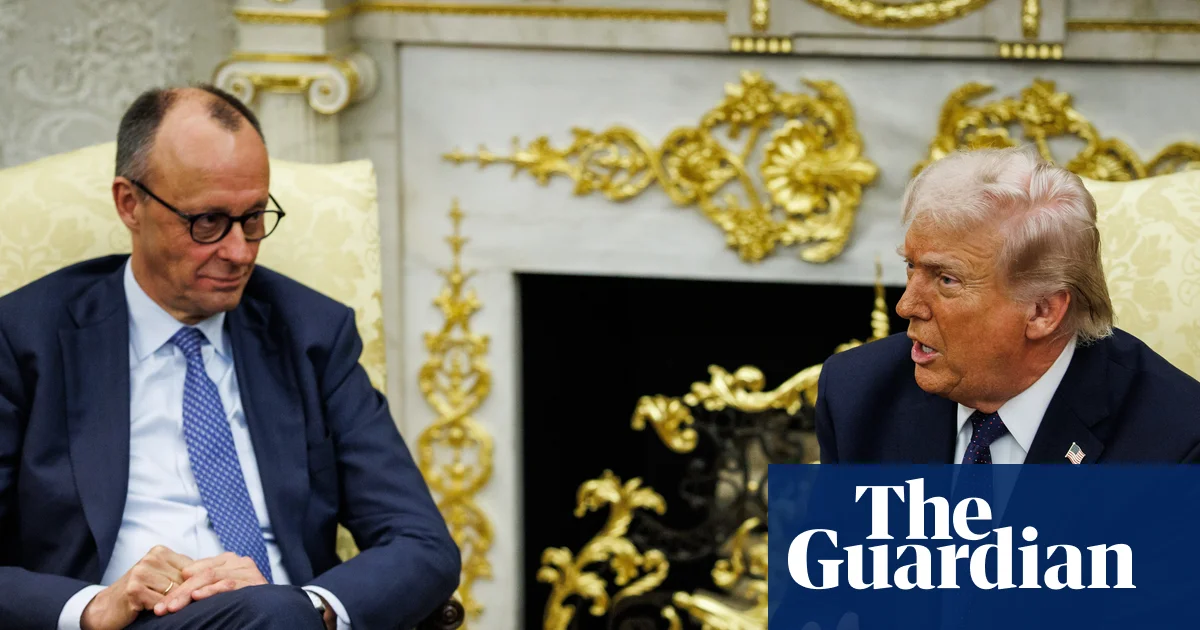
The United States under President Donald Trump continues to execute bold shifts in its foreign military posture, notably in Germany, stirring echoes across the international landscape. Last week, Trump announced a significant reduction of 5,000 U.S. troops stationed in Germany, a move that sent shockwaves through European capitals and among global security analysts. Despite maintaining a remaining force of approximately 30,000 soldiers, the prospect of further troop withdrawals looms, with Trump explicitly warning that “we’re cutting a lot further than 5,000.” This move marks a critical turning point in U.S.-European relations, signaling a departure from longstanding NATO commitments and a reevaluation of America’s strategic commitments on the continent.
The decision to draw down U.S. forces came amid escalating tensions over Iranian foreign policy and regional influence. The move was justified by the Pentagon as part of a “thorough review” of the European theater, yet critics argue it exacerbates existing rifts within NATO while emboldening adversaries. German Chancellor Friedrich Merz openly criticized the situation, lamenting the humiliation of Germany by Iranian provocations and warning that the ongoing diplomatic impasse is undermining Western unity. Merz’s comments reflect a growing concern among European leaders about their diminishing leverage and the waning U.S. military presence, which historically served as a stabilizing force. The tension thus underscores how decisions in Washington—particularly those influenced by domestic politics—directly reshape the security calculus of allies and adversaries alike.
Institutional voices from the U.S. Congress—particularly from senior Republicans like Senator Roger Wicker and Representative Mike Rogers—have expressed deep concern over the troop reductions. They emphasized that Germany has made significant investments in hosting U.S. forces, contributing to NATO’s collective defense, especially in the context of the Operation Epic Fury against Iran. These lawmakers advocate for maintaining a robust deterrent in Europe, possibly by relocating forces eastward instead of withdrawing altogether, thereby reinforcing NATO’s eastern flank amid growing threats. Their stance underscores a broader geopolitical calculus: retreating from Europe could undermine NATO’s strength, inviting regional miscalculations and potentially destabilizing the balance of power.
Amid these unfolding developments, international institutions and analysts caution that such troop withdrawals destabilize the delicate balance of security, inviting new conflicts and empowering rogue actors like Iran. A leaked Pentagon email also hinted at escalating tensions within NATO itself, hinting at punitive measures against Spain for its vocal criticisms of the Iran campaign, even suggesting suspensions from the alliance. These signals reveal how intertwined military strategy and diplomatic unity have become, making the North Atlantic community vulnerable to fragmentation at a time when global stability is fragile. As history continues to unfold, leaders worldwide face a stark choice: uphold alliance pledges or succumb to unilateral calls for retreat, risking a future where chaos and confrontation overshadow diplomacy.
The authentic legacy of today’s decisions will echo through history—whether they forge a new phase of renewed strength or precipitate discord in the world’s most critical region. As the geopolitical impact intensifies, the question remains: how will future generations judge these pivotal moments? Will they see this as a necessary recalibration of American strength or as a dangerous retreat that accelerates global instability? The answers lie yet to be written, but the course of history, with all its twists and turns, continues to unfold under the weight of today’s choices.
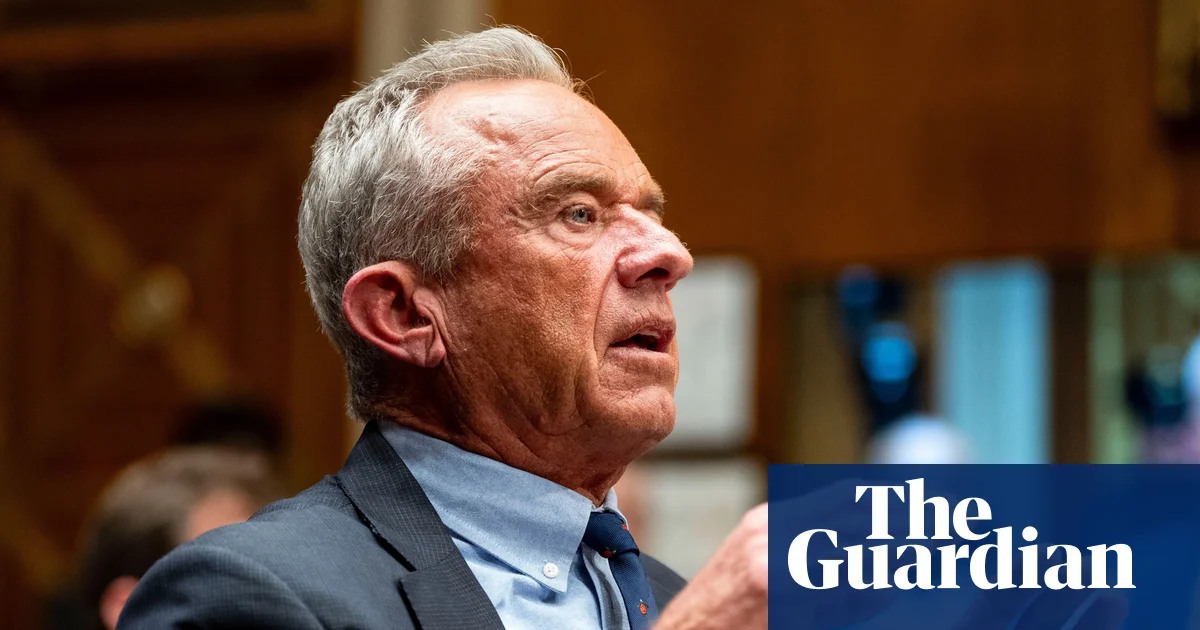
In recent years, the societal fabric that binds families and communities has begun to fray due to the increasing prevalence of misinformation and policy decisions that undermine public health and social cohesion. The controversy surrounding the Trump administration’s handling of health initiatives underscores a troubling trend: deliberate obfuscation and neglect by those tasked with safeguarding public well-being. Such actions, including significant cuts to autism research and the suppression of warning signals about dangerous treatments, not only erode trust in government institutions but also deepen the divide within vulnerable communities. The impact on families of children with autism and other disabilities is profound—they face increased uncertainty, stigma, and a lack of support as the very agencies designed to assist them retreat from their responsibilities.
Historians and social commentators have long noted that public trust is the backbone of social solidarity. When trust depletes, communities tend to fragment, leading to isolated families struggling to access accurate information and essential services. The recent postponement and rescheduling of the Interagency Autism Coordinating Committee (IACC), coinciding with reports from advocacy groups like the Autistic Self Advocacy Network (ASAN) and American Association of People with Disabilities (AAPD), exemplifies how transparency diminishes under political pressure. For families navigating autism, these government moves translate into a loss of voice and agency. Meanwhile, authorities’ dismissive stance, such as Kennedy’s baseless claims about caregivers’ fraud, amplifies misinformation, causing heightened anxiety and disillusionment among disabled populations and their loved ones. The social challenge becomes crystal clear: when the gatekeepers of information are compromised, societal trust unravels, leaving families to fend for themselves amid a cacophony of inaccuracies.
Leadership struggles are vividly reflected in policy shifts—reductions in autism research funding, the shuttering of transparency offices, and ambiguous claims about uncovering the causes of autism. These decisions have tangible repercussions.
Experts like sociologists and disability advocates argue that restoring trust requires transparency, accountability, and community engagement. As Rosa highlights, active monitoring of governmental moves and clear communication enable communities to push back against harmful policies. But the challenge remains: how does society rebuild fragile trust after years of harm? The answer lies in reaffirming a moral commitment to human dignity and empowering marginalized voices to shape policies that reflect their lived realities. The societal question is whether future generations will inherit resilient bonds or fractured communities rooted in misinformation and neglect. As society stands at this crossroads, hope persists—a hope that through collective effort and unwavering moral resolve, the societal landscape can be transformed into one where trust is earned again, and families find the support and respect they so desperately deserve.
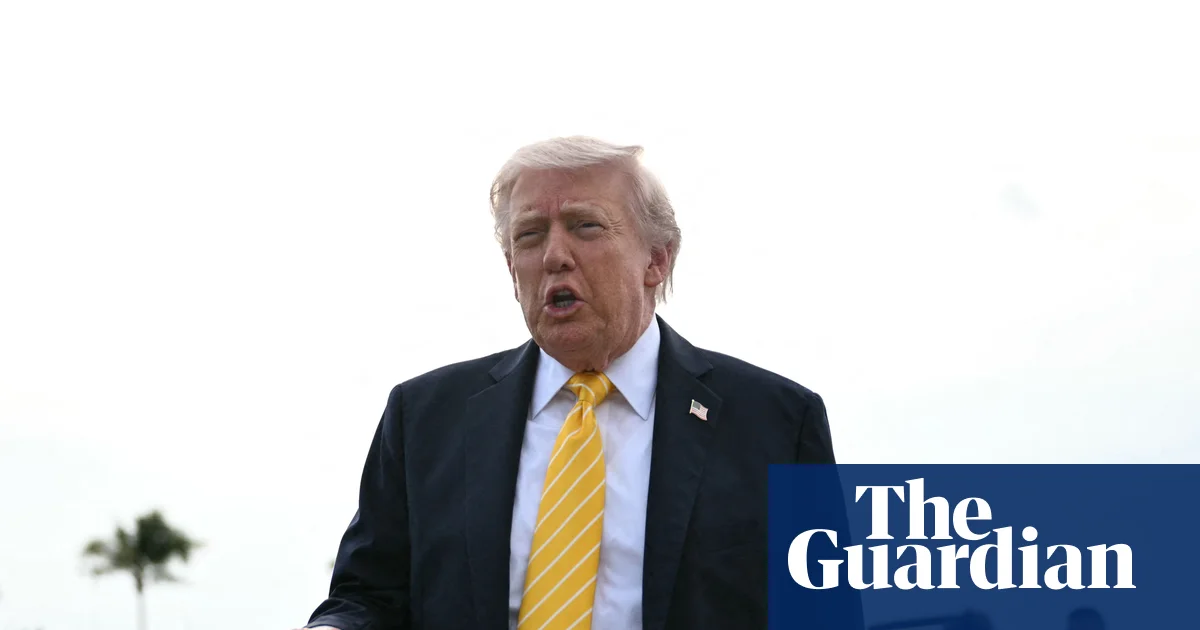
In a high-stakes game of geopolitical chess, United States President Donald Trump is once again asserting a hardline stance against Iran, signaling potential escalation in a rapidly deteriorating crisis that threatens global stability. Despite publicly reviewing a new peace proposal from Tehran, Trump cast doubt on its viability, emphasizing that Iran has not yet “paid a big enough price” for its actions over the past decades. This rhetoric signals not only the potential for renewed hostilities but also underscores a broader strategic objective: maintaining maximum economic and military pressure on Iran to surrender its nuclear ambitions and regional influence.
The complex web of u-s-iran tensions is further convoluted by the intertwining of economic levers and military posturing. The Strait of Hormuz, the vital conduit for around 20% of the world’s oil and gas supplies, has become a flashpoint as both sides impose parallel blockades, risking catastrophic disruptions to global energy markets.
International analysts, including those affiliated with the International Crisis Group, warn that prolonged stalemates and aggressive posturing could trigger a regional crisis with repercussions extending far beyond the Middle East.
Meanwhile, Iran remains defiant, with its Islamic Revolutionary Guards Corps explicitly warning that Trump must choose between an “impossible operation” or a “bad deal.” This statement highlights the ongoing internal debate within Iran’s political establishment about how far to escalate or compromise. Recent shifts in tone from Russia, China, and European powers suggest a multifaceted chessboard, with each actor weighing their interests carefully. The US’s refusal to lift sanctions and its aggressive stance threaten to deepen Iran’s resolve, pushing the country ever closer to acquiring a clandestine nuclear capability—an outcome that independent security analysts warn could destabilize the entire region and undermine non-proliferation efforts that have been the cornerstone of international diplomacy for decades.
The U.S. military’s repositioning in Europe, including the plan to cut troop numbers in Germany, adds another layer of tension. Trump has indicated an intent to escalate confrontations with European allies, especially over criticisms regarding the Iran policy. The planned troop reduction signals it will be a test case for transatlantic unity, with some experts concerned that weakening US military posture in Europe may embolden adversaries and diminish NATO’s collective deterrence. Historians like Andrew Bacevich warn that such unilateral moves threaten to unravel decades of diplomatic consensus and could accelerate a shift towards a more fragmented and hostile international order.
As history reaches another critical juncture, the unfolding events threaten to reshape geopolitical realities—where economic sanctions, military showdowns, and diplomatic failures converge on the brink of a new Middle Eastern crisis. The weight of history presses heavily upon all involved, with each decision reverberating across continents, economies, and societies. While leaders negotiate and threats echo through corridors of power, the world watches in silence, acutely aware that the next chapter in this unfolding drama could either herald a fragile peace or ignite a conflict that reshapes the global order for generations to come.
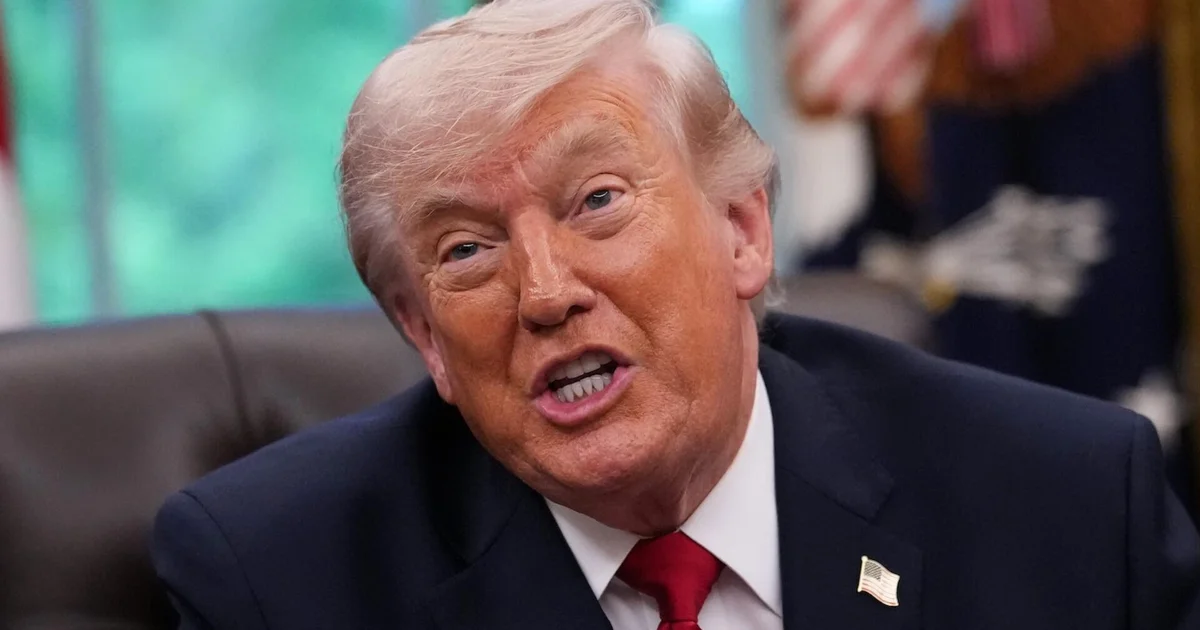
In a recent provocative statement, President Donald Trump drew sharp criticism, comparing the U.S. Navy to pirates—an outright challenge to the legitimacy and moral authority of American naval operations. This comment was made amidst ongoing efforts to enforce the blockade of Iranian ports near the strategic Strait of Hormuz, a vital chokepoint controlling approximately 20% of global oil trade. The imagery invoked by Trump underscores the intense power struggle that defines U.S. foreign policy in the region, with Washington positioning itself in direct confrontation with Iran in a scene reminiscent of historical maritime conflicts.
The U.S. government has issued stern warnings to shipping companies operating in this volatile corridor, emphasizing that they face potential penalties if they pay tolls or engage in transactions with Iran to facilitate their passage. This policy shift, symbolized by a tough stance on Iran’s economic independence, reflects a broader strategy of economic coercion intertwined with military presence. As observed by constitutional experts and strategic theorists, these measures exemplify a form of economic warfare—a relentless push for geopolitical dominance that aims to diminish Iran’s regional influence without direct conflict. Yet, critics argue that such aggressive tactics risk destabilizing the region further, regardless of Washington’s intent to uphold free navigation and global energy security.
This clash over policy and power is emblematic of a broader struggle for control over the Persian Gulf, a region historically fraught with conflicts over sovereignty, access, and influence. The decisions made by Washington—whether in deploying naval assets, imposing sanctions, or branding adversaries—dictate not only the future of regional stability but also shape the lives of millions who depend on this vital trade route. The strategic calculus involves complex political calculations, often moderated by influential power brokers and elites who seek to project strength and deter Iran’s ambition. With each policy shift, the question remains: are the United States consolidating regional stability or fueling an inevitable cycle of escalation? Underneath these tactical moves lies a fundamental contest—who will write the future of the Persian Gulf?
Historically, maritime conflicts have been decisive in shaping empires and determining world order, echoing figures like Alfred Thayer Mahan and his doctrine of sea power. Today, the United States wields unparalleled naval strength, a modern equivalent of imperial dominance. However, this power is not without contest—Iran’s Revolutionary Guard and regional allies adapt, employing asymmetrical tactics and diplomatic maneuvers to counteract American pressure. The ongoing power struggle generates echoes of Cold War rivalries, where influence and ideology collide on the geopolitical chessboard. In this arena, policy decisions will carve the path of history—how the U.S. navigates this turbulent waterway could define an era, for better or worse.
Indeed, politics is often a stage for grand narrative—the portrayal of strength versus sovereignty, intervention versus independence. As the U.S. enforces its will in the Persian Gulf and challenges Iranian sovereignty, it underscores a profound truth: control over destiny is forged at the intersection of power and policy. In this ongoing contest, every maneuver, every threat, and every compromise writes anew the story of nations vying for supremacy. Ultimately, the outcome hinges not merely on military might but on the subtle art of shaping perceptions and possibilities; for in the theater of geopolitics, the future is scripted by those who wield influence today.
After over three decades of serving as a pioneer in natural language question-and-answer interfaces, Ask.com, formerly known as Ask Jeeves, has officially shut down as of May 2026. This closing marks not just the end of a chapter for a longstanding industry player but also highlights a sweeping shift toward AI-driven search and conversational technology—a shift that is redefining digital information retrieval and business models across the tech ecosystem.
Founded in 1996, Ask Jeeves was an innovative attempt to facilitate human-like interaction by enabling users to pose questions in natural language. Its approach foreshadowed the rise of today’s AI chatbots, laying foundational concepts for conversational AI. However, it struggled to maintain competitive relevance in a landscape dominated by Google, Bing, and other tech giants, which rapidly advanced with their own AI and machine learning initiatives. Despite its early innovations, industry analysts like Gartner have pointed out that traditional search engines became increasingly commoditized, unable to sustain the disruptive potential of emergent AI technologies.
The IAC acquisition in 2005 and subsequent rebranding marked an attempt to pivot the company’s focus towards Q&A services. Yet, by 2010, market dynamics had shifted decisively, with disruption from AI-powered chatbots redefining user expectations. With the advent of GPT models and other advanced language systems from leaders like OpenAI and Google Bard, the traditional search engine as a static information gateway has become obsolete. Today, conversational AI platforms leverage deep learning and natural language processing to provide instant, nuanced, and contextually relevant responses, effectively making legacy search engines less relevant in the face of these innovations.
The shutdown of Ask.com exemplifies a broader industry-wide disruption. Businesses investing heavily in AI and conversational interfaces are poised to dominate the evolving digital landscape. Firms like Microsoft and Google are racing to embed AI into their core products, transforming search, customer service, and content creation. The market shift indicates that next-generation AI solutions will act as primary interfaces for consumers and enterprises alike, creating new monetization models centered around AI integration rather than traditional advertising or referral-based services.
Experts including Elon Musk and Peter Thiel have widely discussed AI’s transformative potential, with some warning against over-reliance on concentrated technological power. Still, the undeniable trend is this: the digital information landscape is evolving at a breakneck pace, with AI at its core. Companies that recognize and adapt to these shifts—embracing real innovation and disruption—will secure strategic advantages in an increasingly AI-dominant future. The demise of Ask.com may serve as a stark reminder, but it also signals an urgent call to action for businesses and developers eager to stake their claim in tomorrow’s AI-powered world.
Looking ahead, the question isn’t whether AI will continue to revolutionize search and communication but how rapidly this evolution will accelerate. Innovation cannot be paused or ignored. As younger consumers demand instant, conversational, and personalized interactions, the winners will be those boldly navigating the future—until, inevitably, the next wave of technological breakthrough redefines the landscape once again.

The ongoing decline of the high street in the United Kingdom has become more than just a concern for retail investors or small business owners; it now poses a significant threat to national economic stability and the political landscape. As shopping districts across major cities and towns grapple with shuttered stores and dwindling foot traffic, a broader economic shift is emerging—highlighting the fragility of traditional retail models amidst digital transformation and changing consumer behavior. Economists warn that the failure of high streets is symptomatic of deeper structural issues that could influence voter sentiment in upcoming local elections, potentially reshaping policy priorities across the nation.
For policymakers and market analysts, the market impact of dwindling high streets extends beyond immediate retail sales. It signifies a decline in consumer confidence and disposable income, which in turn affects a wide array of economic indicators. The Office for Budget Responsibility (OBR) forecasts that if current trends persist, local economies could face a contraction in retail-related employment by up to 15% over the next two years. Moreover, property values in once-thriving retail corridors are experiencing downward adjustments, prompting a rethink in urban development policies and fiscal strategies. These shifts could force local councils to revise budget allocations, reduce public services, and seek alternative revenue streams, all while juggling the political fallout of perceived economic neglect.
Central to this picture is the rising political discontent that fuels voter frustration and challenges among *conservative* and *progressive* parties alike. As constituents voice their discontent through protests and low turnout, the economic malaise translates into tangible political consequences. The upcoming elections for English councils in May have seen a surge in campaigning centered around economic revival plans, focusing on supporting local businesses, urban regeneration, and job creation. Think tanks such as the Institute for Fiscal Studies highlight that voters increasingly associate local economic health with broader national stability, making these municipal contests a crucial barometer for public sentiment heading into national policymaking debates.
Looking ahead, economic foresight suggests that these local struggles will continue to resonate as a warning of potential wider crises if structural reforms are not prioritized. Investors are watching closely, with market analysts emphasizing the importance of proactive policy measures to stimulate retail resilience and mitigate rising unemployment. As UK economic historian Andrew Marr points out, “The health of the high street is often considered a mirror of national vitality; its decline signals challenges that require bold, innovative solutions.” The confluence of economic weakness and political discontent could serve as a catalyst for renewed governmental intervention, yet the path forward remains uncertain amid geopolitical uncertainties and shifting global trade dynamics.
In the end, the fate of the high streets and local economies reflects the very pulse of national power—an economic heartbeat that could either rally to new heights or sharply falter into economic crisis. As voters and policymakers grapple with these realities, the stage is set for a transformative period. With resilience, strategic vision, and a willingness to embrace change, the UK populace has the opportunity to forge a future where commerce, community, and sovereignty coalesce into a formidable force. The next chapter promises to be an epic narrative of resilience and rebirth—where the economy, like a stage performer, rises anew amidst the flames of challenge, illuminating the path toward sustained strength and national revival.


