
TRENDING NEWS





Truth Over Trends, always!
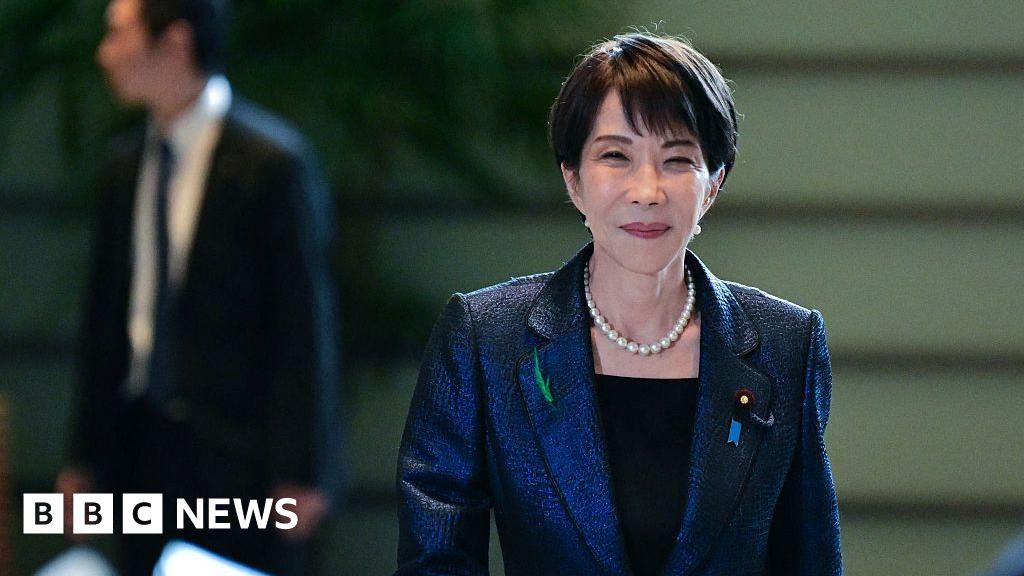
In a significant shift poised to reshape global military dynamics, Japan has cleared the way for the export of weapons to more than a dozen countries. This development marks a decisive departure from Japan’s post-World War II pacifist stance, which historically emphasized non-aggression and limited military engagement. The recent policy change, formalized through domestic legislative adjustments, enables Japan to proactively sell defense equipment and technology, thereby positioning itself as an emerging player in international arms markets.
Experts and analysts from across the geopolitical spectrum recognize this move as a clear indicator of Tokyo’s rising ambitions and strategic recalibration. According to senior officials at the International Institute for Strategic Studies (IISS), this shift could significantly enhance Japan’s influence in regional security architectures, particularly within the Indo-Pacific corridor—a zone increasingly contested by greater powers. By expanding its arms exports, Japan aims to bolster alliances with partner nations, secure lucrative markets, and assert its own defense industry on the world stage. However, critics argue that such actions carry risks, including escalation of regional conflicts and complicating diplomatic relations with nations wary of Japan’s rearmament.
This decision also holds profound geopolitical impact on neighboring superpowers and global institutions. Beijing and Moscow have voiced cautious concern, viewing Japan’s rearmament as a potential threat to regional stability. Meanwhile, Washington has welcomed Japan’s expanded defense role as a means to balance China’s growing influence and to strengthen the collective security framework of the Quad alliance, which includes the United States, India, and Australia. The U.S. State Department has publicly underscored Japan’s right to self-defense, framing this move as a vital component of the Indo-Pacific’s strategic fabric.
Historical and policy analysts underline that Japan’s pivot towards active arms exports reflects a broader global pattern where nations are recalibrating their military strategies amid ongoing conflicts and geopolitical upheavals. Historian Dr. Lucas Ardley notes, “This shift is emblematic of a larger trend: nations once wary of militarization are now rediscovering the importance of strategic autonomy and technology sovereignty.”
As Japan embarks on this new chapter, the world must reckon with the profound implications of a pacifist nation rearming itself in an era marked by regional flashpoints and geopolitical uncertainty. The historic decision fuels a narrative of national sovereignty asserting itself against a backdrop of global instability, underscoring that history is always moving forward, often unpredictably. For many, the question remains: can Japan navigate this new trajectory without igniting a broader arms race, or will it simply mark the beginning of a new era of militarized diplomacy? Only time will tell, yet the weight of history continues to press heavily upon the unfolding future.
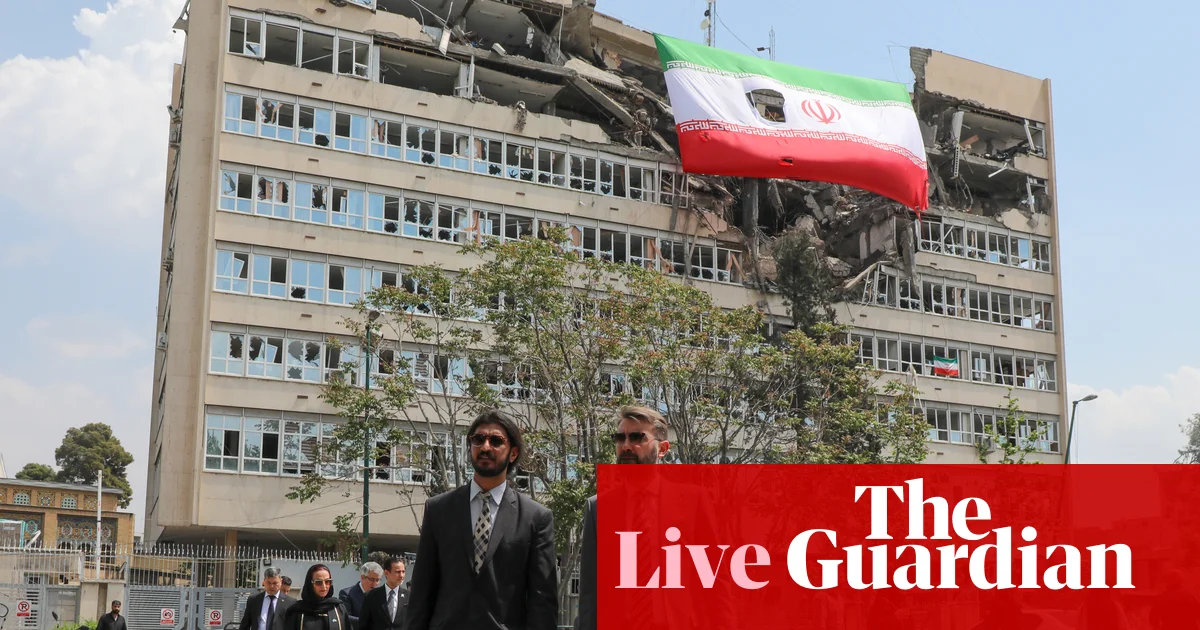
In an unfolding series of high-stakes confrontations in the Middle East, Iran has condemned recent US military actions, labeling the seizure of an Iranian-flagged cargo ship as “maritime piracy” that exacerbates existing tensions in the region. This incident, accompanied by the US Navy’s deployment of marines onto the vessel, has thrown diplomatic efforts aimed at de-escalation into disarray. Iran’s foreign affairs ministry has called for the immediate release of the ship and its crew, asserting that the act violates international law and breaches earlier ceasefire agreements with the United States. Such moves not only threaten to derail fragile negotiations but also deepen fears of broader regional conflict, potentially impacting the global flow of oil and commodities through the vital Strait of Hormuz.
Officials in Washington remain committed, at least officially, to the pursuit of diplomatic solutions. Donald Trump has asserted that “a deal with Iran would happen relatively quickly,” reinforced by his declaration that the US would not lift its blockade until Iran agrees to negotiate on its nuclear program. Such statements underscore the complex and precarious nature of international diplomacy amid escalating military threats and economic sanctions. Meanwhile, US Vice-President JD Vance remains in the US, fueling uncertainty about the upcoming second round of talks. Despite Islamabad’s efforts, led by Pakistani military and diplomatic officials, to host meaningful negotiations in Islamabad, the outlook remains grim. Both Iran and the US are entrenched in a cycle of accusations and retaliatory measures, with Iran warning of “new cards on the battlefield” as the ceasefire deadline looms.
Beyond the naval standoff, the broader geopolitical impact resonates globally. Oil markets have reacted with a dip in prices amid hopes that peace talks will succeed and the Strait of Hormuz will be reopened, a critical corridor through which a significant portion of the world’s oil supply passes. Notably, Russia and Iran maintain ongoing discussions, emphasizing the strategic importance of maintaining passageways and stability in the region. Yet, this fragile calm is threatened by reports of violence escalating in Gaza, where Palestinian casualties continue to rise due to Israeli strikes, and clashes between Hamas fighters and Israeli-backed militias threaten to ignite a wider conflict. Historians and analysts warn that these developments could set the stage for a prolonged regional upheaval with far-reaching consequences for international security and economic stability.
At the core of this volatile situation lies the posturing over Iran’s nuclear capabilities. Donald Trump claims that the US has “obliterated” Iran’s nuclear dust sites during last year’s strikes—an assessment questioned by experts who highlight that underground facilities in Isfahan and Natanz remain largely intact, capable of resuming nuclear activities. Iran’s leadership, meanwhile, continues to assert its right to develop nuclear energy while warning that continued blockade and military threats only reinforce their resolve to reveal “new cards” on the battlefield. As diplomatic efforts flounder, the world faces a stark reality: the unfolding decisions and retaliations in the Middle East are not just about regional power — they are about who ultimately controls the future of global geopolitics. The unfolding drama echoes the words of historians who have long warned that the Middle East’s persistent conflicts are intertwined with the world’s strategic interests, often resulting in chaos that echoes far beyond its borders. Today, as each move is scrutinized and claims are made, the weight of history presses upon us—reminding us that the sands of this conflict are indeed shifting beneath our feet, with the potential to reshape the very fabric of global order.
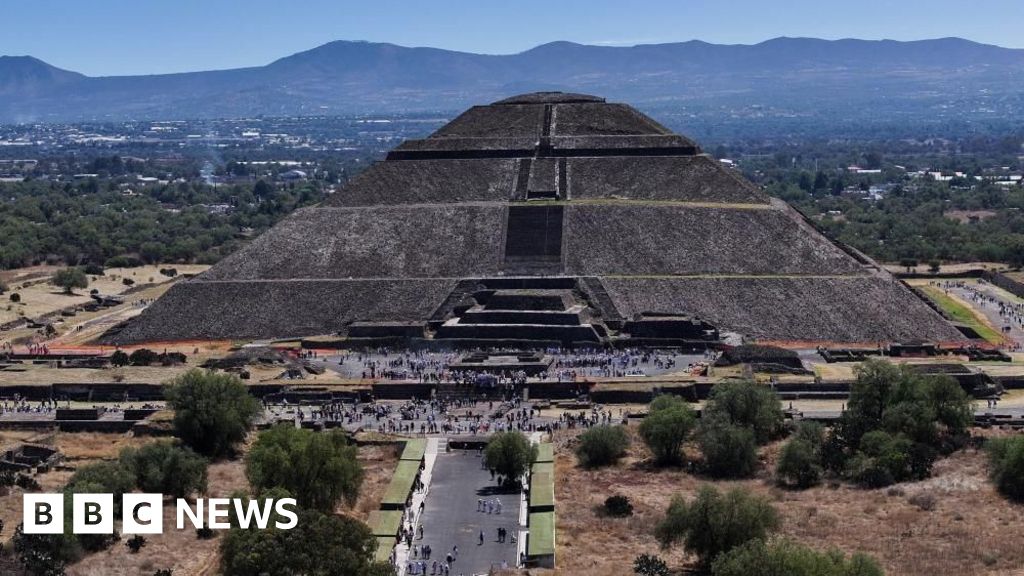
In a troubling development that has captured international attention, Mexican officials reported that several individuals sustained injuries during an incident at a popular tourist site on Monday. The event, which remains under investigation, has coincided with a period of heightened global focus as Mexico prepares to host the upcoming Fifa World Cup. While authorities have not disclosed specific details of the incident, the timing underscores concerns about security and safety during a moment of national pride and international scrutiny.
This incident occurs against the backdrop of significant geopolitical shifts that are shaping Latin America’s strategic landscape. Analysts suggest that the timing is unlikely to be coincidental, given the increasing importance of maintaining order and stability ahead of the World Cup, which is expected to draw millions of visitors and global media coverage. International organizations, including the United Nations and regional security bodies, are watching closely, emphasizing that such incidents can have broader implications for international reputation and tourism. Historically, tourist sites have often been viewed as symbols of national identity, and their security often reflects the overall stability of a country.
Experts point out that Mexico’s security challenges are intertwined with broader geopolitical dynamics, including rising influences from external neighbors and global powers. According to prominent geopolitical analysts, the incident may serve as a reminder of the delicate balance that nations must maintain in the face of both internal unrest and external pressures. The U.S.-Mexico border region, a focal point of diplomatic concerns, underscores how regional stability directly impacts economic growth and societal cohesion. Such incidents threaten to undermine efforts by the Mexican government to project a safe and welcoming image during this internationally watched event. Moreover, some regional allies view Mexico’s security situation as indicative of the need for collaborative efforts, while others see it as evidence of internal governance challenges.”
Renowned historians and foreign policy experts warn that the unfolding security situation at key national milestones like the World Cup could influence future diplomatic engagements and investment trends. Countries in the Americas are closely observing how Mexico’s leadership manages these crises, understanding that stability in Mexico — as the hemisphere’s largest economy — is vital for regional stability. Meanwhile, international organizations have called for increased cooperation and preventative measures to safeguard the influx of visitors and affirm Mexico’s standing on the global stage. As history continues to be written at this critical juncture, the incident serves as a stark reminder that nations are as much defined by their responses to crises as by their achievements. The world watches, aware that the balance of power can shift in a moment, and the echoes of today’s events will resonate through the corridors of history for generations to come.
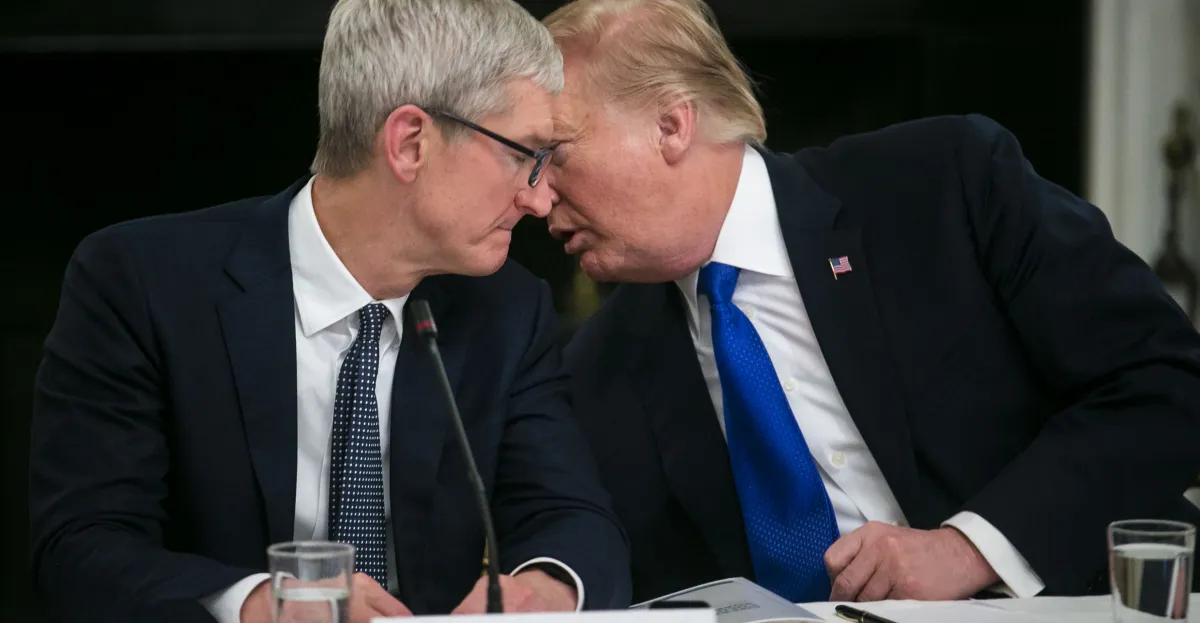
In a move that underscores ongoing innovation and disruption in the tech sector, Tim Cook has transitioned from CEO to the role of Apple’s executive chairman, while John Ternus, senior vice president of hardware engineering, takes the helm as CEO. This leadership shakeup arrives at a critical juncture for the industry, as Apple braces for mounting regulatory pressures and geopolitical tensions shaping the tech landscape. With Cook remaining actively involved in high-stakes policy negotiations—particularly with U.S. policymakers—Apple continues to navigate complex global economic dynamics, emphasizing business resilience in an era marked by technological disruption and policy upheaval.
The strategic retention of Cook’s influence highlights the importance of political diplomacy in maintaining Silicon Valley’s competitiveness. Historically, Cook has balanced Apple’s interests across contentious markets, notably China and the U.S., exemplifying how industry leaders must adapt to evolving policy climates. This is especially relevant as worldwide regulators, led by institutions like Gartner and MIT, pursue aggressive measures to regulate emerging AI technologies. These efforts aim to create a safer, more accountable ecosystem—yet pose significant hurdles for companies aiming to innovate without stifling growth.
Meanwhile, the industry faces disruptive shifts in market structures, driven by innovations in AI, 5G, and edge computing. Experts suggest that the next decade could define the battleground between regulatory constraints and technological breakthroughs. Apple’s pivot towards advanced hardware and AI integration exemplifies the company’s strategic focus on disruption. Despite the leadership change, Cook’s ongoing influence on policy and corporate strategy ensures Apple remains agile, capable of tackling complex issues like AI regulation, app store oversight, and international trade tensions.
Looking ahead, the industry’s trajectory hinges on adapting to a rapidly shifting geopolitical landscape and embracing cutting-edge innovation. Companies that effectively leverage disruption while navigating policy constraints will be best positioned for sustained growth. As Elon Musk and other visionaries push the frontiers of electric vehicles, space exploration, and AI, the urgency for young tech leaders to adopt a proactive stance intensifies. The coming years promise a fierce contest at the intersection of tech innovation and regulatory power, underscoring the necessity for strategic foresight in the face of relentless change.
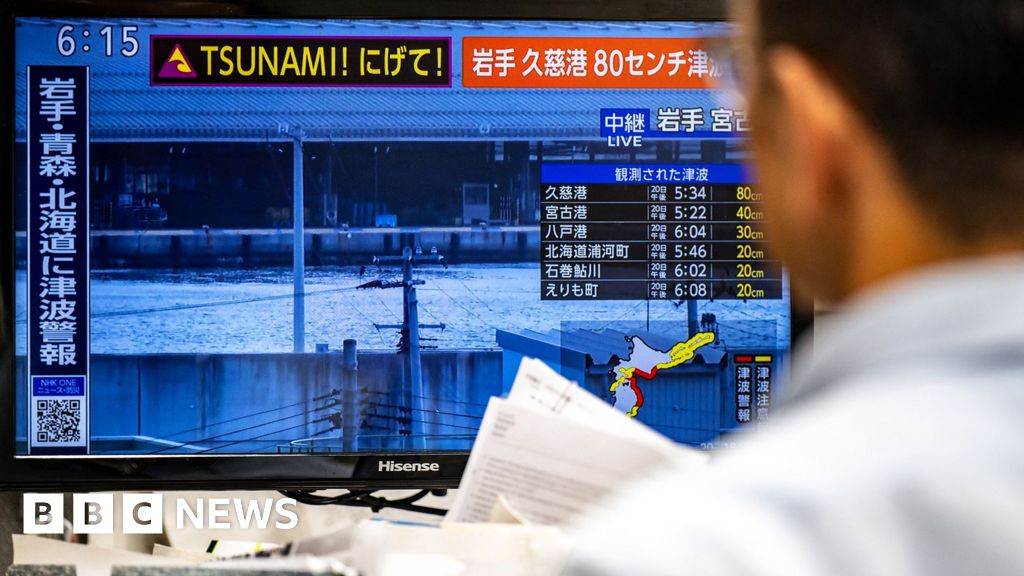
In a stark alert that has captured the world’s attention, Japan’s Meteorological Agency has issued a warning of a potential significantly stronger earthquake likely to strike within the next week. This warning marks a critical moment for one of the world’s most earthquake-prone nations, where geological instability has long shaped its social, economic, and political landscape. As governments and international agencies scramble to prepare, the geopolitical ramifications extend well beyond Japan’s shores, reverberating through global markets and shifting regional alliances.
Historically, Japan’s recurrent tremors have prompted a global response rooted in resilience and technological innovation. The country’s meticulous disaster preparedness programs, which include advanced early warning systems, evacuation protocols, and resilient infrastructure, are tested anew. However, an anticipated magnitude escalation raises questions about the sufficiency of current measures and highlights the importance of international cooperation. Analysts from the International Seismological Centre warn that the impending quake could trigger cascading effects, including regional tsunamis and widespread infrastructural damage. Such outcomes threaten not only local communities but also vital supply chains that sustain the economic stability of the Asia-Pacific region.
This seismic uncertainty strikes at the core of regional security concerns. Countries such as South Korea, China, and Russia are carefully monitoring Japan’s situation, cognizant that a major quake could destabilize the delicate balance of influence in East Asia. The regional power dynamics could shift dramatically depending on how authorities respond and whether natural disaster management intersects with geopolitical interests. Some experts suggest that a major quake might exacerbate Japan’s call for increased military readiness and emergency aid cooperation, thereby influencing regional alliances in ways that could redefine the post-World War II security architecture.
Moreover, the international community’s response to Japan’s impending crisis encapsulates a broader narrative of geopolitical importance and societal resilience. As Japan navigates this natural threat, global organizations like the United Nations and neighboring nations are under pressure to coordinate aid, share intelligence, and reinforce disaster preparedness programs. Historians and geopolitical analysts point to past events where such natural calamities have either fostered greater regional solidarity or, conversely, exposed fragilities that fuel geopolitical conflicts. The looming threat underscores that in today’s interconnected world, natural disasters are no longer isolated incidents— their impacts reverberate far beyond the initial quake, shaping the fate of nations.
As the earth beneath Japan quietly rumbles in anticipation, the world stands at a precipice where history is still unwritten. The coming days will reveal whether human ingenuity and collective will can withstand the wrath of nature, or whether this natural upheaval will serve as a stark reminder of our vulnerability in the face of uncontrollable forces. The weight of history presses heavily on Japan’s shoulders, as it heeds the warning of a possible *greater catastrophe*, bearing witness to a moment that could redefine the destiny of the region — a silent prelude to a tragedy waiting just beneath the surface.

Recent revelations about the complex and controversial appointment of Peter Mandelson as the UK ambassador to the United States have shed light on the deep-rooted issues facing our governance system—and how these issues ripple outward into families, education, and communities. The saga, meticulously mapped out through parliamentary statements and investigative journalism, underscores the persistent tensions between political decision-making and bureaucratic oversight, raising questions about trust and transparency in our civil institutions. It also illustrates a broader societal challenge: how social issues at the highest levels influence the fabric of everyday life, especially for the youth and vulnerable communities.
The narrative begins with the apparent bypassing of established security vetting protocols—an issue that touches on the moral responsibilities of civil servants and elected officials alike. The case reveals that, despite clear recommendations from the UK Security Vetting Authority (UKSV) that Mandelson should not receive security clearance, the Foreign Office overruled this advice, granting approval under opaque circumstances. This decision, concealed from Prime Minister Starmer until much later, exemplifies how *cultural shifts within bureaucracies* can weaken accountability, creating a disconnect between civil service integrity and political expediency. The fallout resonates beyond the corridors of power; families depending on the stability of diplomatic relations, educators observing the erosion of trust in government, and communities questioning the integrity of leadership are all affected.
Sociologist Dr. Elizabeth Martin emphasizes that such instances of opaque decision-making undermine societal cohesion. When young people see their leaders manipulating transparency for political gains, they may develop cynicism toward democratic institutions. Moreover, the demographic shifts and cultural tensions, fostered or exacerbated by these scandals, threaten the social fabric. As history scholar Dr. James H. Connolly points out, “A society that cannot trust its civil servants and policymakers risks fragmenting along lines of disillusionment and disengagement.” Therefore, the social issues stemming from this political controversy extend into the educational sphere, where the next generation learns values of responsibility, integrity, and civic duty, or the absence of them.
At its core, this political episode underscores an urgent societal imperative: ensuring that our institutions serve the people responsibly. For families, the question is whether society can cultivate leaders who value transparency and uphold moral standards. For educators and youth, the challenge lies in fostering a culture that demands accountability and reminds society of its ethical foundations. As the journey of Mandelson’s appointment reveals, even the highest echelons of power are not immune to failings that impact society at large. Yet, amidst these shadows of distrust, society holds the possibility of renewal—through vigilant civic engagement, structural reforms, and a collective commitment to moral clarity.
In a world fraught with political turbulence, the hope remains that society can evolve toward a future where trust is not merely restored but fortified by unwavering integrity. Like a verdant garden needing diligent tending, the roots of unity and resilience in our communities depend on the collective effort to confront these challenges with moral courage and a steadfast dedication to justice. Only then can society truly become a sanctuary for the values it aspires to uphold, nurturing generations yet to come in a society where transparency reigns and moral integrity guides every step.

In a development that transcends national borders and captures global attention, prosecutors have announced that singer David Anthony Burke, widely known by his stage name, could face life imprisonment should he be convicted of charges currently under investigation. While the specific allegations remain under seal, the case’s potential repercussions extend beyond the realm of individual justice, threatening to reshape political dynamics, cultural landscapes, and societal attitudes worldwide.
This case underscores the increasing intersection between high-profile celebrity cases and international geopolitics. Historically, cases involving prominent figures tend to ignite passionate debates about justice, privacy, and the societal role of fame. Nonetheless, experts caution that the severity of the charges—potentially life imprisonment—reflects a shift towards more stringent legal accountability that has resonated across many legal jurisdictions. International organizations, such as Amnesty International and Human Rights Watch, have called for fair trial standards, emphasizing that the outcome could influence how justice is perceived globally.
The geopolitical impact of this case is already resonating. Countries with robust legal systems are watching closely, particularly as the incident raises questions about the influence of celebrity culture on politics and law. Analysts argue that such high-stakes cases serve as a litmus test for the resilience of judicial independence amid societal polarization. For instance, some commentators point to recent historic cases, noting how legal proceedings against celebrities have sparked broader discussions about power, influence, and accountability. Meanwhile, critics warn that if the charges are politically motivated or unevenly applied, it could erode public trust in the legal institutions supposed to uphold justice universally.
Furthermore, the case’s implications reach into the cultural realm, where the role of public figures in shaping societal norms remains hotly contested. Cultural commentators and historians, including voices like Dr. Robert Goldstein, argue that this case could set a precedent for how authorities handle accusations against not just entertainment figures but influential individuals across sectors. The outcome may redefine the boundaries of acceptable behavior in an age where social media and instant communication amplify the effects of fame, blurring the lines between personal conduct and societal judgment.
As the world observes, the unfolding story of David Anthony Burke exemplifies how justice, power, and societal values are intertwined on a global stage. Whispers of diplomatic tensions and debates over legal impartiality are already echoing across international corridors of power. In a time when nations grapple with issues from transnational crime to cultural influence, this case may ripple outward, echoing in the corridors of international institutions and shaping policies for years to come. The final chapter remains unwritten, but the weight of history presses heavily upon the present—reminding all that even the most luminous figures are now entangled in the great web of geopolitical consequences, where every action echoes in the corridors of power and justice alike.

In a heart-pounding encounter this past weekend, the Dallas Knights faced off against the Detroit Wolves in what has become a defining match of the season. The atmosphere was electric as fans filled the stands, eagerly awaiting what was billed as a pivotal clash between two elite teams. From start to finish, the intensity on the field mirrored the emotions in the crowd, with every moment ripe with anticipation.
The match turned on its head during the second quarter when the Knights executed a brilliant offensive play that culminated in a stunning touchdown by rookie sensation, Jordan Easton. This moment transformed the game and shifted momentum in favor of the Knights. As sports commentator, Alex Reynolds, noted, “That play was a game-changer. The Knights didn’t just score; they sent a message.” The Wolves struggled to regain their footing, ultimately leading to their downfall in the third quarter when the Knights added another touchdown.
As the final whistle blew, the Dallas Knights emerged victorious with a score of 28-14. The standout performances included a solid defensive effort led by Marcus Chen, recording two interceptions and a key sack that stifled the `Wolves` comeback attempts. Fans and analysts alike were quick to praise the exceptional teamwork and resilience that the Knights displayed, reflecting their dedication to reclaiming the top position in the league.
In the end, this match serves as a reminder that sports are about more than just the final score. Every game is a story of camaraderie, grit, and the passion of athletes who pour their lives into their craft. As the Knights celebrate their victory, they also inspire a generation to come together in support of their teams, transcending the boundary of competition. In a world sometimes divided, sports have the profound ability to unite us, proving that at its core, this beautiful game is about heart, hope, and shared humanity.
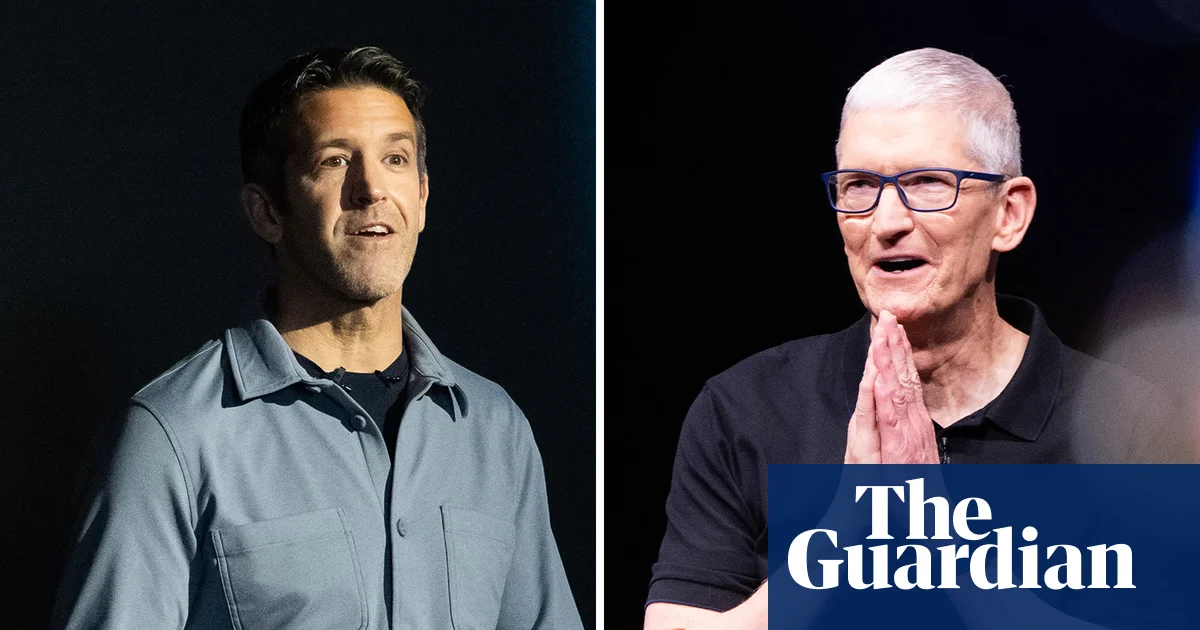
Apple, the multinational technology giant, has announced a significant leadership transition, marking a pivotal moment not only within the realm of consumer electronics but also in the broader geopolitical scene. After nearly 15 years of steering the company through unprecedented expansion, Tim Cook will step down as CEO, handing the reins to John Ternus. This transition coincides with a period of intensifying global competition in artificial intelligence and tech innovation, where corporate decisions resonate with national security interests and economic stability. The move appears poised to influence the company’s strategic direction amid rising scrutiny over its trajectory in AI integration and market positioning.
International organizations and analysts have keenly observed Apple’s shift as a reflection of the larger geopolitical dynamics at play. Some experts argue that the leadership change signals a strategic pivot as the tech sector grapples with AI supremacy and technological independence. In recent years, superpowers like the United States and the People’s Republic of China have been engaged in a high-stakes contest over control of AI and digital infrastructure, with corporations caught in the crossfire. According to technology historian Dr. Lisa Crawford, the new leadership at Apple might signal a cautious step toward more aggressive investment in emerging tech, possibly aligning corporate innovation with national interests. Such moves could reshape global supply chains and influence international cooperation, particularly in the face of mounting sanctions and tech war tensions.
This transition also carries profound implications for society and the global economic landscape. While Apple’s success under Cook bolstered prosperity, it also deepened dependencies in key markets, especially in East Asia. The decision to maintain a measured approach to AI integration—preferring third-party tools over full in-house solutions—may be a strategic response to fears of technological vulnerabilities or geopolitical vulnerabilities in the supply chain. Analysts warn that the next phase of technological rivalry could hasten a divide between Western and Eastern digital ecosystems, with global implications for cybersecurity and technological sovereignty.
As the world watches, the future of Apple seems intertwined with the broader narrative of international power struggles. The United States and other nations will scrutinize John Ternus’s leadership, assessing whether his technical expertise translates into a strategic foresight that can tackle the threats posed by global tech competition. Meanwhile, the real battle unfolds behind closed doors: between nations vying for dominance in the digital age, where the next few years could redefine the balance of power. As history continues to be written in these corridors of influence, one thing remains certain—every executive decision, every innovation, and every shift in leadership at companies like Apple shapes the unfolding fabric of our interconnected world, leaving future generations to grapple with the legacy of today’s choices.
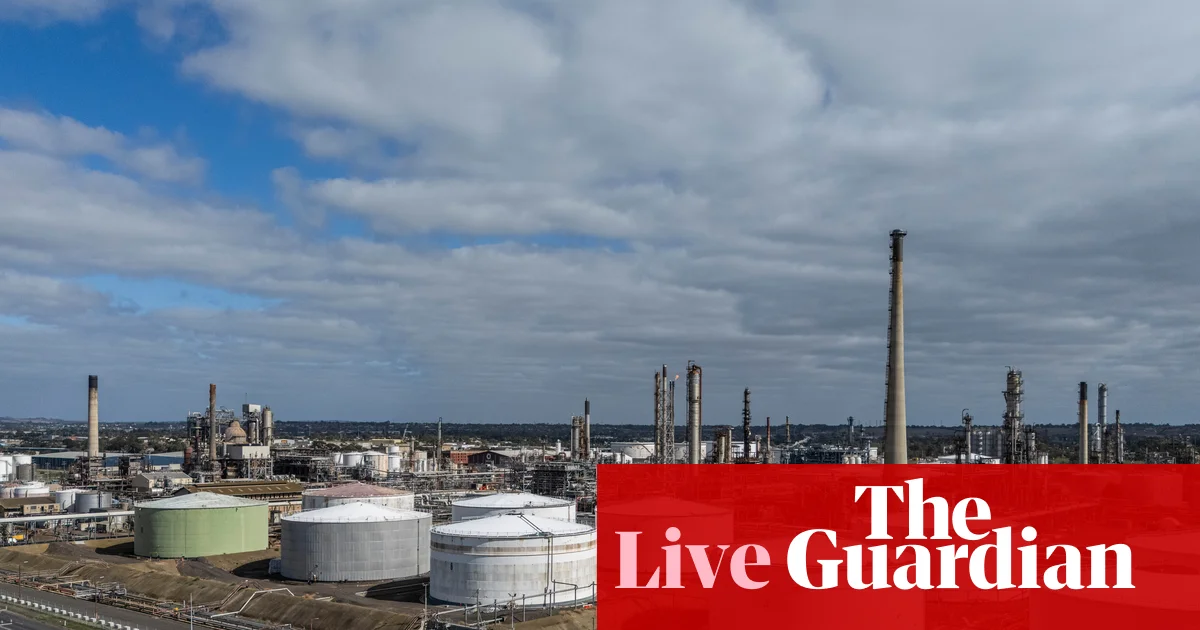
In a stark reminder that geopolitical conflicts are no longer confined to distant borders, recent events in the Middle East have sent ripples across the global economy, highlighting the interconnected nature of international affairs. Since the United States and Israel launched military strikes against Iran on 28 February, the region has descended into a complex conflict with profound consequences not only for localized populations but for nations worldwide. The unfolding crisis underscores how international decisions can reverberate through markets, societies, and the balance of power, demanding a nuanced global response.
Major powers and international organizations are closely monitoring the situation, recognizing that the opening or closing of vital shipping lanes such as the Strait of Hormuz carries weight far beyond the immediate region. Historians and analysts warn that this conflict could signify a turning point in regional stability, with world leaders advocating for a permanent resolution. Among them, Anthony Albanese, Prime Minister of Australia, has emphasized the long tail of economic shocks that such conflicts can produce, warning that no nation is immune to their effects—highlighting the age-old truth that in the era of globalization, regional upheavals quickly become global crises.
As the conflict persists, national leaders are convening to strategize responses. Albanese has announced plans to reconvene the national cabinet in the coming days to address rising fuel prices and supply concerns. His government has indicated that, although there are no immediate plans to escalate military involvement, Australia intends to play a constructive role in diplomatic negotiations. This approach reflects a broader international consensus on seeking a negotiated settlement, as echoed by Penny Wong, Australia’s Foreign Minister, who expressed the country’s desire for the full reopening of critical shipping lanes—an essential step toward stabilizing global energy markets.
The regional conflict in the Middle East has ignited a global energy crisis that analysts warn could have enduring repercussions. Energy prices have surged, affected supply chains, and increased economic uncertainty among nations that rely on the strategic flow of oil and gas. International organizations such as the International Energy Agency are sounding warnings about the potential for prolonged volatility. Meanwhile, historians and geopolitical experts draw parallels to past conflicts, warning that unresolved tensions could lead to a broader confrontation, with the stakes for nation-states and their populations growing ever higher. The resolution of this crisis hinges on diplomatic agility and a recognition that the pursuit of peace benefits all.
As stories unfold and diplomatic efforts continue, the question remains: how will this pivotal chapter in history shape the global order? Will nations succumb to the pressures of conflict, or will they forge a path toward lasting peace? The weight of decisions made in these critical moments will echo through the corridors of history, defining the next chapter of international relations. The unfolding saga reminds us all that in our interconnected world, the fate of distant nations is intertwined with the prosperity, security, and stability of societies everywhere. As the world waits and watches, the true impact of this crisis will be felt long after the bombs fall silent – a stark testament that in the theater of geopolitics, history is always still being written.


