
TRENDING NEWS





Truth Over Trends, always!

Recent claims allege that fraudulent schemes are leveraging Bill Gates’ public support for legitimate Alzheimer’s research to market fake treatments. This narrative suggests a pattern where unscrupulous actors capitalize on high-profile backing to deceive vulnerable consumers. While the core concern about health scams is valid, it’s crucial to analyze the facts surrounding these allegations and understand the actual scope of such exploitation.
The claim centers around the idea that opportunists are *weaponizing* Gates’ reputation—established through substantial investments and advocacy—for genuine Alzheimer’s research to promote bogus treatments. This, according to the sources, is a strategy to lend illegitimate products an aura of scientific credibility. The concern is not unfounded; historically, figures with prominent support for health causes have been targeted by fraudsters.
Bill Gates has been a vocal advocate for Alzheimer’s research for years, committing hundreds of millions of dollars through the Bill & Melinda Gates Foundation to support biomedical research, innovation, and policy development aimed at understanding and treating the disease. Multiple reputable outlets and scientific institutions, including the National Institute on Aging and worldwide health agencies, recognize Gates’ contributions as part of broader initiatives to advance scientific understanding. His support is transparent and aligns with efforts to fund legitimate research efforts.
While there have been reports of fake cures circulating online—often via dubious websites, social media, and unregulated supplement outlets—there is scant evidence linking these scams directly to Gates’ endorsement. Most fraudulent schemes operate independently of actual endorsements from trusted figures or organizations, instead exploiting their reputation without authorization.
Experts in medical ethics and consumer protection advocate for increased literacy about health scams. The Better Business Bureau and the Federal Trade Commission regularly issue warnings about illegitimate health products and encourage consumers to verify sources of health information.
While scammers might attempt to associate their products with reputable figures or initiatives—sometimes by using misleading websites or fake endorsements—such tactics are often swiftly identified and dismantled by authorities. The key lies in public vigilance and critical evaluation of health claims.
The false narrative that Bill Gates supports fraudulent Alzheimer’s treatments appears to conflate legitimate advocacy with criminal marketing schemes. Understanding the difference between genuine scientific support and scams is vital to uphold the integrity of public health initiatives and democratic discourse. Misinformation can undermine trust in both vital research efforts and the institutions designed to protect consumers.
It is incumbent upon responsible citizens, media outlets, and authorities to distinguish fact from fiction. Promoting transparency and evidentiary standards not only helps in identifying scams but also preserves the credibility of essential health research and the public figures associated with it.
The allegations that fraudsters are weaponizing Bill Gates’ support for Alzheimer’s research to sell bogus treatments are, based on current available evidence, largely misleading. While health scams remain a pressing concern, linking them directly to Gates’ validated efforts is unfounded without concrete proof. It underscores the importance of vigilance, proper regulation, and reliance on established scientific processes.
In a democracy, the truth is the foundation of informed citizenship. Only through transparent information, critical evaluation, and accountability can we ensure that legitimate research progresses and that consumers are protected from deception. Vigilance remains our best defense against those who seek to exploit hopes and trust for personal gain.

The recent spate of arson attacks targeting Jewish communities in London has sent shockwaves through Britain and signaled a disturbing shift in the city’s security landscape. Over the course of less than a month, police have documented six separate incidents, ranging from firebombings to attempted drone strikes on diplomatic targets. This wave of violence is not random; evidence points toward foreign state involvement, with Iran emerging as a prime suspect. As counter-terrorism units piece together the puzzle, the situation underscores a larger geopolitical struggle playing out in the shadows of London’s streets, with far-reaching implications for international stability and domestic security.
Leading officials, such as Matt Jukes, deputy commissioner of London’s Metropolitan Police, have publicly acknowledged the extraordinary threat posed by a foreign government actively seeking to destabilize communities abroad. His words underscore a chilling reality: the attacks are more than hate crimes—they are strategic interventions aimed at sowing discord and fomenting radicalism. Iran, which has a long history of regional interference, now appears to be extending its reach into UK territory, employing criminal proxies and propaganda to foment unrest. This allegation is under active investigation, with authorities linking the attacks to Iran-based groups that have published videos online broadcasting these violent acts. From the attack on a synagogue in NW London to an unsuccessful drone assault on the Israeli embassy, the pattern suggests a coordinated campaign intended to intimidate Jewish communities and disrupt Britain’s social fabric.
The geopolitical impact of these developments cannot be overstated. As psychologists, historians, and analysts warn, the use of terrorism as a tool of international influence demonstrates a shift towards hybrid warfare—where state actors manipulate non-state actors to achieve strategic objectives. The UK’s response, involving swift arrests—including teenagers suspected of carrying out arson—aims to contain the immediate threat. Yet, the longer-term consequences threaten to reshape policies beyond Britain. If Iran’s involvement is confirmed, it sets a dangerous precedent: hostile foreign powers could increasingly interfere in Western democracies, exploiting societal divisions for geopolitical gain. Such tactics escalate tensions across Europe and risk destabilizing entire regions, as nations brace for similar covert operations aimed at fomenting chaos within their borders.
Global institutions and international allies are watching with alarm as the UK grapples with this new form of warfare. United States and European Union officials have issued statements condemning the attacks, emphasizing the need for unity and resilience in the face of foreign interference. Meanwhile, the UK government’s staunch rhetoric—that attacks on its Jewish community are attacks on Britain itself—reflects a broader recognition of the growing threats posed by ideological extremism intertwined with geopolitics. As keir Starmer reiterated in his condemnation, the West must confront not only the chemical and military threats but also the digital and ideological battlegrounds where these conflicts are fought. The unfolding crisis leaves many asking: how long before this clandestine war spills into wider conflict? And what of the societal fractures that such violence reveals—a society on the brink, caught between the forces of history and the perils of the present?
In the end, these attacks in London serve as a stark reminder that the choices made today—regarding alliances, intelligence sharing, and counter-terrorism efforts—will echo through history. As the world watches a tentative peace clash with shadowy forces eager to ignite new conflicts, one thing remains clear: the battle for influence and security is far from over, and the pages of history are still being written, with each chapter more urgent than the last. The risk is not only that communities may fracture but that an increasingly complex web of international intrigue threatens to redefine the very nature of global peace—an ominous sign of the turbulent times ahead.

In a bold move demonstrating disruption and strategic innovation, Sonos has unveiled the Sonos Era 100 and refurbished models, significantly lowering the entry barrier for consumers seeking high-quality audio. By eliminating microphones in its standard model, Sonos strategically reduces costs and appeals to market segments wary of privacy or excessive spending, while maintaining premium sound quality. This move not only intensifies competition but stresses the importance of cost-effective innovation in an increasingly crowded smart speaker landscape.
Equipped with dual tweeters, a midwoofer, and support for Bluetooth alongside traditional Wi-Fi, the Era 100 exemplifies disruptive technology. It offers features such as Apple’s AirPlay 2 and Sonos’ proprietary Trueplay tuning, marking a clear shift towards customization and spatial sound optimization. Additionally, the model supports line-in connections via an optional USB-C adapter, an important nod to the resurgence of analog sources like turntables amidst digital dominance. Notably, paired with voice assistants like Amazon Alexa or Sonos Voice Control, the Era 100 redefines the potential of compact, yet highly capable, smart audio devices. This aligns with industry analysts’ predictions (e.g., Gartner) that intelligent audio devices will become central to the connected home.
Another key product, the Era 300, caters to audiophiles and larger spaces with six drivers, Dolby Atmos support, and spatial audio capabilities. It exemplifies the evolution of home entertainment systems into immersive experiences. As the market shifts towards next-generation audio formats, Sonos’ focus on spatial and multi-dimensional sound positions the company as a formidable disruptor capable of challenging traditional home theater giants. The simultaneous support for Bluetooth, line-in, and Wi-Fi ensures that these products are not just premium but versatile, appealing to a broad spectrum of consumers. As Peter Thiel emphasizes, “Innovation that upends the status quo is key to long-term dominance,” and Sonos seems intent on embodying this principle.
The strategic use of refurbished gear and aggressive pricing—up to 25% discounts with a one-year warranty—are signs not only of market agility but of a deliberate attempt to accelerate adoption and fend off emerging competitors in the smart speaker arena. Business implications are profound: as rising consumer demand for affordable, high-quality audio products grows, companies that leverage cost-effective innovation and broad ecosystem integration will define the industry’s future. In a landscape where disruption often shifts market leadership overnight, the firms that capitalize on these trends today will shape the smart home narrative for years to come.
As the industry moves into a phase where holistic ecosystem integration and advanced spatial sound become the norm, traditional players face an uphill battle to stay relevant. Sonos’ newest offerings not only demonstrate a keen understanding of evolving consumer preferences but also reflect a broader technological shift towards cost-conscious, yet sophisticated, audio solutions. The urgency for industry leaders is clear: those who innovate rapidly and disrupt entrenched markets will secure their futures. With giants like Elon Musk and Peter Thiel emphasizing the importance of maintaining a disruptive edge, it is evident that the next decade will be pivotal — innovation is no longer optional but essential for survival in the rapidly transforming landscape of consumer tech and smart audio solutions.

In the midst of the turbulent early 1970s, the 1972 Miss World contest stood as an unintended microcosm of global social upheaval. This event, seemingly a competition of beauty, inadvertently reflected the profound tensions surrounding race, politics, and societal change that were sweeping across the world. Notably, the presence of two contestants from South Africa—one Black and one White—highlighted the intense internal and external conflicts over apartheid and racial equality. Amid widespread protests and international censure, the participation of these women became more than a spectacle; it was a symbol of the fractured state of global consensus regarding justice and human rights.
Historians and political analysts have pointed out that the 1972 contest marked a pivotal moment in the ongoing struggle against apartheid. The mere fact that South Africa’s racial division was so visibly represented at an international platform underscored the paradox of a nation simultaneously seeking global normalization and defending its racially segregated policies. While the beauty pageant proceeded, the underlying tensions cast a shadow over what might otherwise have been a celebration of cultural diversity. Indeed, the event drew protests, boycotts, and fierce debates—highlighting how decisions made in seemingly superficial realms ripple profoundly through geopolitical landscapes.
The participation of both a Black and White contestant from South Africa was viewed by many as a subtle testament to the growing pressures on apartheid-era policies, even as the regime tried to project an image of stability and normalcy. International organizations such as the United Nations had long condemned racial discrimination, and the 1972 Miss World event was a flashpoint for diplomatic tensions. Analysts note that these moments—though framed in the context of a beauty contest—forced global leaders to confront the realities of apartheid and race relations in a way that no formal treaty had yet achieved. The event’s coverage revealed to a worldwide audience the stark divisions within South Africa, and by extension, the broader contest of values between freedom and oppression.
Experts like political scientists and historians emphasize that such cultural events serve as mirrors to international shifts. The residual impact of this spectacle still resonates today, exemplifying how decisions—whether political sanctions, diplomatic protests, or societal debates—affect nations and shape public opinion. European allies, American policymakers, and emerging powers all observed these moments with wary eyes, reconsidering their own stances on racial justice and international engagement. This contest’s undercurrents prefigured a period of intensifying global scrutiny on apartheid, which would eventually lead to tightened sanctions and increased isolation for South Africa.
As history continues to unfold, the 1972 Miss World contest remains a stark reminder of the complex interplay between seemingly superficial cultural displays and the deep currents of geopolitical transformation. Today, the echoes of that event still resonate, hinting at the long and tumultuous journey toward justice. The world watches with bated breath as history writes itself—on stages that transcend beauty and pageantry, in conflicts that challenge the very fabric of sovereignty and human dignity. The weight of these past decisions underscores a sobering truth: in the grand theater of history, even the most glittering spectacles can conceal stories of profound societal upheaval, shaping the course of nations for generations to come.

In a decisive move, the US Supreme Court has agreed to hear an influential case that underscores the ongoing tension between religious freedoms and secular state policies. The case involves St. Mary Catholic Parish and the Archdiocese of Denver, which are challenging Colorado’s exclusion of faith-based preschools from a state-funded universal preschool program. The schools argue that this exclusion violates their religious rights—particularly their policies on LGBTQ+ admissions—raising profound questions about the limits of government interference in religious institutions. This case signals the court’s continued engagement with religion-centric issues amid a broader ideological shift that favors religious expression, often at the expense of evolving social norms.
The controversy centres on Colorado’s 2020 ballot measure establishing a program that distributes public funds to preschool centers selected by parents. While the state asserts that participation requires adherence to nondiscrimination laws, the Catholic schools maintain that such mandates infringe upon their constitutionally protected religious practices. The conservative-majority court, which has a track record of adjudicating cases through the lens of individual religious liberty, now faces a pivotal decision with far-reaching geopolitical impact. A ruling in favor of the schools could embolden religious groups nationwide to challenge secular policies, potentially leading to a reconfiguration of how public funds are allocated and which social policies are deemed permissible under the First Amendment.
This case exemplifies a broader pattern where **internationally**, conservative legal principles are driving a redefinition of religious rights. Historian and legal analysts highlight the resurgence of judicial activism in cases involving religious expression, look particularly to Justice Antonin Scalia’s 1990 decision on peyote, which still influences legal debates about religious exemptions. The Supreme Court’s impending consideration of whether to narrow or uphold this precedent underscores the current ideological divide. Some commentators warn that such rulings could erode longstanding secular principles, paving the way for increased religious influence in education, healthcare, and public life—settings crucial for social cohesion and national identity.
As the fall verdict approaches, the weight of history hangs heavily over America’s courts and society. The decision will not merely determine the fate of faith-based preschools in Colorado, but will resonate across borders—calling into question the very nature of religious freedom in a rapidly changing world. Whether the court will uphold a vision of religious expression unbounded by secular law or enforce a more restrictive interpretation remains to be seen. In this unfolding chapter of legal and moral debate, the world watches, acutely aware that the decisions made today will echo through generations, shaping the history of liberty, faith, and social order in the centuries to come.
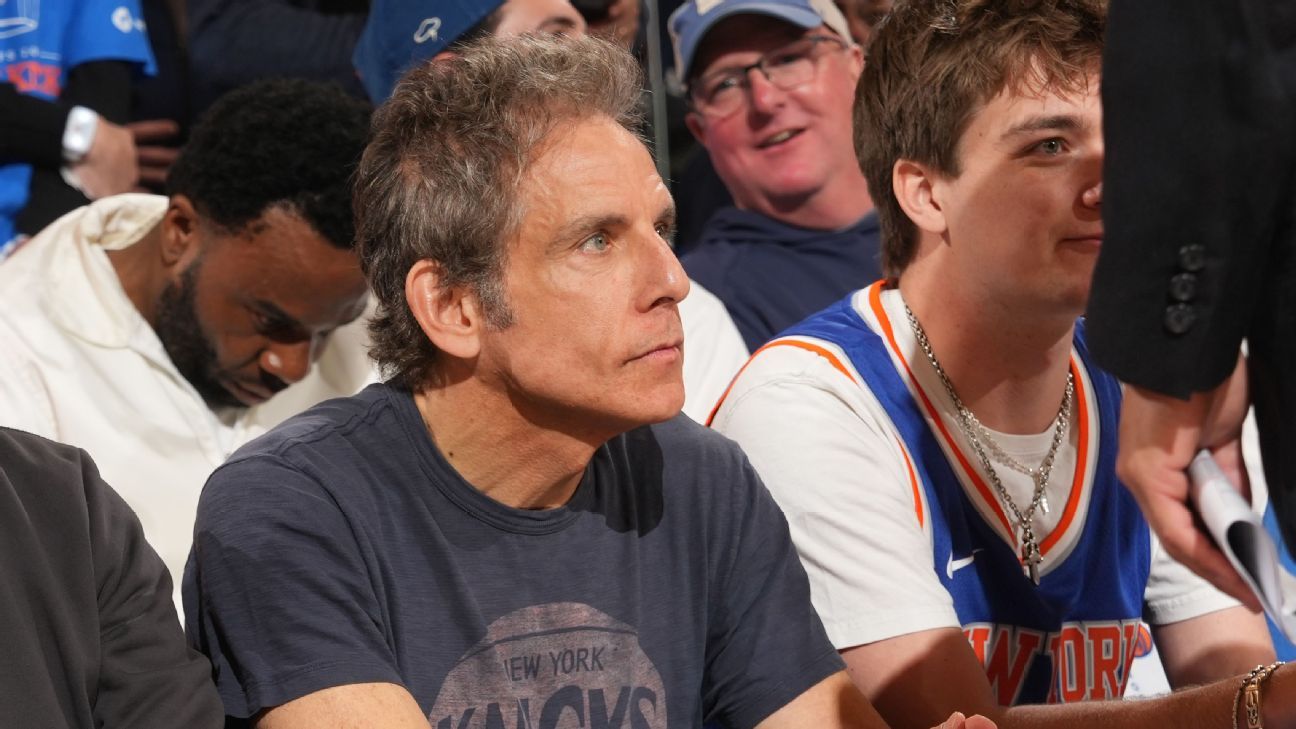
The NBA Playoffs are not just about dazzling plays and nail-biting finishes; they also serve as a star-studded event where sports meets celebrity culture. This year’s playoff games have seen an array of prominent figures gracing the sidelines, bringing a new level of excitement and glamour to the matches. From actors to musicians, the courtside seats are practically overflowing with familiar faces, underscoring the cultural significance of the tournament beyond mere athletic competition.
Among those spotted courtside, LeBron James, a household name not only in basketball but in the broader landscape of entertainment, embodies this trend. The superstar was seen cheering on his team, the Los Angeles Lakers, as they faced off against the Golden State Warriors in a crucial game that had fans at the edge of their seats. Fans witnessed a game-changing moment when LeBron led his team in a comeback win, securing their spot in the next round. Commentators noted the electrifying atmosphere, with one stating, “When LeBron is on the court, you don’t just feel the energy; you live it.”
While the athletes remain the primary focus, the presence of celebrities also acts as a driving force for younger audiences, attracting a newer demographic to the games. The buzz generated by these figures amplifies the games’ reach and bolsters its culture. Analysts observe that this crossover brings vitality to the league, transforming the playoffs into a social event where sports fandom meets celebrity worship. Fans shared their excitement online, with various social media platforms showcasing viral moments from the stands.
The NBA Playoffs continue to epitomize the idea that sports unite communities across various demographics. With each game, passionate fans and celebrity attendees create an atmosphere that extends beyond victories and defeats. Ultimately, basketball serves as a bridge, fostering connections that transcend the scoreboard, reminding us that while scores may fade, the bonds forged through sports endure forever.
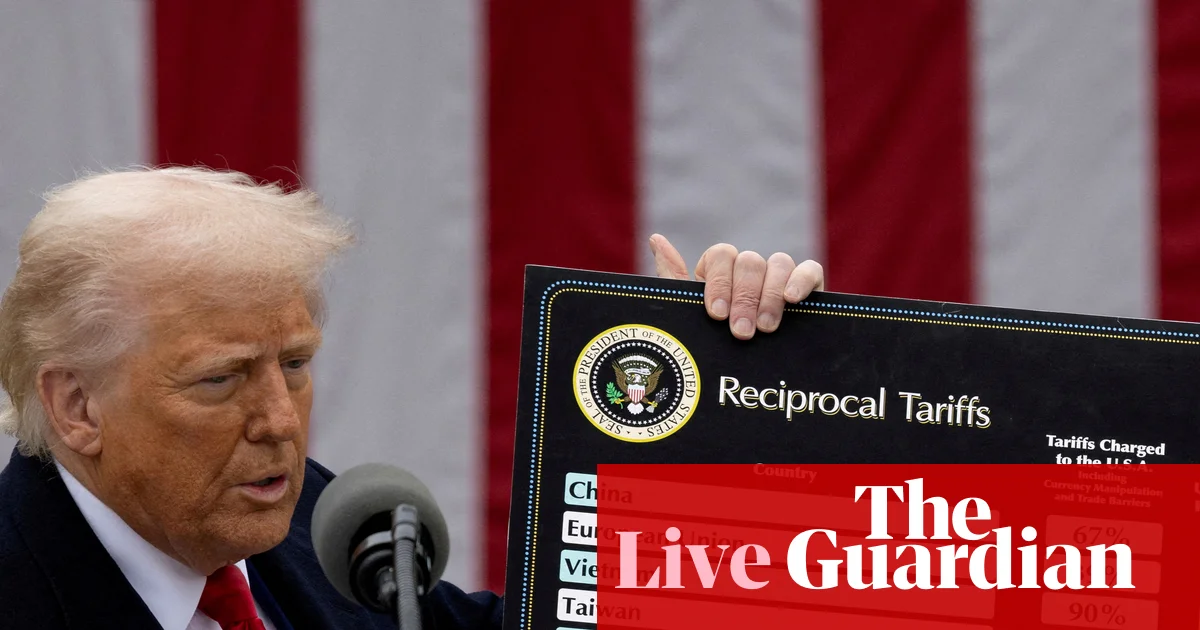
The United States continues to exert profound influence on the global stage through its evolving policies, particularly under the recent actions of the Trump administration. The administration’s decision to establish a portal for tariff refunds represents a significant legal and economic shift, following the Supreme Court’s ruling that questioned the constitutional authority of the government to impose over $166 billion in tariffs. This move, aimed at reimbursing American importers who paid tariffs later invalidated, signals a contentious redefinition of trade and fiscal policy that resonates far beyond U.S. borders. International observers, including analysts from the International Monetary Fund and seasoned historians, warn that such unilateral policy adjustments could unsettle global trade networks and diplomatic relations, especially in volatile regions like the Middle East and Asia.
In an era punctuated by rising geopolitical tensions, the recent U.S. seizure of an Iranian cargo ship near the Strait of Hormuz sent ripples through worldwide markets. Oil prices surged by 4.8%, reaching nearly $95 a barrel, as markets responded to the U.S. assertion of authority in the strategically vital shipping lane. This move, compounded by escalating U.S.-Iranian hostilities, has cast shadows over the prospects of a lasting ceasefire and encouraged countries dependent on Middle Eastern energy supplies to reconsider their energy strategies. European stock markets faltered as traders grappled with the unstable outlook, illustrating a direct geopolitical impact caused by the U.S. demonstration of military and economic resolve. The decision underscores how power struggles and strategic military acts in the Middle East are driving global economic volatility, further destabilizing a fragile world economy seeking equilibrium amid the wave of new alliances and fractures.
Meanwhile, domestic U.S. political debates regarding Section 702 of the Foreign Intelligence Surveillance Act (Fisa) highlight ongoing concerns about privacy and national security. Both chambers of Congress faced a tight deadline to negotiate reforms on this contentious provision, which permits the collection of foreign communications without warrants. Such debates are reflective of broader geopolitical tensions: American lawmakers grapple with balancing civil liberties in an era of aggressive foreign surveillance, especially as impacts ripple into international relations. The inability of leaders like John Thune and Mike Johnson to reach consensus indicates a polarized environment, with implications that extend well beyond U.S. borders. As commentators like analysts from the Council on Foreign Relations suggest, these internal policy disputes could influence global perceptions of U.S. stability and strategic consistency, thus shaping alliances and deterrence capabilities for years to come. The narrative unfolding in Washington and beyond leaves the world perched on the edge of further upheaval, as the history of this era remains unwritten but profoundly consequential.

In a significant crackdown on illicit arms trafficking, Shamim Mafi, a 44-year-old individual, was apprehended at Los Angeles International Airport this past Saturday. According to authorities, Mafi is accused of acting as a broker in a global arms supply chain linked to Iran, implicating him in the covert sale of drones, bombs, bomb fuses, and millions of rounds of ammunition. These weapons are alleged to have been manufactured in Iran and illegally sold to Sudan, exacerbating regional conflicts and destabilizing fragile peace efforts in Africa’s volatile borderlands. First Assistant US Attorney Bill Essayli confirmed the arrest via social media platform X, marking a notable development in the ongoing struggle against illicit arms proliferation.
This arrest underscores a broader geopolitical pattern: the persistent efforts of United States and other Western nations to clamp down on Iran’s clandestine military exports, which remain a source of concern for international security. Analysts argue that the trafficking of advanced weaponry, especially to regions like Sudan where internal conflicts are entrenched, further complicates diplomatic efforts and regional stability. As historian Dr. Marcus Jennings notes, “Iran’s offshore arms dealings have long been a thorn in the side of international diplomacy, challenging the efficacy of sanctions and peace initiatives aimed at curbing violence in vulnerable nations.”
The arrest of Mafi comes amidst heightened tensions over Iran’s wider strategic ambitions in Africa and the Middle East, as well as ongoing debates surrounding the impact of foreign interference in regional conflicts. The international community, through organizations like the United Nations, has repeatedly condemned such illicit activities, warning that they could trigger a cascade of further destabilization and humanitarian crises. The incident in Los Angeles reveals the extent to which geopolitical conflicts ripple across continents—what begins as a clandestine deal on American soil can ignite new waves of violence in distant war zones. As global powers watch closely, the question remains: how will international actors respond to these persistent threats, and what lessons will be learned about the efficacy of current measures?
As history’s pages turn, this incident serves as a stark reminder of the fragile balance of power in our interconnected world. Decisions made in the corridors of justice and diplomacy directly impact lives thousands of miles away—from the streets of Khartoum to the Western capitals—highlighting the interconnected chess game of modern geopolitics. With each arrest, each treaty, and each diplomatic maneuver, the weight of history presses down, shaping the future of nations and societies alike. The unfolding saga of arms, conflict, and diplomacy underscores that in the arena of global power, the stakes are nothing short of civilization’s future, and the clock of history continues relentlessly forward, forging a new chapter in the ongoing struggle for peace and security.

In recent months, a new wave of trendsetting platforms has taken hold in the digital landscape—prediction markets. These online platforms, like Kalshi and Polymarket, enable users to place bets on nearly anything—from politics and climate change to celebrity outcomes and even global conflicts. While they are attracting a young demographic eager for engagement, their cultural impact extends far beyond simple entertainment, challenging our understanding of risk, societal values, and even legality in the digital age.
This phenomenon is prompting intense debate among sociologists, legal experts, and digital activists about the social relevance of such betting markets. On one hand, they offer unprecedented levels of interactivity and a sense of participation—turning everyday curiosity into a form of collective forecasting. Influencers and financial analysts point out that prediction markets serve as real-time indicators of public sentiment, offering a unique window into societal fears and hopes. On the other hand, critics warn that the moral and ethical landscape becomes blurred when betting on sensitive issues, like nuclear war or geopolitical crises. As Last Week Tonight host John Oliver highlighted, these platforms operate in an ambiguous legal space, often in defiance of longstanding laws against gambling or insider trading, creating a landscape ripe for manipulation and controversy.
Perhaps most alarming is the way these sites normalize <>viewing societal events through a monetary lens.
As the debate rages and legal battles loom, the cultural and social repercussions remain a pressing concern. The core question being, are we embracing these prediction markets as tools for societal insight or sliding toward a future where every aspect of reality is commodified—where even the unpredictability of world events is reduced to a betting game? Sociologist Dr. Emily Shaw warns that the next wave of societal shifts might not be about whether we can regulate these platforms, but whether we are prepared to face what it means when society itself starts to see uncertainty as a gamble.
The big question for future generations is: Will these prediction markets help us better understand the world, or are they simply encouraging a culture of superficial engagement and financialized fear? As society navigates this digital frontier, one fact remains clear: the next big challenge isn’t just about regulation, but about reevaluating how we assign value—whether in money or meaning—and whether our societal priorities are prepared to change in response to these emerging trends.

In a world where lifestyle shifts increasingly emphasize *intentional living* and *minimalist aesthetics*, even the most mundane aspects of daily life are being elevated to a form of art. The latest trend that encapsulates this movement? The emergence of thoughtfully designed, well-crafted household essentials. One prime example is a new wave of trash cans that do more than just contain waste—they blend function, form, and philosophy to create a holistic, almost spa-like experience in mundane chores. Brands like Caraway are championing this revolution, turning an everyday necessity into a statement of style and purpose.
At the forefront of this movement, Caraway’s recent range of trash cans and recycling bins exemplifies how elevating simple objects influences health and *well-being*. These pieces boast sleek, fingerprint-resistant finishes and intuitive design features like drawers for sorting recyclables. Despite carrying a premium price tag—$245 for their flagship trash can—they promise long-term durability and a *frictionless* experience that transforms a routine task into a moment of reflection or even joy. An expert like wellness guru and author Emily Nagoski emphasizes that *environmental harmony*—the feeling of beauty and order—can significantly uplift mental health and foster a *well-rounded lifestyle*.
Beyond aesthetics, these products excel in practical performance. My recent test involved packing the Caraway trash can with food scraps—coffee grounds, moldy produce, onion peelings—plus some kitty litter, all within close proximity to my living space. The results? No offensive odors escaped, confirming how airtight the design truly is. When opened, a slight puff of smell briefly escaped, a minor trade-off for the solid containment when closed. Meanwhile, the recycling bin stayed odor-free, a testament to its airtight construction. For those mindful of maintaining *wellness at home*, controlling household odors contributes substantially to a *stress-free, inviting environment*. This commitment to function over mere form is what distinguishes brands like Caraway, which prioritize longevity and ease of maintenance—features that resonate with the rising segment of young consumers seeking value along with style.
Moreover, such durable design aligns with a sustainable philosophy—less waste, longer-lasting products, easier cleaning—all vital considerations for healthy living. The simplicity of a removable bin, easily rinsed in a bathtub or with a hose, underscores the importance of *mindful maintenance*. Wellness expert Dr. Mark Hyman notes that *clean, organized spaces* directly impact mental clarity, a principle that these products embody. By creating a space that not only looks clean but is actually hygienic, consumers reinforce a lifestyle rooted in intentionality and *personal empowerment*.
Durability matters immensely; a beautiful object that fails prematurely defeats its purpose. Caraway’s bins proved to be robust during my ‘stress test’: unboxed in my apartment’s vestibule, they withstood my attempts to bump and bang them—ramming a vacuum cleaner against the side with no dents or cracks. Routine use, including frequent emptying and rinsing, demonstrated their resilience. Such robustness offers both peace of mind and a subtle reminder that investing in quality is investing in oneself. The capacity for these pieces to withstand everyday wear aligns with a broader cultural narrative—one increasingly focused on *quality over quantity*, on “less but better” as advocated by lifestyle writers like William Morris and modern minimalist influencers.
As this movement evolves, it encourages a *redesign of life’s essentials*. Instead of relegating household chores to neglect, they become a chance for *mindful appreciation*—a chance to embrace a lifestyle centered on quality, durability, and aesthetic harmony. This journey, inspired by the quiet beauty of well-crafted objects and the philosophy of *living with intention*, underscores a profound truth: our surroundings shape our mindset. In taking care of the small, mundane details, we forge a path toward a more *balanced, inspired life*, affirming that style and function, when thoughtfully combined, can elevate even the simplest tasks into acts of purposeful living.


