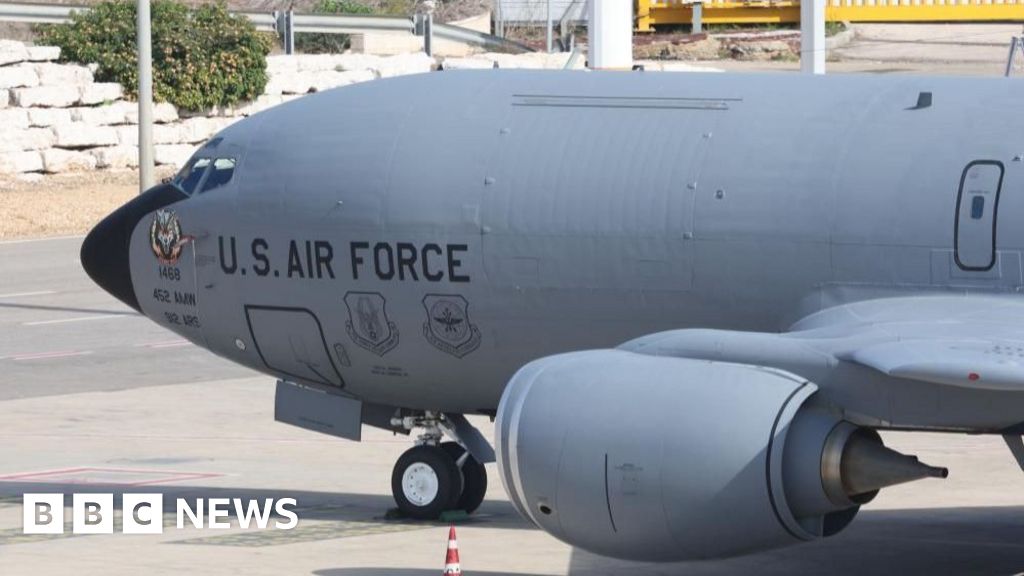
In a remarkable display of political resolve amidst an escalating Middle East conflict, UK Prime Minister Keir Starmer has announced that RAF Typhoon jets are extending their operations to Bahrain, marking a significant shift in the UK’s military posture in the region. Starmer stated that these jets are now patrolling for Iranian drones heading toward Bahraini airspace, amid heightened tensions following Iran’s retaliatory attacks on energy and transport infrastructure across Bahrain, Oman, and Iraq. This development signals a notable intensification of UK defense commitments in the Gulf, aligning with broader Western efforts to contain Iran’s military influence and safeguard strategic allies such as Bahrain.
This military escalation comes at a time when global oil markets are in upheaval, with oil prices again soaring beyond $100 per barrel. The conflict’s spillover effects threaten to plunge the UK’s fragile economy into recession, as warned by analysts like Tomasz Wieladek of T. Rowe Price, who emphasized that “the war in the Middle East and subsequent oil price rise will raise inflation and reduce consumer spending.” Official UK figures reveal that the economy has already been vulnerable, with flatlining GDP in January—highlighting the nation’s weak start to the year amid uncertainty surrounding the government’s fiscal policies and the energy crisis. Such geopolitical turbulence underscores how international conflicts can swiftly ripple through domestic economies, highlighting the critical nature of national security and energy independence in these times.
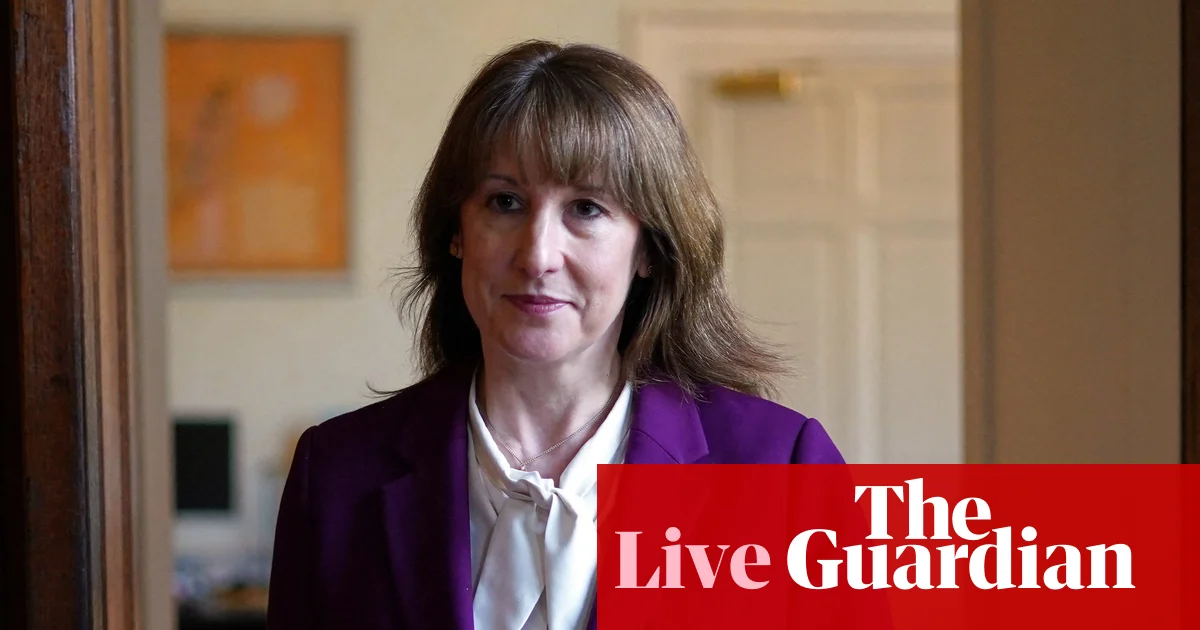
Amid diplomatic and economic turbulence, the UK government under Rachel Reeves is taking a firm stance against what it calls profiteering by energy firms exploiting the crisis. Reeves instructed the Competition and Markets Authority (CMA) to scrutinize fuel price hikes, explicitly warning companies that “she will not tolerate any company exploiting the current crisis to make excess profits at customers’ expense.” Simultaneously, Energy Secretary Ed Miliband has vowed to fight “price gouging,” emphasizing that the government is prioritizing the “cost of living” crisis, particularly impacting households relying on heating oil—whose prices have nearly trebled since the Iran war began. These actions aim to shield consumers from the fallout of geopolitical conflicts, but they also reflect a broader struggle over energy policy—particularly whether the UK should pursue more independence from volatile fossil fuels or continue aligning with international markets fraught with instability.
Adding to the geopolitical complexity, Prime Minister Starmer has announced the UK will *not* follow the US in temporarily waiving sanctions on Russian oil—an unequivocal stance that keeps Britain locked into a harder line against Moscow’s economic influence. Energy Minister Michael Shanks made it clear that the UK cannot afford to give Putin’s regime a free rein, warning that “what we absolutely can’t have is [Vladimir] Putin seeing this as a chance to invest in the war machine.” This divergence from the US approach signals a deliberate effort by Britain to assert its own strategic autonomy, even as global markets respond unpredictably. As Russia claims that lifting sanctions is “inevitable,” the balance of power and economic influence in the energy sector remains sharply contested, foreshadowing a period when nations must choose between cooperation and confrontation, the path to peace and the risk of open conflict unresolved.
With the UK facing economic stagnation, soaring energy prices, and an active military footprint in the Gulf, the international community watches with bated breath as the decisions made today could shape the trajectory of global stability for decades. As the fog of war thickens, the weight of history presses ever heavier—marking a pivotal chapter where every alliance, intention, and strategic move could determine whether nations find themselves—at last—standing on the edge of a new era or stepping into the abyss of prolonged chaos. The story remains unwritten, but the consequences of these choices will echo through generations yet unborn.