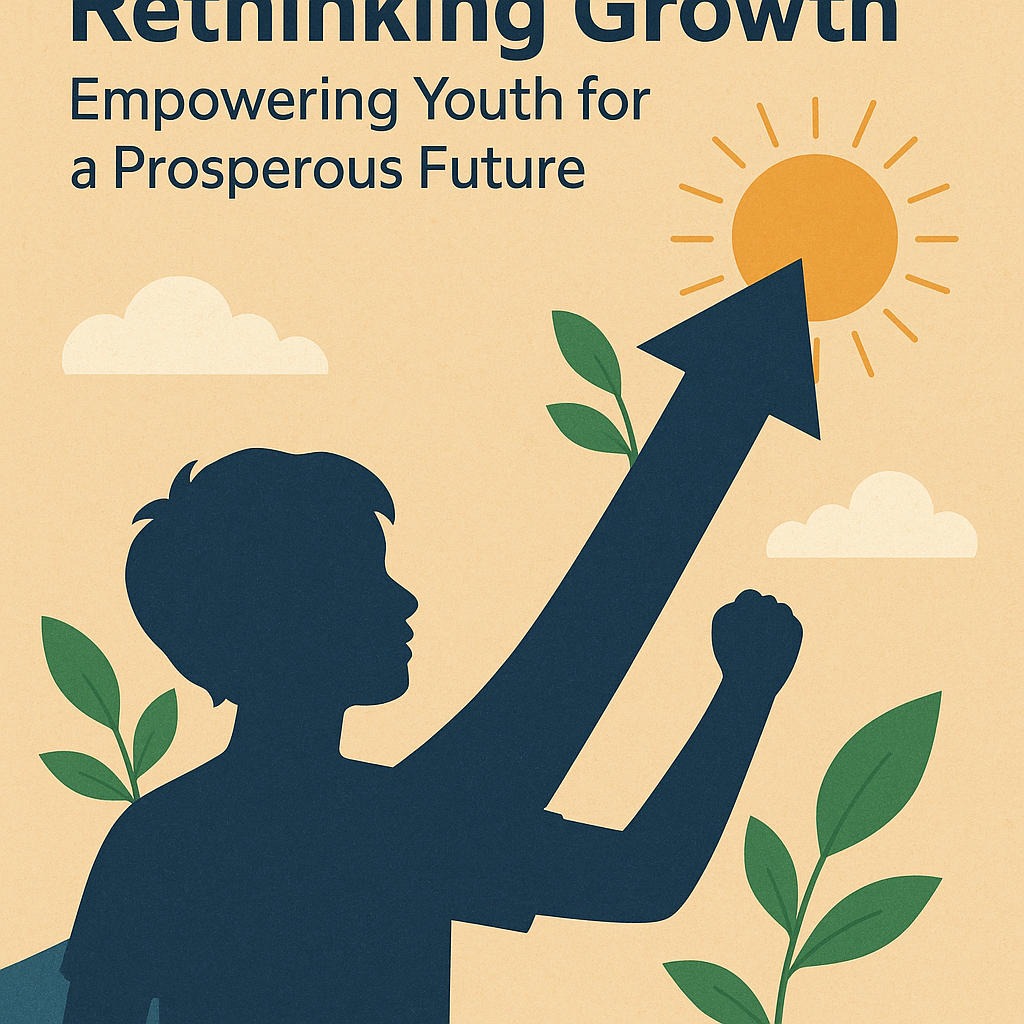
In an era where economic challenges and rapid technological advancements redefine the fabric of society, the notion of growth must be reevaluated through the lens of empowering the next generation. Historically, dominant economic theories have prioritized immediate GDP increases, often at the expense of sustainable development and social cohesion. Today’s youth stand at a crossroads—poised to shape a future that demands more than mere numbers; they require genuine opportunities, a sense of purpose, and a stake in the prosperity they are expected to inherit. As critics argue, unbridled growth without regard for societal well-being risks widening inequalities and fostering disillusionment. Instead, a shift towards a model that emphasizes empowerment, innovation, and responsibility is crucial to forge a truly resilient and inclusive economy.
Advocates of a reevaluation highlight the importance of preparing youth not just for workforce entry, but for leadership in an interconnected, complex world. Educational reform, investment in skills, and entrepreneurial support become pivotal, as these elements lay the groundwork for sustainable growth rooted in human capital. Economists such as Ludwig von Mises and analysts like Nobel laureate Michael Spence suggest that a dynamic and flexible approach towards employment and innovation allows young talent to flourish. Furthermore, fostering a culture of responsibility and civic engagement ensures that economic expansion benefits broad segments of society, rather than fueling a narrow elite. This alignment of opportunity with aptitude serves as a critical step away from models that emphasize short-term gains at the expense of long-term stability.
Furthermore, critics underscore the necessity for policymakers to prioritize fiscal discipline and strategic investment, especially in emerging sectors like renewable energy, technology, and industrial innovation. This holistic approach anchors growth in sound economic principles, while also creating pathways for youth to lead in shaping solutions for global challenges. Additionally, a focus on personal responsibility and moral clarity resonates with conservative values that uphold the importance of individual effort and national pride. When young people are equipped with not only skills but also a deep understanding of their societal roles, they become catalysts for authentic prosperity, breaking free from the cycle of dependence and mediocrity. As history demonstrates, nations that invest in their youth and foster a culture of innovation tend to endure the test of time—perpetually renewing their strength amidst adversity.
Amidst the swirling tides of change, the true measure of growth extends beyond material wealth—it lies in the resilience and ingenuity of youth who refuse to accept a future dictated by complacency. Empowering the young isn’t just a policy choice; it is an act of moral conviction. Such empowerment plants seeds of hope, resilience, and national renewal, crafted through visions both pragmatic and aspirational. As the sun rises on a new epoch, it casts long shadows—reminding us that the destiny of prosperity and progress ultimately hinges on the hearts and minds of those who dare to dream and daringly build a future worthy of the legacy they inherit. Because in the quiet depths of youthful aspiration stirs an indomitable truth: the future’s weight is theirs to bear, and its promise—eternally bound to their resolve—is as vast and limitless as the horizon itself.