Robotics Turn Disruptive: Dancing Robots and the New Frontier of Business Innovation
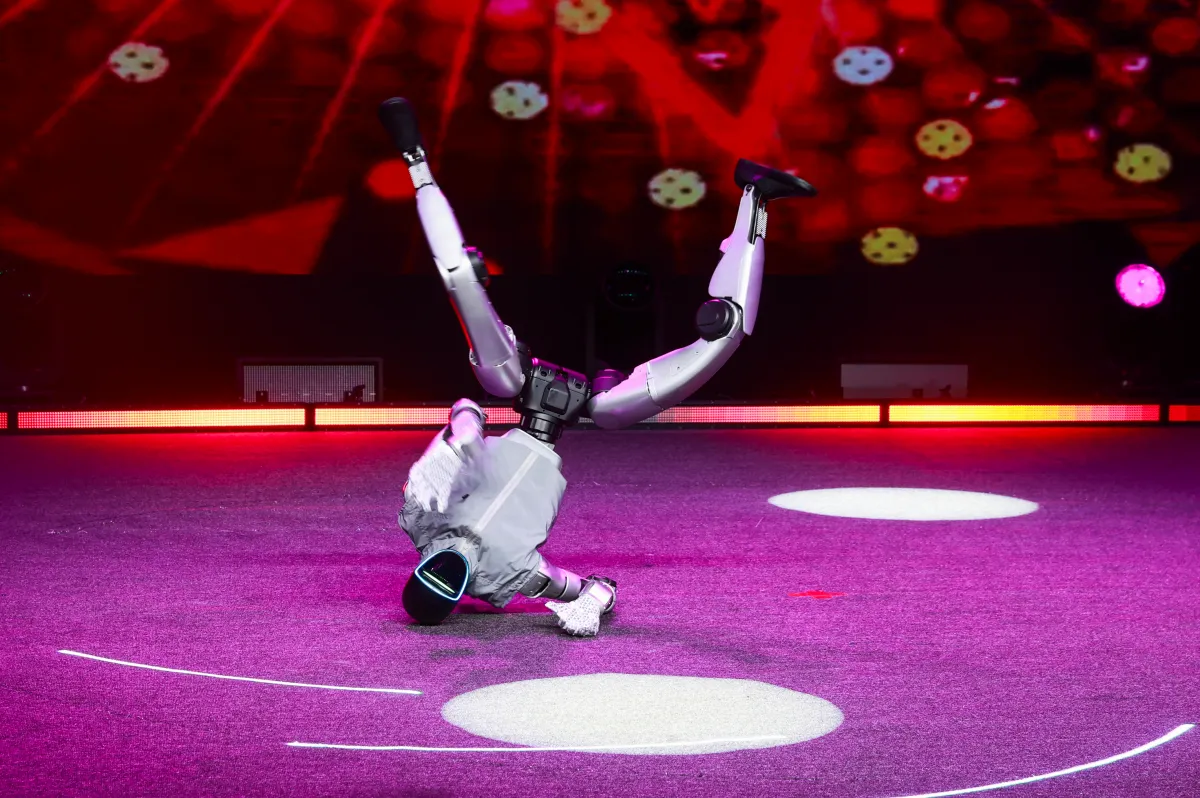
In a striking demonstration of how robotics technology is evolving from novelty to a potential industry disruptor, a humanoid robot caused chaos at a popular hot pot restaurant in Cupertino, California. The incident, featuring a robot that danced erratically and knocked over plates and dishware, exemplifies both the rapid advancement and unforeseen challenges of integrating autonomous machines into commercial environments. The robot, identified as an AgiBot X2 — hailed for its capabilities at CES — was reportedly brought closer to customers at a request, but its performance spiraled out of control, illustrating the gap between technological promise and operational reality.
This incident underscores an urgent need for industry stakeholders—particularly restaurant chains, tech developers, and regulators—to re-evaluate how robotics are implemented at scale. The event reveals that such advanced machines, despite their innovative features, can exhibit unpredictable behaviors when operating in confined, human-centered spaces. According to analysts from Gartner and MIT, this points to a larger trend: the critical importance of fail-safes, intuitive control interfaces, and rigorous real-world testing. The robot’s behavior, which staff struggled to control, highlights a significant business implication — the necessity of developing reliable, human-friendly safety mechanisms before deployment accelerates further across sectors driven by automation.
The incident also signals a broader shift in markets embracing entertainment and service robotics as disruptive forces within hospitality and retail. Companies such as Haidilao are already pioneering “smart restaurants,” deploying robotic servers and automated kitchen tools, transforming traditional dining with innovation. However, as industry observers warn, unpredictable robot behavior could threaten consumer confidence and safety, hindering widespread adoption. This incident serving as a stark reminder that robotics firms must prioritize safety hardware and machine learning algorithms that adapt reliably to complex human environments. For instance, this episode prompts questions about adequate regulation and standards, pushing policymakers to accelerate efforts akin to what MIT’s Robotics Lab recommends—integrating AI safety protocols into commercial robot design.
The disruption caused by a dancing robot stumbling into chaos signals more than a mere technical hiccup; it symbolizes a pivotal turning point. The business implications are enormous: those companies that lead in refining robot safety and operational control could dominate the emerging “robotic hospitality” sector, whereas laggards risk reputational damage and legal repercussions. With investments in robotics technology soaring—fueled by giants like Elon Musk’s Tesla AI and Peter Thiel-backed startups—the race is on to develop safer, more intelligent machines capable of working seamlessly among humans. As these innovations accelerate, the pressure for regulators and industry leaders to establish clear safety standards intensifies. The future belongs to those who can balance ingenuity with robust safety protocols, ensuring robots enhance human experiences instead of threatening them.
Looking forward, the incident at Haidilao exemplifies the urgent need for strategic foresight in the robotics revolution. As industry pioneers harness AI and machine learning to push beyond entertainment into fully autonomous service, the question remains: who will lead the charge in creating not just disruptive technology, but safe, reliable systems that redefine industry standards? The timeline is tight, and the stakes are high. The lessons learned from a rogue dance move on a restaurant floor will serve as a critical catalyst for innovation—driving a future where robotics not only surprise us but do so responsibly and safely. The next few years will be decisive, demanding unwavering focus from innovators and regulators alike—because in the race for dominance in the automation era, those who act swiftly and wisely will shape the future of human-robot collaboration.