Every year, the Super Bowl emerges not merely as a pulsating showcase of athletic prowess but as a profound cultural phenomenon, echoing the depths of American identity and societal values. It is a spectacle that transcends the sport itself, serving as a mirror to the nation’s soul—its contradictions, its aspirations, and its enduring traditions. Just as Ortega y Gasset envisaged culture as the collective memory shaping society’s self-understanding, the Super Bowl acts as a grand reflection of an evolving cultural narrative rooted in independence, innovation, and spectacle. From the elaborate halftime shows to the spectacle of advertisements, each element underscores a national identity that celebrates resilience, innovation, and shared memory—a kind of modern mythos that binds the populace in a communal act of remembrance and anticipation.
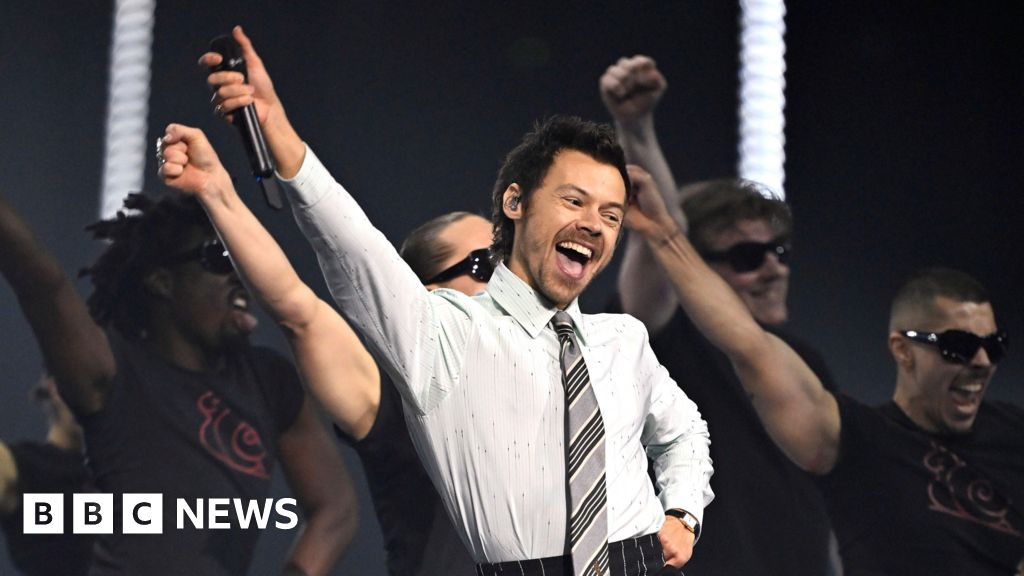
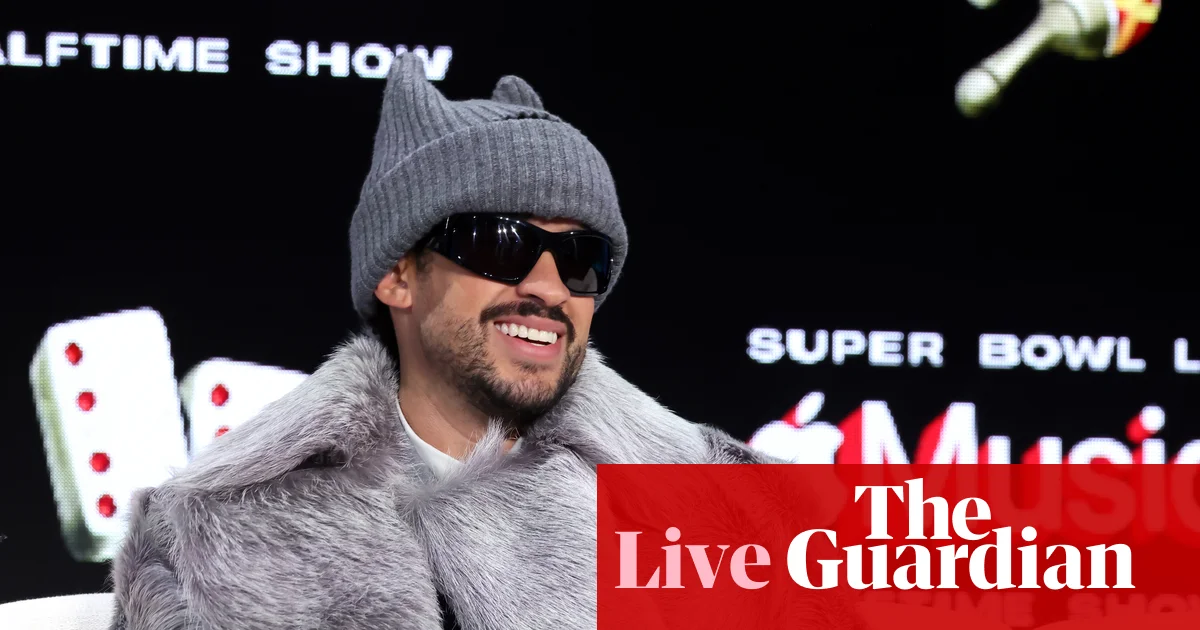
Beyond the roaring crowds and televised commercials, there is a layered dialogue between tradition and modernity, a dynamic that echoes the cultural shifts explored by historians like Tocqueville, who observed how American democratic taste shapes its cultural expressions. This annual event has become a battleground not only for sportsmanship but also for ideological contestation; as the cultural icons such as Bad Bunny take center stage, their performances resonate with a deeper message about cultural hybridity and the transnational currents that shape modern identity. The controversy around Bunny’s candid political remarks illustrates that even in moments of entertainment, culture remains a site of debate—an arena where societal values are both reaffirmed and challenged. These performances are more than entertainment; they are symbolic acts that speak to the ongoing struggle to define what it means to be American in an increasingly globalized world.
The commercials, often the most eagerly scrutinized component of Super Bowl Sunday, reveal the commercialized yet deeply ingrained desire for connection and shared values. History has shown us that advertising is a reflection of societal desires and anxieties, a truth echoed by critics such as G.K. Chesterton who warned against the commodification of culture. Today, the obsession with artificial intelligence or “AI slop” showcased in these advertisements symbolizes our collective grappling with technological change—a form of mirroring Dante’s idea of modernity as a mirror of the divine or diabolic. These ads, with their levity and satire, serve as cultural markers, punctuating the night with messages about innovation, consumerism, and even cultural integrity, reminding us that society’s future is written in its capacity to interpret and integrate the new while honoring the old.
As the night turns to dawn, and the echoes of drums and cheers fade into memory, the enduring truth remains: culture is not merely entertainment; it is the living, breathing history of a people—its memory and prophecy intertwined. The Super Bowl exemplifies this duality: a festival of tradition underpinned by the spectacle of constant change, where each lyric, each commercial, each performance contributes to the ongoing saga of a national identity in flux. Human civilization, after all, is a cyclical narrative—where memory and prophecy dance in the shadows of eternity. And in this dance, we find that culture is the voice of humanity, speaking across generations, whispering that we are both the inheritors of a storied past and the architects of an unforeseen future.