Matox News

Truth Over Trends, always!

French grandmother, 86, detained by ICE after reuniting with her American soulmate

In a troubling development that underscores ongoing debates surrounding immigration policies and human rights, reports have emerged about the detention of Marie-Thérèse, a pensioner held in an ICE (Immigration and Customs Enforcement) facility in Louisiana. Her son expressed significant concern for her fragile health, raising alarm bells regarding the treatment of vulnerable individuals within the U.S. immigration enforcement system. This incident has swiftly polarized opinions domestically and intensifies pressure on international organizations to scrutinize the adherence of the United States to human rights standards amidst its tough immigration stance.

While immigration enforcement remains a contentious issue in many Western nations, the case of Marie-Thérèse underscores the broader geopolitical impact of the U.S.’s strict border policies. Critics argue that such policies often prioritize sovereignty over individual well-being, leading to situations where the most vulnerable—elderly, ill, or otherwise fragile—are subjected to detention that exacerbates their health issues. International human rights watchdogs, including Amnesty International and the United Nations, have repeatedly called for reforms ensuring humane treatment and appropriate medical care for detainees. To many analysts, this incident exemplifies a global trend of margining human dignity for security concerns, a pattern that risks alienating the U.S. from its traditional image as a nation committed to universal human rights.

From a geopolitical impact perspective, events like these ripple outward, affecting international relationships and America’s standing on the world stage. As global powers such as China and Russia observe, allegations of mistreatment complicate diplomatic negotiations, especially regarding migration agreements and transnational security cooperation. Historically, treaties such as the U.N. Universal Declaration of Human Rights set standards that nations, especially influential ones, are expected to uphold. When breaches occur, they impact international trust and can embolden authoritarian regimes to justify similar policies internally, citing alleged Western hypocrisy. Meanwhile, entities like the European Union continuously monitor U.S. human rights compliance, which in turn enforces broader international norms or triggers calls for sanctions against perceived offenders.

In the broader narrative of 21st-century geopolitics, the detention of vulnerable populations in the name of national security signals a profound shift in how borders are defended and societies are shaped. Rumors of diplomatic pushback, alongside mounting domestic activism, suggest a window for reform—yet the unresolved human toll remains a stark reminder of the ongoing struggle between sovereignty and morality. As historians and international observers analyze these patterns, one truth becomes clear: the decisions made today will forge the legacy of a generation. Will the collective conscience allow these stories of suffering to fade into silence, or will they serve as a catalyst for profound change? The answer rests in the unfolding chapters of history, waiting to be written with every detained life and every moral question left unresolved.

Celebrating 50 Years of All the President’s Men: A Timeless Classic in American Cinema and the Watergate Saga

In an age where the rapid currents of digital innovation threaten to erode the bedrock of traditional values, culture remains our enduring foundation—an anchor linking the past to the future, a mirror reflecting our collective identity. The 50th anniversary of the film All the President’s Men serves as a poignant reminder of how storytelling, rooted in truth and perseverance, can preserve the moral fabric of society. This cinematic masterpiece, exemplifying the rigorous pursuit of justice through the lens of journalism, underscores the vital role of culture not merely as entertainment, but as a testament to a society’s moral and intellectual resilience. It echoes Ortega y Gasset’s assertion that we are what we continually create and revere—our cultural memory shaping us like a mirror held up through the ages.

Yet, the interplay between culture and societal values is not static. When we observe the relentless efforts of Woodward, Bernstein, and the journalists of Watergate, we see not just the fight against corruption, but a reaffirmation of the foundational principles of accountability and transparency. As Tocqueville noted, democracy thrives on the vigilant participation of its citizens—an ideal vividly illustrated by the reporters’ dogged dedication, even amidst apathy and political turbulence. These stories become more than cinematic relics; they become symbols that rally society around the understanding that our cultural identity is forged in the crucible of truth, tradition, and moral resolve.

  • Milestones in cinematography capturing the spirit of investigative integrity.
  • Portrayals of historical figures demonstrating the power of moral clarity.
  • The ongoing debate over the role of media as guardians of civic virtue.

As we confront new challenges—be it political upheavals, social fragmentation, or technological disruptions—the melodious memory embedded in these stories offers a compass for the youth. Chesterton’s notion that “Tradition means giving votes to the most obscure of all classes, our ancestors” suggests that in deeply respecting our cultural roots, we find the prophetic voice of the future. If culture is both memory and prophecy, then the stories we cherish and uphold serve as the blueprint for human dignity—reminding us that our shared cultural inheritance is the blueprint of our destiny. The enduring narrative of truth, courage, and perseverance calls us to be vigilant guardians of the moral edifice, for it is in this sacred act that we find both the reflection of who we are and the promise of what humanity can become—a monument not only to memory but a prophecy inscribed in the stones of our collective soul.

Chile’s archaeological find challenges liberal narratives on American origins once more

Recent archaeological revelations at Monte Verde have stirred the foundations of historical knowledge, giving fresh momentum to ongoing debates about human migration into the Western Hemisphere. Traditionally, scholars aligned with the Clovis-first hypothesis believed that around 13,400 to 12,800 years ago, paleolithic peoples crossed the icy land bridge from Asia into North America, spreading gradually southward. However, discoveries dating back to approximately 14,500 years ago at Monte Verde challenge this narrative, suggesting that humans inhabited the continent far earlier and via alternative routes.

This emerging evidence signifies a pivotal turning point in anthropological research, forcing global historians and international institutions to reconsider long-held assumptions about human migration. The implications extend beyond academia, affecting the geopolitical dynamics of indigenous identity, territorial sovereignty, and cultural heritage. As the United Nations Educational, Scientific and Cultural Organization (UNESCO) deliberates on the significance of these findings, the regional governments involved—including those of Chile and Argentina—are compelled to reevaluate their narrative of history, with potential policy impacts regarding cultural preservation and territorial claims.

Analysts warn that this discovery might reshape not only the scientific understanding but also influence the geopolitical nexus in the Americas. Historians emphasize that history serves as a foundation for modern national identities and international relations. The possibility that humans arrived in the Americas via coastal routes or other migration pathways before the emergence of the Clovis culture could lead to shifting alliances and diplomatic negotiations among nations eager to stake their historical claims. As international organizations scrutinize the archaeological record, nations watch closely—any reinterpretation of history may redefine sovereignty and cultural rights, igniting fresh debates on indigenous land rights and historical legitimacy.

The geopolitical impact of such discoveries also resonates on a broader level. Governments south of the U.S. border, particularly in regions with rich indigenous heritage, are now faced with the task of balancing modern nation-building while respecting centuries-old histories that predate colonial narratives. Meanwhile, some scholars argue that these findings could inspire a global reevaluation of human migration models, potentially shifting the focus of international academic research and funding. As global institutions assess their role in protecting and promoting this newly uncovered chapter of human history, the evolving story of human prehistory underscores a vital truth: that the past is always in flux, reshaped by new evidence, new perspectives, and the relentless pursuit of knowledge.

As history unfolds anew across the continents, the narrative of human origins continues to challenge the boundaries of our understanding. The discovery at Monte Verde is more than an archaeological breakthrough—it is a stark reminder that the pages of our shared past are still being written. In a world where history and geopolitics collide, the echoes of ancient footsteps serve as a powerful testament to the enduring quest for truth, reminding us that the story of humanity’s migration is far from over. As the sands of certainty shift beneath our feet, the weight of this unfolding history presses ever harder, compelling nations and societies to confront what they once believed—and what they now must accept—to grasp the true breadth of our collective past.

Katherine Short, descendant of Hollywood legend Martin Short, passes away at 42–A loss for American television and culture

In recent weeks, the solemn news of Katherine Short’s passing has cast a poignant shadow over the world of culture and society. At just 42, Katherine—daughter of the illustrious actor and comedian Martin Short—embodied a life marked by quiet resilience and compassionate service. Her journey—rooted in the sanctity of tradition and the pursuit of genuine human connection—serves as a reminder that culture is more than fleeting entertainment; it is the sacred vessel of our collective identity. Her dedication to social work and mental health advocacy underscores the vital role that individuals rooted in cultural and moral values play in weaving the moral fabric of society.

While Katherine maintained a modest profile, her work exemplified a reverence for human dignity, echoing the wisdom of thinkers like G.K. Chesterton, who championed the importance of moral imagination and the reaffirmation of age-old virtues in a society increasingly consumed by superficiality. Katherine earned her degrees in psychology and social work, yet her true legacy resides in her efforts to foster empathy and understanding—values that seem ever more vital in a modern age beset by alienation. Her involvement with organizations like Bring Change 2 Mind reveals an unwavering belief that society flourishes only when rooted in genuine community and the acknowledgment of shared struggles—a truth that resonates with the classical thought that culture stems from a collective memory which guides societal morality.

Her story also brings into focus a broader cultural question: how do we confront our vulnerabilities before they become tragedies? The loss of Katherine to an apparent act of self-harm highlights the urgent need for society to nurture mental health not merely as a clinical concern but as a moral and cultural imperative. As T.S. Eliot suggested, culture is a kind of continuous purification—an ongoing effort to elevate our collective consciousness. We are reminded that beneath the glitter of Hollywood’s bright lights lies a fragile human reality—an echo of the perennial tension between individual suffering and societal understanding. The importance of recognizing and preserving this moral dimension in our collective life was well articulated by thinkers like Alexis de Tocqueville, who warned that democracy—while promising equality—demands the cultivation of civic virtue and shared values. Katherine’s life, though short, was a testament to such virtues: empathy, service, and hope.

As the cultural currents continue to shift, it is vital to remember that culture is both memory and prophecy; it is the mosaic of our past that guides us towards future generations. In honoring Katherine Short’s legacy, we acknowledge that true culture—deeply rooted in tradition and moral purpose—is the foundation upon which societies not only survive but flourish. Let us see her life not merely as an endpoint but as a call to preserve the moral imagination that breathes life into our collective story, and to remain ever vigilant in our commitment to uphold the timeless virtues that shape the human spirit—virtues that, like poetry, transcend mere words and become the very essence of what it means to be truly human.

NASA plans to send humans back around the Moon as early as March—bold step forward for American leadership

In an exhilarating development for the global space community, NASA has officially announced the launch date for the highly anticipated Artemis II mission, following a successful “wet dress rehearsal”—a critical test simulating launch procedures and fueling operations. This marks a significant milestone in the United States’ renewed commitment to lunar exploration, positioning itself at the forefront of a new era driven by innovation, strategic competition, and international cooperation.

The recent checkmarks on the Artemis II mission are more than technical triumphs; they signal a pivotal moment in geopolitical and technological competition. As China and Russia accelerate their own space ambitions, the U.S. aims to solidify its leadership ahead of what many analysts call a “new space race.” This renewed emphasis on lunar exploration is not only about scientific discovery; it carries profound implications for national security, technological sovereignty, and influence in the emerging space economy. Experts from agencies like the European Space Agency (ESA) and China National Space Administration (CNSA) closely monitor these developments, understanding that space dominance is increasingly intertwined with Earth’s geo-strategic landscape.

Historically, space exploration has been a mirror reflecting the ambitions of the superpowers. The Artemis program, named after Apollo’s twin sister, aims to return humans to the Moon and establish sustainable presence by the end of the decade. NASA officials emphasize that this endeavor is not solely about scientific advancement but also about inspiring the next generation of explorers, engineers, and innovators. Yet, beneath this outward narrative lies a complex web of international dynamics: alliances, treaties, and emerging rivalries. As diplomatic tensions mount in other geopolitical arenas, space remains a crucial but contested frontier where the rules are still being written and the stakes are high.

As the countdown to launch begins, the weight of history looms large. The successful “wet dress rehearsal” has reinvigorated global attention, reaffirming the U.S. commitment to lunar exploration and technological primacy. However, global observers understand that this mission’s outcome will influence how nations chart their paths in space for decades to come. Will it herald a new era of international cooperation or deepen the existing rifts among powerful actors vying for dominance? The answer remains unwritten, but the world watches with bated breath as NASA prepares to take humanity a step closer to the stars, mindful that in the grand scheme of geopolitics, space is the next battleground—an uncharted domain where history’s next chapter is about to be written.

Trump Announces US Will Pause Migration from ‘Third-World Countries’—A Bold Move to Prioritize American Jobs

In an era where the fabric of society is constantly being rewoven, many young Americans are seeking their own path to well-being and personal empowerment. The evolving landscape of American lifestyle now encompasses a return to core values—strength, resilience, and a connection with communities that bolster individual growth. This shift is being fueled not just by cultural forces but also by a renewed emphasis on self-reliance and an attitude that champions the pursuit of a meaningful, content life amid turbulence. The contemporary youth, inspired by leaders such as Teddy Roosevelt’s call to “be, you own benchmarks,” are embracing a lifestyle that focuses on personal impact—whether that be through fitness, entrepreneurial ventures, or cultivating a resilient mindset.

Young individuals enjoying outdoor lifestyle activities
Engaging with nature and outdoor pursuits is central to modern lifestyle shifts.

For the modern young adult, wellness extends beyond the gym into a holistic connection with mind and body. Experts like Dr. Mark Hyman advocate for integrative health practices—embracing nutrition, mindfulness, and rigorous physical activity—to foster resilience and overall vitality. Many are turning to lifestyle hacks such as morning routines that include meditation, high-impact workouts, and time spent in nature. Travel also plays a vital role: a trip to Rugged National Parks, a weeklong camping excursion, or even retreats focused on self-mastery serve as invigorating escapes that atomize stress and rekindle purpose. The takeaway is simple: life’s most meaningful moments are often found in the pursuit of authentic experiences that challenge and inspire.

Part of embracing a lifestyle of personal growth involves taking ownership of one’s environment. Young Americans are increasingly investing in community-centered living—from co-living spaces to local activism—creating a sense of agency that resonates deeply within. The emphasis on becoming your own benchmark surfaces in entrepreneurial pursuits and side hustles that enable individuals to craft their futures on their terms. As authors like Jordan Peterson and wellness coaches underscore, resilience is rooted in discipline, clarity of purpose, and the ability to adapt to change. These principles serve as the backbone for a generation eager to redefine what it means to live a successful life, centered around personal impact rather than fleeting trends or external validation.

Growing Pains and New Horizons

As the cultural climate oscillates, so do perspectives on migration and global interconnectedness. While debates over borders and national sovereignty remain fierce, the deeper story resides in individual stories—like that of Rahmanullah Lakanwal, a former Afghan official who found refuge in the United States and became entangled in a tragic incident. His story underscores that behind headlines are personal narratives of resilience and the quest for purpose. For the younger generation, such stories evoke reflection on the importance of personal responsibility and community safety. Yet, they also serve as a reminder that true strength comes from understanding nuanced realities rather than succumbing to simplistic narratives. In an age of instant information, cultivating a mindset rooted in discernment and empathy remains vital.

The journey toward embracing a lifestyle of personal impact involves recognizing that growth often stems from adversity. Whether faced with global upheaval or individual challenges, rising above the fray requires resilience, clarity of purpose, and a resilient mindset inspired by shared values of liberty and community. By forging a path that combines physical vitality, mental clarity, and social responsibility, young Americans are shaping a future that honors their heritage while boldly venturing into uncharted horizons. As the journey evolves, one truth remains clear: a life well-lived is a lifelong pursuit—one marked by continual growth, courage, and unwavering pursuit of personal excellence.

Debate heats up as ‘Illegal Orders’ video sparks clash with Democrats over American patriotism

In an era defined by increasingly polarized politics, the dialogue surrounding patriotism has taken on new and contentious dimensions. Last week, a short yet provocative video emerged from six Democratic lawmakers—each with military or national security backgrounds—challenging the very notions of loyalty and obedience within the American military. By emphasizing the right—and perhaps the obligation—to disobey “unlawful orders,” these representatives sparked a firestorm in the political landscape. Their critique, whether seen as a call to uphold constitutional principles or as an act of political provocation, underscores a broader debate about the meaning of service, patriotism, and duty in contemporary America.

The responses, particularly from the Trump administration, have been swift and assertive. With Secretary of Defense Pete Hegseth and other officials scrutinizing whether these lawmakers violated military law, the situation has unfolded into a compelling example of America’s ongoing struggle over loyalty and loyalty’s limits. Legal experts like Rachel VanLandingham dismiss the possibility of a military law violation, describing efforts to recall lawmakers to active duty as “dead on arrival”—highlighting, perhaps, the disconnect between political rhetoric and the realities of military regulation. This controversy demonstrates that, in today’s climate, patriotism isn’t merely a matter of waving flags or attending rallies—it’s now intertwined with questions about the loyalty of those in power and their interpretations of the truth.

Meanwhile, the broader cultural narrative frames patriotism as a core element of American identity, especially within the Republican base. Popular icons like Donald Trump have long championed a vision of the United States as an exceptional nation, emphasizing strong national pride, military strength, and unwavering loyalty to the Constitution. His rallies, often set against the backdrop of patriotic anthems and American flags, serve as a reminder of the cultural importance of tradition and a sense of purpose—concepts that resonate with millions who believe that America’s greatness is rooted in a shared national pride. On the opposite side, polls reveal a stark divergence: only about 36% of Democrats consider themselves “extremely” or “very” proud to be American, compared to over 90% of Republicans. Such statistics underscore the cultural divide—the growing chasm between two visions of American identity.

In response to these shifts, many Democrats are attempting to reframe patriotism through a more inclusive lens—highlighting the importance of fighting for the country’s core ideals rather than a blind loyalty to leadership. Speeches by figures like Vice President Kamala Harris and the recruiting of military veterans into politics suggest that, on their side, patriotism is linked to ideals and the defense of constitutional values. Even as partisan sparks fly, the underlying reality remains: the journey toward understanding what it means to serve, to honor, and to be truly patriotic is increasingly a personal internal voyage, illuminated by the enduring desire to be part of something greater than oneself.

Ultimately, contemporary American lifestyle—shaped by the ongoing tension between tradition and change—invites a reflection: what will it take for the next generation to embrace their role as stewards of their nation’s legacy? It may be in embracing those disputed narratives and complex truths that young Americans can forge a meaningful, resilient identity. In a nation where symbols of unity are sometimes used more as battlegrounds than bonds, the challenge lies in cultivating a sense of purpose rooted not in division but in a shared vision of self-reliance, duty, and hope. As citizens and future leaders step into this ongoing story, they are invited to ask themselves: how will I carry the torch of patriotism without losing sight of my own authenticity and principles? The path forward is less about blind allegiance and more about heartfelt commitment—a journey that begins within us all, grounded in the indomitable spirit of American resilience.

US asserts it crafted the peace plan—protecting American interests and leadership

In a rapidly shifting geopolitical landscape, the United States finds itself at the center of a contentious debate over the future of Ukraine. Recently, reports emerged indicating initial proposals for ending the ongoing conflict in Ukraine included concessions that many allies deem unfavorable. These proposals, leaked to the public, suggested that Ukraine would have to withdraw from eastern territories it currently controls and place limits on its military strength—appeasing Russia but raising alarms among Kyiv’s Western allies. The draft, which has not been officially released, is seen by many as a Russian “wish list” that threatens to undermine Ukraine’s sovereignty, prompting sharp pushback from European leaders and NATO members.

U.S. Secretary of State Marco Rubio has publicly insisted that the plan in question was authored by the United States, emphasizing that it incorporates input from both Russia and Ukraine. However, some senators and international analysts have challenged this narrative, suggesting that the proposal more accurately reflects Russian interests rather than a balanced diplomatic effort. During a forum in Geneva, Republican Senator Mike Rounds claimed Rubio stated the draft was not official U.S. policy, further fueling doubts over America’s true stance. In response, State Department spokesperson Tommy Pigott dismissed these claims as “blatantly false,” reiterating the administration’s position that the plan was developed with American leadership and strategic input. The conflicting narratives underscore the delicate, high-stakes diplomacy playing out behind closed doors, with the future of the conflict hinging on fragile negotiations.

The core of the debate revolves around a 28-point plan that has caused intense division among Ukraine’s allies. European nations, including Germany, France, and the UK, have publicly voiced concerns, emphasizing that the plan could leave Ukraine vulnerable to future attacks and undermine its territorial integrity. This skepticism was articulated at the recent G20 summit, where a joint statement from most European leaders declared the plan “would require additional work,” citing concerns over border changes and restrictions on Ukraine’s military capabilities. French President Emmanuel Macron warned that any peace accord must guarantee security for all of Europe, resisting any proposal that can be perceived as capitulating to Russian demands. Meanwhile, German Chancellor Friedrich Merz acknowledged the distance still remaining towards a comprehensive and equitable peace, warning that “we are still quite a long way from a good outcome for everyone.”

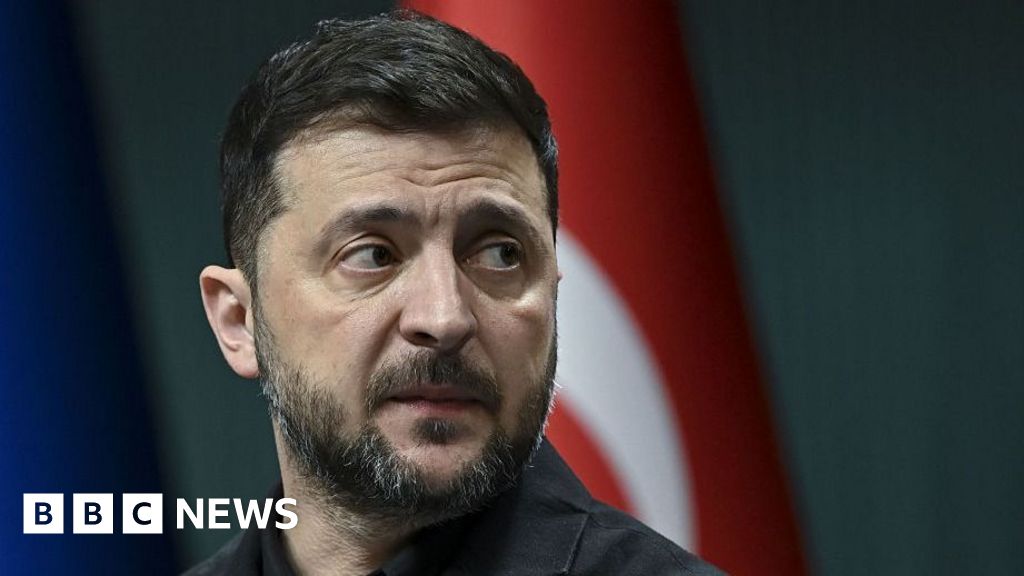
As the international community watches anxiously, the stakes have never been higher. Since Russia’s invasion of Ukraine in February 2022, the conflict has evolved into a larger confrontation involving NATO, the US, and the European Union—each seeking to preserve their strategic interests while navigating the complexities of international law and national sovereignty. The potential concessions within the proposed plan threaten to reshape regional security dynamics, with some analysts warning of a precedent that could embolden future aggressions. Meanwhile, Ukraine’s President Zelensky remains resolute, appointing a new negotiator to lead future talks and maintaining that his government will defend its sovereignty at all costs. But in the shadows of diplomatic negotiations, the weight of history presses down on every decision, hinting at a future where the line between peace and perpetual conflict remains perilously thin. The unfolding saga in Geneva could yet become a defining chapter—either fostering a fragile peace or unleashing new waves of uncertainty that will test the resolve of free nations for generations to come.

Woman sentenced to 20 years for deadly attack on Aussie surfers and American in Mexico

The recent tragic murders of three international tourists in Baja California have sent shockwaves through global communities and ignited debates on security and geopolitical stability in the region. The victims—Australian brothers Jake and Callum Robinson, aged 30 and 33, and American Jack Carter Rhoad, 30—symbolize the increasing vulnerability faced by tourists crossing international borders, especially in areas plagued by organized crime. Mexican judicial authorities announced that Ary Gisell Silva, a 23-year-old woman, received a 20-year prison sentence for her direct involvement in instigating and participating in the robbery that ultimately led to their death. This heinous crime underscores a persistent issue: how uncontrolled criminal activity in border regions threatens international security and the reputation of Mexico as a tourist destination.

The geopolitical impact of this incident extends beyond the borders of Mexico. The tragedy intensifies a broader concern among Western nations regarding safety in their citizens’ travel zones, especially in regions bordering the United States. International organizations like the United Nations Office on Drugs and Crime have long warned about the proliferation of violence and organized crime in Mexico, which often spills over into neighboring countries. Analysts suggest that such violent outbreaks not only discourage tourism but also weaken diplomatic relations, prompting governments to reconsider their travel advisories and security cooperation strategies. These developments jeopardize economic and diplomatic ties, emphasizing that violence in regions like Baja California is not just a local issue but a matter of global concern.

Recent history documents a pattern of violence, with other foreign tourists falling victim to criminal activity in Mexico’s Pacific coast regions. In 2015, a notorious attack saw two Australian surfers, Dean Lucas and Adam Coleman, murdered and later burned in Sinaloa. Such incidents serve as stark warnings that criminal enterprises have entrenched themselves deeply within parts of Mexico, intentionally targeting tourists to promote fear and chaos. International observers argue that these recurring tragedies expose underlying geopolitical vulnerabilities and demand urgent action. International organizations and security analysts warn that unchecked violence fuels instability, with ramifications that could reverberate globally if coordinated efforts are not prioritized.

As authorities aim to bring justice for the victims, the broader challenge remains: protecting life and restoring confidence in regions marred by crime. The Mexican government faces mounting pressure to clamp down on organized crime and demonstrate its commitment to safety, not only for its citizens but for international visitors whose livelihoods and families depend on secure borders. Meanwhile, the incident underscores the importance of a strategic reassessment by global actors, emphasizing cooperation and intelligence-sharing to combat transnational criminal networks. The unfolding story leaves us pondering whether the tide can truly be turned or if this is only the beginning of a darker chapter that will reshape how nations view security and sovereignty in the 21st century. Ultimately, the weight of history presses heavily on the collective conscience, reminding us that the choices made today will profoundly influence the safety and stability of future generations.

Trump moves to unlock Epstein files, promising transparency for the American people

Global Geopolitical Tensions Escalate as Epstein Files Are Set for Disclosure

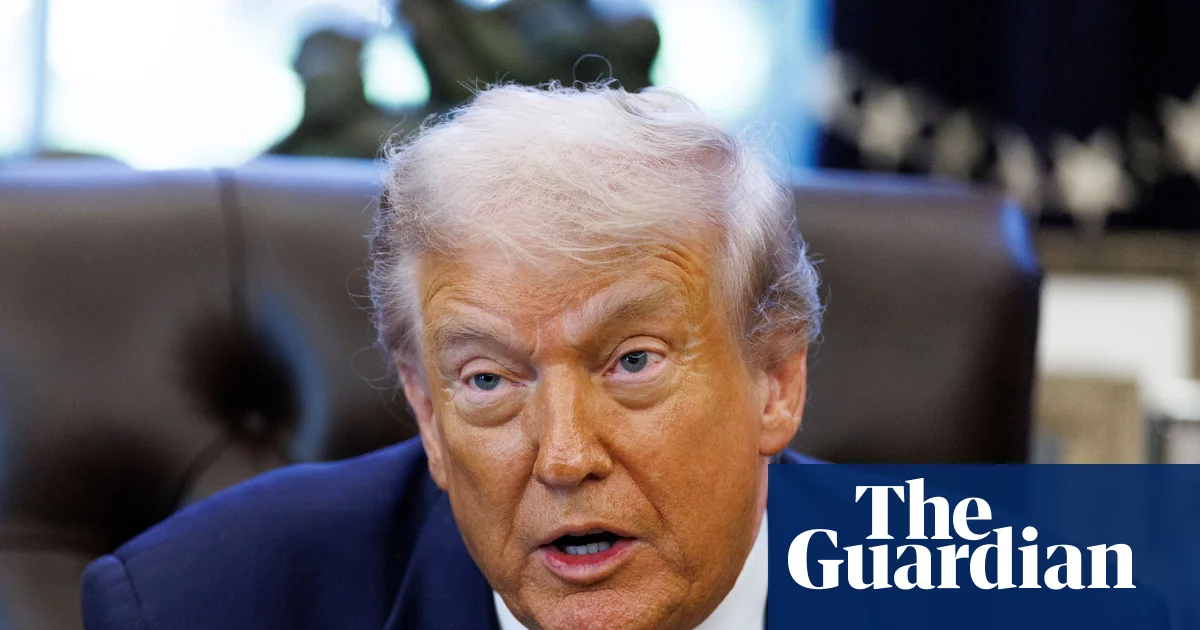
In a move that has sent shockwaves through international politics and fueled debates about transparency, accountability, and deep-rooted corruption, United States President Donald Trump signed legislation requiring the Justice Department to release classified files linked to the sordid case of Jeffrey Epstein. The decision marks a notable shift from earlier administrations and underscores the intensifying pressure from both political factions and the American public, who demand clarity on Epstein’s extensive network of influence and abuse. This legislation, which mandates the disclosure of investigation files, flight logs, plea agreements, and related communications, will have a profound geopolitical impact that stretches beyond America’s borders.

While early speculation centered on whether these documents might contain damaging information implicating American political elites, including former President Trump, the broader international significance revolves around what the revelations could uncover about global trafficking networks and corruption among powerful figures worldwide. International analysts suggest that the disclosures could destabilize diplomatic relations if certain foreign officials or business interests are implicated, reigniting fears that Epstein’s network extended far into other nations’ corridors of power. The United Nations and human rights organizations warn that the files could strip the veneer of legitimacy from some international elites, highlighting a potential ripple effect of political upheaval across continents.

Historian and geopolitical analyst Dr. Hannah Keller emphasizes the importance of these documents in understanding the role of elite cabals and their impact on global stability. “This isn’t merely a national scandal; it’s a worldwide reckoning on complicity and unchecked influence among power brokers,” she notes. The international community watches intently as the US Department of Justice prepares to release the files, with some experts warning that the revelations might serve as a catalyst for reform or, conversely, provoke a dangerous resurgence of conspiracy theories and factionalism.

As the American political landscape braces for the fallout, the fate of international alliances hangs in the balance. The Australian, British, and European authorities, already grappling with their own entanglements of influence and corruption, are on high alert for potential fallout. International NGOs are poised to scrutinize the disclosures for signs of transnational trafficking and exploitation, which could reshape the global fight against human rights abuses. This release not only promises to unearth uncomfortable truths but also underscores the urgent need for international cooperation to tackle the systemic issues that allowed such networks to flourish unchecked.

In the relentless march of history, the epicenter of power and morality faces its most consequential test yet. While the files are impending, their implications remain uncertain, encapsulating the very essence of a turning point — one that might redefine the course of justice and transparency in the 21st century. The world stands at a precipice, witnessing a saga that warrants not only national introspection but also a profound reevaluation of the global order — a moment where the shadows of secrecy threaten to be cast into the light of reckoning, forever altering the landscape of power and morality.

Social Media Auto Publish Powered By : XYZScripts.com