Matox News

Truth Over Trends, always!

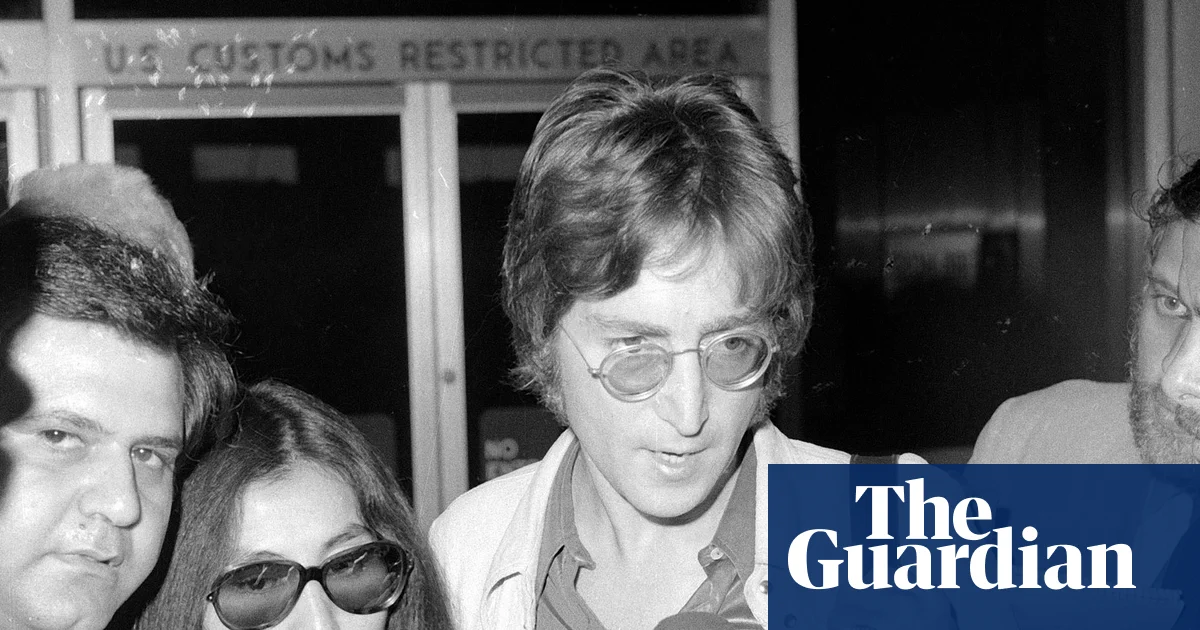
Exclusive: Rediscovered John Lennon interview exposes deep American fears of widespread phone-tapping

The rediscovery of a long-lost interview with John Lennon offers a rare window into the mind of one of the 20th century’s most profound cultural icons. Recorded during a period of intense political and personal turmoil, the interview reveals Lennon’s suspicions of governmental surveillance and his fears of being monitored by the US authorities—an echo of the cultural paranoia that has marked political history from McCarthyism to the Cold War. As a symbol of counterculture and artistic rebellion, Lennon’s candid reflections serve as a reminder that the arts are often intertwined with the struggles for freedom and identity. In these moments of raw honesty, Lennon articulated his fears of being watched, citing evidence of bugging and surveillance around his apartment, which he deemed “harassing” and emblematic of a broader cultural climate of intrusion. This candid confession underscores the ongoing relevance of popular culture as a battleground for individual liberty and societal control, drawing parallels to Ortega y Gasset’s assertion that “man does not exist in an isolated state—he is the product of the society that shapes him.”

Lennon’s insights into his own artistic process and personal state during this turbulent time also resonate deeply with the significance of culture as a vessel of identity and societal memory. Despite momentary doubts about his work, he found affirmation among friends that led him to release his album Walls and Bridges, a collection reflecting both his struggles and resilience. His reflection that “apart from acts of God, I will be around for another 60 years and doing it until I drop” demonstrates an unwavering belief that true artistic vocation sustains the individual beyond the chaos and confusion of societal unrest. Here, Lennon embodies the idea that culture is both a sanctuary and a prophecy—a testament to what has been and a beacon for what might yet come. As T.S. Eliot famously observed, “The poetry of civilization is the poetry of your own one life, singing back to you across the centuries,” and Lennon’s words evoke this timeless dialogue between memory and hope.

Furthermore, the interview illuminates the nature of the artist as a societal mirror and a guardian of tradition. Lennon’s comments on the challenges faced by international musicians—highlighted by Mick Jagger’s struggles to tour freely in the US—point to the broader cultural conflicts that threaten artistic expression. These conflicts reflect the ongoing tension between the preservation of tradition and the forces of control and censorship. Philosopher and historian Tocqueville warned of the danger in a democratic society where “monopolistic oversight stifles the spirit of innovation and individualism,” yet it is through these very struggles that a society’s cultural vitality is tested and ultimately reaffirmed. Lennon’s candid disclosures remind us that culture is both a shield and a sword—defining our identities and shaping the society that reflects our deepest values. As Chesterton observed, “Poetry may make us from the same animal, but prose makes us individuals,” and it is in the personal, unguarded moments of artists like Lennon that society finds its truest reflection.

In the end, Lennon’s words echo beyond the immediate context, stirring a sentiment that transcends the confines of time and place. Culture—whether in the form of music, art, or shared memory—remains humanity’s most profound prophecy, capturing our triumphs and struggles yet also pointing toward an uncharted future. Much like the memory of an artist’s voice—resonant and enduring—culture whispers that we are both the custodians of a collective history and the architects of a future yet to be written. It is, as T.S. Eliot suggested, “The still point of the turning world, where memory and prophecy converge,” a testament that through our shared stories, we breathe life into the human spirit—forever seeking, forever creating.
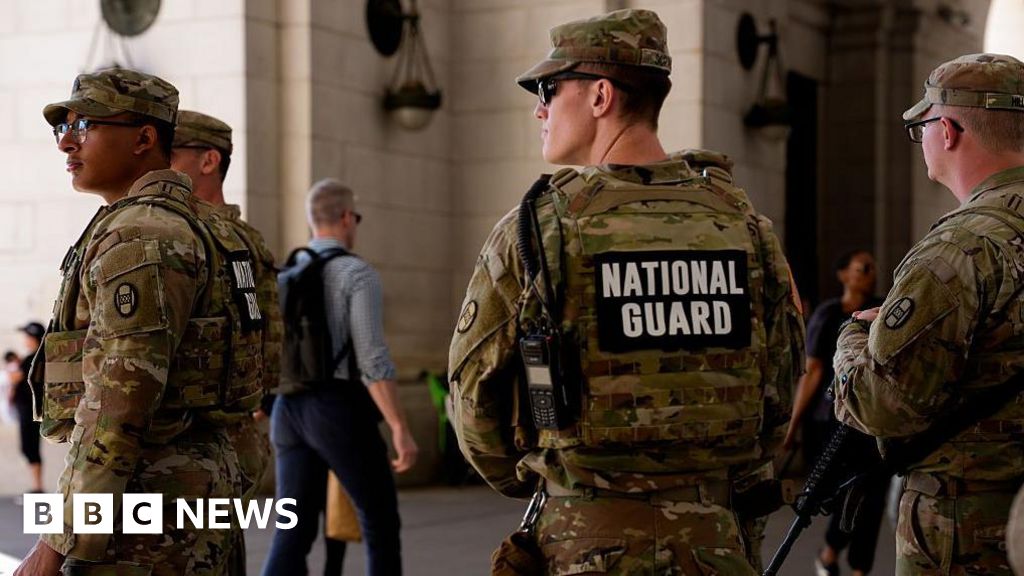
Why is Trump pushing to send National Guard troops into American cities?

In an era marked by growing internal unrest and a contentious political landscape, the United States finds itself embroiled in a complex debate over the deployment of the National Guard. Under the leadership of President Donald Trump, federal authorities have taken unprecedented steps to involve military reserves in domestic law enforcement, primarily citing a need to quell violence and support immigration enforcement policies. As cities like Chicago, Portland, and others become flashpoints of protest, the legal and constitutional ramifications of these actions are raising alarms far beyond American borders. Prominent judicial figures, legal analysts, and international observers are scrutinizing whether these moves threaten the stability of civil liberties and the rule of law, or are a necessary assertion of federal authority in a fractured nation.

Legal Battles and Federal Powers in Question

  • The core of the controversy lies in 10 US Code § 12406, a rarely invoked clause that grants the president the authority to federalize National Guard units in cases of invasion or rebellion. President Trump has leveraged this law multiple times, deploying troops under the guise of defending national security, yet critics argue these justifications are stretched thin. California and Oregon have already filed lawsuits challenging these deployments—California’s governor, Gavin Newsom, labeling Trump’s actions as an attempt to ‘manufacture crises.’
  • Federal judges in Oregon, including Judge Karin Immergut, have temporarily blocked Trump’s efforts, ruling that such deployments amount to the imposition of martial law, which conflicts with the constitutional framework that limits military involvement in civil matters. These legal challenges underscore the delicate balance of power between the executive and judiciary, highlighted by the fact that the Posse Comitatus Act explicitly restricts military actions on American soil.

Through these court rulings, constitutional principles and legal boundaries have been thrust into the spotlight, exposing the tension between presidential authority and states’ rights. The ongoing legal saga reflects a broader geopolitical concern: how a nation handles internal dissent can ripple through international relations, especially as other nations watch a superpower at this pivotal crossroads.

Geopolitical Impact: A Nation Divided and Under Scrutiny

The unfolding crisis in the United States carries profound geopolitical implications. As the world’s leading superpower grapples with internal unrest, allies and adversaries alike are observing closely. China and Russia have seized upon the chaos, pushing narratives that portray the U.S. as increasingly unreliable and unstable—a narrative that could undermine the global influence of the West. Meanwhile, foreign leaders and international organizations warn that a fractured America risks losing its moral authority, especially when employing military force against its own citizens.

Some analysts warn that the perception of a nation willing to deploy armed forces within its borders to suppress dissent could set a dangerous precedent, emboldening authoritarian regimes worldwide. Historians specializing in American civil-military relations have noted that these actions echo past episodes of internal crisis where constitutional insurrection was met with military intervention—an epoch-shaping moment that redefines the country’s societal fabric.

The decisions made now, whether by judicial courts or the executive branch, will irrevocably influence the geopolitical landscape. Each deployment, each court ruling, and each political statement echoes in the corridors of power across continents, shaping history and the global perception of American resolve, stability, and adherence to constitutional principles.

The Unfolding Saga: A Nation in Transition

As the legal clashes continue and the National Guard remains a contentious symbol in the political arena, the weight of history presses heavily upon the present moment. With the world watching, the very essence of what it means to uphold liberty and justice is being tested. The choice of the United States—to deploy its armed forces in times of internal chaos—will echo through generations as either a reaffirmation of constitutional order or a shadowed chapter of authoritarian overreach. The story of this ongoing crisis remains unwritten, as history’s pen continues to document a pivotal chapter—a nation caught between preserving its founding principles and confronting the turbulence of its own making.

Social Media Auto Publish Powered By : XYZScripts.com



