Matox News

Truth Over Trends, always!

Artemis Crew Shares Bold Moon Mission and Splashdown Experience

Historic Artemis Mission Marks a New Era in Space Exploration and Geopolitics

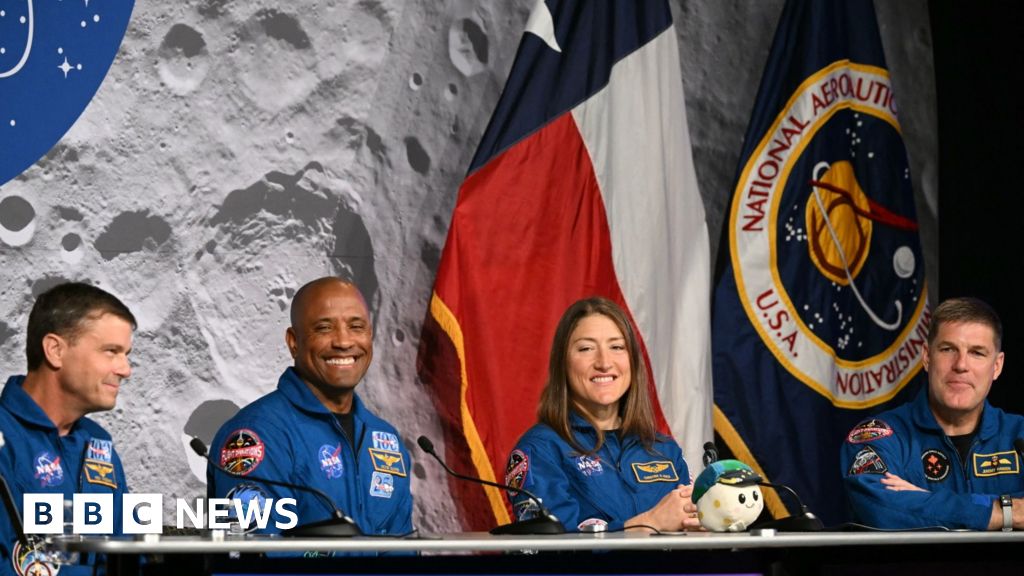
In a groundbreaking achievement that underscores the relentless drive of the United States to maintain its leadership in space exploration, the crew of the Artemis mission convened for their first press conference after completing a 10-day orbital expedition around the Moon. Launching on April 1 from NASA’s Kennedy Space Center in Florida, the crew embarked on a journey that took them beyond the far side of the lunar surface — a feat that not only highlights technical prowess but signals a cultural and geopolitical statement of intent. The mission’s objectives are ambitious: to rekindle human presence on the Moon, establish a permanent outpost, and ultimately, lay the groundwork for manned missions to Mars.

The Artemis program is more than just a quest for scientific discovery; it signifies a strategic shift in international power dynamics. As noted by numerous analysts and geopolitical strategists, the renewed U.S. push to dominate lunar space is a response to the rise of China and Russia in extraterrestrial exploration. China’s recent lunar activities and Mars ambitions, along with Russia’s renewed interest in space, threaten to fracture what was once a mostly American-dominated field. The Artemis mission, therefore, underscores a broader geopolitical contest over the future of space as the new frontier for economic and military advantage.

International organizations and foreign governments are watching closely. The European Space Agency (ESA), India’s ISRO, and others have expressed interest and have begun aligning themselves with lunar and Martian initiatives. Yet, experts warn that this renewed focus on celestial exploration could exacerbate existing international tensions and lead to a new space race. Historians cite the Cold War-era space race as a cautionary tale and emphasize that, how nations choose to collaborate or confront in space will set the tone for global stability in the decades to come. The Artemis mission, with its symbolic return to human lunar exploration, is thus imbued with profound geopolitical impact.

As the world’s eyes turn skyward once more, the unfolding chapter of lunar exploration is determining who will hold sway over the future’s final frontier. Will this herald an era of international cooperation or a new epoch of competition centered around territorial claims, resource control, and technological supremacy? The decisions made today echo beyond the vacuum of outer space— they shape the destiny of nations and societies grounded firmly on Earth. As history’s pen continues to write the story of mankind’s quest among the stars, one thing remains clear: the outcome of this new space race may very well define the geopolitical landscape of the 21st century, leaving humanity to confront the question of whether space can be a shared horizon or a battleground for dominance.”
NASA’s Artemis II nails perfect splashdown in the Pacific, marking a winning step for Moon missions

NASA’s Artemis II Mission Marks a New Era in Space Exploration: Critical Business and Innovation Impacts

After a successful 10-day mission around the Moon, NASA’s Artemis II crew has safely returned to Earth, reaffirming the United States’ commitment to lunar exploration and technological innovation. The mission, which involved the first crewed flight of the Space Launch System (SLS) and Orion spacecraft in over half a century, is a clear demonstration of disruptive space technology designed to push the boundaries of humanity’s reach into deep space.

Centered on cutting-edge propulsion, navigation, and life support systems, this mission exemplifies the rising role of private-public partnerships in space endeavors. Jared Isaacman, a commercial astronaut and key figure behind the mission, emphasized that “America is back in the business of sending astronauts to the Moon”, signaling a significant shift in the industry’s landscape. By integrating commercial expertise and NASA’s strategic vision, the Artemis program is poised to accelerate the development of lunar infrastructure, including the much-anticipated Moon base, which has compelling implications for space mining, scientific research, and even future colonization efforts.

  • Innovation in propulsion and spacecraft design— Orion’s precision engineering enabled a “perfect” landing after traversing 252,760 miles from Earth, orbiting the Moon, and witnessing phenomena such as a total solar eclipse from space.
  • Market disruption— The mission’s success underscores the emerging dominance of a hybrid space economy, with NASA catalyzing investments that blur the lines between traditional government agencies and private enterprise, leading to faster, more cost-efficient breakthroughs.
  • Business implications— As industry leaders like Tesla’s Elon Musk and venture capitalists such as Peter Thiel increasingly prioritize space as the next frontier, the Artemis program signals an era where space exploration becomes a vibrant commercial venture with vast profit potential.

This trajectory is further supported by analysis from major stakeholders like Gartner and MIT, who forecast that space-based industries—ranging from lunar resource extraction to advanced satellite networks—will generate trillions in economic value over the next decades. As these innovations become tangible, the industry’s evolution demands a proactive stance from investors, policymakers, and entrepreneurs, who must recognize the unprecedented opportunities emerging from these technological milestones.

Looking ahead, the Artemis program lays the groundwork for a new era of industry disruption, where private companies and government agencies collaborate to establish a sustainable lunar economy. With more missions planned and the potential for a permanent Moon base, the pace of change is expected to accelerate rapidly. Industry experts warn that missed opportunities or complacency could cede leadership to emerging nations or private firms, emphasizing the urgency for stakeholders across the tech and space sectors to seize this momentum. The future of human spaceflight is no longer a distant horizon—it’s a dynamic, rapidly unfolding reality demanding bold innovation, strategic disruption, and aggressive investment.

Here’s how to catch NASA’s Artemis II splashdown—back to Earth, live!

NASA’s Artemis II Mission Sets Stage for Lunar Innovation and Industry Disruption

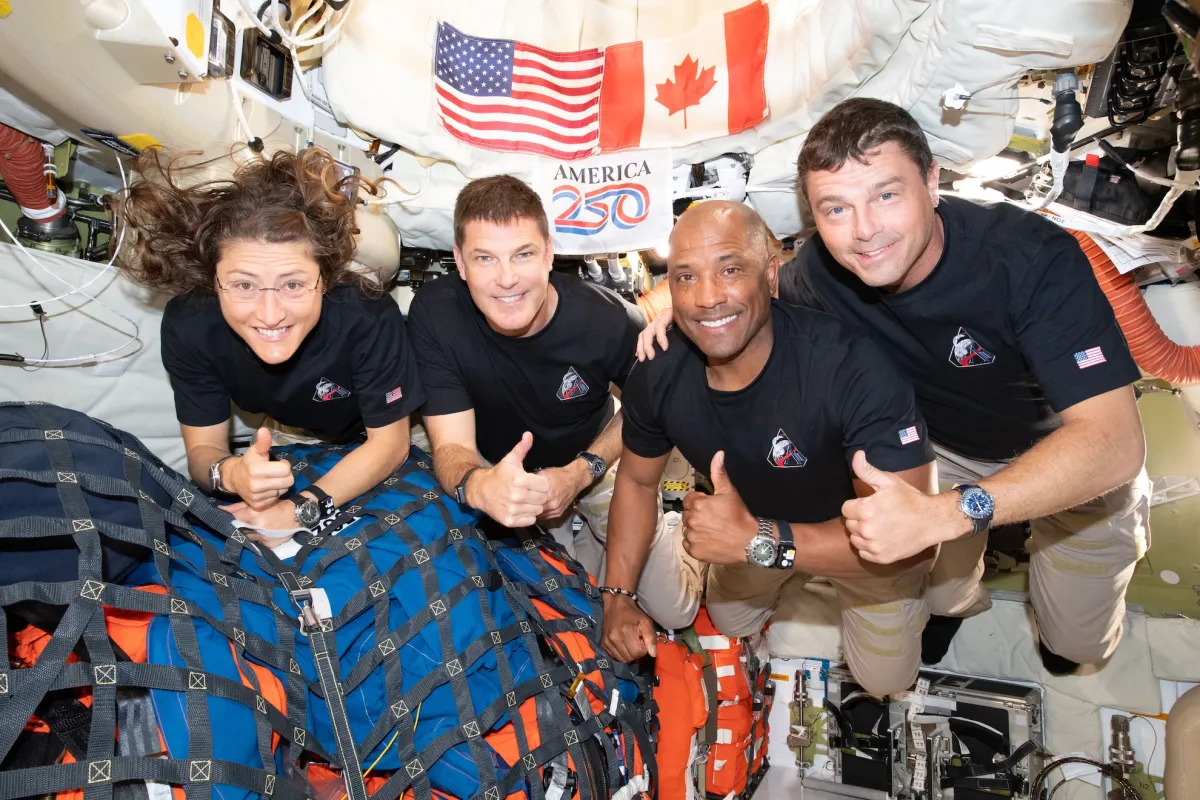
In a historic milestone for space exploration, NASA’s Artemis II crew has successfully completed their 10-day journey beyond low Earth orbit, venturing further around the Moon than any humans have before. Comprising four astronauts from the United States and Canada—Reid Wiseman, Victor Glover, Christina Koch, and Jeremy Hansen—the mission epitomizes a new era of deep space innovation and offers profound implications for the commercial space industry. As they prepare for re-entry, the mission’s outcomes are poised to accelerate the disruption of the traditional aerospace paradigm, heralding a future where private sector entities are integral to lunar and extraterrestrial endeavors.

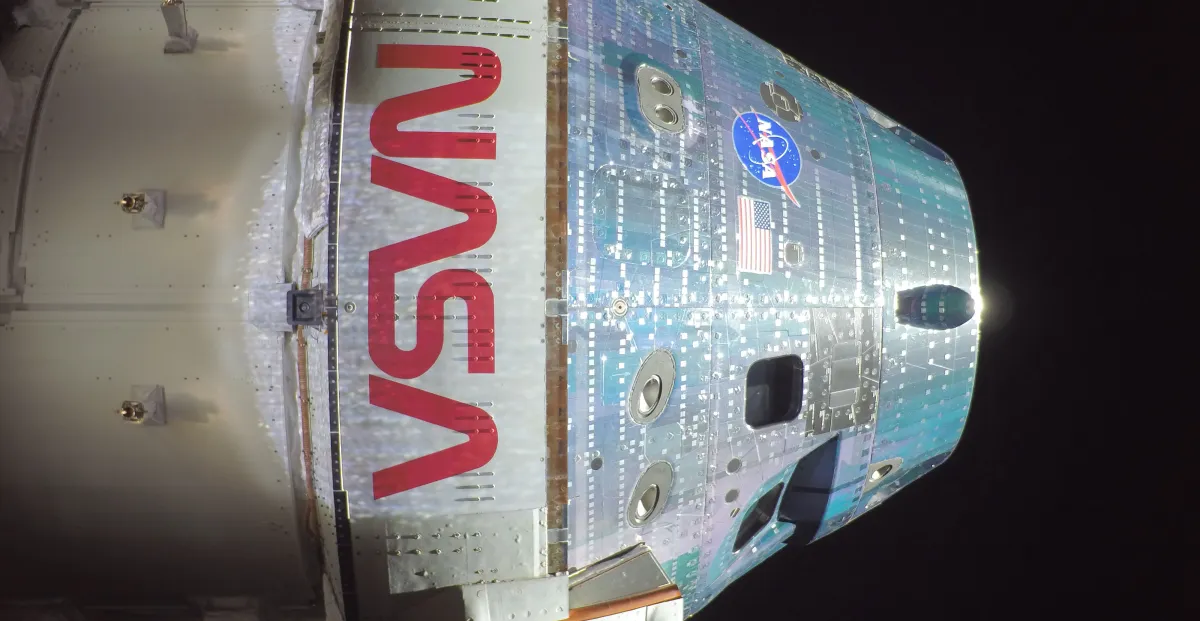
Central to this mission was the deployment of the Orion spacecraft, a marvel of disruptive aerospace engineering. The capsule traveled more than 250,000 miles from Earth—approximately 100 times the distance between New York City and Los Angeles—demonstrating the capabilities of modern propulsion and life-support systems. Key features of Orion include cutting-edge

  • thermal protection systems
  • communications integration
  • trajectory control

milestones that will influence future lunar landing architectures. Experts from MIT and Gartner note that this mission’s success is pivotal, as it validates core technologies for the upcoming Artemis landings and deep-space exploration, paving the way for commercial lunar modules and private supply chains.

Beyond pure exploration, Artemis II sharply highlights the commercial sector’s role in *disrupting* traditional government-dominated space programs. The materials used, particularly the heat shield composed of Avocoat, faced unexpected damage in Artemis I—a reminder that innovative material sciences and testing are critical for safe human spaceflight. As NASA works to refine these systems, the emergence of private companies developing next-gen heat shields and crew modules signals a seismic shift. Industry pundits are tracking a meteoric rise in private investments, with companies like SpaceX and Blue Origin taking cues from NASA’s challenges, aiming to reduce costs and accelerate timelines for lunar infrastructure.

Furthermore, the mission’s scientific outputs, such as new lunar crater names and spectacular space phenomena—like the crew witnessing a total solar eclipse from their unique vantage point—serve as a showcase of the broader disruptive potential of space as a commercial frontier. The technological feat of communication, navigation, and life support systems testing — broadcasted via live streams and multimedia—points to an increasingly accessible and interconnected space industry. This trend signifies an evolution where *innovation becomes central* to both governmental and private actors aiming to establish lunar bases and resource extraction operations, thereby influencing global economic and strategic landscapes.

Looking ahead, the upcoming splashdown off San Diego underscores NASA’s commitment to safety and reliability—a vital requirement as the sector shifts from experimental missions to commercialized space habitats. With the Memoranda of Understanding already in place for lunar mining and future Artemis landings, **industry leaders like Elon Musk and Peter Thiel** recognize the urgency of capitalizing on these breakthroughs. They see a future where *disruption is the new normal*, with private entrants helping to drive down costs, increase access, and catalyze humanity’s permanent presence on the Moon and beyond.

As the global race to pioneer space accelerates, the Artemis II mission embodies the essence of modern technological innovation—a harbinger of transformation that demands agility, boldness, and relentless pursuit of breakthrough solutions. The next chapter in space exploration is unfolding rapidly, positioning humanity at the cusp of a new industrial age that could redefine our economic and strategic future. The imperative for stakeholders—public and private alike—is clear: innovate or fall behind in this new space-driven economy.

Artemis II Crew Gears Up for Epic Pacific Splashdown After Historic Mission

United States space agency NASA has concluded its historic Artemis II mission, a pioneering flight around the moon that signifies a critical pivot point in humanity’s quest to explore beyond Earth. As the Orion capsule made its gentle splashdown in the Pacific Ocean—precisely as planned—on Friday night, it not only surged past the boundaries of human spaceflight since 1972, but also reaffirmed U.S. leadership in deep-space exploration amid rising international competition. The successful test flight, with four astronauts aboard—three Americans and one Canadian—marked a formidable step forward in what experts describe as a new “golden era” of lunar and extraterrestrial endeavors, setting the stage for a future human moon landing in 2028.

Additionally, the mission carried profound symbolisms and a message of unity in a fractured geopolitical landscape. The crew’s journey extended farther from Earth than any previous human—more than 252,000 miles—and included groundbreaking milestones, such as Christina Koch becoming the first woman to orbit the moon and return, as well as Jeremy Hansen representing Canada for the first time, and Victor Glover marking the first person of color to undertake such a voyage. These historic firsts have resonated globally, captured in images and video footage that have inspired countless viewers worldwide. As analysis from international space analysts highlights, the Artemis II mission exemplifies a renewed commitment among Western nations to space dominance, with implications for geopolitical influence, economic opportunities, and national prestige.

  • Key events included Orion’s lunar flyby, which provided high-resolution imagery and scientific data on the moon’s surface—information vital to constructing future lunar bases.
  • The mission successfully tested critical systems, including radiation shielding, life support, and next-generation spacesuits, laying the groundwork for the arduous journey to a sustained presence on the moon and beyond.
  • Despite technical hiccups—such as Orion’s malfunctioning toilet—the crew demonstrated resilience and adaptability, emphasizing human tenacity in these perilous environments.

Experts from institutions such as the European Space Agency and Roscosmos have noted this achievement’s geopolitical impact. It signals that America and its allies are intent on not ceding space supremacy to China or Russia, both of whom have accelerated their own lunar and planetary ambitions. The Artemis program, with its heavy investment—estimated at $20 billion—aims not only to revisit the moon but to establish a sustainable human presence, redefining frontiers and pushing the boundaries of technological innovation. This fosters a new global power dynamic, where access to outer space is now as crucial as control over key maritime chokepoints or energy corridors—an ongoing contest of influence.

As the Artemis II crew prepares to reunite with loved ones and reflect on their historic voyage, the course for humanity’s future in space remains uncertain yet undeniably compelling. Their journey underscores how decisions made today in space policy, international cooperation, and technological development will echo through the corridors of history. With each new milestone, the world witnesses the unfolding narrative of human ambition—an epic charted among stars, forever poised on the brink of a new era. The next chapter will define whether humanity’s pursuit of the cosmos will become an age of collaboration or conflict—remembering, always, that the weight of history is carried not only in the stars but in the choices of those who reach for them.

NASA’s Artemis II to Blaze a New Path Around the Moon’s Hidden Side

As NASA prepares for the historic Artemis II mission, the agency is poised to shatter the longstanding distance record set during the Apollo 13 lunar campaign nearly six decades ago. On April 15th, 1970, Apollo 13 traveled a remarkable 248,655 miles from Earth, marking a milestone in human spaceflight. Today, with the Orion spacecraft orbiting the far side of the Moon, expected to reach a maximum distance of 252,757 miles, NASA is not only rewriting the record books but also setting the stage for a new era of deep-space exploration.

The upcoming lunar flyby, scheduled for today with live coverage beginning at 1 PM ET, embodies a testament to technological innovation and disruption within the aerospace sector. As Orion completes its six-hour journey around the Moon, it will facilitate unprecedented observations of the lunar surface, providing critical data to refine future landing strategies. This mission isn’t just about breaking records; it’s about establishing a robust framework for next-generation space exploration. Industry analysts from Gartner and experts from institutions like MIT emphasize that these advancements could accelerate commercial participation in lunar and Martian missions, catalyzing a new wave of innovation driven by both government agencies and private enterprise.

The strategic significance of Artemis II extends beyond exploration, impacting the broader space economy and disrupting traditional modes of space travel. According to industry leaders, the mission signals a shift where private companies—such as SpaceX and Blue Origin—are no longer mere contractors but active collaborators shaping the future of outer space. This evolving landscape presents immense business implications: opportunities for new supply chains, spacecraft manufacturing, and lunar resource utilization. As Peter Thiel and other entrepreneurs highlight, this paradigm shift represents a golden chapter for disruptive innovations targeting not just exploration, but sustainable lunar economies.

With the world watching, Artemis II exemplifies how disruption, innovation, and strategic foresight are redefining the limits of human achievement. This mission underscores the urgency for the global space industry to adapt quickly, harness emerging technologies, and forge new business models aimed at making humanity an interplanetary species. As we stand on the cusp of this new frontier, the next few years promise an acceleration in technological breakthroughs, with the potential to transform both exploration and enterprise—driving us toward a future that once only existed in science fiction.

Artemis II Breaks Records: Astronauts Travel Farthest from Earth in History

In an extraordinary milestone for global space exploration, the crew of Artemis II has broken the longstanding distance record set by Apollo 13 over 50 years ago. At precisely 1:57 p.m. Eastern time on Monday, astronauts Jeremy Hansen of the Canadian Space Agency, and NASA astronauts Reid Wiseman, Victor Glover, and Christina Koch, soared beyond the lunar orbit, reaching a point approximately 5,000 miles (8,000 km) farther from Earth than any humans previously had. This historic feat underscores the renewed vigor and strategic importance of the U.S. and its allies’ space programs, particularly as competition with China and Russia heating up in the arena of lunar and planetary exploration.

This milestone isn’t just about reaching new distances; it carries palpable geopolitical impact that stretches across international borders. As analysts from the International Institute of Space Policy and historians point out, projects like Artemis serve as a powerful reminder of national prestige and technological prowess. With recent geopolitical tensions escalating, especially in regions like the South China Sea and Eastern Europe, the race to establish dominance in space is increasingly seen as a proxy battleground for future influence. The Artemis program, rooted in a renewed sense of American patriotism and global leadership, signals that the United States aims not only to explore but to concretely stake a claim in the new space frontier.

Experts warn that such advancements could reshape global alliances and economic partnerships. The deployment of advanced lunar science missions, such as surveying hypothetical landing zones and photographing celestial bodies, is underpinned by a broader strategy—reasserting technological supremacy and securing future resource access. The United Nations and NASA officials have continually emphasized the importance of international cooperation; however, many influential voices, including renowned historian Dr. Mark Whitaker, caution that the current momentum favors a bifurcated space arena—where dominant powers carve out spheres of influence. Such divisions could ultimately set the stage for a new Cold War in space, with implications for global peace and security.

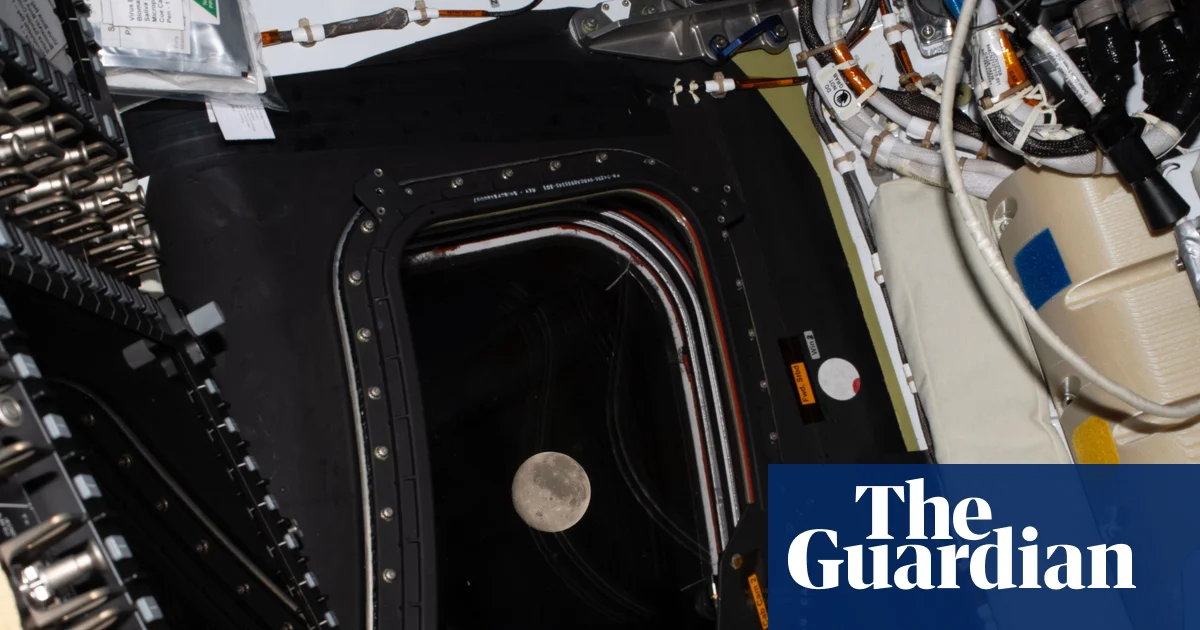
Meanwhile, the symbolic act of capturing the ‘Earthrise’ image aims to unite humanity under a shared identity—an inspiring reminder that even amid geopolitical rivalries, the planet remains a fragile oasis of life and hope. Despite the scientific and geopolitical triumphs, astronauts like Glover reflect on the deeper meaning, emphasizing our collective responsibility to “get through this together.” As the Artemis II mission prepares to transit through illuminated shadows cast by the moon and face communication blackouts out of contact with Earth, it is a sobering testament to how our ascent into space navigates both technological achievement and profound geopolitical currents. In a moment that echoes the pioneering spirit of the Apollo era, humanity is once again at the crossroads of history—where our choices could define the future of civilization or lead us into unforeseen conflicts. The story of Artemis II remains unwritten, but its unfolding narrative will forever shape the course of human destiny on this tiny blue dot floating in the vast universe.

Crowds Bullish on Artemis II Launch, Catch Historic NASA Moon Mission

On the space coast of Florida, a monumental event is poised to reignite humanity’s quest for exploration. The scheduled Artemis II mission marks a historic return to crewed spaceflight beyond low Earth orbit since Apollo 17 in December 1972. As NASA prepares to launch a fully crewed rocket with up to 400,000 spectators on the ground, the event symbolizes more than just a technological milestone; it embodies a renewed geopolitical drive for dominance in a rapidly evolving era of international space competition.

The U.S. space agency’s ambitious project involves astronauts from America, Canada, and international partners, highlighting the strategic importance of scientific collaboration. The crew, including Christina Koch and Victor Glover, will reach farther from Earth than any human in history, pushing the boundary of exploration to nearly 253,000 miles. This mission serves as a critical testbed for hardware and life support systems necessary for subsequent missions, specifically the long-planned Artemis IV, which aims to land humans on the lunar surface by 2028. Here, NASA aims to establish a sustainable presence on the moon, with plans for a $20 billion moon base—a strategic move to cement U.S. leadership in space amidst fierce international rivalry.

Beyond technological and exploratory objectives, the Artemis II mission reflects a broader social and political narrative. The inclusion of the first woman and the first person of color in such historic spaceflights signals an effort, at least rhetorically, to promote diversity and inclusion—yet, recent policy shifts, such as the removal of diversity recognition from NASA’s websites, suggest an ongoing debate within the U.S. about the role of identity politics in science. Despite these controversies, the mission’s emphasis on “dreams achievable by all” resonates globally as a metaphor for opportunity and progress. As analysts observe, the real impact of these missions extends far beyond the stars—they influence societal perceptions of what is possible when nations leverage technological prowess for geopolitical leverage.

The global landscape is watching with intense curiosity and strategic concern. Historic rivals Russia and China have markedly accelerated their own space programs, seeking to establish lunar outposts and claim strategic footholds on the moon. International organizations and foreign leaders recognize that control of lunar resources could redefine economic and military power for decades to come. The United States aims to maintain primacy, asserting that the advancements made through Artemis are not just about scientific discovery but also about asserting economic and geopolitical dominance. The underlying message from NASA and its allies is clear: the path to space is a new arena for international influence, sovereignty, and resource control, with the moon serving as the next frontier of strategic contest.

As history unfolds on this pivotal day, the world is reminded that explorations beyond our planet are as much about securing national strength as they are about inspiring future generations. The outcome of this launch could well shape the balance of power in space for decades, leaving the echo of humanity’s ambitious dreams intertwined with the cold reality of geopolitical competition. With every countdown, the weight of history presses upon those astronauts confined within a tiny capsule, as they venture into uncharted territory—their journey a stark reminder that the future of human civilization may very well be written among the stars, in the relentless pursuit of discovery and dominance.

Meet the Artemis II Crew: America’s Young Trailblazers to the Moon

Across the globe, the stories of accomplished **pilots, engineers, and scientists** are often overshadowed by the larger political and economic currents that shape our world. Yet, their sacrifices—whether it be personal family ties or the relentless pursuit of knowledge—highlight a universal truth: human achievement is inseparable from the geopolitical environment in which it unfolds. As these professionals reveal their hopes and fears, a pattern emerges, illustrating how individual stories are deeply intertwined with larger national and international narratives.

Recent disclosures by aerospace crews and scientific teams underscore the tension between progress and peril. These experts, often on the front lines of space exploration or technological innovation, frequently express a dual optimism and trepidation. Their hopes rest on breakthroughs that promise to elevate humanity, but fears linger—fears rooted in political instability or the threat of conflict. Historically, nations that lead in scientific and technological advancements—such as **the United States**, **Russia**, and **China**—have used these achievements as leverage in geopolitical struggles. Analyzing these patterns, scholars argue that the international competition for dominance in space and high-tech warfare is intensifying, with profound consequences for global security.

Analyzing the current geopolitical landscape, it becomes evident that critical alliances, treaties, and rivalries are dictating the pace and direction of human progress. The recent revocation of international treaties, such as those restricting nuclear proliferation and space militarization, signals a dangerous shift. The International Crisis Group warns that such decisions could usher in a new arms race, destabilizing regions and threatening global peace. Meanwhile, nations are increasingly viewing technological supremacy as a core component of national sovereignty and security. These developments affect societies not only on a strategic level but also in the daily realities of families sacrificed at the altar of geopolitical ambitions.

Experts like futurists and historians emphasize that how nations navigate these turbulent waters will determine the future of international relations. The sacrifices of skilled professionals—who risk everything to pursue discovery—are emblematic of broader societal commitments. As Tony Judt, a renowned historian, observed, “History is not merely about the actions of states, but also about how these actions echo through the lives of individuals.” Today, their hopes for a better future are shadowed by the looming threat of conflict, yet also serve as a testament to human resilience and the enduring desire to push beyond known frontiers.

As the world stands at a crossroads, shoulder to shoulder with ambition and uncertainty, the stories of courageous pilots, engineers, and scientists are more than personal accounts—they are the living essence of a relentless pursuit that shapes history. In the silent sky and among the starry void, the flicker of hope persists—yet the weight of decision-makers’ choices continues to unfold, leaving a narrative that is as unpredictable as it is profound. The future remains unwritten, and in these uncertain days, the echoes of sacrifice and aspiration resonate with the solemnity of history yet to be made.

NASA's Artemis Moon Rocket Moves Back to Pad, Eyes April Launch
NASA’s Artemis Moon Rocket Moves Back to Pad, Eyes April Launch

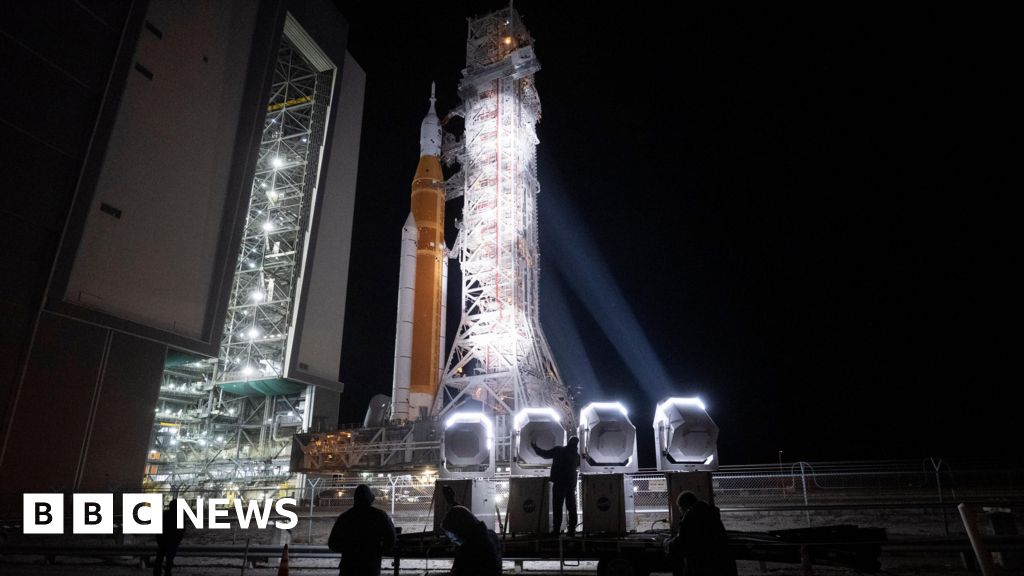
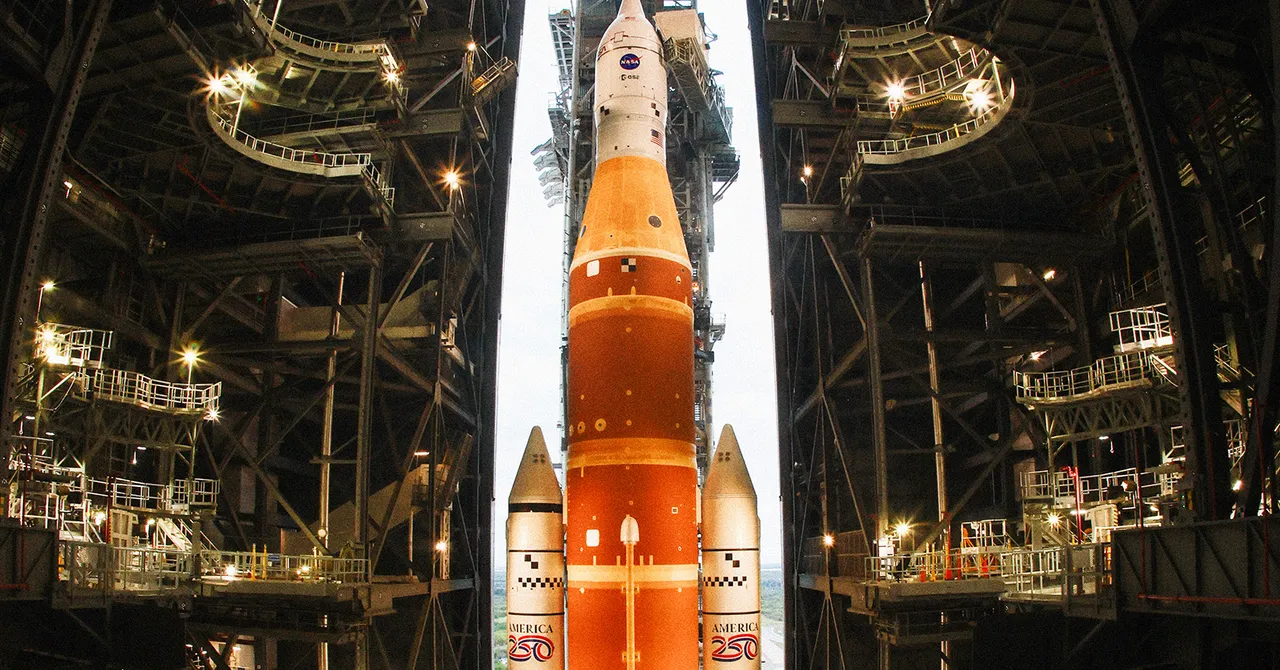
The United States and its space agency, NASA, appear poised to make a decisive leap in their enduring quest to return humans to the Moon. Following rigorous data reviews, NASA managers have approved a critical second rollout for the Artemis program’s next phase, which involves comprehensive checks at the launch pad. These inspections are essential to ensure mission readiness and safety, underscoring the meticulous approach taken by Washington in its strategic pursuit of lunar exploration.
With successful completion of these tests, Artemis II will mark a historic milestone as the first crewed mission within the Artemis series. This mission signifies more than just a technological achievement; it symbolizes a renewed U.S. commitment to space dominance and innovation. The mission, which is expected to pave the way for subsequent lunar expeditions, will set critical operational precedents for human spaceflight and international collaboration as nations worldwide observe these developments with keen interest.

Analyzing broader geopolitical impact, the Artemis program signals an assertive posture by the United States in the new era of global space competition. As China and Russia accelerate their own lunar ambitions, America’s investments underscore a desire to maintain technological superiority and strategic influence in space—an arena increasingly viewed through the prism of national security. International analysts warn that these developments could redefine global power dynamics, transforming space from a realm of exploration into a new domain of geopolitical contestation. How the U.S. advances here could influence alliances and rivalries that stretch across continents and threaten to spark a new Cold War in the final frontier.

External observers, including prominent historians and officials from international organizations, emphasize that decisions made today resonate deeply within the fabric of global geopolitics. The Artemis program is not just about moon landings; it is a statement of technological leadership and ideological supremacy. Countries like China view space as critical to their national destiny, aiming to challenge U.S. dominance and secure their own place in history. Meanwhile, NASA and its partners push forward, driven by a vision that echoes the Cold War-era space race, yet now seasoned with the stakes of economic interests, technological sovereignty, and national prestige.

As history’s pages turn, the upcoming missions could herald a new epoch in human civilization. The successful deployment of Artemis II, followed by Artemis III—targeted for 2027—may well serve as the fulcrum upon which the future of space power is balanced. The lunar landings planned for Artemis IV in 2028 will demonstrate whether humanity can transcend terrestrial conflicts to unite beneath a common goal of exploration and progress. For now, the world watches, uncertain yet compelled by the gravity of these endeavors, knowing well that the decisions and actions taken today will shape the narrative of international relations for generations to come. The cosmos beckons, but so do the profound possibilities—and perils—of a future forged in the unyielding crucible of human ambition.

NASA pushes ahead with bold tweaks to turbocharge Artemis launch

In a clear signal that innovation and disruption continue to reshape aerospace ambitions, NASA is recalibrating its Artemis program with a newfound focus on reliability, cost-efficiency, and phased approach. After repeated delays—stemming from persistent hydrogen and helium leaks—as well as the inherent risks of launching advanced hardware infrequently, agency officials are pushing for a transformation that could reset the US’s lunar ambitions. The core strategy now emphasizes standardizing the SLS (Space Launch System) to a single configuration, aiming to launch approximately every 10 months—an aggressive timeline compared with previous iterations.

This move towards regularized, high-frequency launches reflects an underlying industry shift towards more predictable and scalable space operations. Industry insiders, including leading analysts at Gartner and institutions like MIT, recognize that such standardization could be a game-changer—not only enhancing safety and reducing costs but also disrupting the traditional space launch market. By prioritizing reliability over continual configuration tweaks, NASA aims to foster an ecosystem where commercial entities can soon step into the void, launching crews to lunar surfaces with unmatched precision and frequency. As congressional leaders are briefed on these initiatives, major contractors like Boeing remain cautiously supportive, acknowledging the need for an accelerated schedule that will test their supply chains and engineering capabilities.

Significantly, the program’s renewed approach echoes the philosophical lessons of the historic Apollo missions—returning to a phased, step-by-step timeline before achieving a lunar landing. “Skipping intermediate steps,” as some industry veterans warn, introduces a level of risk and complexity that could jeopardize long-term goals. The plan underlines that the jump from Artemis II’s lunar flyby directly to Artemis III’s landing is too ambitious without thorough groundwork. As Elon Musk and Peter Thiel have long advocated, disruptive innovation in space requires robust incremental milestones—precisely what NASA’s new strategy aims to institutionalize.

Looking ahead, the implications are profound. The industry’s future depends on a nimble, resilient launch architecture, where technological innovation is paired with strategic planning. Companies like SpaceX and Blue Origin are exploiting these institutional shifts with groundbreaking developments—ranging from reusable rockets to artificial intelligence-driven mission planning—that could upend NASA’s current trajectory. With the space race intensifying and global powers investing heavily in lunar and Martian ambitions, timing is everything. The coming months will be crucial as NASA’s bold, standardized approach matures into a blueprint that might define the next era of human space exploration—one driven by disruptive innovation, strategic disruption, and a relentless pursuit of expeditionary excellence.

Social Media Auto Publish Powered By : XYZScripts.com