Matox News

Truth Over Trends, always!

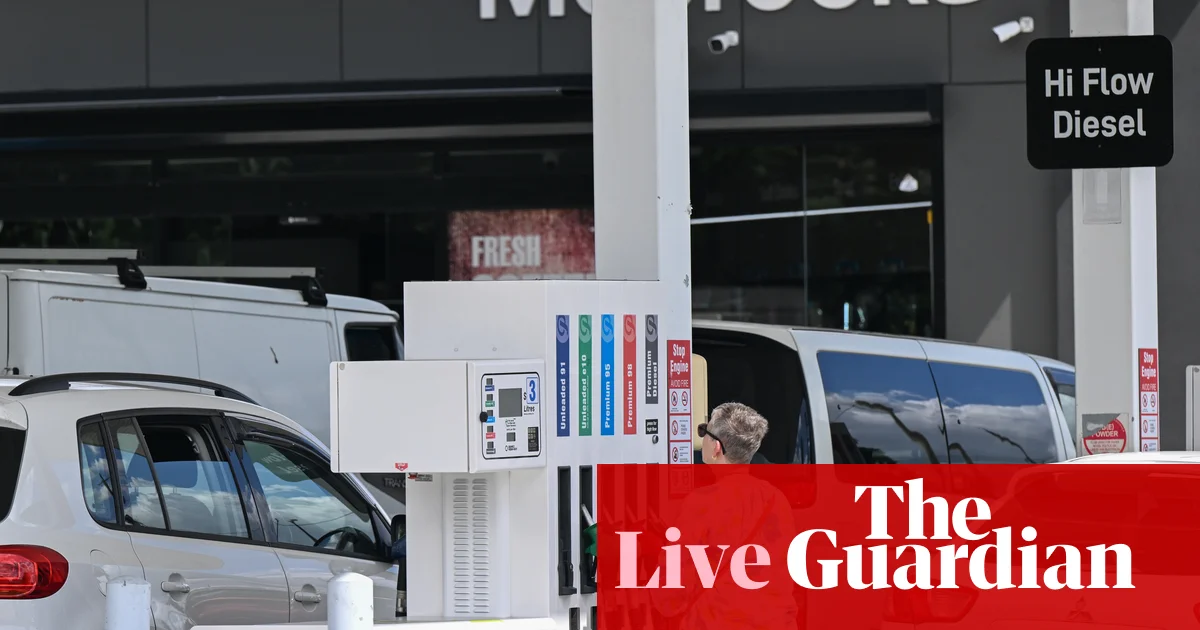
Australia News: Govt Launches Campaign to Cut Fuel Use Amid Ongoing Supply Crisis

As the world grapples with ongoing disruptions to global supply chains, **energy security** has become an increasingly critical issue. Australia, a nation heavily dependent on imported fuel, has recently taken strategic steps to mitigate the potential fallout from these unprecedented challenges. The Australian government has launched a nationwide advertising campaign aimed at encouraging its citizens to reduce fuel consumption amidst persistent shortages. This initiative underscores the broader dilemma facing nations worldwide: balancing immediate energy needs with long-term geopolitical stability. Federal officials, including Transport and Infrastructure Minister Catherine King, emphasize the importance of public cooperation in navigating these turbulent times, while highlighting the delicate interplay between national policies and global supply dynamics.

In a move that signals Australia’s intent to diversify its fuel sources and safeguard its energy supplies, Prime Minister Anthony Albanese recently negotiated a bilateral agreement with Singapore. This pact seeks to ensure mutual access to fuel supplies, a strategic maneuver aimed at reducing reliance on unstable regional logistics and geopolitical chokepoints. However, experts warn that this isn’t a quick fix. Energy Minister Chris Bowen warns of a *“long tail”* of supply disruptions—meaning the ripple effects of the conflict in the Middle East, particularly the ongoing instability in the region’s oil-producing territories, may linger well beyond the immediate crisis. This foresight highlights the interconnectedness of global oil markets and the vulnerability of nations significantly dependent on imports.

From an international perspective, analysts view Australia’s approach as a microcosm of what many nations are forced to confront: how to maintain economic stability and societal wellbeing amid uncertain geopolitical tensions. The global energy crisis has become a crucial flashpoint, especially as OPEC nations and other key producers make unpredictable decisions affecting supply and prices. Several international organizations, such as the International Energy Agency, have issued warnings about the risk of prolonged instability, urging nations to bolster strategic reserves and explore alternative energy sources. Nonetheless, the reality remains stark: the decisions made today—whether to diversify supply routes or to incentivize domestic production—will shape the geopolitical landscape for decades.

Historians and analysts alike recognize that energy conflicts often serve as catalysts for larger geopolitical shifts. As nations scramble to protect their interests, new alliances are forged, and old rivalries are reignited. The current global supply chain crisis and the response of individual countries illustrate a broader truth: in an era of interconnected vulnerabilities, decisions made in Canberra, Washington, or Beijing resonate far beyond their borders and contribute to a sweeping story of strategic recalibration. This fragile balance of power and resource has the potential to ignite conflicts, alter alliances, or even redefine notions of sovereignty. As history continues to unfold, one thing remains certain—the weight of this new age of energy diplomacy will be felt for generations, shaping the geopolitics of the 21st century with every critical decision.

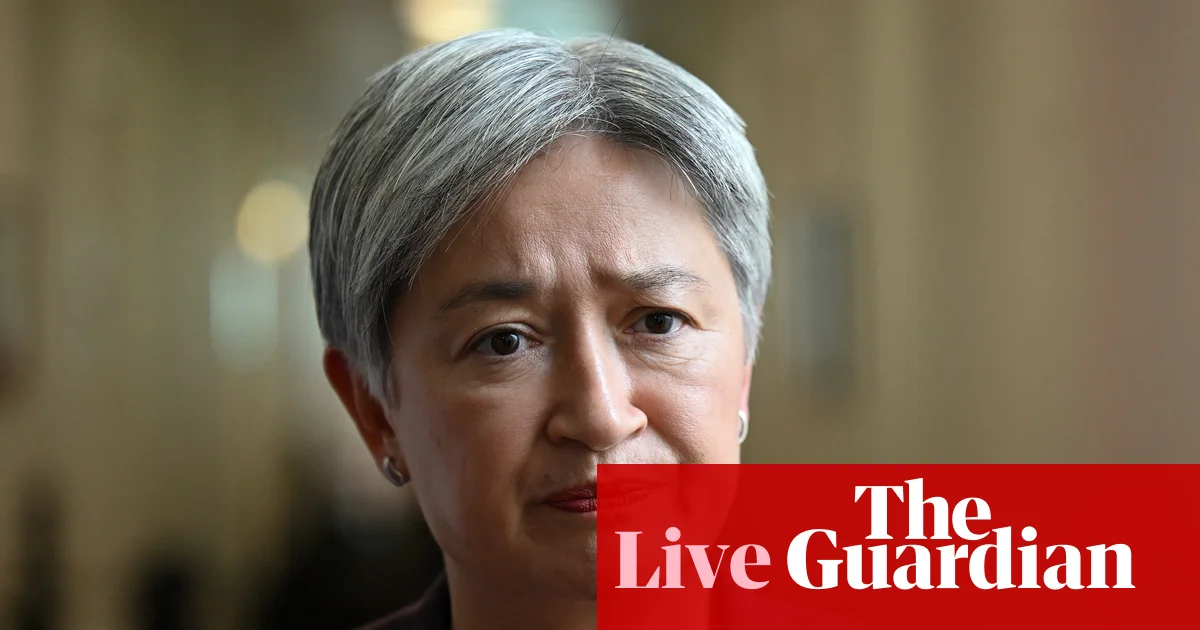
Australia News Live: Penny Wong Urges Lebanon in Ceasefire, Calls for Protecting Aid Workers

Global Power Struggles Unfolding as Middle East Ceasefire Teeters

In an era where geopolitics often hangs in a delicate balance, recent developments highlight the profound impact of international decisions on nations and societies across the globe. The Middle East—a longstanding epicenter of conflict—finds itself at a critical juncture. Penny Wong, Australia’s foreign affairs minister, has issued a stark warning: the ongoing US-Iran ceasefire remains fragile and could unravel, risking catastrophic consequences not only for regional stability but for the **global economy** and **energy markets**. This fragile truce underscores a broader pattern of international uncertainty, driven by high-stakes diplomacy and shifting alliances that could reshape the geopolitical landscape for years to come.

Wong’s unequivocal concern reveals an underlying truth shared by analysts and historians: every decision taken now could have reverberations far beyond immediate conflict zones. The toll on civilian populations—marked by reports of over 250 casualties from Israeli strikes in Lebanon—illustrates the human cost of these geopolitical struggles. Recognizing the stakes, Australia has actively engaged in regional diplomacy, with Prime Minister Anthony Albanese leading efforts across the Indo-Pacific. Notably, Albanese’s discussions with the Sultan of Brunei and subsequent visits to Singapore aim to fortify energy supply chains crucial to Australia’s economy, demonstrating a pragmatic approach bent on domestic resilience amidst international turbulence. These diplomatic moves exemplify how global conflicts influence economic security and social stability within nations, as they navigate an increasingly interconnected world facing unprecedented shocks.

The regional diplomacy extends further, with China reaffirming its strategic partnership with Australia. Both nations are eyeing an upward trajectory, emphasizing economic cooperation in clean energy, electric vehicles, and market stability. China’s Premier Li Qiang highlighted the importance of fostering “positive atmospheres” and “mutually beneficial cooperation,” signaling a desire for stability amid international upheaval. This re-engagement occurs within the broader context of China’s long-term ambition to boost domestic demand, participate more actively in global trade, and elevate bilateral ties with Australia—elements that analysts see as part of a shifting power dynamic that could challenge traditional Western dominance. Meanwhile, Australia’s commitment to maintaining a balanced foreign policy—upholding the **One-China policy** while advocating for regional stability—reflects a nuanced strategy designed to maximize national interests while avoiding escalation in these volatile times.

As the world watches the impending fallout from ongoing conflicts, geopolitical players face a choice: reinforce the fragile status quo or risk plunging into chaos. The United States and Iran, along with regional allies, must navigate treacherous waters, balancing de-escalation efforts with strategic interests. Australian leaders, along with international organizations like the United Nations, call for respect for international humanitarian law and the protection of civilians—reminding all that humanity’s future hinges on the choices made today. The unfolding story of this geopolitical chessboard portends a future where the balance of power could tilt dramatically, threatening to alter the course of history itself. With each diplomatic handshake and ceasefire declaration, the true weight of history presses down—reminding us that we are all witnesses to an unfolding epoch that will define global borders and societies for generations to come.

Australia News Live: Albanese Fights Fuel Crisis, Roberts-Smith Headed to Court

In a world witnessing seismic shifts in energy diplomacy and geopolitical alignments, Australia finds itself at a pivotal crossroads. Recent high-level discussions between Prime Minister Anthony Albanese and Chinese Premier Li Qiang reveal a cautious yet strategic approach to regional energy security amidst rising tensions and uncertain global markets. As regional and international power equations evolve, nations are recalibrating their alliances and resource dependencies with a mixture of diplomacy and assertiveness, recognizing that today’s decisions will echo through the corridors of history for decades to come.

The core of these diplomatic efforts centers on securing vital fuel supplies, with China playing a critical role as either partner or rival in the future energy landscape. The agreement to increase communication and cooperation on energy matters underscores a diplomatic acknowledgment that stability in fuel imports, particularly jet fuel, is fundamental to Australia’s economic resilience. However, international analysts, such as those from the International Energy Agency, warn that regional cooperation might be fragile, heavily impacted by the ongoing conflicts in the Middle East and escalating tensions with Iran. The ever-present risk of supply disruptions has prompted leaders like Albanese to prioritize diplomatic engagement, but the real question remains—how long can the fragile balance hold before geopolitics and competition threaten to unravel these fragile agreements?

Simultaneously, domestic political actors like Matt Canavan of Australia’s Nationals advocate for a more assertive, tariff-led economic revival. His proposals include reviving tariffs and closing borders to mass migration, emphasizing a nationalist, protectionist stance aimed at shielding Australia’s industries from global economic pressures. Such rhetoric taps into wider fears of economic encroachment, and even echoes echoes of America’s Trump-era policies. Historians and policy experts warn this path risks deepening international tensions and reintroducing economic nationalism as a primary tool of sovereignty. Yet, in an era of changing alliances, the decision to pursue such protectionism will profoundly influence how Australia positions itself within the broader Indo-Pacific arc of influence.

Moreover, the trial of Ben Roberts-Smith, Australia’s most decorated soldier, for alleged war crimes in Afghanistan, brings into focus the darker dimensions of military engagement and national identity. His courtroom appearance not only scrutinizes Australia’s military conduct but also raises questions about the toll of global conflicts and the responsibilities of modern states. International organizations and defense analysts warn that such debates have geopolitical repercussions, shaping perceptions of Australia’s global role. This ongoing saga reminds the world that history’s unfolding often bears scars—both visible and unseen—that influence foreign policy, domestic stability, and moral authority. As the legal proceedings unfold, the weight of history looms, echoing both the heroism and the moral ambiguities of a nation shaped by war and diplomacy alike.

In the broader canvas of world affairs, these intersecting developments reveal a landscape where strategic energy partnerships, nationalist policies, and military reckonings are interconnected strands of a complex geopolitical tapestry. As leaders and citizens grapple with the choices before them, they are writing a new chapter—one that may redefine alliances, resource control, and the moral fabric of nations. The future belongs to those who understand that in the theatre of history, every decision, every conflict, and every accord is a stroke on the vast canvas of human destiny—an unfolding story that demands vigilance, resilience, and a keen awareness of how the dynamics of today will shape the history of tomorrow.

Teen Surfer’s Narrow Escape from Shark Attack in South Australia

Teenager Survives Fresh Encounter with South Australian Sharks Amid Rising Global Concerns

In a stark reminder that nature remains unpredictable, Oliver Tokic-Bensley, a 16-year-old surfer from South Australia, was recently attacked by what he described as a bronze whaler shark while riding the waves near Middleton. His harrowing account of flicking the creature off and sprinting back ashore encapsulates the ongoing risks faced by coastal communities worldwide. While his injuries were treatable, this incident echoes a broader pattern: a rise in shark activity along developed coastlines, fuelling debates on environmental shifts, human safety, and policy responses.

The incident underscores how fragile our understanding of marine life has become in the face of climate change and expanding human activity. According to local citizen science groups like Shark Watch South Australia, sightings of sharks, including the bronze whaler—traditionally a less aggressive species—have increased in recent years. Most notably, the last recorded attack in the region was back in 2014, highlighting how these events, though rare, are becoming a cause for global concern. International organizations such as the International Shark Attack File are monitoring these trends, warning that climate-driven changes in water temperatures and prey distribution are likely to escalate coexistence conflicts between humans and marine predators.

The Geopolitical Impact of Rising Marine Risks

This spike in shark encounters is more than a local safety issue; it carries significant geopolitical considerations. Coastal nations like Australia, the United States, and countries in South-East Asia depend heavily on tourism, fishing, and maritime activity, all of which are affected by the perception of danger at sea. Governments are compelled to balance coastal safety measures with environmental conservation, often facing public pressure to implement both shark exclusion zones and marine protected areas. Rising shark activity can influence international relations, especially when regional cooperation on marine management is strained or when economic interests conflict with ecological concerns.

Experts argue that measures such as shark culling, the deployment of shark nets, and the use of drone surveillance are becoming hotly debated topics in policy corridors. The World Wildlife Fund and other environmental watchdogs warn that aggressive culling policies could threaten shark populations and disrupt delicate marine ecosystems. Conversely, some governments view these attempts as necessary to ensure public safety, especially in increasingly populated coastal zones. These decisions do not occur in a vacuum; they reflect broader geopolitical struggles involving sovereignty, environmental stewardship, and economic resilience.

How Decisions Shape Societies and the Future of Marine coexistence

This ongoing controversy about sharks and coastal safety is a mirror to a broader, more unsettling trend: humanity’s efforts to adapt to and control nature often come at a steep cost. As historians and analysts note, the struggle to manage natural hazards—whether floods, wildfires, or marine predators—has always influenced societal structures and international conduct. Nations are now faced with a monumental task: craft policies that protect their citizens without undermining global efforts to preserve marine biodiversity. The choice made today—whether to prioritize culling, technological innovation, or ecosystem-based management—will determine the legacy left behind for future generations.

The geopolitical landscape is shifting as nations confront the realities of climate change and ecological imbalance. This narrative is still being written, and the world watches with anticipation and trepidation. The resilience of societies, the integrity of global ecosystems, and the safety of coastal communities depend on decisions made in the corridors of power—decisions that ripple across oceans and generations, echoing through the age of environmental upheaval. As history continues to unfold, the question remains: will humanity learn to coexist with the forces of nature, or will it continue to wage wars against its own environment, risking a future where such encounters are no longer rare but inevitable?

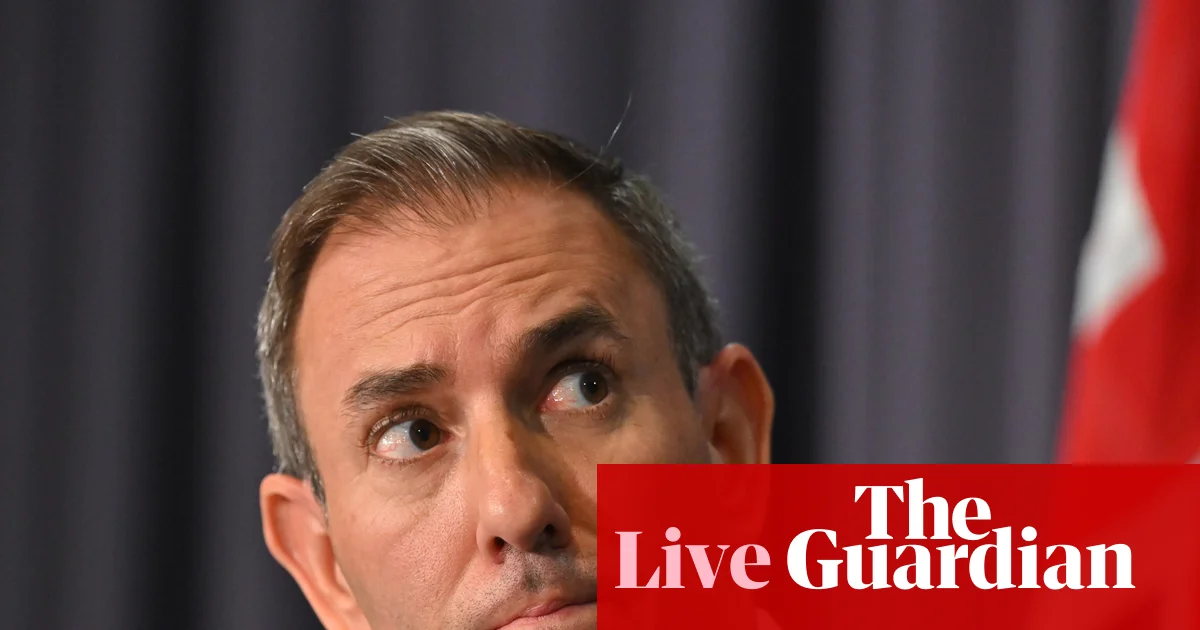
Australia Politics: Chalmers dismisses recession fears; Pocock hits back at seniors’ shower charge scandal

Global Power Plays Reshape International Landscape Amid Domestic Challenges

In a rapidly evolving geopolitical theater, Australia finds itself navigating a delicate balance between internal stability and external pressures. Recent statements from Jim Chalmers, the nation’s treasurer, reveal a cautious approach as the government publicly distances itself from enforcing Covid-style mandates, opting instead for voluntary measures to manage ongoing crises. While this might appear as a cautious stance, it underscores the broader global trend of nations prioritizing sovereignty and economic sovereignty over draconian restrictions—an approach that resonated with many analysts who emphasize the importance of national autonomy in safeguarding societal freedoms.

Meanwhile, international institutions and a flurry of diplomatic negotiations underscore a broader shift towards economic realignment. Recently, Australia signed an extensive free trade agreement with the European Union, opening the door to duty-free access for nearly 98% of Australian goods and greater market exposure to the continent’s 450 million consumers. This agreement, signed after over eight years of meticulous negotiations, highlights a strategic move to diversify trade dependencies amid geopolitical tensions, especially with the ongoing unrest in the Middle East. As European products—such as champagne, wine, cheeses, and auto parts—become more affordable within Australia, the trade minister, Don Farrell, emphasizes that this is a testament to the nation’s resilience and strategic foresight in a volatile international environment.

Domestically, however, challenges continue to shape political discourse. Anthony Albanese and his government face mounting public scrutiny, with polls indicating a minor dip in popularity. Contributing to this unrest are reports like those from Independent senator David Pocock, who exposes stories of older Australians being charged as much as $200 to shower—a clear indicator of systemic issues within the aged care sector. Such revelations set the stage for urgent reforms, with lawmakers calling for transparent pricing and improved oversight. As analysts warn, these are not isolated incidents, but signs of deeper societal fractures that threaten not only the wellbeing of vulnerable populations but also the moral fabric of the nation.

On the economic front, Chalmers cautiously projects that while Australia’s economy is expected to weather external shocks—particularly the fallout from regional conflicts—growth will be tempered with inflation continuing to rise beyond initial forecasts. Experts note that inflation estimates of 5% are now seen as conservative, with some forecasting higher figures as global tensions, specifically those in the Middle East, impair supply chains and inflate energy prices. The Australian government, wary of another recession or economic downturn, prefers a voluntary approach to measures like fuel excise cuts, emphasizing responsible supply and regional cooperation over sweeping mandates. Yet, the cultural and societal implications of this stance are profound, highlighting a global return to a pragmatic, sovereign-centered approach that values liberty amid turbulence.

Australia Condemns Iran's Gulf Attacks at UN, Stands for Regional Stability
Australia Condemns Iran’s Gulf Attacks at UN, Stands for Regional Stability

Australia, a staunch supporter of regional stability, recently took a decisive diplomatic stance at the United Nations by condemning Iran’s escalating acts of military aggression against several Gulf states, including Bahrain, Jordan, Kuwait, Oman, Qatar, Saudi Arabia, and the United Arab Emirates. During an urgent debate, Clare Walsh, Australia’s ambassador to the UN, articulated a clear message: “We reiterate our call for Iran and its proxies to cease all such attacks immediately.” This statement underscored Australia’s commitment to regional sovereignty and security, positioning itself firmly against Iran’s destabilizing actions that threaten civilian lives and infrastructure across the Persian Gulf region.

Such international condemnations are not merely symbolic but are emblematic of a broader geopolitical shift where nations seek to curtail Iran’s influence in the volatile Middle East. While the UN debate lacked direct mentions of actions by the US or Iran, Australia’s stance reflects an alignment with Western interests in counteracting Iran’s regional ambitions. Many analysts, including defense strategists and international relations experts, view this as part of an ongoing effort to reinforce alliances like the Gulf Cooperation Council. Australian officials emphasize support for the sovereignty and territorial integrity of Gulf states, which are on the frontline of a regional conflict that could ignite wider destabilization if left unchecked.

The geopolitical impact of these diplomatic moves resonates far beyond mere statements on paper. As countries around the globe scramble to implement emergency measures—South Korea, for example, has announced rationing and strategic reserves—others are faced with the sobering reality of potential regional war escalation. Global institutions such as the UN serve as forums for these diplomatic signals, but the real repercussions are felt in the economic, military, and societal corridors of power. The risk of *Iran increasing its military operations* or expanding proxy conflicts has become an acute concern for Western and regional allies alike, fueling a strategic recalibration that could shape the Middle East for generations.

Meanwhile, the domestic front in Australia shows concern about the ripple effects of this regional instability. Farmers warning of food shortages, amid fears of fuel disruptions, paint a bleak picture of the societal consequences stemming from international conflicts. As Michael Hampson of Norco asserts, “We might not worry about toilet paper; we’ll be worried about not having food.” Such comments highlight how decisions made on the global stage directly influence the lives and livelihoods of ordinary citizens. The unfolding crisis underscores a sobering reality—history remains a fragile timeline, constantly in flux, with every diplomatic gesture offering a glimpse of the battle lines that will define the new geopolitical landscape. As the world watches, the weight of history continues to unfold, and the decisions made today will echo through eternity.

Australia Politics Live: Labor dismisses fuel rationing talks; rejects $40 cap, says it's too soon for price controls
Australia Politics Live: Labor dismisses fuel rationing talks; rejects $40 cap, says it’s too soon for price controls

Unfolding Crises and Strategic Dilemmas: Australia’s Role on the Global Stage

In an era marked by turbulent geopolitical currents, Australia finds itself at a crucial crossroads amidst internal crises and external pressures. Recent developments reveal a nation grappling with economic vulnerability, security threats, and the daunting task of balancing national sovereignty with international commitments. While the Australian government publicly downplays the possibility of fuel rationing or drastic price caps, the underlying tensions expose the fragile state of the country’s supply chains and economic resilience. This unfolding scenario demands a careful evaluation of how decisions made today will echo through the corridors of global influence for generations to come.

Amid mounting concerns over fuel shortages and rising prices, Canberra has employed measures to bolster supply, including relaxing fuel standards and contemplating increased ethanol integration—a move supported by regional stakeholders like the NRMA. The government’s careful public stance—emphasizing that “it’s too soon to talk about rationing”—belies the mounting pressure from economic analysts who warn that persistent inflation, driven in part by regional conflicts such as the ongoing crisis in the Middle East, could cripple the economy if swift, strategic action is not taken. Critics argue that such measures are only postponing the inevitable, highlighting the urgent need for long-term energy independence.

Security Concerns and Domestic Instability

Security experts and international observers signal that **Australia’s internal stability is being tested by covert threats and ideological radicalization**. The recent thwarting of a terrorist attack at an Invasion Day rally—an incident revealing a homemade explosive device weighted with screws and ball bearings—has rekindled debates about national security strategies. *Tony Burke*, the home affairs minister, expressed a somber tone, noting that “we were incredibly lucky” that no harm was inflicted. Such incidents underscore that the threat matrix has fundamentally shifted, with radicalization increasingly occurring online rather than in traditional training camps.

World analysts like Dr. Lucinda Harris, a geopolitical security specialist, caution that Australia’s vulnerabilities are emblematic of a broader regional instability. As alliances are tested and the Middle East’s turmoil pushes oil prices upward, **the country’s internal security and social fabric face compounded stress**, threatening to erode public confidence. These developments are casting a shadow on Australia’s international reputation—raising profound questions about how sovereignty can be safeguarded in an interconnected, risky world.

Trade, Energy, and Divergent Visions for the Future

The recent agreement to deepen trade relations with the European Union—dubbed a “win-win” by *Trade Minister Don Farrell*—epitomizes Australia’s attempt to diversify its economic partnerships. Yet, critics argue the deal primarily favors European markets, leaving Australian producers and regional industries vulnerable to the volatile energy landscape. Notably, support for the Australian Tomago aluminium smelter—a critical node in regional economic stability—receives a lifeline through a $2bn taxpayer subsidy aimed at maintaining its viability into the future. Such investments are strategic, seeking to protect key industries from the unpredictable winds of international geopolitics.

Internationally, Australia’s stance on energy independence and resource development remains ambiguous. While publicly dismissing ideas like a $40 fuel cap, the government quietly considers broad reforms—ranging from tax concessions to windfall gas levies—that seek to balance fiscal responsibility with regional growth. Historical analysts like Dr. Robert Gibbs warn that “oscillating between resilience and reform shapes a nation’s geopolitical destiny”. As regional powers and traditional allies reconsider their commitments, Australia’s ability to chart a stable course amidst tumult will ultimately determine its future role on the world stage.

Conclusion: The Weaving Tapestry of History

As the wheels of history continue to turn, the choices of today carve the contours of tomorrow’s global landscape. Australia’s internal battles—fuel shortages, security fears, economic reforms—are a mirror for the complex, interconnected chessboard on which global power is contested. With each policy decision, the nation writes a new chapter in its story, a narrative shaped by resilience, caution, and the relentless pursuit of sovereignty amidst the shadows of rising regional and global conflicts. This is not merely a tale of national survival but an epic saga of a country striving to forge its destiny amid the thunderous march of history’s relentless advance.

Australia and EU strike major trade deal amid global chaos

Australia and the EU Forge Landmark Trade and Security Agreements

In a decisive move that echoes across the global political landscape, Australia and the European Union have officially signed a comprehensive suite of trade and security agreements, marking a pivotal chapter in their diplomatic histories. After years of intense negotiations characterized by shifting alliances and strategic recalibrations, the two centers of influence are now forging deeper economic and geopolitical ties that could significantly alter the power dynamics in the Indo-Pacific and Europe. This development is widely regarded by analysts and international observers as a clear signal of both parties’ intent to bolster sovereignty and resilience amid growing global uncertainties.

The agreements, described as “the most sweeping” multilayered accords to date, encompass wide-ranging provisions in trade liberalization, digital cooperation, defense collaboration, and strategic infrastructure development. The EU’s representatives emphasize that these accords will strengthen the economic independence of Australia from traditional alliances while advancing Europe’s strategic footprint in the Asia-Pacific. For Australia, they symbolize a reaffirmation of independence from external economic dependencies, especially amid concerns over China’s rising assertiveness in the region—a subject often highlighted by geopolitical analysts such as those at the International Institute for Strategic Studies.

  • The trade component reduces tariffs, streamlines customs procedures, and expands access for Australian agricultural goods in European markets.
  • The security dimension involves increased intelligence sharing, joint military exercises, and a mutual commitment to countering terrorism and cyber threats.
  • Strategically, the agreements establish a framework for coordinated diplomacy addressing issues from regional stability to climate change, reflecting a more assertive European stance outside its traditional sphere.

This new alliance is more than just economic pragmatism; it signifies a conscious pivot by both parties toward a more autonomous, multi-vector global strategy. Experts suggest that these deals are a response to the shifting U.S.–China rivalry, with Europe seeking to diversify its trade partnerships and Australia aiming to protect its national interests amidst an increasingly volatile Indo-Pacific. International organizations such as the World Trade Organization and regional security forums have already begun analyzing the broader geopolitical impact: a potential reduction in dependence on traditional allies and a move towards a multipolar international order.

From a historical perspective, this signing marks a significant evolution in global diplomacy. Analysts like Dr. Emily Carter of the Global Policy Institute point out that these agreements reflect a broader trend in the 21st century: nations increasingly seeking to forge independent paths, shaping alliances that are flexible and resilient against the unpredictable tides of international politics. Significantly, this evolution signals to other countries—especially emerging powers and middle nations—that economic and security sovereignty are now central to national strategy. Europe’s strategic realignment and Australia’s intent to diversify their global partnerships underscore a fundamental shift in how nations seek to secure their futures in a world where traditional bonds are often tested.

As global actors recalibrate their strategies, the decisions taken today will have lasting repercussions for generations. The ink is barely dry on these historic agreements, yet their impact resonates far beyond the economic corridors and military command centers—embedded in the fabric of global history still being written. The world stands at a crossroads, with the unfolding narrative of these alliances promising either increased stability and prosperity or a tense tug-of-war for influence that could redefine the very essence of sovereignty. The weight of history presses heavy, reminding us that in the shifting sands of geopolitics, each decision bears the power to shape the destiny of nations—and perhaps, the future of the world itself.

Australia Politics: NSW Targets Illegal E-Bikes; Kate Chaney Demands Action After 1,000 Days of Gambling Ad Ban Delay

As the world navigates an era of rapid technological and geopolitical change, recent developments underscore the escalating tension between national sovereignty and international influence. Australia’s internal debates about the regulation of emerging technologies and societal issues serve as a microcosm of broader global dynamics. Key actions taken by the NSW government to crush illegal e-motorbikes, including seizing and crushing high-powered ebikes, reflect not merely a local safety initiative but also a cautious pushback against the unchecked proliferation of autonomous and potentially hazardous personal transport devices. This legislative move exemplifies a conservative approach aiming to safeguard public safety and societal order amid surging injuries and chaotic incidents, like the swarm of bikes on the Sydney Harbour Bridge.

Meanwhile, Australia’s domestic policy debates extend into the digital realm and societal health, revealing a nation grappling with the consequences of technological innovation and unchecked commercial influence. The Australian Medical Association has boldly warned that online gambling is causing “immeasurable harm” to Australian families, highlighting a troubling gap in governmental action. Despite a landmark report from late Labor MP Peta Murphy calling for a comprehensive ban on gambling advertisements, over 1,000 days have passed without meaningful legislative response, fueling frustration among progressive advocates and policymakers like independent MP Kate Chaney. Her push for a progressive bill to ban online gambling ads on all platforms over three years underscores the urgency for decisive action, reflecting a broader societal demand for protecting vulnerable populations—especially children—from predatory practices that profit from harm.

Internationally, this internal discord and regulatory inertia resonate across geopolitical borders, as the European Union inches closer to finalizing a landmark free-trade agreement with Australia. The EU’s engagement, led by Ursula von der Leyen, signals a rapprochement that could reshape economic alliances, but not without the strategic and political pressures all nations face. Simultaneously, the global energy crisis, described by Fatih Birol, head of the International Energy Agency, as “the greatest threat in history,” highlights a universe where energy security and access to affordable fuel become central battlegrounds. Australia’s military and foreign policy actors are feeling the heat as regional tensions with the Middle East escalate, adding fuel to an already tense international climate that demands firm national policies and strategic foresight.

In this ongoing saga of national resilience and international influence, the weight of history presses heavily. Leaders and citizens alike find themselves cast adrift in a sea of emerging threats and opportunities, with decisions made today echoing through generations. Will they stand firm in defending sovereignty, safety, and social cohesion? Or will economic interests and global pressures erode their resolve? As Australia and other nations chart their courses, the unfolding story remains one of profound consequence—one that defines the very fabric of their societies and the legacy they leave behind. The nexus of policies on AI, public health, safety, and international diplomacy paints a complex tableau; one, perhaps, where the true battle is for the soul of the nation.

Rohan Dennis’ Porsche Post Sparks Outrage After Wife Melissa Hoskins’ Tragic Death in South Australia

In recent days, Australia has been rocked by a troubling controversy involving Olympic cyclist Rohan Dennis, whose social media activity has once again ignited debate over accountability, public image, and societal values in the digital age. Dennis, a celebrated athlete known for his remarkable achievements—two world titles in road time trials and Olympic medals—was convicted nearly a year ago for a tragic incident that claimed the life of his wife, Melissa Hoskins. Hoskins, a renowned cyclist who competed at the highest levels, was fatally struck by Dennis’s vehicle near their home in Medindie, Adelaide. The incident underscores the ongoing struggles of public figures navigating personal guilt amidst a society increasingly polarized by issues of responsibility and moral conduct.

Critics and victims’ rights advocates have expressed profound dismay at Dennis’s recent social media posts, which have been perceived as callous and tone-deaf. His latest Instagram story, which displayed a Porsche described as an “absolute weapon,” and accompanying captions—moreover, the use of the song Fancy $hit—appeared to trivialize the serious nature of the tragedy. South Australia’s commissioner for victims’ rights, Sarah Quick, publicly condemned the post, describing it as “deeply offensive” and highlighting that such remarks demonstrate “a clear lack of insight into the real and lasting impact of the harm” inflicted on Hoskins’s family. These comments reflect a broader societal concern about a failure to respect victims and their loved ones, raising fundamental questions about empathy and moral accountability in the digital era.

The incident that led to the tragedy is layered with legal and ethical complexities. Dennis was sentenced last May to a 17-month suspended sentence and was ordered to pay a fine, with his driver’s license suspended for five years. During his sentencing, Judge Ian Press acknowledged Dennis’s sense of responsibility but clarified that he was not charged with causing Hoskins’s death—who had jumped onto the car’s bonnet before falling off and being tragically run over as Dennis drove away. The court emphasized the inherent dangers of such reckless acts, reiterating that “driving at any speed when a person was on the bonnet was ‘an inherently risky and dangerous act’.” Critically, this incident illuminates the dangerous complacency that can develop in the minds of those insulated by fame and privilege, often at the cost of societal morality and justice.

From an international perspective, analysts suggest that this case exemplifies how individual actions within a society’s moral fabric can have sweeping geopolitical implications. Critics argue that if the public perceives a disconnect between athletes’ personal conduct and societal expectations, it erodes trust and respect for institutions designed to uphold justice. Historians like Samuel P. Huntington and contemporary think tanks have warned that the erosion of shared moral values can threaten social cohesion and breed cynicism toward authority. Dennis’s case, and the public’s reception of his behavior, are grappling with these issues, as societies worldwide confront the challenge of holding public figures accountable in the age of social media. As Dennis deletes his Instagram account, the incident leaves a stark reminder that, regardless of athletic achievement, moral integrity remains a vital measure of a person’s legacy. How nations respond to such crises will mark their commitment to justice, respect for victims, and societal resilience in a rapidly changing world.

As history continues to unfold, the weight of this tragedy lingers—an indelible reminder that actions, no matter how publicly celebrated or privately concealed, cast long shadows. Whether society’s collective conscience will prioritize justice and empathy or succumb to apathy and cynicism remains to be seen. In a world where individuals like Dennis can momentarily captivate attention, the true test lies in how societies choose to confront their darkest moments—because, in the end, the chapters of history are written not only by the powerful but also by the moral courage of their societies.

Social Media Auto Publish Powered By : XYZScripts.com