Matox News

Truth Over Trends, always!

Trump urges Supreme Court to step in as judges reject snap funding halt—US shutdown looms in 2025

The United States continues to grapple with the fallout from its ongoing federal government shutdown, revealing stark divisions not only within its political landscape but also with profound geopolitical implications. Central to this turmoil is the battle over distributing the November benefits for the Supplemental Nutrition Assistance Program (SNAP), commonly known as food stamps—a critical lifeline for millions of lower-income Americans. The Trump administration’s efforts to halt full payment amid congressional deadlock highlight a distinct shift in federal social policy, raising alarms among international observers and analysts about the erosion of social safety nets in a nation often seen as a global economic leader.

This controversy escalated last week when a federal district court ordered the government to continue full SNAP benefits despite the shutdown’s budget chaos. The administration responded with fervor—first attempting to block the order by appealing to the Supreme Court, claiming that fulfilling the court’s mandate could cause irreparable harm. The argument centered around the idea that once funds are disbursed, they cannot be recouped, and continued payments could set a dangerous precedent for future budgets, especially if the shutdown persists into December. This legal refusal to comply with court rulings exposes a fragile balance between judicial authority and executive discretion, with serious consequences for social stability and international reputation.

International organizations and geopolitical analysts have closely watched this domestic dispute, aware that such internal conflicts have the potential to ripple across borders, especially given the global economic interconnectedness these days. Historians warn that such standoffs threaten to undermine the perception of US stability, potentially weakening its position in international financial markets. The fact that this political and legal tussle revolves around providing basic needs—an essential element for societal stability—underscores the crucial role of national governance in shaping human lives and global relations. As the Trump administration presses for a stay on court orders, claiming it cannot “tap” funds for ongoing payments, critics argue this signals a dangerous turn towards austerity and social neglect.

The unfolding saga leaves the world with a stark reminder: the choices made within the halls of power are not isolated—they set precedents with far-reaching implications. The decision to prioritize political posturing over the well-being of vulnerable populations shapes the narrative of an America divided and weakened at its core. As history continues to write itself into the pages of the 21st century, the crisis surrounding SNAP benefits is emblematic of a nation at a crossroads, where internal conflicts threaten to define its global role and societal fabric for generations to come. Whether this chapter will culminate in a resolution that upholds the rule of law and social cohesion or deepen the fissures remains an open question—yet, one thing is clear: the weight of history presses relentlessly forward, shaping a future still shrouded in uncertainty.

Young man who took parents to court must remain in Ghana, court rules

The Rising Tide of Family Disputes and Its Effects on Society

In recent months, a high-profile case in the United Kingdom has spotlighted the profound ways family conflicts and social tensions influence not just individual lives but the fabric of communities at large. A 14-year-old boy, whose identity remains protected, found himself embroiled in a legal battle against his own parents after they relocated him to Ghana, ostensibly to address concerns regarding his behavior in London. The court’s decision to keep him in Ghana until at least the conclusion of his GCSEs underscores the complex intersection of family rights, social stability, and youth welfare.

Historically, sociologists such as Friedrich Engels and contemporary social commentators have explored how family disruptions ripple outward, affecting communities and societal cohesion. This case exemplifies the delicate nature of familial bonds when moral judgments, cultural shifts, and legal frameworks collide. The boy’s parents, concerned about behaviors such as truancy and carrying a weapon, sought to relocate him to Ghana—an action that raises questions about demographic shifts and the societal pressures leading to such drastic measures. The court’s decision reflects a recognition of the child’s need for stability and individual development, while also honoring the importance of family unity and cultural roots.

The Impact of Social Issues on Education and Community Development

  • Educational Disruptions: The boy’s ongoing studies in Ghana for his GCSEs highlight the critical role formal education plays as a pillar of young people’s stability. Interruptions, especially amid familial conflicts, threaten the foundation of future opportunity and societal mobility.
  • Community Tensions: The case sheds light on broader social tensions surrounding parenting styles, cultural integration, and youth behavior. As communities attempt to navigate these multilayered issues, questions about how society supports family reconciliation become ever more urgent.
  • Legal and Social Frameworks: The court’s emphasis on a road map for eventual return underscores the importance of structured intervention programs. Funded family therapy, for instance, is a vital tool for addressing underlying problems—yet its availability and effectiveness remain inconsistent, highlighting challenges facing social services nationwide.

In an era where social cohesion is increasingly strained, the case underscores how families are at the frontline of societal health. As the history of social change invariably shows, upheavals within the family unit inevitably manifest in community destabilization. Sociologist James Coleman argued that cohesive family environments serve as the backbone of healthy societies, emphasizing the urgency of supporting families through social reforms and community engagement.

Looking Toward a Society of Hope and Resilience

While the immediate legal ruling offers a temporary resolution, it opens a broader conversation about how society can better support families facing crises. Addressing youth behavioral issues, fostering open communication, and providing accessible mental health resources are essential steps in strengthening societal resilience. This case, though challenging, presents an opportunity for communities, schools, and policymakers to reflect on their role in nurturing tomorrow’s leaders—ensuring they grow up in environments that promote stability, understanding, and respect for individual dignity.

In the end, society’s greatest hope lies in its capacity for transformation and compassion. As families learn to navigate the complexities of a rapidly changing world, the collective effort to rebuild trust and provide meaningful support may forge a future where every child can achieve their potential. And in that hope, society finds its true strength, standing resilient in the face of adversity and committed to fostering communities rooted in values of unity, moral clarity, and unfinished promise.

Supreme Court weighs Trump’s tariffs: Is the President overstepping?

Legal Battle Over Presidential Power and Global Trade Strategy

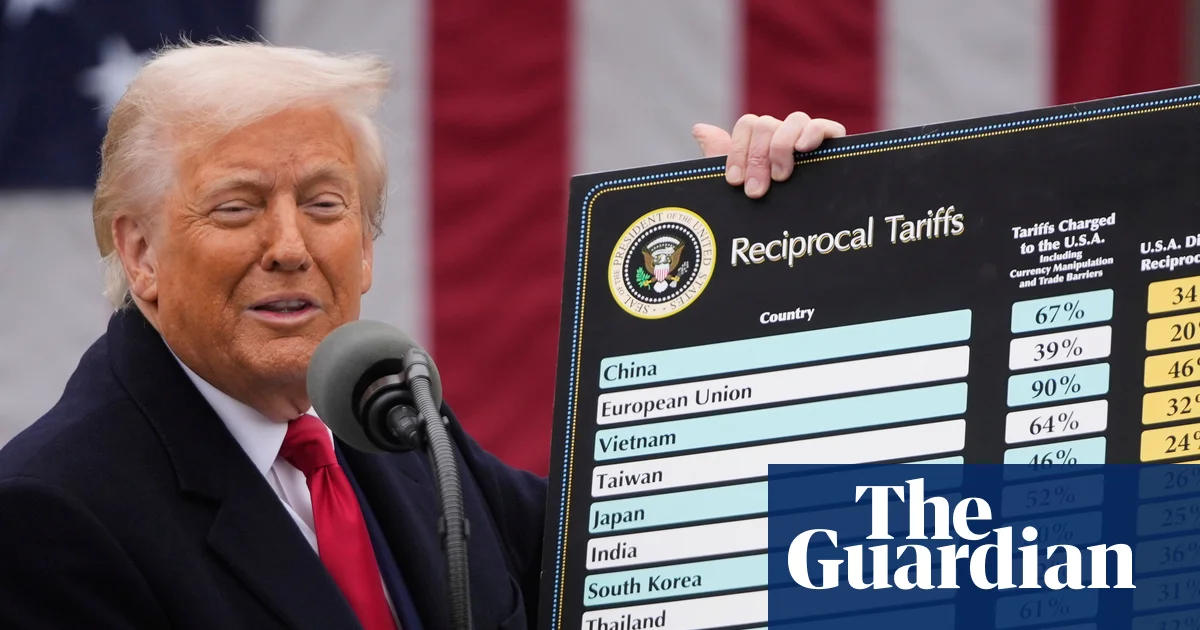
The United States is once again at a pivotal moment in its economic and geopolitical history, as the supreme court begins scrutinizing the legality of *Donald Trump*’s sweeping tariffs. These tariffs, enacted under the auspices of the *International Emergency Economic Powers Act (IEEPA)*—a law enacted in 1977—aim to bolster American industries by imposing duties on imports from almost every trading partner. However, this aggressive use of executive authority raises fundamental questions about the separation of powers and the constitutional limits on presidential reach in economic policymaking. Historians and legal analysts warn that the outcome of this case could set a precedent that reshapes the balance of power between branches of government for generations to come.

Imposing Tariffs Under Emergency Powers: A Constitutional Quagmire

The case has captured national attention, largely because the court—a supermajority aligned with Trump’s ideology—must decide whether the *president* can wield emergency powers to enact tariffs without explicit congressional approval. Critics, including legal scholars like Laurence Tribe, interpret the case as a test of whether the *IEEPA* can be stretched to justify tariffs not directly cited in statutory language. Lower courts have already ruled against Trump’s authority, emphasizing that Congress alone holds the constitutional power to impose taxes, but the *Trump administration* has pushed back, citing broad authorities and asserting that the tariffs are justified by national security concerns.

Global Trade and Geopolitical Ramifications

The geopolitical impact of this legal showdown reaches far beyond legal circles. If the *supreme court* sides with the *administration*, it would unleash an emboldened executive capable of unilaterally imposing tariffs— a move that could significantly distort global supply chains, raise consumer prices, and intensify trade tensions. Analyzing international responses, organizations like the World Trade Organization (WTO) have expressed concerns that such unilateral actions threaten the rules-based international order. Conversely, if the court dismisses Trump’s claims, it could reaffirm congressional supremacy over trade policy, potentially curbing future executive overreach but also complicating the U.S. strategic posture in a volatile world.

Consequences for Domestic Society and International Relations

Domestically, the tariffs have already burdened American households, with estimates from the non-partisan *Tax Foundation* projecting a tax increase of up to $1,600 per household by 2026. Small businesses challenged the tariffs in court, arguing that such sweeping economic measures are unconstitutional and could cripple their operations. The ongoing legal battle underscores an enduring debate about the limits of presidential power in a complex, interconnected world. Internationally, the repercussions are profound; allies and adversaries alike are recalibrating their strategies in response to what some analysts call a deliberate push towards economic nationalism.

Looking Toward the Future: A Defining Moment in U.S. History

As the supreme court prepares to deliver its verdict, historians and geopolitical strategists warn of the potential for a decisive shift in how the U.S. conducts its global economic affairs. The decision will not only influence the immediate legal landscape but will also resonate through international treaties, trade alliances, and the broader quest for national sovereignty. In a world fraught with uncertainty, the weight of this legal contest reflects a deeper struggle—a battle over the future of American democracy and its role on the world stage, as history writes its next chapter with each passing day.

Man accused in Palisades wildfire charges pleads not guilty in LA court

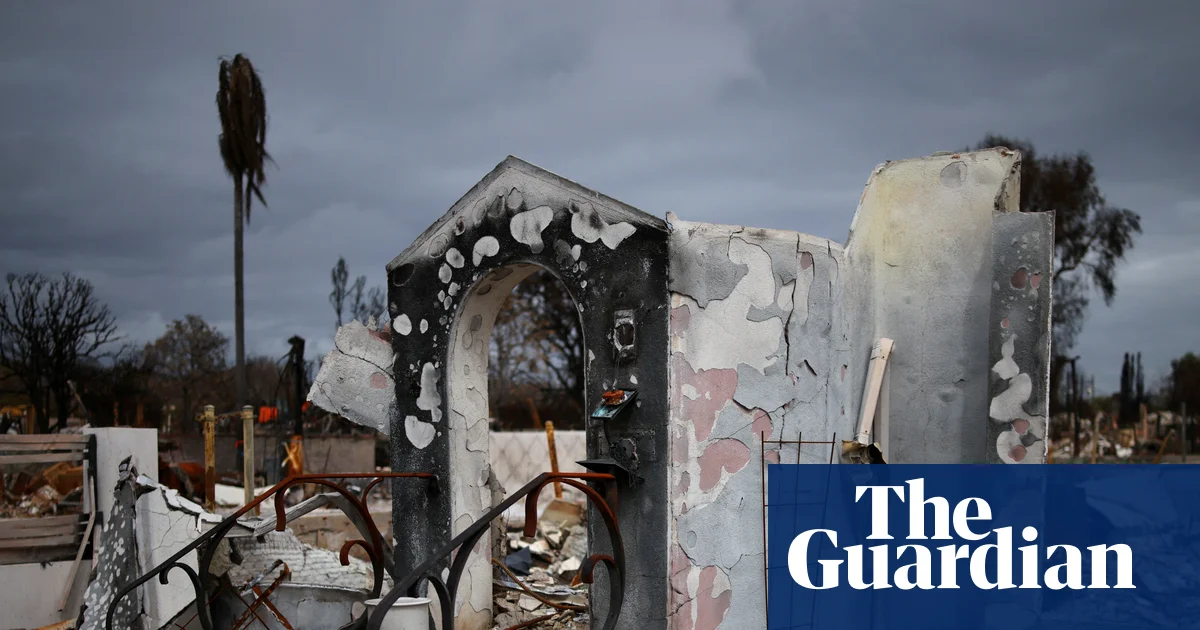
The recent Palisades fire in California has reignited not only concerns about environmental management but also about the larger geopolitical and societal implications of local crises. The fire, which tragically claimed twelve lives and razed over 6,800 structures, underscores the unpredictable and destructive power of human and natural elements intertwined in the modern world. As authorities work to address the immediate aftermath, international observers and analysts are increasingly recognizing that such disasters have ripple effects beyond regional boundaries, influencing policies, economic stability, and even global security considerations.

Legal proceedings against Jonathan Rinderknecht highlight the complexities surrounding individual responsibility amidst larger environmental and civil crises. Charged with federal arson affecting interstate commerce, Rinderknecht’s case draws attention to how digital behavior—such as his interactions with AI and geolocation data—can be scrutinized as potential indicators of intent or involvement. Historians like Dr. Linda Carter have warned that the proliferation of AI-generated content and digital footprints complicate traditional notions of guilt and innocence, especially in emergencies driven by human actions. These developments reveal a new frontier in criminal investigation, where technological intricacies shape judicial outcomes, but also threaten to infringe on civil liberties, raising questions about the limits of surveillance in safeguarding communities.

The incident also offers a lens through which to view the broader geopolitical impact of climate-related crises. As climate change continues to intensify, fires like Palisades serve as stark reminders of how environmental catastrophes can destabilize societies, strain resources, and draw international attention. Experts from organizations such as the United Nations have warned that unchecked environmental disruptions could lead to increased migration, economic hardship, and regional conflicts, especially in areas ill-prepared for such events. The destruction of California’s landscapes epitomizes the fragile balance between economic growth and environmental resilience, and the need for international cooperation in developing sustainable policies.

Meanwhile, the timing of legal and environmental responses underscores a critical debate on sovereignty and responsibility. The response to local fires, driven by national policies and emergency protocols, often influences how nations perceive threats to their stability. U.S. authorities, under growing scrutiny, must demonstrate their capacity to protect citizens without overreach. At the same time, the international community watches as nations like Russia and China contend with their own climate-related disasters, seeking to project power amidst a shifting global landscape. As historian Dr. James Parker notes, “These crises aren’t isolated; they reflect a broader struggle for influence, resilience, and control across the world’s geopolitical stage.”

As the trial of Rinderknecht approaches, with proceedings set for December 16, the outcome will likely influence future approaches to both criminal justice and disaster management. His case may become a precedent for integrating AI analysis into legal processes and determining accountability in an increasingly digital world. But as history continues to unfold, the true scope of these localized tragedies extends beyond courtrooms and firefighting efforts—prompting a fundamental reckoning with how humanity navigates a planet under siege from its own innovations and neglect.

In the end, the story of Palisades is a chapter in a much larger narrative—one of peril, resilience, and the relentless pursuit of stability amid chaos. As nations grapple with their responsibilities and citizens confront the realities of environmental and technological change, the weight of history presses upon us all. The future remains uncertain, teetering on the edge of now and the ever-approaching echo of coming storms—both natural and human-made—challenging every society to stand firm or be swept away by the storm of its own making.

EU Court: Pets on Flights Now Just Baggage—Standards Lowered for Travelers

European Court of Justice Declares Pets as Baggage: Shaping International Liability Rules

In a landmark decision that could reverberate across Europe and beyond, the European Court of Justice (ECJ) has definitively classified pets transported by airlines as baggage. This ruling, born from a contentious case involving a lost dog during an Iberia flight from Buenos Aires to Barcelona, underscores a significant shift in how international flight liabilities are understood, with profound geopolitical implications. As debates intensify around the status and welfare of companion animals, this decision crafts a legal framework that emphasizes the role of airlines in their cargo management, potentially recalibrating international standards and influencing judicial interpretations globally.

The case arose after Felicísima, the owner of Mona, a pet dog, embarked on a long-haul journey, only to see her beloved animal escape during transfer and subsequently become lost despite extensive search efforts. The incident, ultimately classified as the loss of baggage under the Montreal Convention, was pivotal. The ECJ ruled that since no special declaration about Mona’s contents was made at check-in, the airline’s liability was limited, awarding just over €1,500 despite the owner’s €5,000 claim. This decision clarifies the legal standing of animals in transit, casting long shadows over international commerce and responsible pet transportation. Analysts and legal scholars interpret this as a reinforcement of airlines’ authority to treat animals as cargo, effectively redefining the boundaries of liability and responsibility.

The ruling’s geopolitical impact is palpable. Countries observing the European Union are left to consider the broader implications for animal welfare, international trade, and security protocols. The ECJ’s explicit wording states that animals fall under baggage and are subject to the liability framework established for cargo, even acknowledging the EU’s recognition of animal welfare as a general interest. This raises questions for international organizations like the ICAO (International Civil Aviation Organization), which will need to adapt its guidelines to account for such rulings. For global powers, the message is clear: transportation of pets is a legal matter rooted firmly in cargo policy, complicating efforts to extend more compassionate or protective standards without international consensus.

Furthermore, nations outside the EU are observing with a mixture of alarm and strategic recalibration. Many developing countries, where pet tourism and expatriate communities thrive, now face a future where airlines could prioritize cargo standards over animal welfare unless established through bilateral agreements. Meanwhile, human rights and animal advocacy groups are warning that this legal interpretation might diminish the already fragile protections for companion animals. As one leading analyst notes, “It’s a turning point—where economic interests and legal clarity threaten to eclipse the emotional bonds we forge with our animals, transforming them into commodities regulated solely by international cargo conventions.”

As history continues to unfold, the weight of this decision will likely challenge lawmakers and the judiciary alike, forcing a reevaluation of how societies balance commerce, compassion, and responsibilities. The echoes of this ruling will resonate in the corridors of power, compelling a global conversation about the moral obligations of nations in safeguarding not just human lives but the lives of those animals that share our journey into an increasingly interconnected and legally complex world. The unfolding chapters remain ominous, and it is within these deliberations that the future of international animal transport—and perhaps the soul of 21st-century global governance—will be written.

Ipswich family court highlights urgent need for reform to protect our youth

The fabric of our society is being tested not just by economic shifts or political debates, but by the very social issues that impact families, education, and communities. At the heart of these challenges lies the troubling phenomenon of parental alienating behaviors, a crisis that some sociologists describe as a “massive public health issue”. This insidious dynamic emerges when one parent, often after separation or divorce, actively seeks to turn children against the other parent, wreaking havoc on the stability and emotional well-being of young minds. A recent case followed by the BBC exemplifies this destructive pattern—a decade-long custody battle that highlights the devastating effects on children caught in the crossfire of bitter parental disputes.

This case underscores how social tensions within families bleed into the education system and ripple throughout the community. The court case revolved around allegations of emotional, physical, and mental abuse, accusations that each parent vehemently denied, yet the underlying hostility made resolution impossible. The judge expressed deep regret over the “hostility” between the parents—a hostility that has left the children in a state of “interminable pressure,” as one social worker remarked. Such conflicts do more than shatter individual families; they sow distrust, confusion, and discord in local communities, leaving professionals helpless in the face of entrenched animosity that robs children of secure relationships and educational stability.

Experts like the social commentator Charlotte Proudman argue that these cases symbolize a broader societal malaise—a failure to prioritize the mental and emotional welfare of the next generation. The 2024 study by the University of West London reveals that nearly 60% of separated or divorced parents experience some form of parental alienation, a statistic that reveals how pervasive this issue has become. Both the legal system and societal institutions are grappling with how to better serve families under these circumstances, particularly in an environment where delays and inefficiencies complicate the pursuit of justice. Experts have pointed out that without proper funding and systemic reform, these issues will only deepen, further destabilizing families and impairing children’s ability to thrive in school and beyond.

Despite the complex realities, recent reforms such as the innovative Pathfinder courts signal a step toward a more child-centered justice system. These courts prioritize problem-solving approaches over adversarial litigation, aiming to reduce conflict, delay, and harm. As Sir Andrew McFarlane explains, the goal is to create a more satisfactory environment where children are at the heart of proceedings, and disputes are resolved with their wellbeing in mind. Such efforts are essential as society grapples with the long-standing delays highlighted by the Public Accounts Committee, which notes that families are often “let down” by an inefficient system that neglects their emotional needs.

In the face of these social challenges, society must recognize that the health of our families directly influences the strength of our communities and the future of our youth. It is no longer enough to passively hope for resolution; proactive reform, investment, and a moral commitment to prioritizing children’s well-being are imperative. As communities stand at the crossroads of tradition and transformation, society must ask itself: What kind of future do we want for our children? And what sacrifices are we willing to make to ensure that future is one of hope, stability, and genuine unity? For in the quiet struggles of these young lives, society’s resilience and compassion are truly tested—and in those tests, there lies the possibility for profound renewal.

South African farm worker reveals women were fed to pigs to hide evidence, shocking court testimony

South Africa’s Darkest Day: A Case That Exposes Deep-Rooted Tensions

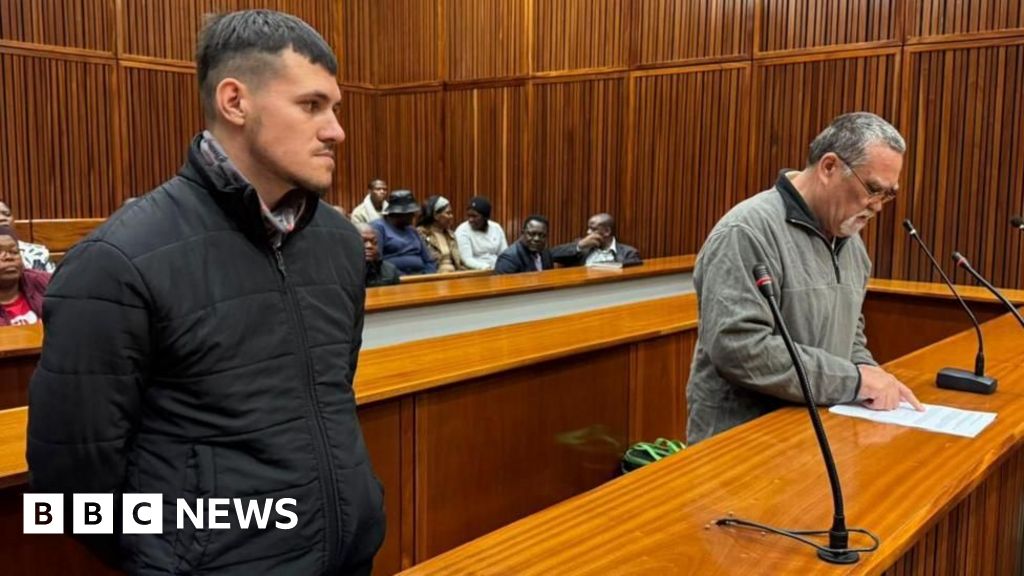
The sordid details emerging from a court case in South Africa have shocked the global community and laid bare the ongoing struggles within this once oppressed nation. A 21-year-old farm worker, Adrian De Wet, has testified to a gruesome series of events involving the murder of two women, Maria Makgato and Lucia Ndlovu, whose deaths have ignited widespread outrage. De Wet, who was coerced into assisting his boss, Zachariah Johannes Olivier, and another man, William Musora, in disposing of the victims’ bodies by tossing them into a pigsty, has provided chilling details that paint a stark picture of brutality rooted in racial and economic tensions still festering beneath South Africa’s surface.

According to De Wet’s court testimony, the incident unfolded during a night when Olivier and himself, armed with hunting rifles, waited for trespassers on the farm near Polokwane. When voices approached, they opened fire, killing the women who were simply seeking food — an act that reveals much about the desperation and social divide in the country. The gruesome aftermath, including pigs frenzied over the remains and the subsequent destruction of evidence, underscores a disturbing attempt to hide the violence. Court exhibits showing mutilated bodies and evidence of the pigs’ attack highlight the far-reaching consequences of such unthinkable acts, and the contamination of justice and morality in this rural landscape.

Geopolitical Impact and Societal Ramifications

This case is not just a tragic criminal story; it’s a flashpoint with deeper implications for South Africa’s geopolitical stability. As noted by international analysts, the incident exemplifies the persistent racial disparity and economic inequity that continue to pervade the country, two decades after the official end of apartheid. Most farmland remains in the hands of a white minority, while a majority of black farmworkers live in poverty and are vulnerable to violence and neglect. This division fuels resentment and undermines societal unity, exacerbating tensions that threaten to destabilize the fragile political landscape. Human rights organizations and historians warn that such tragedies could serve as catalysts for greater unrest unless comprehensive reforms address economic disparity and promote integration.

Moreover, the international community watches with concern as South Africa grapples with its identity and path forward. While the nation aspires to be a leader on the continent, incidents like this expose a failure in governance, rule of law, and social cohesion. The ongoing trial, scheduled to resume next week, is seen by many as a critical test of whether justice can be truly served amid profound societal fractures. As United Nations and African Union officials stay alert, questions about the country’s stability and commitment to progress remain salient. This case underscores the dangerous potential of unresolved racial and economic grievances, with some analysts warning that neglect could lead to further escalation and destabilization across the region.

This tragedy yet echoes the haunting shadows of a nation still grappling with its past and present

As the court proceedings unfold, the weight of history presses down on South Africa’s shoulders, a reminder that the scars of racism, inequality, and violence are far from healed. The vivid images of mutilated bodies and footprints of apathy threaten to become symbols of a society at a crossroads. Will justice rectify this deep wound, or will the pattern of brutality continue to haunt the land? The answers remain uncertain, but one thing is clear: The story of South Africa’s struggle is far from over, and the pages being written today will determine the course of its future in the annals of history.

Kate McCann reveals stress from stalker’s bizarre "Mum" calls in court
Kate McCann reveals stress from stalker’s bizarre “Mum” calls in court

In recent developments that transcend national borders, the trial of Julia Wandelt and her associate Karen Spragg in the United Kingdom underscores the profound influence of legal institutions in conjoining individual tragedies with international societal concerns. Wandelt, a Polish national, faces serious allegations of a two-and-a-half-year harassment campaign directed at Kate McCann, whose missing daughter Madeleine has remained at the center of a global puzzle since 2007. This case exemplifies how personal grief morphs into a broader societal debate about privacy, security, and mental health, especially within the context of high-profile, emotionally charged cases.

The underlying geopolitical impact extends further — it illuminates the cross-border challenges faced by law enforcement and international organizations in processing and responding to domestic violence, harassment, and the manipulation of public sentiment. Analysts highlight how such cases resonate beyond their immediate contexts, influencing legislation and public policy, particularly in the realm of digital privacy and protection. The European Union and other international bodies increasingly grapple with legislating numeric and technological safeguards, aiming to deter similar harassment campaigns that now threaten societal stability. Historians note that this ongoing saga echoes the turbulence seen in other high-profile international criminal cases, where individual malefactors leverage technology to manipulate others and evade accountability.

This episode also reveals how decisions—both judicial and societal—directly affect national immune systems and social fabric. The McCann family’s ordeal has been amplified by social media, where online narratives often spiral into vitriol, sometimes hampering official investigative efforts. The international community is keenly aware of these trends, with organizations warning of the dangerous power shift from traditional courts to digital forums**,** which can distort justice and inflame societal divisions. Meanwhile, the case raises urgent questions about the protection of vulnerable populations—children, families, and individuals—against psychological and physical harm, a concern that resonates globally in the age of cyber influence.

As the trial continues, experts like criminologists and international legal analysts emphasize the importance of understanding the historical significance of such cases—they are more than isolated incidents; they serve as a mirror reflecting societal vulnerabilities and priorities. Yet, the enduring question remains—how will history judge the decisions made today? Will justice be truly served, or will this case be another chapter in a long narrative of unresolved trauma and societal decay? As the global spotlight sharpens on U.K. courts, the echoes of this courtroom drama reverberate into the future, shaping the moral and legal landscape for generations to come.

Supreme Court blocks Ghislaine Maxwell’s appeal, denying her last chance.

Ghislaine Maxwell’s Conviction: A Landmark in Justice and Global Power Politics

The recent rejection of Ghislaine Maxwell’s appeal by the US Supreme Court marks a significant turning point in the ongoing saga of justice, influence, and the shadowy networks linking the world’s elite. Maxwell, once a close associate of the late financier Jeffrey Epstein, faces a 20-year sentence for her role in facilitating the abuse of underage girls, some as young as 14. Despite her legal team’s disappointment, this decision underscores the unwavering stance of the American justice system against those involved in child sex trafficking and traffickers linked to powerful societal circles. Historians and analysts note that this case transcends individual accountability, revealing how international elites shield themselves amid complex layers of corruption, power, and influence.

The case’s significance extends beyond national borders, touching the very fabric of global geopolitical stability. Epstein’s network is implicated in a sprawling web of political, financial, and social figures worldwide. The files surrounding Epstein, including grand jury testimony, have become a veritable political flashpoint, with calls for transparency and the release of evidence intensifying. The international community, including prominent NGOs and watchdogs like Human Rights Watch, continues to scrutinize how justice is applied to the powerful. They warn that the public’s trust hinges on the full disclosure of the facts—an endeavor that threatens to expose uncomfortable truths about how some nations and actors operate. Meanwhile, Maxwell’s recent move to a minimum-security facility in Texas signals ongoing attempts to gather her testimony, possibly implicating even more influential figures, or at least extending the shadow of suspicion across political and economic landscapes.

Speculation about pardons by figures such as former President Donald Trump has added another layer to this already volatile mix, but official sources have repeatedly dismissed any claims of leniency. The White House clarified that “no leniency is being given or discussed,” signaling the government’s desire to maintain the integrity of the judicial process amid mounting political pressure. Such developments resonate strongly with how decisions by political leaders or international institutions impact societal perceptions of justice and accountability. Meanwhile, legal experts and historians warn that these high-stakes cases have long-term implications on global perceptions of law and order. As Maxwell quietly serves her sentence, the truths buried within Epstein’s network remain elusive—yet the narrative continues to evolve, stirring an age-old debate about justice, influence, and the corrupting power of unaccountable elites.

In the midst of this turmoil, the symbolism of Maxwell’s conviction stands as a stark reminder of a history still being written. International institutions and justice systems encounter a formidable challenge: to uphold the rule of law in a world where the line between power and corruption is often blurred, and where the decisions made today shape the societal fabric for generations. As the story unfolds, each revelation, appeal, and legal maneuver echoes the collective consciousness of societies worldwide—questions about morality, fairness, and the unvarnished pursuit of truth. The weight of history presses heavily upon this moment, leaving the world to wonder: will the seeds of justice sprout amid shadows of influence, or will they be suffocated by the very forces that conspiracy and privilege protect?

Indian court orders doctors to get their handwriting right—common sense for future generations

India’s Court Crusade Against Illegible Prescriptions: A Wake-Up Call with Global Ramifications

In recent months, India has spotlighted a critical issue that resonates far beyond its borders: the peril of illegible medical handwriting. The Punjab and Haryana High Court issued a landmark order emphasizing that a legible medical prescription is a fundamental right—not a mere matter of aesthetics, but a vital safeguard for patient safety. This judicial stance underscores a broader, urgent global concern: how the failure to standardize and digitize prescriptions can have deadly consequences. Experts and health authorities in various countries recognize that the age-old problem of ruined handwriting is not just a humorous anecdote but a serious medical risk that demands international attention.

The core of the issue became painfully clear in India when Justice Jasgurpreet Singh Puri criticized a medico-legal report rendered by a government doctor for being entirely unintelligible, which he remarked could mean the difference between life and death. Despite advances in technology, some government physicians still rely on handwritten prescriptions, often impossibly difficult to decipher. Accurate, clear communication between doctors and pharmacists is a cornerstone of patient safety, and neglecting this standard has historically led to medical errors, preventable deaths, and tragic outcomes. Studies from the United States and the United Kingdom reveal that poorly written prescriptions contribute to massive medical errors, with one report estimating that in the US, over 7,000 deaths annually are directly linked to handwriting-related errors—a statistic arguably underreported in countries like India.

While India’s health system faces unique challenges—overcrowding, resource limitations, and cultural habits—this order signals a necessary global shift. Countries worldwide are increasingly moving towards **digitized prescriptions** to reduce ambiguity. International organizations and health authorities, including the World Health Organization (WHO), advocate for mandatory electronic health records and digital prescribing systems, emphasizing that such technology could cut medication errors by up to 50%. Countries like Scotland have already embarked on large-scale rollouts of such systems, dramatically reducing harm. However, in rural and underserved regions, handwritten prescriptions persist, perpetuating the risks and highlighting the importance of digital literacy and infrastructure investments—a challenge not unique to India but present across developing nations.

Historically, the unassuming scrawl of a doctor has caused death and injury, and the danger persists. The 1999 Institute of Medicine report in the US revealed that at least 44,000 preventable deaths occur annually due to medical errors—including poorly written prescriptions. Critical voices warn that in a hyperconnected world, such risks should be unacceptable. As historians and analysts observe, these small but deadly lapses serve as stark reminders of where negligence and outdated practices intersect with technology and human lives. This latest judicial ruling from India is more than a national story; it’s a clarion call for global healthcare systems to prioritize clarity, transparency, and technological modernization. How nations choose to address this issue—through policy, innovation, and education—will shape the course of healthcare safety for generations.

As the threads of global health, technology, and law weave together in this unfolding story, history’s weight presses heavily on the shoulders of policymakers and practitioners worldwide. The silent tragedy of unreadable prescriptions persists—yet it is within this silence that the echoes of change are stirring. The question remains: will the world heed the urgent warnings and act decisively, or will we allow the pages of history to continue turning, with lives, perhaps, hanging in the margins of illegibility?

Social Media Auto Publish Powered By : XYZScripts.com