Matox News

Truth Over Trends, always!

Vance Gets Schooled in Iran War Debate: "Popesplaining" Fails to Keep Up
Vance Gets Schooled in Iran War Debate: “Popesplaining” Fails to Keep Up

Global Tensions Rise as Religious and Political Narratives Collide

In an era where geopolitical stability hinges on the delicate balance of diplomatic efforts and ideological influence, recent events highlight the profound impact of religious discourse on international relations. The clash of perspectives between Pope Leo XIV—the first North American pontiff—and American political figures underscores a critical juncture where faith, ethics, and national security converge to shape world events. Historically, the concept of a “just war”—a doctrine rooted in Augustine’s writings—continues to fuel debate, especially as the United States navigates its controversial stance on Iran amid accusations that strategic narratives are being embedded with religious justifications.

At the heart of this emerging geopolitical arousal is a profound disagreement on the morality and legality of military intervention. Cardinal Robert McElroy and other Catholic leaders have recently condemned the US and Israeli actions against Iran, asserting that such moves violate the just-war criteria that have governed Christian moral thought for over a millennium. While Vatican teachings emphasize that war can only be justified as a last resort in self-defense, the Trump administration’s rhetoric has often veered into confronting Iran with almost religious zeal, framing the conflict as a moral crusade rather than a strategic necessity. This narrative shift has prompted international organizations and historians—such as Dr. Emily Grant of the International Security Council—to warn of the dangerous escalation of religious rhetoric fueling national security decisions that risk igniting wider conflicts.

Decoding the Discourse: Theology Meets Politics

  • The recent dispute between Leo XIV and political figures such as JD Vance illustrates the tension between theological interpretations and political expediency. Vance’s remark that “God is never on the side of those who wield the sword” conflicts with centuries of just-war tradition, which justifies war in circumstances of self-defense and restoring peace. Such debates are not merely theological; they directly influence policy and public perception, risking a blurring of moral lines in warfare.
  • Meanwhile, Vatican officials insist that their teachings have always upheld that war is only permissible when “all peace efforts have failed”—a position that challenges the aggressive narratives fostered by certain American factions. Historian Dr. Mark Thompson reminds us that history shows how religious justifications have historically been co-opted to mobilize popular support for conquest, often with catastrophic consequences.
  • Adding fuel to the fire, President Trump’s controversial social media posts—such as his depiction of himself as a Christ-like figure and threats against Iran—have emboldened factions within the U.S. that view religious symbolism as a tool of national power. The deletion of Trump’s AI-generated image of himself as Jesus signals a recognition of the potential fallout, but the underlying message persists in the rhetoric of some allies, notably House Speaker Mike Johnson, who warns that wading into theological debates risks poisoning political discourse.

Implications for International Stability and Societal Society

As international organizations monitor the unfolding narrative, the implication for societal stability remains ominous. If political leaders and religious figures continue to intertwine their rhetoric—especially when championing aggressive policies—the probability of miscalculation and escalation increases dramatically. Analysts warn that such narratives can polarize societies, erode diplomatic channels, and embolden extremist factions that see divine sanction in conflict. The United States, due to its influence and military power, occupies a pivotal role in this delicate dance, where every decision carries the weight of history and the potential to ignite a wider, more devastating war.

In this moment of crisis, the words of historians and international security experts are more crucial than ever. They caution that the choices made today—whether rooted in religious morality or political expediency—will reverberate across generations. The mounting tension over certainties of justice and morality in warfare underscores a broader, more profound truth: the path to peace is often navigated through the perilous waters of moral reflection, where the stakes are nothing less than the destiny of nations. As history continues to unfold, the world watches with bated breath, pondering whether these debates will lead to ajust peace or plunge us further into chaos, leaving a legacy that history will either condemn or commend—yet never forget.

Canada’s Biggest Gun Control Push in Decades Fails to Hit the Mark

Canada’s Firearm Ban Sparks International Debate and Reflects Changing Global Dynamics

In a significant move that has garnered worldwide attention, Canada has recently announced a comprehensive ban on 2,500 models of “assault-style” firearms. This decision marks a stark evolution in the nation’s approach to gun control and underscores the ongoing struggle between individual rights and societal security. While Canada’s policy aims to reduce violent incidents associated with semi-automatic weapons, critics argue that the initial plan to buy back tens of thousands of these firearms fell short by approximately half, revealing the deep-rooted challenges in implementing such sweeping reforms. This development is more than a domestic affair; it resonates across the international stage, influencing regional security, diplomatic relations, and global debates over gun legislation.

Historian and security analysts highlight that Canada’s move aligns with a broader trend among Western democracies grappling with rising violence and social unrest. The Canadian government contends that such measures are necessary to prevent tragedies similar to those experienced in other countries where uncontrolled firearm proliferation has led to lost lives and lasting trauma. However, critics point out that these policies serve as a reflection of shifting political ideologies and the influence of global liberal agendas, with some analysts suggesting that Canada’s approach is also designed to enhance its diplomatic standing within Commonwealth and international communities that emphasize human rights and social safety. The apparent gap between legislation and enforcement illustrates the complex realities of translating intentions into effective action, particularly when entrenched gun ownership cultures persist.

International observers have taken keen interest in Canada’s firearms policies, viewing them as a microcosm of the wider ideological battles unfolding across the Western world. The United States, amidst its own contentious debates over gun rights and gun control, watches closely, with some analysts warning of the potential for increased cross-border influence and unintended consequences. The United Nations and other global institutions have issued statements about the importance of firearms regulation, yet critics argue that success ultimately depends on national resolve and societal consensus rather than international pressure alone. As geopolitical experts from institutions like the International Crisis Group emphasize, the effectiveness of Canada’s policies will be judged not only by how many firearms are removed but also by how the societal fabric adapts amidst these contentious reforms.

The move also raises important questions regarding how decisions at the national level shape international relations and influence societal stability. Some nations interpret Canada’s efforts as a step toward greater social cohesion and peace, while others see it as a cautionary tale of overreach and failed implementation. The ongoing challenges faced by Canada—partly reflected in the fact that buy-back programs only recouped about half of the targeted firearms—underline the formidable obstacles faced by governments seeking to curtail firearm violence in a deeply divided society. As history continues to unfold, the world bears witness to a pivotal moment: the delicate balance between preserving individual liberty and ensuring collective safety, a dynamic that will test the resilience of sovereignty and social cohesion for generations to come.

In the end, the story of Canada’s firearm policy serves as a stark reminder that the decisions made today are etched into the fabric of history, shaping the course of nations and societies. As the global community watches, the implications of these policies extend far beyond borders—drawing lines in the sand that define the future of security, identity, and sovereignty in a turbulent world. The unfolding chapters suggest that, while laws may change, the struggle to reconcile freedom with safety remains as enduring and profound as ever.

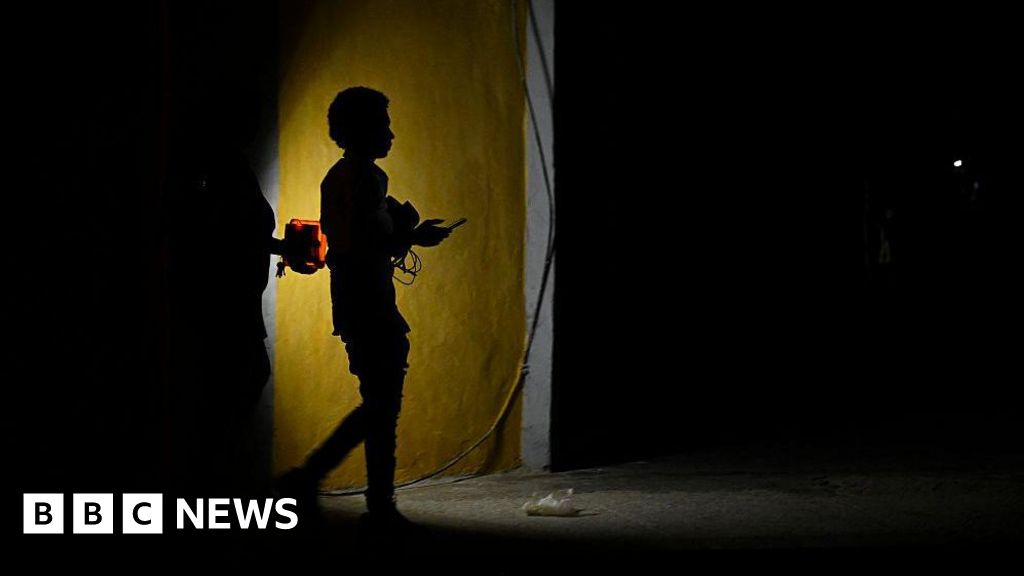
Cuba’s power grid fails, leaving millions in the dark and highlighting urgent needs ahead

Amid growing economic discontent, Cuba faces an acute energy crisis intensified by a prolonged U.S. blockade on oil shipments. For decades, the island has struggled with economic hardships, but recent developments have thrust the fuel shortage into the international spotlight. The blockade, which prohibits the sale of oil and related goods to Cuba, has significantly limited the island’s access to vital energy supplies, thus crippling its capacity to sustain both industry and everyday life. Analysts warn that this ongoing embargo not only hampers Cuba’s domestic stability but also exemplifies the enduring effectiveness of U.S. economic leverage in the Caribbean region.

The geopolitical impact of this crisis extends beyond Cuba’s borders, demonstrating how economic sanctions serve as powerful tools in the broader U.S. strategy to influence regional politics. According to geopolitical experts and international organizations like the United Nations, the blockade’s consequences ripple across neighboring nations, affecting trade routes, regional security, and diplomatic posturing. Historically, commentators such as Dr. James Roberts of the International Institute of Geopolitical Studies argue that such measures underscore a continued effort by the U.S. to curtail Cuba’s alliances with adversarial states, notably Venezuela and Russia, thereby maintaining regional dominance. The energy shortages risk destabilizing Cuban society further, as essential services—healthcare, transportation, and food supply—suffer under the weight of fuel scarcity.

Meanwhile, the international community remains divided in its response. While some nations scrutinize the U.S. embargo, arguing it violates principles of sovereignty and economic development, others uphold it as a necessary measure to pressure Havana into political reform. The European Union and various Latin American countries have called for a reassessment of the sanctions, emphasizing the humanitarian toll and the need for constructive engagement. However, critics contend that these measures serve to entrench authoritarian practices and prolong Cuba’s economic stagnation. The United States, under the current administration, pledges to maintain the blockade, asserting that only through continued pressure will Cuba be compelled to undertake reforms. This stance, viewed by many analysts as a strategic move, ensures that the geopolitical chessboard remains tightly controlled by Washington’s interests.

As history unfolds, the situation in Cuba exemplifies a broader struggle: how global powers wield economic tools to shape the destiny of nations. The ongoing crisis underscores a fundamental question—whose interests are served when the economic lifelines of countries are severed? With each passing day, the weight of history presses down, and the choices made by leaders echo in the future of the Caribbean and beyond. In this volatile arena, the delicate balance of power and influence continues to shift, leaving observers and participants alike wondering—how long can the flames of conflict and sanctions burn before the entire regional fabric is forever altered?

Massive robot tribute to Lula fails to impress at Carnival showdown

In an extraordinary display of cultural expression intertwined with raw politics, Brazil’s vibrant Rio de Janeiro Carnival once again served as a stage where history and modern conflicts collide. The opening parade, known for its colorful spectacle and cultural showcases, featured a tribute to President Luiz Inácio Lula da Silva that has stirred intense debate both domestically and internationally. The samba school Acadêmicos de Niterói presented a visual narrative tracing Lula’s rise from impoverished childhood in the Brazilian northeast to his influential decades as a metalworker, union leader, and ultimately, leader of the nation. Yet, despite its cultural significance, this tribute was notably awarded last place in the competition, signaling underlying tensions within Brazil’s political climate as the October presidential election looms large.

Observers highlight that the timing of the tribute has drawn criticism from opposition factions who argue it could be an early electioneering tactic. Critics contend that publicly honoring Lula during such a politically charged season blurs the lines between cultural expression and campaign manipulation, potentially violating campaign rules designed to ensure electoral fairness. As Brazil’s opposition groups gear up for a highly contested ballot, the controversy underscores the fragile state of democracy in a nation deeply divided along ideological and economic lines. Some international analysts warn of the broader geopolitical impact—Brazil’s internal politics are increasingly seen as a bellwether for regional stability in Latin America, with Lula’s presidency being scrutinized for its potential to shift alliances and regional diplomatic strategies.

Meanwhile, another samba school, Unidos do Viradouro, claimed victory in the carnival’s competition with a tribute to their legendary drum director, further exemplifying how cultural events in Brazil now serve as proxies for larger societal debates. The symbolism embedded within these performances is not lost on international political observers, who note that carnival — far from just entertainment — has become a mirror reflecting the nation’s internal struggles. Scholars from prominent think tanks and the United Nations have analyzed how such displays influence public perceptions of leadership, governance, and national identity.

As the world watches Brazil’s vibrant streets and the unfolding political saga beneath its dazzling costumes, the stakes extend beyond entertainment. The decision to honor Lula publicly amid mounting allegations of electoral interference signifies a potential turning point in Brazil’s democratic journey, one that could resonate across the continent. As history continues to unfold in samba beats and political rhetoric, the outcome of Brazil’s October elections may yet redefine the country’s trajectory—its path a narrative written by both the voices inside its borders and those observing from afar. In the shadows of Rio’s carnival festivities, the weight of history quietly awaits its next act, reminding the world that at the heart of this spectacle lies a nation at a crossroads—one where every decision reverberates with the potential to alter the course of history itself.

Undertone Review: A Lackluster Podcast Horror Fails to Impress — Skip It at Sundance 2026

In an era where pop culture often seems inundated with shock tactics and superficial novelty, the enduring importance of culture as the fabric of identity and tradition remains paramount. The recent release of Ian Tuason’s indie horror Undertone exemplifies this truth, not merely as a low-budget experiment but as a reflection of the ongoing cultural dialogue—one that resonates beyond the immediate scares. Though critics point to its familiar tropes—drawing from The Exorcist and Hereditary—the film underscores a deeper, almost philosophical truth: that our stories and myths, whether in horror or history, serve as echoes of our societal values, fears, and hopes.

Philosopher Ortega y Gasset famously observed that culture is both a radar and a mirror—a navigation system built from the collective memory of a civilization, guiding its future while reflecting its past. In this light, popular culture becomes a vessel for ancestral archetypes, modern anxieties, and the moral lessons embedded in our shared narratives. The horror genre, in particular, functions as an almost prophetic tool, warning us against moral failings, societal decay, or the chaos lurking just beneath the veneer of civility. Tuason’s film, with its voyeuristic podcast and spectral recordings, is less about shock for shock’s sake and more about a subconscious dialogue with centuries of folklore, superstition, and cultural fears about evil, innocence, and the unknown.

Moreover, cultural critics like G.K. Chesterton remind us that tradition is the foundation upon which modern identity is built—an innate connection to timeless stories that bind communities through shared symbols and morals. Even in its fragmented, strained narrative, Undertone subtly underscores how our response to darkness—be it in stories or in the real world—draws from this deep well of cultural inheritance. Like the great myths or the heroic epics that challenged societies throughout history, horror, as a cultural genre, becomes a mirror to societal archetypes and the moral boundaries we uphold or break. In the end, the film’s failure to fully connect these elements reminds us that culture must evolve, but not at the expense of its core.

This perspective aligns with the insights of T.S. Eliot, who argued that true cultural renewal emerges from a conscious engagement with the past—its symbols, stories, and moral frameworks—allowing tradition to inspire prophecy. As the world around us seemingly races toward sensation and superficiality, it is vital to remember that culture is the slow, deliberate weaving of memory into the fabric of society. Whether through the ancient myths that warned of hubris or contemporary narratives that grapple with the chaos of modernity, our storytelling preserves the essence of what it means to be human. These stories are not static—they are living, breathing testimonies of our collective triumphs and failures, guiding the youth and the wise alike toward future horizons.

In this ongoing dance between memory and prophecy, culture remains the enduring vessel of identity—a testament to the resilience of human tradition amidst the shifting sands of time. As we face the uncertainties of tomorrow, let us cherish the stories that have shaped us, knowing they are both the echoes of a past that informs our present and the whispers of a future yet unwritten. For in the grand symphony of human history, culture is both the memory that sustains us and the prophecy that beckons us onward—an indelible mark of what we have inherited and a beacon of what we might yet become.

Next-Gen Carbon Removal Tech Fails to Make a Splash

Innovative Ocean Geoengineering Firm Fades Amidst Unforeseen Risks and Funding Woes

In a striking example of the volatile intersection between technological innovation and environmental risk, Running Tide, a pioneer in marine geoengineering, has effectively shut down its operations following mounting financial challenges and unresolved scientific concerns. Despite promising early commitments from industry giants such as Stripe, Shopify, Microsoft, and the Chan Zuckerberg Initiative, the company’s ambitious plan to utilize ocean-based wood-chip dumping to sequester atmospheric carbon has encountered fundamental scientific obstacles and public skepticism. Odlin, the company’s CEO, publicly confirmed in June 2024 that “there simply isn’t the demand needed to support large-scale carbon removal,” marking a sobering end to a venture that once captured the imagination of climate tech advocates.

The core innovation behind Running Tide was its attempt to leverage natural ocean processes by sinking biomass—primarily wood chips—in hopes of accelerating carbon sequestration. However, scientific feedback from oceanographers and deep-sea experts reveals that such interventions may have unpredictable and potentially devastating ecological effects. For instance, Odlin himself admitted that monitoring the fate of Wood-chip deposits proved impossible after just a few hours post-release, raising serious questions about the viability of accurately assessing the environmental impact of such efforts. Environmental scientists, including Samantha Joye of the University of Georgia, warn that biomass dumping could create “dead zones,” where oxygen deprivation obliterates aquatic life, and could also irreparably damage deep-sea ecosystems that are vital for medical research and understanding Earth’s early history.

This uncertainty underscores a critical challenge: the disruption of seabed ecosystems may hinder the ocean’s ability to naturally absorb carbon rather than enhance it. A recent carbon flux report from the Convex Seascape Survey warns that disturbing seabed sediments can inhibit their capacity to sequester carbon, which runs counter to the intended purpose of biomass sinking initiatives. Such revelations expose the significant *business risks* associated with ocean geoengineering ventures — assets often backed by well-meaning, yet under-informed investors, now faced with mounting scientific doubts and regulatory hurdles.

The demise of Running Tide signals a wider industry reckoning about the *disruption* and *unpredictability* inherent in emerging climate tech solutions. While the promise of harnessing oceans for climate mitigation is enticing, the ultimate challenge remains: merging cutting-edge technological innovation with rigorous scientific validation. As the global community grapples with *climate change*, these failures highlight that “disruption” in green tech cannot come at the cost of ecological stability or scientific integrity. Industry leaders, research institutions like MIT, and forward-thinking investors must now prioritize transparent, interdisciplinary research that refuses to sacrifice ecological health for techno-optimism.

Looking ahead, the rapid acceleration of ocean-based techniques should serve as a warning to policymakers and entrepreneurs alike: true disruption for the sake of innovation demands a cautious approach—one that recognizes the limits of current science and the urgency of ethically responsible innovation. With climate change pressing ever more urgently, the future of technological solutions depends on our capacity to develop methods that are both effective and ecologically sustainable. The path forward must balance youthful ambition with sober scientific scrutiny, ensuring that technological progress does not unwittingly unleash irreversible damage beneath the waves.

K-pop group fails to win legal fight against agency, raising questions about artists' rights
K-pop group fails to win legal fight against agency, raising questions about artists’ rights

The recent legal confrontation involving South Korean K-pop sensation NewJeans and their agency, Ador, has sent ripples through the global entertainment landscape, spotlighting the underlying power dynamics within South Korea’s burgeoning cultural export. The notorious court decision, which upheld the validity of the group’s contractual commitments until 2029, underscores a broader trend of entrenched corporate control over artists that raises questions about the autonomy of creative talents in modern geopolitics and economics.

In a move that defies the normative expectations of artist-initiated rebellion, the Seoul Central District Court dismissed the group’s plea for contract termination, emphasizing the legal binding nature of their agreement. The dispute emerged amid allegations of mistreatment and manipulation by the agency, a scenario that echoes narratives from other big markets where corporate giants—such as America’s Hollywood or Japan’s idol businesses—hold disproportionate sway over their talents. Yet, what makes this case extraordinary is its potential to influence how nations strategize cultural diplomacy and the international community perceives Asian entertainment industries as geopolitical tools.

Analysts note that Hybe, South Korea’s largest entertainment conglomerate, operates not merely as a label, but as a soft power behemoth, shaping not only music charts but also international perceptions of Korea’s cultural economy. The case reveals a complex web of influence extending beyond the stage, affecting how governments and trade partners approach intellectual property rights and artist protections. The international community, including organizations like UNESCO and WIPO, is increasingly scrutinizing such disputes, recognizing their impact on cultural stewardship and legal sovereignty.

Furthermore, the fallout from this legal battle extends well beyond South Korea’s borders. The burgeoning global influence of K-pop—despite its cultural allure—faces challenges from internal power struggles that threaten to undermine its soft power agenda. This incident, with new Jeans asserting their desire to break free from entrenched corporate control, potentially signals a shift—a desire among young artists worldwide to assert their independence in an industry historically rooted in hierarchical, top-down directives. The international community watches intently as these developments unfold, understanding that these disputes reflect broader societal tensions over **autonomy, fairness, and the global governance of cultural industries**.

As the legal proceedings continue and NewJeans plans to appeal the court’s decision, history remains at a critical juncture. The story of this talented group and their battle against corporate giants echoes an enduring narrative: the struggle for autonomy against an overbearing system. This is a decisive moment in which the world’s eyes are drawn to how nations will adapt their geopolitical strategies to harness or curb the influence of cultural juggernauts. The outcome will not only shape the future of South Korea’s entertainment industry but also serve as a benchmark for how societies everywhere can balance the allure of soft power with the protection of individual rights—an ongoing saga that continues to unfold amidst the relentless march of history’s tide.

Shelby Oaks Review – Disappointing Halloween Horror Fails to Deliver Frights

In the modern age, culture serves as a vital—the very foundation—of societal identity and tradition. Yet, today we witness a troubling decline in the artistic and cultural standards that once fostered genuine community and ennobled the human spirit. The recent batch of horror films airing in the shadow of Halloween exemplifies this trend: franchises like Black Phone 2 and Shelby Oaks are emblematic of a cultural landscape increasingly dominated by superficiality and the superficial chase of cheap shocks. Instead of cultivating the rich tapestry of tradition or elevating society’s moral and aesthetic horizons, these productions reflect a descent into mediocrity, where the artistic is sacrificed on the altar of spectacle and profit.

This cultural malaise echoes underscored warnings from philosophers like José Ortega y Gasset, who lamented the crisis of mass entertainment diluting human excellence. The decline from genuine artistic endeavor to formulaic imitation—cloaked under the guise of innovation—is a sign of a society losing touch with its deeper roots. We can compare the current cultural decline to a kind of cultural amnesia, a forgetting of the traditions that once unified communities and inspired moral virtue. Instead of fostering stories that challenge the soul or elevate the mind, Hollywood now panders to fleeting trends, often producing films that are hurried, unoriginal, and devoid of the philosophical weight that once characterized Gothic or Romantic art.

This phenomenon is not confined to the film industry alone. It pervades the digital landscape, where YouTube creators like Chris Stuckmann attempt to carve their space within a fractured cultural framework. His debut feature, a low-budget horror film that tries to capitalize on genre tropes and online appeal, falls short of authentic storytelling, revealing the peril of a culture increasingly content with surface-level entertainment. Conversely, creators like Curry Barker, who successfully transitioned from humble beginnings to refined cinematic art, demonstrate that true cultural progress demands a mastery of craft and a reverence for tradition. As Chesterton argued, “Art is the signature of man,” linking cultural vitality directly to the moral and aesthetic cultivation of society.

In the face of this erosion, it is essential to recognize that culture is more than mere entertainment; it is the living memory of a civilization’s virtues, struggles, and aspirations. It should serve as both a mirror and a prophecy, reflecting the best of humanity and guiding us toward a future rooted in the enduring truths of our shared history. To heed the insights of T.S. Eliot—that “the past makes us, not in the sense of mere history but as a living tradition”—is to understand that our cultural endeavors forge the very fabric of society. In doing so, culture reveals the dual nature of humanity: a repository of memory, yet also a prophetic voice pointing towards human potential, calling us to remember the nobility of our ancestors and to forge a future that honors that nobility.

Ultimately, culture remains the sacred language of human authenticity—a symphony woven from the echoes of the past and the visions of what is yet to come. As we stand at the crossroads of this cultural moment, let us remember that true art and tradition are the torchbearers illuminating the way through the darkness toward a horizon where human greatness is rekindled, and the soul of society endures—resilient, rooted, and renewed in the eternal poetry of human existence.

Home Office’s attempt to lift migrant removal ban fails in court.

A recent incident has unfolded as authorities intervened to prevent the removal of an Eritrean man who attempted to enter the country via small boat. This event highlights ongoing tensions surrounding immigration policies that are at the forefront of political discourse today. The blocking of this removal raises questions about the effectiveness and consistency of our immigration system.

Young conservatives are especially concerned about how these situations are handled, advocating for stricter border controls and a merit-based immigration system. As debates continue, it’s crucial to find a balance between compassion for those in need and the security of our nation. The latest development underscores the importance of clear and consistent immigration policies that serve both our border integrity and humanitarian responsibilities.

Social Media Auto Publish Powered By : XYZScripts.com