Matox News

Truth Over Trends, always!

Israel and Hamas Clash Over Hostage Remains as Tensions Escalate in Gaza

In the ongoing tumult of Israel and Hamas, recent events highlight the fragile veneer of hope amid a deepening humanitarian crisis in Gaza. Despite the recent ceasefire agreement, which promised a surge of crucial aid and the return of hostages, the reality remains far complex and dangerous. The ceasefire deal signed last week initially raised hopes for a shift in the two-year conflict, yet most restrictions on aid deliveries and movements have persisted. The delay in opening vital access points, notably the Rafah crossing controlled by Egypt, underscores the geopolitical tensions and hesitancies that continue to inhibit the flow of food, fuel, and medical supplies—an urgent need acknowledged by international health organizations such as the WHO.

The international community, including the United Nations and prominent analysts like those from Harvard and the Council on Foreign Relations, emphasize the dire consequences of these delays. Aid agencies warn that the lack of medical supplies and fuel is pushing Gaza toward a catastrophic collapse of its healthcare system. With only a fraction of hospitals operating amid outbreaks of infectious diseases, the death toll and human suffering threaten to escalate. Meanwhile, Israel remains locked in accusations, with Prime Minister Benjamin Netanyahu vowing to retrieve the remains of all hostages and asserting that “the fight is not over yet”. His rhetoric signals a determined stance, reinforced by military statements that portray their ongoing operations as necessary to ensure security against threats they deem existential.

Amidst this, the U.S. and regional mediators are caught in a balancing act. While attempts are made to sustain the ceasefire’s fragile hold, Hamas accuses Israel of violating the agreement through violent shootings and continued military operations. These repeated violations illustrate the unstable ceasefire environment, where both sides are reluctant to fully trust each other’s commitments, echoing warnings from historical analysts who suggest that territorial disputes and entrenched hostility make lasting peace elusive without profound geopolitical shifts. The return of prisoners and the recovery of bodies, often marked by signs of violence and torture, further complicate matters, fueling public anger and distrust on both sides. Such incidents, as detailed by Gaza doctors, serve as stark reminders of the brutal cycle of violence that persists beneath diplomatic negotiations.

If history is any guide, the current pause in the conflict is likely to be short-lived unless substantial international pressure and diplomatic breakthroughs occur. As regimes and their supporters watch from afar, the geopolitical impact extends beyond Gaza, affecting regional stability and global alliances. The challenge remains: how to forge an environment where aid can flow freely, hostages are returned safely, and long-term peace becomes a tangible goal rather than just an elusive hope. The weight of history presses down, as the world trembles on the brink of another chapter in this North African saga—a chapter that, whether it leads to peace or further chaos, will be written by the decisions yet to be made. As the dust settles, the eyes of history remain fixed on Gaza, waiting to see if this fragile ceasefire can hold or if the violence will erupt once again, perpetuating the cycle of suffering that has defined the Israeli-Palestinian conflict for decades.
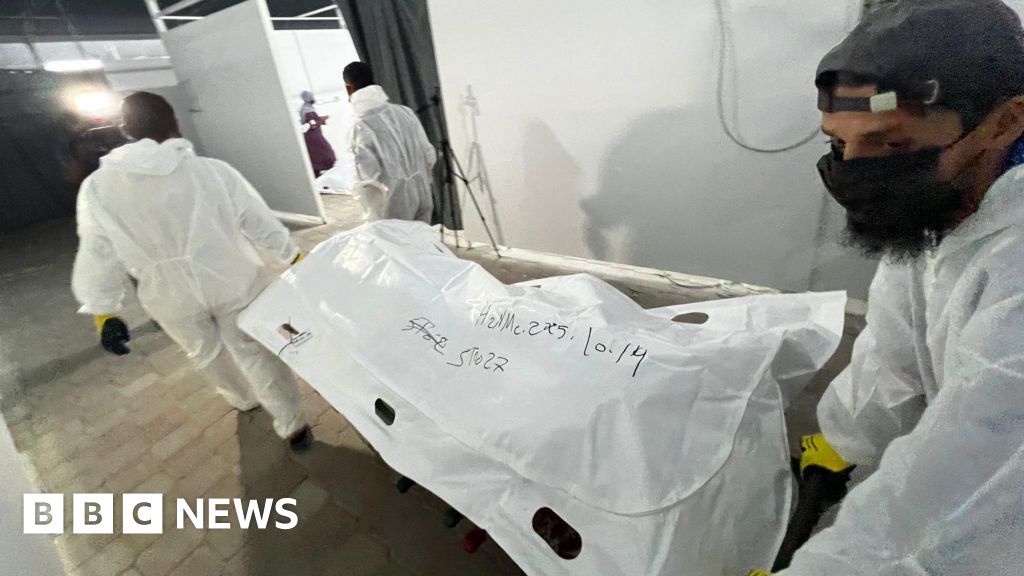
Gaza Experts Fight to Identify 90 Palestinians Returned by Israel

International Tensions Escalate as Gaza Ceasefire Yields Humanitarian Dilemmas

The recent ceasefire agreement between Israel and Hamas has temporarily halted some hostilities, yet the underlying tensions continue to ripple across the region. Under this fragile accord, Israel has committed to returning the remains of 15 Palestinians for every deceased Israeli hostage, a promise that holds immense symbolic and geopolitical weight amidst ongoing violence. So far, the Israeli military has announced the return of six Israeli hostages’ remains, alongside the bodies of two other individuals, including a Nepalese hostage, signaling a tentative step toward some form of stabilization. However, the practical implementation of this pledge faces numerous challenges, most notably the identification of human remains and the profound emotional toll it exacts on families caught in limbo.

Bodies in Limbo and the Impact on Social and Political Dynamics

  • Bodies of 90 Palestinians handed over at Nasser hospital in Gaza remain unconfirmed in identity, with officials working to match remains with families amid reports of bodies stored in refrigerators awaiting identification.
  • Palestinian families, like Rasmieh Qdeih, continue to search desperately for loved ones presumed dead or missing since the start of hostilities when Hamas launched a surprise attack on southern Israel, leading to the death of approximately 1,200 Israelis and the capture of hostages.
  • The Israeli authorities have pledged cooperation with international agencies such as the International Committee of the Red Cross (ICRC), yet the ambiguity surrounding the status of captured or deceased individuals fuels widespread grief and political uncertainty.

Distinguished international analysts, including geopolitical experts and historians, have warned that these unresolved human tragedies only deepen the moral and political crises in the region, complicating diplomatic efforts and affecting societal morale on both sides. The identification dilemma is more than bureaucratic—it represents a crucial turning point in how nations confront their collective past and their future, with some warning that failure to clarify these human costs could ignite further unrest.

The Broader Geopolitical Impact

The ongoing struggle over human remains underscores the war’s broader geopolitical impact. As Gaza struggles with a humanitarian crisis of staggering proportions—67,938 confirmed deaths and reporting that runs parallel to escalating international criticism—the region’s instability influences global alliances. Israel‘s military actions, compounded by international calls for accountability and ceasefire agreements, have drawn sharp scrutiny from organizations like the UN. Yet, Hamas and Gaza residents face the harsh reality that their suffering is often minimized or politicized among global powers seeking strategic advantage.

Renowned analysts argue that how international players handle these human tragedies will shape the future balance of regional power, with some warning that a failure to address these issues humanely could lead to a new cycle of conflict. The deepening rifts—between Israel and the Palestinian territories, and among regional neighbors—are fueled not only by territorial disputes but by the unresolved trauma of families like Qdeih’s, whose hopes for answers remain shattered amid the chaos of war.

Conclusion: The Unfolding Chapter of History

As the international community watches with bated breath, the weight of history continues to press upon Gaza, Israel, and the wider Middle East. The very act of returning bodies is emblematic of a fragile hope for justice amid enduring chaos. Yet, beneath the surface, questions loom larger than the immediate ceasefire—about truth, reconciliation, and the possibility of lasting peace in a region fractured by decades of conflict. In the shadows of Nasser hospital, families await their fates, bearing silent witness to the harsh realities of war’s aftermath. How this story ends remains unwritten, but the pages of history are being inscribed now, with each body returned, each family searching, and each leader navigating the treacherous path toward peace or further division. The world must grapple with whether justice will be served or merely postponed, while the silent echoes of the fallen remind us that history’s pen has yet to finish writing this chapter in human suffering.

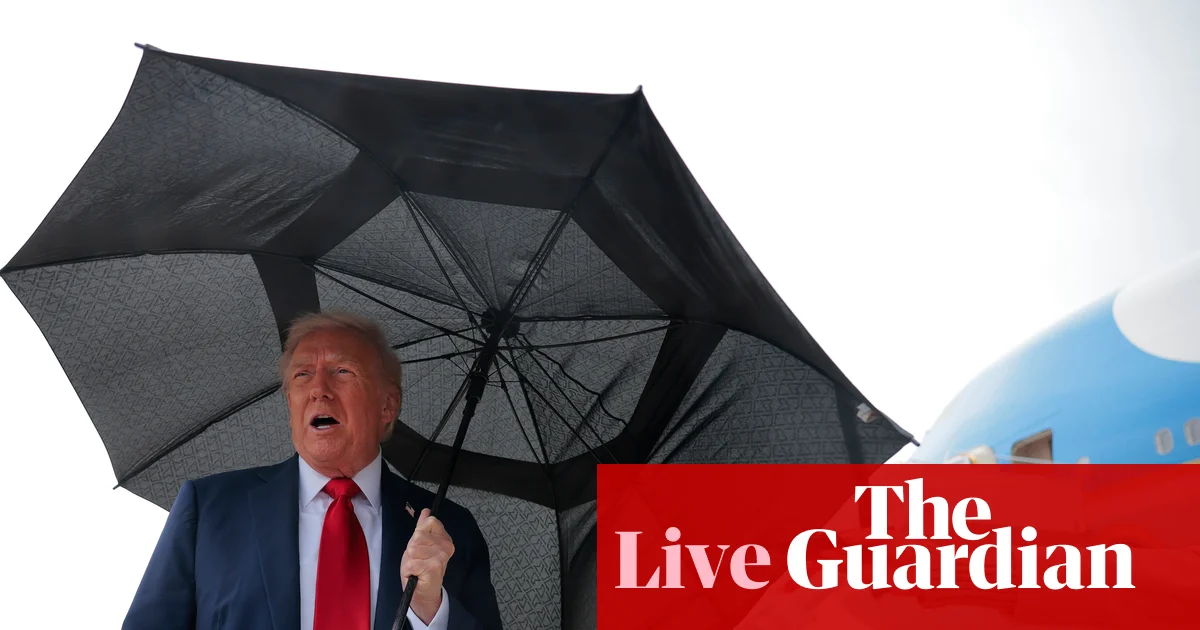
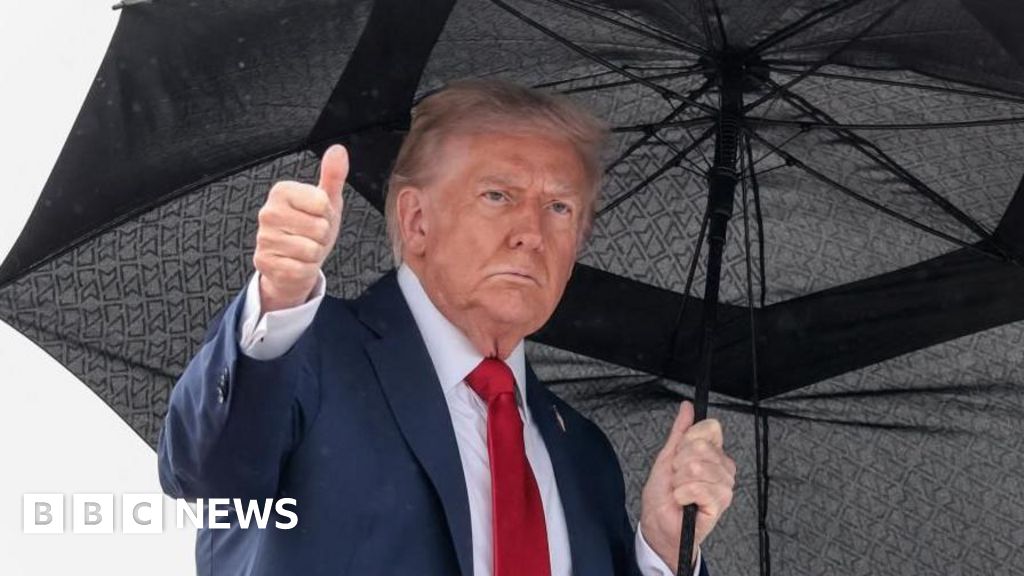
Trump declares 'war is over' in Gaza as he heads to Israel for hostage release
Trump declares ‘war is over’ in Gaza as he heads to Israel for hostage release

Global Power Dynamics Shift as Gaza Ceasefire and International Summit Unfold

The recent ceasefire agreement in Gaza, brokered through a 20-point peace plan spearheaded by former US President Donald Trump, marks a significant juncture in the ongoing Middle East crisis. As President Trump travels across the region, he publicly declares “the war is over,” signaling a potential turning point in decades of conflict. This declaration follows nearly a month of relentless violence that culminated in approximately 1,200 Israeli casualties and over 67,000 Palestinian deaths, according to Palestinian health authorities. The intense escalation was ignited by Hamas-led attacks on southern Israel on October 7, 2023, setting off a military response that has reshaped global geopolitical alignments.

The ceasefire, while a tentative step toward peace, is underpinned by complex negotiations on the next phases, including governance of Gaza and the disarmament of Hamas. Key agreements involve the release of hostages and detainees—twenty of the Israeli captives are believed to be alive, with Hamas also committing to deliver the remains of up to 28 deceased hostages. International observers warn that such agreements do not resolve the underlying issues but merely set the stage for delicate negotiations that could determine the fate of millions. Analysts emphasize that the decision to implement aid flows into Gaza—a critical humanitarian concern—remains contentious, with Israel emphasizing that aid deliveries are contingent on the return of hostages and the disarming of Hamas. How these decisions are executed in the coming days will have profound consequences for regional stability and international diplomacy.

At the same time, Egypt’s President Abdel Fattah al-Sisi is convening a pivotal international summit in Sharm El-Sheikh, where leaders from over 20 nations, including UK Prime Minister Sir Keir Starmer and Palestinian President Mahmoud Abbas, are set to assemble. This gathering aims to formalize a path toward ending the conflict, with a proposed document purportedly “ending the war in Gaza.” Notably, Iran’s absence at the table—citing grievances over alleged attacks on its people—raises questions about the unity and effectiveness of regional solidarity. Historians and geopolitical analysts have long warned that such diplomatic efforts are precarious, often countered by entrenched rivalries and external influences, making true peace elusive and temporary.

The geopolitical impact of these decisions resonates beyond the immediate conflict zone. Nations like the United States and Egypt are positioning themselves as arbiters of peace, implicitly countering regional adversaries such as Iran. Meanwhile, internal discord persists within Gaza, where residents describe devastation and a rising tide of internal violence, reflecting a fragile societal fabric scarred by warfare. Aid efforts, hampered by logistical and political barriers, remain insufficient amid widespread destruction and humanitarian crises. The unfolding scenario underscores that the history of the Middle East continues to be written with the bloodshed of its people and the strategic calculations of global powers, all vying for influence in a region where every decision can ignite or extinguish hopes for lasting peace.

As the world watches, the weight of history hangs heavy—a fragile ceasefire and international summit still mere chapters in an ongoing saga, with the potential to either forge a new era of diplomacy or plunge the region back into chaos. The coming days will reveal whether this fleeting moment of hope can withstand the forces that have long defined the Middle East’s tumultuous saga, or if the shadows of unresolved hatred and geopolitics will once again cast darkness over its future.

Gaza Ceasefire Live: Israeli Hostages to Be Freed Amid Trump’s Bold Call for 'War's End' — Trump Heads to Middle East
Gaza Ceasefire Live: Israeli Hostages to Be Freed Amid Trump’s Bold Call for ‘War’s End’ — Trump Heads to Middle East

The recent developments surrounding the ceasefire agreement in Gaza mark a pivotal moment on the international stage, poised to reshape the geopolitics of the Middle East. With mediating nations set to sign a binding guarantee in Egypt during an unprecedented summit, the world watches as several key players attempt to forge a fragile path toward peace amid ongoing conflict. Notably, the countries involved—namely the US, Egypt, Qatar, and likely Turkey—highlight the collective effort to stabilize a region historically plagued by instability. This diplomatic choreography underscores the significance of international cooperation, especially as all eyes are now fixed on how these decisions will influence societal shifts across affected nations.

At the heart of the diplomatic surge lies the unfolding drama in Israel, where Prime Minister Benjamin Netanyahu has publicly acknowledged the delicate hope for a new beginning. Yet, underlying this outward optimism are warnings from analysts and historians who caution about the entrenched security challenges that persist. As the ceasefire holds, experts warn that the campaign against militant factions remains far from over. Meanwhile, Donald Trump has left the US for the Middle East, claiming “the war is over” as he boards Air Force One to address the Knesset, further emphasizing U.S. involvement—an intervention that has historically influenced the balance of power in the region for decades. Such moves inevitably stir debates about external influence and sovereignty, affecting societal perceptions worldwide about interventionism, national security, and the prospects of lasting peace.

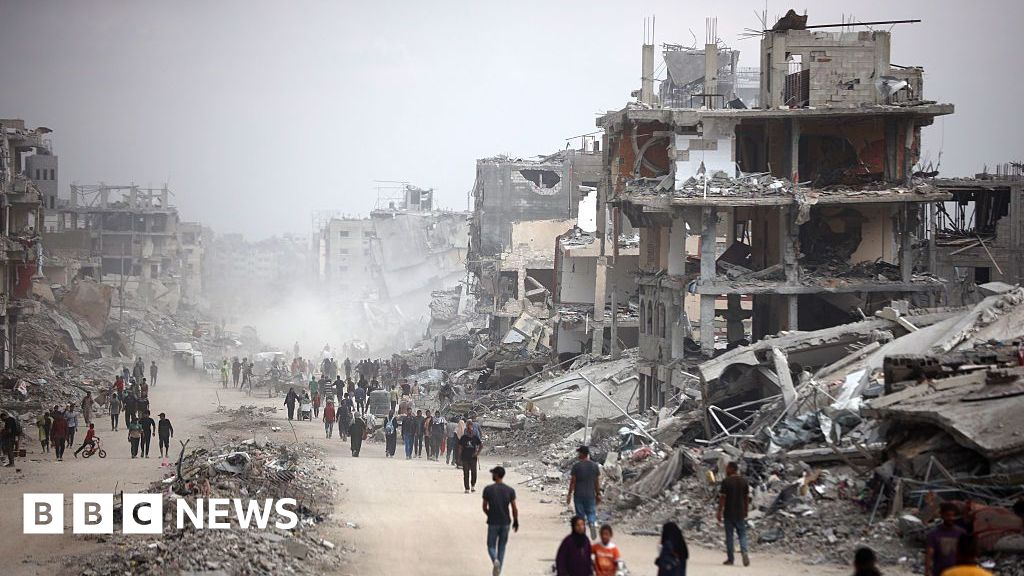
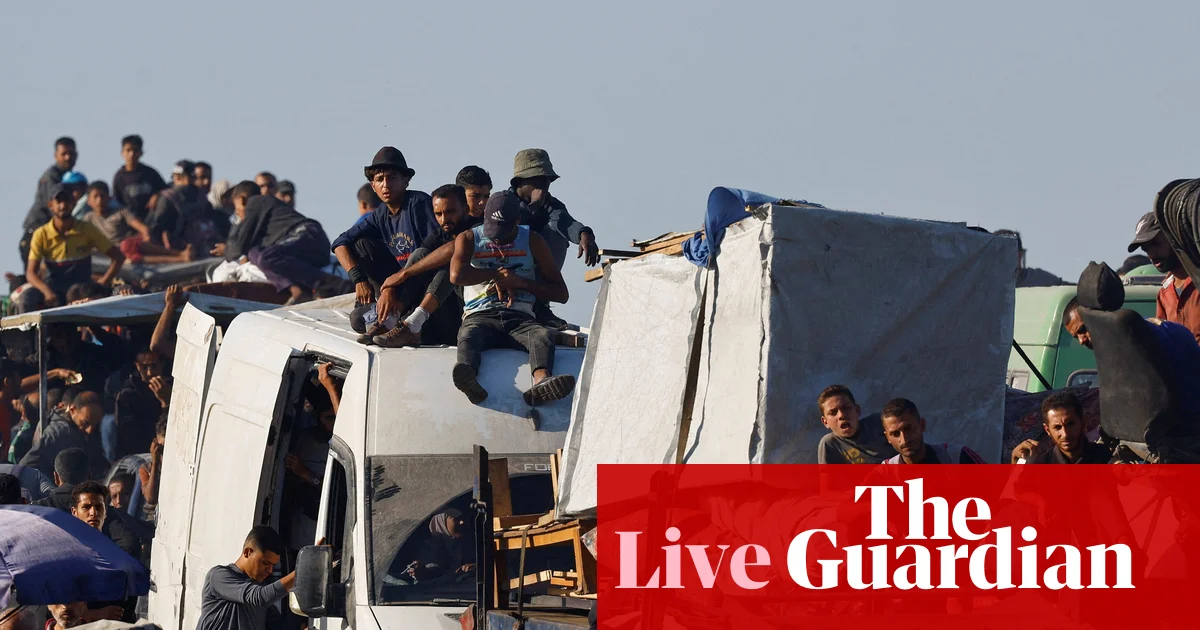
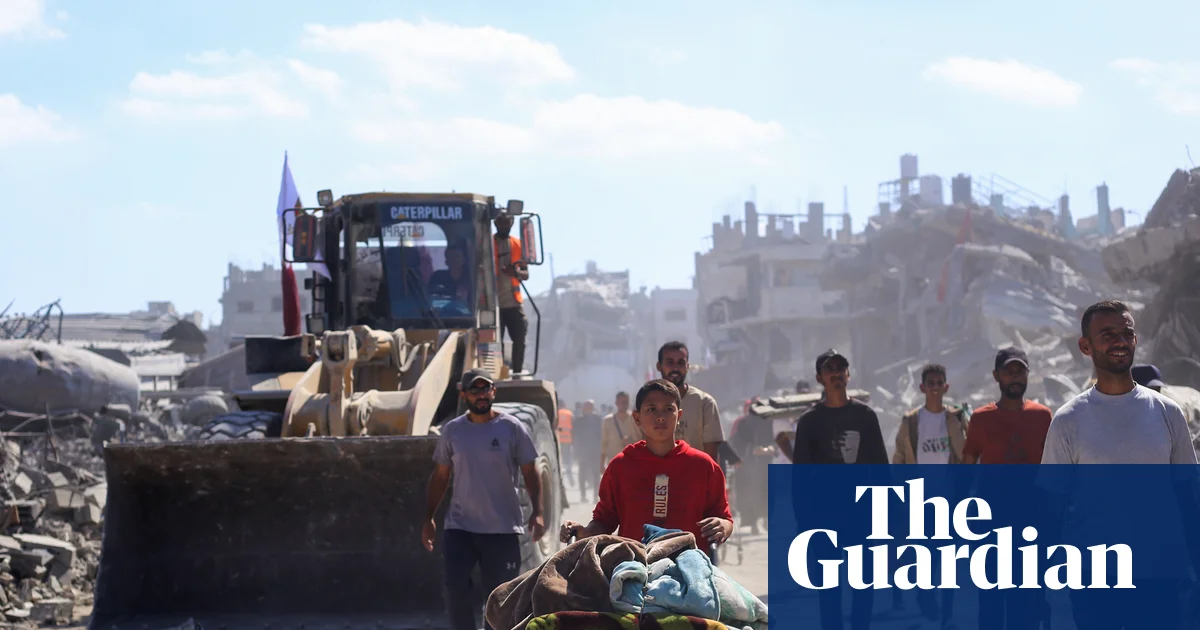
The human toll of this ongoing conflict remains staggering, with the Gaza health ministry reporting at least 67,806 Palestinians killed and over 170,000 injured since October 2023. The civilian casualties, many of whom are women and children, spotlight the devastating human cost that fuels global concern and complicates diplomatic negotiations. Meanwhile, aid agencies are rushing supplies into Gaza, in line with the ceasefire terms, to quell the humanitarian crisis. But the real geopolitical impact extends beyond immediate relief—these humanitarian efforts are often intertwined with political agendas, influencing international perceptions and, potentially, future resolutions. As Palestinians return to Gaza City amidst widespread destruction, the societal fabric of the region faces a long road toward rehabilitation and reconciliation, with each political act echoing through the battered streets and shattered lives.

In this complex tableau of diplomacy and warfare, the forthcoming peace summit in Sharm el-Sheikh becomes more than just a meeting—it is a defining moment that could pivot the entire narrative of the Middle East. Attended by leaders from more than 20 countries, it aims to seal a lasting ceasefire and set the stage for rebuilding. Yet, skepticism persists among analysts who observe that, historically, such summits often fall short of their lofty promises. As the region waits, and societies brace for uncertainties ahead, the unfolding story remains a testament to the perilous dance of diplomacy, the persistent shadows of conflict, and the weight of history that will decide whether this chapter marks a true turning point or a temporary pause on an unresolved crisis. The struggle for peace, after all, is a marathon—not a sprint—and the world must remain vigilant as history continues to unfold its decisive final acts.

Gaza Violence: Clashes Between Hamas and Clan Militants Kill 27

Gaza Descends into Clashes: A Sign of Unrest and Power Struggles

In a development that signals escalating internal instability within the already fragile Gaza Strip, at least 27 individuals have lost their lives during fierce confrontations between Hamas security forces and the powerful Dughmush family. The violent encounters erupted in Gaza City, near the Jordanian Hospital in the Tel al-Hawa neighborhood, historically a hotbed of tension. Eyewitnesses describe scenes of chaos, with residents fleeing their homes under heavy fire—marking one of the most brutal internal struggles since the cessation of major Israeli military operations in the region.

Analysts and international observers caution that these clashes are not isolated incidents; they underscore a deeper fissure in the socio-political fabric of Gaza, where clan rivalries and militant allegiances intertwine. The Hamas-led interior ministry stated that security forces engaged in heavy fighting to detain Dughmush fighters, highlighting the group’s efforts to reassert dominance within Gaza’s complex power hierarchy. This internal strife comes at a delicate moment, with Hamas recalling thousands of security personnel in a move that signifies both a consolidation of control and an underlying vulnerability, as armed units reportedly deploy across districts, some with clandestine or paramilitary attire.

Consequences for Regional Stability and International Relations

  • Hamas’s assertion of authority may deepen internal divisions, weakening the group’s image as the sole resistance entity in Gaza, and could potentially embolden rival factions or external militant groups.
  • The Dughmush family’s defiance underscores the persistent influence of clan-based allegiances that historical analysts trace back to Gaza’s social realities, challenging Hamas’s monopoly on authority and risking a further breakdown of order.
  • Broader geopolitical impact: The turmoil occurs amid ongoing regional tensions involving Egypt, Israel, and other neighboring states, all invested in maintaining or disrupting stability. The repeated internal violence in Gaza complicates diplomatic efforts aimed at peace and humanitarian aid, with international organizations warning that instability feeds into a cycle of violence that threatens to spill beyond Gaza’s borders.

As renowned geopolitical analysts emphasize, these internal conflicts could serve as a catalyst for larger shifts, potentially shifting Hamas’s focus from external resistance to internal survival. The confrontation has already drawn condemnations and cautious analyses from global institutions, with some warning that unchecked internal divisions could weaken Hamas’s capacity to manage its relationships with regional powers, including Qatar and Turkey. Historian Dr. Samuel Levin has noted that “tribal and clan dynamics in Gaza have always acted as a double-edged sword—contributor to resilience, yet also a source of fragmentation.”

Future Uncertainty and the Unfolding Pages of History

As the dust settles on this latest episode of internecine violence, the question remains: how will Gaza’s internal struggles influence its future trajectory? Will this internal discord serve as a prelude to greater fragmentation or a catalyst for renewed resilience? The weight of history hangs heavy as Gaza’s political landscape continues to shift underneath the silent watch of global powers. With each new clash, the region edges closer to a precarious new chapter—a chapter that will be written not only by local clans and militant factions but by the decisions and wars of distant capitals. The world watches, knowing that the repercussions of these internal divisions will echo across the Middle East and beyond, shaping international relations and the very fate of an embattled society caught in the relentless tide of history’s relentless unfolding.

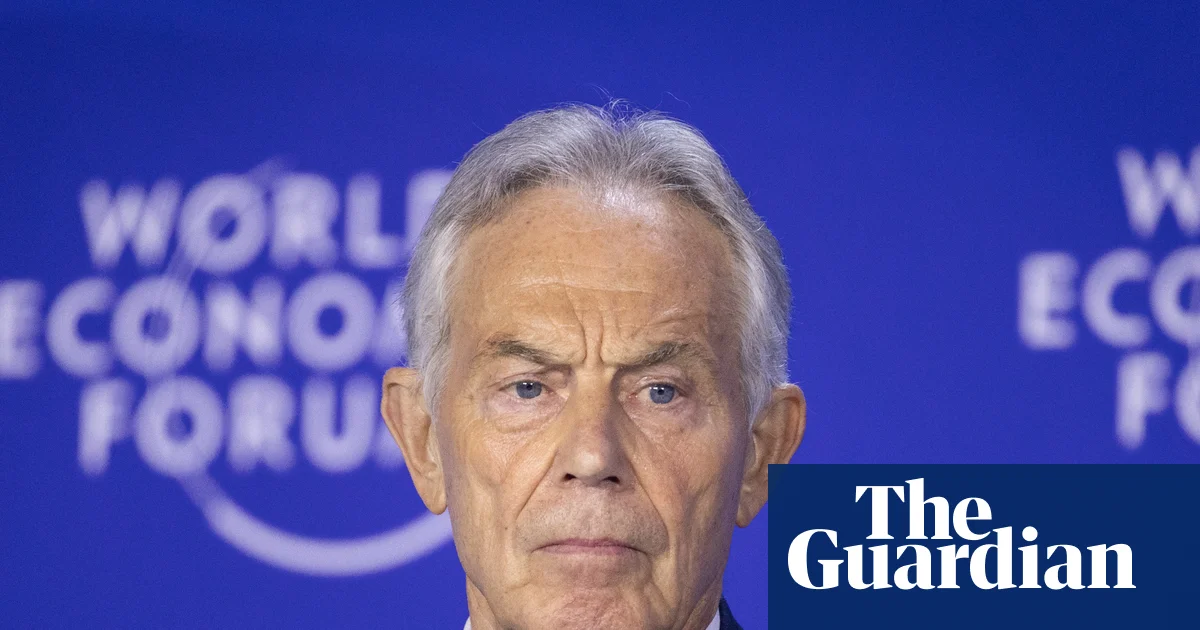
Palestinians back Tony Blair for Gaza postwar leadership

In a world still grappling with the aftermath of ongoing conflicts and shifting alliances, the recent developments surrounding Tony Blair‘s potential involvement in the reconstruction of Gaza highlight a significant moment in international diplomacy. Following an exploratory meeting with Hussein al-Sheikh in Amman, Jordan, Blair’s diplomatic role appears to be gaining ground among Palestinian Authority (PA) officials eager to leverage his influence. This move comes after Donald Trump‘s unveiling of his 20-point plan, which aimed largely at reconfiguring Middle Eastern geopolitics, yet left many questions unanswered regarding the future governance of Palestinian territories.

The geopolitical impact of Blair’s involvement extends beyond mere reconstruction efforts. As he seeks to engage with Palestinian leadership, analysts warn that his role may influence how the United States and Europe catalyze the prospect of peace or deepen divisions. Critics such as historian Samuel Huntington have long argued that middle eastern stability hinges on carefully managed international intervention, yet Blair’s track record in Britain, Iraq, and broader NATO engagements raises concerns about assumptions of influence. The Palestinian Authority itself has expressed cautious optimism, emphasizing that their primary demands include the release of withheld revenues and the wane of Israeli threats—measures deemed essential for ensuring the two-state solution remains viable.

However, the situation remains fraught with internal and external opposition. The more hardline factions such as Hamas have categorically rejected Blair’s involvement, viewing it as a form of foreign guardianship that undermines Palestinian independence. Meanwhile, amid swirling tensions, Israeli Prime Minister Benjamin Netanyahu and the Trump administration have yet to signal a willingness to work with the PA, further complicating prospects for diplomatic resolution. The threat of withholding tax revenues by Israel, a critical financial lifeline for the PA, underscores the fragility of the current phase and the potential for renewed conflict, which analysts at the United Nations closely monitor as a critical turning point.

In a geopolitical landscape where influence is exercised not only through diplomacy but also through strategic alliances, Blair’s role could become a pivotal element in the emerging puzzle. As French diplomats initiate discussions for a possible UN security council mandate for a stabilization force, the stakes are high: the future of Palestinian sovereignty, regional stability, and broader international credibility hang in the balance. The words of Jared Kushner, Trump’s son-in-law—who has publicly insulted Abbas—add a layer of complexity and highlight the divided nature of oversight in this conflict. For now, the world watches as Blair delicately navigates a tightrope that could shape the Middle East for decades to come, leaving a tense impression of a conflict still on the brink of change, with history’s pen poised yet again to write its next chapter.

Mass Youth Show Support for Palestine Across Australia, Promise Continued Protests After Gaza Ceasefire

As tensions in the Middle East continue to ignite a global response, countries across the world are witnessing a surge in activism and diplomatic maneuvers that reveal the profound geopolitical impact of recent events. The recent ceasefire deal brokered by Donald Trump in Gaza initially brought a glimmer of hope for peace, but skepticism remains high among international analysts. The deal, which has temporarily alleviated some violence, remains unpopular among many Palestinians and defending voices who argue that real change requires more comprehensive negotiations and local consultation, not just US-led agreements. Many see this move as yet another example of how powerful nations, particularly the United States, influence conflicts to serve broader strategic interests, often at the expense of self-determination for the Palestinian people.

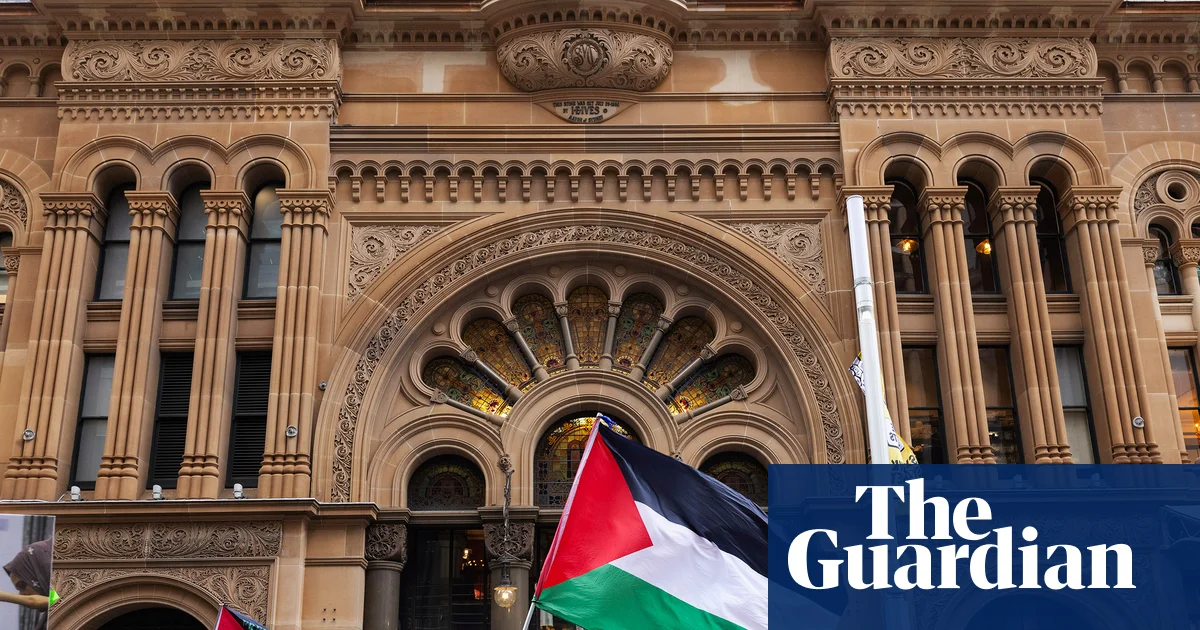
In Australia, waves of demonstrations underscore how global conflicts inexorably ripple into local political and social spheres. Tens of thousands have gathered in cities like Sydney, with organizers affirming an enduring commitment to supporting Palestine. Despite police estimates of 8,000 attendees in Sydney, reports indicate that the rallies are far larger, symbolizing widespread concern and a sense of shared responsibility among youth and activism groups. Notably, these protests aim to maintain pressure on Australian policymakers to implement more aggressive sanctions on Israel and cease trade in military equipment—a move supported by numerous analysts who see economic leverage as a vital tool for fostering real change. The significance of these protests lies not only in the numbers but in their defiance against a backdrop of international diplomacy often perceived as tepid or superficial, further exemplified by the recent Gaza ceasefire mediations.”

The protests also carried a personal and emotional weight, as many families like Shamikh Badra and Abubakir Rafiq highlighted the ongoing human tragedy—families torn apart and lives on hold while seeking justice and closure. These deeply personal stories serve as a stark reminder that decisions made on political and diplomatic levels have immediate, devastating effects on societal fabric and individual lives. International organizations, including Unrwa and Unicef, are preparing to deliver aid to Gaza, an effort seen as critical in a region where the aftermath of the recent conflict continues to threaten survival and stability.

Among the most striking features of this rising activism is the resilience of grassroots movements that challenge institutional constraints. In Sydney, protesters defied the NSW court of appeal and police opposition, demonstrating how civil disobedience remains a powerful tool for marginalized voices. Leaders like Jenny Leong of the NSW Greens have explicitly condemned the influence of Trump and his policies, warning against the dangerous precedent set when the future of Palestinians is dictated by foreign powers rather than their own communities. In history, such local acts of defiance have often foreshadowed larger geopolitical shifts, and observers warn that as conflicts persist, the struggle for self-determination and justice becomes increasingly intertwined with global power calculus.

As the world watches this unfolding narrative—a testament to the enduring complexity of geopolitics—a somber realization emerges: the decisions made in diplomatic chambers and on city streets will echo for generations to come. Each rally, each diplomatic summit, and each tragic story from Gaza and beyond weaves into the fabric of history, reminding us that in the age of globalized conflict and intervention, the fight for sovereignty, justice, and peace remains an ongoing saga where the weight of the past shapes the unpredictable contours of the future.

Gaza Ceasefire Update: Aid Flows Increase as Hamas Agrees to Release Israeli Hostages Monday Morning

In an unexpected turn of events, Hamas has confirmed it will commence the release of Israeli hostages held in Gaza early Monday morning, marking a significant moment amidst ongoing regional tensions. This development comes as part of a broader ceasefire agreement brokered by a coalition of influential international actors, including the United States, Qatar, Egypt, and Turkey. According to Hamas officials, the prisoner exchange will see the release of twenty Israeli captives in exchange for nearly 2,000 Palestinian prisoners, signaling a potential suspension of hostilities that have lasted for over two years.

The agreement, which Israel’s military claims to have fulfilled its first phase of withdrawal from Gaza, reflects a critical *turning point* in an otherwise tumultuous landscape. Under the ceasefire’s terms, Hamas has until noon Monday local time to release the captives, an act that scholars and analysts see as both a humanitarian step and a calculated political maneuver. This pause in violence is being watched intensely by global leaders and international organizations, with the United Nations warning that such pauses carry the risk of temporary relief but must be followed by sustainable peace efforts. The upcoming summit in Sharm el-Sheikh, chaired by Donald Trump and Abdel Fattah al-Sisi, aims explicitly to “end the war in Gaza” and “usher in a new era of regional stability.” These diplomatic efforts underscore a geopolitical landscape where regional powers recognize that the status quo must evolve, for the sake of both nations and societies.

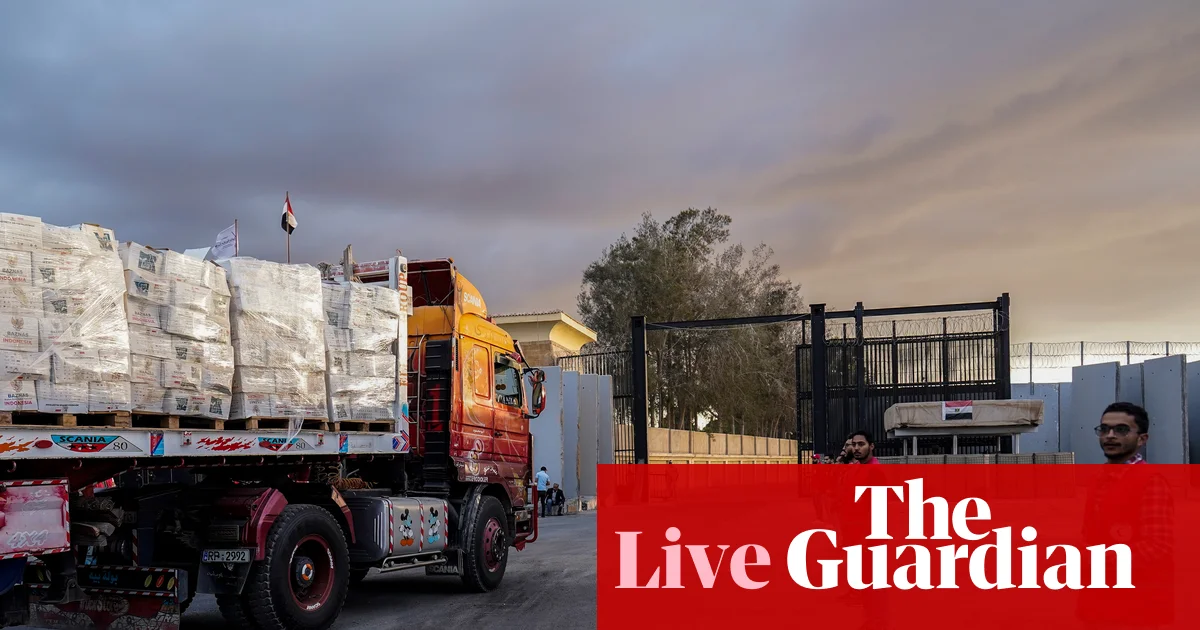
Amid these negotiations, humanitarian aid is beginning to surge into Gaza, which has endured catastrophic destruction and widespread starvation as a consequence of blockade and relentless Israeli strikes. Aid trucks have arrived at the Rafah border crossing with Egypt, with plans to inject approximately 600 truckloads of food and medical supplies daily — a crucial relief in a region suffering from famine and disease. As aid begins to flow, the international community assesses whether this temporary ceasefire will lead to a lasting peace or merely a respite in a broader conflict. Experts warn that such fragile agreements must be closely monitored, as history has shown that ceasefires can often be manipulated or broken, leading to renewed violence that threatens regional stability.

This fragility is further exemplified by the complex dynamics of prisoner releases, particularly involving high-profile figures like Marwan Barghouti and Ahmad Saadat. While Israel plans to release approximately 2,000 Palestinians, **Benjamin Netanyahu**’s government has refused to free Barghouti, a charismatic leader seen by many Palestinians as a future successor to Mahmoud Abbas. His continued imprisonment highlights persistent divisions and the ongoing struggle for Palestinian leadership figures who symbolize resistance and potential sovereignty. The fate of long-serving prisoners like Saadat, a leader of the Popular Front for the Liberation of Palestine, continues to be a contentious issue, reflecting the deep-rooted political and ideological splits that shape the broader conflict.

Analysts and international security experts emphasize that these developments, while momentous, do not guarantee long-term peace. Historians warn that profound geopolitical shifts hinge on decisions made in these high-stakes negotiations, which will reverberate across continents and generations. The decisions taken now will determine whether the region steps toward sustainable peace or plunges deeper into chaos. The unseen shadows of past failures and the weight of unresolved grievances threaten to undo fragile agreements, as history reminds us that in the grand theatre of Middle East diplomacy, the echoes of recent decisions forge the contours of the future — a future still shrouded in uncertainty, where the echoes of past conflicts continue to define the lives of millions. As the world’s eyes turn toward Gaza and the Red Sea resort of Sharm el-Sheikh, the true extent of history’s next chapter remains unwritten, waiting to be shaped in the crucible of diplomacy or chaos.

Trump Signals Broad Agreement on Gaza Ceasefire Next Steps — Live Update

Understanding the New Dynamics in Middle East: A Closer Look at the Gaza Ceasefire and Its Global Ramifications

In a dramatic turn of events, Israel has authorized the United Nations (UN) to scale up humanitarian aid shipments into Gaza, signaling a tentative lurch toward de-escalation amidst ongoing regional tensions. This decision follows intense international diplomacy and a recent ceasefire agreement aimed at halting a two-year conflict, with hopes for a more sustainable peace. Yet, beneath this veneer of progress lies a complex web of strategic interests and deeply entrenched hostilities that continue to shape the geopolitical landscape of the Middle East.

The aid effort, which is set to commence from Sunday, involves the transfer of approximately 170,000 metric tons already stored in neighboring countries like Jordan and Egypt. UN officials, pressed by the dire humanitarian crisis—characterized by malnutrition and famine conditions—have engaged in delicate negotiations with Israeli authorities regarding the volume of aid and the safety of entry points into Gaza. Stéphane Dujarric, a UN spokesperson, confirmed that critical supplies such as fuel and medical resources are already flowing through the Kerem Shalom crossing. These developments underscore the potential for more border crossings to be opened, which could significantly impact the alleviation of suffering among Gaza’s embattled population.

Regional and International Repercussions of the Gaza Ceasefire

While international organizations and regional powers scrutinize the ongoing aid deliveries, the broader question remains: how will the fragile ceasefire influence the region’s power dynamics? Lebanese President Joseph Aoun publicly condemned Israel for recent overnight strikes in southern Lebanon, which targeted civilian infrastructure and resulted in casualties. His comments reflected the persistent volatility, even amidst promises of peace, as Israel continues to conduct military operations against Hezbollah forces aligned with Iran. Despite a supposed ceasefire in November following over a year of open conflict, hostilities have persisted in various forms, with Israeli strikes in Lebanon and the ongoing confrontation with Iran-backed militias serving as stark reminders that the region’s stability remains elusive.

Meanwhile, in Gaza, the Israeli military confirmed the launch of a ceasefire that set free nearly 20 hostages believed to be alive among the total of 48 held by Hamas. Prime Minister Benjamin Netanyahu stated explicitly that the next phase hinges on Hamas disarming and Gaza demilitarizing—an arduous demand that hints at the potential for renewed violence if negotiations fail. Continuing debates over the governance of Gaza and the future of Hamas’s armed capabilities underscore the delicate balance regional and global actors seek to maintain. Analysts warn that any failure to disarm or establish a viable governing authority could reignite hostilities, destabilizing an already volatile arena.

Global Power Play: The Role of the United States and Major Powers

In the international sphere, President Donald Trump has emerged as a pivotal figure, asserting that “for the most part, there is consensus” on the future stages of the Gaza ceasefire plan. Trump indicated that Hamas and Israel are exhausted from the fighting, a perspective that has garnered praise from both sides but remains controversial among critics warning of superficial peace efforts masking deeper conflicts. The anticipated summit of world leaders in Egypt next week exemplifies the high-stakes diplomacy surrounding the crisis, with nations such as Germany, France, the United Kingdom, and regional players like Qatar and the United Arab Emirates participating in the discussions. Notably, Benjamin Netanyahu will be absent from this gathering, highlighting ongoing divisions over the strategy for Gaza and broader regional security.

Analysts emphasize that such diplomatic maneuvers could either forge a path toward enduring peace or serve as mere pauses in a conflict with roots much deeper than surface negotiations. Historically, the Middle East has demonstrated that ceasefires often hold only temporarily before violence erupts anew. As the regional powers navigate their intertwined interests, the world remains acutely aware that the unfolding story in Gaza and Lebanon is far from resolved. History continues to write itself, and the weight of these decisions underscores a future where the echoes of today’s choices will resonate for generations to come.

As history’s pen hovers over the page, every drop of aid, every negotiation, and every missile launched becomes a stroke in the grand canvas of the Middle East—a region perched on the knife’s edge of peace and chaos. The story remains incomplete, with each chapter shaping the destiny of nations and societies that are inextricably linked by conflict and the relentless pursuit of security and sovereignty.

Australia News Live: Zali Stegall warns of looming crackdown, Gaza flotilla return sparks debate

Global Tensions Rise: Democracy Under Threat as Major Powers Engage in Controversial Crackdowns

In recent weeks, the international landscape has become increasingly volatile, with nations at the forefront of geopolitical shifts exhibiting contrasting approaches to civil liberties and global diplomacy. Australia’s recent legal and political debates exemplify this divide, raising serious questions about the future of free speech, protest rights, and governmental accountability amid a backdrop of rising authoritarian risks. Meanwhile, major global actors such as Israel, the United States, and China continue to shape a complex web of alliances and conflicts, with pivotal decisions leaving a lasting impact on societies and international stability.

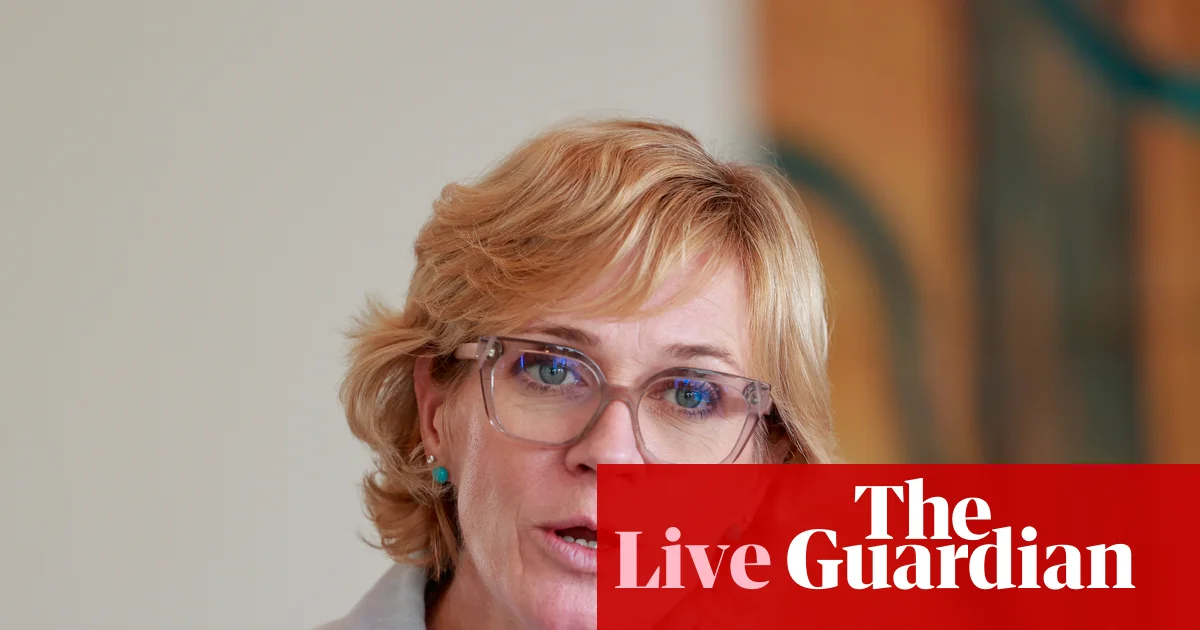
Within Australia, the government faces mounting scrutiny over its handling of civil protests and freedom of expression. Independent MP Zali Steggall has issued a stark warning against mimicking the alleged “totalitarian crackdown” observed in the United States, where recent police actions against activists have sparked global concern. The NSW court’s decision to threaten contempt charges against protesters planning a demonstration outside the Sydney Opera House marks a turning point, indicating a disturbing trend toward constraining civil liberties under the guise of safety. As historian Dr. Richard Holmes asserts, such restrictions threaten to undermine the very foundations of a democratic society and set a dangerous precedent for other nations recognizing similar measures.

Decisions That Echo Beyond Borders: How International Policies Reshape Societal Norms

  • Israel’s deportation of Australians attempting humanitarian aid—among them Juliet Lamont and Abu Bakr Rafiq—has ignited international protests, exemplifying the risks faced by human rights advocates caught in regional conflicts.
  • The ongoing Gaza flotilla incident, with activists vowing to return in larger numbers, demonstrates an unwavering commitment to humanitarian causes, yet also highlights the stark geopolitical divide over the legitimacy and legality of Israel’s blockade on Gaza.
  • In the United States, the recent crackdown on protests coupled with expansive government surveillance has led analysts to warn of a slide toward totalitarianism, echoing fears within Australia’s political discourse.

As noted by global policy analyst James Carter, such decisions—often justified as necessary for security—do little to address underlying crises but instead exacerbate societal divisions and erode trust. The ongoing debate in Australia over a proposed transparency bill, which critics claim threatens to deepen secrecy and diminish government accountability, exemplifies this struggle. Former judge Helen Archer laments that these measures are “working against Australians’ right to trust their institutions,” echoing worldwide fears that democracy is unraveling in favor of opaque governance and authoritarian control.

Global Instability and the Future of Free Expression

Across continents, the tried and tested balance between security and liberty is tipping dangerously. China’s detention and suppression of dissent in Hong Kong, along with Russia’s crackdown on opposition, serve as stark warnings against losing sight of fundamental rights. Meanwhile, the Pope’s recent plea to uphold journalism as “a public good” and to combat clickbait reflects a moral stand for truth in an era dominated by misinformation and sensationalism. His call for responsible communication safeguards democracy’s core—yet the challenge remains to resist the tide of censorship and control that many nations are increasingly embracing.

As international organizations like the United Nations call for adherence to human rights while powerful actors shift towards authoritarian tactics, the weight of history presses heavily on the future. The confrontation is no longer confined to borders but is a global struggle that will define the direction of Western societies and beyond. The choices made now—whether to silence dissent or defend free speech—carry the profound risk of forging a new era, one where the guardians of liberty must confront the forces seeking to reshape democracy into a tool of control. The ink of history is yet to dry, and the world watches with bated breath, awaiting the verdict of those who dare to resist the slide into irreversible darkness.

Social Media Auto Publish Powered By : XYZScripts.com