Matox News

Truth Over Trends, always!

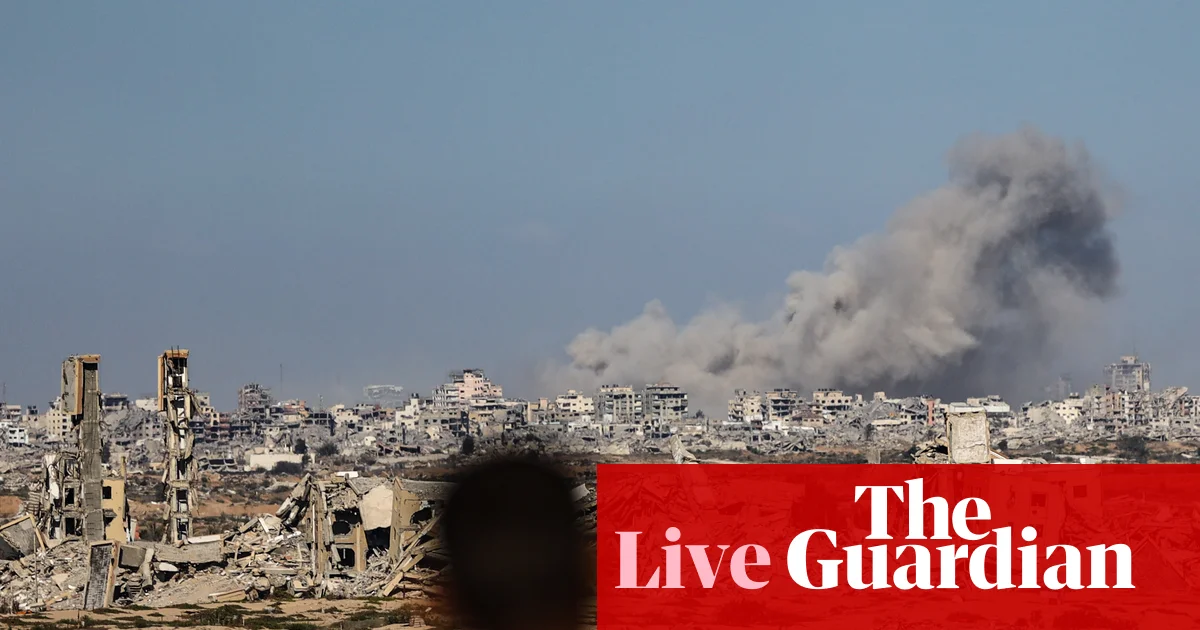
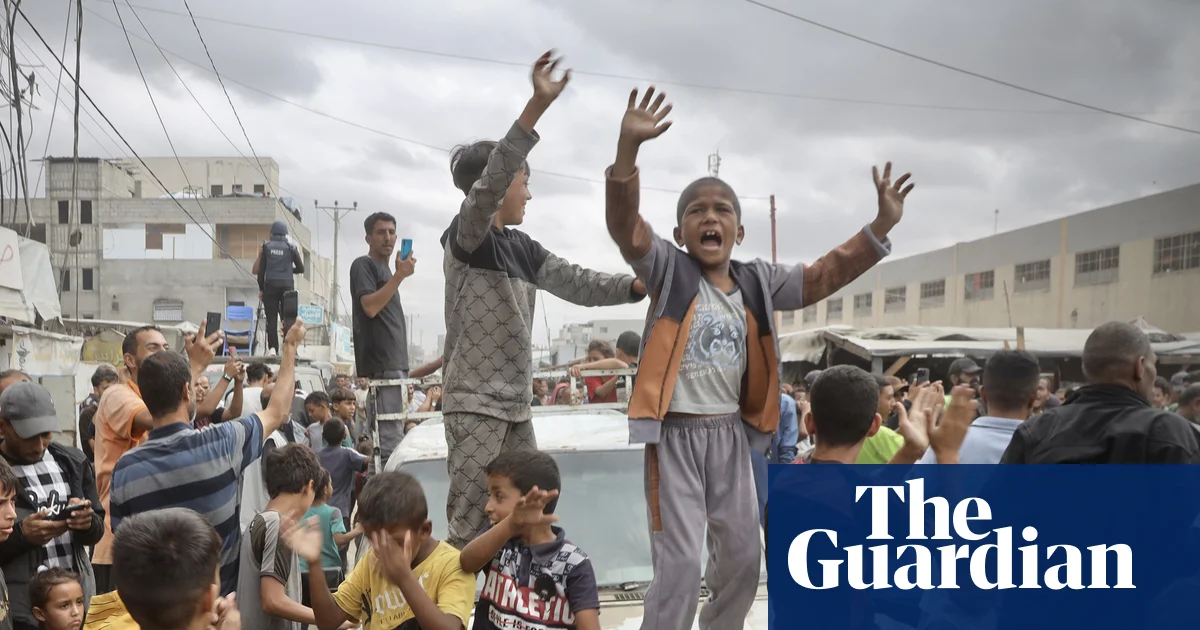
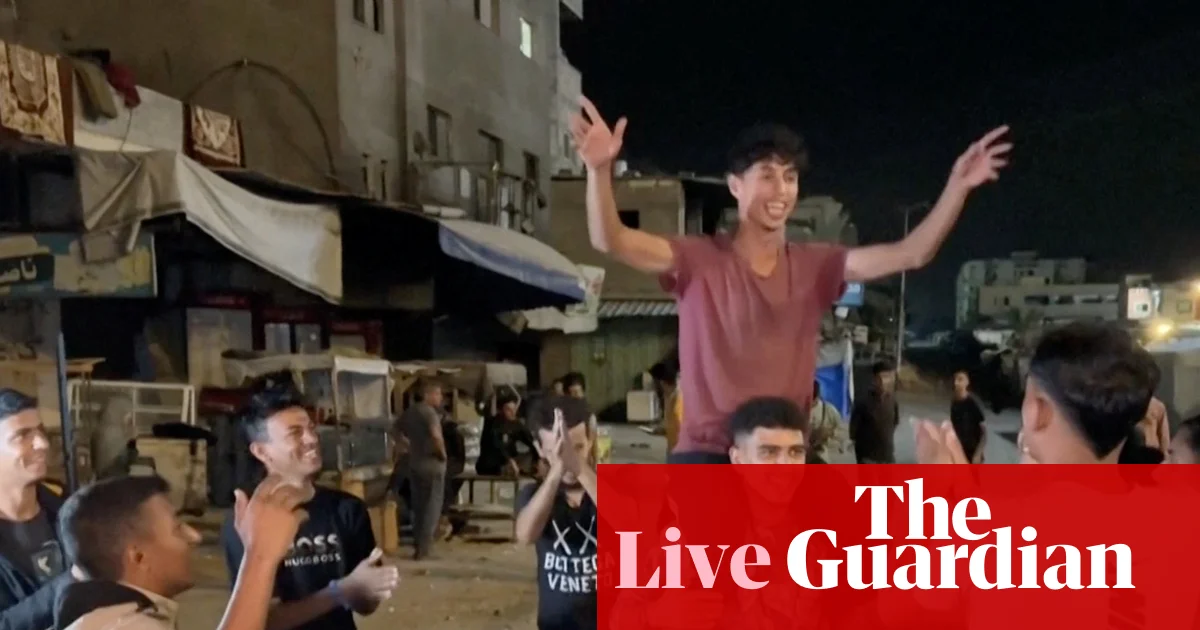
Palestinians Celebrate Ceasefire Deal: A Step Towards Peace—Today in Focus Extra | Gaza

Ceasefire Sparks Hope in Gaza and Beyond

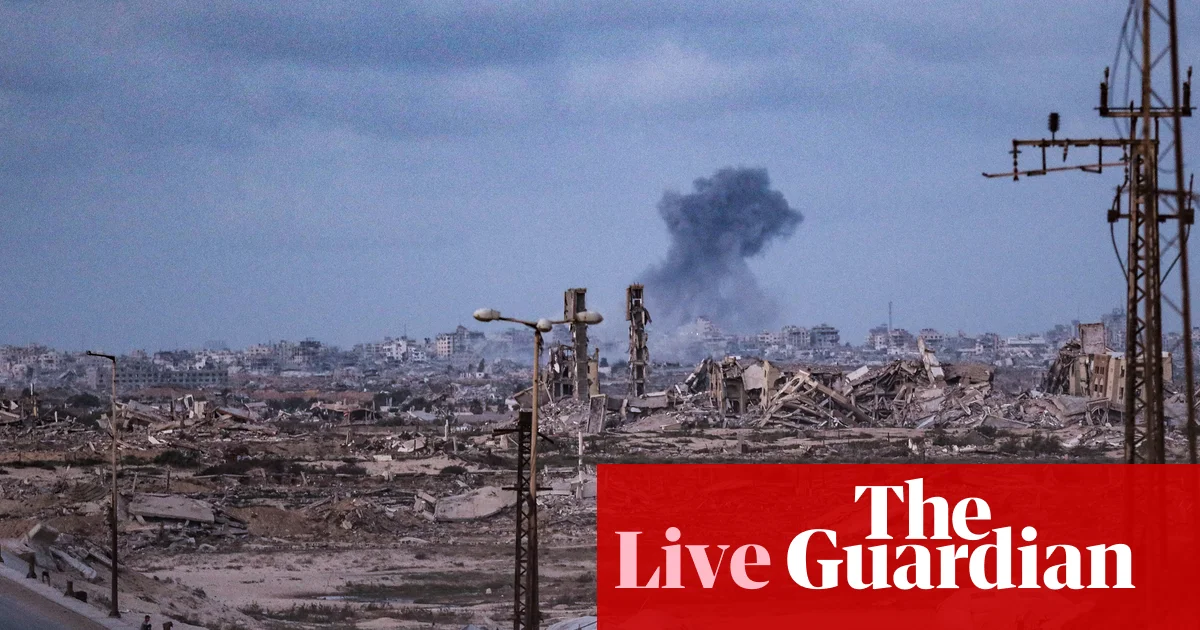
In a significant diplomatic breakthrough, Israel and Hamas have announced a ceasefire agreement in the ongoing Gaza conflict, bringing a temporary end to what has been a harrowing two-year war zone. Announced in the early hours of Thursday, this development signals a potential shift in the relentless cycle of violence that has gripped the enclave, yet analysts warn that the road ahead remains fraught with challenges and unresolved issues.

The reactions from those directly impacted paint a complex picture of relief mixed with lingering pain. Ansam Tantesh, an English graduate living in Gaza, encapsulates the suffering faced by civilians: “The pain, she shares with Annie Kelly from The Guardian, ‘will never leave my heart’. Despite the cessation of airstrikes, the human toll—marked by loss, destruction, and trauma—continues to overshadow hopes for peace.” Humanitarian workers like Mai Elawawda emphasize that while the ceasefire provides a crucial pause, the dire needs for food, water, and shelter remain unmet for many Gazans. The ongoing humanitarian crisis underscores how decisions made at the international level directly affect daily life and human rights in conflict zones.

Despite the optimistic headlines, experts underscore that this ceasefire is but a fragile pause, not a definitive resolution. International organizations, such as United Nations officials and regional analysts, warn that the underlying issues—territorial disputes, refugee rights, and security guarantees—still loom large. The international community remains divided over assigning blame and responsibility, with some nations advocating for a permanent solution and others calling for a pragmatic, immediate ceasefire. Historians like Noam Chomsky have long highlighted the regional geopolitical stakes, noting that the conflict is deeply embedded within broader regional rivalries involving Iran, Egypt, and Turkey. Such dynamics complicate efforts for a durable peace, as well as influence the strategic calculations of global powers.

  • The ceasefire marks a potential turning point, possibly opening diplomatic channels that have been closed for years.
  • However, persistent issues such as the blockade of Gaza, settlement expansions, and the status of Jerusalem threaten future stability.
  • International organizations stress that sustainable peace requires addressing these root causes, not just temporary truce agreements.

The geopolitical impact of this ceasefire extends well beyond Gaza’s borders. Israel faces intensified scrutiny over its military operations and settlement policies, which critics argue exacerbate instability. Meanwhile, Palestinians in Gaza and the occupied West Bank see this as a moment of cautious hope, yet also warn against complacency. Historically, such brief pauses in conflict have often been undermined by unresolved grievances, making future confrontations all the more probable. The decisions made now will undeniably shape the socio-political fabric of the region for generations, determining whether this fragile moment of peace transforms into a lasting resolution or simply a fleeting respite in an ongoing saga of conflict.

As the dust settles and international observers watch closely, the weight of history presses heavier than ever. The coming days will reveal whether this peace holds—a brief hope or a true turning point—yet the scars of this ordeal will remain, etched deep into the collective memory of a fractured region. The world stands at a crossroads, witnessing a moment where diplomacy and perseverance are tested, and where the future of millions hangs in the balance. The unfolding story of Gaza is not just a regional saga but a chapter in the ongoing contest for influence, security, and dignity on the global stage.
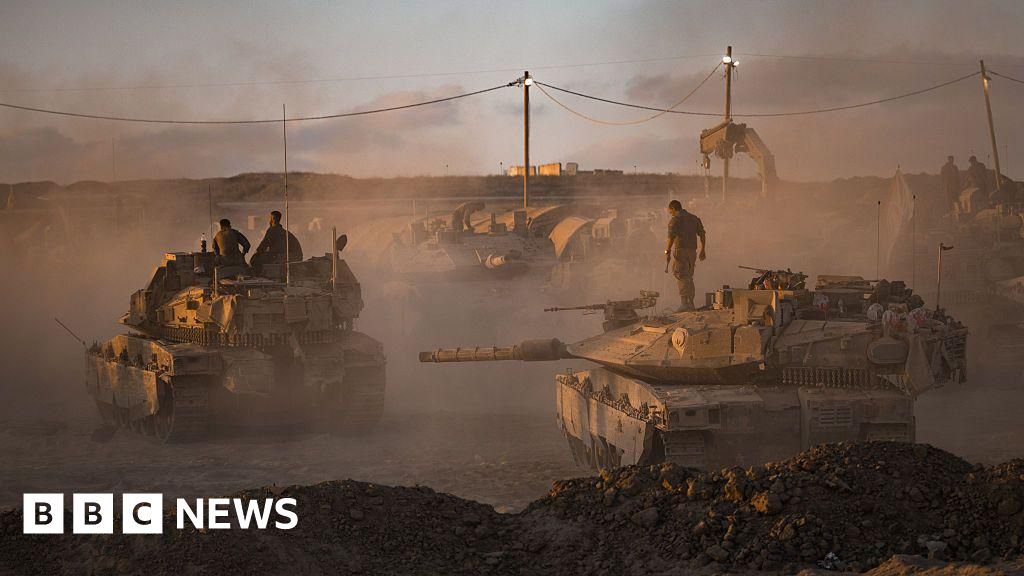
Gaza Ceasefire Update: Trump Predicts Likely Hostage Release Monday; IDF Warns Gaza City Remains ‘Highly Dangerous’

International Spotlight on Gaza Ceasefire: A Tipping Point in Middle East Politics

The recent ceasefire agreement in Gaza, brokered amid intense negotiations involving regional mediators and highlighted by statements from leaders like Donald Trump and Benjamin Netanyahu, marks a critical juncture in the ongoing Middle East conflict. While the specifics of the deal remain cloaked in secrecy, the overarching narrative underscores a potential shift in regional diplomacy with global ripple effects. Such an achievement, claimed by Trump as his “biggest diplomatic accomplishment,” signals both a hope for peace and the profound challenges that lie ahead for world powers invested in stabilizing or controlling the volatile landscape.

The agreement’s foundation revolves around the *return of hostages* in exchange for a *limited Israeli military withdrawal* from Gaza. This early phase, hailed by Hamas and Israeli officials alike, hints at a fragile but meaningful step toward de-escalation. The involvement of mediators from Qatar, Egypt, and Turkey highlights a regional consensus aiming to temper violence, which has persisted for over two years, leaving tens of thousands dead and destabilizing much of the Middle East. Yet, significant questions remain: Will Hamas be disarmed? How will governance of Gaza evolve post-conflict? These are the *hard questions* that could determine whether the current moment leads to a lasting peace or another chapter of chaos.

Historically, peace efforts in this region have been cyclical, often collapsing amid disagreements over militant disarmament and territorial sovereignty. Analysts from international organizations like the United Nations warn that “the stakes have never been higher”, emphasizing the importance of full compliance with the ceasefire terms and the necessity of a political framework that respects the rights of both Israelis and Palestinians. The UN Secretary-General, António Guterres, has called for the *immediate, unimpeded entry of humanitarian aid* and a *credible political path toward a two-state solution*, underscoring that the world cannot afford to remain complacent. This moment presents a *historic opportunity*, but it is simultaneously a testing ground for international resolve amid the persistent specter of renewed violence.

The geopolitical impact extends beyond the borders of the Middle East, reaching the corridors of power worldwide. Leaders from the UK to Japan, recognizing the devastating human toll, have expressed hope and urged all parties to honor their commitments. Yet, the core issues — including Hamas’ future, Israeli security concerns, and Palestinian sovereignty — remain unresolved. Decisions made now will influence regional stability, global diplomatic relations, and spheres of influence for years to come. As history witnesses this unfolding chapter, the weight of responsibility presses heavily on the shoulders of those who hold the keys to peace, for in these momentous days, the very fabric of the Middle East’s future is being rewritten, with the world watching with bated breath — uncertain if this is merely a pause or the dawn of genuine peace.

Trump claims Israel and Hamas both agree to first phase of Gaza ceasefire

Potential Breakthrough in Gaza: A New Chapter in Middle East Peace Efforts

Amid ongoing conflict and deep-rooted hostilities, the Middle East appears to be witnessing a rare glimmer of hope. US President Donald Trump has announced that Israel and Hamas have reached an initial agreement on the first phase of a peace process following constructive indirect negotiations in Egypt. According to Trump, both parties have “signed off” on the plan, which foresees the *release of all hostages* and the *withdrawal of Israeli troops to an agreed-upon boundary*, marking the beginning of what officials are calling a potential path toward a *“strong, durable, and everlasting peace.”* The announcement promptly drew confirmation from both sides. While details remain complex and negotiations ongoing, the official statements indicate a pivotal moment that could reshape the geopolitical landscape.

International observers have been watching the developments closely. This agreement, part of a broader diplomatic effort mediated by Egypt, Qatar, Turkey, and the US, could mark a *significant turning point*—a fragile glimmer of stability after years of violence. The negotiations, which lasted three days, reflect an effort to break free from what some analysts describe as a seemingly endless cycle of conflict. However, concerns persist about unresolved issues such as Hamas’s disarmament and the future political governance of Gaza. The conditions for a lasting peace remain uncertain, with critics warning that any misstep could cause this fragile accord to unravel. Nonetheless, the international community remains cautiously optimistic, with UN diplomats and regional allies emphasizing the importance of implementing and sustaining these initial agreements.

Yet, beneath the diplomatic optimism lie the grim realities of war. Gaza’s health ministry reports a persistent toll — with at least 8 casualties over the last 24 hours, the lowest in recent memory, but still a stark reminder of the ongoing suffering. The Israeli military reports that it has neutralized “several terrorists,” reaffirming its assertion that it remains engaged in *counter-terrorism operations* meant to protect its citizens. Still, the conflict’s toll amounts to over 67,000 deaths, with tens of thousands of civilians, including nearly 20,000 children, victims of relentless military campaigns. Despite Netanyahu’s repeated denials of a famine, reports from the UN-backed Food Security Phase Classification indicate widespread malnutrition, underscoring how the war continues to devastate local societies. As the ceasefire dialogue advances, the weight of previous atrocities and the ongoing humanitarian crisis demonstrate just how precarious hope truly is in this war-torn region.

Geopolitical Shifts and Future Ramifications

This potential peace agreement doesn’t only mark a local development; it signals a **possible shift in regional dynamics** that could influence global geopolitics for years to come. Historian Victor Davis Hanson and others warn that such breakthroughs are fragile and often short-lived without sustained international support and internal political will. Many analysts believe that the alignment of multiple regional powers and the involvement of the US has created a unique window for peace, but caution that the underlying causes—territorial disputes, political ideologies, and historical grievances—must be addressed comprehensively. Turkey and Qatar have positioned themselves as key mediators, while Israel’s internal political landscape remains tense, with Prime Minister Benjamin Netanyahu urging the government to ratify the agreement swiftly. The broader implications *extend beyond Gaza,* affecting the security calculus of neighboring countries like Lebanon, Syria, and Egypt, all of which have vested interests in stability or chaos.

Furthermore, these developments are happening against the backdrop of broader geopolitical shifts. With Russia and China expanding their influence in Middle Eastern affairs, the United States seems intent on recalibrating its strategy in the region—aiming to bolster its allies while containing Iran’s ambitions. International organizations like the United Nations emphasize that *lasting peace requires not only ceasefire agreements* but a fundamental transformation of governing structures and security guarantees.However, history reminds us that peace in this volatile region remains a delicate dance, with the shadows of past failures lurking.

Conclusion: The Unfolding Page of History

As the international community holds its breath, the unfolding story of this fragile peace process continues to write itself into history. The potential end of hostilities in Gaza signifies more than just a temporary pause; it embodies the hope for a future where nations once again navigate the treacherous waters of diplomacy. But the scars of prior conflicts linger, and the full realization of peace remains an uncertain horizon. The world watches—waiting for the next chapter that will determine whether this promising pause will evolve into years of stability or once again succumb to the relentless tides of chaos. The weight of history bears down on each decision, and only time will reveal whether the lessons learned can forge a lasting peace in one of the world’s most enduring conflicts.

Gaza Ceasefire Talks Hit a New Stage as US, Turkey, Qatar Step Up Diplomacy—Third Day of Critical Negotiations

The ongoing crisis in Gaza continues to escalate, drawing increasing international concern over its profound geopolitical impact and the ripple effects felt across the Middle East. Recent events revealed a renewed effort by Israel to enforce its naval blockade, intercepting a new Gaza-bound aid flotilla organized by the Freedom Flotilla Coalition (FFC). Days after the detention of activists aboard vessels attempting to deliver vital humanitarian supplies, Israeli forces reportedly jammed signals and boarded at least two boats, asserting that their actions had no legal jurisdiction over international waters. The coalition, a consortium of pro-Palestinian organizations, contends that these vessels carried over $110,000 worth of medical supplies, respiratory equipment, and nutrition intended for Gaza’s hospitals, which are overwhelmed amid the conflict—a harrowing reminder of the human cost of the blockade.

These maritime confrontations are far from isolated incidents. Just days prior, Israel intercepted approximately 40 vessels in an aid convoy, detaining more than 450 activists involved in the Global Sumud Flotilla. The persistent pattern underscores a growing international debate over Israel’s strict maritime blockade and its impact on the civilian population in Gaza. Critics, including some United Nations officials, argue that Israel’s tactics effectively suffocate a population already suffering from a UN-declared famine and displacement—with over 90 percent of Gaza’s residents displaced according to recent reports. Historians and analysts warn that the continued blockade, paired with widespread military actions, risks further igniting regional instability, especially as diplomatic efforts unfold behind closed doors in Egyptian resorts like Sharm El-Sheikh.

The diplomatic arena remains tense, with U.S., Turkey, and Qatar convening in what many perceive as a last-ditch effort to broker peace. Through indirect negotiations between Hamas and Israel, hosted in Egypt and based on a 20-point plan floated by Donald Trump, the international community’s hopes hinge on what some describe as a fragile window for peace. According to officials, the presence of strategic figures—like Qatar’s Prime Minister Sheikh Mohammed bin Abdulrahman Al Thani, Turkey’s intelligence chief Ibrahim Kalin, and Trump’s special Middle East envoy Steve Witkoff— underscores the high stakes involved. President Trump himself has expressed cautious optimism, stating that “there’s a real chance that we could do something,” emphasizing the importance of securing the release of Israeli hostages and ending the bloodshed.

However, the path toward stability remains paved with violence and disappointment. The anniversary of Hamas’s infamous 7 October 2023 attack, which resulted in over 1,200 deaths—primarily civilians—and the taking of hostages, serves as a stark reminder that conflict remains deeply entrenched. Israeli society commemorates this event with mourning and calls for action, even as some voices warn of the risks of surrendering sovereignty or strategic interests in the face of diplomacy. The global pressure to halt the violence grows, yet the battlefield’s scars deepen, with over 35 arrests reported in West Bank and East Jerusalem by Israeli forces, and hospitals in Gaza struggling to care for newborns denied necessary equipment because of denied transfers from evacuated facilities. Critics argue that Israel’s relentless military response and blockade exemplify a pattern of behavior that some human rights organizations describe as genocidal—a declaration supported by recent UN inquiries.

As history continues to unfold amid these tumultuous events, the weight of impending decisions remains heavy on the shoulders of international leaders. Each diplomatic move, each blockade, and each act of violence shapes a ripple through the geopolitical fabric of the Middle East and beyond. The fervent hope that peace might one day dawn over Gaza is a fragile glimmer amid the shadows of war and history’s relentless march, reminding us all that the story of this conflict is far from written—an enduring testament to a region where the next chapter could redefine the fate of millions.

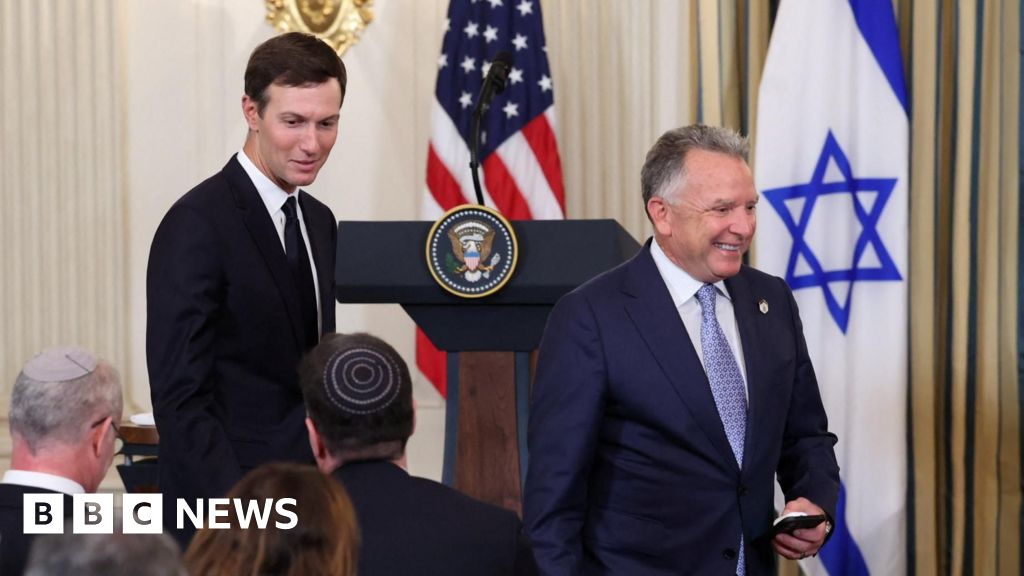
US peace envoy and Trump’s son-in-law head to Egypt for Gaza talks

Gaza Tensions Escalate as International Powers Convene for Critical Peace Talks

The ongoing conflict in Gaza has once again thrust the Middle East into global spotlight, as intense negotiations unfold amidst mounting casualties and political tensions. High-level diplomatic efforts are underway, with United States special envoy Steve Witkoff and Jared Kushner, President Donald Trump‘s son-in-law, heading to Egypt to join indirect peace talks involving Israeli and Hamas representatives. These talks, which aim to broker a ceasefire and address key issues such as hostage exchanges and humanitarian aid, come at a critical juncture in the region’s volatile history. The presence of mediators from Qatar and Turkey underscores the international recognition of the stakes involved, as regional and global actors seek to influence a resolution that could alter the geopolitical landscape for years to come.

Despite cautious optimism from some leaders, the talks have revealed deep divides. Israeli Prime Minister Benjamin Netanyahu has remained tight-lipped on the details but emphasized that Israel is in “fateful days of decision,” signaling that resolve to achieve war aims remains firm. Israeli objectives focus on the return of hostages, dismantling Hamas, and ensuring Gaza’s long-term security—an agenda that carries profound implications for regional stability. Meanwhile, Hamas negotiator Khalil al-Hayya insists the group is prepared for “serious and responsible negotiations,” demanding “real guarantees” that a sustained peace will follow. Such demands, coupled with Israel’s uncompromising stance, highlight the formidable challenges mediators face as they attempt to narrow gaps and forge a sustainable deal.

Global Reactions and the Broader Impact on International Stability

  • UN Secretary General António Guterres has described the situation as a “historic opportunity” to bring an end to decades of conflict, urging all parties to seize on the current diplomatic window.
  • Meanwhile, analysts and historians warn that failure in these negotiations could plunge the region into further chaos, possibly escalating into broader regional conflicts or even drawing in external powers.
  • Significantly, the international community remains divided: while some leaders see peace as imperative, others—particularly within Iran and radical factions—continue to endorse a more aggressive stance, complicating efforts for reconciliation.

The geopolitical impact of this ongoing crisis extends beyond immediate casualties; it threatens the very fabric of international order. The delicate balance of regional alliances, the role of convening global institutions, and the policies of powerful nations remain locked in a tense standoff. As historians warn, the outcome of these negotiations could define the geopolitical boundaries of the Middle East for generations—keeping a fragile peace as elusive as ever. With casualties mounting, territories destabilized, and the shadows of past conflicts looming large, the question persists: will diplomacy prevail, or will this be the chapter where history’s darkest days are renewed? The world watches as history writes itself, with each decision holding the weight of countless futures yet to be realized.

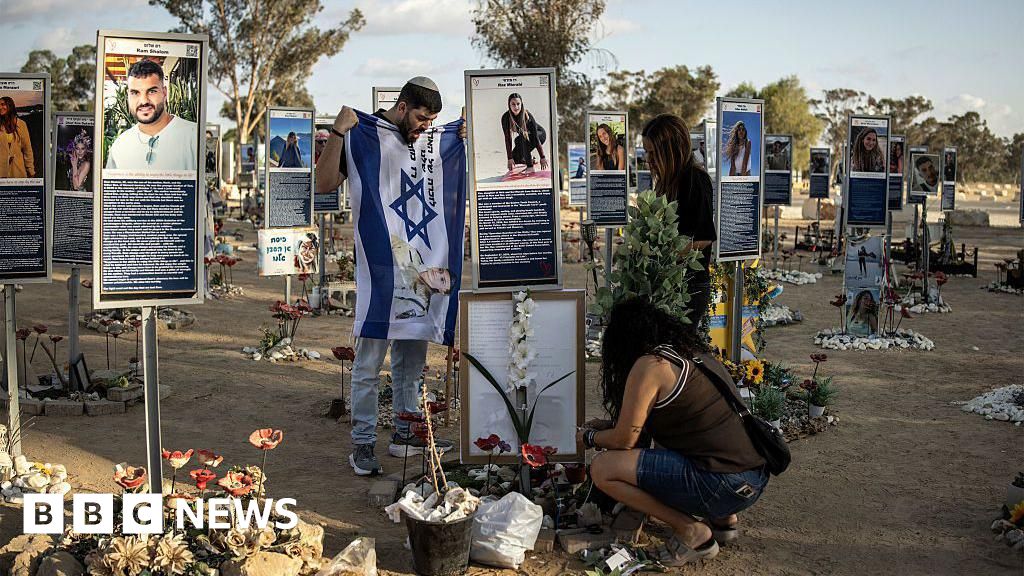
Israelis commemorate 7 October, pushing for Gaza peace talks to move forward

The recent anniversary of the October 7, 2023, Hamas-led attack on Israel underscores a pivotal moment in the ongoing Middle Eastern crisis, which has now entered its second year with devastating consequences. Over 1,200 lives were lost in the initial assault—marked as the deadliest day for Jews since the Holocaust—prompting an unprecedented military response by Israel. The Israeli military’s onslaught on Gaza has resulted in the deaths of more than 67,000 civilians, according to figures from Hamas-controlled health authorities, a grim statistic that echoes through international corridors and is validated by organizations like the UN. As imbued with grief and resolve, Prime Minister Benjamin Netanyahu declared that Israel’s resilience remains unbroken despite the immense pain, vowing to achieve the war’s primary aims: the return of hostages, the eradication of Hamas’s regime, and ensuring Gaza’s inability to threaten Israel again.

  • Amid ongoing bloodshed, Egyptian-mediated negotiations in Sharm el-Sheikh have been a rare glimmer of diplomatic effort, aiming to forge a ceasefire and an end to the violence. However, reports indicate that these talks are “tough” and lacking tangible breakthroughs, with disagreements centered on the Israeli withdrawal from Gaza and the guarantees Hamas seeks against renewed hostilities. The stakes reach far beyond the battlefield, as regional and global actors anxiously watch for signs of de-escalation or escalation.
  • The United Nations and international analysts emphasize the _urgent need_ for a sustainable peace plan, with Trump’s peace initiative being touted as a “historic opportunity.” Yet, the complexities of trust, security, and sovereignty render these diplomatic efforts fragile. The US‘s involvement, alongside Arab mediators and European powers, underscores how this conflict continues to threaten regional stability and influence foreign policy calculations across continents.

Official memorials in Israel were postponed to reflect on the tragedy of 2023, yet communal mourning persists. Across the country, including in Tel Aviv, families and citizens gathered to honor those lost, highlighting a society deeply scarred yet fiercely resilient. Meanwhile, in the diplomatic arena, indirect talks in Egypt reveal a divided front, as disagreements over Gaza’s future governance, the fate of hostages, and the humanitarian crisis persist. Palestinian officials report that negotiations are mired in “tough” disagreements, especially over Israeli troop withdrawals and guarantees against renewed fighting. The involvement of prominent US figures like Jared Kushner suggests a renewed American interest in facilitating a lasting peace—a goal that remains elusive yet critical given the history of broken treaties and promises.

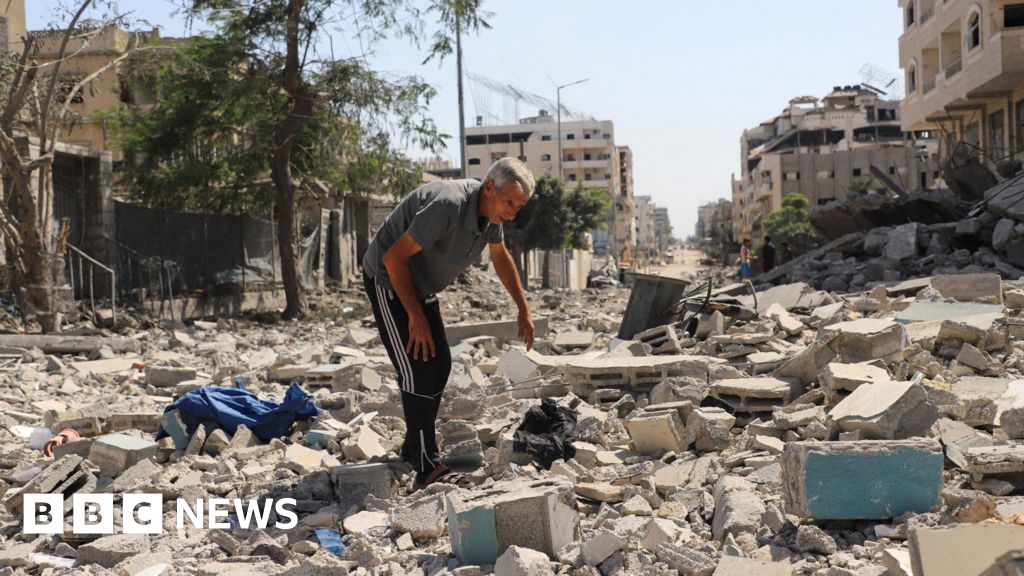
In Gaza, the relentless Israeli bombardment persists amidst dire humanitarian conditions. Hospitals depleted, civilians displaced and desperate, the war’s toll is evident: children buried in rubble, families hiding from the deafening echoes of artillery, and a world watching with tense anticipation. The loss of life, reported by local health authorities and confirmed with difficulty by independent outlets, paints a stark tableau of suffering. As Israel continues its operations and Gaza’s hospitals reach collapse, the international community—particularly European and Arab nations—faces mounting pressure to intervene, prevent further humanitarian catastrophe, and craft an end to this cycle of violence that threatens to redraw the geopolitical map of the Middle East.

As history unfolds, the weight of this moment presses heavily upon all involved. The conflict remains a testament to the tragic consequences of unresolved grievances, failed diplomacy, and radicalized ambitions. The echoes of this harrowing chapter will reverberate through generations, a stark reminder that in the sands of Gaza and the streets of Jerusalem, the quest for peace remains a perilous pursuit—a fragile thread woven through the tapestry of history, where the next chapter is yet unwritten and the world holds its breath for what is to come.

Israel Sends Aussie Activists Back to Jordan Amid Gaza Tensions

Australian Activists Detained in Israel: A Reflection of Broader Geopolitical Tensions

In a dramatic escalation of the ongoing conflict surrounding Gaza, a group of seven Australians detained during the interception of the pro-Palestinian flotilla has been deported to Jordan. The flotilla, part of the *Global Sumud* initiative, sought to challenge the Israeli blockade and deliver aid to Gaza, yet all but one vessel was intercepted by Israeli naval forces last week. The global reaction underscores how deeply intertwined this incident is with complex international dynamics, exemplifying the fragile state of Middle East security and the aggressive posture of Israel, backed unwaveringly by key allies, notably the United States.

Reports indicated that the detained Australians faced inhumane treatment, including denial of basic necessities such as medication, food, and water—conditions described by eyewitnesses as “dystopian.” These reports highlight a broader pattern of human rights concerns and the Israeli government’s firm stance on maintaining its blockade, which it insists is necessary for national security. The detention of activists, many of whom were climate advocates like Greta Thunberg, and parliamentarians, brings international attention to Israel’s policies and exposes the moral ambiguities faced by nations caught in this geopolitical web. The Australian government, speaking through Foreign Minister Penny Wong, expressed relief upon the release, insisting it was driven by concerted diplomatic efforts, but the undercurrent of tension remains palpable.

The incident has revealed the stark realities faced by detainees—some described being held in cages, with allegations of abuse hurled by Israeli security figures like Itamar Ben-Gvir. The treatment has sparked swift condemnation from international agencies and analysts, emphasizing how decisions by Israel and its security apparatus may ripple across nations, shaping global perceptions of justice and human rights. Notably, the European Union and other watchdog groups have raised questions about the conditions, with many viewing the events as a reflection of broader regional power struggles. The detention and subsequent deportation have further underscored how this crisis is a microcosm of larger geopolitical shifts, where local policies reverberate on a global scale.

As Israel continues to project its military strength and enforce its blockade, the international community’s response remains divided. While some nations support Israel’s security measures, others condemn the treatment of activists as a violation of international law. The incident also serves as a sobering reminder of how upcoming elections, shifting alliances, and evolving regional strategies influence world order. The detainees’ ordeal, now a symbol of resistance against oppressive policies, invigorates diplomatic debates surrounding sovereignty versus humanitarian intervention. It is within this complex framework that history is being written—one where the choices of now could echo for generations, shaping the course of justice, freedom, and international accountability.

Gaza Peace Talks Continue as Trump Calls Deal ‘Really Good’ Chance for Progress

The Middle East remains at a pivotal crossroads, with recent developments in Gaza signaling both a potential shift in conflict dynamics and a test of international diplomacy. As Israel ratchets up its offensive in Gaza City, the international focus has shifted toward indirect negotiations aimed at forging a durable peace, with the U.S. peace plan emerging as a central, yet contentious, element of this process. The upcoming talks in Sharm El-Sheikh are crucial, as they seek to create the “field conditions” necessary for an exchange—one that could see hostages released and relative calm restored for the first time in months.

Leading this diplomatic push are influential figures like Donald Trump and **Israeli Prime Minister Benjamin Netanyahu**, who have expressed optimism about the possibility of an agreement. Trump, now a key envoy in the negotiations, publicly stated that the first phase of the peace effort—focused on the release of hostages—”should be completed this week,” indicating a real sense of urgency. Analysts and historians warn, however, that such optimistic rhetoric often masks deeply entrenched issues, particularly Hamas’s refusal to accept the plan’s **disarmament** clause and its insistence on remaining part of Gaza’s governance. Meanwhile, Palestinian factions and regional actors—especially **Qatar** and **Egypt**—are playing critical roles, facilitating shuttle diplomacy that is seen as essential given the profound mistrust between Israel and Hamas.

The geopolitical impact of these negotiations is profound. If successful, they could serve as a blueprint for a broader peace settlement—potentially reshaping societal relations and regional stability. Yet, the balance remains delicate. Israel’s security concerns persist, especially regarding Hamas’s future role, which remains a sticking point. Hamas’s statement indicated willingness to release all Israeli prisoners, both living and dead, but avoided addressing its disarmament—raising doubts among critics that foundational issues might plunge the talks into failure. International organizations such as the United Nations have called for restraint, with Secretary-General Antonio Guterres warning that the opportunity presented by Trump’s initiative “must be seized” to prevent further tragedy. Conversely, opponents argue that the peace plan, especially with its concessions, risks rewarding continued militant influence while failing to address broader issues of Palestinian sovereignty, thus challenging existing international norms.

As the conflict’s toll continues to climb—over 67,000 killed in Gaza alone, including thousands of children—the regional and global repercussions grow ever more urgent. Countries such as the United Kingdom and regional powers are now openly supporting the U.S. efforts, yet skepticism remains. Critics warn that history repeatedly demonstrates how fragile ceasefires and peace agreements can be, especially in a context where past promises have been broken and trust remains elusive. The voices of analysts like *Benny Morris* and *Rashid Khalidi* echo warnings that the deeper issues—like the status of Palestinian sovereignty, disarmament, and the future governance of Gaza—must be resolved for peace to hold. Otherwise, the cycle of violence threatens to erupt again, possibly even more devastating than before. As the world watches anxiously, the story of Gaza continues to unfold—each negotiation, each development, adding a new chapter to a conflict that Western leaders and regional stakeholders alike consider among the most complex and perilous the modern era has faced.

Gaza Talks Stall: The Main Obstacles Uncovered

Shifting Tides in the Middle East: A Fragile Peace?

In what could be seen as a rare glimmer of diplomacy amidst relentless conflict, negotiators from Israel and Hamas are converging in Sharm El-Sheikh, Egypt, to negotiate an end to over two years of brutal fighting in Gaza. This development marks the closest both sides have come to reaching an agreement since hostilities erupted, marking a noteworthy, if fragile, diplomatic opening. The talks are primarily centered around Trump’s 20-point peace plan, a relatively concise framework that posits key issues such as hostage release, disarmament, governance, and troop withdrawal. Although the plan has garnered initial acceptance from both parties, it is clear that significant hurdles remain, with core disagreements threatening to derail negotiations altogether.

The plan’s most immediate and pressing aspect involves the release of hostages. Trump’s framework stipulates that all remaining captives be released within 72 hours of an agreement, a move that could significantly de-escalate tensions if fulfilled. Reports suggest that approximately 48 Israeli hostages remain in Gaza, with at least 20 believed to be alive, providing a potent bargaining chip for Hamas. Israeli Prime Minister Benjamin Netanyahu has expressed optimism, hinting that the hostages might be freed before the Jewish holiday of Sukkot—a gesture that could serve as a pivotal breakthrough in rebuilding trust. However, Hamas’s historical reluctance to relinquish its leverage complicates this, as the group has conditioned its willingness to release hostages on other concessions. The distrust between the two sides is palpable, exacerbated by recent Israeli military actions, including an attempted assassination of Hamas’s negotiating team in Doha, which only deepened the gulf of animosity and skepticism.

The core of many disagreements lies in the issue of Hamas’s disarmament. Israeli leaders, led by Netanyahu, remain steadfast in their demand for the group’s total disarmament, insisting that Gaza be demilitarized. Hamas, meanwhile, maintains that it will not relinquish its weapons unless a Palestinian state is officially established—a stance that signals entrenched positions and little room for compromise. Western analysts, including those at the International Crisis Group, warn that such intractable viewpoints threaten to prolong the conflict indefinitely. This unresolved dispute over disarmament directly impacts the geopolitical landscape, as it influences the potential for a broader regional escalation or stability in the Middle East.

The plans also outline a possible future governance structure for Gaza, moving away from Hamas’s control toward a temporary coalition of Palestinian technocrats supervised by a “Board of Peace,” purportedly led by Donald Trump. The ultimate goal, according to the framework, is to transfer governance to the Palestinian Authority (PA). Yet, despite Netanyahu publicly endorsing the plan, there is internal resistance, especially within Israel’s ultranationalist factions. Many hardliners oppose the relinquishment of Gaza, advocating for continued control or even reconstructions of Jewish settlements. This internal division underscores the political volatility that looms over any peace agreement, showing how domestic political calculations directly influence international diplomacy. The situation remains precarious, with some experts warning that any delay or breakdown could lead to renewed hostilities, casting a shadow over the region’s stability.

Finally, the question of Israeli troop withdrawal remains one of the most contentious issues. The plan envisions a staged withdrawal, with approximately 55% of Gaza potentially remaining under Israeli control until “proper security” is assured. Such a phased approach reflects the uncertainty and risks involved in de-escalation, as authority over Gaza’s borders and the threat of resurgent terrorism persist. Internationally, this plan is watched with a mixture of cautious optimism and grave concern, considering the possibility that unresolved issues might ignite the very chaos it seeks to resolve. Historians and geopolitical analysts warn that the present negotiations could be a fleeting chance—one that history might judge either as the beginning of a lasting peace or the prelude to another cycle of violence.

The unfolding story in Gaza is a testament to the complexity of international diplomacy—a tangled web of hopes, fears, and entrenched interests. As leaders push forward amid a landscape fraught with mistrust and conflicting narratives, history’s ink threatens to record this moment as either a step toward stability or a catalyst for renewed chaos. With each handshake and each failed promise, the weight of history presses ever heavier on the shoulders of those tasked with forging tomorrow’s peace—or condemning the region to yet another chapter of suffering.

Gaza Ceasefire Talks Under Way as Israeli Airstrikes Persist Amid Egypt Negotiations

Gaza Conflict and the Shifting Geopolitical Landscape: A New Chapter Unfolds

The ongoing crisis in Gaza remains a defining moment for international geopolitics. As Israel continues its airstrikes, the diplomatic landscape shifts toward fragile negotiations titled to reshape the Middle East. The recent escalation, marked by relentless Israeli bombardments in Gaza, has seen the death toll rise, with Palestinian news agencies-reporting at least 24 fatalities within 24 hours, and several others wounded. Despite international pleas—such as from U.S. Secretary of State Marco Rubio urging a halt to military actions to facilitate hostage negotiations—conflict persists with devastating consequences for civilians.

This crisis is not isolated; it is a theater in a complex chess game involving global powers. The US and Egypt are spearheading talks, with the announced indirect negotiations aiming at a ceasefire. These diplomatic efforts are a critical juncture in Middle Eastern history, with analysts warning that the decisions made now will resonate for generations. The involvement of Egyptian President Abdel Fattah al-Sisi, who praised Donald Trump’s proposed peace plan, signifies the shifting alliances. Al-Sisi’s remarks—describing Trump’s initiative as “seeking a ceasefire after years of war, genocide, and suffering”—highlight a rare moment of regional consensus on the potential for peace, albeit fragile and fraught with the specter of wider escalation.

The Trump 20-Point Peace Plan: A Controversial Blueprint for Gaza

  • The plan envisions Gaza as “a de-radicalized terror-free zone” that does not threaten its neighboring states, a stark deviation from the past visions of occupation or annexation.
  • It proposes that Gaza’s population could remain in situ, with those wishing to leave permitted to do so, thus avoiding mass displacement—a contentious point among various political factions.
  • Once hostages—expected to include both living and deceased—are released, the plan advocates the granting of amnesty for Hamas members willing to accept peaceful co-existence, renounce weapons, and disarm—an approach that has drawn both cautious optimism and fierce criticism.
  • Notably, the plan leaves unresolved the future of Palestinian statehood, instead emphasizing “interfaith dialogue” to foster tolerance.

While some, including Israeli Prime Minister Benjamin Netanyahu, have accepted the framework, skeptics warn that the plan’s exclusions—particularly its failure to address Palestinian sovereignty—may undermine its long-term viability. Internationally, voices from analysts such as Kenneth Roth, former head of Human Rights Watch, caution that procedural agreements in such volatile contexts may serve as mere ceasefire placeholders rather than pathways to lasting peace. Meanwhile, opponents argue that “giving a blank check” to Israeli military actions cedes ground to hardline factions seeking maximal territory or dominance.

Global Implications and the Price of Hesitation

The eastward movement of diplomatic efforts underscores a broader geopolitical shift. Countries like Qatar and Egypt, traditionally mediators, find themselves at a crossroads: support for peace plans like Trump’s depends heavily on regional stability and their strategic interests. The involvement of figures like Tony Blair, heading an international board overseeing Gaza’s redevelopment, amplifies the broader role global institutions aim to play in shaping a new Middle East order.

Yet, history demonstrates that such moments are often fleeting and deceptively fragile. As the world looks on, the silent victims—the innocent civilians caught in the crossfire—serve as stark reminders that the path toward peace is perilously narrow. The future of Gaza, and indeed the entire Middle East, remains a delicate balance of diplomacy, power, and unresolved conflict. With each geopolitical move, history’s pen records another chapter—its ink shaped by decisions that will echo through the generations, and its final outcome still unwritten amidst the chaos and hope of a complex war-torn region.

Social Media Auto Publish Powered By : XYZScripts.com