Matox News

Truth Over Trends, always!

British-Iranians Raise Alarm Over Safety Amid Iran War Emergency

As the geopolitical storm in the Middle East intensifies, its repercussions are rippling across global cities, with London emerging as a flashpoint for Iranian diaspora tensions. Recent reports reveal a surge in concerns among Iranians living in the UK, fueled by escalating conflicts involving the US and Israel. The city’s sizable Iranian community, especially the district known as Little Tehran in Finchley, has become a battleground for ideological confrontations, protests, and fears of harassment. These developments underscore how international conflicts extend beyond distant borders, directly impacting societal cohesion and safety within diasporas. Analysts warn that such utterance of unrest—driven by pro-monarchy groups and factions aligned with Iran’s opposition movements—could have long-term social and security consequences for the UK.

Amid these tensions, law enforcement in London are caught in the middle, tasked with balancing the preservation of free speech and protest rights against the need to maintain public order. Recently, police officials have engaged with community leaders and increased patrols in affected districts, indicating an acknowledgment of the gravity of the situation. London’s police chief, Det Supt Katie Harber, emphasized that “the impact of events happening thousands of miles away” is felt locally, and that “many in our Iranian communities” are understandably fearful. This dynamic reveals a broader pattern: international conflicts are not confined to distant geopolitical theaters but play out tangibly within immigrant communities, fueling polarization and potentially escalating into violence or social fragmentation. Furthermore, the UK’s recent banning of the annual al-Quds Day march, citing risks of disorder, signals an alarming escalation where authorities are actively intervening in expressions of political and cultural identity—often under the guise of national security.

Meanwhile, the conflict’s international ramifications are mirrored in recent counterintelligence efforts, with UK authorities arresting suspected Iranian spies, reflecting fears of espionage and political meddling. These actions dovetail with growing calls from British-Iranian activists for the UK government to be vigilant and refrain from succumbing to external pressures or internal divisions. Notably, Reza Pahlavi, the exiled son of Iran’s former pro-Western monarchy, has garnered both support and controversy. Supporters advocate for his leadership as a potential unifier for Iran’s fractured opposition, while opponents critique the divisive nature of his political stance. A recent

  • petition demanding investigations into pro-Pahlavi groups

highlights how external political factions influence internal UK security and societal cohesion, prompting debate on how to navigate these complex foreign and domestic interests.

At the heart of this unfolding crisis lies a pivotal question: How will the UK and its allies respond to the expanding influence of Iranian opposition factions, and at what cost to civil liberties and social order? The narrative is still being written, with each incident pushing history closer to a potential tipping point. As experts warn of the risks of escalation—both within communities and geopolitically—the world watches a fragile equilibrium teetering on the edge. Today’s decisions and actions may determine whether London remains a welcoming haven for free expression or transforms into a battleground where history’s most profound divisions are played out. The weight of this moment, ripe with unresolved tensions, echoes a stark warning: the global struggle for influence and ideology continues to shape societies from afar, leaving the future uncertain, and the epoch of this conflict yet to be decided.

UK Minister: Iran unlikely to pose bombing threat to Britain amid US-Israel tensions

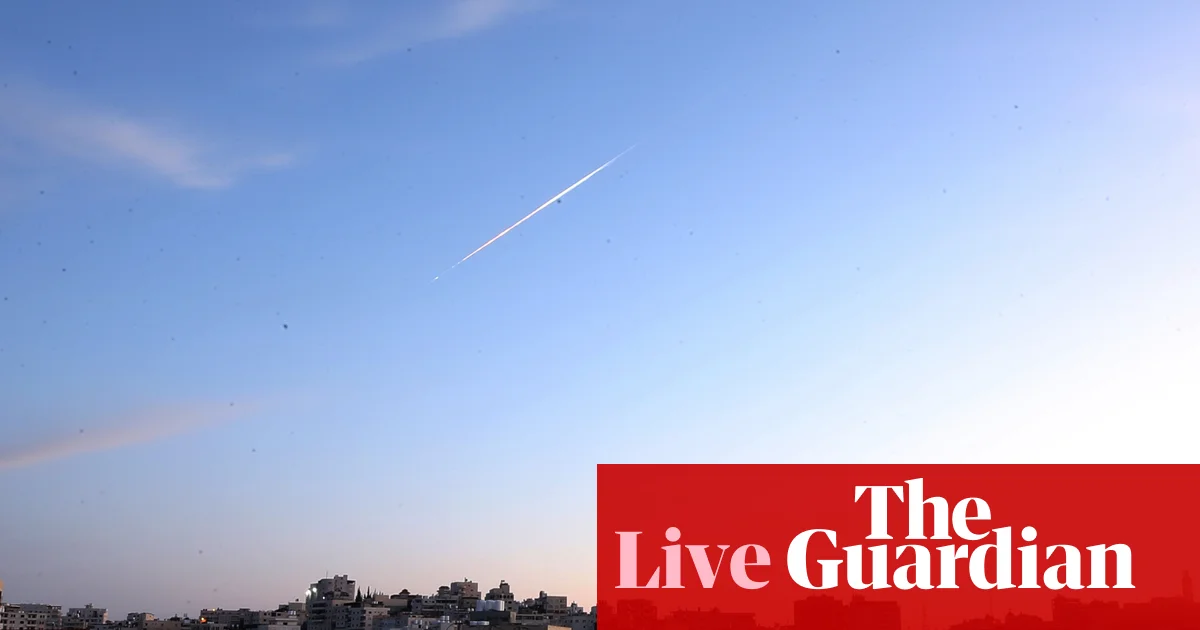
The recent missile incident involving Iran and British interests has sharply heightened tensions in a region already fraught with geopolitical complexity. Iran launched two missiles aimed at a UK-US airbase on Diego Garcia in the Indian Ocean—an unprecedented move marking what analysts describe as the longest-range attack by Iran since it was subjected to US and Israeli strikes. Although one missile was intercepted and another fell short, the incident signals a dangerous escalation that could ripple well beyond the Gulf, threatening broader regional stability.

International organizations and security analysts have closely scrutinized Iran’s actions, while governments grapple with signaling their resolve without igniting an uncontrollable conflict. Despite denials from London that Iran is capable of targeting the UK directly, the incident complicates the narrative of Iranian military restraint. UK officials, including Communities Secretary Steve Reed, have emphasized that the UK is not seeking war but is prepared to defend its interests. Meanwhile, the incident has prompted the UK to expand its military scope, allowing more aggressive actions against Iranian missile sites, including those targeting shipping lanes in the strait of Hormuz—a vital artery for global energy supplies.

Some experts warn that this episode underscores the precarious balance of power in the Middle East and the broader international stage. Historians such as Margaret MacMillan have noted that these conflicts are often shaped by miscalculations and the domino effect of military posturing. The United States has issued warnings, with President Trump threatening Iran’s energy infrastructure if the strait is blockaded again. Such aggressive rhetoric amplifies the risk of escalation, reminding the world that the decision to use force in this volatile region is as perilous as it is decisive.

U.S. and UK officials affirm their intention to avoid full-scale conflict while defending their regional allies and interests. Yet, the danger persists that misjudgments or accidental clashes could ignite a wider war. The geopolitical impact of these developments is profound, threatening to destabilize the already fragile international order and challenge the very influence of global institutions tasked with maintaining peace. As internationalists and strategists watch anxious and wary, the question remains: how will the unfolding drama of diplomatic brinkmanship shape the course of history? The region’s future hangs in the balance, and the weight of history continues to press down, as new conflicts are penned into the chronicle of a tumultuous era—an era where the decisions of today could determine the fate of generations tomorrow.

Trump Admin Faces Critical Juncture in US-Israel Battle to Counter Iran

In a move reflective of rising tensions and shifting alliances, the United States has significantly increased its military presence in the Middle East over the past week. Reports indicate that a Marine expeditionary unit, consisting of approximately 2,500 combat soldiers supported by ships and aircraft, has been dispatched from Japan to the region. This deployment is expected to arrive shortly and signals a deliberate escalation of U.S. military posture amid ongoing regional uncertainties. Another Marine force of similar size, recently departing from a base in California, is also headed toward the Middle East, with an expected arrival in mid-April. These movements underscore a clear intent to project power and reassure allies, but they also signal a more volatile U.S. stance in a questionably fragile geopolitical landscape.

The intensified military buildup comes at a time when the U.S.-led coalition is navigating a complex web of conflicts and diplomatic challenges across the Middle East. Analysts suggest that these unprecedented troop movements are intended as a show of force amid suspected threats from regional actors, possibly including Iran or extremist groups, whose influence continues to threaten regional stability. Historians and international relations experts warn that such displays of military strength often have a dual-edge—serving as deterrence but also risking escalation if miscalculated. The decision to bolster deployed forces is being closely watched by global institutions such as the United Nations, which advocates for diplomatic solutions but remains wary of the potential for new conflicts sparked by increased military activity.

Beyond immediate regional consequences, these troop movements bear significant geopolitical impact. Already fragile alliances are being tested; for instance, Saudi Arabia and several Gulf Cooperation Council nations are likely to interpret the U.S. escalation as a signal of unwavering support, yet they also face internal debates about reliance on American military power. Meanwhile, China and Russia are observing with keen interest, arguably seeking to leverage these developments to expand their influence in the region. The growing military footprint raises critical questions about how international decisions here will shape the future of diplomacy and conflict, redefining the balance of power in a strategically vital area.

According to many international analysts, this escalation foreshadows a period of increased volatility, with potential consequences extending far beyond the Middle East. National leaders and global institutions are now tasked with navigating an ever-expanding battlefield where military might is often mistaken for stability. As history’s narrative continues to unfold, one thing remains clear: the decisions made now—shaped by strategic interests, domestic pressures, and international diplomacy—will leave an indelible mark on the geopolitical landscape for generations to come. The weight of these developments serves as a stark reminder that, in the shadow of this new military posture, the delicate balance of peace hangs precariously in the balance.

Middle East Tensions: Trump Signals De-escalation as US Eases Iran Oil Sanctions; Israel Strikes Back

Middle East Tensions Escalate as Regional Power Dynamics Shift

In a rapidly unfolding geopolitical crisis, Saudi Arabia has publicly condemned Israel‘s military strikes on Syrian military camps, branding them as “aggression” and calling upon the international community for urgent intervention. These developments point to a dangerous escalation in a region already teetering on the brink of prolonged conflict. As Turkey joins in decrying the attacks as “a dangerous escalation,” the stakes for regional stability and global security remain critically high, with key players entangled in a web of sectarian tensions, military moves, and diplomatic fissures.

Israel’s military has justified its recent strikes in southern Syria as a response to hostile activities against the Druze community in Sweida province, promising to continue operations aimed at protecting minority groups. Yet, this approach only deepens regional instability, provoking outrage from neighboring nations. Syria, meanwhile, has condemned the Israeli intervention as a blatant violation of sovereignty, framing it as “flimsy pretexts and fabricated excuses.” These rhetoric exchanges highlight the fragile state of Middle Eastern diplomacy, where war and mitigation remain perilously intertwined. Historians warn that such military confrontations risk re-igniting long-standing sectarian and territorial disputes, with profound repercussions for international law and sovereignty norms.

Meanwhile, the broader geopolitical landscape intensifies with Iran’s pursuit of retaliatory military actions and diplomatic maneuvers. Iran’s Supreme Leader, Mojtaba Khamenei, stated that Tehran has inflicted a “dizzying blow” on its enemies, prompting Israel to retaliate with strikes against “regime targets” in Tehran early Saturday. Iran’s recent launches of drone and missile attacks towards Saudi Arabia and Israel mark a worrying escalation in the region’s proxy conflicts. The threatened global repercussions are already palpable, as the US considers winding down its military engagement in the Middle East, a move announced by President Donald Trump. This shift raises questions about the trajectory of international influence—whether a true de-escalation or merely a pause before darker days ahead.

The nuclear ambitions and missile capabilities of Iran continue to pose significant threats to maritime trade routes, notably the Strait of Hormuz. Iran has reportedly helped Japan secure vital shipping lanes, emphasizing its strategic importance in global energy markets. Concurrently, Iran’s firing of ballistic missiles at Diego Garcia, a key US-UK military installation in the Indian Ocean, indicates Tehran’s willingness to project power far beyond the Middle East. Such acts compound international fears of a wider conflagration involving great powers and their allies, further destabilizing an already volatile region. These developments, observed keenly by analysts like those at the UN Security Council and geopolitical think tanks, underscore how decisions made on the ground ripple outward, threatening global economic stability and peace.

As the Middle East’s chaos unfolds amid accusations of “flagrant violations” and threats from Iran’s military spokesperson against “recreational and tourist sites” worldwide, history warns of a cycle of violence with devastating consequences. The region’s most powerful nations face a pivotal moment: either defuse tensions through genuine diplomacy or plunge into a protracted conflict whose echoes will unfold across decades. The unfolding story is a stark reminder that in a world of interconnected nations, every military strike, diplomatic rebuff, or policy shift carries the weight of history’s judgment—an enduring testament to the perilous dance of power, faith, and destiny.

Iran Tensions Cast Shadow Over Trump-Japan Leaders’ Meeting

In a significant turn of diplomatic engagement, recent discussions between Japan and U.S. officials have underscored the shifting landscape of international alliances amid rising geopolitical tensions. The meeting with Sanae Takaichi, a prominent Japanese politician, comes just days after former U.S. President Donald Trump publicly criticized Japan for its perceived reluctance to assist in a confrontational stance towards China and Iran — specifically regarding the strategic Strait of Hormuz. This exchange highlights how bilateral relations are increasingly influenced by the unpredictable whims of U.S. domestic politics, with Tokyo caught in a balancing act between maintaining its independence and aligning with American strategic interests.

Trump’s recent remarks, which accused Japan of “not answering the call” for support in the context of the Strait of Hormuz, have further inflamed debates over U.S. unilateralism versus allied commitments. Analysts argue that these comments serve as a wake-up call for nations like Japan, which are navigating the complex waters of a rapidly changing international order. Historically, Tokyo has sought to retain diplomatic flexibility, balancing its powerful security alliance with Washington against regional pressures from China and North Korea. However, the latest U.S. rhetoric underscores a broader shift where economic and military dependencies threaten to undermine the sovereignty of allied nations, compelling Japan to reconsider its strategic autonomy.

This diplomatic tension occurs against the backdrop of a geopolitical landscape marked by significant shifts, including the escalating U.S.-China rivalry and renewed tensions in the Middle East. Japan, a nation with a pacifist constitution yet a robust economy, finds itself at a crossroads: should it continue to defer to American leadership, or assert a more independent stance in regional security? The meeting with Sanae Takaichi signals Tokyo’s recognition of the need to recalibrate its foreign policy. International opinion, including insights from respected historians like Paul Kennedy and analysis from institutions such as the Council on Foreign Relations, suggests that how Japan responds in these turbulent times will have profound implications for regional stability and the future of global power alliances.

As the world watches with bated breath, the unfolding interactions between Japan, the United States, and emerging regional actors reflect a new chapter in international affairs — one fraught with uncertainty and the echoes of history’s veiled warnings. The decisions made now will shape the destiny of not just these nations, but the entire global order. In the shadows of diplomacy and threat, the weight of history presses heavily upon the present, reminding us that the choices of today may well dictate the world of tomorrow.

Iran conflict sparks fresh energy crisis for Europe—will our youth bear the burden?

In a remarkable declaration last week, Italian Prime Minister Giorgia Meloni articulated a concern shared by many European leaders: the escalating crisis in the Middle East has profoundly impacted the continent’s energy landscape. As tensions intensify across this volatile region, Meloni emphasized that “the issue of energy prices has clearly become even more important”. Her call for the urgent suspension of the European Emissions Trading System (ETS) for electricity production signifies a pivotal moment in European energy policy, amid rising fears of instability destabilizing global energy markets.

This move, supported by other EU member states, underscores a broader geopolitical strategy influenced by the ongoing conflict, which has increasingly highlighted Europe’s dependence on Middle Eastern energy supplies. While the EU has long championed its climate commitments and carbon reduction goals, the current crisis illustrates the fragility of these ambitions in the face of geopolitical upheaval. European leaders** are now grappling with a fundamental dilemma: balancing the urgent need for reliable energy supplies against long-term environmental commitments. This debate reveals a deeper shift in global priorities, where energy security is emerging as a top concern rather than solely the pursuit of green policies. Analysts point out that recent disruptions—whether through increased prices, supply chain interruptions, or geopolitical tensions—threaten the stability of the European economy and societal welfare. How decisions are made today will shape the resilience of Europe’s energy infrastructure and influence the political landscape for years to come.

Throughout this crisis, international organizations and historians have been weighing the significance of this turning point. The International Energy Agency has warned that the current situation underscores the need for a diversified and strategic approach to energy security, emphasizing that reliance on volatile regions can expose nations to geopolitical risks. Meanwhile, scholars specializing in global conflicts observe that the Middle East’s turmoil is not merely a regional issue but a catalyst for profound global realignments. Europe’s potential shift away from stringent climate policies towards pragmatic energy measures could serve as a blueprint for other nations facing similar geopolitical pressures. Yet, critics argue that relaxing environmental standards risks undoing decades of progress in combating climate change, creating a dilemma that will require careful navigation.

The geopolitical landscape is being reshaped as nations respond to this crisis. The United Stateshas reinforced its diplomatic and military presence in the region, seeking to stabilize critical energy corridors and prevent further escalation. China has shown strategic interest in increasing its influence, attempting to fill vacuum spaces that may widen as Western powers recalibrate their alliances. Meanwhile, Russia continues to leverage its energy resources as a geopolitical tool, aligning with certain regional actors to extend its influence while challenging Western-led initiatives. Such moves have profound implications for global energy markets and the balance of power. The decisions taken today could determine whether the world treads a path toward greater stability or plunges into deeper conflict.

As the world stands at an inflection point, the narrative of this crisis is far from over. The choices made by European leaders—by the European Union and individual nations—will be etched into history. The ongoing tension between environmental ambitions and energy security exemplifies the complex layers of globalization and geopolitics that define our era. In this delicate dance, where the stakes are nothing less than the stability of nations and the future of societies, the curtain has yet to fall. The unfolding chapters hint at a future where geopolitical conflicts could reshape the very backbone of the global order, leaving us all to wonder: how will history judge our response to this pivotal moment?

Iran under heavy crackdown and strikes: youth face mounting fear

Recent reports from Tehran underscore a situation fraught with danger and uncertainty, revealing a city caught between a sharpened conflict. According to local residents speaking with the BBC, the atmosphere in the Iranian capital is tense as Tehran faces the dual threat of increasing military pressure from the United States and Israel, while its own government endeavors to restore its authority amidst internal and regional upheaval. These developments are emblematic of a broader geopolitical confrontation that has intensified over the past few years, threatening to reshape the Middle East’s delicate balance of power.

Washington and Jerusalem’s strategic moves have been relentless, involving targeted drone strikes and covert operations in an attempt to curb Iran’s regional influence and nuclear ambitions. Experts like Dr. Laura Baker, a renowned Middle East analyst, warn that the U.S.-Israel alliance is intensifying a campaign that risks spiraling into open conflict, with Tehran retaliating through asymmetric warfare, cyber operations, and support for regional proxies. This escalation diminishes the prospects for diplomatic engagement and underscores a global trend towards confrontation rather than dialogue. Meanwhile, Tehran remains resolute in asserting its sovereignty, even as international sanctions and internal protests highlight a regime trying to consolidate power in a tumultuous landscape.

The Iranian regime’s efforts at reassertion of authority and responding to internal dissent have complicated matters further. As internal unrest swells, many analysts point to Iran’s leadership seeking to project strength externally to distract from domestic challenges. Historically, such regimes have employed ethnic nationalist rhetoric and military brinkmanship to unify their populace and deter external threats. The danger, however, lies in the potential for miscalculation. International organizations, including the United Nations, have repeatedly called for restraint, but the strategic interests of global powers often overshadow diplomatic solutions, pushing the region deeper into instability.

  • Key events include recent missile launches and increased military exercises in the Persian Gulf, signaling Tehran’s defiance against external pressures.
  • Diplomatic efforts such as the JCPOA negotiations appear stalled yet remain a critical arena for future conflict resolution or prolongation.
  • Regional repercussions are evident as neighboring countries brace for potential spillover, facing economic instability and political upheaval fuels often driven by external interference.

Historians and analysts warn that these rising tensions could fast evolve into a broader regional or even global conflict if stops are not taken. The Geopolitical Impact of the current moment is profound: nations must grapple with how decisions made today could shape the fate of generations. The U.S., Israel, Iran, and their respective allies find themselves at a pivotal juncture, with the prospects of peace slipping further away amid relentless militarization and diplomatic stalemate. The world watches as this chapter of history is written in the shadows of drones and diplomatic silence, each escalation echoing the complex legacy of a region once again teetering on the brink—an uncertain dawn beckons, holding the weight of history yet to be determined.

Top US Counterterror Chief Quits Over Iran War, Warns Trump to Change Direction

Recent statements by National Counterterrorism Center Director Joe Kent have reignited debates surrounding the origins of America’s ongoing conflicts in the Middle East. Kent claims that former President Donald Trump “started this war due to pressure from Israel and its powerful American lobby,” casting new light on the complex web of international influence that shapes U.S. foreign policy. These remarks serve as a stark reminder that decisions made at the highest levels often have profound and lasting geopolitical consequences, influencing the stability and security of nations far beyond America’s borders.

This assertion prompts a reassessment of how external pressures from special interest groups and foreign allies can sway American policy, especially in volatile regions like the Middle East. Historians and analysts have long debated the extent to which domestic lobbying impacts presidential decision-making. According to the International Institute for Strategic Studies, such influence often steers war efforts in directions that may prioritize geopolitical interests over national security, leading to prolonged conflicts with difficult resolutions. While the precise instances and motivations behind Trump’s policies remain contentious, the broader discussion underscores an enduring question: how much of America’s foreign engagements are genuinely driven by national interest versus external pressures?

In addition to domestic debates, this revelation has significant geopolitical impact. The Middle East, a nexus of geopolitical rivalries, remains deeply entwined in U.S. foreign policy calculations. The region’s long history of conflict has been compounded by decisions influenced by external lobbying, which in turn alters alliances and military commitments. International organizations, such as the United Nations, warn that such external pressures could exacerbate regional instability, heightening risks of escalation and long-term unrest. Moreover, the implications for societies within these nations are profound: prolonged military interventions often lead to human suffering, economic devastation, and the destabilization of entire communities.

The role of powerful lobbies and allies remains a contentious subject. Critics argue that when foreign interests dictate policy, it undermines the sovereignty and self-determination of the nations involved. Such influence often results in policies that favor external actors at the expense of long-term peace and stability. As international political analysts caution, the potential for these decisions to ignite broader conflicts remains a lingering threat. Considering the recent revelations, many are urging policymakers to examine how external pressures shape decisions on the global stage, with some foreseeing a future where conflicts are prolonged by external interests rather than national security needs.

As history continues to unfold, the weight of past decisions remains etched into the fabric of global politics. The question persists: will future generations view these moments as the turning points where geopolitics was manipulated for short-term gains, or as lessons that could usher in a new era of sovereignty and genuine peace? The ongoing debate invites citizens, leaders, and international observers alike to scrutinize the true drivers behind the conflicts that define our era. In a world teetering on the edge of new alliances and ancient rivalries, the final chapters of this complex story are yet to be written—and the shadows of history cast their long, uncertain gaze upon our future.

BBC Tours Doha Market Rebounding Two Weeks into Iran Conflict

As the Middle East plunges into its third week of escalating conflict, the ripple effects are reverberating beyond regional borders, threatening to redraw the geopolitical landscape. The initial outbreak, triggered on 28 February by a series of targeted strikes involving Israel, the United States, and Iran, has shaken what was once thought to be a relatively stable area. In a stark display of the fragile peace and mounting tensions, the bustling Souq Waqif market in Doha was nearly deserted the day the conflict erupted, a grim sign of how fears of broader war are unsettling even the most tranquil corners of the Gulf.

The Gulf Cooperation Council nations, traditionally aligned with Western interests and regional stability, are now caught in a maelstrom of violence and retaliation. Tehran’s retaliatory strikes have targeted various locations, including military facilities in neighboring countries, resulting in at least 18 fatalities across the Gulf states. These actions underscore Iran’s strategy of asymmetric warfare, aiming to leverage its regional influence while avoiding full-scale confrontation. Despite extensive efforts at interception, many of the Iranian missiles heading toward Qatar were successfully neutralized by advanced air defense systems. Nevertheless, the threat of escalation remains palpable, with potential repercussions for international security. Analysts warn that these attacks not only threaten regional stability but also threaten to ignite a broader conflict involving major powers on multiple fronts.

International organizations and geopolitical analysts have expressed concern over the mounting geopolitical impact. Victor Hanson, a renowned historian specializing in Middle Eastern conflicts, warns that this cycle of retaliation risks leaving the region’s delicate balance in ruins, with long-lasting consequences for global diplomacy and security. The conflict’s broader implications extend to oil markets, trade routes, and the strategic interests of nations around the world. As the United Nations calls for restraint, the decisions made in these critical weeks will likely shape regional alliances and conflicts for decades to come.

Meanwhile, within Qatar, a country that has seen relative calm, the mood begins to shift. Once bustling, the Souq Waqif market has gradually regained its activity, signaling resilience amid turmoil. The BBC’s Barbara Plett Usher visited the market to gauge local sentiment, uncovering a populace torn between fear and hope. Society’s response highlights how decision-makers’ actions in the coming days—whether de-escalation or escalation—will determine the fabric of regional societies and their futures. As the world watches with bated breath, history continues to unfold—its outcome uncertain, the stakes immensely high, and the narrative still being written with each passing hour.

Middle East Tensions Escalate: Trump Pins Responsibility on Allies, Dubai Airport Closures Amid US-Israel Standoff with Iran

Global Tensions Surge Amid Middle East Turmoil and Strategic Power Plays

As Israel intensifies its military operations targeting Iran, and US President Donald Trump brokers efforts to build an international coalition to reopen the heavily contested Strait of Hormuz, the geopolitical landscape of the Middle East is spiraling into an unprecedented crisis with far-reaching global consequences. The recent violence, coupled with sharp economic repercussions, underscores a pivotal moment in international relations, one that analysts warn could shape the future of global energy security and regional stability for generations to come.

The US administration has been ramping up pressure on allies, notably demanding that countries contribute military assets to maintain open water routes vital for the world’s energy supplies. Trump’s warning, as reported by the Financial Times, highlights a stark reality: failure to secure the Strait of Hormuz could catastrophic repercussions, including a “very bad” future for NATO. While several nations like the UK, Canada, and Australia have declined to send naval forces to the strategic waterway, the US continues to lobby globally, emphasizing that a failure to act could destabilize the world’s oil markets, which are already reacting to the turmoil with Brent crude surging past $104 per barrel. The potential disruption of one-fifth of the world’s traded oil not only threatens the energy economy but could ignite broader geopolitical conflicts, analysts warn, risking destabilization extending beyond the regional power struggle.

The escalation extends beyond high diplomacy, manifesting in immediate tactical clashes. Reports of drone attacks on military bases in Kuwait and rocket strikes in Iraq suggest an expanding conflict zone. Italy’s military acknowledged a drone attack on the Ali Al Salem base in Kuwait, while Iraq reported rocket fire targeting Baghdad’s international airport, injuring multiple personnel. These incidents, combined with Iran’s stern warnings to neighboring nations, hint at a rapidly expanding regional war. Israel maintains its focus on targeting Iran’s infrastructure, asserting that its military remains prepared for thousands of potential targets within Iran itself. iran‘s foreign minister has condemned Israeli airstrikes as ecocide, accusing Israel of violating international law and long-term environmental damage — a stark escalation in rhetoric that highlights the severity of the conflict.

The crisis is also affecting global markets and diplomatic efforts. Oil prices continue to climb amid fears of supply disruption, while European and Asian nations deliberate their response. Japan’s reluctance to participate in maritime security efforts reflects the complex balancing act faced by Tokyo, which must contend with its economic reliance on Middle Eastern oil while avoiding escalation. Meanwhile, Britain is considering deploying unmanned minesweeping drones, a move that underscores the fragility of international maritime security in these turbulent times. With energy estimates suggesting gas prices could drop below $3 per gallon if the conflict resolves, the economic stakes are immense and visibly intertwined with global stability. The decisions of individual nations are a delicate dance, with each move carrying the potential to ignite or defuse a broader regional confrontation.

At the center of this rapidly evolving crisis, President Trump‘s diplomatic and military maneuvers reflect a bold but controversial approach — seeking to forge a coalition capable of breaking the Iran blockade of the vital Strait of Hormuz. While some nations inch toward cooperation, others remain hesitant, wary of escalating the conflict further. This strategic impasse emphasizes how history hangs in the balance, with each decision carrying the weight of entire societies and futures. As Israel faces threats from Iran and its proxies, and global powers navigate the treacherous waters of diplomacy and warfare, one cannot help but feel that the unfolding events are shaping the contours of the 21st century. The world watches with bated breath, aware that the turning point is imminent — yet unaware of which path the currents of history will carry us, leaving the window open for both catastrophe and hope in an uncertain future.

Social Media Auto Publish Powered By : XYZScripts.com