Matox News

Truth Over Trends, always!

Middle East Tensions Rise: Iran Vows Retaliation as Ceasefire Fades and US-Israel Conflict Deepens

Middle East Crisis Deepens as Strategic Shifts and Geopolitical Power Plays Reshape the Region

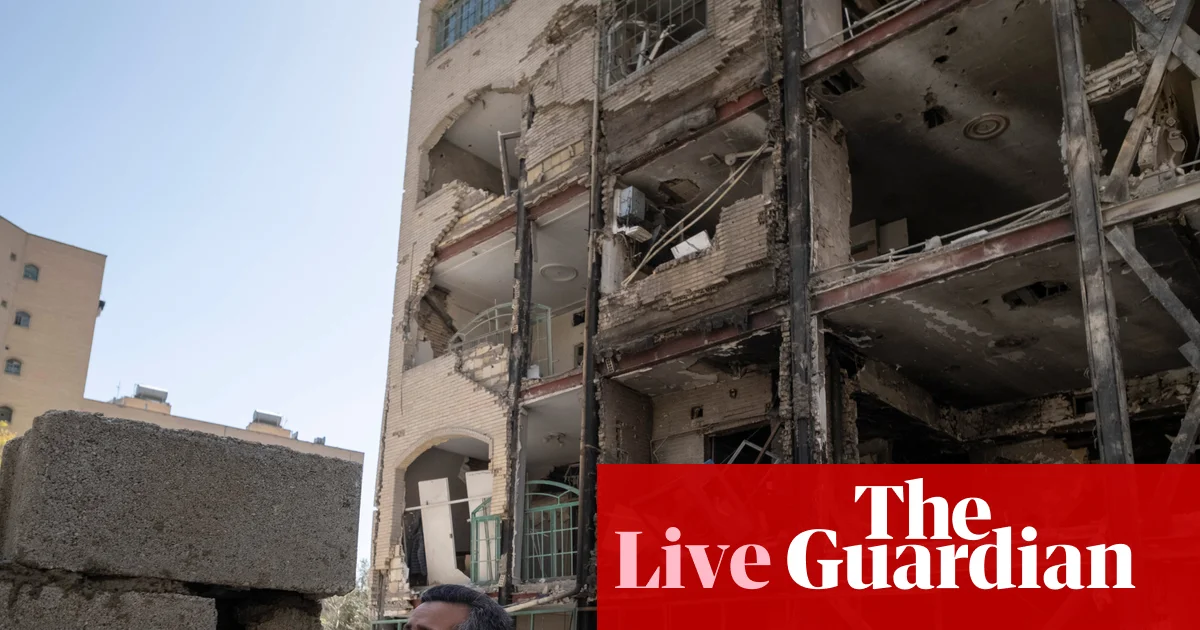
In a move that signals intensifying instability, the Bahrain monarchy has ordered a review of citizenship status for individuals deemed threats to national security. Amid an ongoing crackdown on dissent, the assertion by Hamad bin Isa Al Khalifa that “those who have betrayed the nation or undermined its stability” are liable for citizenship stripping underscores the fragile balance of power in the Persian Gulf. Bahrain, a key U.S. ally hosting the Navy’s 5th Fleet, remains at the forefront of regional tensions, particularly as it faces persistent threats from Iranian military action. Analysts from the International Crisis Group warn that such internal crackdowns are likely to stoke further unrest, which could have disastrous geopolitical consequences for the stability of the broader Middle East.

Meanwhile, the conflict escalates at sea and in the skies. The United States, firmly committed to maintaining its maritime dominance in the Strait of Hormuz, seized an Iranian cargo vessel attempting to bypass the naval blockade—an act sharply criticized by Tehran and viewed as a breach of the ceasefire agreement. The US military announced that several rounds of fire were directed at the Iranian-flagged ship, the Touska, highlighting the dangerous game of brinkmanship and the risk of open confrontation. The US administration’s aggressive stance, exemplified by threats from President Donald Trump to destroy Iran’s infrastructure if demands are not met, exemplifies a reckless approach that analysts argue heightens the risk of all-out war. Experts from RAND Corporation emphasize that the strategic objective appears centered on choking Iran’s access to vital maritime routes, a move with profound geopolitical impact that threatens to draw the entire region into chaos.

On the diplomatic front, prospects for a peaceful resolution appear bleak. Iran’s reluctance to participate in second-round negotiations with the US, citing Washington’s “excessive demands and ongoing naval blockade,” illustrates the deep mistrust that has come to define posturing in this crisis. Despite the Biden administration’s efforts to restart peace talks, Iran’s official stance signals an unwillingness to back down, raising fears of prolonged hostilities. The departure of US negotiators to Islamabad—led by Vice President JD Vance and including figures like Jared Kushner—demonstrates the clear intent to exert maximum pressure. The international community, including the United Nations, warns that such confrontational policies could undermine stability and destabilize vital energy markets, which are already volatile as oil prices surged nearly 7% amid fears of renewed conflict.

The Shadow of History and the Weight of the Present

Historians highlight that these developments serve as a stark reminder of how the choices made in these critical moments can shape the course of history. The region’s complex web of alliances, religious divides, and longstanding grievances underscores that a single misstep could ignite clashes on a scale unseen in generations. International organizations, such as the European Union, have expressed concern over the escalation, but their influence remains limited as power players assert their dominance. For nations across the globe, the unfolding saga in the Middle East is a portent of the chaos that could follow should diplomacy irrevocably fracture. A cautious observer might note that these events foreshadow a period where the weights of history threaten to tip into the storm of wider war, leaving the world spectators to ponder whether diplomacy’s flickering light can be sustained in this darkening theater.

As the clock ticks toward a potential breakdown of fragile ceasefires and diplomacy, the world witnesses an unfolding drama of power, betrayal, and strategic calculation. The decisions made today are not only shaping the immediate future but are also engraved into history’s vast ledger, with the weights of consequences still unmeasured and the shadows of conflict lengthening in the horizon. In this volatile crucible, the question remains: will cooler heads prevail or will regional powers and world superpowers ignite a conflict that reshapes history itself?

Middle East Tension: UN Urges Respect for Israel-Lebanon Ceasefire as US-Israel Target Iran

Global Geopolitical Shifts as Middle East Ceasefire Unfolds

The recent ceasefire between Israel and Lebanon marked a significant turn in the ongoing Middle East conflict, prompting a surge of cautious optimism across international markets and diplomatic corridors. As United Nations Secretary-General António Guterres publicly welcomed the 10-day truce, the global community watched with bated breath, aware that the fragile peace holds only as long as the critical political prerequisites, especially from involved powers, remain intact. The ceasefire’s implementation underscores a complex interplay of regional diplomacy and international interests, with key players like the United States and Iran vying for influence in shaping the future trajectory of stability in this volatile region.

Major geopolitical implications stem from the nuanced responses of world powers. Donald Trump has emphasized the importance of fully respecting the ceasefire, while also criticizing NATO allies for their perceived lack of support in the enforcement of US-imposed naval blockades aimed at Iran. Meanwhile, Iran’s foreign ministry expressed its approval of the ceasefire, framing it as an extension of the original Iran-US agreement brokered by Pakistan. This layered diplomacy signals a tentative thaw, yet analysts like those at the European Council on Foreign Relations warn that underlying tensions, especially Iran’s call for a “simultaneous ceasefire throughout the region,” hint at unresolved issues that threaten to ignite renewed violence in the future.

How International Decisions Reshape Societies and Strategic Alliances

The decision by Israel to maintain its military presence in southern Lebanon, despite the truce, exemplifies the persistent threat of escalation. Prime Minister Benjamin Netanyahu termed the ceasefire a “historic” opportunity for peace, yet reaffirmed his commitment to dismantling Hezbollah and occupying parts of Lebanon’s territory. In response, Lebanon’s government and Hezbollah have urged caution, warning that Israel’s history of violating ceasefire agreements could undermine the fragile peace. America’s role as facilitator in this ceasefire has further solidified its geopolitical stance—balancing between backing Israel’s security interests and avoiding further escalation with Iran-backed groups. Historically, such moves often deepen the divide among international coalitions, reinforcing the narrative of a region on the brink of recurrent conflict.

Furthermore, the reopening of international shipping lanes through the Strait of Hormuz is a critical focal point. British Prime Minister Keir Starmer, alongside his French counterpart Emmanuel Macron, has pledged to co-host a summit of around 40 nations to reaffirm global commitment to free navigation and respect for international law. This effort aims to counter the escalating blockade imposed by Donald Trump, who has called for “full freedom of navigation” amid Iran’s shutdown of the Strait, which has already led to economic ripples across energy markets. Analysts like Dr. Laurence Norrie warn that failure to reopen the shipping lanes could precipitate a broader energy crisis, destabilizing not just regional economies but threatening global stability.

Shifting Alliances and the Unfolding Narrative of Power

The unfolding events serve as a stark reminder of how nation-states are balancing their security concerns against international diplomatic pressures. As China’s export sector grapples with surging commodity costs—fueling fears of a slowdown—Russia, Turkey, and regional allies are realigning their strategies amidst the backdrop of this shifting landscape. The World Trade Organization warned of a possible global downturn if energy prices remain volatile, reinforcing the world’s dependency on Middle East stability. As recent histories have shown, decisions taken in these uncertain times often leave behind an indelible mark on the fabric of history, forging new alliances or reigniting old conflicts.

In the coming days, the weight of history appears poised on a knife’s edge. Whether the peace forged now endures or the region plunges once again into chaos, the international community waits, knowing that these decisions echo through the corridors of history—each move shaping the societies whose fate is woven into the tapestry of the Middle East’s unending saga. The unfolding stages of diplomacy, conflict, and commerce remind us that in this geopolitical theater, every act has profound consequences. As the world stands at this crossroads, the question remains—not just how this chapter will end, but what the pages of history will record as the true legacy of the days to come.

Middle East Tensions: US Claims Iran’s Economy Blocked, Trump Signals Talks Revival Amid US-Israel Pressure

In an era defined by shifting alliances and relentless strategic chess, the United States has escalated its stance against Iran with a sweeping naval blockade aimed at crippling the regime’s economic capacity. Ostensibly designed to pressure Iran back to the negotiating table by severing its oil revenues, this move has sent shockwaves through the global energy markets. Despite Iran’s resilience—exporting nearly 1.84 million barrels of oil daily—its ability to access vital shipping channels, especially via the Strait of Hormuz, has been severely constrained since early March. The blockade’s effect is profound: experts warn it could remove up to two million barrels of oil from the market each day, further tightening an already strained supply and destabilizing energy prices worldwide.

Amid the tumult, US military efforts to establish secure passage for non-Iranian vessels have been met with skepticism. The Pentagon claims that more than 20 ships have transited the Strait of Hormuz since the blockade’s inception; however, maritime analysts, including data firms like Kpler, report that actual traffic remains significantly below typical levels—just six vessels on the first day. Maritime historian Salvatore Mercogliano emphasizes the high commonality of operational risks in the region: “The operating environment remains high risk, limiting any meaningful recovery in flows.” The palpable uncertainty among shipowners underscores America’s strategic gamble: maintain maritime dominance while risking a broader economic backlash. Critics contend this brinkmanship could backfire, catalyzing a global recession if tensions escalate further.

The geopolitical ripple effects are unmistakable. President Biden, along with allies such as Britain and France, have convened in a series of diplomatic efforts aimed at safeguarding international shipping. Notably, the upcoming summit in Paris seeks to craft a mprehensive, multinational plan to reopen the Strait of Hormuz—a vital artery for global commerce. Meanwhile, in the Middle East, Lebanon and Israel continue fragile negotiations under the shadow of renewed conflict; Hezbollah launched rocket salvos at northern Israeli towns just hours after these talks commenced, highlighting the persistent volatility. Former analyst comments suggest these developments are not isolated but interconnected, embodying a broader regional struggle where proxy conflicts threaten to ignite a wider war—one with the potential to reshape alliances and influence the balance of power for decades to come.

Adding tangled layers to this geopolitical crisis, Pakistan‘s prime minister Shehbaz Sharif is engaging in diplomatic shuttle diplomacy, traveling to Saudi Arabia, Qatar, and Turkey this week to forge regional pacts and facilitate a possible resumption of Iran-US negotiations. The unfolding diplomatic dance hints at the persistent hope among regional leaders that dialogue, not conflict, will ultimately prevail. However, Trump’s recent comments—implying that a deal with Iran could be imminent and criticizing allies like Italy for perceived inaction—further complicate the landscape. As historians like Michael Eisenstadt warn, these transient flashes of diplomacy are often overshadowed by entrenched mistrust and strategic interests that resist easy resolution.

In the weight of history’s unfolding chapter, the world watches as these high-stakes maneuvers threaten to spiral into a global conflagration or, conversely, forge paths toward fragile peace. The outcomes hinge on decisions made in smoke-filled diplomatic rooms and across tumultuous seas. As the tug-of-war over the Strait of Hormuz intensifies, the international community stands at a crossroads, caught between the forces vying for dominance. In the shadows of these battles, the true aim remains elusive: can diplomacy overtake power, or will this era be remembered as the dawn of a new, darker chapter of global conflict?

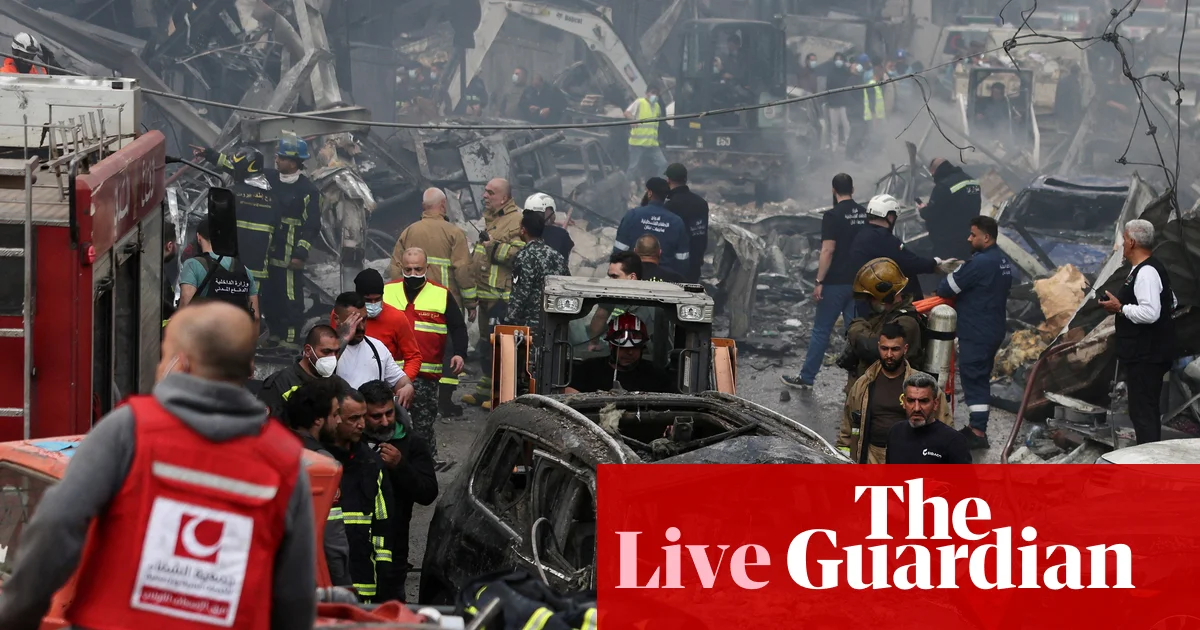
Middle East Tensions Rise: Red Cross Blasts Israeli Strikes as Lebanon Death Toll Soars; Iran at Crossroads

The Middle East stands at a perilous crossroads as recent developments in the ongoing conflict ripple across regional and global geopolitics. A fragile two-week ceasefire between the United States and Iran teeters on the edge of collapse amid escalations involving Israel and Lebanon. The escalation, notably Israel’s unprecedented bombardment of Lebanon which has reportedly killed at least 254 civilians, underscores the volatile and unpredictable nature of this conflict. Such actions have provoked international criticism, with UN Secretary-General Antonio Guterres warning of “a grave risk” to the region’s fragile peace, urging all parties to **immediately cease hostilities**.

<p>The stakes are further heightened as Iran threatens to **lock down the strategic <u>Strait of Hormuz</u>**, a crucial maritime chokepoint accounting for a significant portion of the world's oil trade. Tehran’s decision to announce alternative routes for ships amid fears of sea mines signals its willingness to weaponize control of vital waterways, a move that could plunge global energy markets into chaos. In tandem, Iran’s Revolutionary Guards have issued stern warnings, promising retaliation if Israel persists with its attacks on Lebanon. The escalating rhetoric indicates that regional tensions may snowball into a broader confrontation, threatening the stability of international trade and energy supplies.</p>

<p>Meanwhile, <strong>world leaders</strong> and international organizations are divided in their assessments of the conflict’s trajectory. <strong>French President Emmanuel Macron</strong> has called for the inclusion of Lebanon in negotiations, advocating for a broader ceasefire that encompasses all conflict zones. Yet, the <strong>Trump administration</strong> has clarified that Lebanon is **not** part of their negotiated ceasefire, with US officials stating there might have been misunderstandings on Iran’s part concerning the scope of agreements. This divergence underscores the fractured messaging and underlying geopolitical rivalries shaping the crisis. Notably, <strong>Israel’s Prime Minister Benjamin Netanyahu</strong> remains steadfast in his resolve to confront Iran, emphasizing that Israel’s military operations aim at **disarming Hezbollah** – a move viewed with suspicion by analysts as a flashpoint that could ignite further regional violence.</p>

<p>As diplomatic talks in <strong>Pakistan</strong> loom, the international community’s response reflects a broader contest for influence. <strong>Australian Prime Minister Anthony Albanese</strong> has urged Israel to cease its attacks, emphasizing the importance of **preserving regional peace**, while <strong>Sir Keir Starmer</strong> is actively engaging Middle Eastern allies to give “confidence” to maritime shipping passing through the **Strait of Hormuz**. The interconnectedness of these events reveals how decisions made in backrooms impact societies across continents, with the potential to either usher in a period of diplomacy or plunge the region into outright war.</p>

<p>This ongoing crisis exposes a fundamental truth: global stability is inherently intertwined with the actions of major powers and regional actors alike. Historians and analysts warn that the consequences of current policies could echo for generations, either forging pathways toward peace or cementing cycles of violence. As oil prices surge and stock markets wobble, the world watches with bated breath, recognizing that **the direction in which this conflict unfolds will fundamentally shape the geopolitical landscape for decades to come**. The shadow of history stretches long over these moments—mandating vigilance, conviction, and the unwavering pursuit of a sustainable resolution amidst the chaos.</p>
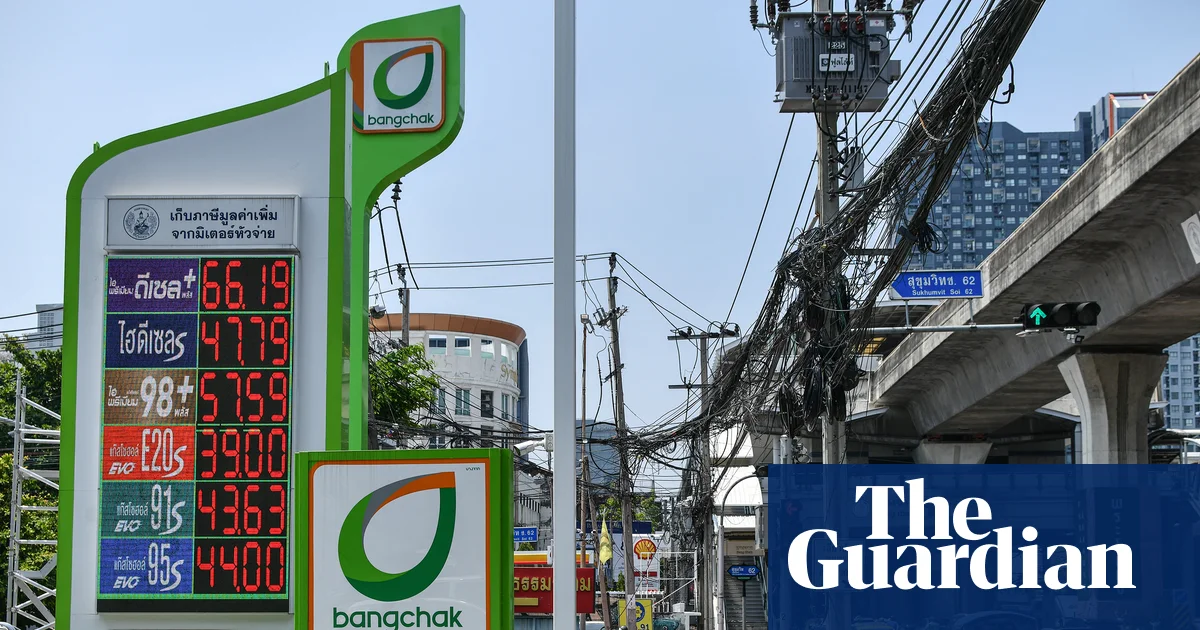
Thailand PM urges energy conservation amidst Middle East turmoil driving price spikes

Thailand’s Response to the Middle East Conflict: A Sign of Broader Regional Unrest

As tensions continue to escalate in the Middle East, nations across Asia are facing profound economic and geopolitical ripples that threaten their stability and sovereignty. Thailand, a strategic Southeast Asian nation often considered a regional economic hub, has recently declared a state of heightened alert, urging its citizens and private sectors to conserve energy amid fears of further disruptions in oil and gas supplies. Prime Minister Anutin Charnvirakul emphasized the nation’s vulnerability due to its heavy reliance on imported fossil fuels, highlighting the precarious position many countries find themselves in during ongoing international conflicts. His appeal for energy conservation — including work-from-home policies, carpooling, and increased dependency on public transportation — underscores an urgent recognition that past complacency regarding energy security can no longer be maintained.

This call for austerity is not isolated; across Asia, governments are adopting a concerted approach to mitigate immediate economic shocks by implementing measures like four-day workweeks, restrictions on overseas travel, and austerity protocols in government operations. The Philippines and Sri Lanka have introduced reduced working schedules for public-sector employees, reflecting a regional consensus that energy and economic stability are now intertwined in the broader geopolitical chessboard. Meanwhile, Vietnam has encouraged remote work as a tactical move to lower energy consumption. Such measures, while seemingly temporary, signal a strategic shift in how these nations perceive their long-term energy vulnerabilities amid upheavals that could reshape geopolitical alignments and economic dependencies.

The ripple effects extend into the economic fabric of Thailand itself. The country’s government announced plans to tighten control over crude palm oil exports and regulate bottled palm oil prices to safeguard domestic supplies amidst rising biodiesel demand. Concurrently, the soaring cost of diesel — now exceeding 50 baht per litre — is plunging sectors critical to national stability, including agriculture and transportation, into crisis. The immediate impact is felt acutely by farmers and tourism operators preparing for Songkran, the Thai New Year, where internal travel traditionally surges but may now dwindle due to inflated travel costs and airline disruptions. This economic strain, driven by international conflicts, exemplifies how volatile energy markets are inexorably linked to social stability and national sovereignty, especially for resource-importing nations caught in the crossfire of global geopolitics.

Analysts and international organizations are wary of the long-term consequences. The International Energy Agency warns that ongoing conflicts could induce a “prolonged energy crunch,” exacerbating inflation and social unrest in nations that rely heavily on imported fuel. Historians like Barbara Tuchman have documented how such resource-driven crises often accelerate political change, underscoring the importance of strategic foresight. For Indonesia, recent measures include a substantial surcharge hike on jet fuel and permission for airlines to raise domestic ticket prices by up to 13%, a move signaling that even oil-rich states are not immune to global supply shocks. Such policies deepen the economic fracture lines, further impacting the geopolitical landscape by fueling nationalism and economic protectionism—an ominous trend that could redefine alliances in the Indo-Pacific and beyond.

As these nations scramble to shield themselves from the dangerous ripple effects of Middle East conflicts, the broader geopolitical battle for energy dominance intensifies. From Beijing to Washington, global powers watch warily, aware that the decisions made today will write the chapters of future history. The Asian responses serve as a stark reminder that energy security is now a vital component of national sovereignty, intertwined with cultural and political stability. With each policy enacted and each resource conserved, nations are staking their claim in a high-stakes game where the consequences of inaction echo through generations. As the world stands at this precarious crossroads, the true magnitude of international upheaval remains unfolding, leaving history to judge whether these measures will herald resilience or further unravel the fragile fabric of global peace.

Middle East Tensions: Tehran Warns Trump on Hormuz, Israel’s Role in US Crew Rescue Unveiled

Turning Points Amidst Escalation in the Middle East

The Middle East is once again becoming the epicenter of international tension, with recent events signaling a dangerous escalation that holds profound geopolitical implications for nations worldwide. From Iran’s vengeful strikes to US and Israeli military actions, the entire landscape of regional security is shifting dramatically. The decisions and actions of global powers continue to ripple across societies and economies, making this an epochal moment in modern history.

Iran’s parliamentary speaker Mohammad Baqer Qalibaf sharply condemned Donald Trump’s threats targeting regional energy and transport infrastructure, asserting that the US is being misled by Benjamin Netanyahu. As tensions mount, Iran’s defense posture has become increasingly aggressive, warning of “much more devastating” retaliation if the US proceeds to attack civilian targets. These warnings underscore the delicate balance of power in the Gulf, where any miscalculation could escalate into broader conflict. International analysts argue that Iran’s recent missile attacks on petrochemical facilities across Kuwait, Bahrain, and the United Arab Emirates are a stark signal that their capacity for damage remains potent, complicating diplomatic efforts.

The United States, under the provocations of President Trump’s incendiary comments, has doubled down on threats to intervene directly in Iran’s waterway, especially the strategic Strait of Hormuz. Trump’s coarse language on social media, calling for the Strait to be opened or risking “living in Hell,” reveals a reckless posture that global leaders and institutions have condemned. The International Maritime Organization has warned of the potential for catastrophe if the Strait remains closed, endangering global oil supplies and economic stability. Meanwhile, Iran’s response has been escalatory, with drone and missile strikes extending to key Gulf nations and an Iranian vessel at Dubai’s Jebel Ali port targeted by revolutionary guards. Such actions threaten to disrupt global energy markets, with crude oil prices opening higher in response, signaling investor fears about an impending conflict that could destabilize global markets for years to come.

Regional Conflagration: Israel’s Military Operations and Political Ramifications

Israel’s military has reported intercepting missiles launched from Iran, with alerts prompting civilians across southern regions to seek shelter. The recent strike on a residential building in Haifa resulted in fatalities and injuries, a stark reminder that the confrontation is painfully personal for Israeli citizens. Israeli Prime Minister Benjamin Netanyahu has publicly boasted of his country’s cooperation in rescuing American personnel, highlighting the covert alliances that are shaping this crisis. Israeli forces have also carried out extensive strikes against “regime targets” in Tehran, aiming to weaken Iran’s military infrastructure. This tit-for-tat escalation risks unleashing unpredictable consequences, with specialists warning that a broader regional war may now be unavoidable.

The involvement of Lebanon’s Hezbollah and Iran’s support for militant activities continue to deepen the crisis. Israeli strikes in southern Lebanon have killed at least 15 civilians, intensifying regional hostilities. Meanwhile, Iran’s threats of “devastating and widespread” offensive actions serve as a grim warning that the conflict could spiral into a full-scale regional war with devastating humanitarian consequences. As histories have demonstrated, such escalations threaten not only regional stability but also the global geopolitical order. The voices of cautious diplomacy seem drowned out amidst the smoke and chaos of war, leaving the world watching as history’s next chapter is written.

The Future Unfolding on the Tomb of Uncertainty

As international organizations and independent analysts weigh in, the question remains: will cooler heads prevail, or are we witnessing the first sparks of a new Middle Eastern epoch that could reshape the 21st century? The choices made in the coming days will determine whether this crisis will subside into open conflict or accelerate into a domino effect of violence that could threaten to engulf multiple nations. The echoes of history remind us: the ink of diplomacy must not be overshadowed by the flames of war, yet the current path seems increasingly lined with the smoke of destruction. In this unfolding saga, the world stands at a crossroads—where the weight of history reminds us that each decision holds the power to forge a new chapter or ignite irreversible chaos.

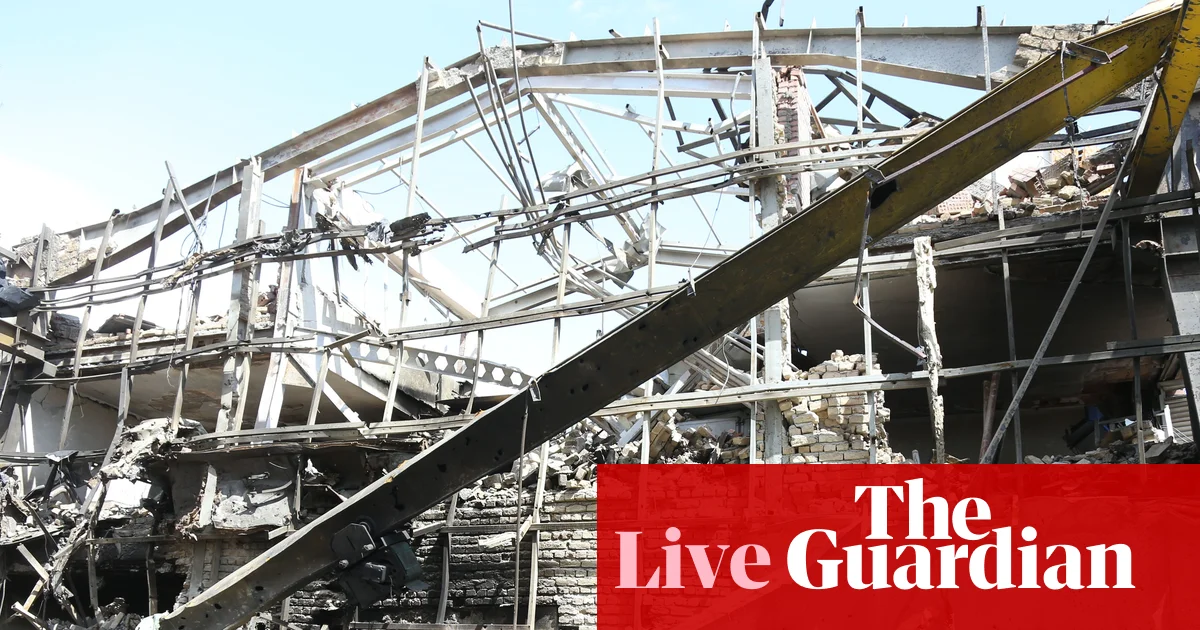
Middle East Tensions Flare: Iran Reports 5 Killed in US-Israeli Strikes During Rescue Mission

Unfolding Crisis in the Middle East: A Turning Point with Global Consequences

The recent escalation of violence in the Middle East has sent shockwaves through the global geopolitical landscape, revealing a region on the brink of a protracted and devastating conflict. Iran, under the leadership of its central military command, has decisively rejected Donald Trump’s demands for a swift deal within 48 hours, warning that such threats are futile and dangerous. Meanwhile, a war that ignited with US and Israeli strikes targeting Iranian military facilities has rapidly spread, with the region’s stable geopolitical balance disintegrating in a matter of weeks.

Reports indicate that early Sunday morning, Iran’s forces launched missiles and drones, striking targets in Kuwait and Israel—an unmistakable sign of a comprehensive regional conflict. The Israeli prime minister, Benjamin Netanyahu, confirmed that Israel responded with attacks on Iran’s petrochemical infrastructure, including a strike on the Mahshahr plant, where Iranian media reported casualties. The Iranian military has responded with retaliatory strikes, including missile and drone attacks on Kuwaiti water desalination plants and the UAE’s energy facilities. This ripple effect of hostilities has upended international trade routes, notably the strait of Hormuz, which Iranian forces tightly control. The disruption of this vital conduit for nearly twenty percent of global oil supplies has sent shockwaves through energy markets worldwide, prompting fears of a global energy crisis that could drag economies into chaos.

Expert analysts and historians, including former UN nuclear watchdog Mohamed El-Baradei, warn that the escalation risks transforming the Middle East into “a ball of fire.” El-Baradei’s recent appeals, alongside statements from international organizations, highlight the peril of quick, aggressive military responses that could ignite a regional war with unpredictable, potentially catastrophic consequences. As Iran insists on a permanent security guarantee and rejects Trump’s ultimatums, the potential for a wider conflagration intensifies, with neighboring Gulf countries caught in the crossfire. How nations and societies respond to these threats in the coming days will determine whether the region slips further into chaos or finds a fragile path toward de-escalation.

  • The US and Israeli militaries targeted multiple strategic sites in Iran’s capital, including Shahid Beheshti University, with reports of civilian casualties.
  • Hezbollah claimed to have targeted a nascent Israeli warship off the Lebanese coast, an assertion which remains unverified, yet underscores Iran’s proxy ambitions and regional proxy conflicts.
  • In the broader conflict, Lebanon’s death toll exceeds 1,400, with Israeli strikes killing dozens in recent days, a tragic toll that exemplifies the war’s devastating human cost.
  • Meanwhile, aid organizations report severe disruptions in their efforts to deliver food and medicine, citing the cutting off of vital shipping lanes and blockade of supply routes—an unfolding humanitarian crisis that compounds the violence.

As regional powers—Egypt, Turkey, Pakistan—push for diplomatic backchannels to rebuild stability, the global community remains watchful. The United Nations, as well as international leaders, warn that the escalation could spiral into an all-out war, threatening to engulf not just the Middle East but also to destabilize global markets and fuel geopolitical upheaval. Will diplomacy prevail, or will the region become an indelible scar on the map of the 21st century? The course is only beginning to be written, and history’s pen hangs heavy, awaiting the verdict of future generations—whether to be heralds of peace or witnesses to the abyss.

Middle East Tensions: Trump Predicts Quick End; Rubio Calls to Rethink NATO | US-Israel Confront Iran

International Stage Shifts as Middle East Crisis Deepens

The geopolitical landscape is experiencing a profound upheaval as a cascade of conflicts and strategic recalibrations ripple across the globe. French President Emmanuel Macron’s recent remarks in Japan highlight Europe’s desire for stability through “predictability,” standing in stark contrast to the erratic decisions of other major powers. Macron’s critique appears pointed at the United States, especially amid its ongoing military engagements and diplomatic positions surrounding Iran. Macron emphasized the importance of consistent policy directions, implicitly criticizing the United States’ stance which, in recent weeks, has been marked by unpredictable shifts and assertive military postures. Such remarks signal a growing divergence within Western alliances, raising questions about the future cohesion of NATO and transatlantic strategic unity, especially as Washington contemplates reevaluating its alliances in light of emerging threats.

The Middle East: A Theatre of Escalating Conflict

Across the Middle East, the situation remains perilous, with escalating hostilities between Iran and Israel threatening regional stability. Israeli defense systems identified and intercepted missile launches from Iran, with war warnings activating across central Israel. Meanwhile, Iran reported attacks within Tehran, underscoring the country’s vulnerability amidst a barrage of recent assaults. Saudi Arabia and Bahrain have intercepted and neutralized multiple drones originating from Iranian-backed groups, illustrating a pattern of proxy warfare that complicates the regional security landscape. The United Arab Emirates suffered a tragic incident when drone debris fell on a farm in Fujairah, killing a Bangladeshi national. Such incidents underscore the dangerous spillover of proxy conflicts and asymmetric warfare into the heart of the Gulf states, stirring anxiety among their populations and foreign investors alike. Furthermore, Iran’s retaliatory strikes and the United States’ deployment of additional military assets, including the USS George W. Bush strike group, exemplify a dangerous escalation that threatens to ignite a wider regional war. Analyses from international military strategists warn that these actions could spiral into a broader conflict entangling major powers, with catastrophic implications for global stability.

Strategic Repercussions and Evolving Alliances

The unfolding crisis has prompted serious discourse among international leaders about the redefinition of alliances and the future of global security arrangements. US Secretary of State Marco Rubio’s statement that NATO might need to re-examine its role after the Iran conflict signals a paradigm shift in North Atlantic security policy. The U.S. appears to be reevaluating its strategic commitments, especially given the strain of ongoing military operations and diplomatic setbacks. Correspondingly, reports indicate that the United Arab Emirates is considering aiding the US in efforts to reopen the Strait of Hormuz by force, a move that could set a precedent for regional intervention under the banner of international legitimacy. Such developments reflect a fragile nexus of alliances, with traditional partnerships strained by divergent priorities and emerging regional powers asserting their claims.

Meanwhile, the economic repercussions are becoming increasingly apparent. Asian markets surged on hopes that the Iran conflict might conclude swiftly, but the risk of prolonged warfare looms large. Domestically, countries like Australia are implementing measures to buffer their economies from the cascading effects of conflict—fuel price hikes, supply chain disruptions, and financial market volatility. The global economy, intertwined with geopolitical stability, teeters on a knife’s edge, with young voters around the world questioning whether their leaders will choose confrontation or diplomacy in this critical juncture of history.

As the geopolitical chessboard continues to shift, the weight of history presses heavily upon the present—every decision, every conflict, etches a new chapter into the annals of international relations. The question remains: will this spiral of violence lead to a new era of global cooperation or plunge us into the chaos of unchecked conflict? Only time will tell, but one certainty persists: the pages of history are turning, and humanity stands at a crossroads, watching the shadows of war lengthen across the horizon.

Middle East on Edge: Explosions in Tehran as Yemen’s Houthis Raise Iran War Stakes | US-Israel Weighs Confrontation

The tense geopolitical landscape in the Middle East has entered a critical phase, with fresh escalation of conflicts and increasing international concern over regional stability. As the war, now in its second month, shows no signs of abating, Yemen’s Iran-backed Houthis have sharply intensified their offensive, confirming a second wave of strikes against Israel. Their military spokesperson, Yahya Saree, publicly declared that the Houthis launched a “barrage of cruise missiles and drones” targeting key military sites, with plans to continue their operations until Israel ceases its “attacks and aggression.” This development profoundly shifts the regional calculus, magnifying the threat posed by militant actors allied with Iran seeking to expand the conflict beyond traditional borders.

Adding to the mounting crisis, reports from Iran indicate that two powerful explosions rocked northern Tehran early Sunday—an indication of the simmering tensions and potential covert hostilities. While the targets remain unclear, analysts suggest that these incidents hint at a broader strategic destabilization aimed at undermining the regime’s infrastructure amid ongoing tensions with the West and regional adversaries. The United States appears poised to escalate its involvement, with reports suggesting the Trump administration is preparing plans for ground operations within Iran — including possible raids on strategic sites such as Kharg Island and installations near the crucial Strait of Hormuz. U.S. marines have already been deployed to the region, signaling a readiness to intervene at the highest levels.

The convergence of these events underscores a dangerous turning point with profound geopolitical impact. The confrontation is now threatening global trade routes, especially through the Bab al-Mandab Strait, a vital chokepoint at the southern end of the Red Sea. The Houthis’ potential control over this narrow passage could exponentially worsen the global economic fallout by hindering the flow of oil and commerce, effectively reversing years of regional stability efforts. Meanwhile, Iran’s internal security situation appears increasingly fragile, with Iranian authorities’ threats to target U.S. universities in the Middle East, accusing them of operational complicity in recent strikes. Such actions threaten to escalate the conflict into a broader ideological and military conflict, with case law from historians warning of the devastating regional and global consequences that can unfold from unchecked escalation.

In parallel, diplomatic efforts seem to be caught in a web of distrust and strategic interests, exemplified by Pakistan’s hosting of Middle Eastern foreign ministers in an attempt to forge regional consensus. Yet, skepticism persists, as the talks exclude the warring parties directly involved in the conflict, leading analysts to question the effectiveness of these diplomatic avenues. Meanwhile, the horrific toll of the conflict extends beyond military confrontations: three journalists in Lebanon were killed in a targeted Israeli strike—a brutal reminder of the war’s devastating impact on civilians and media personnel. The World Health Organization’s chief, Tedros Ghebreyesus, has issued a stark appeal to end attacks on medical workers, emphasizing that the conflict’s human toll is becoming untenable.

As Iranian and Israeli military actions escalate, with Tehran subjected to a “wide-scale wave of strikes,” the region teeters on the brink of an unforeseen catastrophe. The unfolding series of military, diplomatic, and covert operations foreshadows a new chapter in a long history of Middle Eastern turmoil. The global community watches anxiously, yet history reminds us that these conflicts often spiral into chaos, with the weight of nations and societies hanging in fragile balance. In the shadow of these events, the world confronts the stark reality: the echoes of recent decisions and conflicts may well define a new epoch of uncertainty—where the line between peace and war becomes perilously thin, and the weight of history presses ever closer.

Next warns Middle East turmoil could add £15m to costs, driving prices higher

Global Turmoil in the Middle East Sends Ripples Through International Markets and Societies

As the conflict in the Middle East intensifies, international corporations and economies brace themselves for the profound geopolitical impact of ongoing hostilities. The latest figures from UK-based retailer Next reveal an expected £15 million increase in costs over the next three months, a direct consequence of the region’s instability. This increase, primarily attributed to surging fuel and air freight expenses, underscores how conflicts far from home can disrupt global supply chains and threaten economic stability. Analysts warn that if the conflict persists beyond the projected timeframe, inflationary pressures could deepen, affecting markets worldwide.

Despite these immediate challenges, Next remains optimistic about its financial performance, having already reported a 14.5% rise in pre-tax profits to £1.16 billion and an 11% increase in sales to £7 billion in the past fiscal year. This resilience, according to economic observers, is partly driven by robust overseas sales and strategic acquisitions, such as Cath Kidston. However, the company’s forward guidance openly acknowledges uncertain medium-term prospects due to the conflict’s potential to impair supply chain resilience, elevate freight costs, and dampen consumer demand in key markets, particularly in the Middle East where the company’s revenue accounts for approximately 6% of its group turnover. In this environment, corporate strategies now increasingly involve stockpiling and leveraging artificial intelligence to mitigate disruptions and optimize operations, reflecting a broader shift toward technological adaptation amid geopolitical chaos.

Meanwhile, global institutions and geopolitical analysts are warning that the conflict’s escalation could trigger a cascade of economic repercussions. The United Nations and World Bank have expressed concern over the destabilization of regional energy infrastructures, which could lead to sustained increases in oil and gas prices and intensify inflationary trends worldwide. Historically, similar conflicts have demonstrated how regional upheavals can morph into global crises, with supply chain bottlenecks and resource wars exacerbating inequalities and threatening social stability across continents. As tensions escalate and the conflict drags on, the world stands on the precipice of an unpredictable economic and geopolitical shift.

In reflection of this volatile landscape, some nations are reevaluating their strategic dependencies, emphasizing energy independence and technological sovereignty. For many, the recent surge in military conflicts points to a broader pattern of entrenching global conflicts that threaten international order. As history attests, the aftermath of such upheavals often leaves an indelible mark on societies, prompting major shifts in geopolitical alliances and economic paradigms. The unfolding pages of history continue to write a story of chaos and resilience, where the choices of leaders and nations today will determine the trajectory of global stability for generations to come. And as the global community watches with bated breath, one truth remains clear: the weight of history is still unfolding, and the future remains uncertain.

Social Media Auto Publish Powered By : XYZScripts.com