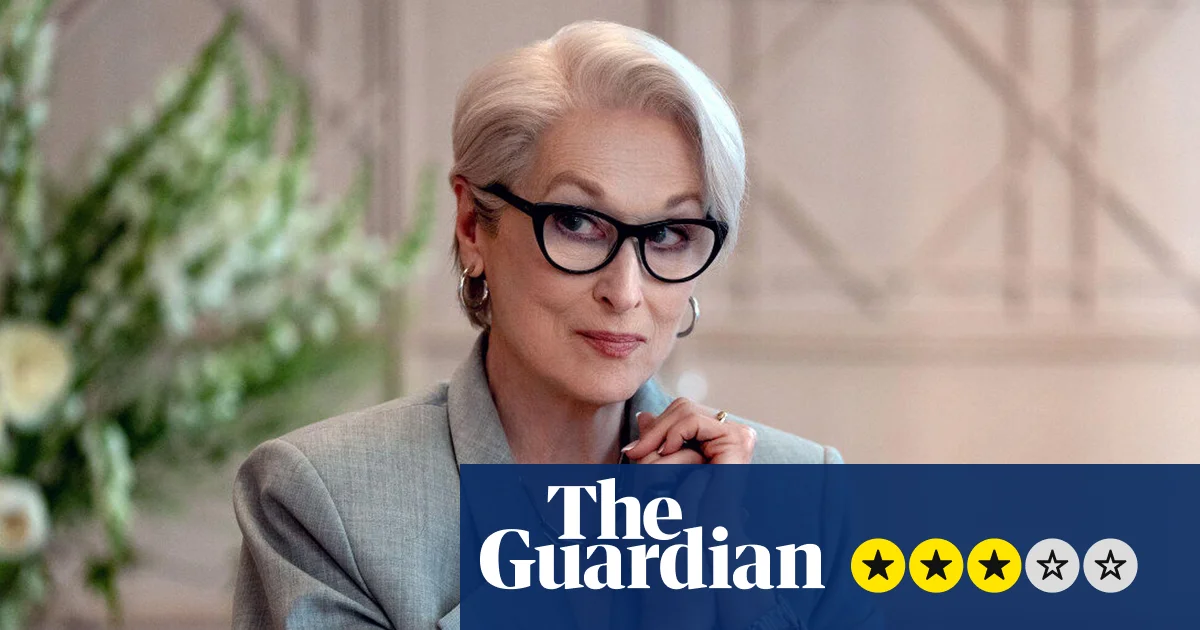

Decades after its original release, The Devil Wears Prada continues to influence not only Hollywood but also the broader cultural landscape of fashion and social norms. The recent release of The Devil Wears Prada 2 reintroduces audiences to the glamorous yet cutthroat world of high fashion, highlighting how this universe remains steadfast in its elite exclusivity and social relevance. Even as the plot revisits familiar beats from the 2006 classic, the film underscores an enduring shift in societal perceptions of luxury, affirming that for the 0.1%, ultra-luxury brands are as recession-proof as ever. Influencers and fashion analysts note that this narrative, post-pandemic, emphasizes resilience in a way that resonates deeply with youth, who are increasingly craving authenticity combined with aspiration.
What makes this sequel especially compelling is its ability to blend nostalgia with forward-looking commentary. The return of stalwarts like Emily Blunt as Emily and Stanley Tucci as Nigel, coupled with the presence of modern influences, elevate the story beyond mere fashion escapism. For young audiences, the film embodies a social relevance rooted in the persistent allure of status and the fierce aspirations of a generation that sees luxury not just as excess but as a marker of identity and social mobility. As sociologist Dr. Emily Rodrigues explains, “Fashion remains a powerful vehicle for self-expression among youth, and narratives like this reinforce the cultural significance of aspiration stars, which influence everything from social media trends to personal style.”
- Star cameos continue to serve as signals of cultural cachet, with the film featuring recognizable figures that amplify its social capital.
- The portrayal of ultra-luxury brands as recession resistant taps into a broader conversation about economic inequality and consumer priorities.
- Fashion as a social language is highlighted through nostalgic nods like Andy’s blue polyblend sweater, once mocked but now emblematic of a nuanced, layered cultural narrative.
Perhaps most intriguing is the film’s portrayal of its characters’ social mobility, which hints at an emboldened desire among youth to carve out their own niches within established hierarchies. Influencer and fashion icon Vera Chen argues that “fashion is the new social currency; young people see it as a way to assert their individuality while simultaneously navigating societal expectations.” The film’s comedic yet sharp observations about backstairs shenanigans, corporate coups, and the power plays within fashion houses reveal a complex dance of social relevance—one that continues to shape young minds and cultural dialogue. The question looming large is whether this renewed fascination with elite luxury can sustain its appeal—will it evolve to include more inclusive narratives, or will it double down on exclusivity?
Ultimately, as Hollywood revisits its classic stories with newer, more diverse perspectives, the next big question becomes: in a society increasingly driven by social justice and digital activism, can fashion and luxury still maintain their status quo? Or are we witnessing the beginning of a paradigm shift where aspiration is redefined, and with it, the cultural landscape itself? The future of fashion-driven storytelling may hinge on how well it adapts to these evolving social currents—something that the next generation of filmmakers and influencers will undoubtedly shape in the years to come.