Matox News

Truth Over Trends, always!

Ukraine-Hungary Oil Dispute Jeopardizes EU Funding

The ongoing conflict in Ukraine continues to reverberate across the geopolitical landscape, this time sharply intensified by a dispute between Kyiv and Budapest concerning the state of a critical oil hub in western Ukraine. This disagreement has not only exposed underlying tensions between the two nations but also highlighted broader issues related to regional stability, resource management, and international support amidst the protracted war.

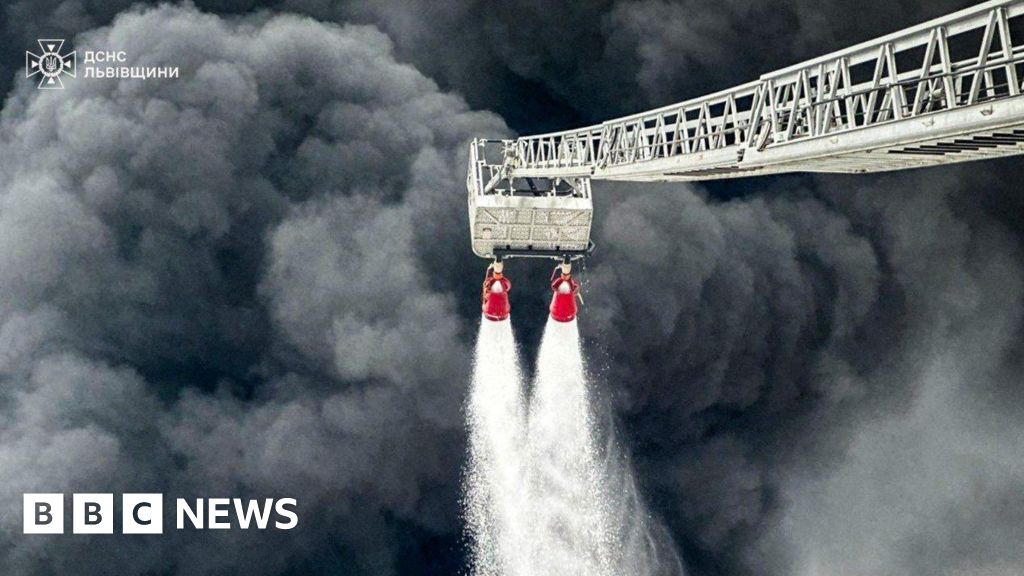
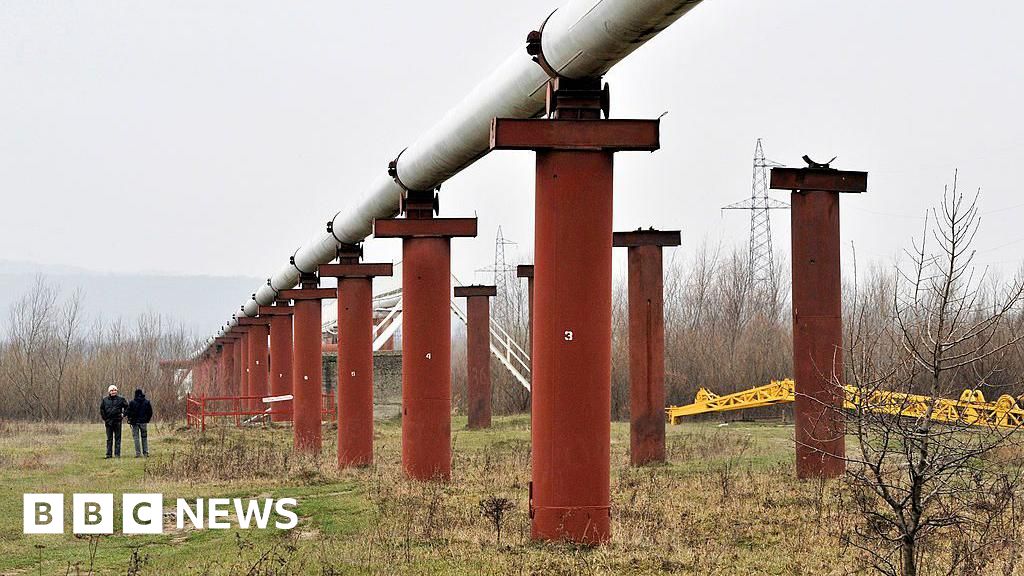
Following the recent Russian missile strikes, reports diverge sharply on the extent of damage inflicted upon the strategic oil processing and transportation facilities in Ukraine’s western region. Kyiv claims the hub remains largely operational, asserting that damage was contained and that oil flows will resume promptly. Conversely, Budapest and some Eastern European allies argue that the facility has suffered significant destruction, resulting in a prolonged suspension of oil flow. This disagreement underscores not just differing intelligence assessments but also underlying geopolitical divides, with Hungary cautiously aligning more closely with Russia’s stance and interests in the ongoing conflict. Analysts warn that the prolonged suspension of oil supplies could have far-reaching consequences, destabilizing regional economies reliant on Ukrainian transit routes and complicating European energy security objectives.

The disruption in energy supplies is emblematic of the broader geopolitical contestation that defines the current era. International organizations such as the European Union and NATO are closely monitoring these developments, recognizing that control over energy infrastructure is a critical lever of influence and power projection. Western analysts emphasize that the damage to Ukraine’s oil infrastructure is not merely a localized incident but a symptom of Russia’s broader strategy to weaken Ukraine’s economy and isolate Kyiv diplomatically. The situation has also attracted comment from prominent historians and geopolitical strategists, who interpret the discord as a reflection of the rising contest for influence—where national interests often clash at the expense of regional stability and long-term peace prospects.

The United States and European Union have issued cautious statements emphasizing their support for Ukraine’s sovereignty and infrastructure recovery, yet behind the scenes, debates continue on the best course of action. Some officials warn that continued ambiguity over the oil hub’s status could embolden Russian military campaigns and embolden existing alliances that oppose Western influence. Furthermore, the decision by Hungary to sideline Ukraine in resource security debates signals a worrying shift among Eastern European nations—one that could fragment collective Western efforts and sway power balances in unpredictable directions. The tension over this oil hub encapsulates the complex calculus that nations must navigate: balancing national interests, regional security, and international commitments amidst unprecedented geopolitical upheaval.

As rhetoric escalates and diplomatic channels become strained, the potential for a wider escalation looms. The world watches as Kyiv and Budapest battle over an oil terminal that is, in many ways, a microcosm of the larger conflict—a contest over influence, sovereignty, and the control of critical resources. With each passing day, the stakes deepen, and history prepares to write the next chapter of a turbulent era—one where decisions echo far beyond borders, shaping the destiny of nations and societies. The weight of history remains on the horizon, awaiting the unfolding story of resilience, conflict, and the relentless quest for power in a divided world.

Oil and Gas Prices Climb as Gas Field Strike Sparks Concern

Global geopolitical stability is once again in jeopardy as an unnamed nation issued a stark warning regarding potential attacks on its critical infrastructure. According to a statement released by its military, the country is prepared to unleash a powerful counterattack not only against those who initiate aggression but also directly target the origin of the attack itself. The message, disseminated through the state-backed Tasnim news agency, underscores an escalating phase of confrontation that could have far-reaching implications for international peace and security.

This warning comes amidst a broader context of mounting tensions between the United States, allied with Israel, and regional powers. Historically, analysts like Dr. Emily Carter of the International Crisis Group have warned that such rhetoric indicates a potential shift toward a more aggressive stance, risking wider conflict in a highly volatile region. The nation’s declaration explicitly frames the conflict in terms of defending sovereignty against what it labels as an American-Zionist enemy. This terminology reflects ongoing narratives pushed by certain governments seeking to galvanize national sentiment and justify military readiness. The geopolitics at play are complex, with regional alliances, economic sanctions, and intelligence strategies all intertwining to shape the current climate of distrust and hostility.

Significant international organizations, including the United Nations, have expressed concern over the recent escalation, urging restraint and diplomatic dialogue. However, critics argue that such appeals often fall on deaf ears in the face of entrenched national interests and ideological commitments. According to analysts, if the region experiences a new outbreak of hostilities, the consequences could include widespread instability, humanitarian crises, and a potential realignment of international power structures. Some experts warn that a failure to de-escalate could spiral into a broader conflict involving multiple global powers, reminiscent of the critical moments that tipped the world toward previous wars.

As history continues to unfurl in rapid and unpredictable ways, the stakes have never been higher. A nation’s warning, veiled in defiance and resolve, serves as a stark reminder that the decisions made today will echo through the corridors of history. Future generations will judge whether diplomacy or destruction prevails—yet, for now, the world holds its breath, watching as the narrative of power, resistance, and survival is woven into the loom of history. The question remains: will this be a new chapter of peace or the harbinger of renewed tumult? Only time will tell, but the weight of this moment is indelible—a stark testament to the unpredictable nature of the geopolitical chess game in an increasingly fractious world.

Zelensky blasts EU Allies for ‘Blackmail’ Over Oil Pipeline Dispute

In recent statements, Ukrainian President Volodymyr Zelensky has issued a stark warning regarding potential shifts in energy policy that could significantly alter the geopolitical landscape of Eastern Europe and beyond. Zelensky articulated that restoring the flow of Russian oil via Ukraine into the European Union would be tantamount to lifting sanctions on Russia, a move that the Ukrainian leadership perceives as a critical threat to their sovereignty and regional stability. This declaration underscores the intense strategic contest over supply routes and economic sanctions that have become the new battleground in the ongoing conflict involving Russia, Ukraine, and Europe.

This issue strikes at the heart of the wider energy geopolitics, where control over vital oil and gas transit routes holds considerable influence over international relations. Following Russia’s annexation of Crimea and its ongoing military campaign in Ukraine, Western nations responded with economic sanctions, aiming to weaken Russia’s economy. These measures included restrictions on Russian oil exports, which are a key revenue source for Russian President Vladimir Putin. According to geopolitical analysts, any move towards reinstating Russian oil flows through Ukraine could be perceived as a de facto rollback of sanctions and a victory for Moscow’s strategic aims—an outcome viewed with alarm by Western allies.

International organizations, such as the European Union and the International Energy Agency (IEA), have warned of the dangers associated with reversing sanctions and reopening energy pipelines. Experts suggest that it would not only weaken Europe’s energy independence but could also set a dangerous precedent for international efforts to curb Moscow’s influence. Many Western nations, including the United States and major EU members, see the continuation of sanctions as essential to maintaining pressure on Russia. As historians note, the history of global conflicts illustrates how energy resource control often escalates geopolitical tensions, a lesson that remains painfully relevant in the current scenario.

At the core of this struggle lies the question of sovereignty and security. Ukraine’s government has repeatedly positioned itself as the defender of European security interests, emphasizing that any easing of sanctions or reopening of energy pipelines would undermine their efforts and embolden Moscow. Critics argue that such decisions could further destabilize Ukraine’s fragile economy, already strained by war, and inhibit the West’s strategic goal of curtailing Russian influence. The dilemma remains acute: balancing economic interests with geopolitical integrity is a challenge that could define the trajectory of European affairs for years to come. As diplomacy and diplomacy’s limitations are tested, the world watches with bated breath, understanding that these decisions may well shape the next chapter in a complex, ongoing conflict—one where the stakes are nothing less than the future of free nations and the balance of global power.

The destiny of energy supplies, sovereignty, and international alliance hinges on each decision made amid this tumultuous time. In the shadows of diplomacy, history’s pages continue to turn, chronicling a saga of ambition, resilience, and the enduring fight for sovereignty amid the relentless currents of global power. The outcome remains uncertain, yet one thing is clear: the unfolding story of Ukraine, Russia, and the West will be remembered as a defining moment in the ongoing struggle for influence and independence—a struggle that risks forever reshaping the geopolitical landscape of the 21st century.

Trump: U.S. Strikes Iran’s Oil Hub in Bold Move Against Tehran’s Naval Power

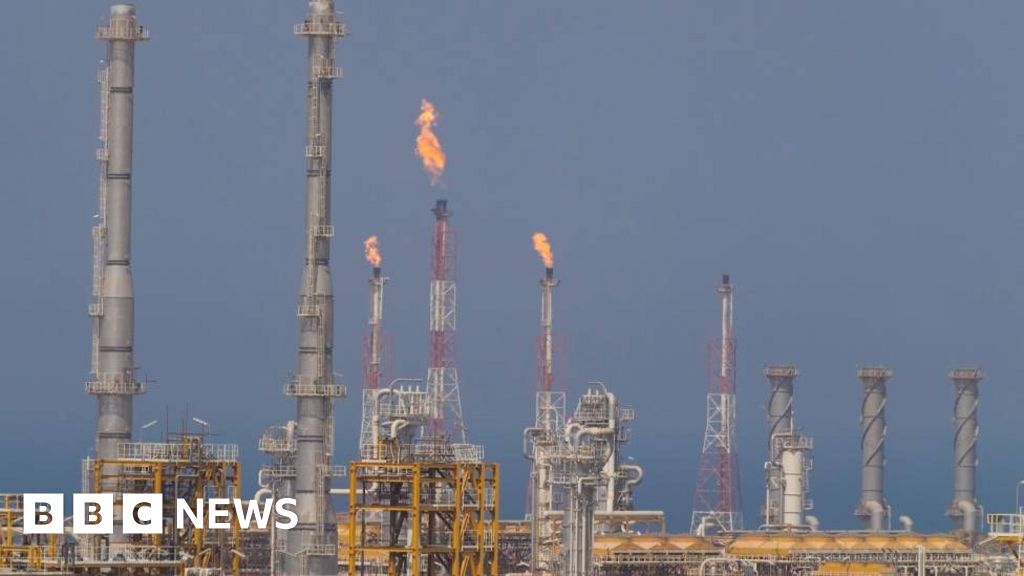
The United States has struck a significant blow on Iran’s Kharg Island, a critical maritime node and a linchpin in Iran’s oil export infrastructure. President Donald Trump announced that US forces had “obliterated” military targets on the island, although explicitly spared the oil facilities themselves—an act of restraint that nonetheless signals a clear message of military dominance and intent. The strike, described by White House officials as a demonstration of strength, signals an escalation in the ongoing confrontation between the two powers and underscores how US foreign policy continues to influence Middle Eastern geopolitics amid rising tensions. The decision to target military assets on Kharg Island not only impacts Iran’s commodity exports but also sends ripples across global markets, given the strategic importance of oil in world affairs.

This covert yet provocative act comes in the wake of escalating rhetoric and military posturing. Just days prior, Iranian officials, notably Mohammad-Bagher Ghalibaf, the speaker of the Iranian parliament, warned that any attack on Iran’s territorial waters or oil infrastructure would trigger a severe retaliation. His declaration—that Iran could “abandon all restraint”—underscores the deepening hostility and the high stakes at play. Analysts warn that such threats could lead to a dangerous cycle of escalation, threatening to ignite a broader conflict in a region already volatile from years of proxy wars, sanctions, and political unrest. The International Atomic Energy Agency and other organizations monitor these developments, worried that further military aggression might spiral out of control, destabilizing the entire Gulf region and affecting global energy security.

The geopolitical impact of this latest operation is profound. Kharg Island, as the primary exit for Iran’s oil exports, is a critical choke point in the global flow of energy resources. Any disruption could cause international prices to skyrocket, with oil prices already surging past $120 per barrel and analysts speculating that further attacks could push prices as high as $150, jeopardizing global economies and fueling inflation worldwide. The deployment of approximately 2,500 Marines aboard the amphibious assault ship USS Tripoli and a flotilla of other naval assets reflects a clear message: the US is prepared to escalate military measures if necessary. Though officials deny the imminence of a ground invasion, the presence of such forces signals readiness for any contingency, raising fears of a broader conflict that could engulf the region and rewrite the balance of power in the Middle East.

Historically, this volatile period echoes Cold War-era brinkmanship, with historians and foreign policy analysts warning that miscalculations could lead to catastrophic conflict. The United Nations and neighboring nations, desperate to prevent a full-scale war, call for restraint but recognize that decisions taken today could determine the future stability of the entire region. As the winds of international diplomacy blow cold, the looming shadow of possible escalation hangs over the Gulf. The unfolding narrative remains one of tension, with each decision echoing in the halls of history, reminding the world that this critical crossroads in the 21st century is a battleground not only of armies but of ideologies, economic interests, and the enduring struggle for dominance in an increasingly fractured global order. History watches as the decisions made in this fragile moment could shape the fate of nations for generations to come, leaving us all to confront the heavy weight of an unfolding chapter in world history.

Oil prices spike despite historic reserve release deal

The Strait of Hormuz, a vital artery for global energy supplies, has once again become a flashpoint in the ongoing geopolitical tensions that threaten international stability. Recent reports confirm an escalation in Iranian attacks targeting commercial ships navigating this strategic waterway. Experts warn that these incidents could have profound repercussions on world markets and diplomatic relations, emphasizing the fragile balance maintained by international maritime law.

According to sources close to the United States and regional allies, Iranian forces have increased their assaults on merchant vessels, citing broader regional grievances and perceived threats from Western sanctions. Analysts warn that these acts of aggression mark a significant escalation, risking a broader conflict and threatening to disrupt the already delicate flow of oil, which accounts for nearly 20% of global consumption. Historically, control over the Strait has been a strategic objective for various governing entities, but recent events signal a deterioration in diplomatic channels and a move toward aggressive posturing that could ignite larger hostilities.

Global institutions such as the International Maritime Organization (IMO) have issued statements condemning the attacks, urging Iran to refrain from actions that endanger international shipping. However, the geopolitical impact extends beyond maritime safety. The escalation risks emboldening regional power alliances and increasing the likelihood of miscalculation in an already volatile environment. Ongoing strategic analyses by organizations like the Council on Foreign Relations highlight how Iran’s military actions are viewed within a broader context of resisting Western influence, particularly amid ongoing negotiations over nuclear proliferation.

Historian and geostrategic analyst Philip Zelikow warns that the current trajectory could shift the balance of power in the Middle East and redefine global energy security. He underscores that decision-makers in Washington DC, Tehran, and allied capitals are playing a dangerous game, where misjudgment could lead to wider regional conflict or even an open clash. In this tense landscape, every maritime incident underscores the importance of diplomacy and the high stakes attached to maintaining open sea lanes. As international actors weigh options, the world watches with bated breath—each exchange of fire, each diplomatic failure, and each strategic move rewriting the map of influence.

Through the unfolding chaos in the Strait of Hormuz, history reminds us that the course of global events is often dictated by moments of crisis—moments where decisions made in war rooms or diplomatic chambers ripple outwards, shaping nations for generations to come. The question beneath the tumult remains: will the current escalation be contained, or will it ignite a broader conflict that alters the course of history forever?. The answer lies in the decisions yet to be taken, the diplomacy yet to be attempted, and the resilience of a world eager but unprepared for the chaos of unchecked power struggles.

Oil hits $100 as market drops amid Iran tensions

The world finds itself at a precarious crossroads as recent events have ushered in major disruption to energy supplies, with ripple effects poised to influence economies and societies across the globe. This shift is not simply an economic hiccup; it signals a profound geopolitical transformation that could redefine international power structures for years to come. As energy prices surge, governments worldwide scramble to respond, while analysts and historians warn of a potential reordering of global alliances amidst this brewing crisis.

Several factors have contributed to this critical juncture. Rising tensions in major energy-producing regions, coupled with disruptions to supply chains due to geopolitical conflicts, have sharply curtailed the stability of traditional energy markets. OPEC nations and Russia, long-time fixtures in the energy landscape, face increasing scrutiny as supply bottlenecks intensify. Moreover, U.S. allies in the Middle East are grappling with internal political shifts, which further complicate efforts to stabilize global markets. The decision by some nations to diversify away from reliance on oil and gas—while strategic—has not yet stemmed the immediate impact of the price hikes, which now threaten both developed and developing nations alike.

International organizations such as the International Energy Agency (IEA) continuously monitor these developments, warning that the current trajectory could exacerbate inflationary pressures and hinder economic growth. Meanwhile, geopolitical analysts assess how states will navigate this turbulence. Historically, energy shortages have often acted as catalysts for broader conflicts or alliances, and many experts fear this trend may recur. Countries that maintain control over energy resources are likely to leverage their positions for geopolitical advantage, fueling a new era of strategic competition. This reality underscores the critical importance of resilient energy policies and geopolitical diplomacy in shaping the future stability of the global order.

At the heart of this unfolding crisis lies a fundamental truth: energy security is now intertwined with national sovereignty and international diplomacy. As prices for consumers and businesses spiral upward, social unrest looms on the horizon, particularly in nations where energy costs constitute a significant portion of daily living expenses. Governments are under intensified pressure to balance short-term economic relief with long-term strategic stability. Meanwhile, international institutions are called upon to mediate and coordinate responses, although many in the global community remain skeptical of their efficacy given recent geopolitical fractures.

This chapter in history is still being written, yet its consequences threaten to be as profound as the oil shocks of the 1970s. Will the emerging energy crisis catalyze a new era of cooperation or ignite renewed conflicts over resources? As nations brace for the impact of escalating prices, the weight of history presses heavily upon policymakers. What is clear is that the choices made today will echo through generations, shaping the global order in ways yet to be fully understood. As humanity stands on this precipice, the echoes of the past remind us: the decisions we make now may determine whether this moment of crisis becomes a stepping stone toward future stability or a harbinger of prolonged global upheaval.

US Opens the Door to Easing Russian Oil Sanctions Amid Rising Global Prices Over Iran Tensions

The geopolitical landscape is once again trembling under the weight of empire and ambition, as the United States signals potential shifts in its approach to Russian energy sanctions. Secretary of the US Treasury, Scott Bessent, publicly indicated on Friday that Washington is weighing the possibility of lifting sanctions on more Russian crude oil. This strategic move comes shortly after the US authorized India to purchase Moscow’s oil, a policy adjustment that has coincided with an almost unprecedented surge in global oil prices, which rose over 8.5% in a single day and nearly 30% over the week.

Underlying this volatility is the ongoing conflict in the Middle East, ignited by the resurgent hostilities between the US, Israel, and Iran. The escalation has crippled vital transport routes, most notably the Strait of Hormuz, the world’s most critical energy chokepoint, effectively shutting down a significant fraction of global oil flow. As heavy armored ships of Iran and allied forces threaten international shipping lanes, the price of crude continues its relentless climb, with analysts warning that such instability could push crude above the $100 per barrel threshold, igniting fears of inflationary spirals across economies.

The price surge has not gone unnoticed by international observers. Leading historians and supply-chain analysts warn that this latest escalation could redefine global power structures. The International Energy Agency and other international bodies have expressed concern over the potential for sustained market disruption, with some experts suggesting that the US’s loosening of sanctions could herald a new phase of geopolitical risk. President Donald Trump’s inflammatory remark—claiming that only the “unconditional surrender” of Iran would resolve Middle Eastern hostilities—further fuels instability, making clear that diplomatic solutions remain elusive.

  • Amid this chaos, Washington’s strategic calculus unfolds—balancing between exerting pressure on Moscow through sanctions and maintaining global energy stability.
  • The US Treasury’s recent negotiations aim to prolong relief for global markets by allowing the sale of Russian oil stranded at sea, mostly destined for India, with sanctions eased temporarily until April 2026.
  • Meanwhile, Moscow perceives these maneuvers as Western efforts to undermine its economy, with Kremlin economic adviser Kirill Dmitriev criticizing the sanctions’ impact on the world economy and stating that these measures are detrimental and ultimately counterproductive.

Geopolitical Impact and Societal Consequences

The decisions taken by Washington and its allies carry profound geopolitical implications. By hinting at easing sanctions, the US seeks to introduce a semblance of stability amidst the chaos, but critics argue that such moves could embolden Russia and Iran, further complicating the international order. The intersection of rising oil prices, regional conflicts, and strategic sanctions highlights a new chapter where global powers are willing to recalibrate alliances and economic controls—a clear challenge to a unipolar world dominated by Western interests.

International organizations warn of the societal repercussions, recasting economic pressure as a tool that could lead to increased inflation, energy shortages, and social unrest in vulnerable nations. As the Organization of Petroleum Exporting Countries and other stakeholders grapple with this upheaval, the world watches with wary eyes, contemplating whether this turbulent phase signals a new multipolar era or the beginning of a prolonged conflict that could reshape the global order for decades to come.

As history continues to unfold in this complex geopolitical theater, the decisions made today could reverberate through generations. With each shift in policy, the foundation of international stability is tested—reminding us that in the theater of global power, the outcome remains anything but certain. The weight of history presses down, signaling that the unfolding drama may yet lead to an epoch defining brink—where the true battle for global influence and security is only just beginning.

Trump Looks to Venezuela as Obstacles to Oil Deal Persist

The geopolitical landscape across the Americas has been profoundly shaped by Venezuela’s shifting oil reserves, a development that coincides with a broader narrative of resource reclassification and strategic manipulation. Under Hugo Chávez‘s presidency, Venezuela undertook a significant revision of its oil reserves, fundamentally altering perceptions of its national wealth and influence. Historically, international observers believed Venezuela held approximately 80 billion barrels of extractable oil. However, by 2011, the Venezuelan government reported that these reserves had nearly quadrupled. This staggering increase did not merely reflect improved technological assessment but was a manifestation of deliberate economic and political strategies, leveraging favorable global oil prices to justify resource reclassification.

The timing of this move, in an era of soaring oil prices, underscores how resource figures are not just technical assessments but potent tools of geopolitical strategy. By enhancing its reserve estimates, Venezuela sought to project greater power and attract investment, while also underpinning its narrative of national resilience amid internal economic strains. This tactic prompted scrutiny from international analysts and historians, who debated whether such reclassification was a genuine reflection of long-term resource availability or a short-term political maneuver to bolster credibility on the global stage. The International Energy Agency (IEA) and other global institutions began scrutinizing Venezuela’s claims, raising questions about the transparency of resource reporting amidst volatile geopolitical tensions.

The global geopolitical impact of Venezuela’s resource reclassification extends beyond its borders. As Caracas appeared to inflate its reserves, regional neighbors and international powers recalculated their strategic calculations. Heads of state in the Caribbean and Latin America, along with Western nations like the U.S. and China, closely monitored these developments. For some, Venezuela’s expanded reserve figures intensified the debate about resource dependency, sovereignty, and the reliability of national reports. Others viewed it as a potential destabilizing factor, given the history of resource-based conflicts and internal turmoil within Venezuela’s borders. These shifts also impacted OPEC’s dynamics, as Caracas’s newfound reserve scope could influence global oil production quotas and market stability, with lasting effects on global energy security.

Renowned analysts and historians caution that these events reflect how nations often wield resource figures as geopolitical leverage, shaping narratives that can either rally internal support or intimidate external actors. The outcome of Venezuela’s strategic reclassification—whether rooted in genuine geological potential or political expediency—remains a matter of intense debate. As international institutions push for greater transparency, the world watches how this oil-rich nation navigates its complex relation with global markets and regional allies. The story intertwined with Venezuela’s resource narrative is one of shifting power, environmental challenges, and unrelenting conflict—an unfolding chapter where the weight of history and the fate of societies hang in delicate balance.

Chilean Olive Oil & a Scottish Tie: 9 Unique Valentine’s Gifts Americans Are Missing Out On | The Filter US

Embracing Love’s Global Tapestry: A Lifestyle Journey Beyond Borders

Often perceived as a quintessentially American, commercial holiday, Valentine’s Day transcends national borders, carrying unique traditions and rituals in different corners of the world. From the romanticized Welsh *côtes de mér* to the elaborate gift exchanges in South Korea, love is an intrinsic part of human culture, expressed in diverse and inspiring ways. While some might see the holiday as tinged with capitalism, it’s undeniable that the underlying sentiment remains *a universal aspiration: connection and appreciation*. For those eager to elevate their celebration or invigorate their lifestyle with fresh cultural insights, exploring these traditions offers not only inspiration but also a chance for personal impact—whether through wellness, leisure, or simply embracing the joy of shared experiences.

Traditional Rituals That Cultivate Connection

Across Wales, the love story begins with a simple, heartfelt tradition—handmade côtes de mér, small sweet cakes symbolic of affection. In Japan, the custom of exchanging chocolates on February 14 is complemented a month later with White Day, a time when men reciprocate with gifts that range from chocolates to more elaborate tokens of admiration. Meanwhile, in South Korea, the celebration of love extends over multiple days, with women giving treats and small presents to partners, and the anticipation of White Day spawning a culture of kindness that enhances emotional bonds. These rituals promote not only the act of giving but also foster a mindful appreciation of intimacy, encouraging participants to prioritize wellness and emotional health by emphasizing genuine connection over superficial gestures.

For the adventurous, travel offers a way to experience these traditions firsthand. When planning a trip, consider destinations like Seoul for its vibrant Valentine’s customs, or the romantic, historic streets of Venice where the ambiance itself breathes romance. Such experiences can serve as a catalyst for personal growth and perspective, reminding us that love, in all its forms, is a journey more than a moment.

Luxury Gifts that Speak Cultural and Personal Significance

Choosing the right gift can elevate the experience from ordinary to extraordinary. Enter the realm of worldly luxury with offerings like the Kiltane Knitted Cashmere Neck Tie. This Scottish-inspired accessory, crafted in the borders of Scotland with premium yarn, symbolizes cozy sophistication and indulgence—perfect for expressing appreciation while supporting traditional craftsmanship. Or, indulge in the lush aesthetics of the House of Hackney Love Is Enough Cushion, where William Morris-inspired patterns evoke vintage romance with every stitch, making it an excellent gift for someone who appreciates artful, meaningful decor. In this way, luxurious gifts become a medium for personal impact: fostering environment, comfort, and the joy of living well.

  • Opt for regional artisanal products for authenticity
  • Combine aesthetic appeal with cultural significance
  • Support sustainable and ethically made goods for lasting impact

Wellness and Leisure: Celebrating Love Through Self-Care and Sharing

Beyond material gifts, wellness-oriented practices form a vital part of modern love rituals, with couples embracing *spas, skincare, and shared experiences* that enhance both health and emotional bonds. South Korean couples often indulge in face masks, such as the Biodance Collagen Deep Mask, turning skincare into a romantic routine that promises a *glow-up* before big moments—weddings or anniversary celebrations alike. This shift toward *wellness as a form of self-love* aligns with the broader cultural trend towards holistic health, driven by wellness experts and authors like Deepak Chopra and Dr. Mark Hyman, emphasizing that true vitality begins from within. For the young and ambitious, integrating these practices into daily life reinforces the narrative that nurturing oneself enhances every relationship.

Travel for leisure also plays a role. Think _hiking in the Scottish Highlands_ or _sipping olive oils in Southern Hemisphere vineyards_—these journeys serve as living exemplars of an active lifestyle rooted in appreciation, discovery, and personal impact. Such experiences inspire a mindset that life is an adventure worth savoring, ultimately expanding the meaning of love into a lifelong pursuit of fulfillment and growth.

Reflection: Love as a Personal and Collective Odyssey

In embracing these international traditions, wellness practices, and property of thoughtful gift-giving, one realizes that the essence of love lies not merely in one day of the year but in the ongoing journey of connection, self-discovery, and cultural appreciation. Whether through the Japanes white nights, Scottish knitwear, or a peaceful weekend exploring local markets, each act promotes a lifestyle where love is an active, enriching pursuit. As cultural icons like William Morris have shown, meaningful beauty and craftsmanship have the power to transform our spaces and ourselves. When we approach love as a continuous journey—with intentionality, wellness, and connection—we not only celebrate others but also partake in a profound, lifelong adventure of living more fully and authentically.

US seizes Venezuelan oil tanker, Trump calls it a win for America

US Seizes Venezuelan Oil Tanker in Bold Show of Force

The recent interception of a Venezuelan oil tanker by U.S. forces off the coast of Venezuela signals a significant escalation in the ongoing confrontation between Washington and Caracas. President Donald Trump announced the operation, claiming the vessel was the largest ever seized and was involved in transporting sanctioned oil linked to Iran. This move, under the pretext of cracking down on illegal oil smuggling supporting foreign terrorist organizations, underscores the U.S. administration’s relentless attempt to exert economic and military pressure on the Maduro government. The seizure was a coordinated effort involving multiple agencies, including the FBI, Coast Guard, Department of Defense, and Homeland Security, utilizing assets like the USS Gerald Ford, the world’s largest aircraft carrier, deployed to the Caribbean last month.

Venezuela swiftly condemned the seizure as an act of international piracy, with President Nicolás Maduro asserting that his nation would never accept becoming an “oil colony.” These exchanges are but the latest chapters in a broader geopolitical chess game where Venezuela’s vast oil reserves make it a crucial resource prize for global powers. Historically, analysts warn that such aggressive maneuvers threaten to destabilize regional security and fuel further conflicts, especially as oil prices respond to fears of supply disruptions. The seizure has already impacted global markets, pushing Brent crude prices higher amidst speculation of increased volume restrictions and risks for maritime shippers in the region.

From Sanctions to Seizures: U.S. Strategy and Global Repercussions

The Trump administration’s rejection of Maduro’s government has taken a decidedly aggressive tone, rooted in accusations that Caracas traffics narcotics into the United States. These claims bolster Washington’s narrative of a corrupt regime hell-bent on undermining regional stability. Meanwhile, Venezuela charges that the United States is seeking to loot their resource wealth. Such accusations reflect a broader struggle over resource control, with international organizations warning of the dangerous precedence set by unilateral military actions in sovereign waters. Historians like William Blackstone have long argued that the extension of maritime force outside traditional frameworks risks igniting larger conflicts, a warning that now resonates as the world watches a new proxy battleground unfold in the Caribbean.

  • The seizure involved a vessel named Skipper, reportedly flagged under Guyana but accused of falsifying its registry, raising questions about transparency and legality.
  • Diplomatic protests erupted from Venezuela, condemning the operation as a breach of sovereignty, with Interior Minister Diosdado Cabello branding the U.S. as “pirates”.
  • U.S. officials claim that the operation was aimed at disrupting illicit networks supporting hostile regimes and terrorist groups like Hezbollah and the Quds Force.

Amidst these tensions, President Maduro’s wry response at a rally—singing “Don’t worry, be happy”—underscored the fraught state of U.S.-Venezuela relations. His statement further highlights how diplomacy has become a battlefield of rhetoric, with Caracas viewing American military mobilizations as an infringement on its sovereignty. As the Caribbean becomes a chessboard for geopolitical influence, military buildups and covert operations threaten to ignite a broader regional conflict, with unpredictable global consequences. The world is now witnessing a pivotal moment: a clash over resources, sovereignty, and ideology, where history is not merely being written but forcibly reshaped in real time, leaving nations to grapple with the fallout of decisions that could echo for generations to come.

Social Media Auto Publish Powered By : XYZScripts.com