Matox News

Truth Over Trends, always!

Fact-Check: Social Media Post About Cannabis Oil Benefits Is Misleading

Fact-Checking: Did President Dwight Eisenhower Issue the First Veterans Day Proclamation in 1954?

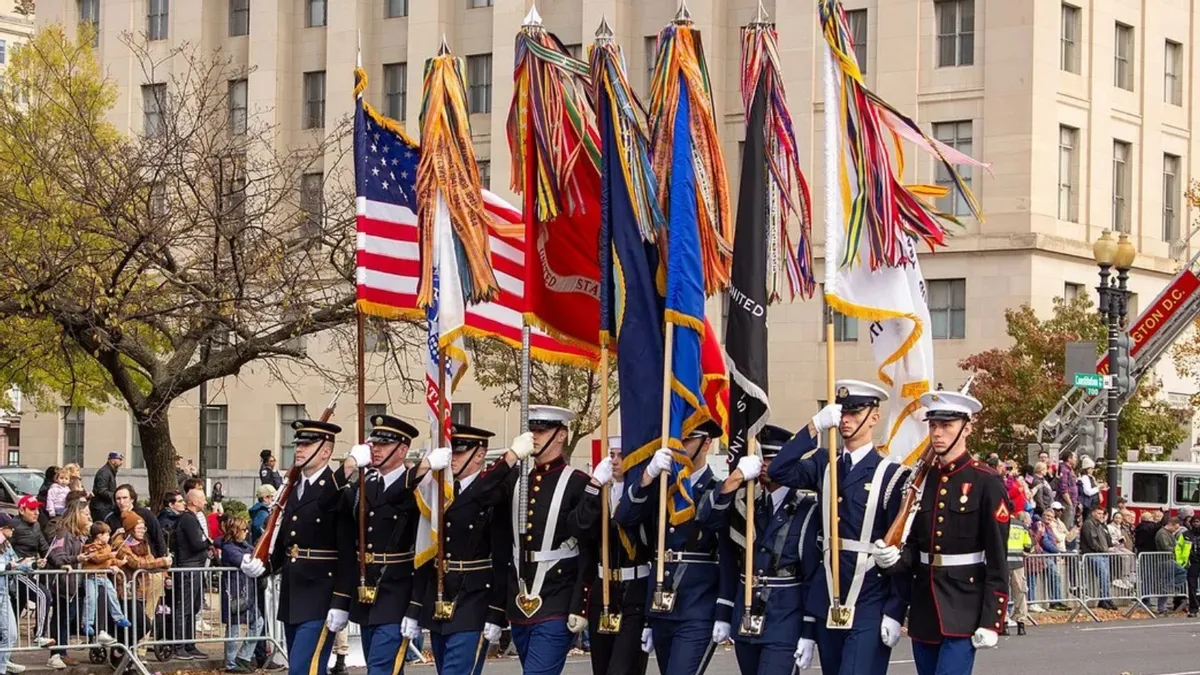
Recent claims suggest that U.S. President Dwight D. Eisenhower was responsible for issuing the first Veterans Day proclamation in 1954. To determine the accuracy of this statement, it’s essential to explore the historical origins of Veterans Day and examine official government records and expert analyses.

Historical Background of Veterans Day

Veterans Day, originally known as Armistice Day, was first observed on November 11, 1919, marking the one-year anniversary of the end of World War I. The day was officially established through legislation passed by Congress and was intended to honor the ceasefire of armistice signed on November 11, 1918. President Woodrow Wilson was the first U.S. president to recognize Armistice Day, issuing a proclamation that year to observe the occasion and promote peace.

Over subsequent decades, the observance of the holiday evolved. President Franklin D. Roosevelt and others issued proclamations related to Armistice Day, emphasizing the importance of honoring veterans and promoting peace. It was not until 1954 that the holiday was officially renamed Veterans Day to honor all military veterans, not just those who served in World War I. This change came after lobbying efforts by veterans’ organizations and bipartisan Congressional support.

Dwight Eisenhower’s Role in Veterans Day

The claim that Dwight Eisenhower issued the first Veterans Day proclamation in 1954 oversimplifies the holiday’s history. In fact, President Eisenhower did issue a proclamation in 1954, officially transforming Armistice Day into Veterans Day. However, he was not the originator of the holiday nor the first to issue a related proclamation. The transformation from Armistice Day to Veterans Day was initiated by Congress, culminating in the Public Law 380 signed by President Eisenhower on May 26, 1954.

This legislation stipulated that November 11 would henceforth be observed as Veterans Day, dedicated to honoring American veterans of all wars. Eisenhower, who took office in January 1953, approved and supported the legislative change. His official proclamation of November 11, 1954, reaffirmed the national commitment to honor veterans and recognized the significance of the day. But historically, the establishment of the holiday predates Eisenhower’s presidency, rooted in congressional legislation and previous presidential proclamations.

Sources and Expert Opinions

  • The U.S. Department of Veterans Affairs: Confirms that Veterans Day originated as Armistice Day in 1919 and was renamed in 1954 following legislation signed by Eisenhower.
  • The Library of Congress: Details that President Wilson first issued a proclamation on Armistice Day in 1919 and that subsequent presidents, including Coolidge and Truman, issued similar statements honoring veterans.
  • Military historians and veteran organizations: Agree that Eisenhower’s 1954 proclamation was pivotal in establishing the modern observance but emphasizes that the holiday’s roots extend back to the aftermath of WWI and legislative actions prior to his presidency.

Conclusion: Clarifying the Timeline of Veterans Day

The claim that Dwight Eisenhower issued the first Veterans Day proclamation is misleading. Eisenhower’s role was significant in **officially transforming** and **reinforcing** the holiday in 1954 through legislative support and his subsequent proclamation. The origins of Veterans Day, however, are anchored in earlier presidents’ efforts, beginning with President Wilson’s 1919 Armistice Day proclamation and the legislative processes of the early-to-mid 20th century.

Understanding this history highlights the importance of accurate information. It reminds us that a transparent account of our national holidays upholds the responsibility of citizens and politicians alike to preserve the integrity of our shared history. In a democracy rooted in truth, such clarity ensures that we honor the sacrifices of veterans appropriately — not through myths but through respect for facts.

Trump’s Sanctions Hit Fast — Will Europe Stop Buying Russian Oil and Gas? | Energy Giants

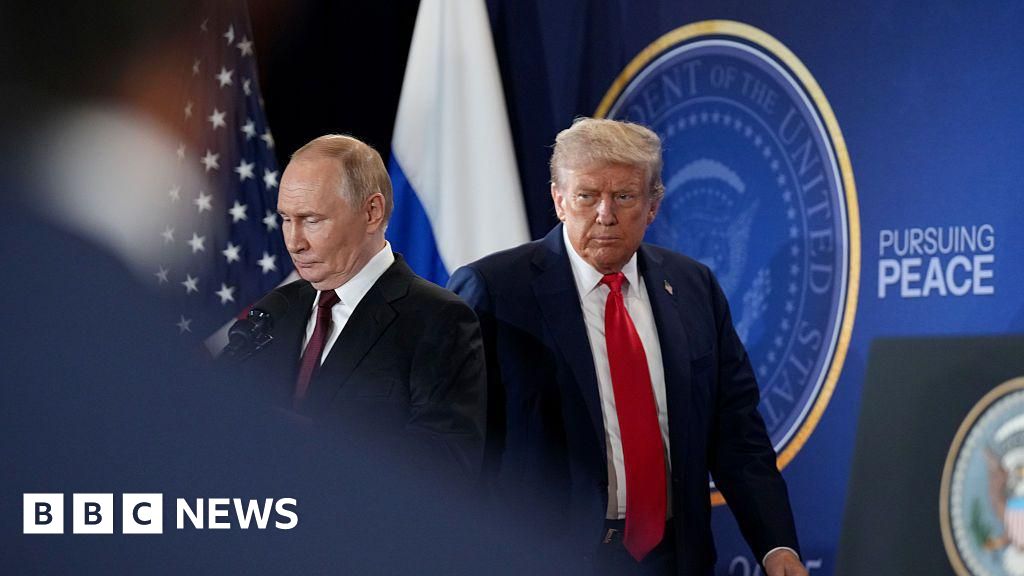
In a bold move that could redefine the geopolitical landscape, Donald Trump recently imposed sweeping sanctions targeting Russia’s two largest oil companies, Rosneft and Lukoil. This strategic effort seeks to choke off Moscow’s primary revenue stream fueling its ongoing conflict in Ukraine. Analysts highlight that Trump’s decisive action marks a stark contrast to the often cautious or diplomatic approach of the European Union over the past six months. According to Tom Keatinge, the influential director at the Centre for Finance and Security (CFS), Trump’s willingness to wield the “sanctions hammer” has demonstrated a level of resolve that could have profound consequences for Moscow and global energy markets. By targeting the financial backbone of Russia’s fossil fuel exports, Washington aims to weaken Moscow’s capacity to sustain its war effort, while simultaneously asserting American influence in the international arena.

The immediate repercussions have been notable. The global oil price surged by approximately 6%, signaling a volatile reaction in energy markets. Simultaneously, Russia’s crude oil deliveries to key Asian markets—namely India and China—faced abrupt halts. Experts from the Centre for Research on Energy and Clean Air (Crea) warn that these disruptions could be financially devastating for Moscow. With over 86% of Russia’s crude exports heading to China and India since the onset of the Ukraine conflict, the potential loss of access to these markets threatens to slash Russian monthly revenues by billions of dollars—roughly $7.4 billion—impacting Kremlin’s war chest and reducing its capacity to fund its military operations. While these measures have caused a significant dip in Russian fossil fuel export revenues—down by 50% compared to September 2022—the emergency shifting of shipments through shadow tankers underscores a resilience that complicates Western efforts to fully isolate Russia economically.

This economic coercion opens a new chapter in the ongoing struggle over energy resources. While President Trump’s sanctions are targeted, their ripple effects are impacting not only Russia but also global power balances. The European Union, once heavily dependent on Russian gas and oil, now faces a paradox: a formal pledge to phase out all Russian fossil fuel imports by 2027, yet continued reliance on existing supplies. Major EU nations like Hungary and Slovakia persist in importing Russian gas, with France, Belgium, and the Netherlands maintaining residual ties. This persistent dependence has drawn sharp criticism from analysts and historians alike, who argue that Europe’s reluctance to fully sever ties with Moscow constitutes a “disgraceful stain” on its geopolitical integrity. The EU’s ongoing reliance on Russian LNG—comprising approximately half of Russia’s LNG exports—ensures that, despite political rhetoric, Moscow continues profiting from Europe’s energy needs, thus prolonging the conflict’s human toll and undermining efforts for a sustainable peace.

Most revealing is the long-term strategic gamble Trump’s approach epitomizes: leveraging economic measures to foster peace and realign global energy flows. While critics warn that much depends on strict enforcement and response from other energy-dependent nations, some analysts, like Keatinge, remain cautiously optimistic. “Never bet against Trump,” he states, hinting at the unpredictable yet potentially transformative power of decisive leadership. As the world watches, the unfolding confrontation over fossil fuels echoes an enduring truth: the decisions made today forge the legacy of future generations. Whether the sanctions will finally curtail Moscow’s war machine or simply accelerate a shadowy fight in the shadows of the global oil trade, one thing remains clear—history is being written in the oil fields and on the geopolitical stage, and the outcome will shape the fate of nations for decades to come.

US sanctions Russian oil firms after Putin talks stall

Washington Strikes at Russian Oil Giants in Push for Peace in Ukraine

In a bold move emblematic of its recent aggressive stance, the United States has announced new sanctions targeting Russia’s two largest oil companies, Rosneft and Lukoil. The aim is to leverage economic pressure to compel Moscow into abandoning its military campaign in Ukraine. Treasury Secretary Scott Bessent asserted that these measures are vital because these firms, which export approximately 3.1 million barrels of oil daily, serve as key funding sources for the Kremlin’s war effort. Analysts emphasize that these sanctions could considerably diminish Russia’s ability to sustain its offensive along Ukraine’s front lines, potentially reshaping the battlefield dynamic.

President Donald Trump articulated a firm hope that the sanctions will produce a diplomatic breakthrough, emphasizing that they are “tremendous” and could be swiftly revoked if Russia ceases hostilities. He expressed frustration with Vladimir Putin‘s reluctance to engage in honest peace negotiations, highlighting that despite numerous conversations, “they don’t go anywhere.” Meanwhile, European NATO allies and UK officials are rallying behind these efforts, with the UK announcing a similar sanctions package that aims to dismantle Russia’s energy capabilities and curb its economic influence.

However, Russia has responded with fierce rhetoric, condemning the sanctions as threats that could destabilize global fuel markets and harm developing economies. Putin’s government, through Russia’s embassy in London, has warned that targeting energy firms like Rosneft and Lukoil risks disrupting global supplies and escalating tensions further. According to estimates from the UK government, these oil giants are responsible for nearly half of Russia’s oil output—an integral part of the Kremlin’s economy, heavily dependent on energy exports to countries such as China, India, and Turkey. Historically, these nations have served as vital Russian economic partners, and any disruption to this trade could have profound geopolitical repercussions, challenging the Western narrative of economic strangulation as a tool of diplomacy.

Adding complexity to the scenario is the broader international effort to broker peace. The NATO allies and Ukraine have proposed a 12-point plan, seeking to freeze current front lines, recover deported children, and facilitate prisoner exchanges—all with an eye toward a future European integration for Ukraine. Turning points like these represent critical junctures where treaty diplomacy and military aid could determine the course of history. Yet, persistent tensions remain, especially as Russia refuses to back down, demanding the withdrawal of Ukrainian forces from the Donbas region. The Putin-led government views recent Western sanctions as part of a broader effort to weaken Moscow’s global standing and economic sovereignty—further fueling an already volatile geopolitical climate.

As history continues to unfold in this high-stakes struggle, the words of historians warn of the perils of miscalculated escalation. The decisions made today, driven by economic warfare, diplomacy, and military support, will resonate through generations. The clash over Ukraine is no longer merely a regional conflict but a definitive contest for influence between East and West. The world watches with bated breath, knowing that the coming months will solidify whether this crisis ushers in a new era of stability or plunges humanity into a path of unforeseen turmoil. In the shadow of shifting alliances and mounting pressures, the weight of history is poised to be written—each act shaping the legacy of an uncertain tomorrow.

French Forces Intercept Oil Tanker Tied to Russia’s Shadow Fleet

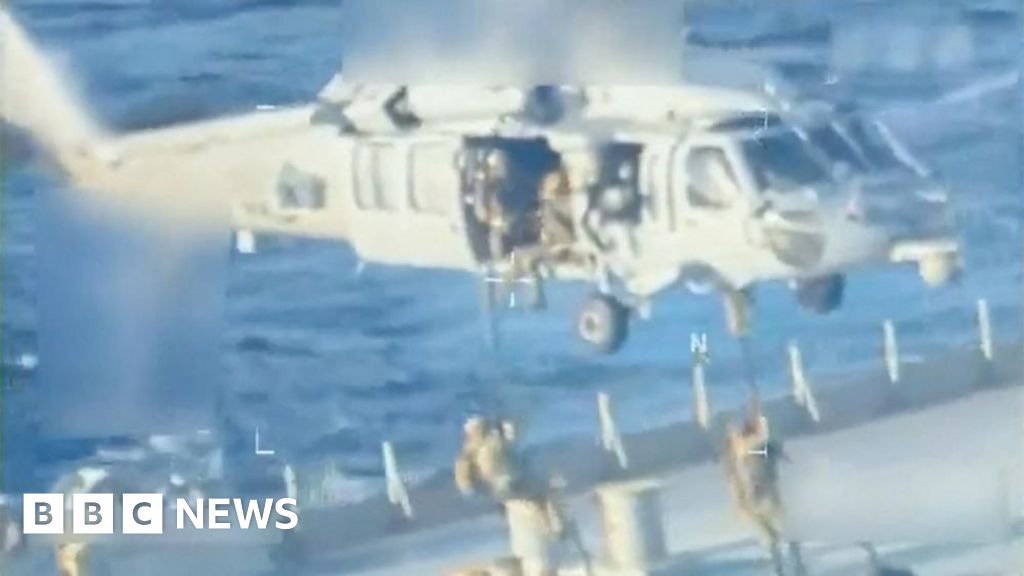
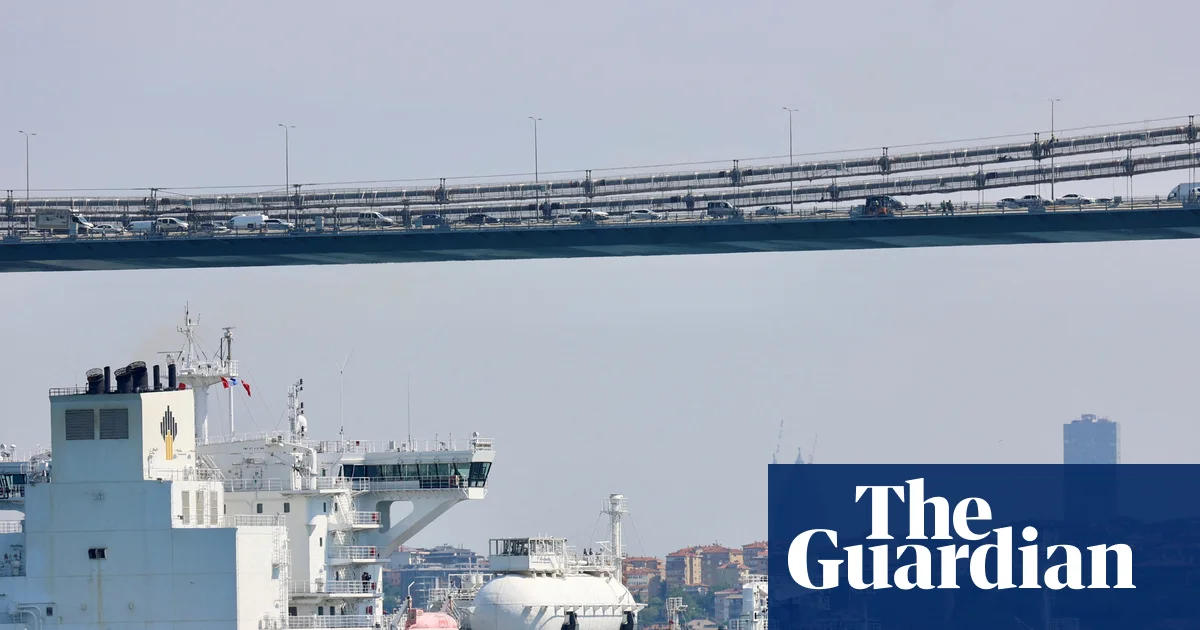
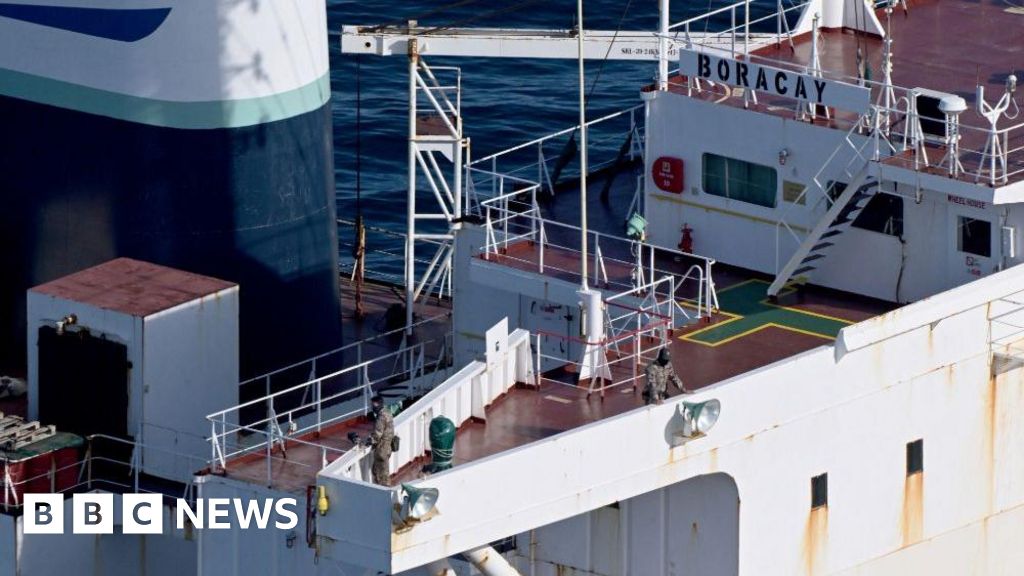
France has taken a bold step in addressing what many analysts now describe as Russia’s clandestine tactics to bypass international sanctions. French soldiers recently boarded the Boracay, a vessel linked to Moscow’s so-called “shadow fleet”—a complex network of ships designed to obscure Russia’s energy exports amid ongoing sanctions imposed due to the war in Ukraine. This operation, believed to be one of the most significant interdictions yet, signals a heightened commitment by European nations to crack down on illicit maritime activity used to circumvent Western restrictions.

The vessel, marked by multiple flags—including Benin, UK, and EU sanctions—had been tracked sailing from the Russian port of Primorsk toward India, passing through strategic points in the North Sea and the English Channel. Its movements, coupled with reports of it being detained earlier this year for sailing without a valid flag, underscore the broader challenge faced by Europe and the West: how to enforce sanctions against a fleet that is deliberately complex and highly adaptable. France’s investigation into the vessel’s conduct, alongside calls for increased maritime vigilance, reflect a strategic pivot aimed at exposing Russia’s covert export mechanisms.

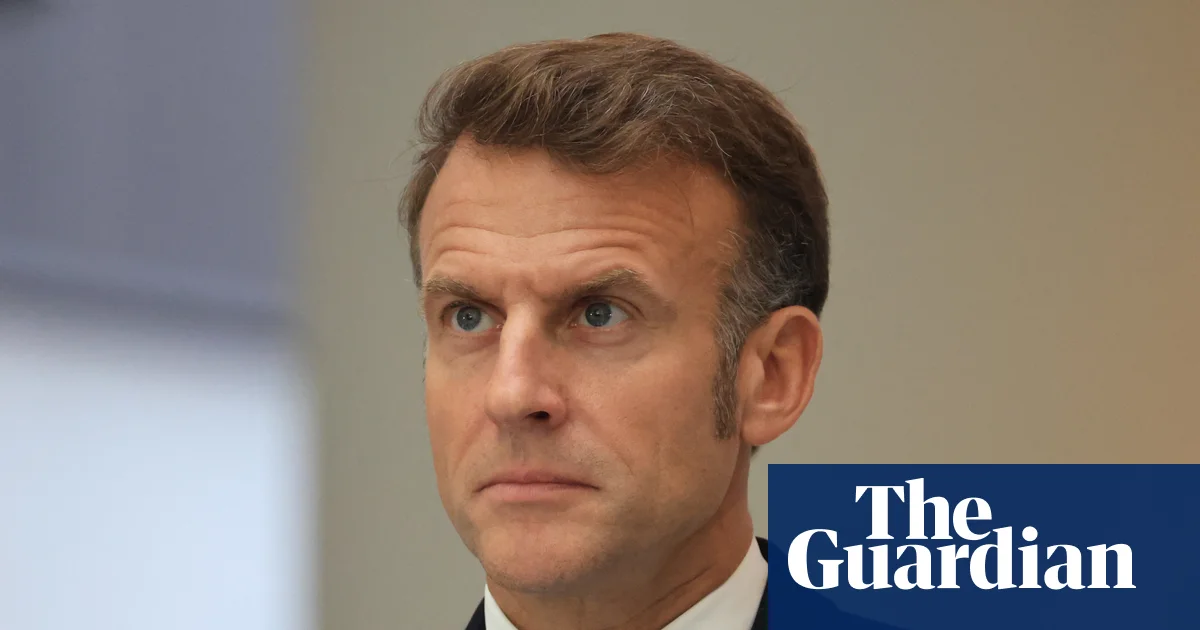
European Union leaders, convening amidst rising tensions, are sharpening their focus on hybrid warfare and energy security. At the Copenhagen summit, EU officials discussed the alarming trend of drone incursions and cyber-attacks, which are increasingly attributed by some experts to Russian hybrid tactics designed to destabilize and intimidate. Danish Prime Minister Mette Frederiksen explicitly linked recent drone disruptions at airports to Russia, framing it as part of a broader pattern of hybrid conflicts designed to challenge Western cohesion and resilience. Numerous countries on the EU’s eastern flank, including Poland and Estonia, face the brunt of such threats, prompting calls for a multi-layered “drone wall”—a defensive system intended for rapid detection, tracking, and neutralization of hostile UAVs.

International analysts, including those from NATO and renowned military think tanks, warn that these hybrid strategies signify a *turning point* in modern conflicts—one where conventional warfare is supplemented (or replaced) by covert operations, cyber attacks, and economic manipulation. The existence of Moscow’s shadow fleet, estimated to encompass between 600 and 1,000 vessels, underscores Russia’s resolve to continue evading sanctions and sustain its energy exports despite intense global pressure. How these maritime and hybrid tactics evolve in the coming months could very well determine the future balance of power in Europe’s east and during broader geopolitical conflicts.

As history unfolds amidst increasing militarization and intelligence operations, the world witnesses a critical juncture. The decisions made—by Europe, by NATO, by global institutions—will echo through decades, shaping the future of sovereignty, security, and international law. The relentless chess game on the high seas and in the skies continues, reminding us that, in the chess match of mighty nations, every pawn, every move, and every secret operation could turn the tide of history—an unfolding saga where the stakes are nothing less than the very future of freedom itself.

France probes oil tanker linked to Russia’s covert fleet

Shadow Fleet and Drone Incursions Highlight Europe’s Geopolitical Tensions

Recent investigations by French authorities into a suspect oil tanker reveal a disturbing layer of hybrid warfare that threatens the stability of Europe. The vessel, known as Boracay, which was flagged in Benin and previously operated under the name Pushpa, is suspected of being part of Russia’s clandestine shadow fleet. This fleet is often used by Moscow to circumvent international sanctions by employing vessels whose ownership and operations are deliberately obscured. As European countries face a series of unexplained drone flights and airspace violations, the incident underscores the intensifying struggle for control over critical maritime and aerial domains, an unprecedented battlefield in modern geopolitics.

The drone sightings over Denmark in September, leading to airport closures in Copenhagen and Aalborg, mark a clear escalation in what officials now term a hybrid war. These drones—likely launched from ships in close proximity—were almost certainly larger, fixed-wing or delta craft that require substantial launch platforms, pointing to a sophisticated level of planning and resource deployment. Denmark’s Prime Minister, Mette Frederiksen, publicly accused Russia of threatening European security, framing the incident as part of Moscow’s broader strategy to destabilize the continent. Meanwhile, NATO and European allies have responded by deploying anti-drone defenses, and upcoming EU summits are now focusing on countermeasures such as the development of a “drone wall” to deter future incursions, revealing a shift toward militarizing new technological threats.

As investigations unfold, the shadow fleet emerges as a key element—one that significantly impacts global oil markets and international sanctions enforcement. The UK, the EU, and other nations have identified vessels like Boracay as integral to clandestine oil trafficking routes that skirt sanctions. The vessel’s history is emblematic: from being detained by Estonian authorities as Kiwala earlier this year, over uncertainty about its registry, to a recent transfer to the Russian fleet, the vessel signifies how Russia’s economic war efforts rely on deceptive shipping practices. Analysts warn that such fleets enable Moscow to evade sanctions, maintain its oil revenues, and fund military operations, thereby challenging Western efforts to isolate Russia economically.

The geopolitical impact of these developments extends beyond immediate security concerns. They highlight a shifting balance where maritime and aerial domains become new theaters for geopolitical competition, with Russia actively testing Western defenses and probing the vulnerabilities of allied nations. The example of vessels like Astrol-1 docking in St. Petersburg or the Oslo Carrier-3 carrying steel from Germany to Lithuania illustrates a complex web of economic and military signals. International organizations, including NATO, are now warning that these covert activities could escalate into open conflict if not decisively countered, creating a tense atmosphere reminiscent of Cold War stratagems but in the age of advanced technology. As history continues to unfold on this shadowy stage, it remains undetermined how long Europe’s resolve can withstand the relentless pressure and deception embedded in Russia’s hybrid tactics, leaving the world poised on the brink of a new era of unconventional warfare where the rules are continually rewritten.

Social Media Auto Publish Powered By : XYZScripts.com