
The Sudden Collapse of Spirit Airlines: A Turning Point in American Aviation
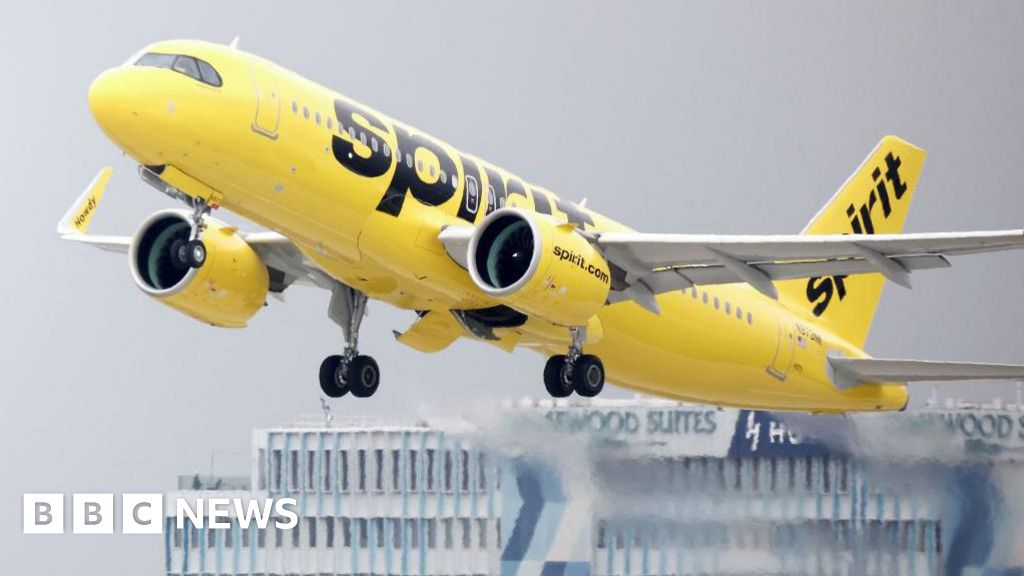
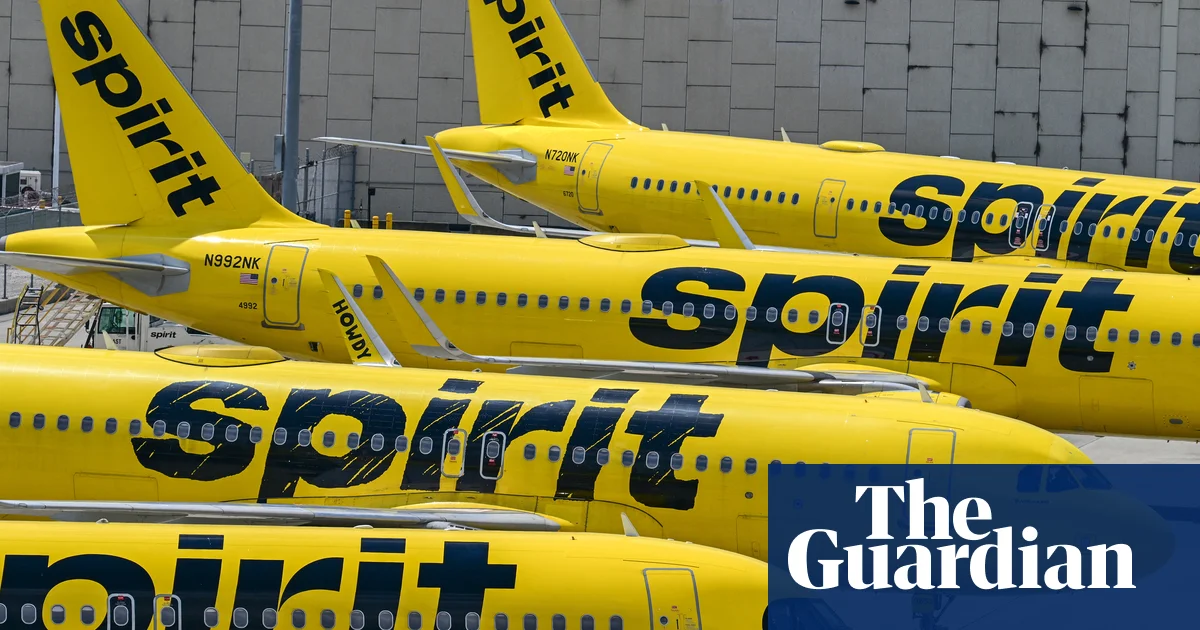
In a move that sent shockwaves through the aviation industry and ignited a fierce political debate, Spirit Airlines, a once-prominent low-cost carrier known for its bright yellow planes and budget-friendly fares, abruptly ceased all operations in early May 2026. After 34 years of serving travelers across the US, Latin America, and the Caribbean, the airline’s sudden shutdown left thousands of passengers stranded and thousands more facing the loss of affordable travel options. At the height of the chaos, the airline issued a stark warning: “If you have a flight scheduled with Spirit Airlines, don’t show up at the airport; there will be no one here to assist you,” signifying the end of an era for a company that had been a staple for cost-conscious travelers seeking to avoid the skyrocketing fares of legacy carriers.
The collapse of Spirit Airlines marks a pivotal moment in the global geopolitics of aviation, illustrating the unpredictable consequences of intertwined economic forces, regulatory decisions, and international conflicts. Analysts point to a confluence of factors that led to the airline’s downfall, notably the skyrocketing jet fuel prices driven by the ongoing war in Iran, which nearly doubled the cost of fuel—an essential component of airline operations. Federal and industry experts believe the company’s financial difficulties were exacerbated by a history of bankruptcy filings and their inability to secure liquidity in a climate of rising expenses. According to aerospace economist Dr. William Charles, such a confluence of economic pressures highlights the fragility of budget airlines operating in an increasingly volatile global economy, where geopolitical conflicts ripple through markets and threaten the survival of even the most agile competitors.
Adding fuel to the fire was the political tug-of-war over a proposed merger with JetBlue. The Biden administration, citing concerns over increased fares and reduced competition, blocked the $3.8 billion sale—a move that critics argue was a critical missed opportunity to rescue Spirit from collapse. Republican voices, led by figures like Thomas Massie, accused the federal government of interventionist overreach, claiming that the Biden administration’s actions—using agencies like the Department of Transportation and the DOJ—had directly contributed to Spirit’s demise. Such partisan debates underscore how decisions at the highest levels of government have materialized in tangible societal impacts: loss of jobs, diminished consumer choice, and the decay of affordable travel. This scenario reaffirmed the analysis of international observers who warn that geopolitical stability directly influences the health of industries like aviation, where fuel prices, regulatory frameworks, and international treaties shape operational realities.
As the dust settles on this chapter of American aviation history, the loss of Spirit Airlines stands as a stark reminder of how fragile economic and geopolitical stability truly is. The airline’s sudden disappearances from hubs such as LaGuardia Airport serve as an ominous portent for a sector increasingly vulnerable to external shocks. Historically, airlines have been seen as more than just carriers—they are economic barometers and symbols of national connectivity. Their collapse reflects broader societal shifts, exposing the weaknesses of regulatory overreach and highlighting how global conflicts can have ripple effects extending far beyond the battlefield. The coming days will determine whether this moment signals a new era of consolidation, government intervention, or a broader crisis of capitalism—yet the weight of history presses heavily on all who watch, for seldom do these stories end quietly, and the future remains unwritten, fraught with uncertainty and the promise of upheaval.