Matox News

Truth Over Trends, always!

From policing Black style to sparking a fashion revolution: How the NBA’s dress code shifted youth culture

The world of sports, especially the NBA, has always been more than just a game—it’s a reflection of society’s evolving cultural landscape. Twenty years ago, a sudden policy change aimed at imposing professionalism sparked a fierce culture war, highlighting tensions between league authorities and players who viewed their attire as an extension of their identities. Back then, the NBA dress code was seen as a racially charged move, designed to curb hip-hop-inspired fashion staples like do-rags, jerseys, and oversized T-shirts. For many fans and players, it was not just about appearance but a broader issue surrounding expression, race, and cultural identity. The controversy centered on iconic figures like Allen Iverson, who became a symbol of unapologetic individuality through tattoos, braids, and baggy clothes—a mirror of a cultural movement that was seeing its voice silenced in the league’s push for a sanitized, “professional” image.

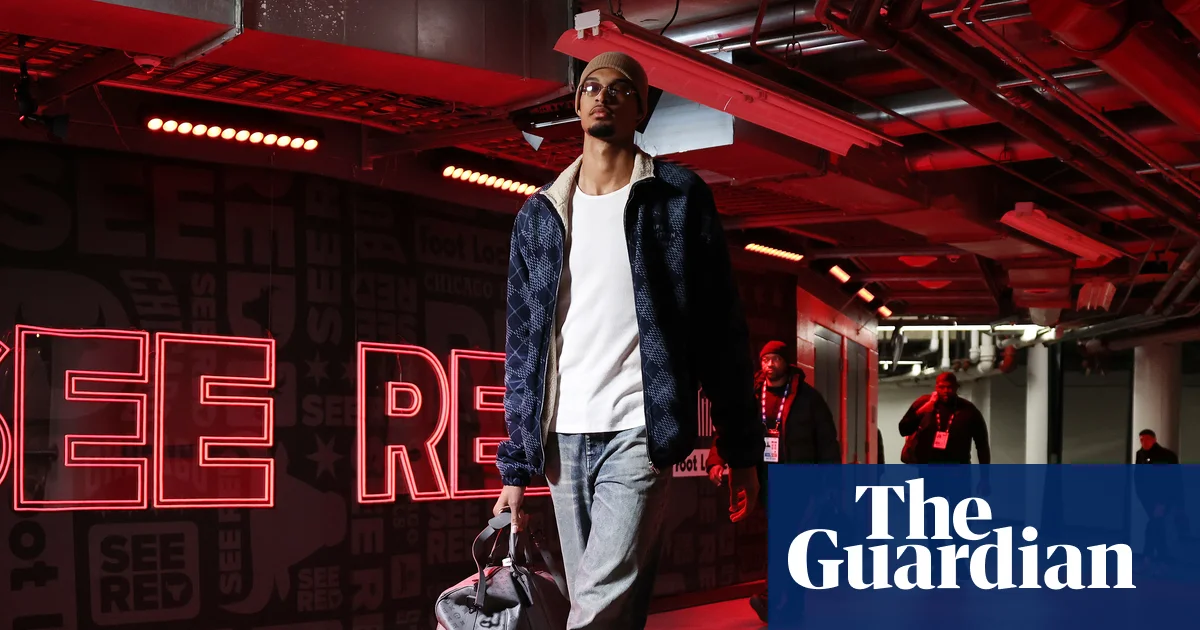
Fast forward two decades, and the narrative around the league’s dress code has undergone a dramatic transformation. What once was seen as a policing of Black culture has evolved into a fashion revolution that places the NBA at the forefront of global style innovation. Influencers like Darius Garland and Tim Hardaway Jr. now arrive at pre-game events as if they’re walking down designer runways. The league’s “tunnel fashion,” with photographers capturing every outfit, has become a cultural phenomenon. Many analysts agree that this shift reflects how the NBA players have largely taken control of their narratives, turning what was once a restrictive dress code into a platform for self-expression and branding. As Kathy Behrens, the league’s president of social responsibility, explains, the goal was never to erase culture but to elevate it—something the players have embraced wholeheartedly, turning their outfits into a form of communication that transcends sport.

  • Fashion is now entwined with business: many players leverage style for commercial opportunities, partnering with clothing brands like Lululemon and Armani, unraveling a new revenue stream beyond traditional endorsements.
  • Pre-game “fits” have transcended casual wear to become an art form, often sparking friendly competitions among players over who can showcase the most innovative ensemble.
  • The influence of hip-hop culture, once suppressed, now fuels the league’s fashion scene, with players citing artists as their style icons and using their wardrobe choices to connect with fans.

At its core, this evolution represents more than just clothes; it’s about social influence and cultural identity. The NBA’s journey from a strict dress code to a global fashion stage exemplifies how young athletes are redefining professionalism, rejecting outdated stereotypes, and asserting their influence in a way that resonates across generations. What, however, is the next evolution—will this wave of individual style and cultural expression continue to grow, or will the league attempt to impose new constraints? As players and fans increasingly view their attire as a statement of personal and cultural identity, the question remains: can the NBA strike a balance between professionalism and authentic self-expression without losing its cultural edge?

Mumbai’s Art Deco Revolution Turns 100: A Centennial Celebration of Style and Heritage

The history of architecture witnesses landmark moments that reflect societal shifts and technological progress. Among these, the rise of Art Deco stands out as a symbol of hope, resilience, and modernist optimism in the aftermath of the World Wars. Originating from a 1925 exhibition in Paris, this style spread rapidly across continents, captivating cities with its geometric motifs, sweeping curves, sunbursts, nautical designs, and turreted rooftops. It embodied the dawn of a new era—celebrating speed, progress, and the embrace of concrete as a construction material—and it quickly permeated not only architecture but also interior design, cinema, and fashion, influencing iconic landmarks worldwide.

Globally, Miami and Mumbai remain at the forefront of this architectural movement. While Miami’s pastel facades along South Beach are celebrated as arguably the largest collection of Art Deco in the world, Mumbai arguably holds the world’s richest repository of this stylistic heritage. According to historian Atul Kumar, founder of the Art Deco Mumbai Trust, the city hosts the largest documented concentration of Art Deco buildings—some estimate place it as second only to Miami. These structures, built during colonial rule, encapsulate a period when Indian architects and elites sought to shed Victorian European influences and forge a distinctive identity that melded imported modernist styles with local motifs. The fusion of vernacular patterns—ranging from Mughal lattice screens to ocean liner motifs—created a uniquely Indian articulation of the style, reflecting the tumultuous yet hopeful spirit of an emergent nation.

Today, however, the geopolitical impact of rapid urban development threatens the preservation of Mumbai’s architectural treasures. As city centers transform under the pressure of real estate expansion, scores of Art Deco edifices face demolition in favor of glass-and-steel skyscrapers. Despite the cultural significance and the recognition of their heritage status, only a fraction of these buildings are protected by law. Conservationists warn that without proactive measures, Mumbai risks losing much of its architectural soul. Urban planners, under the influence of real estate moguls, prioritize economic gains over cultural preservation—a decision that analysts warn could result in the erasure of a critical layer of the city’s history. Such choices have repercussions beyond aesthetics—they influence the societal fabric and collective memory of a city that once symbolized hope and innovation.

Furthermore, the challenge intensifies as regulation and public awareness lag behind the pace of redevelopment. According to reports from the UNESCO and international heritage organizations, there is an urgent need to reconceptualize heritage conservation within a sustainable urban framework. Organizations like the Indian National Trust for Art and Cultural Heritage (INTACH) are undertaking efforts to document and protect Mumbai’s Art Deco buildings, but resource constraints and apathy hamper their reach. Architectural firms such as Ms. Tekwani’s are attempting to adapt Art Deco designs for modern lifestyles—introducing sleeker furniture and compact lighting—hoping to integrate heritage into contemporary living rather than seeing it as a relic of the past. Yet, as city authorities remain largely indifferent, the weight of history—once a marker of progress and identity—hangs precariously in the balance, susceptible to the bulldozers that threaten to erase this icon of 20th-century modernism.

As the city’s skyline morphs into a testament of unchecked economic ambitions, Mumbai’s cultural legacy stands at a crossroads—either to be preserved as a monument of resilience or sacrificed on the altar of progress. In the shadows of looming skyscrapers, the spirit of Art Deco—evocative of hope, modernity, and cultural fusion—clings to existence. Time is running out, and the story of Mumbai’s architectural heritage continues to unfold—poised between oblivion and resurgence, a testament to the enduring struggle of societies to safeguard their identity amidst the relentless march of progress. The pages of history lie open, awaiting the decisions that will ultimately determine whether this city’s storied past will survive to inspire future generations or be consigned to the dustbin of forgetfulness.

Style Guide: How to Rock a Plaid Shirt and Make It Your Own

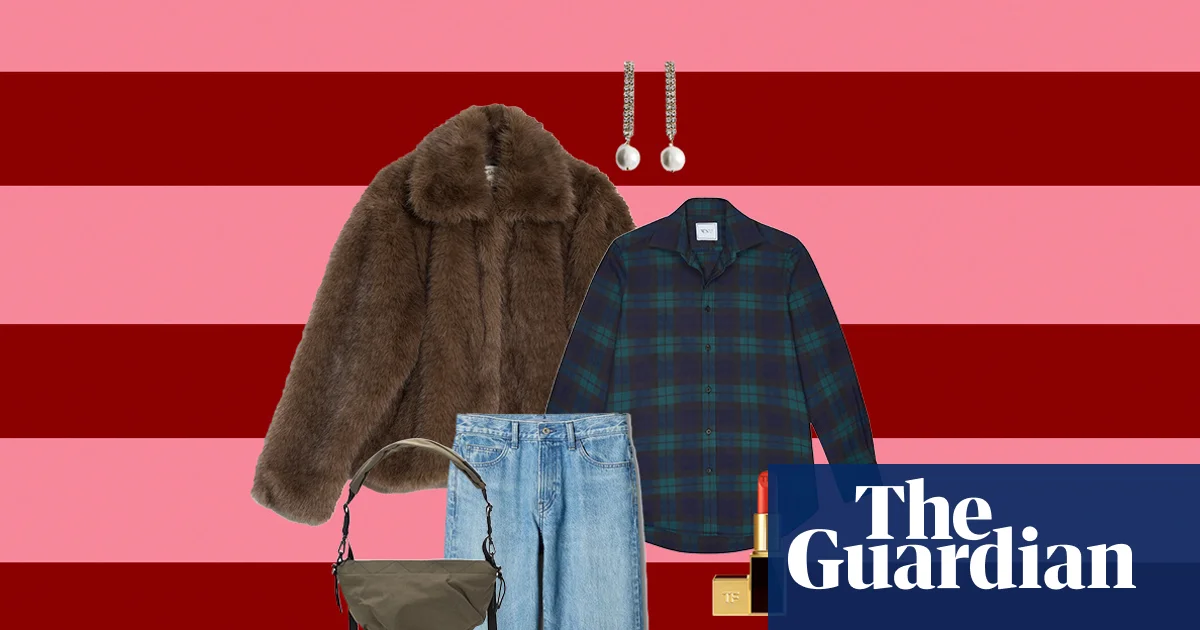
In an era where fast fashion often dominates, timeless pieces are making a surprising comeback—and one of the most unexpected stars is the lumberjack shirt. Traditionally associated with rugged outdoor work and classic Americana, this plaid staple has been transformed into a high-fashion streetwear must-have. Top influencers and trendsetting youth are now pairing it with unconventional textures like leather, velvet, or faux fur, turning what was once considered workwear into a bold statement of individuality and cultural commentary.

This resurgence isn’t merely about aesthetics; it reflects a deeper shift in societal attitudes toward masculinity, authenticity, and the value of tradition in a digital age. Sociologists note that the lumberjack shirt’s reintegration into trendy wardrobes underscores a desire among youth to reconnect with perceived simplicity and strength amidst the chaos of modern life. Influencers such as Hypebeast and Fashion Nova ambassadors are responsible for popularizing these layered, textured looks, emphasizing a rebellious yet nostalgic vibe that appeals to a generation seeking authenticity in a curated world.

Moreover, the cultural impact extends beyond mere fashion. It signifies a broader rebellion against fast-paced, disposable trends. The durability and longevity associated with the lumberjack shirt embody values that resonate with young consumers questioning the environmental and social costs of their consumption. Fashion analyst Sarah Jacobs explains that this trend embodies a *“return to craftsmanship and authenticity,”* connecting societal identity with the revival of past virtues cloaked in urban style.

  • Pulling heritage into contemporary settings
  • Encouraging sustainable and thoughtful fashion choices
  • Challenging the speed and short-lived nature of current trends

However, the narrative isn’t without controversy. Some critics argue that the lumberjack shirt’s mainstream success risks diluting its cultural roots, transforming a symbol of rugged independence into just another commercial commodity. Yet, regardless of whether this trend endures or fades, it raises a vital question: what’s next for youth-driven cultural expression in fashion? As the boundaries between streetwear, heritage, and high fashion continue to blur, one thing remains clear—this surge of authenticity-oriented style has tapped into fundamental social undercurrents, perhaps hinting at a broader cultural desire for meaningful, lasting symbolism in a disposable age. The next big question isn’t just about style but about what our clothing choices say about the society we’re shaping for tomorrow.

Jess Cartner-Morley reveals how the countryside style is making a fresh statement—ditch the flat cap clichés and stay ahead of the trend game

Every decade, the fashion industry seems to experience a cyclical retreat to The Countryside. But this isn’t just about a nostalgic throwback to pastoral living; it’s a cultural shift rooted in our collective longing for authentic, wholesome experiences amid a digital era that often feels overwhelming and disconnected. This seasonal trend, resurrected in recent months, is shaping not only how young consumers dress but also how they seek meaning and social relevance in their lifestyle choices. Influencers on platforms like TikTok and Instagram are championing this movement, showcasing a new kind of rural-inspired style that celebrates wholesomeness without the clichés of fishing hats and oversized flannel shirts.

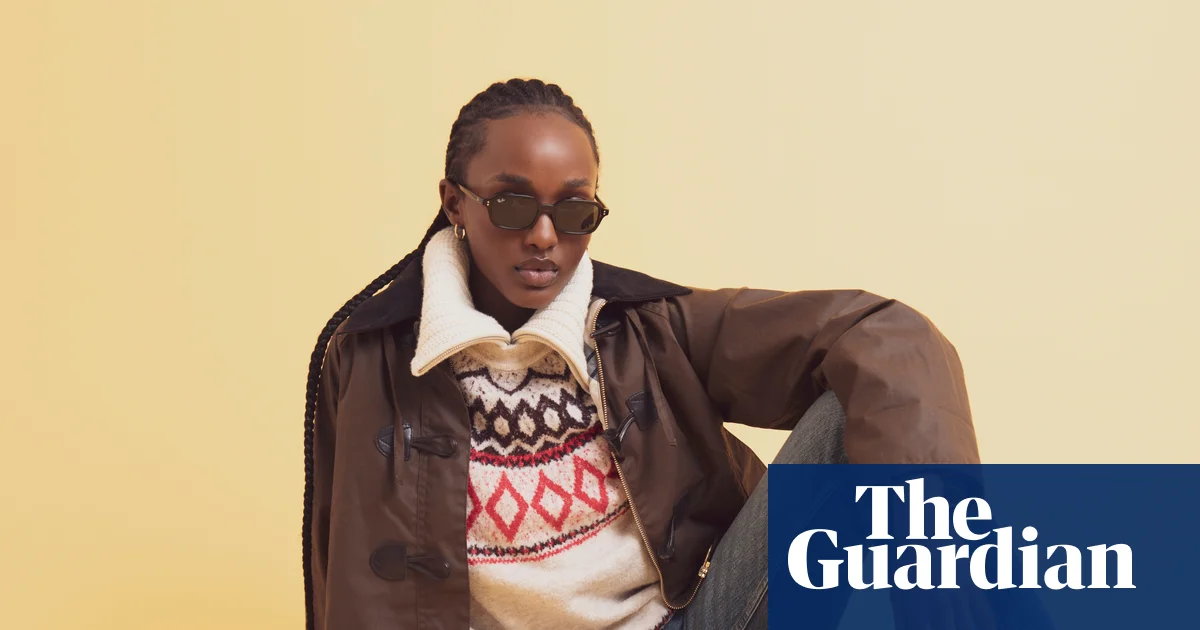
What makes this reimagined countryside aesthetic compelling is its social relevance: it represents a form of resistance to the relentless pace of modern life. Sociologists note that amidst our hyper-digital existence, clothes that evoke nature—such as Fair Isle sweaters, rugged barn jackets, and sturdy hiking boots—serve as symbolic gestures of grounding and authenticity. For Gen Z and millennials alike, these garments act as armor against societal pressures, signaling a desire for simplicity, stability, and connection to a perceived natural order. As influencers like @EcoChic and @RusticRebel spread this vibe, fashion pundits are observing a steady shift: outdoor-inspired styles are no longer just for weekends but have become staples for everyday urban life, blurring the lines between city slicker and country dweller. This cultural phenomenon underscores an emerging movement—seeking physical and emotional balance in a chaotic world.

However, this countryside revival isn’t just about wardrobe aesthetics; it also reflects a broader cultural dialogue. Brands are jumping on the trend, offering classic items like waxed duffle coats and Fair Isle jumpers, signaling an embrace of heritage and craftsmanship. Meanwhile, lifestyle marketers push narratives of rustic tranquility, encouraging the younger generation to “touch grass”—a viral phrase encapsulating the desire to disconnect from screens and reconnect with nature. This trend has social media virality written all over it, with posts celebrating autumnal foliage, picnics in leaf-strewn parks, and outdoor cafés that mimic countryside charm, feeding a collective craving for simplicity amidst urban complexity.

  • Top items shaping this trend: Classic waxed jackets, ribbed wool vests, high-waisted jeans, sturdy hiking boots, vintage-inspired accessories like silver hoops and retro sunglasses.
  • Influencers to watch: TikTokers and Instagram personalities promoting sustainable, rural-inspired fashion that champions authenticity over commercial superficiality.
  • Social themes: Resistance to fast-fashion’s disposability, embracing heritage, and advocating for greener lifestyles rooted in nature.

As this countryside aesthetic firmly plants roots in contemporary culture, the next question looms: is this just a fleeting seasonal fad, or does it signal a deeper societal longing for authenticity and sustainability that will redefine youth lifestyles for years to come? Will we see a transformation in how the fashion industry approaches both design and marketing—moving away from hyper-processed trends towards more meaningful, environmentally conscious narratives? The future of this trend could very well hinge on whether authenticity can maintain its appeal in a world increasingly obsessed with the next big thing. Among the leaf-strewn paths and cozy cafés, one thing is certain: the countryside may no longer be a backdrop but a blueprint—drawing a new generation towards a more grounded, genuine future.

Level Up Your Style: The Top Knee-High Boot Looks for Trendsetters

Step into the Future of Fashion: Statement Boots as Winter’s Must-Have

As the temperatures dip and the season shifts, fashion enthusiasts are once again turning to statement boots to anchor their winter wardrobe. This trend has been gaining momentum, fueled by a blend of social media influencers, fashion-forward celebrities, and regional stylistic boundaries pushed wide open. The appeal is simple: instead of over-complicating ensembles with complicated accessories, autumn and winter dressing now revolves around one bold, eye-catching piece—the statement boot. This shift reflects a broader cultural movement towards minimalism in accessories, while allowing footwear to serve as the primary mode of self-expression.

Fashion analysts highlight that the enduring power of these boots lies not just in their aesthetic impact but in their social relevance. They symbolize confidence, rebellion, and individualism at a time when societal conversations about identity, expression, and authenticity are more urgent than ever. Influencers such as Emma Chamberlain and Lil Miquela have championed knee-high, metallic, or intricately detailed boots in their social media feeds, cementing their role as cultural markers for a generation eager to stand out. Sociologists note that this trend is also shifting perceptions of femininity and masculinity, part of a larger conversation about gender fluidity and personal empowerment facilitated by a serene yet defiant style choice.

Furthermore, the cultural impact of statement boots extends beyond mere aesthetics. They are becoming a social signal—an unspoken communication of attitude, status, and belonging. From haute couture runways to streetwear corners, civil society figures argue that such footwear styles are democratizing fashion, offering a canvas for youth to articulate their identity in a way that is accessible and unpretentious. Trend curators are documenting an increase in demand for brands like Stuart Weitzman and Dr. Martens, which offer a range of bold, durable options that defy seasonal limitations.

  • Bold, thigh-high leather boots
  • Chunky heeled ankle boots with metallic accents
  • Over-the-knee styles in vibrant colors

What’s fascinating is how this style shift is resonating with a broad demographic—young urbanites, college students, and even working professionals—who see in statement boots a way to challenge traditional fashion hierarchies. Fashion expert Dr. Lisa Rivera suggests that this trend represents “a move away from fleeting fashion trends toward lasting symbols of individual style that carry social weight.” Yet, amid this rising ascension of boots as cultural icons, a question lingers: *Will this trend evolve into a more permanent fixture of our societal identity, or is it just another fleeting chapter in youth-driven fashion innovation?* As digital influences continue to sculpt how we define style and status, the leap from trend to staple gathers momentum, stirring discussions about what the future holds for self-expression through footwear. Certainly, the next chapter of this trend may redefine what it means to truly “walk your own path.”

Challenging the Norms: How ‘Mom Style’ is Powering a New Generation of Trendsetters

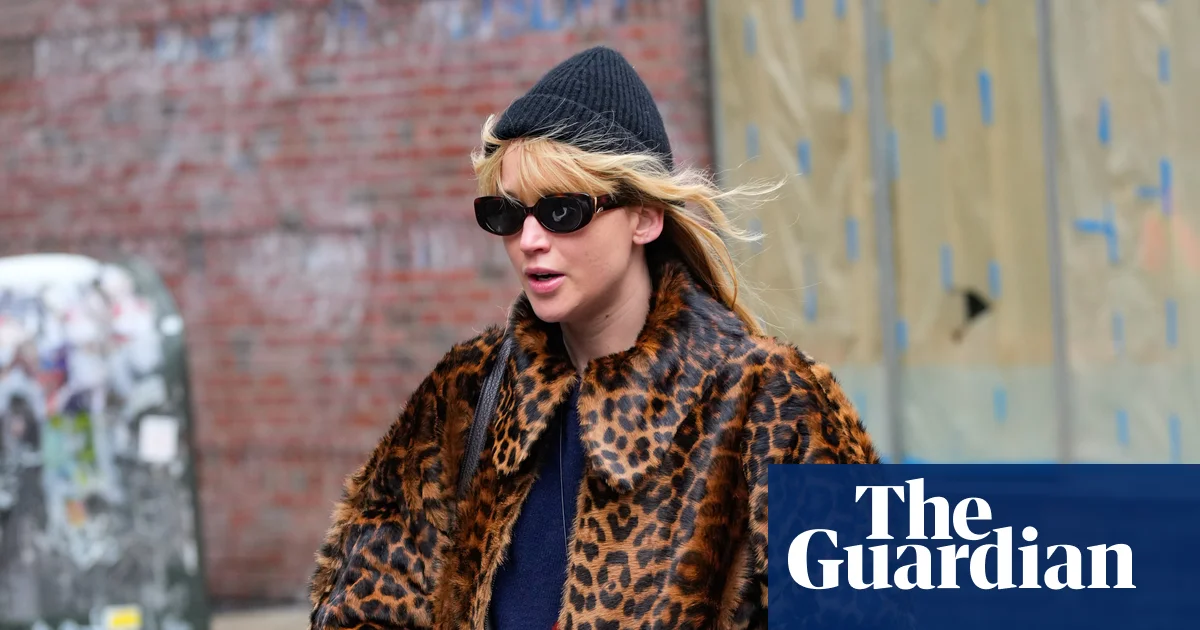
In the ever-evolving landscape of fashion, one of the most striking cultural shifts emerging today is how motherhood is reshaping the idea of “cool mom style”. Traditionally, society has viewed motherhood as a point where personal style takes a backseat, often replaced by clichés of frumpiness or sacrificing one’s identity for the sake of the family. Yet, recent trends, amplified by influential voices like Jennifer Lawrence and Rihanna, are challenging this notion—elevating motherhood from a stereotype of restraint to a powerful statement of identity and self-expression. The rise of what some call a “postpartum-forward” fashion ethos signals a broader cultural shift, one that centers on autonomy, experimentation, and even rebellion in how women present themselves after welcoming children into their lives.

  • The “momboy style” trend, coined by fashion insiders like The Cut, epitomizes this movement. With its mixture of tomboyish silhouettes, graphic T-shirts, and relaxed fits, it signifies a deliberate departure from the ultra-feminine ideals historically associated with motherhood. Women like Jennifer Lawrence and artists such as Beyoncé are embracing and showcasing their multi-dimensional identities—blurring conventional lines of femininity while asserting that parenting and style are not mutually exclusive.
  • This phenomenon also signifies the broadening of cultural representations. Sunny Shokrae, a Brooklyn-based photographer and mother, points out that the media’s portrayal of mothers has expanded, allowing women to take more liberties with their style without fear of judgment. From the CFDA awards to street-level interactions, women are making a statement: their fashion choices are directly tied to their life experiences, including motherhood, and should reflect that complexity rather than conform to outdated notions of decorum.

At its core, this trend is about more than just clothes; it’s about the social relevance of reclaiming identity. The once dominant narrative that motherhood inevitably diminishes a woman’s independence and style is being upended by a new generation of women who view dressing as a form of empowerment. Fashion analysts and sociologists highlight that these shifts are fueled by a desire to express agency and individuality amidst the chaos of early parenthood. Zoe Latta, of Eckhaus Latta, emphasizes that her evolving relationship with her changing body has led her to be less invested in traditional styles and more open to experimentation, illustrating a cultural appetite for embracing fluidity and personal reinvention.

Rihanna in postpartum-forward fashion
Rihanna’s ‘postpartum forward’ Alaïa suit exemplifies this new confident approach to motherhood and fashion.

Beyond individual choice, this movement underscores a larger societal dialogue about the social relevance of female self-reliance and the importance of reshaping cultural narratives around motherhood. Icons like Adwoa Aboah and Simone Rocha are standing at the forefront, pushing boundaries with hoodies, asymmetric outfits, and jewelry-infused Crocs—challenging not just fashion stereotypes but societal expectations. This evolution asks a pressing question: as more women redefine their identity post-motherhood, what does the future hold for the cultural standards of femininity? Are we headed toward a landscape where authenticity and self-expression become the new markers of style for women everywhere, regardless of their stage in life? The next big question for youth and society is whether this wave will catalyze a lasting shift—one that not only transforms closets but also redefines the social fabric of gender and identity itself.

Revamp Your Party Look: The Cocktail T-Shirt Taking Youth Style by Storm

Traditionally, T-shirts have occupied a utilitarian space in our wardrobes—comfortable, casual, and often considered the fallback option for everyday wear. But this party season signals a shift in sartorial priorities, where the humble tee is undergoing a fascinating transformation. Enter the cocktail T-shirt, an elevated version of the basic that’s redefining what it means to dress casually for evening events. Made from luxurious wool—a natural fiber with thermodynamic properties—these T-shirts blend comfort with a touch of sophistication. Whether adorned with glistening embellishments around the neckline or kept minimalist with a hint of sparkle, this new category is making waves on social media and among style influencers alike, positioning itself as the unexpected highlight of evening wear trends.

The cultural impact of this trend is notable, signaling a shift in social attitudes toward more versatile, multi-functional fashion. Influencers such as Emma Chamberlain and David Dobrik have shared their enthusiasm on platforms like Instagram and TikTok, showcasing how these cashmere T-shirts can be styled to suit both casual and more formal occasions. Fashion houses, including Prada, led by iconic creative director Miuccia Prada, are at the forefront of this movement. Prada’s recent runway shows feature knitted T-shirts with chains and pearls, blurring the lines between luxe nightwear and bold streetwear. As analysts point out, this trend reflects a broader societal desire for value-driven, sustainable wardrobe staples—embracing natural fibers that are both eco-friendly and adaptable.

Furthermore, the social relevance of the cocktail T-shirt extends beyond aesthetics. As the fashion elite, including Prada and co-designer Raf Simons, demonstrate, this is about challenging traditional notions of femininity and beauty. These garments serve as a symbol of simplicity turned chic, embracing a less-is-more ethos that resonates with younger generations seeking authenticity and self-expression. Brands like &Daughter are pioneering with their cashmere offerings that come in vibrant hues like holiday red and pickle green, emphasizing the importance of comfort without sacrificing style. Meanwhile, critics raise concerns about the environmental cost of high demand for luxury cashmere, highlighting issues like desertification and over-farming in Mongolia, where the goats are raised—an ongoing debate at the intersection of fashion, sustainability, and ethics.

  • Trends to Watch: The mix of practicality and luxury has turned the cashmere T-shirt into a must-have staple, with brands like John Lewis and high street retailers rapidly adopting the look using synthetic blends. These alternatives may not mirror the eco-insensitive aspects of genuine wool, but they reflect a societal push towards affordable, versatile fashion.
  • Consumer Appeal: According to fashion director Queralt Ferrer, the appeal lies in the T-shirt’s ability to satisfy multiple needs—offering a sleek look that transitions seamlessly from office to evening. Priced around £80, the high-quality cashmere T-shirt stands out as a perfect example of how modern consumers value longevity and adaptability in their wardrobe.
  • Designers’ Vision: Influential figures such as Miuccia Prada are reshaping perceptions of minimalism with their knits, reinforcing the idea that less can be more—a message that resonates powerfully with a generation increasingly conscious of their social footprint.

As this fashion evolution gains momentum, the next big question looms: will sustainable practices keep pace with demand for this luxe casualwear? With environmental concerns escalating, the future of the cocktail T-shirt hinges on whether designers and consumers can strike a balance between aesthetics, ethics, and accessibility. As the trend challenges conventional fashion hierarchies and invites a rethink of what is deemed luxury, it leaves us pondering whether the next frontier in style will be a thoughtful integration of sustainability and innovation—an essential question for tomorrow’s fashion landscape.

Discover the understated and unexpected: the coolest men’s knitwear brands shaping the new style rebellion

In an era dominated by fast fashion and fleeting trends, a new movement among the youth is quietly reshaping how men approach wardrobe staples: knitwear. Once relegated to the realm of grandma’s closet or reserved for winter wear, knitwear now stands at the forefront of social relevance and cultural impact. This shift isn’t merely about warmth—it’s a statement about long-term investment, responsibility, and individual style. Influencers like Pedro Pascal and Paul Mescal are leading the charge, sporting cropped silhouettes and statement knits that achieve a chic yet rebellious aesthetic, emphasizing the importance of personalization and authenticity in menswear.

The embrace of responsible knitwear is redefining what it means to dress with purpose. Endorsed by brands like Asket and Sheep Inc, today’s consumers are more conscious of the societal and environmental footprint of their clothing choices. Transparency is becoming as vital as durability, with notable brands offering conservation-focused initiatives such as repairing or recycling, and sourcing textiles from regenerative farms. The rise of carbon-negative knitwear—where your jumper becomes part of the solution rather than the problem—illustrates how fashion is cementing its role as a social force. Such narratives elevate knitwear from simple apparel to a symbol of activism and lifestyle alignment, especially among younger generations seeking authenticity and impact.

Trends in Knitwear: From High Street to Luxury

Mid-range and luxury brands are elevating knitwear to an art form. A Day’s March exemplifies this with its minimalist, Scandinavian aesthetic, offering luxurious pieces like mohair sweaters and cardigans that boast understated elegance and purpose. Meanwhile, Les Deux taps into the demand for statement knitwear, with options that include bold colors and playful graphics, embodying a counter-culture feel that resonates with youth seeking individuality. On the high street, brands like Uniqlo and Gap cater to a broader audience, making quality knitwear accessible, with staples like cashmere crew necks and merino wool sweatshirts priced under £100. This democratization of premium textiles underscores a collective shift towards quality over quantity, driven by a desire for durable, versatile, and stylish wardrobe foundations.

The Cultural and Social Significance

What makes this resurgence of knitwear particularly compelling is its cultural resonance. Modern knitwear isn’t just about practicality—it’s intertwined with socially conscious narratives. Whether it’s through brands promoting regenerative wool, or influencers experimenting with layered textures and vintage-inspired designs, the trend signifies a collective move toward meaningful fashion. Sociologists point out that this evolution symbolizes a rejection of disposable fashion: today’s young men want garments that tell stories, reflect values, and stand the test of time.

Yet, amid this backdrop of style and responsibility, a next big question looms: as knitwear becomes a symbol of cultural authenticity and activism, how will future trends balance fast-paced innovation with the long-term ethics of sustainable fashion? Will the market sustain this level of conscientious consumerism, or is it another fleeting fad? As influencers and brands continue to push the conversation, one thing remains clear—this isn’t just about clothing; it’s about redefining societal values around an age-old craft that’s now more relevant than ever.

Jess Cartner-Morley’s November Style Picks: Smart Raincoats & Statement Trousers for the New Season

In the fast-paced world of youth fashion, high street brands are demonstrating a remarkable ability to blend luxury design with affordable prices. This phenomenon reflects a broader cultural shift—one where access to boutique-worthy style no longer depends solely on a high bank balance but is influenced heavily by social media influencers and fashion analysts. Names like Jonathan Anderson and Zac Posen are no longer confined to runway shows—they’ve jumped into the mainstream, with collections now available at retail giants like Uniqlo and Gap. For a generation eager to project style that’s both authentic and effortless, this fusion of high-end aesthetics with accessible pricing is redefining social relevance and cultural impact.

This trend is more than just about shopping; it’s shaping societal behaviors and cultural identity. The new style ethos celebrates practical elegance—from versatile, long-line coats to functional yet chic rain jackets that don’t compromise on style. Influencers like fashion theorists and style icons emphasize that today’s youth are seeking personal expression through wardrobe choices that are both stylish and pragmatic. Take, for example, the scardigan, a clever mashup of scarf and cardigan that offers a statement piece perfect for layering—and social media feeds—without veering into “try-hard” territory. Meanwhile, curated accessories such as festive earrings and velvet mushrooms for Christmas trees showcase how decorative trends serve as language in a shared cultural dialogue, blending tradition with contemporary wit.

This democratization of fashion is supported by celebrity and influencer endorsements, fueling a shift that sociologists describe as cultural flattening. When high-street and designer collaborations create affordable luxury—like the JW Anderson × Uniqlo polo shirt or the Gap× Zac Posen shirts—it signals a recognition that youthful consumers demand not just affordability, but also authenticity and style. The social cachet here is undeniable: dressing well becomes a form of social capital, a means for young people to visually communicate their identity and aspirations in a competitive cultural landscape. Even the rituals of gifting, like wrapping up designer-inspired gloves or statement earrings, reinforce a collective aspiration towards personal refinement.

However, as this trend solidifies, the next big question emerges: are we witnessing a true shift in societal values, or merely a clever reinterpretation of consumerism? As affordable luxury becomes the new norm, sociologists ponder whether these style choices are markers of genuine self-expression or a new form of social conformity—where the appearance of uniqueness hinges on curated, yet accessible, branding. Is this trend paving the way for a more inclusive, expressive culture, or is it merely another chapter in the ongoing narrative of youth-driven consumerism? The answer, perhaps, lies in how future generations will continue to redefine what it means to be fashionable—and whether that fashion will eventually transcend mere appearance to influence deeper social and cultural paradigms.

Move Aside Claudia: Jonathan Ross Steals the Spotlight as a Traitors Style Icon in the Youth Scene

In the realm of reality television, style has long transcended mere aesthetics to become a cultural statement. This season of Celebrity Traitors, a hit UK-based game show, has vividly demonstrated that wardrobe choices are now more than just fashion—they’re powerful tools for social signaling. While the audience expects suspense over who will survive each night’s murder, a subtler, more profound battle is unfolding: the battle for perception. And no one has mastered this quite like Jonathan Ross. His eclectic, flamboyant outfits on the show are not only a reflection of his personality but are actively shaping the social narrative, blurring the lines between performance and strategy.

Influenced by a mix of vintage Hollywood style and pop culture icons, Ross’s wardrobe choices have become a cultural phenomenon in their own right. From tailored dapper suits to daring Top Gun-inspired jumpsuits, his looks are meticulously curated to *signal dominance and authority*. Fashion psychologist Dr. Dion Terrelonge highlights how Ross’s self-styled ‘costumes’ serve to convey the message: “I am a leader who commands attention.” Far from accidental, Ross’s choices are a calculated act rooted in perception management. His wardrobe is like a visual language, telling viewers he’s in control—even when he’s secretly orchestrating betrayal. This approach echoes the work of sociologists who argue that fashion, especially in high-stakes environments, functions as an extension of social power and status.

  • On-trend fashion as a social tool: Ross’s bold looks—ranging from aviator sunglasses to fuzzy stoles—are more than just eye candy; they’re part of a strategic play, signaling to both contestants and viewers that he’s a ‘big dog’ in the game.
  • Viral influence: Fans and fashion enthusiasts online have started mimicking Ross’s most striking outfits, turning his wardrobe into a trending cultural phenomenon that extends far beyond the show.
  • The social psychology behind costume: Experts suggest that dressing in a way that commands attention might increase perceived authority—vital in a game designed around deception and trust.

What makes Ross’s fashion stunt even more compelling is his choice to control his appearance even during moments of vulnerability. Known for plotting his looks himself—sometimes packing a full goth ensemble just in case—the broadcaster’s wardrobe becomes a live canvas for his dual identity: the charming host by day, the covert traitor by night. Such deliberate styling echoes the archetypes of the ‘big, bold’ hero characters in popular culture—think Maverick or Sherlock Holmes—yet here, it’s used for a much darker purpose. The social relevance of this trend is undeniable: it underscores how personal style can influence perception, especially when tied to concepts of authority, trustworthiness, and deception.

As the narrative twists unfold, the real question facing us is whether this trend of fashion-as-strategy will continue to evolve—especially in an era where image overtakes substance at an unprecedented pace. Is the rise of such flamboyant displays of style a sign that society is shifting towards an even more performative culture? And, perhaps more intriguingly, what could be next? If dressing complex and commanding on-screen can help a traitor hide in plain sight, are we witnessing the dawn of a new social era—where how we dress is becoming the ultimate form of social camouflage? The future, it seems, is as much about what’s on the outside as what’s hidden behind it.

Social Media Auto Publish Powered By : XYZScripts.com