Matox News

Truth Over Trends, always!

US-Canada clash over Reagan-era tariff attack as trade talks stall — Trump administration step in

Geopolitical Turmoil: Canada’s Trade Rift with the US Sparks International Reckoning

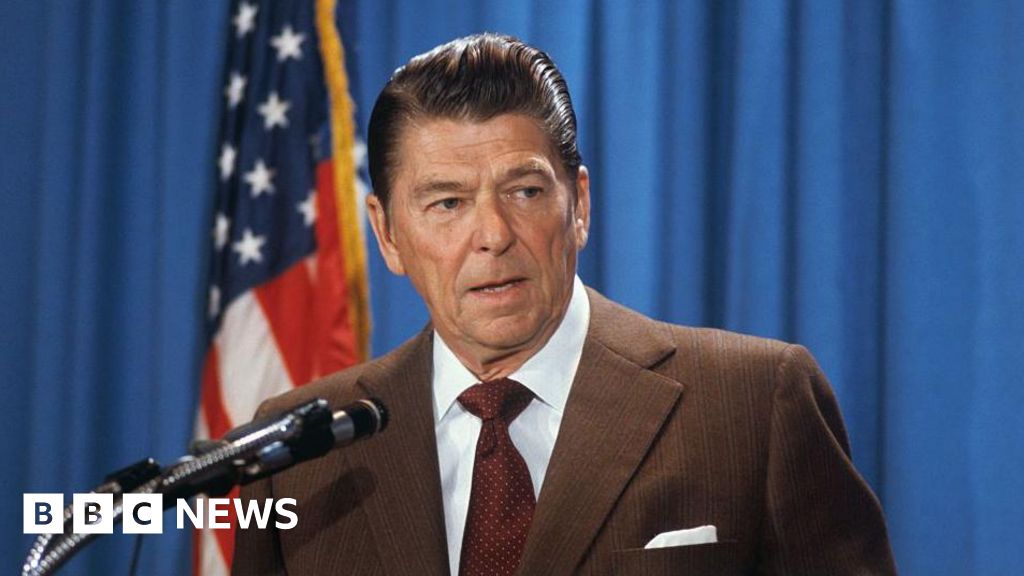
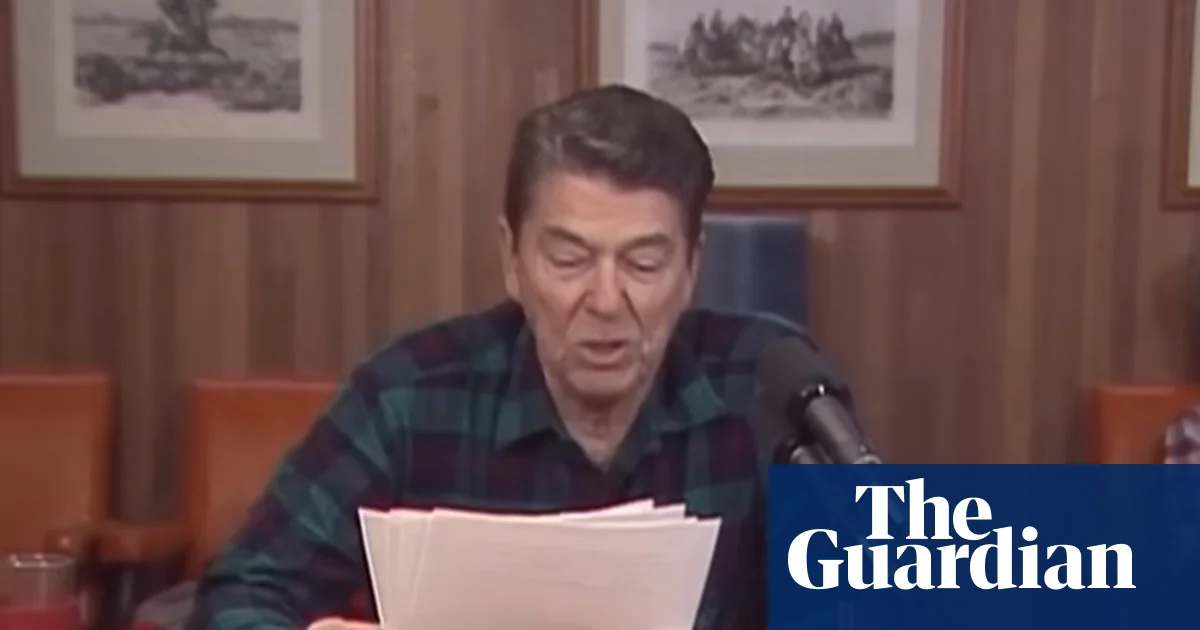
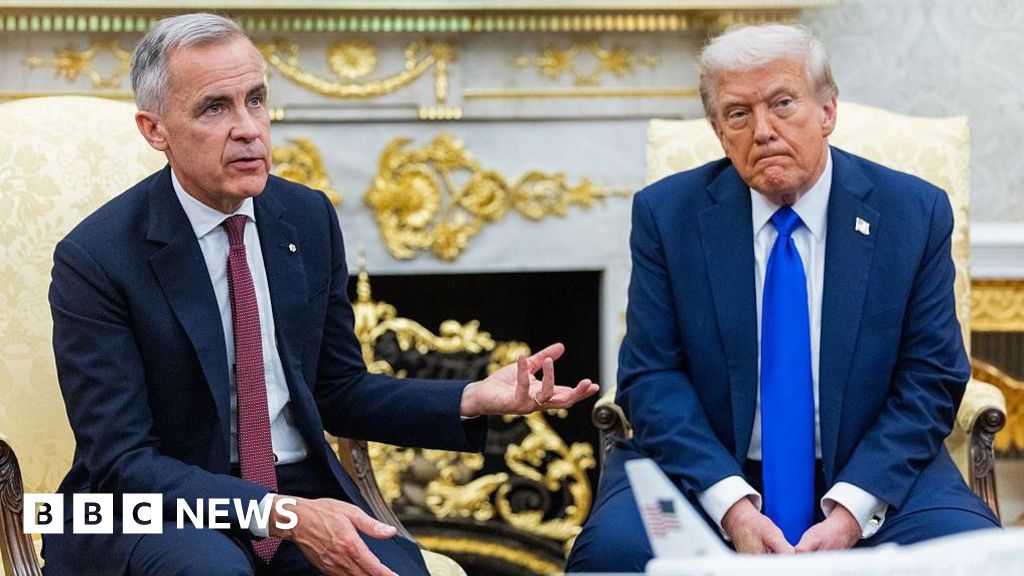
The recent escalation in trade tensions between Canada and the United States marks a significant turning point in international relations, highlighting the fragile nature of economic diplomacy in an era dominated by unilateral decision-making. The controversy began when the Ontario government ran a political advertisement featuring a historical speech by Ronald Reagan, emphasizing his stance that “trade barriers hurt every American worker”. The move, aimed at engaging US audiences on the impact of tariffs, unexpectedly ignited a diplomatic firestorm after Donald Trump responded with accusations of a “fraudulent” ad and, ultimately, the outright suspension of all trade negotiations with Canada. This sequence of events demonstrates how historical narratives can be weaponized in modern geopolitics, with repercussions that resonate far beyond the initial dispute.

The US-Canada trade relationship, long regarded as a cornerstone of North American stability, now faces an uncertain future. With the US imposition of 35% tariffs on Canadian steel, aluminum, and other key sectors, and Canada’s retaliatory measures, the economic fabric of both nations risks unraveling. Experts like Chris Sands, director of the Center for Canadian Studies at Johns Hopkins, warn that these developments could mark the cessation of meaningful negotiations. “Can we stop trade talks? Yes, but there was no evidence we were going anywhere anyway,” he notes, underscoring the perceived dead-end nature of current policy. The American move, fueled by political calculations amidst upcoming judicial hearings on presidential tariff authority, signifies a shift from Reagan’s ideals of free trade to a protectionist stance that threatens to destabilize the longstanding continental economic framework.

Moreover, this diplomatic breakdown occurs amid critical international deadlines. The scheduled review of the United States-Mexico-Canada Agreement in July 2026, coupled with U.S. Supreme Court hearings on Trump’s emergency tariff powers, underscores a pivotal moment for North American integration. The decision by the Canadian government to pivot towards building new partnerships in Asia reflects a broader strategy: diversifying economic reliance away from the tumultuous US market. As analysts observe, Canada’s stance is emblematic of a larger pattern—asserting sovereignty and safeguarding national interests against unpredictable American policies. Canada’s leadership now walks a tightrope, balancing domestic political pressure, regional unity, and its long-term strategic interests. These shifts will undoubtedly influence the global order, challenging established alliances and redefining how nations navigate shared economic destinies.

As history cast its long shadow over the present, the unfolding saga of North American trade relations raises a stark question: Will the echoes of Reagan’s optimistic free-trade vision be drowned out by the harsh realities of 21st-century protectionism? Or is this the beginning of a deeper reordering of global economic alliances? Only time will reveal whether these recent flashpoints are fleeting moments or the prelude to a fundamental transformation—where history’s lessons are either heeded or dismissed, and the world’s balance of power is reshaped by decisions made in moments of crisis. The weight of the future hangs heavy, as the pages of history continue to turn, writing a new chapter that will be remembered for generations to come.

Trump pulls out of Canada trade talks after anti-tariff ad controversy

US and Canada at Crossroads: Trade Tensions Ignite a New Global Crisis

The fragile landscape of international trade has once again been rocked by a provocative move from President Donald Trump, who declared an immediate halt to all negotiations with Canada following a contentious advertisement campaign. The ad, sponsored by the government of the Canadian province of Ontario, utilized audio excerpts of Ronald Reagan’s 1987 address to underscore a stark warning: tariffs harm American workers and economic stability. Trump’s swift denunciation of the campaign as “FAKE” and “egregious” signals a worsening of already tense relations, casting a shadow over the broader North American economic framework. As trade negotiations die on the vine, the geopolitical how decisions affect nations and societies becomes unmistakably clear: a trade war on the rise threatens to destabilize not only regional stability but also the global balance of power.

Analysts highlight how these moves are part of a broader pattern of challenging traditional trade agreements. Prime Minister Mark Carney has been tirelessly seeking to forge a deal that would ease the impact of U.S. tariffs—particularly those targeting Canadian goods. Yet, Ontario’s Premier Doug Ford, a vociferous critic of Washington’s tariffs—imposing a 50% levy on metals and 25% on automobiles—has openly threatened to retaliate, even suggesting cutting off power supplies to the U.S. This political tension exemplifies how doorway policies influence how societies adapt to economic pressure. The White House’s sector-specific tariffs have caused significant job losses and shrinking industries in Ontario, illustrating the tangible damage inflicted on middle-class livelihoods when geopolitical decisions prioritize protectionism over free trade. Such conflicts threaten to escalate further, raising the specter of a full-scale trade war that analysts warn could lead to economic fallout reminiscent of the early 20th century’s protectionist era.

Meanwhile, international organizations and historians are scrutinizing this modern crisis through the lens of history, with some cautioning that Trump’s aggressive stance risks reigniting Cold War-era tensions. The United States Supreme Court’s upcoming decision on tariffs’ legality looms large in this evolving narrative, potentially forcing Washington to reimburse billions collected from tariffs—an outcome that could undermine Trump’s signature economic policies. The Ronald Reagan Foundation has condemned the Ontario government for mishandling Reagan’s speech by “selectively editing” his words to serve political ends. This contentious use of history underscores how decisions in this moment could redefine diplomatic norms, and whether the legacy of Reagan, a symbol of free enterprise, can be warped into a tool of modern protectionism.

As China’s embassy in Washington indicates with similar propaganda efforts, the strategic use of historical figures and economic rhetoric underscores a broader global contest—a contest for influence, sovereignty, and economic leadership. The mounting tensions threaten to fracture longstanding alliances, pushing societies toward a pivotal choice: embrace the chaos of protectionism or rally back to the principles of free trade that once fostered unprecedented prosperity. The forces shaping this story are still unfolding, but the weight of history reminds us that the decisions taken in this crucible of geopolitical tension will resonate for generations. In the crucible of power struggles and economic brinkmanship, the world stands at a threshold, teetering on the edge of a new, uncertain chapter in history—where the echoes of Reagan and the audacity of Trump collide amidst rising tides of nationalism and global uncertainty.

US sanctions Russian oil firms after Putin talks stall

Washington Strikes at Russian Oil Giants in Push for Peace in Ukraine

In a bold move emblematic of its recent aggressive stance, the United States has announced new sanctions targeting Russia’s two largest oil companies, Rosneft and Lukoil. The aim is to leverage economic pressure to compel Moscow into abandoning its military campaign in Ukraine. Treasury Secretary Scott Bessent asserted that these measures are vital because these firms, which export approximately 3.1 million barrels of oil daily, serve as key funding sources for the Kremlin’s war effort. Analysts emphasize that these sanctions could considerably diminish Russia’s ability to sustain its offensive along Ukraine’s front lines, potentially reshaping the battlefield dynamic.

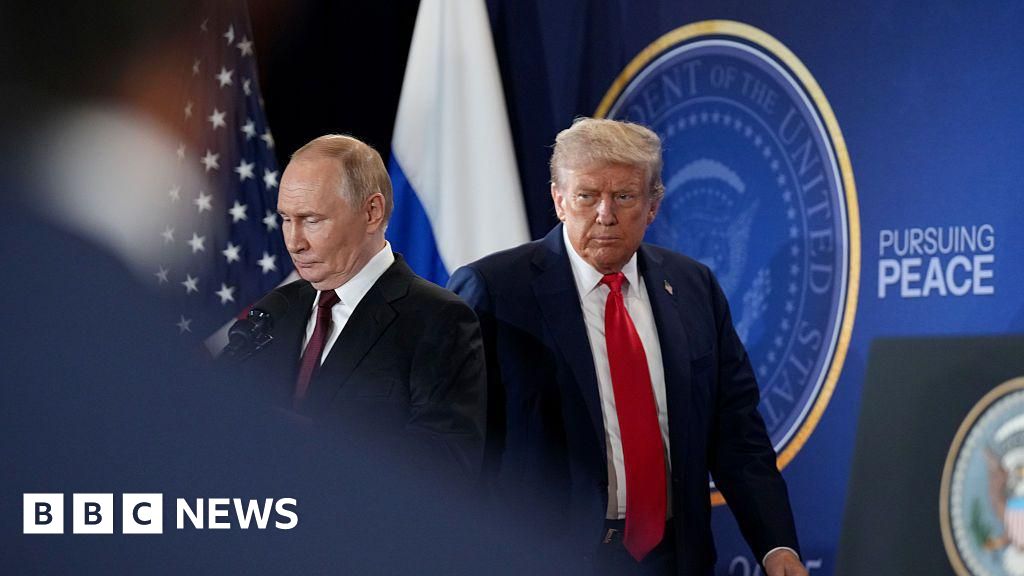
President Donald Trump articulated a firm hope that the sanctions will produce a diplomatic breakthrough, emphasizing that they are “tremendous” and could be swiftly revoked if Russia ceases hostilities. He expressed frustration with Vladimir Putin‘s reluctance to engage in honest peace negotiations, highlighting that despite numerous conversations, “they don’t go anywhere.” Meanwhile, European NATO allies and UK officials are rallying behind these efforts, with the UK announcing a similar sanctions package that aims to dismantle Russia’s energy capabilities and curb its economic influence.

However, Russia has responded with fierce rhetoric, condemning the sanctions as threats that could destabilize global fuel markets and harm developing economies. Putin’s government, through Russia’s embassy in London, has warned that targeting energy firms like Rosneft and Lukoil risks disrupting global supplies and escalating tensions further. According to estimates from the UK government, these oil giants are responsible for nearly half of Russia’s oil output—an integral part of the Kremlin’s economy, heavily dependent on energy exports to countries such as China, India, and Turkey. Historically, these nations have served as vital Russian economic partners, and any disruption to this trade could have profound geopolitical repercussions, challenging the Western narrative of economic strangulation as a tool of diplomacy.

Adding complexity to the scenario is the broader international effort to broker peace. The NATO allies and Ukraine have proposed a 12-point plan, seeking to freeze current front lines, recover deported children, and facilitate prisoner exchanges—all with an eye toward a future European integration for Ukraine. Turning points like these represent critical junctures where treaty diplomacy and military aid could determine the course of history. Yet, persistent tensions remain, especially as Russia refuses to back down, demanding the withdrawal of Ukrainian forces from the Donbas region. The Putin-led government views recent Western sanctions as part of a broader effort to weaken Moscow’s global standing and economic sovereignty—further fueling an already volatile geopolitical climate.

As history continues to unfold in this high-stakes struggle, the words of historians warn of the perils of miscalculated escalation. The decisions made today, driven by economic warfare, diplomacy, and military support, will resonate through generations. The clash over Ukraine is no longer merely a regional conflict but a definitive contest for influence between East and West. The world watches with bated breath, knowing that the coming months will solidify whether this crisis ushers in a new era of stability or plunges humanity into a path of unforeseen turmoil. In the shadow of shifting alliances and mounting pressures, the weight of history is poised to be written—each act shaping the legacy of an uncertain tomorrow.

Zelensky’s Push for Tomahawks Stalls in Talks with Trump

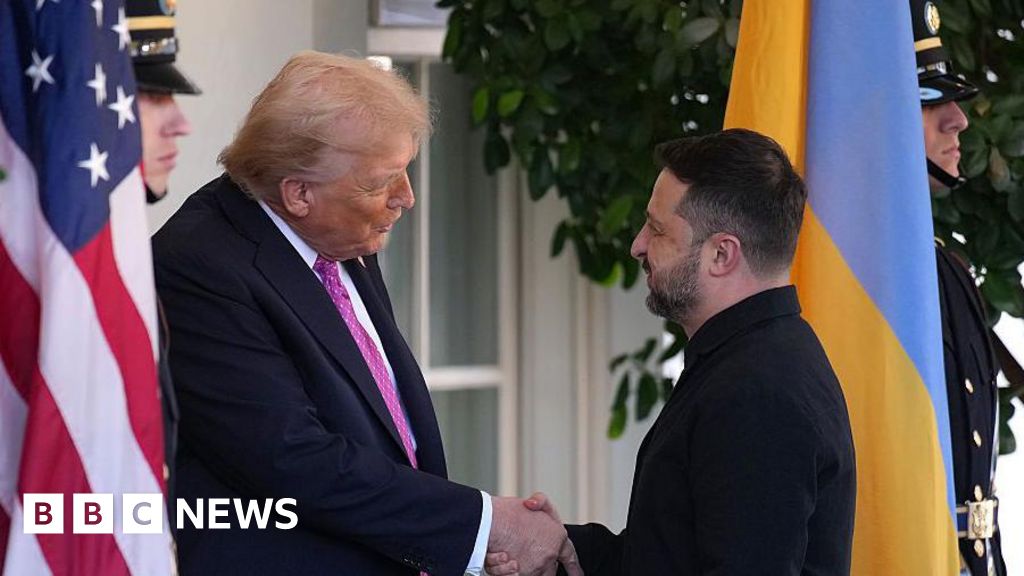
WASHINGTON D.C. has just witnessed a dramatic turn in the ongoing Ukraine crisis, as President Volodymyr Zelensky met with Donald Trump at the White House. The meeting signaled a tentative yet significant shift in US policy amid the persistent conflict between Ukraine and Russia. Despite Zelensky’s hopes for obtaining Tomahawk cruise missiles—a weapon he considers crucial for mounting a decisive blow to Russian energy infrastructure—the American administration under Trump made it clear that the supply of such long-range weapons remains off the table, at least for now. This decision underscores the delicate balance of geopolitical impact and how each move in this war influences not only the involved nations but also the broader international order.

In the wake of the White House meeting, Trump emphasized a cautious approach, citing fears of escalation and the need for diplomacy, even as he acknowledged the weapons’ strategic importance. Meanwhile, Zelensky suggested that using Tomahawks against Russian energy targets could significantly weaken Putin’s war economy, but left the door ajar for future negotiations. Trump, on social media, called for a halt to hostilities along the current frontline, while also engaging in discussions about a potential meeting with Russian President Vladimir Putin. The former US President’s outreach to Putin, coupled with his recent phone call with the Russian leader, exemplifies a shift towards transactional diplomacy, risking accusations of playing into the hands of Moscow’s strategic aims. Analysts warn that this cautious flexibility could either open pathways towards peace or deepen the complex web of mistrust among global powers.

International organizations and geopolitical analysts are closely monitoring the unfolding diplomacy that could redefine the conflict’s trajectory. Historians have pointed out that the history of Ukraine’s war has always been marked by pivotal moments—each decision carrying the potential to shift the balance of power. The joint call for a possible peace summit in Hungary and Trump’s assertion that “he believes Putin wants to make a deal” illustrate the ongoing game of brinkmanship, where overt threats and diplomatic overtures are wielded as tools in the larger strategy of influence and control. While Ukraine remains resilient on the ground, the international community grapples with the ramifications of whether this fragile pause can transform into genuine peace or if it is merely a prelude to further chaos.

In the background, the echoes of history reverberate as Ukrainian citizens, painfully aware of their suffering, cling to the hope that democracy and truth will eventually prevail. As Zelensky’s government watches diplomatic negotiations unfold, the looming question remains: will these decisions lead to a lasting peace or spiral into a broader confrontation? What is at stake is far beyond the battlefield; it is a battle for the soul of sovereign nations, for the principles of freedom and democracy amidst a world teetering on the brink of a new Cold War. The pages of history are turning, and the world holds its breath, knowing that the coming days may forge new alliances—and perhaps, reshape the very fabric of international diplomacy itself—setting the stage for a confrontation that could define this generation’s legacy for centuries to come.

Gaza Ceasefire Talks Hit a New Stage as US, Turkey, Qatar Step Up Diplomacy—Third Day of Critical Negotiations

The ongoing crisis in Gaza continues to escalate, drawing increasing international concern over its profound geopolitical impact and the ripple effects felt across the Middle East. Recent events revealed a renewed effort by Israel to enforce its naval blockade, intercepting a new Gaza-bound aid flotilla organized by the Freedom Flotilla Coalition (FFC). Days after the detention of activists aboard vessels attempting to deliver vital humanitarian supplies, Israeli forces reportedly jammed signals and boarded at least two boats, asserting that their actions had no legal jurisdiction over international waters. The coalition, a consortium of pro-Palestinian organizations, contends that these vessels carried over $110,000 worth of medical supplies, respiratory equipment, and nutrition intended for Gaza’s hospitals, which are overwhelmed amid the conflict—a harrowing reminder of the human cost of the blockade.

These maritime confrontations are far from isolated incidents. Just days prior, Israel intercepted approximately 40 vessels in an aid convoy, detaining more than 450 activists involved in the Global Sumud Flotilla. The persistent pattern underscores a growing international debate over Israel’s strict maritime blockade and its impact on the civilian population in Gaza. Critics, including some United Nations officials, argue that Israel’s tactics effectively suffocate a population already suffering from a UN-declared famine and displacement—with over 90 percent of Gaza’s residents displaced according to recent reports. Historians and analysts warn that the continued blockade, paired with widespread military actions, risks further igniting regional instability, especially as diplomatic efforts unfold behind closed doors in Egyptian resorts like Sharm El-Sheikh.

The diplomatic arena remains tense, with U.S., Turkey, and Qatar convening in what many perceive as a last-ditch effort to broker peace. Through indirect negotiations between Hamas and Israel, hosted in Egypt and based on a 20-point plan floated by Donald Trump, the international community’s hopes hinge on what some describe as a fragile window for peace. According to officials, the presence of strategic figures—like Qatar’s Prime Minister Sheikh Mohammed bin Abdulrahman Al Thani, Turkey’s intelligence chief Ibrahim Kalin, and Trump’s special Middle East envoy Steve Witkoff— underscores the high stakes involved. President Trump himself has expressed cautious optimism, stating that “there’s a real chance that we could do something,” emphasizing the importance of securing the release of Israeli hostages and ending the bloodshed.

However, the path toward stability remains paved with violence and disappointment. The anniversary of Hamas’s infamous 7 October 2023 attack, which resulted in over 1,200 deaths—primarily civilians—and the taking of hostages, serves as a stark reminder that conflict remains deeply entrenched. Israeli society commemorates this event with mourning and calls for action, even as some voices warn of the risks of surrendering sovereignty or strategic interests in the face of diplomacy. The global pressure to halt the violence grows, yet the battlefield’s scars deepen, with over 35 arrests reported in West Bank and East Jerusalem by Israeli forces, and hospitals in Gaza struggling to care for newborns denied necessary equipment because of denied transfers from evacuated facilities. Critics argue that Israel’s relentless military response and blockade exemplify a pattern of behavior that some human rights organizations describe as genocidal—a declaration supported by recent UN inquiries.

As history continues to unfold amid these tumultuous events, the weight of impending decisions remains heavy on the shoulders of international leaders. Each diplomatic move, each blockade, and each act of violence shapes a ripple through the geopolitical fabric of the Middle East and beyond. The fervent hope that peace might one day dawn over Gaza is a fragile glimmer amid the shadows of war and history’s relentless march, reminding us all that the story of this conflict is far from written—an enduring testament to a region where the next chapter could redefine the fate of millions.

US peace envoy and Trump’s son-in-law head to Egypt for Gaza talks

Gaza Tensions Escalate as International Powers Convene for Critical Peace Talks

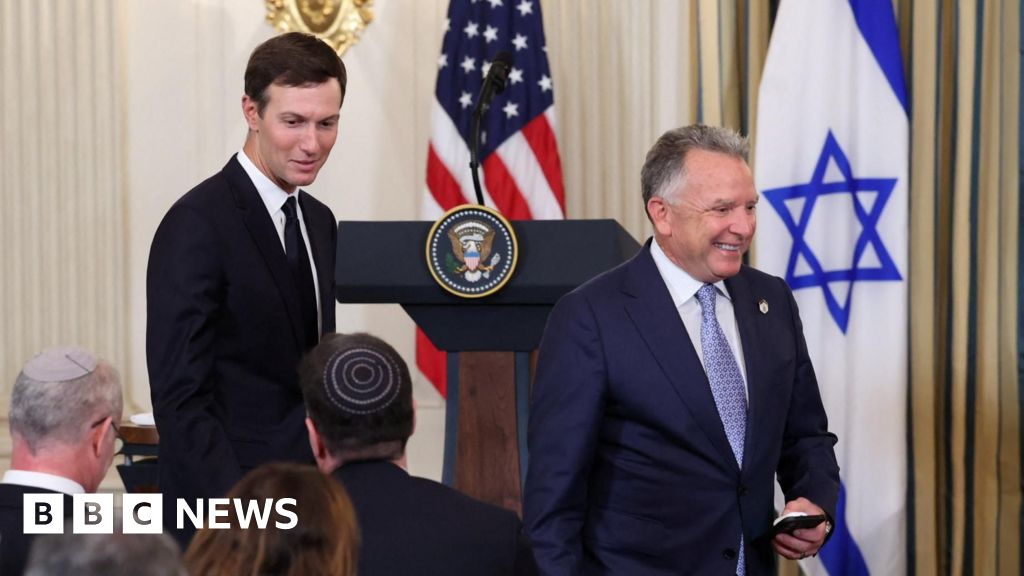
The ongoing conflict in Gaza has once again thrust the Middle East into global spotlight, as intense negotiations unfold amidst mounting casualties and political tensions. High-level diplomatic efforts are underway, with United States special envoy Steve Witkoff and Jared Kushner, President Donald Trump‘s son-in-law, heading to Egypt to join indirect peace talks involving Israeli and Hamas representatives. These talks, which aim to broker a ceasefire and address key issues such as hostage exchanges and humanitarian aid, come at a critical juncture in the region’s volatile history. The presence of mediators from Qatar and Turkey underscores the international recognition of the stakes involved, as regional and global actors seek to influence a resolution that could alter the geopolitical landscape for years to come.

Despite cautious optimism from some leaders, the talks have revealed deep divides. Israeli Prime Minister Benjamin Netanyahu has remained tight-lipped on the details but emphasized that Israel is in “fateful days of decision,” signaling that resolve to achieve war aims remains firm. Israeli objectives focus on the return of hostages, dismantling Hamas, and ensuring Gaza’s long-term security—an agenda that carries profound implications for regional stability. Meanwhile, Hamas negotiator Khalil al-Hayya insists the group is prepared for “serious and responsible negotiations,” demanding “real guarantees” that a sustained peace will follow. Such demands, coupled with Israel’s uncompromising stance, highlight the formidable challenges mediators face as they attempt to narrow gaps and forge a sustainable deal.

Global Reactions and the Broader Impact on International Stability

  • UN Secretary General António Guterres has described the situation as a “historic opportunity” to bring an end to decades of conflict, urging all parties to seize on the current diplomatic window.
  • Meanwhile, analysts and historians warn that failure in these negotiations could plunge the region into further chaos, possibly escalating into broader regional conflicts or even drawing in external powers.
  • Significantly, the international community remains divided: while some leaders see peace as imperative, others—particularly within Iran and radical factions—continue to endorse a more aggressive stance, complicating efforts for reconciliation.

The geopolitical impact of this ongoing crisis extends beyond immediate casualties; it threatens the very fabric of international order. The delicate balance of regional alliances, the role of convening global institutions, and the policies of powerful nations remain locked in a tense standoff. As historians warn, the outcome of these negotiations could define the geopolitical boundaries of the Middle East for generations—keeping a fragile peace as elusive as ever. With casualties mounting, territories destabilized, and the shadows of past conflicts looming large, the question persists: will diplomacy prevail, or will this be the chapter where history’s darkest days are renewed? The world watches as history writes itself, with each decision holding the weight of countless futures yet to be realized.

Israelis commemorate 7 October, pushing for Gaza peace talks to move forward

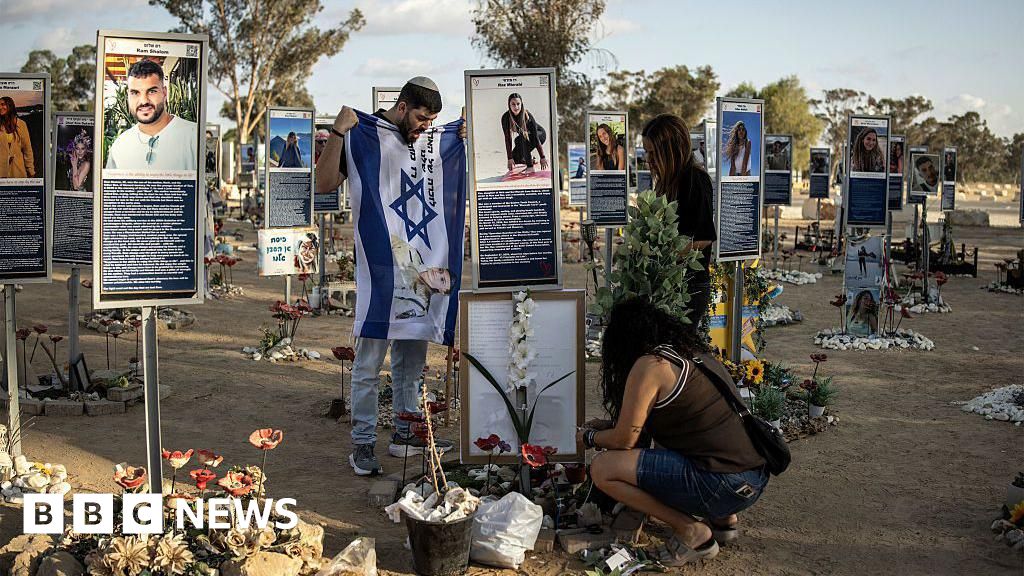
The recent anniversary of the October 7, 2023, Hamas-led attack on Israel underscores a pivotal moment in the ongoing Middle Eastern crisis, which has now entered its second year with devastating consequences. Over 1,200 lives were lost in the initial assault—marked as the deadliest day for Jews since the Holocaust—prompting an unprecedented military response by Israel. The Israeli military’s onslaught on Gaza has resulted in the deaths of more than 67,000 civilians, according to figures from Hamas-controlled health authorities, a grim statistic that echoes through international corridors and is validated by organizations like the UN. As imbued with grief and resolve, Prime Minister Benjamin Netanyahu declared that Israel’s resilience remains unbroken despite the immense pain, vowing to achieve the war’s primary aims: the return of hostages, the eradication of Hamas’s regime, and ensuring Gaza’s inability to threaten Israel again.

  • Amid ongoing bloodshed, Egyptian-mediated negotiations in Sharm el-Sheikh have been a rare glimmer of diplomatic effort, aiming to forge a ceasefire and an end to the violence. However, reports indicate that these talks are “tough” and lacking tangible breakthroughs, with disagreements centered on the Israeli withdrawal from Gaza and the guarantees Hamas seeks against renewed hostilities. The stakes reach far beyond the battlefield, as regional and global actors anxiously watch for signs of de-escalation or escalation.
  • The United Nations and international analysts emphasize the _urgent need_ for a sustainable peace plan, with Trump’s peace initiative being touted as a “historic opportunity.” Yet, the complexities of trust, security, and sovereignty render these diplomatic efforts fragile. The US‘s involvement, alongside Arab mediators and European powers, underscores how this conflict continues to threaten regional stability and influence foreign policy calculations across continents.

Official memorials in Israel were postponed to reflect on the tragedy of 2023, yet communal mourning persists. Across the country, including in Tel Aviv, families and citizens gathered to honor those lost, highlighting a society deeply scarred yet fiercely resilient. Meanwhile, in the diplomatic arena, indirect talks in Egypt reveal a divided front, as disagreements over Gaza’s future governance, the fate of hostages, and the humanitarian crisis persist. Palestinian officials report that negotiations are mired in “tough” disagreements, especially over Israeli troop withdrawals and guarantees against renewed fighting. The involvement of prominent US figures like Jared Kushner suggests a renewed American interest in facilitating a lasting peace—a goal that remains elusive yet critical given the history of broken treaties and promises.

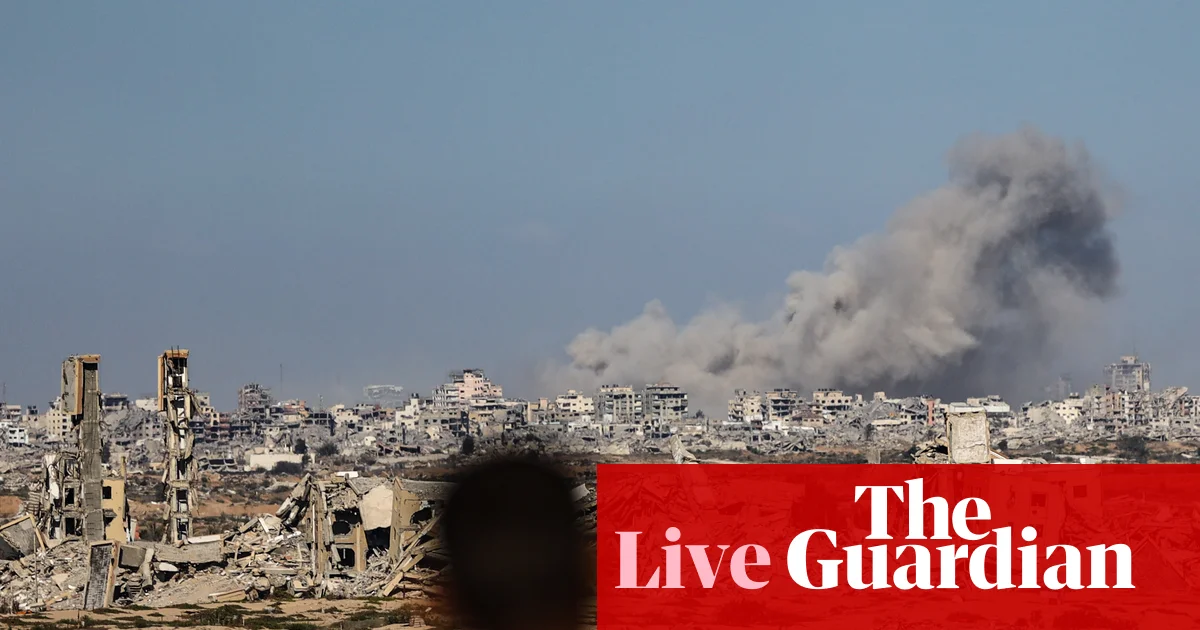
In Gaza, the relentless Israeli bombardment persists amidst dire humanitarian conditions. Hospitals depleted, civilians displaced and desperate, the war’s toll is evident: children buried in rubble, families hiding from the deafening echoes of artillery, and a world watching with tense anticipation. The loss of life, reported by local health authorities and confirmed with difficulty by independent outlets, paints a stark tableau of suffering. As Israel continues its operations and Gaza’s hospitals reach collapse, the international community—particularly European and Arab nations—faces mounting pressure to intervene, prevent further humanitarian catastrophe, and craft an end to this cycle of violence that threatens to redraw the geopolitical map of the Middle East.

As history unfolds, the weight of this moment presses heavily upon all involved. The conflict remains a testament to the tragic consequences of unresolved grievances, failed diplomacy, and radicalized ambitions. The echoes of this harrowing chapter will reverberate through generations, a stark reminder that in the sands of Gaza and the streets of Jerusalem, the quest for peace remains a perilous pursuit—a fragile thread woven through the tapestry of history, where the next chapter is yet unwritten and the world holds its breath for what is to come.

Gaza Peace Talks Continue as Trump Calls Deal ‘Really Good’ Chance for Progress

The Middle East remains at a pivotal crossroads, with recent developments in Gaza signaling both a potential shift in conflict dynamics and a test of international diplomacy. As Israel ratchets up its offensive in Gaza City, the international focus has shifted toward indirect negotiations aimed at forging a durable peace, with the U.S. peace plan emerging as a central, yet contentious, element of this process. The upcoming talks in Sharm El-Sheikh are crucial, as they seek to create the “field conditions” necessary for an exchange—one that could see hostages released and relative calm restored for the first time in months.

Leading this diplomatic push are influential figures like Donald Trump and **Israeli Prime Minister Benjamin Netanyahu**, who have expressed optimism about the possibility of an agreement. Trump, now a key envoy in the negotiations, publicly stated that the first phase of the peace effort—focused on the release of hostages—”should be completed this week,” indicating a real sense of urgency. Analysts and historians warn, however, that such optimistic rhetoric often masks deeply entrenched issues, particularly Hamas’s refusal to accept the plan’s **disarmament** clause and its insistence on remaining part of Gaza’s governance. Meanwhile, Palestinian factions and regional actors—especially **Qatar** and **Egypt**—are playing critical roles, facilitating shuttle diplomacy that is seen as essential given the profound mistrust between Israel and Hamas.

The geopolitical impact of these negotiations is profound. If successful, they could serve as a blueprint for a broader peace settlement—potentially reshaping societal relations and regional stability. Yet, the balance remains delicate. Israel’s security concerns persist, especially regarding Hamas’s future role, which remains a sticking point. Hamas’s statement indicated willingness to release all Israeli prisoners, both living and dead, but avoided addressing its disarmament—raising doubts among critics that foundational issues might plunge the talks into failure. International organizations such as the United Nations have called for restraint, with Secretary-General Antonio Guterres warning that the opportunity presented by Trump’s initiative “must be seized” to prevent further tragedy. Conversely, opponents argue that the peace plan, especially with its concessions, risks rewarding continued militant influence while failing to address broader issues of Palestinian sovereignty, thus challenging existing international norms.

As the conflict’s toll continues to climb—over 67,000 killed in Gaza alone, including thousands of children—the regional and global repercussions grow ever more urgent. Countries such as the United Kingdom and regional powers are now openly supporting the U.S. efforts, yet skepticism remains. Critics warn that history repeatedly demonstrates how fragile ceasefires and peace agreements can be, especially in a context where past promises have been broken and trust remains elusive. The voices of analysts like *Benny Morris* and *Rashid Khalidi* echo warnings that the deeper issues—like the status of Palestinian sovereignty, disarmament, and the future governance of Gaza—must be resolved for peace to hold. Otherwise, the cycle of violence threatens to erupt again, possibly even more devastating than before. As the world watches anxiously, the story of Gaza continues to unfold—each negotiation, each development, adding a new chapter to a conflict that Western leaders and regional stakeholders alike consider among the most complex and perilous the modern era has faced.

Gaza Talks Stall: The Main Obstacles Uncovered

Shifting Tides in the Middle East: A Fragile Peace?

In what could be seen as a rare glimmer of diplomacy amidst relentless conflict, negotiators from Israel and Hamas are converging in Sharm El-Sheikh, Egypt, to negotiate an end to over two years of brutal fighting in Gaza. This development marks the closest both sides have come to reaching an agreement since hostilities erupted, marking a noteworthy, if fragile, diplomatic opening. The talks are primarily centered around Trump’s 20-point peace plan, a relatively concise framework that posits key issues such as hostage release, disarmament, governance, and troop withdrawal. Although the plan has garnered initial acceptance from both parties, it is clear that significant hurdles remain, with core disagreements threatening to derail negotiations altogether.

The plan’s most immediate and pressing aspect involves the release of hostages. Trump’s framework stipulates that all remaining captives be released within 72 hours of an agreement, a move that could significantly de-escalate tensions if fulfilled. Reports suggest that approximately 48 Israeli hostages remain in Gaza, with at least 20 believed to be alive, providing a potent bargaining chip for Hamas. Israeli Prime Minister Benjamin Netanyahu has expressed optimism, hinting that the hostages might be freed before the Jewish holiday of Sukkot—a gesture that could serve as a pivotal breakthrough in rebuilding trust. However, Hamas’s historical reluctance to relinquish its leverage complicates this, as the group has conditioned its willingness to release hostages on other concessions. The distrust between the two sides is palpable, exacerbated by recent Israeli military actions, including an attempted assassination of Hamas’s negotiating team in Doha, which only deepened the gulf of animosity and skepticism.

The core of many disagreements lies in the issue of Hamas’s disarmament. Israeli leaders, led by Netanyahu, remain steadfast in their demand for the group’s total disarmament, insisting that Gaza be demilitarized. Hamas, meanwhile, maintains that it will not relinquish its weapons unless a Palestinian state is officially established—a stance that signals entrenched positions and little room for compromise. Western analysts, including those at the International Crisis Group, warn that such intractable viewpoints threaten to prolong the conflict indefinitely. This unresolved dispute over disarmament directly impacts the geopolitical landscape, as it influences the potential for a broader regional escalation or stability in the Middle East.

The plans also outline a possible future governance structure for Gaza, moving away from Hamas’s control toward a temporary coalition of Palestinian technocrats supervised by a “Board of Peace,” purportedly led by Donald Trump. The ultimate goal, according to the framework, is to transfer governance to the Palestinian Authority (PA). Yet, despite Netanyahu publicly endorsing the plan, there is internal resistance, especially within Israel’s ultranationalist factions. Many hardliners oppose the relinquishment of Gaza, advocating for continued control or even reconstructions of Jewish settlements. This internal division underscores the political volatility that looms over any peace agreement, showing how domestic political calculations directly influence international diplomacy. The situation remains precarious, with some experts warning that any delay or breakdown could lead to renewed hostilities, casting a shadow over the region’s stability.

Finally, the question of Israeli troop withdrawal remains one of the most contentious issues. The plan envisions a staged withdrawal, with approximately 55% of Gaza potentially remaining under Israeli control until “proper security” is assured. Such a phased approach reflects the uncertainty and risks involved in de-escalation, as authority over Gaza’s borders and the threat of resurgent terrorism persist. Internationally, this plan is watched with a mixture of cautious optimism and grave concern, considering the possibility that unresolved issues might ignite the very chaos it seeks to resolve. Historians and geopolitical analysts warn that the present negotiations could be a fleeting chance—one that history might judge either as the beginning of a lasting peace or the prelude to another cycle of violence.

The unfolding story in Gaza is a testament to the complexity of international diplomacy—a tangled web of hopes, fears, and entrenched interests. As leaders push forward amid a landscape fraught with mistrust and conflicting narratives, history’s ink threatens to record this moment as either a step toward stability or a catalyst for renewed chaos. With each handshake and each failed promise, the weight of history presses ever heavier on the shoulders of those tasked with forging tomorrow’s peace—or condemning the region to yet another chapter of suffering.

Gaza Ceasefire Talks Under Way as Israeli Airstrikes Persist Amid Egypt Negotiations

Gaza Conflict and the Shifting Geopolitical Landscape: A New Chapter Unfolds

The ongoing crisis in Gaza remains a defining moment for international geopolitics. As Israel continues its airstrikes, the diplomatic landscape shifts toward fragile negotiations titled to reshape the Middle East. The recent escalation, marked by relentless Israeli bombardments in Gaza, has seen the death toll rise, with Palestinian news agencies-reporting at least 24 fatalities within 24 hours, and several others wounded. Despite international pleas—such as from U.S. Secretary of State Marco Rubio urging a halt to military actions to facilitate hostage negotiations—conflict persists with devastating consequences for civilians.

This crisis is not isolated; it is a theater in a complex chess game involving global powers. The US and Egypt are spearheading talks, with the announced indirect negotiations aiming at a ceasefire. These diplomatic efforts are a critical juncture in Middle Eastern history, with analysts warning that the decisions made now will resonate for generations. The involvement of Egyptian President Abdel Fattah al-Sisi, who praised Donald Trump’s proposed peace plan, signifies the shifting alliances. Al-Sisi’s remarks—describing Trump’s initiative as “seeking a ceasefire after years of war, genocide, and suffering”—highlight a rare moment of regional consensus on the potential for peace, albeit fragile and fraught with the specter of wider escalation.

The Trump 20-Point Peace Plan: A Controversial Blueprint for Gaza

  • The plan envisions Gaza as “a de-radicalized terror-free zone” that does not threaten its neighboring states, a stark deviation from the past visions of occupation or annexation.
  • It proposes that Gaza’s population could remain in situ, with those wishing to leave permitted to do so, thus avoiding mass displacement—a contentious point among various political factions.
  • Once hostages—expected to include both living and deceased—are released, the plan advocates the granting of amnesty for Hamas members willing to accept peaceful co-existence, renounce weapons, and disarm—an approach that has drawn both cautious optimism and fierce criticism.
  • Notably, the plan leaves unresolved the future of Palestinian statehood, instead emphasizing “interfaith dialogue” to foster tolerance.

While some, including Israeli Prime Minister Benjamin Netanyahu, have accepted the framework, skeptics warn that the plan’s exclusions—particularly its failure to address Palestinian sovereignty—may undermine its long-term viability. Internationally, voices from analysts such as Kenneth Roth, former head of Human Rights Watch, caution that procedural agreements in such volatile contexts may serve as mere ceasefire placeholders rather than pathways to lasting peace. Meanwhile, opponents argue that “giving a blank check” to Israeli military actions cedes ground to hardline factions seeking maximal territory or dominance.

Global Implications and the Price of Hesitation

The eastward movement of diplomatic efforts underscores a broader geopolitical shift. Countries like Qatar and Egypt, traditionally mediators, find themselves at a crossroads: support for peace plans like Trump’s depends heavily on regional stability and their strategic interests. The involvement of figures like Tony Blair, heading an international board overseeing Gaza’s redevelopment, amplifies the broader role global institutions aim to play in shaping a new Middle East order.

Yet, history demonstrates that such moments are often fleeting and deceptively fragile. As the world looks on, the silent victims—the innocent civilians caught in the crossfire—serve as stark reminders that the path toward peace is perilously narrow. The future of Gaza, and indeed the entire Middle East, remains a delicate balance of diplomacy, power, and unresolved conflict. With each geopolitical move, history’s pen records another chapter—its ink shaped by decisions that will echo through the generations, and its final outcome still unwritten amidst the chaos and hope of a complex war-torn region.

Social Media Auto Publish Powered By : XYZScripts.com