Matox News

Truth Over Trends, always!

Israel launches major air strikes across Lebanon amidst mounting tensions

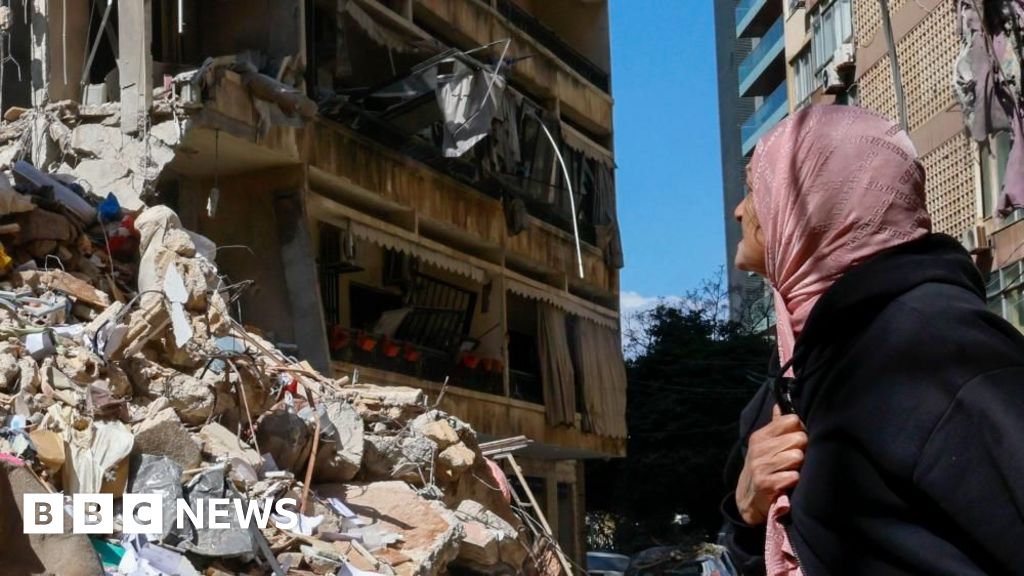
In a significant development amidst the ongoing turmoil in the Middle East, Lebanon has taken a notable turn in its approach to the conflict with Israel. President Joseph Aoun, a respected former army chief, explicitly rejected the option of employing force to manage the rising tensions, emphasizing instead the importance of restraint. His cautious stance was driven by the hard-earned lessons from past regional conflicts, where escalation often led to widespread violence and suffering. This approach aligns with broader international calls for de-escalation, yet the situation remains fragile, with undercurrents of instability that threaten to spill over into wider regional conflict.

The Lebanese government, in a move that caught global attention, declared a willingness to engage in direct negotiations with Israel—a nation with which they have no formal diplomatic relations and whose existence Lebanon remains vigilant over. This historic announcement signals a potential shift in regional diplomacy; it underscores the recognition among Lebanese authorities of the disastrous consequences of ongoing hostilities and the need for political solutions. However, Israel has so far dismissed this overture, refusing to acknowledge or respond to the offer. This deafening silence further complicates the peace process and underscores the challenges faced by international mediators attempting to broker stability in a deeply divided region.

International analysts and historians are closely watching these developments, noting that the decision to negotiate directly with Israel marks a significant departure from Lebanon’s previous posture of hostility and strategic ambiguity. Political experts argue that it reflects a broader realization among Lebanese leaders of the strategic costs inflicted by continued conflict—costs that resonate deeply within Lebanese society, which bears the brunt of economic collapse and social dislocation. Yet, the absence of a reciprocal response from Israel serves as a reminder that peace remains elusive, with entrenched mistrust and ideological divides complicating diplomatic efforts. As UN analysts warn, such intransigence could prolong regional instability, pulling neighboring countries into a destructive cycle that hampers development and threatens global peace.

The geopolitical impact of this evolving situation cannot be understated. Lebanon’s initiative hints at a possible paradigm shift—an acknowledgment by some regional actors that strategic conflict may no longer serve their long-term interests. However, the broader regional landscape is rife with competing interests, external influences, and unresolved grievances. The persistent presence of militias, the shadow of Syria’s ongoing civil war, and Iran’s influence all weigh heavily on Lebanon’s prospects for peace. How these decisions impact societies, economies, and even future generations depends on whether stakeholders recognize the dire stakes and push towards diplomacy or succumb to the inertia of hostility.

This unfolding chapter in Middle Eastern history carries with it a sense of foreboding—an awareness that the decisions taken today will echo through decades to come. As the world watches this fragile attempt at diplomacy unfold amid a backdrop of conflict and distrust, the weight of history presses upon the shoulders of leaders and nations alike. Will they seize this moment to steer away from the destructive path of war, or will they allow the scars of the past to deepen, leaving future generations to inherit a region still scarred and divided? Only time will reveal whether these tentative steps toward peace serve as the dawn of a new era or the last gasp before chaos engulfs the region once more.

New Zealand Urges US for Fuel Tankers to Support Pacific Amid Iran Tensions

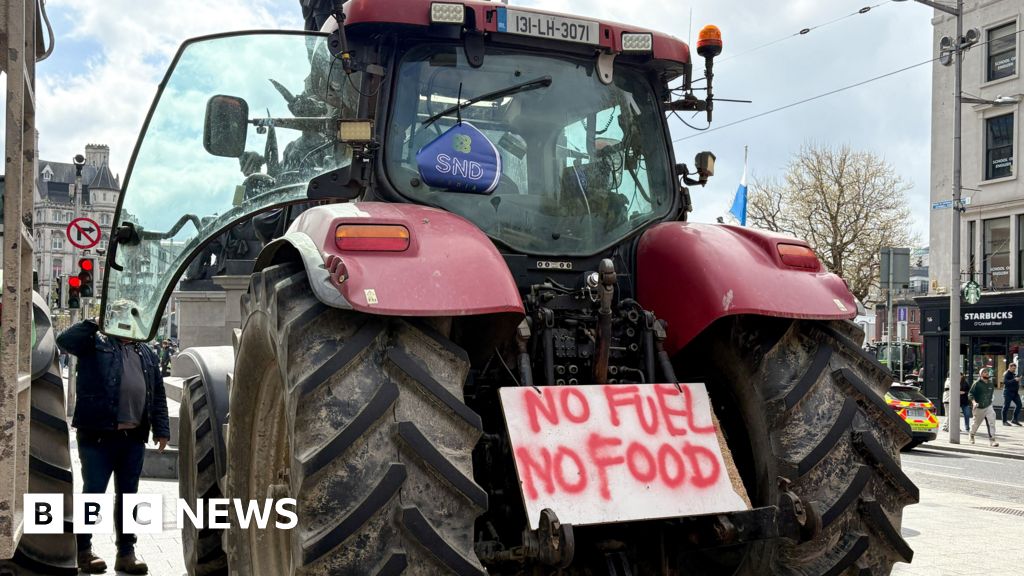
The escalating conflicts in the Middle East are exerting unprecedented pressure on regional economies, prompting a diplomatic response that could reshape the geopolitical landscape of the Pacific. New Zealand, a nation long regarded as a middle power with a cautious approach to international alliances, has called on the United States to deploy fuel tankers to alleviate the pressing fuel shortages impacting Pacific island nations. This development underscores a broader geopolitical shift, illustrating how small nations are now actively engaging with global superpowers to safeguard their economic futures amid turbulent times. Meanwhile, the US seeks to avoid escalation in Iran after diplomatic efforts led to a temporary ceasefire, reflecting how interconnected global security is becoming.

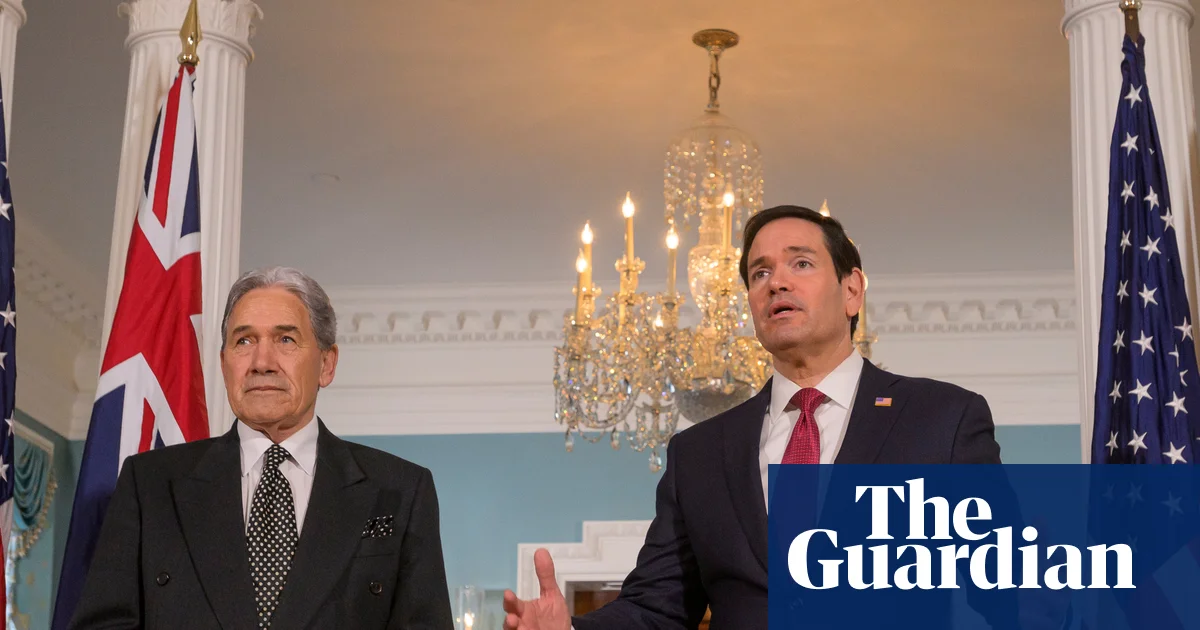
During a high-stakes meeting in Washington, Winston Peters, New Zealand’s foreign minister, explicitly highlighted how the war’s ripple effects threaten the stability of the entire Pacific region. He stressed that the war’s economic fallout is not confined to the Middle East but extends to Pacific nations heavily dependent on imported fuel.

  • The Pacific island nations, such as Samoa and Tonga, have already expressed their fears over potential fuel shortages, with leaders appealing for international assistance.
  • New Zealand has taken the initiative to lobby for emergency fuel supplies, requesting the US to prepare ancillary tankers—a move that could set a precedent for regional cooperation in crisis management.

Such requests expose the vulnerabilities of a region that, historically, has relied on external suppliers for critical resources. The geopolitical impact of this shift is profound; Washington’s response will not only influence regional stability but may also serve as a test of its commitment to its allies amidst an era of strategic retrenchment.

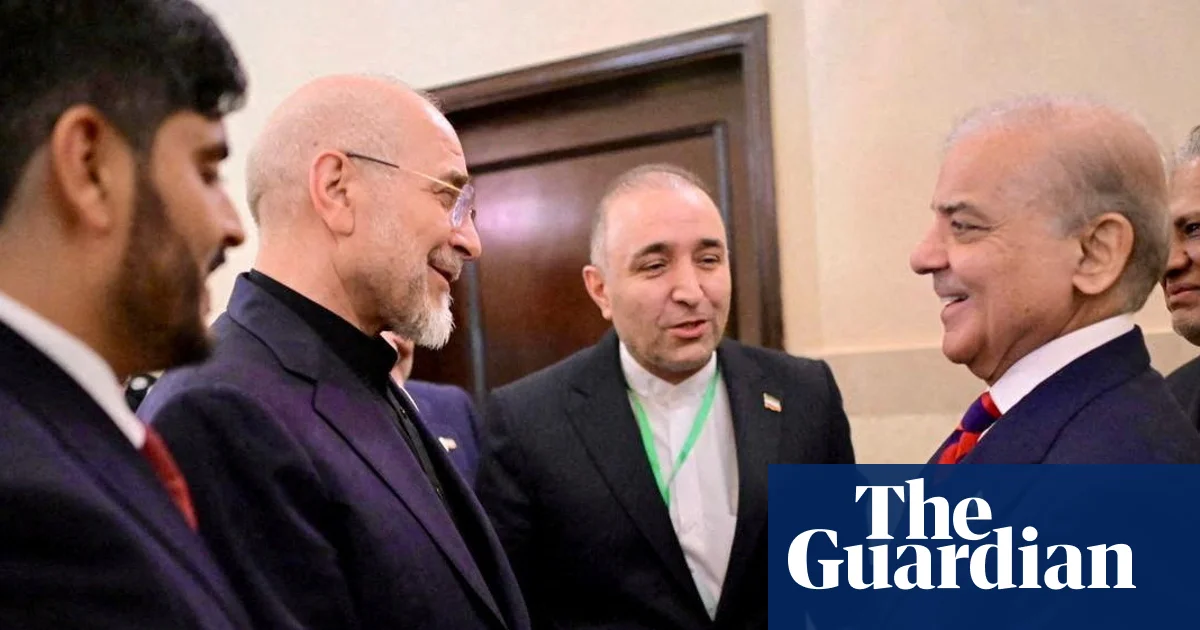
Adding further complexity, the recent diplomatic breakthrough between US and Iran, facilitated by Pakistan, demonstrates the delicate balance of global diplomacy. While a two-week ceasefire may suggest a temporary thaw, the implications reverberate far beyond the immediate conflict zone. Some analysts warn that such short-term measures mask deeper geopolitical rivalries and could reset the clock for renewed conflict, especially considering the US president’s overt threats against Iran—warnings pointedly dismissed by officials like Peters as reckless. This international subplot exemplifies the precariousness of current diplomacy: fragile agreements that could quickly unravel, dragging the Pacific and beyond into further instability.

As New Zealand and its Pacific neighbors brace for economic shocks, their reliance on external powers places them at a geopolitical crossroads. Countries in the Pacific are increasingly caught between major influences—be it the US, China, or regional actors—and must navigate this shifting terrain with adept diplomacy. The stakes are high: economic lifelines hinge on international cooperation, but the broader picture signals that the era of relative regional stability may be giving way to a new chapter of strategic contestation. History is still being written through these pivotal moments—each decision, each alliance, shaping the future of a region and the world at large, in ways that could echo for generations to come.

Urgent Calls for Ceasefire as Tensions Rise: US and Iran on the Brink of Conflict

In what appears to be a critically pivotal moment in Middle Eastern geopolitics, negotiations for a potential ceasefire over the ongoing five-week-old conflict are underway, yet the prospects remain uncertain amidst escalating rhetoric and military actions. Proposals from mediators including Pakistan, Egypt, and Turkey advocate for suspension of hostilities and reopening the vital Strait of Hormuz, a strategic waterway through which a significant portion of the world’s oil exports pass. These efforts aim to pave the way for comprehensive peace negotiations, but tensions flare as Washington and Tehran exchange ultimatums that threaten to deepen the crisis. Specifically, Donald Trump has issued a stark warning: open the Strait of Hormuz by Tuesday or face targeted strikes on Iran’s power infrastructure and critical bridges. Such aggressive rhetoric underscores the volatility of the current diplomatic landscape and what analysts warn as a potential trigger for broader regional conflict.

The Iranian government remains resolute, refusing to open the strait under immediate threats, citing fears of renewed US and Israeli attacks. Iranian officials have privately responded but maintain that peace negotiations cannot be carried out under “ultimatums and threats of war crimes,” as stated by Esmaeil Baghaei, Iran’s foreign ministry spokesperson. Iran also warns of a “much more devastating” retaliation should escalation occur. Meanwhile, Israel has visibly escalated its military efforts, claiming responsibility for recent strikes on Iran’s South Pars petrochemical complexes—facilities responsible for approximately 85% of Iran’s petrochemical exports. These strikes, announced publicly by Israel Katz, indicate a relentless campaign aimed at crippling Iran’s economic lifeline, raising concerns about a spiraling regional war. Such actions have already sent ripples through oil markets, with Brent crude futures dipping temporarily, hinting at global economic ramifications of the ongoing conflict.

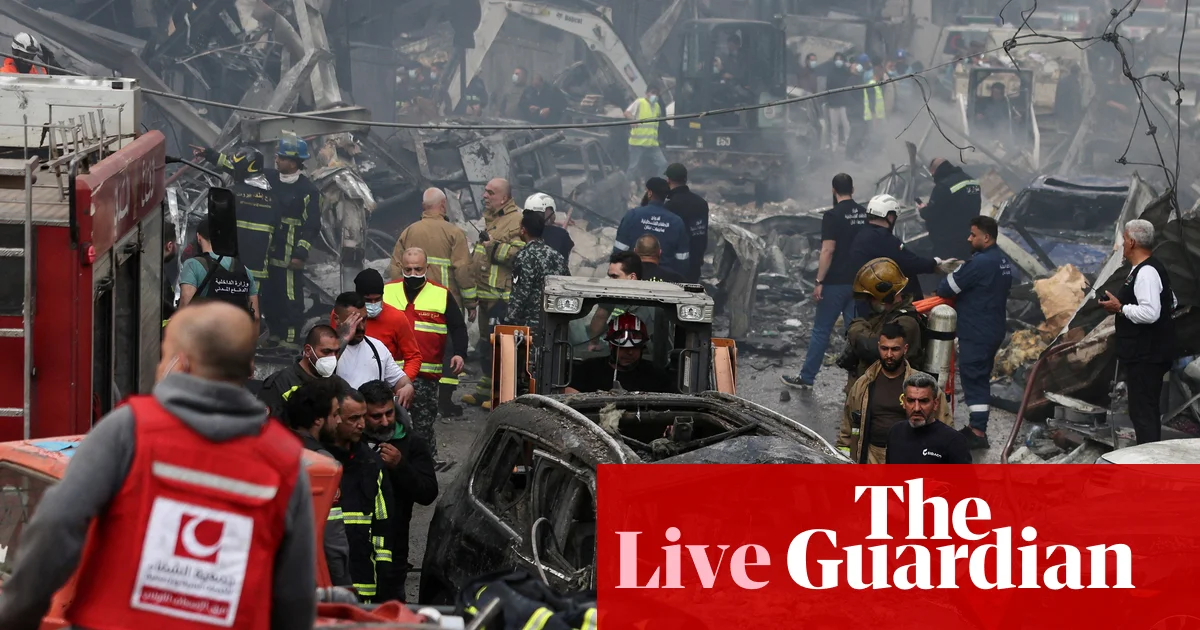
International actors are deeply involved in tracking shifts in this potential flashpoint. Historians and geopolitical analysts warn that the current standoff risks breaking the fragile balance of power in the Middle East. The involvement of Pakistan’s military, in contact with the US vice-president, and Trump’s envoy’s dialogue with Iran’s foreign minister reflect an intricate web of diplomacy trying to prevent full-scale war. Yet, the recent assaults extending to Lebanon—with Israel bombing Hezbollah strongholds and killing civilians—underline how regional alliances and enmities are fueling wider chaos. As Lebanese and other Middle Eastern societies face devastating repercussions, the question lingers: will diplomacy prevail or will this escalation plunge the region into a broader conflict that could reshape global power dynamics? With each day’s passing, history’s weight thickens, leaving the world on the edge of an unpredictable chapter that could redefine the balance of power for generations to come.

Middle East Tensions: Tehran Warns Trump on Hormuz, Israel’s Role in US Crew Rescue Unveiled

Turning Points Amidst Escalation in the Middle East

The Middle East is once again becoming the epicenter of international tension, with recent events signaling a dangerous escalation that holds profound geopolitical implications for nations worldwide. From Iran’s vengeful strikes to US and Israeli military actions, the entire landscape of regional security is shifting dramatically. The decisions and actions of global powers continue to ripple across societies and economies, making this an epochal moment in modern history.

Iran’s parliamentary speaker Mohammad Baqer Qalibaf sharply condemned Donald Trump’s threats targeting regional energy and transport infrastructure, asserting that the US is being misled by Benjamin Netanyahu. As tensions mount, Iran’s defense posture has become increasingly aggressive, warning of “much more devastating” retaliation if the US proceeds to attack civilian targets. These warnings underscore the delicate balance of power in the Gulf, where any miscalculation could escalate into broader conflict. International analysts argue that Iran’s recent missile attacks on petrochemical facilities across Kuwait, Bahrain, and the United Arab Emirates are a stark signal that their capacity for damage remains potent, complicating diplomatic efforts.

The United States, under the provocations of President Trump’s incendiary comments, has doubled down on threats to intervene directly in Iran’s waterway, especially the strategic Strait of Hormuz. Trump’s coarse language on social media, calling for the Strait to be opened or risking “living in Hell,” reveals a reckless posture that global leaders and institutions have condemned. The International Maritime Organization has warned of the potential for catastrophe if the Strait remains closed, endangering global oil supplies and economic stability. Meanwhile, Iran’s response has been escalatory, with drone and missile strikes extending to key Gulf nations and an Iranian vessel at Dubai’s Jebel Ali port targeted by revolutionary guards. Such actions threaten to disrupt global energy markets, with crude oil prices opening higher in response, signaling investor fears about an impending conflict that could destabilize global markets for years to come.

Regional Conflagration: Israel’s Military Operations and Political Ramifications

Israel’s military has reported intercepting missiles launched from Iran, with alerts prompting civilians across southern regions to seek shelter. The recent strike on a residential building in Haifa resulted in fatalities and injuries, a stark reminder that the confrontation is painfully personal for Israeli citizens. Israeli Prime Minister Benjamin Netanyahu has publicly boasted of his country’s cooperation in rescuing American personnel, highlighting the covert alliances that are shaping this crisis. Israeli forces have also carried out extensive strikes against “regime targets” in Tehran, aiming to weaken Iran’s military infrastructure. This tit-for-tat escalation risks unleashing unpredictable consequences, with specialists warning that a broader regional war may now be unavoidable.

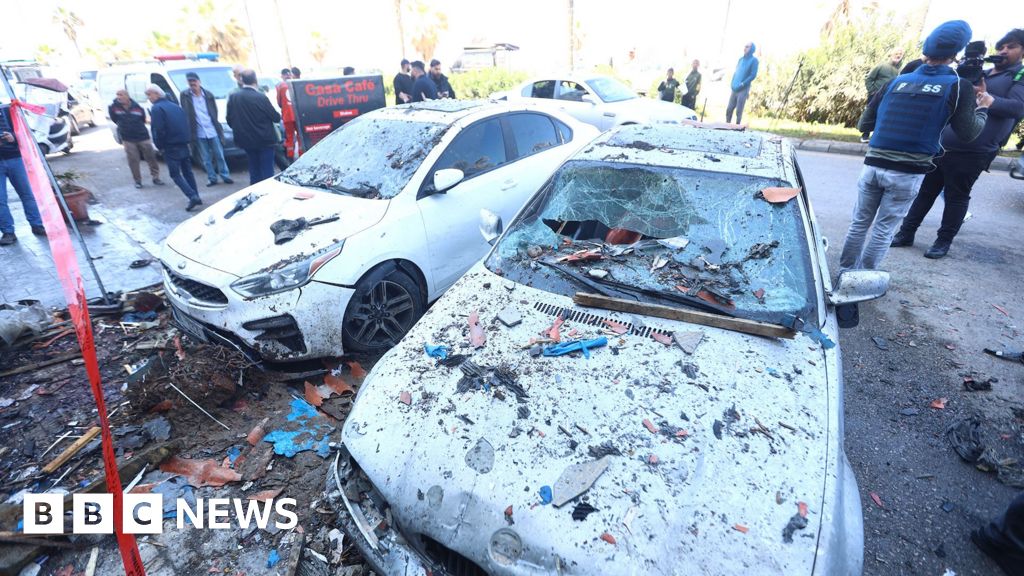
The involvement of Lebanon’s Hezbollah and Iran’s support for militant activities continue to deepen the crisis. Israeli strikes in southern Lebanon have killed at least 15 civilians, intensifying regional hostilities. Meanwhile, Iran’s threats of “devastating and widespread” offensive actions serve as a grim warning that the conflict could spiral into a full-scale regional war with devastating humanitarian consequences. As histories have demonstrated, such escalations threaten not only regional stability but also the global geopolitical order. The voices of cautious diplomacy seem drowned out amidst the smoke and chaos of war, leaving the world watching as history’s next chapter is written.

The Future Unfolding on the Tomb of Uncertainty

As international organizations and independent analysts weigh in, the question remains: will cooler heads prevail, or are we witnessing the first sparks of a new Middle Eastern epoch that could reshape the 21st century? The choices made in the coming days will determine whether this crisis will subside into open conflict or accelerate into a domino effect of violence that could threaten to engulf multiple nations. The echoes of history remind us: the ink of diplomacy must not be overshadowed by the flames of war, yet the current path seems increasingly lined with the smoke of destruction. In this unfolding saga, the world stands at a crossroads—where the weight of history reminds us that each decision holds the power to forge a new chapter or ignite irreversible chaos.

BBC warns of rising tensions near Strait of Hormuz

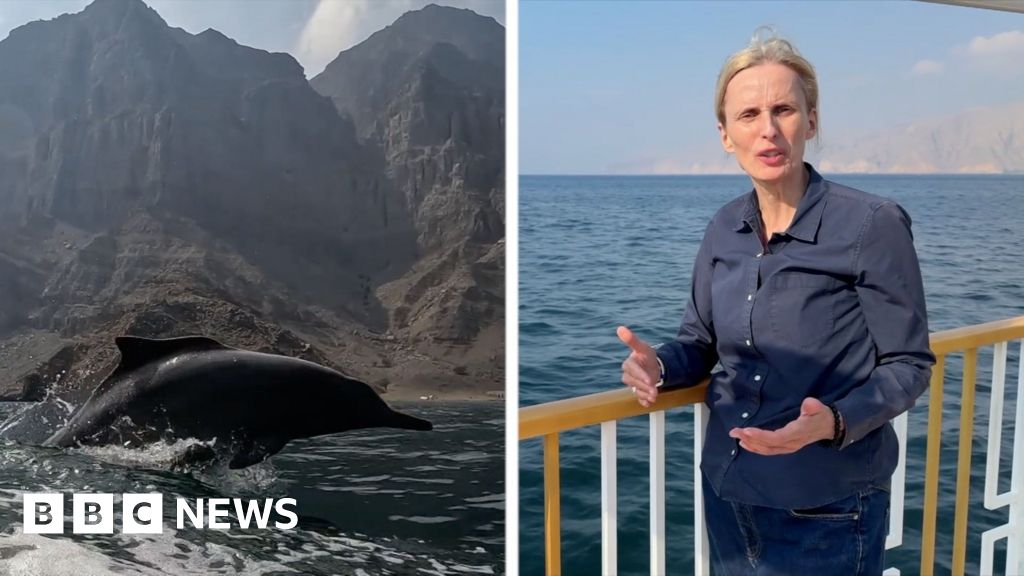
In an alarming development that underscores the fragile state of international energy security, Iran has extended its maritime restrictions at the Strait of Hormuz, a vital global conduit for nearly 20% of the world’s oil and liquefied natural gas. Senior correspondents, including Orla Guerin of the BBC, have reported from the strategic waters near Oman that Iran’s actions have effectively placed a stranglehold on maritime traffic—stranding ships and choking off a critical artery of the global economy. This move is not merely a show of regional power but a calculated step with seismic geopolitical implications.

By deploying tactics such as leaving commercial ships halted in these narrow waters, Iran’s leadership is intentionally constricting an essential supply chain, triggering a ripple effect across international markets. Energy analysts warn that such disruptions are unlikely to be temporary, with prices already seeing upward pressure and uncertainties mounting for energy consumers worldwide. Historians and geopolitical experts note that the escalation at the Strait of Hormuz represents a shift that could destabilize the global energy balance for years to come, forcing nations into difficult choices regarding alliances, military presence, and diplomatic strategies.

  • International institutions like the United Nations have expressed concern over the escalation, urging restraint and dialogue to prevent further conflict.
  • Countries heavily dependent on Persian Gulf energy supplies—such as China, India, and Japan—are watching anxiously, pondering the risks of supply interruptions that could cripple economies.
  • Meanwhile, United States and allied nations have increased naval patrols in the region, signaling a readiness to defend maritime freedoms while attempting to de-escalate tensions through diplomatic channels.

International analysts warn that persistent disruptions at the Strait of Hormuz could catalyze a broader confrontation—whether through economic sanctions, military posturing, or renewed regional conflicts. As the world’s largest oil producers and global leaders navigate this perilous crisis, the lessons of history weigh heavily. The Cold War, the Gulf conflicts, and decades of diplomatic pressure serve as stark reminders that in such geopolitically sensitive zones, the stakes extend far beyond the immediate to shape the global order itself. The outcome remains uncertain, but the leadership decisions made today will echo through history, determining who wields influence and who bears the consequences.

As the sun sets over the Strait, shadows of uncertainty lengthen over the international stage. The geopolitical impact of Iran’s strategic moves at the Strait of Hormuz is a stark reminder that in a world increasingly driven by energy dependencies and regional rivalries, the fabric of peace is thin and fragile. History is watching, and the coming days may well write new chapters of conflict, diplomacy, or both—drawing us closer to a pivotal moment in global affairs where one decision can alter the course of nations and societies for generations to come.

Middle East Tensions Flare: Iran Reports 5 Killed in US-Israeli Strikes During Rescue Mission

Unfolding Crisis in the Middle East: A Turning Point with Global Consequences

The recent escalation of violence in the Middle East has sent shockwaves through the global geopolitical landscape, revealing a region on the brink of a protracted and devastating conflict. Iran, under the leadership of its central military command, has decisively rejected Donald Trump’s demands for a swift deal within 48 hours, warning that such threats are futile and dangerous. Meanwhile, a war that ignited with US and Israeli strikes targeting Iranian military facilities has rapidly spread, with the region’s stable geopolitical balance disintegrating in a matter of weeks.

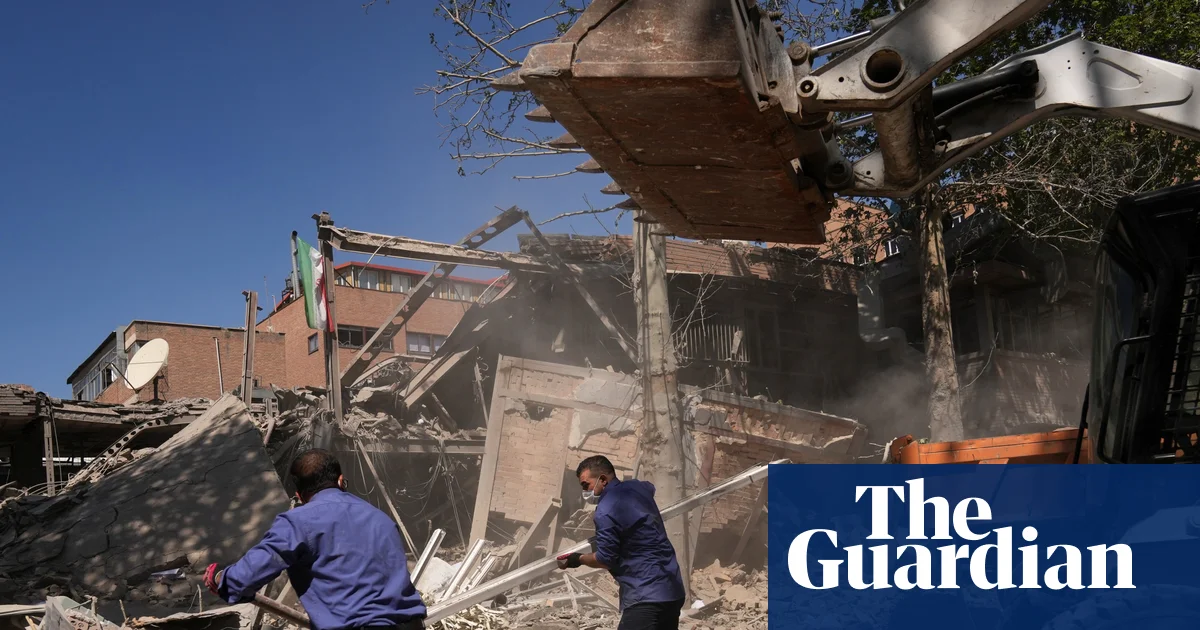
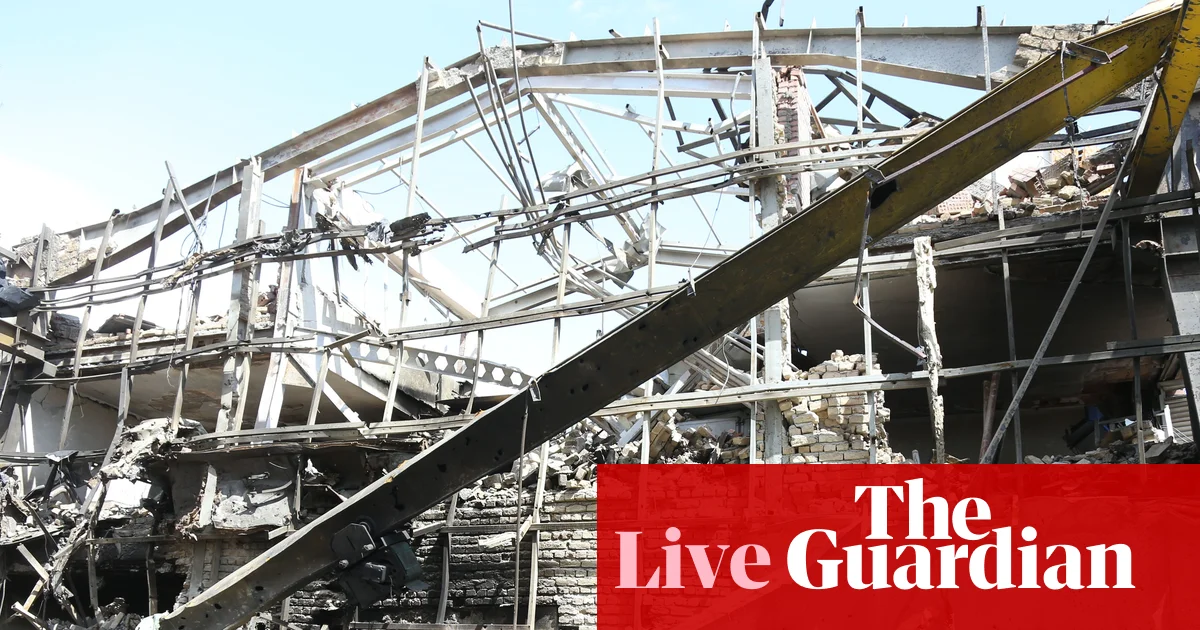
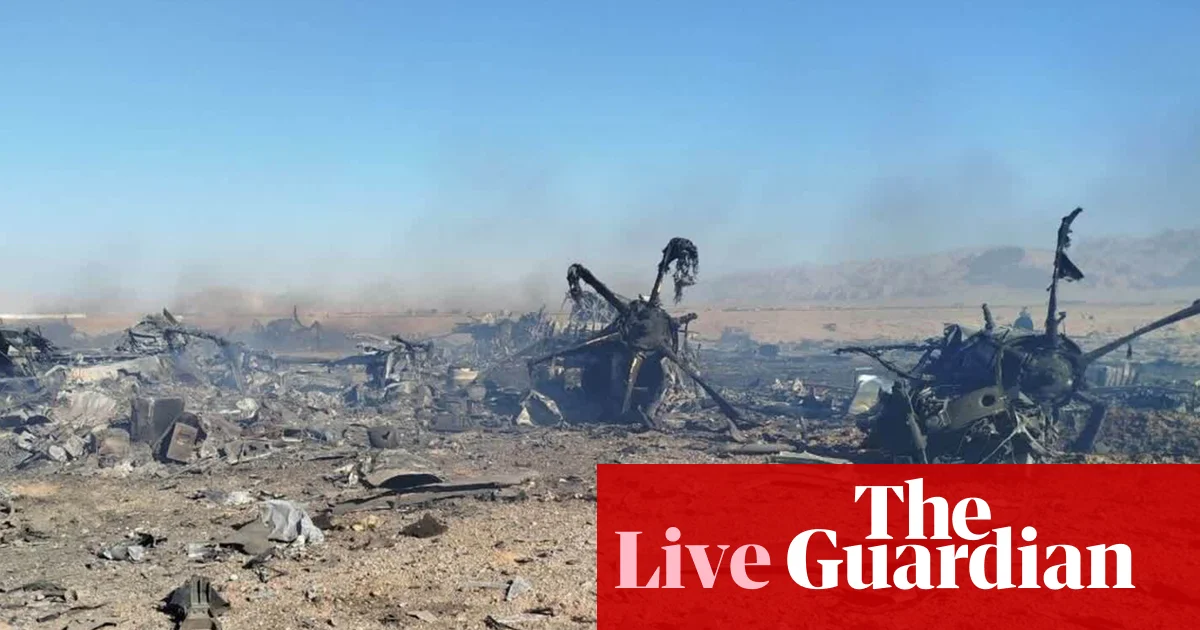
Reports indicate that early Sunday morning, Iran’s forces launched missiles and drones, striking targets in Kuwait and Israel—an unmistakable sign of a comprehensive regional conflict. The Israeli prime minister, Benjamin Netanyahu, confirmed that Israel responded with attacks on Iran’s petrochemical infrastructure, including a strike on the Mahshahr plant, where Iranian media reported casualties. The Iranian military has responded with retaliatory strikes, including missile and drone attacks on Kuwaiti water desalination plants and the UAE’s energy facilities. This ripple effect of hostilities has upended international trade routes, notably the strait of Hormuz, which Iranian forces tightly control. The disruption of this vital conduit for nearly twenty percent of global oil supplies has sent shockwaves through energy markets worldwide, prompting fears of a global energy crisis that could drag economies into chaos.

Expert analysts and historians, including former UN nuclear watchdog Mohamed El-Baradei, warn that the escalation risks transforming the Middle East into “a ball of fire.” El-Baradei’s recent appeals, alongside statements from international organizations, highlight the peril of quick, aggressive military responses that could ignite a regional war with unpredictable, potentially catastrophic consequences. As Iran insists on a permanent security guarantee and rejects Trump’s ultimatums, the potential for a wider conflagration intensifies, with neighboring Gulf countries caught in the crossfire. How nations and societies respond to these threats in the coming days will determine whether the region slips further into chaos or finds a fragile path toward de-escalation.

  • The US and Israeli militaries targeted multiple strategic sites in Iran’s capital, including Shahid Beheshti University, with reports of civilian casualties.
  • Hezbollah claimed to have targeted a nascent Israeli warship off the Lebanese coast, an assertion which remains unverified, yet underscores Iran’s proxy ambitions and regional proxy conflicts.
  • In the broader conflict, Lebanon’s death toll exceeds 1,400, with Israeli strikes killing dozens in recent days, a tragic toll that exemplifies the war’s devastating human cost.
  • Meanwhile, aid organizations report severe disruptions in their efforts to deliver food and medicine, citing the cutting off of vital shipping lanes and blockade of supply routes—an unfolding humanitarian crisis that compounds the violence.

As regional powers—Egypt, Turkey, Pakistan—push for diplomatic backchannels to rebuild stability, the global community remains watchful. The United Nations, as well as international leaders, warn that the escalation could spiral into an all-out war, threatening to engulf not just the Middle East but also to destabilize global markets and fuel geopolitical upheaval. Will diplomacy prevail, or will the region become an indelible scar on the map of the 21st century? The course is only beginning to be written, and history’s pen hangs heavy, awaiting the verdict of future generations—whether to be heralds of peace or witnesses to the abyss.

Middle East Tensions: Trump Predicts Quick End; Rubio Calls to Rethink NATO | US-Israel Confront Iran

International Stage Shifts as Middle East Crisis Deepens

The geopolitical landscape is experiencing a profound upheaval as a cascade of conflicts and strategic recalibrations ripple across the globe. French President Emmanuel Macron’s recent remarks in Japan highlight Europe’s desire for stability through “predictability,” standing in stark contrast to the erratic decisions of other major powers. Macron’s critique appears pointed at the United States, especially amid its ongoing military engagements and diplomatic positions surrounding Iran. Macron emphasized the importance of consistent policy directions, implicitly criticizing the United States’ stance which, in recent weeks, has been marked by unpredictable shifts and assertive military postures. Such remarks signal a growing divergence within Western alliances, raising questions about the future cohesion of NATO and transatlantic strategic unity, especially as Washington contemplates reevaluating its alliances in light of emerging threats.

The Middle East: A Theatre of Escalating Conflict

Across the Middle East, the situation remains perilous, with escalating hostilities between Iran and Israel threatening regional stability. Israeli defense systems identified and intercepted missile launches from Iran, with war warnings activating across central Israel. Meanwhile, Iran reported attacks within Tehran, underscoring the country’s vulnerability amidst a barrage of recent assaults. Saudi Arabia and Bahrain have intercepted and neutralized multiple drones originating from Iranian-backed groups, illustrating a pattern of proxy warfare that complicates the regional security landscape. The United Arab Emirates suffered a tragic incident when drone debris fell on a farm in Fujairah, killing a Bangladeshi national. Such incidents underscore the dangerous spillover of proxy conflicts and asymmetric warfare into the heart of the Gulf states, stirring anxiety among their populations and foreign investors alike. Furthermore, Iran’s retaliatory strikes and the United States’ deployment of additional military assets, including the USS George W. Bush strike group, exemplify a dangerous escalation that threatens to ignite a wider regional war. Analyses from international military strategists warn that these actions could spiral into a broader conflict entangling major powers, with catastrophic implications for global stability.

Strategic Repercussions and Evolving Alliances

The unfolding crisis has prompted serious discourse among international leaders about the redefinition of alliances and the future of global security arrangements. US Secretary of State Marco Rubio’s statement that NATO might need to re-examine its role after the Iran conflict signals a paradigm shift in North Atlantic security policy. The U.S. appears to be reevaluating its strategic commitments, especially given the strain of ongoing military operations and diplomatic setbacks. Correspondingly, reports indicate that the United Arab Emirates is considering aiding the US in efforts to reopen the Strait of Hormuz by force, a move that could set a precedent for regional intervention under the banner of international legitimacy. Such developments reflect a fragile nexus of alliances, with traditional partnerships strained by divergent priorities and emerging regional powers asserting their claims.

Meanwhile, the economic repercussions are becoming increasingly apparent. Asian markets surged on hopes that the Iran conflict might conclude swiftly, but the risk of prolonged warfare looms large. Domestically, countries like Australia are implementing measures to buffer their economies from the cascading effects of conflict—fuel price hikes, supply chain disruptions, and financial market volatility. The global economy, intertwined with geopolitical stability, teeters on a knife’s edge, with young voters around the world questioning whether their leaders will choose confrontation or diplomacy in this critical juncture of history.

As the geopolitical chessboard continues to shift, the weight of history presses heavily upon the present—every decision, every conflict, etches a new chapter into the annals of international relations. The question remains: will this spiral of violence lead to a new era of global cooperation or plunge us into the chaos of unchecked conflict? Only time will tell, but one certainty persists: the pages of history are turning, and humanity stands at a crossroads, watching the shadows of war lengthen across the horizon.

Israel vows to hold onto southern Lebanon amid ongoing tensions

In a provocative move that has sent shockwaves through the Middle East, Israel’s Defence Minister Israel Katz announced plans to demolish homes in Lebanese villages situated near the Israeli border. This statement underscores a deepening of hostilities amidst a fraught regional landscape, where longstanding conflicts threaten to ignite broader regional instability. The decision, rooted in concerns over security threats emanating from southern Lebanon, reveals a gravely tense environment that has persisted for decades—yet now edges closer to a potential flashpoint.

Analysts and international observers have begun examining the geopolitical impact of Israel’s latest assertion. The region remains defined by complex alliances, with Hezbollah—Lebanon’s armed faction—serving as a key proxy for Iran and contributing to the proximity of conflict. Many experts suggest that Israel’s move to demolish Lebanese homes could escalate violence, prompting retaliation or preemptive actions from Hezbollah, which perceives such measures as existential threats. This shift in policy marks a significant escalation in Israel’s perceived security posture in its northern front, intensifying fears of a renewed conflict that could spiral beyond control.

  • The decision to destroy homes has been met with widespread condemnation from Lebanese authorities, who argue it exacerbates already fragile political and social tensions within Lebanon.
  • Regional powers such as Egypt and Saudi Arabia have called for restraint, emphasizing the importance of dialogue over military escalation to prevent further destabilization.
  • International organizations—particularly the United Nations—have issued cautious statements, urging both sides to avoid actions that could provoke a broader conflict and calling for diplomatic solutions to longstanding border disagreements.

Historian and geopolitical analyst Dr. Emily Carter remarks that such aggressive tactics by Israel are rooted in a decades-long security dilemma, but warn they risk undermining diplomatic momentum in a region desperately in need of stability. The United Nations and other global institutions recognize the implications: a flare-up in the north could lead to a resurgence of violence across borders, affecting millions of lives from Tel Aviv to Beirut. This is precisely what some cautioned against as the region teeters on a precipice; unilateral actions, no matter how justified they seem in the short term, threaten to spiral into years of chaos.

As history has repeatedly demonstrated, decisions made in moments of high tension leave lasting marks on the geopolitical landscape. The statement from Israel’s Defense Minister functions not only as a stark warning to Lebanon but as a signpost for a regional world that remains dangerously unpredictable. Where once diplomatic channels promised peace, the conflict over borders and sovereignty now looms larger than ever. The next chapter remains unwritten, but the echoes of such decisions will resonate through history—reminding us that in this volatile region, the line between diplomacy and destruction is perilously thin.

Oil soars to record monthly surge amid Iran tensions shaking markets

The recent escalation in Middle East tensions, triggered by the eruption of war involving Iran, has rapidly transformed financial landscapes worldwide. The international benchmark, Brent crude oil, has surged by a staggering 51% in March—the largest monthly increase on record—shattering previous historical peaks associated with significant geopolitical upheavals like the 1990 invasion of Kuwait. Analysts highlight that this escalation has undercut the fragile stability of global energy markets, especially as Iran all but sealed off the Strait of Hormuz, through which roughly 20% of the world’s oil passes, risking a supply disruption that could resonate for years. The consequences are evident: crude prices soared to over $119.50 a barrel during the month, compounding fears of inflationary spirals and global economic slowdown.

The chaos in oil markets has spilled over into broader financial sectors, pressing Wall Street into correction territory, with the Dow Jones industrial average dropping more than 10% from its peak—an ominous sign for investors worldwide. Despite a coordinated release of 400 million barrels from emergency reserves, oil prices refused to stabilize, reflecting deep concerns about persistent supply disruptions. Notably, US crude prices jumped 48%, marking their most aggressive monthly climb since the pandemic’s onset in 2020. Meanwhile, European markets echoed this turbulence; London’s FTSE 100 saw an 8% decline, wiping out months of gains and signaling a loss of confidence in the stability of economic recovery post-pandemic. Financial experts, including analysts at City Index, note that markets are increasingly discounting geopolitical risks rather than reacting to mere rhetoric, marking a clear shift in investor sentiment from optimism to caution.

This volatile backdrop underscores the geopolitical impact of decisions made by global powers. President Donald Trump and other leaders attempted to manipulate markets with rhetoric—initially claiming progress in negotiations with Iran—yet the escalation continued unabated. His declaration of a 10-day extension for Iran to reopen the Strait of Hormuz was met with immediate market repercussions, signaling a loss of control in managing energy prices, which shrinks the space for diplomatic maneuvering. Similarly, governments across Europe find themselves hamstrung; European bonds, including Italy’s two-year debt, plunged to their worst monthly performance since 2018. Economists like Modupe Adegbembo from Jefferies warn that declining fiscal resilience—exacerbated by higher borrowing costs—limits the scope for large-scale intervention. This intricate web of sovereign debt and geopolitical instability demonstrates how decisions in one corner of the world can ripple globally, destabilizing economies and societies that are still grappling with pandemic recoveries.

As markets tremble and policymakers grapple with mounting pressure, a narrative of profound change emerges—an unfolding chapter in the ongoing contest for influence and stability. The strategic decisions of major powers today will echo through the corridors of history, shaping the inescapable contours of the 21st century. The shifting tides in oil, gold, and sovereign debt markets serve as stark reminders: in this new era of global uncertainty, the outcome is far from decided. The weight of history presses down, and the world watches, tense and unyielding, as the first pages of a new geopolitical saga are written in the flames of conflict and the shadows of economic volatility.

Marco Rubio Meets G7 Allies Amid Rising Iran Tensions

In a move that signals increased international involvement amid ongoing conflicts, the U.S. Secretary of State has begun their first foreign trip since the recent outbreak of hostilities last month. This diplomatic journey, widely viewed as a key indicator of the United States’ strategic posture, underscores the gravity of the current geopolitical crisis. As tensions rise across borders, analysts argue that this visit could mark a pivotal turning point in the global response to escalating conflicts.

The trip comes amidst a complex web of alliances, territorial disputes, and economic sanctions. The conflict, which has now extended into neighboring countries and threatened regional stability, has prompted international institutions, such as the United Nations and NATO, to call for urgent diplomatic negotiations. Historically, such trips by senior diplomats are designed to signal resolve and to gauge the intentions of allies and adversaries alike, as well as to reassess foreign policy strategies.

Key to understanding the geopolitical impact of this trip is the response from other global powers.

  • China’s diplomatic posture remains cautious but increasingly assertive, signaling a willingness to support or oppose depending on the evolving situation.
  • Russia continues to expand its influence, either through overt military support or covert operations, complicating efforts for a unified international response.
  • European nations remain divided, with some advocating for immediate sanctions while others emphasize dialogue and de-escalation.

Prominent historians and foreign policy analysts warn that the trajectory of this conflict could redraw international alliances for generations to come. According to reports from the Council on Foreign Relations, these diplomatic excursions are often double-edged swords, capable of either diffusing tensions or escalating them further.

As the Secretary of State engages in diplomatic negotiations, the weight of history hangs heavily in the balance. Decisions made over the coming weeks could determine whether nations move towards a fragile peace or descend into prolonged chaos. The global community watches with bated breath, aware that each diplomatic victory or setback adds a new chapter to the unfolding story of our time — a story that will be written in the blood and hopes of nations. The question remains: will diplomacy prevail, or are we approaching a shift that will forever alter the course of history?

Social Media Auto Publish Powered By : XYZScripts.com