Matox News

Truth Over Trends, always!

Middle East Tensions: Trump Claims Iran's Still Open to Deal, China Finds Slim Hope for Talks — US-Israel Push Back Against Iran
Middle East Tensions: Trump Claims Iran’s Still Open to Deal, China Finds Slim Hope for Talks — US-Israel Push Back Against Iran

China Sees ‘Glimmer of Hope’ Amid Rising Middle East Tensions

The international landscape is once again at a crossroads, as China’s foreign minister Wang Yi articulated a cautious optimism in recent diplomatic efforts to curb the ongoing Middle East conflict. Despite Tehran’s unwavering stance to continue fighting, Wang described the emergence of “a glimmer of hope” for peace, citing signals from both the United States and Iran of a willingness to re-engage in negotiations.

This diplomatic move comes amidst escalating violence and a series of strategic military operations that highlight a scenario where geopolitical fault lines are intensifying nuclear and regional tensions. Analysts from various international think tanks and United Nations officials have warned that such conflicts threaten to spiral into wider regional chaos, risking destabilization of entire alliances and prompting profound societal repercussions across involved nations.

Regional Actors and the Shadow of Distrust

Historically, Qatar has played the role of a key mediator, but recent developments signal a dramatic shift. Majed al-Ansari explicitly distanced Qatar from alleged US-led negotiations, sarcastically questioning their very existence. This move underscores prevalent distrust among Gulf states towards Washington, driven by previous failed peace initiatives and the complex toll of ongoing conflicts. Experts like Bilal Saab argue that “they’ve been burned by their previous experience,” suggesting that regional players are now skeptical of moves that appear to serve external agendas rather than genuine peace efforts.

Similarly, Turkey has engaged in “intense” diplomatic efforts, seeking to balance relations with both Washington and Tehran. Hakan Fidan’s calls reveal a concerted effort to prevent an unchecked escalation, with warnings from Wang Yi emphasizing that prolonged warfare could only usher in further casualties and regional spillovers. These diplomatic intricacies highlight how global powers manipulate regional dynamics, often at the expense of local stability.

Militarization and the Escalating Cost of War

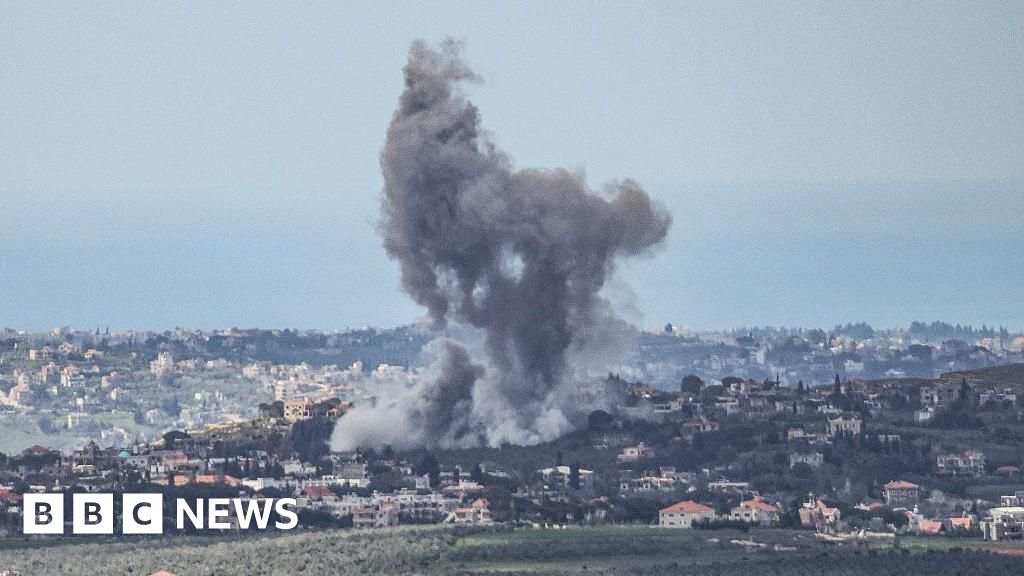
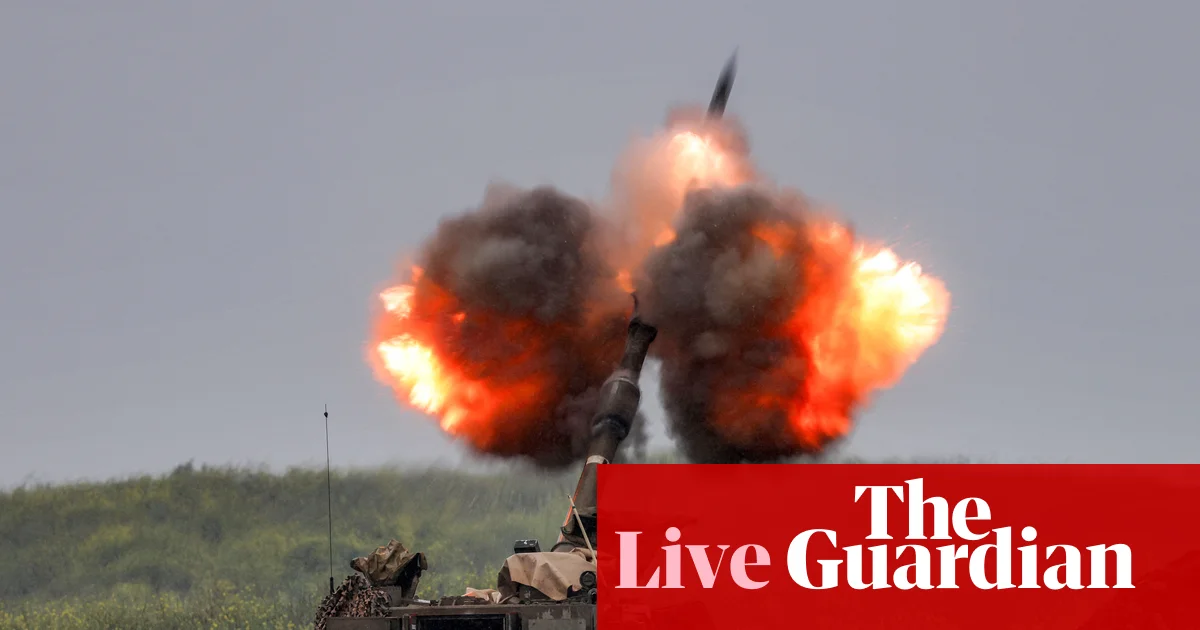
On the battlefield, the situation is equally dire. The Israeli military reports a series of missile intercepts triggered by Iranian launches, raising fears of a widening conflict. Reports detail that Israeli defenses responded to missile attacks from Iran and Hezbollah, with sirens blaring across central Israel, Jerusalem, and even the occupied West Bank. Meanwhile, Hezbollah launched fresh missile strikes into Israel, confronting the narrative of a potential de-escalation and revealing the deep-rooted animosity and strategic hostility that remains entrenched in the region.

Adding to the tinderbox, Iran is reportedly reviewing the US’s 15-point peace plan, initially rejected, yet still under consideration amidst ongoing threats and military confrontations. United States forces have claimed to have targeted over 10,000 Iranian military assets, signaling that the conflict has turned into a show of unparalleled military might. Historians warn that such escalation risks creating a “fertile ground for further violence,” potentially igniting a broader regional war with devastating societal consequences.

International Community and the Shadow of Uncertainty

The global economic repercussions are already evident, with Asian stock markets falling and oil prices rising amidst fears of a wider conflict. Western intelligence reports suggest that Russia is supplying Iran with drones, food, and medical supplies, aiming to bolster its strategic ally amid this turbulent crisis. Meanwhile, the UN’s António Guterres warns against copying the “Gaza model” in Lebanon, calling for a cessation of hostilities and urging Iran to cease aggressive actions. Yet, many see such calls as echoing hope in a divided international community that remains plagued by skepticism over the sincerity of diplomatic calls for peace.

As history’s pages continue to turn, the unwavering resolve of nations in the Middle East and beyond signifies that the weight of their choices will determine whether peace can prevail or whether the cycle of destruction will persist. The world watches with bated breath, aware that these decisions—acute and irreversible—are shaping the course of future generations. Only time will reveal if diplomacy shall triumph or if history will record yet another chapter of unmitigated chaos.

Middle East Tensions: Iran Attacks US Bases Amid Oil Drop and Trump Peace Plan Revealed

Global Tensions Surge as Iran Dismisses US Ceasefire Attempts Amid Middle East Escalation

In a dramatic display of defiance, Iranian military spokesperson Lt. Col. Ebrahim Zolfaghari dismissed recent American efforts to broker peace in the ongoing Middle East crisis. During a prerecorded address aired on state television, Zolfaghari derided the US’s ceasefire negotiations as emblematic of American strategic failure, asserting that Washington is only negotiating with itself. His pointed declaration—“The one claiming to be a global superpower would have already gotten out of this mess if it could”—underscores Iran’s rejection of Washington’s recent diplomatic overtures, which included a 15-point ceasefire plan sent through Pakistan. Analysts note this exchange marks a pivotal moment: Washington’s diplomatic attempts seem to have little traction amid Tehran’s outright rejection, exacerbating an already volatile region.

This escalating rhetoric comes at a time when oil markets are reacting sharply. Following President Donald Trump’s claims that negotiations with Iran are progressing and that Tehran has committed to never acquire nuclear weapons, global markets exhibited sudden volatility. Early Wednesday, Brent crude oil plummeted nearly 6%, with trading at $98.30 per barrel, while the West Texas Intermediate fell 5% to $87.72. Asian markets responded with optimism; Tokyo’s Nikkei 225 rose 2.8%, KOSPI gained 3.1%, and other regional indices followed suit. This market bounce, however, belies the underlying tension—analysts from the International Crisis Group warn that these optimistic surges could be short-lived if diplomatic efforts continue to falter.

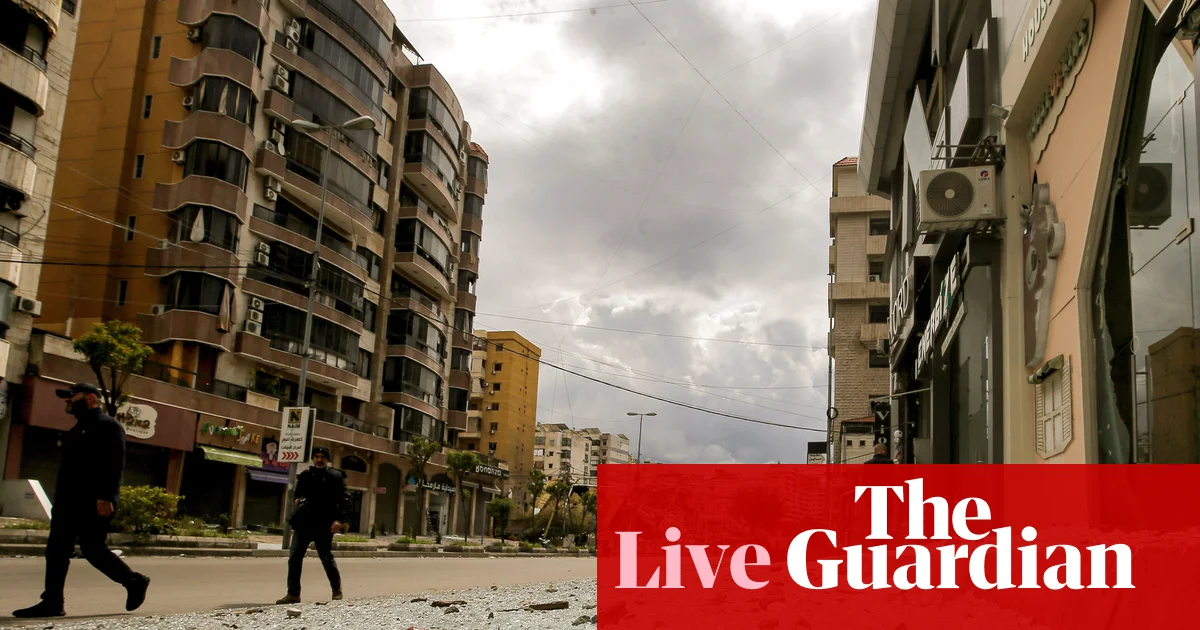
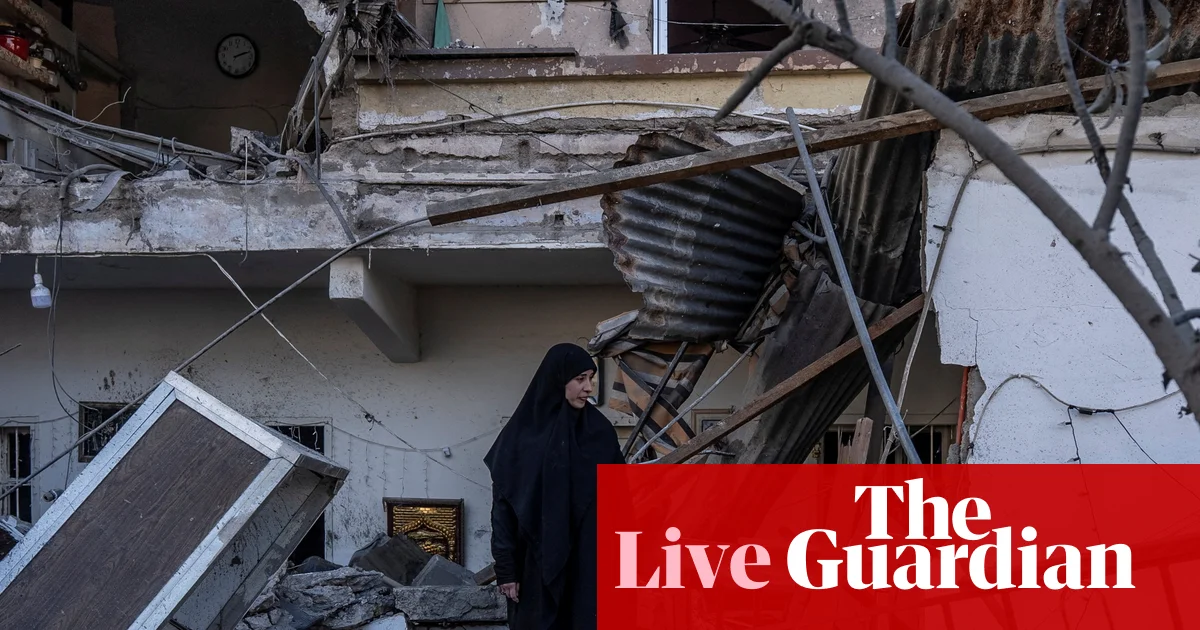
Amid the diplomatic deadlock, the military actions on both sides escalated dramatically. Iran’s Revolutionary Guards launched missile strikes targeting locations in Israel—including Tel Aviv and Kiryat Shmona—as well as US bases in Kuwait, Jordan, and Bahrain. Iranian state media reported these attacks, which came shortly after Iran’s authorities claimed responsibility for firing a projectile at the Bushehr nuclear power plant, an incident managed without damage but indicative of a widening conflict. In Lebanon, Israeli strikes continued to inflict significant humanitarian toll—killing over a thousand civilians and displacing more than a million—while Iran’s alliances in the region, notably Hezbollah, remain poised to expand hostilities further. The U.N. reports that Iran’s military campaign has resulted in the deaths of approximately 1,500 Iranians, adding more fuel to the regional inferno.

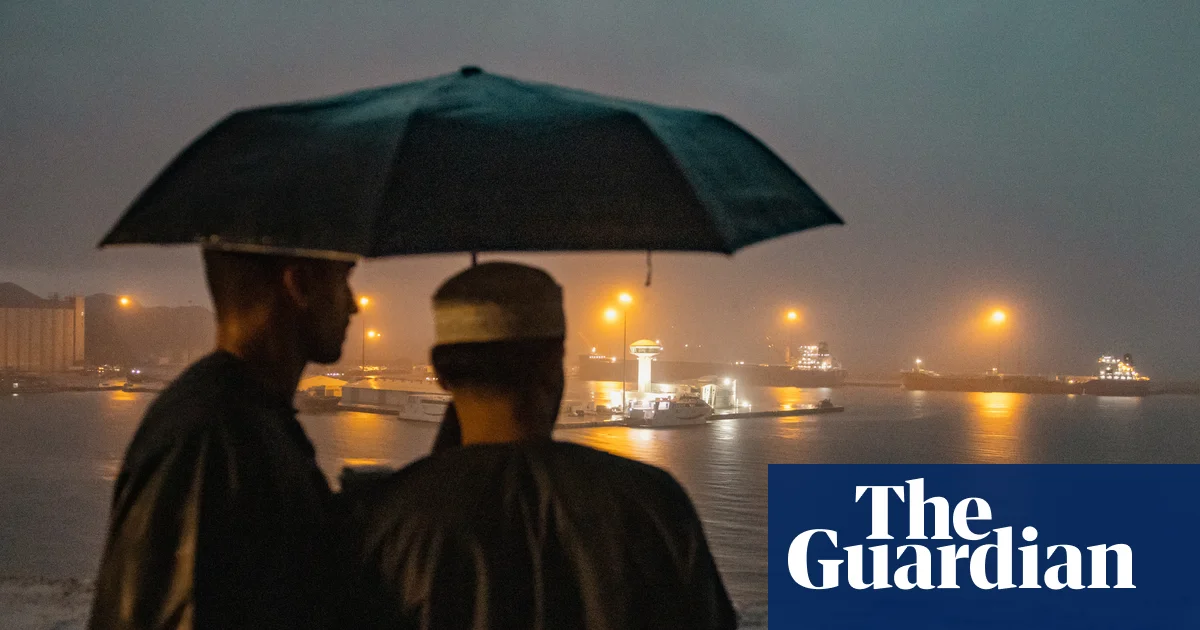
On another front, American troop deployment remains on high alert. President Trump reportedly approved the movement of over 1,000 soldiers from the elite 82nd Airborne Division into the Middle East to bolster US presence, undermining earlier claims of a peace process. Meanwhile, Iran’s response to this increased military presence has been hostile, with fears that Iran might resort to mining the Gulf or seizing more strategic assets, threatening global energy supplies. As the war’s stakes extend beyond borders, international organizations such as the WTO issue warnings about the impending global food crisis. The agency’s deputy director general, Jean-Marie Paugam, has highlighted that the closure of the Strait of Hormuz by Iran—a critical route for nearly a third of the world’s fertiliser supplies—has already begun affecting food security, particularly in West and North Africa. Paugam warns of a subsequent reduction in harvests and rising food prices, prognosticating a devastating impact on world agriculture in the coming years.

This turbulent convergence of geopolitics, military confrontation, and economic upheaval underscores a profound chapter in the unfolding history of the 21st century. As historians and analysts observe, decisions made today will resonate across generations, shaping the geopolitical landscape with consequential weight. The region’s fragile stability hangs in the balance; with each side entrenched in their resolve and outside powers inching closer to escalation, the world watches as the pages of history continue to turn—an epoch defined by conflict, diplomacy, and the unpredictable march of fate. The next move remains uncertain, but its consequences are bound to echo through the annals of history, reminding future generations that in the theater of nations, every act carries the weight of eternity.

UK Minister: Iran unlikely to pose bombing threat to Britain amid US-Israel tensions

The recent missile incident involving Iran and British interests has sharply heightened tensions in a region already fraught with geopolitical complexity. Iran launched two missiles aimed at a UK-US airbase on Diego Garcia in the Indian Ocean—an unprecedented move marking what analysts describe as the longest-range attack by Iran since it was subjected to US and Israeli strikes. Although one missile was intercepted and another fell short, the incident signals a dangerous escalation that could ripple well beyond the Gulf, threatening broader regional stability.

International organizations and security analysts have closely scrutinized Iran’s actions, while governments grapple with signaling their resolve without igniting an uncontrollable conflict. Despite denials from London that Iran is capable of targeting the UK directly, the incident complicates the narrative of Iranian military restraint. UK officials, including Communities Secretary Steve Reed, have emphasized that the UK is not seeking war but is prepared to defend its interests. Meanwhile, the incident has prompted the UK to expand its military scope, allowing more aggressive actions against Iranian missile sites, including those targeting shipping lanes in the strait of Hormuz—a vital artery for global energy supplies.

Some experts warn that this episode underscores the precarious balance of power in the Middle East and the broader international stage. Historians such as Margaret MacMillan have noted that these conflicts are often shaped by miscalculations and the domino effect of military posturing. The United States has issued warnings, with President Trump threatening Iran’s energy infrastructure if the strait is blockaded again. Such aggressive rhetoric amplifies the risk of escalation, reminding the world that the decision to use force in this volatile region is as perilous as it is decisive.

U.S. and UK officials affirm their intention to avoid full-scale conflict while defending their regional allies and interests. Yet, the danger persists that misjudgments or accidental clashes could ignite a wider war. The geopolitical impact of these developments is profound, threatening to destabilize the already fragile international order and challenge the very influence of global institutions tasked with maintaining peace. As internationalists and strategists watch anxious and wary, the question remains: how will the unfolding drama of diplomatic brinkmanship shape the course of history? The region’s future hangs in the balance, and the weight of history continues to press down, as new conflicts are penned into the chronicle of a tumultuous era—an era where the decisions of today could determine the fate of generations tomorrow.

Middle East Tensions: Trump Signals De-escalation as US Eases Iran Oil Sanctions; Israel Strikes Back

Middle East Tensions Escalate as Regional Power Dynamics Shift

In a rapidly unfolding geopolitical crisis, Saudi Arabia has publicly condemned Israel‘s military strikes on Syrian military camps, branding them as “aggression” and calling upon the international community for urgent intervention. These developments point to a dangerous escalation in a region already teetering on the brink of prolonged conflict. As Turkey joins in decrying the attacks as “a dangerous escalation,” the stakes for regional stability and global security remain critically high, with key players entangled in a web of sectarian tensions, military moves, and diplomatic fissures.

Israel’s military has justified its recent strikes in southern Syria as a response to hostile activities against the Druze community in Sweida province, promising to continue operations aimed at protecting minority groups. Yet, this approach only deepens regional instability, provoking outrage from neighboring nations. Syria, meanwhile, has condemned the Israeli intervention as a blatant violation of sovereignty, framing it as “flimsy pretexts and fabricated excuses.” These rhetoric exchanges highlight the fragile state of Middle Eastern diplomacy, where war and mitigation remain perilously intertwined. Historians warn that such military confrontations risk re-igniting long-standing sectarian and territorial disputes, with profound repercussions for international law and sovereignty norms.

Meanwhile, the broader geopolitical landscape intensifies with Iran’s pursuit of retaliatory military actions and diplomatic maneuvers. Iran’s Supreme Leader, Mojtaba Khamenei, stated that Tehran has inflicted a “dizzying blow” on its enemies, prompting Israel to retaliate with strikes against “regime targets” in Tehran early Saturday. Iran’s recent launches of drone and missile attacks towards Saudi Arabia and Israel mark a worrying escalation in the region’s proxy conflicts. The threatened global repercussions are already palpable, as the US considers winding down its military engagement in the Middle East, a move announced by President Donald Trump. This shift raises questions about the trajectory of international influence—whether a true de-escalation or merely a pause before darker days ahead.

The nuclear ambitions and missile capabilities of Iran continue to pose significant threats to maritime trade routes, notably the Strait of Hormuz. Iran has reportedly helped Japan secure vital shipping lanes, emphasizing its strategic importance in global energy markets. Concurrently, Iran’s firing of ballistic missiles at Diego Garcia, a key US-UK military installation in the Indian Ocean, indicates Tehran’s willingness to project power far beyond the Middle East. Such acts compound international fears of a wider conflagration involving great powers and their allies, further destabilizing an already volatile region. These developments, observed keenly by analysts like those at the UN Security Council and geopolitical think tanks, underscore how decisions made on the ground ripple outward, threatening global economic stability and peace.

As the Middle East’s chaos unfolds amid accusations of “flagrant violations” and threats from Iran’s military spokesperson against “recreational and tourist sites” worldwide, history warns of a cycle of violence with devastating consequences. The region’s most powerful nations face a pivotal moment: either defuse tensions through genuine diplomacy or plunge into a protracted conflict whose echoes will unfold across decades. The unfolding story is a stark reminder that in a world of interconnected nations, every military strike, diplomatic rebuff, or policy shift carries the weight of history’s judgment—an enduring testament to the perilous dance of power, faith, and destiny.

Iran Tensions Cast Shadow Over Trump-Japan Leaders’ Meeting

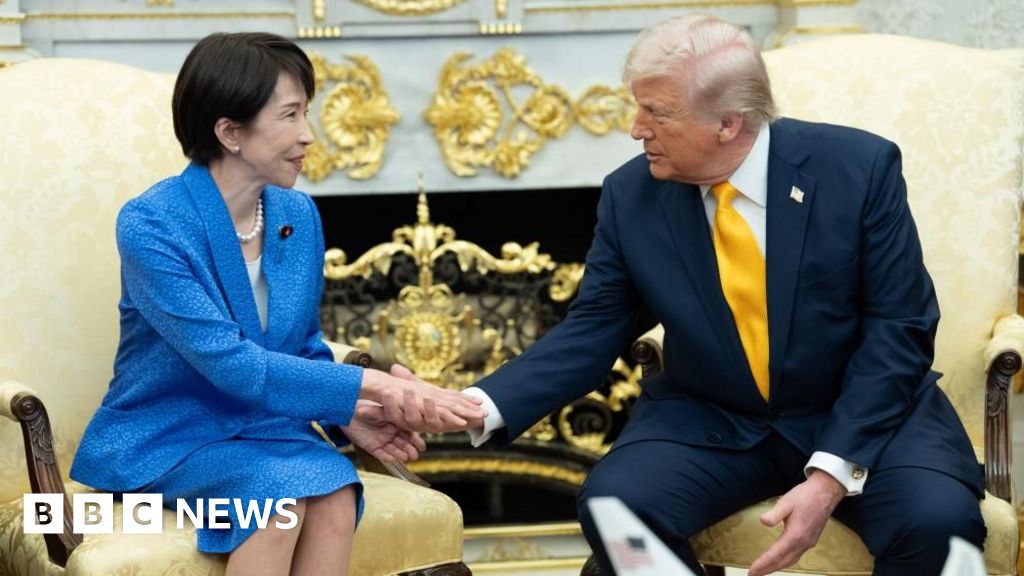
In a significant turn of diplomatic engagement, recent discussions between Japan and U.S. officials have underscored the shifting landscape of international alliances amid rising geopolitical tensions. The meeting with Sanae Takaichi, a prominent Japanese politician, comes just days after former U.S. President Donald Trump publicly criticized Japan for its perceived reluctance to assist in a confrontational stance towards China and Iran — specifically regarding the strategic Strait of Hormuz. This exchange highlights how bilateral relations are increasingly influenced by the unpredictable whims of U.S. domestic politics, with Tokyo caught in a balancing act between maintaining its independence and aligning with American strategic interests.

Trump’s recent remarks, which accused Japan of “not answering the call” for support in the context of the Strait of Hormuz, have further inflamed debates over U.S. unilateralism versus allied commitments. Analysts argue that these comments serve as a wake-up call for nations like Japan, which are navigating the complex waters of a rapidly changing international order. Historically, Tokyo has sought to retain diplomatic flexibility, balancing its powerful security alliance with Washington against regional pressures from China and North Korea. However, the latest U.S. rhetoric underscores a broader shift where economic and military dependencies threaten to undermine the sovereignty of allied nations, compelling Japan to reconsider its strategic autonomy.

This diplomatic tension occurs against the backdrop of a geopolitical landscape marked by significant shifts, including the escalating U.S.-China rivalry and renewed tensions in the Middle East. Japan, a nation with a pacifist constitution yet a robust economy, finds itself at a crossroads: should it continue to defer to American leadership, or assert a more independent stance in regional security? The meeting with Sanae Takaichi signals Tokyo’s recognition of the need to recalibrate its foreign policy. International opinion, including insights from respected historians like Paul Kennedy and analysis from institutions such as the Council on Foreign Relations, suggests that how Japan responds in these turbulent times will have profound implications for regional stability and the future of global power alliances.

As the world watches with bated breath, the unfolding interactions between Japan, the United States, and emerging regional actors reflect a new chapter in international affairs — one fraught with uncertainty and the echoes of history’s veiled warnings. The decisions made now will shape the destiny of not just these nations, but the entire global order. In the shadows of diplomacy and threat, the weight of history presses heavily upon the present, reminding us that the choices of today may well dictate the world of tomorrow.

Iran’s Ali Larijani Killed in Airstrike, Israel Claims—Youth Voice Sparks Tensions

In a brutal escalation of the ongoing conflict between Israel and Iran, reports reveal the assassination of a pivotal figure within Iran’s political and security hierarchy. According to Israeli officials, Ali Larijani, the former speaker of parliament and a key diplomatic negotiator, was targeted and killed in overnight strikes. If this claim proves true, it marks a historic moment — being the most senior Iranian figure to die since the death of Supreme Leader Ali Khamenei at the beginning of this brutal war. Larijani’s strategic importance stemmed from his role as a bridge between Iran’s military and political branches, and his death signals a decisive blow to Iran’s internal command structure at a time of profound crisis.

Adding to the tension, Israel’s defense minister, Israel Katz, announced the killing of Gholamreza Soleimani, commander of the Basij paramilitary force, alongside other senior figures. These targeted killings echo a campaign that appears designed to dismantle Iran’s leadership from within, undermining regime resilience and further complicating diplomatic efforts. Analysts warn that such targeted assassinations could intensify Iran’s resolve, potentially plunging the region into an even deeper abyss of violence. The international community, including organizations like the UN, has expressed concern over the legality and morality of these operations, with some regional allies calling Israel’s actions a violation of international law. Nevertheless, Israel claims these actions are a necessary response to Iran’s ongoing aggression and its role in arming proxy groups across the Middle East.

Western leaders, especially former US President Donald Trump, have seized upon these developments, asserting that the deaths will cripple Iran’s ability to wage war. Trump’s statements hint at a strategic hope that removing Iran’s top leadership will deliver a decisive blow to Tehran’s war efforts and perhaps herald a path toward regime change. However, regional and global security analysts caution that removing high-ranking officials often causes power vacuums, leading to unpredictable and potentially more destructive conflicts. Nevertheless, these covert and overt strikes demonstrate the extent of Israel’s intelligence capabilities and the US’s near-unilateral control over Iranian airspace, giving them a unique advantage in shaping the battlefield long before ground troops move.

The deaths of Larijani and others—if verified—will have a profound geopolitical impact. Iran’s leadership has long been characterized by a mix of pragmatists and hardliners, with Larijani traditionally seen as a moderating influence capable of diplomacy. His recent shift to a more hardened stance following US and Israeli strikes suggests a potential push toward escalating conflict rather than de-escalation. Furthermore, his role as a key nuclear negotiator signaled Iran’s efforts to engage with Western powers, but the current targeting indicates that diplomatic pathways are rapidly closing. The ripple effects will likely influence global energy security, with the Strait of Hormuz remaining largely shut or contested, threatening a surge in oil prices and destabilization in global markets.

This chapter in history is still being written, and the weight of the past looms large as recent hours underscore the catastrophic potential of this conflict. With Iranian leaders calling for revenge and Israel’s government resolute in its military campaign, the danger of escalation remains acute. As historians and international strategists watch this unfolding tragedy, one thing is unmistakably clear: the path of war once initiated leaves a trail of chaos, transforming the sands of the Middle East into the battleground of a new Cold War. The world enters a tense new era where every strike, every death, and every decision could set into motion a chain of events that will determine the future stability of the region—and, perhaps, the world itself.

Middle East Tensions Escalate: Trump Pins Responsibility on Allies, Dubai Airport Closures Amid US-Israel Standoff with Iran

Global Tensions Surge Amid Middle East Turmoil and Strategic Power Plays

As Israel intensifies its military operations targeting Iran, and US President Donald Trump brokers efforts to build an international coalition to reopen the heavily contested Strait of Hormuz, the geopolitical landscape of the Middle East is spiraling into an unprecedented crisis with far-reaching global consequences. The recent violence, coupled with sharp economic repercussions, underscores a pivotal moment in international relations, one that analysts warn could shape the future of global energy security and regional stability for generations to come.

The US administration has been ramping up pressure on allies, notably demanding that countries contribute military assets to maintain open water routes vital for the world’s energy supplies. Trump’s warning, as reported by the Financial Times, highlights a stark reality: failure to secure the Strait of Hormuz could catastrophic repercussions, including a “very bad” future for NATO. While several nations like the UK, Canada, and Australia have declined to send naval forces to the strategic waterway, the US continues to lobby globally, emphasizing that a failure to act could destabilize the world’s oil markets, which are already reacting to the turmoil with Brent crude surging past $104 per barrel. The potential disruption of one-fifth of the world’s traded oil not only threatens the energy economy but could ignite broader geopolitical conflicts, analysts warn, risking destabilization extending beyond the regional power struggle.

The escalation extends beyond high diplomacy, manifesting in immediate tactical clashes. Reports of drone attacks on military bases in Kuwait and rocket strikes in Iraq suggest an expanding conflict zone. Italy’s military acknowledged a drone attack on the Ali Al Salem base in Kuwait, while Iraq reported rocket fire targeting Baghdad’s international airport, injuring multiple personnel. These incidents, combined with Iran’s stern warnings to neighboring nations, hint at a rapidly expanding regional war. Israel maintains its focus on targeting Iran’s infrastructure, asserting that its military remains prepared for thousands of potential targets within Iran itself. iran‘s foreign minister has condemned Israeli airstrikes as ecocide, accusing Israel of violating international law and long-term environmental damage — a stark escalation in rhetoric that highlights the severity of the conflict.

The crisis is also affecting global markets and diplomatic efforts. Oil prices continue to climb amid fears of supply disruption, while European and Asian nations deliberate their response. Japan’s reluctance to participate in maritime security efforts reflects the complex balancing act faced by Tokyo, which must contend with its economic reliance on Middle Eastern oil while avoiding escalation. Meanwhile, Britain is considering deploying unmanned minesweeping drones, a move that underscores the fragility of international maritime security in these turbulent times. With energy estimates suggesting gas prices could drop below $3 per gallon if the conflict resolves, the economic stakes are immense and visibly intertwined with global stability. The decisions of individual nations are a delicate dance, with each move carrying the potential to ignite or defuse a broader regional confrontation.

At the center of this rapidly evolving crisis, President Trump‘s diplomatic and military maneuvers reflect a bold but controversial approach — seeking to forge a coalition capable of breaking the Iran blockade of the vital Strait of Hormuz. While some nations inch toward cooperation, others remain hesitant, wary of escalating the conflict further. This strategic impasse emphasizes how history hangs in the balance, with each decision carrying the weight of entire societies and futures. As Israel faces threats from Iran and its proxies, and global powers navigate the treacherous waters of diplomacy and warfare, one cannot help but feel that the unfolding events are shaping the contours of the 21st century. The world watches with bated breath, aware that the turning point is imminent — yet unaware of which path the currents of history will carry us, leaving the window open for both catastrophe and hope in an uncertain future.

Middle East Tensions Escalate: Trump Shocked Iran Targets Gulf, US Shapes New Front in Iran Conflict

In a rapidly evolving landscape of geopolitical tensions, the Middle East remains a nucleus of conflict and strategic recalibration. Reports depict an intensification of Iran’s relentless campaign of retaliation against regional and global powers, exacerbating the already fractured stability of the area. Iran’s recent deployment of thousands of drones and missiles, particularly targeting Gulf states and US strategic assets, signifies a decisive shift in regional warfare tactics—one that has caught many international observers off guard. Historical analysts from institutions like the Council on Foreign Relations warn that Iran’s symbiotic relationship with newly manufactured drones and the transnational nature of its attacks threaten to ignite a broader, more destructive regional conflict.

The escalating conflict has seen Iran launch over 1,800 missiles and drones at the UAE, Iran’s ports, and even Iranian infrastructure, disrupting the regional order. With Iran claiming the US exploited strategic ports in the UAE for offensive strikes, and Iran’s warning for evacuations in three major ports, the risk of an all-out confrontation has become alarmingly palpable. Notably, Iran’s use of Shahed drones, originally pioneered for asymmetrical warfare like in Ukraine, now embodies a new era of less costly, high-impact weapons—one that Russia has adopted and that threatens global maritime trade routes. This wave of attacks underscores the strategic shift away from traditional military confrontations toward a decentralized, drone-centric battlefield, which keeps Western powers on the back foot while emboldening Iran and its allies.

Meanwhile, the United States under President Donald Trump has doubled down on military assertions, with claims of “decimating” Iran’s Kharg Island oil hub and promising to assist international partners in safeguarding the Strait of Hormuz. Trump’s rhetorical escalation, calling for “help” from allied nations and emphasizing US military dominance, reflects an increasingly confrontational stance that many foreign analysts describe as a gamble with global repercussions. Despite efforts from some Middle Eastern allies to initiate diplomatic negotiations, the Trump administration rebuffs such appeals, suggesting that the US perceives Iran’s campaign as a clear assertion of power that must be countered decisively. Critics warning from the United Nations highlight that such military escalation risks destabilizing the entire international energy system, with the potential for the Middle East to descend into a broader, devastating conflict.

As the chaos spirals, the geopolitical impact of these developments will ripple across societies and economies worldwide. The interruption of major oil routes, the destruction of infrastructure, and the fragmentation of diplomatic efforts threaten to push global markets into turmoil. The decision by the UK to deploy mine-hunting drones, and reports of NATO allies contemplating further military measures, reveal how the crisis is transitioning toward a near-permanent state of conflict. History’s witnesses warn that modern warfare’s new face—centered on drone technology and cyber warfare—may redefine what it means to be at war, leaving future generations to navigate the shadows of unending conflict, where peace remains elusive and the echoes of destruction resound across nations.

Iran Football Team Players Defect, Seek Asylum Amid Regime Tensions

The recent developments surrounding the women’s football delegation highlight a striking instance of how international sporting events can serve as more than mere competition; they are often arenas for broader geopolitical and societal struggles. Out of the seven members who initially sought to stay in Australia, only three now remain committed, with four electing to return to their home countries. This shift is not simply a matter of individual choices but signals deeper issues related to diplomatic pressures, societal challenges, and the geopolitical dynamics that influence international sports diplomacy.

Experts and international observers have linked this move to the evolving geopolitical climate surrounding the event, where persistent concerns about safety, political interference, and potential reprisals loom large. Analysts from institutions such as the International Federation of Football Associations (FIFA) and geopolitical think tanks have raised alarm bells about how these decisions may reflect broader tensions. As nations grapple with shifting alliances and diplomatic realignments, international sports delegations increasingly find themselves caught between national interests and global perceptions. The withdrawal of these athletes signals a revealing portrait of how external pressures can influence individual athletes’ decisions, often mirroring the geopolitical anxieties felt across continents.

Historically, sports have often been used as a proxy for political contestation, whether during the Cold War or in contemporary conflicts. Some analysts argue that the decision of these athletes to leave Australia underscores a larger narrative of diminished trust in the international system. According to renowned geopolitical analyst Dr. Mark Stevens, such acts are indicative of a broader retreat from international cooperation, especially when the risks to personal safety and national loyalty are perceived to outweigh the benefits of participation. The international community watches intently, with some voices warning that these incidents could foreshadow more profound disruptions in future global sporting events, which have traditionally served as bridges for diplomacy and mutual understanding.

This episode also highlights the role of nations and societies in shaping the narrative around international engagement. For some, the choice to remain or leave is driven by underlying societal tensions—whether political, ideological, or cultural. The decision by the four athletes to return home could be interpreted as a statement on national sovereignty, individual agency, or reaction to external pressures. The ramifications are profound: these acts can influence public perceptions of international cooperation, potentially emboldening some nations’ assertions of independence at the expense of collective diplomacy. The weight of these decisions is a stark reminder that the fabric of global unity is often fragile, susceptible to fracture at moments of crisis.

As the world continues to navigate these tumultuous waters, the question remains: what does the future hold for international sports diplomacy? Will the retreat of some athletes signal a decline in the power of such events to foster international understanding, or will it serve as a catalyst for reform and resilience? While analysts and historians debate whether this is a temporary setback or a harbinger of a more fractured world order, the saga remains far from its conclusion. One thing is certain: the unfolding story of this women’s football delegation will be remembered as a pivotal moment in the ongoing narrative of how nations and societies clash, cooperate, and ultimately define the course of history in this tumultuous era.

US Marines and warships mobilize to the Middle East amid tensions

In a development that has sent shockwaves across global geopolitics, the United States has reportedly moved additional military personnel into the Middle East. According to The Wall Street Journal, which first broke the story, the deployment was authorized following a request from U.S. Central Command (CENTCOM), the branch of the military responsible for operations in the vital region. The approval came directly from Defense Secretary Pete Hegseth, signaling an unmistakable escalation in U.S. military posture amidst ongoing regional unrest.

This shift comes at a particularly sensitive juncture in Middle Eastern affairs, where tensions are already running high. Analysts warn that such troop movements may signify an increased risk of broader conflict, especially as regional actors prepare for unpredictable responses. Historically, military reinforcements often serve as both a deterrent and a signal of imminent force, and in this case, they represent a clear message to all parties: the U.S. is prepared to take decisive action to protect its interests and allies. International organizations, regional powerhouses, and local governments alike are scrutinizing these developments, aware that the further escalation could reshape regional stability and influence the global order.

Many geopoliticians and historians interpret this move through the lens of a broader strategic calculation. Some warn that the decision risks fueling an arms race or provoking unintended clashes. The increased presence may also embolden U.S. allies to push forward their agendas, while adversaries may view it as a move towards wider confrontation. As James R. H. Goodby, a prominent international relations expert, notes, “The deployment reflects a shift from reactive to proactive military strategies in a region long renowned for its volatility.” The consequences for vulnerable societies are profound, as civilians bear the brunt of geopolitical disputes that threaten to spiral into broader conflicts.

The international community remains divided in response. While some nations urge restraint, others see the troop movements as necessary to safeguard stability and counterbalance regional threats. The United Nations and other multilateral bodies have called for diplomatic efforts, yet the reality on the ground suggests a persistent drift towards conflict escalation. Historically, such military bolstering often precedes significant upheavals, and commentators warn that the coming weeks may trigger a pivotal point in Middle Eastern and global history. As history’s pages turn, a new chapter is being inscribed with each decision—and the world watches, waiting for the moment when the emerging narrative will either forge a path toward peace or plunge into chaos. The weight of history remains heavy, and the future hangs precariously in the balance, echoing lessons learned from conflicts past that warn of the unpredictable consequences of military escalation in an already volatile region.

Social Media Auto Publish Powered By : XYZScripts.com