Matox News

Truth Over Trends, always!

Trump: Building DC Triumphial Arch, Domestic Policy Chief’s Top Priority

United States Domestic Politics: A New Symbol of Priorities Amid Growing Struggles

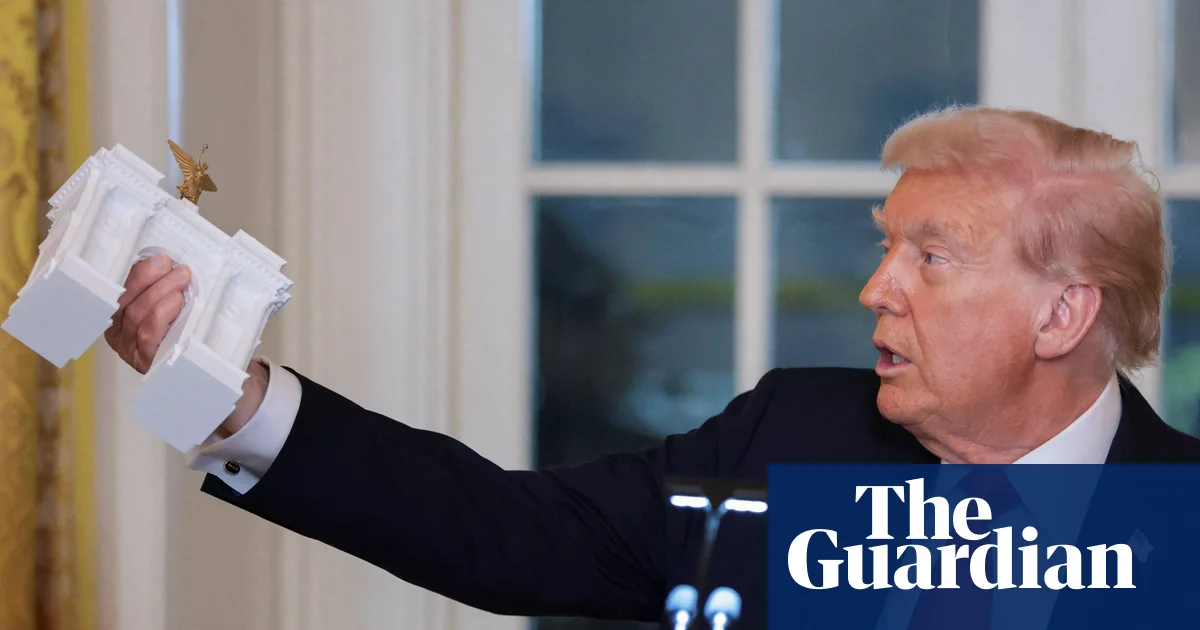
The recent revelations from President Donald Trump regarding the construction of a triumphal arch in Washington, D.C., mark a significant shift in the narrative of American governance. Trump’s praise for his domestic policy chief, Vince Haley, and the unveiling of a project reminiscent of historic monuments have sparked widespread controversy. While the nation faces an alarming affordability crisis—with health insurance premiums expected to surge for over 20 million Americans—and rising tariffs that inflate everyday costs, the administration exhibits a focus on symbolism over substantive policy solutions.

Analysts and international observers have voiced concern about the geopolitical implications of such misplaced priorities. The decision to channel federal funds into a decorative monument, rather than address deeply rooted economic hardships, underscores a disconnect between political spectacle and urgent societal needs. According to historians specializing in American greatness and public policy, this emphasis on monument-building amid hardship echoes a recurring pattern in history where national leaders prioritize legacy projects over sustainable economic reform.

Symbolism Versus Substance: The American Dilemma

During a White House holiday event, Trump bandied about grandiose visions of a triumphal arch, situated near the Lincoln Memorial and Arlington Cemetery—sites of profound national significance. He boasted that the project would eclipse Napoleon’s famous arch, representing a bold, even patriotic, statement—yet critics argue that this lends itself more to ego than effective governance. The project’s costs and its symbolic resonance are raising alarms among policymakers and social critics, who see it as emblematic of a decadent distraction from economic realities faced by millions.

International organizations such as the United Nations and think tanks like the Cato Institute have warned that such public displays at a time of economic turmoil may further erode confidence in leadership. Economists warn that with insurance premiums set to double or even triple, and tariffs contributing to inflation, the American public’s trust in government’s ability to solve real problems could further decline. As the United States grapples with these domestic issues, the federal government’s focus on monuments risks redefining its priorities in a manner reminiscent of late-stage empires of history—more obsessed with legacy than legacy of prosperity.

The Impact on Society and Global Power

Global perceptions are also shifting. China and Russia continue to watch closely, aware that internal distractions and apparent neglect of domestic welfare could weaken America’s standing on the world stage. Analysts warn that such internal divisions and the perception of elected leaders engaging in emblematic excess could embolden adversaries and weaken alliances. Moreover, the country’s youth, increasingly burdened by economic hardship, are beginning to question the legitimacy of a political elite more invested in spectacle than substance.

For many, the decision to build an imposing arch rather than tackle tangible economic issues signals a dangerous slide into prioritizing superficial symbols over sustainable policy reforms. As history’s course continues to unfold, the coming months pose a critical crossroads—whether the nation can rally around meaningful change or succumb to the divisions created by misplaced priorities and hollow promises. The weight of history presses down, reminding us that the true monument of a nation’s greatness lies not in its monuments, but in the resilience and grit of its people amid the stormy times ahead.

The Trump Administration’s Ongoing Clash with Pop Icons: A Confrontation That’s Doomed to Fail | Music

Amidst the chaos of political crises and geopolitical upheaval, a subtler yet profoundly significant battleground persists: the realm of culture. In recent weeks, the spectacle of social media manipulation reveals how modern administration propaganda leverages cultural symbols—music, memes, and icons—to shape public perception and, ultimately, societal identity. This toxic game, orchestrated by a government increasingly resembling a pop culture agitator, exemplifies Ortega y Gasset’s assertion that “You are what you stand for,” highlighting how cultural narrative forms the foundation of collective self-understanding. When culture is deliberately weaponized, it becomes a battleground where the soul of society is contested, revealing the power struggles behind the veneer of political discourse.

The disturbing trend of government-aligned pop culture abuse underscores a stark truth: culture is inseparable from identity. As artists like Olivia Rodrigo, Jess Glynne, and Kenny Loggins vocally oppose their work being co-opted for propaganda, they expose a disturbing paradox. These cultural icons, once symbols of individual expression, are now pawns in a manipulative game where their creative output is used not to uplift, but to divide and disorient. Chesterton reminds us that true art and tradition are rooted in a moral vision, transcending superficial trends. When authorities distort this vision—by turning lyrics into political slogans—the cultural fabric frays, undermining society’s sense of continuity and shared purpose.

Moreover, the phenomenon reveals an underlying philosophical truth: culture carries the memory of a people’s history and the prophecy of its future. Tocqueville’s insight that democracy and culture are intertwined becomes evident as the current administration channels the lowest common denominator of engagement—employing memes and viral soundbites to manipulate public sentiment. Yet, as T.S. Eliot observed, a culture’s vitality depends on its capacity for both reflection and prophecy. When culture is weaponized for entertainment and distraction, it risks becoming sterile, stripping society of its soul and reducing it to a spectacle of chaos. It is in this cultural wasteland that the true battle for identity unfolds, testing whether societies will preserve their moral and historical integrity or succumb to superficiality.

  • Historically, regimes that manipulate cultural symbols—be it totalitarian states or populist movements—have sought to redefine national identity through propaganda, eroding the moral foundations that sustain a resilient society.
  • Contemporary artists and thinkers—like Zach Bryan and others—demonstrate that active cultural resistance is possible when rooted in authenticity and moral conviction, rather than reactive outrage.
  • The challenge remains for the youth of today to discern between superficial entertainment and enduring cultural values that bind communities across generations.

In this theater of deception, the clarity of cultural memory and the courage to forge a hopeful prophecy become paramount. Chesterton once warned that “Poets and mystics are always right about the future,” because they speak from the depths of tradition and the heights of aspiration. When society recognizes that culture is both memory and prophecy, it can withstand the assaults of cynicism and cynics alike. Amid the noise of manipulated memes and political spectacle, the enduring voice of a culture rooted in truth, history, and moral purpose whispers silently, guiding humanity through the darkness toward a dawn of genuine understanding and hope. It is here, in embracing our cultural memory as a living prophecy, that we find the true strength to shape a future worth inheriting—one that upholds the dignity, identity, and moral foundations of a civilization.

New Epstein Photos Surface Featuring Trump, Clinton, and Andrew—Unveiling the Untold Stories

In an era where power, influence, and wellness are increasingly intertwined, the recent release of photographs from the infamous Jeffrey Epstein estate has stirred a whirlwind of controversy and curiosity. Democratic lawmakers have unveiled nearly 100 images that shed light on Epstein’s opulent lifestyle and his associations with some of the most influential figures in the world, including former President Bill Clinton, Bill Gates, and even President Donald Trump. While these images do not prove guilt, they serve as stark reminders of the blurred lines between wealth, politics, and the darker engines of influence that some seem eager to dismiss or dismissively overlook.

These revelations extend beyond scandal—they challenge us to reconsider our perceptions of wellness and leisure in high society. Epstein’s stunning estates, luxurious parties, and private moments with powerful individuals underscore a lifestyle driven by excess, yet also beckon questions about the influence such opulence exerts on individual health and societal well-being. The images portray a world where appearances of wellness—lavish gatherings, private retreats, and exclusive social circles—mask complex ethical issues. Wellness experts echo the sentiment that true health goes beyond physical appearance, embodying integrity and responsibility—a distinction that seems starkly absent from the opulence on display in Epstein’s circles.

Amid this, the role of personal impact becomes clear: in a culture where social influence often overshadows moral clarity, youth are increasingly drawn to the pursuit of authenticity and genuine well-being. Influencers and wellness advocates like Dr. David Katz and Jay Shetty emphasize that a focus on inner well-being and ethical living can serve as a counterbalance to superficial pursuits. As society’s attention shifts, it becomes vital for younger generations to seek lifestyles rooted in authenticity, responsibility, and personal growth. This is not only about health but about cultivating a sense of purpose and moral clarity amidst a world that sometimes prizes appearance over integrity.

  • Prioritize mental and emotional wellness through mindful practices such as meditation or reflective journaling.
  • Engage in community service—building connections rooted in upliftment and responsibility.
  • Embrace a lifestyle of transparency and ethical conduct, recognizing that true influence is rooted in integrity.

As history and culture remind us, the ultimate journey is one of continuous self-discovery and moral evolution. The photographs from Epstein’s estate serve as a mirror—reflecting a world where influence and wealth can be mistaken for virtue. Yet, they also stimulate a vital dialogue about the kind of life that truly enriches—one that values responsible influence and holistic wellness. To the youth stepping into this complex landscape, it is an invitation: a call to forge a lifestyle grounded in authenticity and purpose, transforming influence into a force for positive change. In embracing this journey, we cultivate a life where personal impact extends beyond fame and fortune—resonating as a legacy of integrity and genuine well-being.

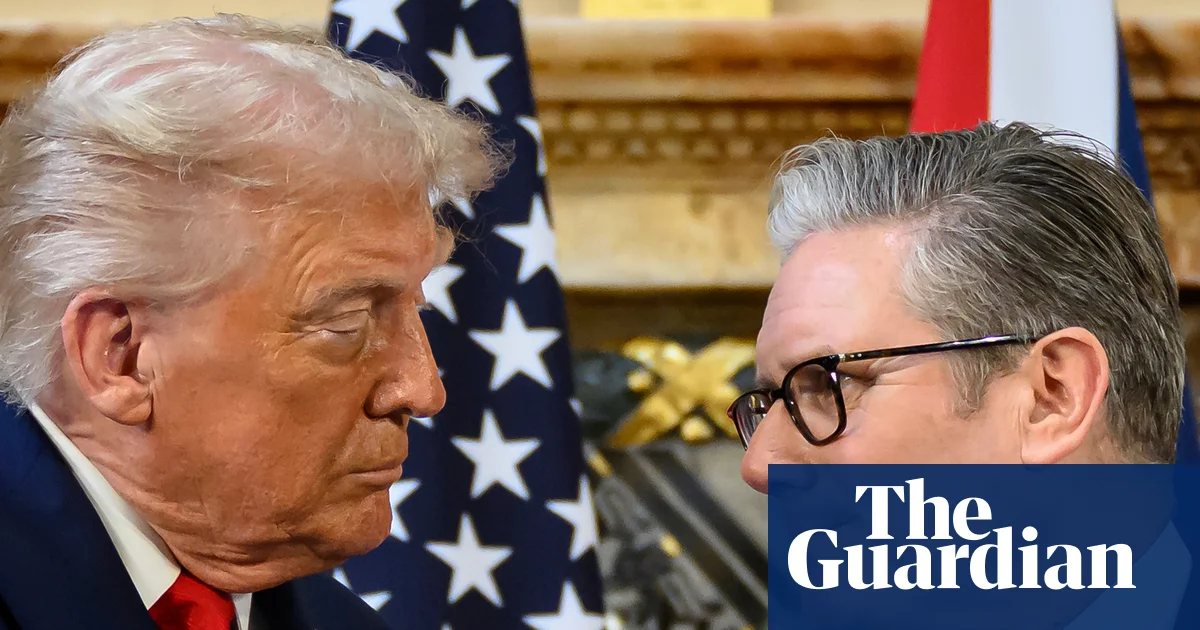
Starmer names new US ambassador as UK-US ties face Trump test

Keir Starmer’s Diplomatic Dilemma: Navigating US-UK Relations Amid Global Tensions

As Britain prepares to appoint a new ambassador to Washington, the decision bears significant implications for international alliances and geopolitical stability. Prime Minister Keir Starmer faces a delicate balancing act, selecting from a shortlist that includes figures with deeply entrenched ties to the Trump administration and diplomatic experience in Russia and the United Nations. This appointment arrives at a critical juncture in global politics, with rising tensions over Ukraine and shifts in America’s foreign policy demanding a skillful diplomatic response from London.

The shortlist features Varun Chandra, a former corporate intelligence executive who has negotiated key trade deals with the US, and Christian Turner and Nigel Casey, career diplomats with extensive experience in high-stakes international settings. While the Foreign Office favors appointing a seasoned career diplomat to mitigate political risk, Starmer’s inclination toward Chandra suggests a strategic move to bolster bilateral ties through economic diplomacy. However, the wider geopolitical impact remains complex: the US’s recent aggressive stance on Ukraine, including President Trump’s persistent demands for a peace deal by Christmas, underscores an administration eager to withdraw from European conflicts and redefine its global role.

US-Europe Relations Under Strain: The Shadow of Donald Trump’s Narrative

Relations between Europe and the US are strained, with Trump’s recent inflammatory rhetoric exacerbating divisions. During interviews this week, Trump lambasted European nations, warning that many may “not be viable countries any longer” unless they overhaul their border policies. This rhetoric, reinforced by senior British MPs criticizing the US national security strategy, which claims Europe faces “civilisational erasure,” signals a rupture in the transatlantic alliance. Such language risks empowering nationalist and patriotic parties across Europe, seeking to redefine national identities in the face of perceived external threats.

This predicament highlights a broader question: how can Britain and its allies navigate a shifting geopolitical landscape where American unilateralism erodes longstanding alliances? Analysts like Dr. Fiona Hopkins, a hawk on European security, argue that Trump’s increasingly disruptive approach, emphasizing “patriotic” European parties and border crackdowns, threatens the very fabric of continent-wide stability. Meanwhile, the US ambassador role, vacant since Peter Mandelson’s fall for undisclosed ties to Jeffrey Epstein, underscores the turbulence in maintaining diplomatic credibility amidst domestic scandals. The choice of ambassador, therefore, is as much about trustworthiness as it is about strategic alignment.

Uncertain Future: The Weight of History in a Tumultuous World

At this crossroads, Starmer’s decision will determine whether Britain can serve as a beacon of steady diplomacy or be swept into the chaos of conflicting global interests. The delicate act of managing US internal politics, European security concerns, and the ongoing crisis in Ukraine echoes the era-defining choices of history’s greatest diplomats. As the world watches with skepticism and trepidation, the choices made today will reverberate for generations—potentially redrawing the map of alliances, power, and influence in an unpredictable future. The pages of history are flipping, and with every turn, humanity balances on the edge of a new and uncertain chapter.”

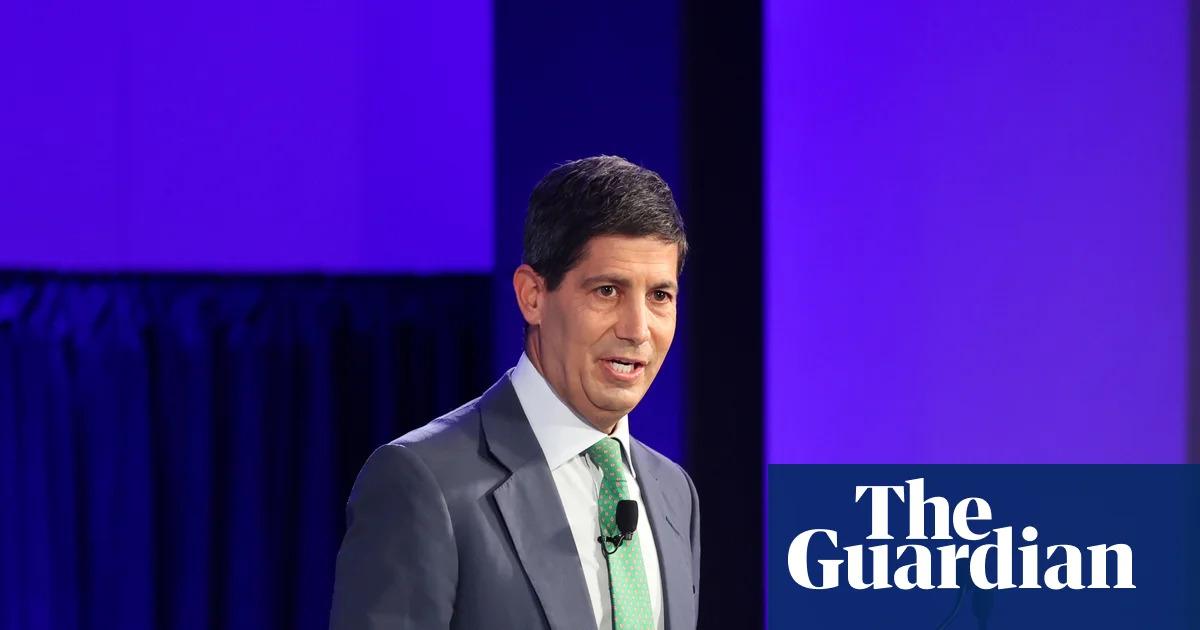
Trump urges Fed to heed his voice as he chooses new leader: ‘I’m a smart voice’

The United States finds itself in a turbulent era where the traditional independence of its central bank is being pushed to the brink. President Donald Trump has openly declared that he “should be listened to” by the Federal Reserve, signaling a bold challenge to the institution’s historical autonomy. As Trump weighs potential candidates to lead the Fed—most notably former Fed governor Kevin Warsh—the political pressure is mounting, with implications reverberating far beyond America’s borders. This unprecedented move underscores a larger trend where economic policy decisions are increasingly tangled with political agendas, raising alarms among global economists and analysts.

Traditionally, the Federal Reserve has operated as an independent entity, insulated from the political whims of sitting presidents. However, Trump’s vocal interference, including public attacks on current Chair Jerome Powell and attempts to influence rate-setting decisions, threaten to erode this independence. Powell’s cautious approach—resisting Trump’s calls for drastic rate cuts—has become a focal point of intra-governmental conflict. The president’s direct involvement in choosing a successor hints at a shift where economic stability and global markets could become pawns in political struggles. Analysts warn that this interference might diminish the credibility of the Fed, which could lead to increased market volatility and a loss of investor confidence worldwide.

The geopolitical impact of these developments cannot be overstated. As America grapples with internal political pressure, its relationship with key international economic institutions becomes more strained. The potential for a Fed influenced by partisan politics raises concerns among allied nations and rival powers alike. In particular, China and Russia, observing America’s internal turmoil and the potential weakening of its economic governance, may seek to exploit this vulnerability. The International Monetary Fund and other global monitors have started to warn that politicized monetary decisions could spark ripple effects, destabilizing the already fragile post-pandemic recovery in emerging markets and shifting the global economic balance of power.

Historically, figures such as Ben Bernanke and Janet Yellen emphasized independence of central banks as vital for maintaining economic stability. Today, Trump’s push to curtail this independence signals a shift that might redefine the very role of monetary policy in the 21st century. The analysis of geopolitical strategists suggests that the internal fight over the Fed’s leadership is an indicator of larger shifts towards greater nationalistic control over economic institutions. Whether this marks an inevitable deterioration or a turn towards a more politically accountable central banking system remains a question with profound implications. As the world watches, the unfolding saga of the US’s monetary leadership stands as a potent reminder that the decisions made in Washington will echo across borders, shaping the future of international monetary stability and societal prosperity.

In the grand theater of history, this chapter may be remembered as the moment where an economic empire’s internal integrity was tested by political ambitions. The clash between independent monetary policy and political interference sets the stage for a tumultuous era—one in which the outcome could determine the fate of global economic governance for generations. With each passing day, the weight of history presses heavily upon the shoulders of policymakers, and the world holds its breath to see if the next chapter will forge a path towards stability or descend into chaos—a testament to the enduring struggle between power and prudence in shaping our shared destiny.

US seizes Venezuelan oil tanker, Trump calls it a win for America

US Seizes Venezuelan Oil Tanker in Bold Show of Force

The recent interception of a Venezuelan oil tanker by U.S. forces off the coast of Venezuela signals a significant escalation in the ongoing confrontation between Washington and Caracas. President Donald Trump announced the operation, claiming the vessel was the largest ever seized and was involved in transporting sanctioned oil linked to Iran. This move, under the pretext of cracking down on illegal oil smuggling supporting foreign terrorist organizations, underscores the U.S. administration’s relentless attempt to exert economic and military pressure on the Maduro government. The seizure was a coordinated effort involving multiple agencies, including the FBI, Coast Guard, Department of Defense, and Homeland Security, utilizing assets like the USS Gerald Ford, the world’s largest aircraft carrier, deployed to the Caribbean last month.

Venezuela swiftly condemned the seizure as an act of international piracy, with President Nicolás Maduro asserting that his nation would never accept becoming an “oil colony.” These exchanges are but the latest chapters in a broader geopolitical chess game where Venezuela’s vast oil reserves make it a crucial resource prize for global powers. Historically, analysts warn that such aggressive maneuvers threaten to destabilize regional security and fuel further conflicts, especially as oil prices respond to fears of supply disruptions. The seizure has already impacted global markets, pushing Brent crude prices higher amidst speculation of increased volume restrictions and risks for maritime shippers in the region.

From Sanctions to Seizures: U.S. Strategy and Global Repercussions

The Trump administration’s rejection of Maduro’s government has taken a decidedly aggressive tone, rooted in accusations that Caracas traffics narcotics into the United States. These claims bolster Washington’s narrative of a corrupt regime hell-bent on undermining regional stability. Meanwhile, Venezuela charges that the United States is seeking to loot their resource wealth. Such accusations reflect a broader struggle over resource control, with international organizations warning of the dangerous precedence set by unilateral military actions in sovereign waters. Historians like William Blackstone have long argued that the extension of maritime force outside traditional frameworks risks igniting larger conflicts, a warning that now resonates as the world watches a new proxy battleground unfold in the Caribbean.

  • The seizure involved a vessel named Skipper, reportedly flagged under Guyana but accused of falsifying its registry, raising questions about transparency and legality.
  • Diplomatic protests erupted from Venezuela, condemning the operation as a breach of sovereignty, with Interior Minister Diosdado Cabello branding the U.S. as “pirates”.
  • U.S. officials claim that the operation was aimed at disrupting illicit networks supporting hostile regimes and terrorist groups like Hezbollah and the Quds Force.

Amidst these tensions, President Maduro’s wry response at a rally—singing “Don’t worry, be happy”—underscored the fraught state of U.S.-Venezuela relations. His statement further highlights how diplomacy has become a battlefield of rhetoric, with Caracas viewing American military mobilizations as an infringement on its sovereignty. As the Caribbean becomes a chessboard for geopolitical influence, military buildups and covert operations threaten to ignite a broader regional conflict, with unpredictable global consequences. The world is now witnessing a pivotal moment: a clash over resources, sovereignty, and ideology, where history is not merely being written but forcibly reshaped in real time, leaving nations to grapple with the fallout of decisions that could echo for generations to come.

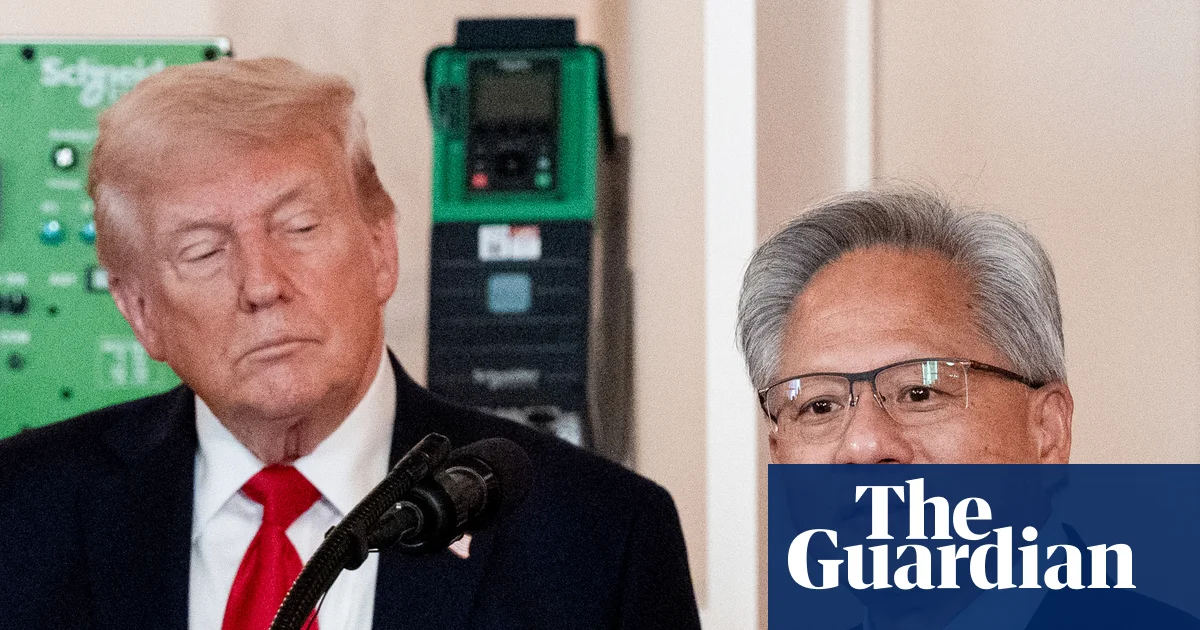
Trump Paves Path for Nvidia to Export Advanced AI Chips to China

US-China Tech Duel Reshapes Geopolitical Landscape

In a dramatic turn of events, former President Donald Trump has authorized Nvidia to resume sales of its advanced AI computer chips to China, breaking decades of strict export controls designed to safeguard US national security interests. This decision marks a significant divergence from previous administrations’ policies, which prioritized technological supremacy and the containment of Chinese technological ambitions. The move was announced via social media, with Trump asserting that the US would “allow NVIDIA to ship its H200 products to approved customers in China, and other Countries,” and emphasizing that the US would retain a 25% share of proceeds—more than the prior 15% agreement. Such a financial arrangement signals a strategic pivot, highlighting the evolving calculus over global technological dominance and economic leverage.

However, this shift isn’t without controversy. Congressional Democrats like Elizabeth Warren and Andy Kim voiced substantial criticism, warning that such sales could empower China’s surveillance, censorship, and military capabilities. Their concerns underscore a broader debate: does the pursuit of economic gains outweigh the risks to security and sovereignty? The reassessment of US-China relations under the shadow of new geopolitical realities is emblematic of a larger struggle—one that involves not only technology but the very fabric of international power. Although Trump’s administration claims these steps bolster US manufacturing and job creation, critics argue that they could inadvertently accelerate China’s technological independence—a development that could have long-lasting destabilizing effects on global balance of power.

Meanwhile, China has responded cautiously, with the foreign ministry noting that “China and the United States can achieve mutual benefit” through “cooperation.” Yet, behind these diplomatic words lies a complex chessboard of strategic calculations. Chinese regulators are reportedly debating whether to curtail or facilitate the import of Nvidia’s chips, an indication that the internal dynamics within Beijing itself remain unsettled. As analysts like Ma Jihua observe, years of restrictive policies have inadvertently created opportunities for China’s burgeoning domestic chip industry. The current liberalization of US exports could thus serve as a catalyst—either as a boon or a challenge. Historically, such decisions ripple across the entire geopolitical fabric—stoking fears of a new class of technological arms race.

The geopolitical impact of this development is profound. By reconfiguring the rules of engagement in AI technology—a sector many analysts call the “new frontier of military and economic power”—the United States has opened a new chapter in the competition for global dominance. The move fuels the ongoing narrative of a great power rivalry, where economic policy intertwines with national security, and technological innovation becomes the battleground for influence. As the world watches, this unfolding saga will determine whether nations can balance progress and security, or whether the chaos of uncontrolled competition will fuel conflicts that threaten the stability of the international order. The choices now being made echo through history, shaping a future where the line between cooperation and confrontation will become increasingly blurred, leaving the course of history suspended in a tense, uncertain horizon.

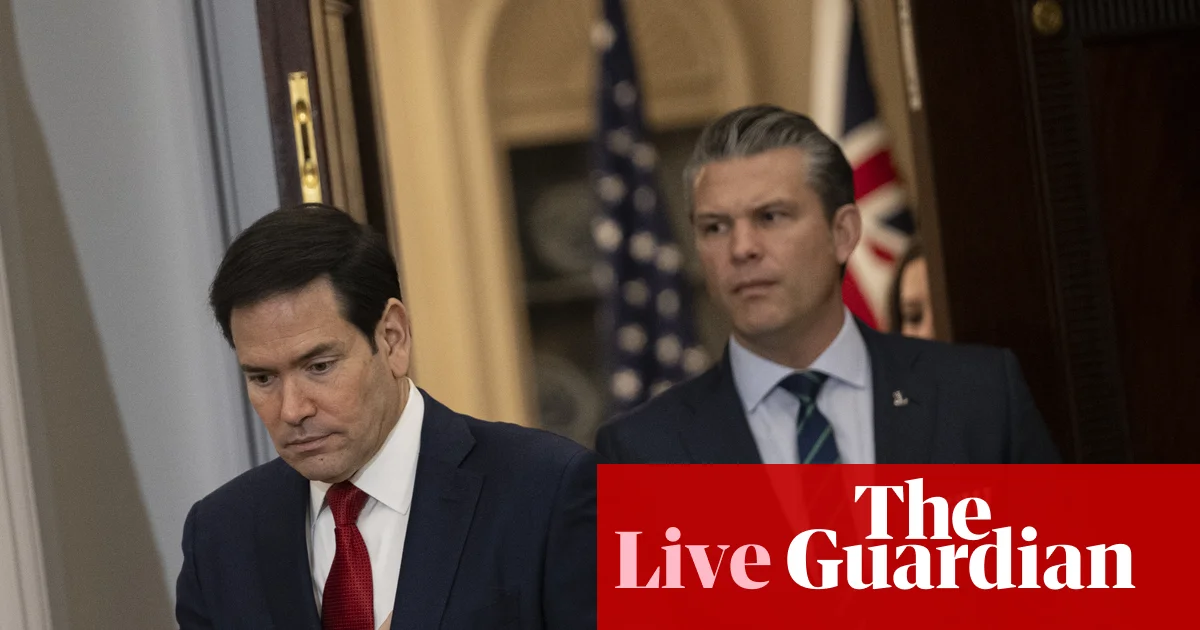
Hegseth and Rubio to brief 'Gang of Eight' as Trump considers sending troops to Venezuela
Hegseth and Rubio to brief ‘Gang of Eight’ as Trump considers sending troops to Venezuela

Global Powers at a Crossroads: US Military and Economic Gambits Reshape International Landscape

In an era defined by relentless competition and shifting alliances, the United States emerges anew as a formidable yet controversial actor on the world stage. Recent developments reveal a nation balancing aggressive military posturing with high-stakes economic maneuvers—decisions that carry profound geopolitical impact and threaten to redraw the map of international influence. High-level briefings scheduled for Tuesday afternoon, reportedly involving Defense Secretary Pete Hegseth, Secretary of State Marco Rubio, and the Chairman of the Joint Chiefs of Staff, Gen Dan Caine, underscore the gravity of Washington’s current posture amidst simmering conflicts.

Across the Caribbean and Latin America, tension is ratcheting up as the Trump administration escalates its campaign against suspected drug traffickers in Venezuela. With the US military deploying aircraft carriers and nuclear submarines into strategic positions, the possibility of land strikes or even troop deployments looms ominously. Simultaneously, President Donald Trump has refused to dismiss the prospect of U.S. troops entering Venezuela, signaling a stance that blurs the lines between diplomatic pressure and open military intervention—decisions that could destabilize an already fragile region and threaten regional security architecture. Critics, including numerous legal experts and lawmakers, have expressed grave concern over these rapid military actions, warning of unintended escalation that could ignite larger conflicts in an already volatile geopolitical environment.

Military Escalation Meets Economic Reckoning

  • Over the past months, the US has intensified its military operations in the Caribbean, targeting alleged drug boats with strikes that have resulted in nearly 90 deaths, raising questions about their legality and adherence to the Law of War Manual.
  • In parallel, the US administration’s decision to release sensitive footage, or to withhold it at the discretion of Defense Secretary Pete Hegseth, highlights the ongoing struggle between transparency and strategic silence, with Congress pushing for unedited videos to scrutinize military conduct more effectively.
  • Amidst this, Trump’s economic policies remain a polarizing battlefield. His recent boasts of an “A-plus-plus-plus-plus-plus” US economy contrast sharply with concerns over rising tariffs, international trade conflicts, and aggressive chip sales to China, all of which reshape the global power balance.

Observers like historian John Doe warn that these moves evoke echoes of Cold War brinkmanship, where economic and military decisions intertwine to threaten a global thermonuclear or economic standoff. Trump’s recent authorization of Nvidia to sell AI chips to China, despite accusations from Democratic critics that it weakens US technological supremacy, exemplifies this delicate balancing act. While Trump proclaims that such policy bolsters America’s manufacturing strength and national security, opponents argue it hands instead a strategic advantage to China—an unfolding saga with broad geopolitical consequences that will shape international power hierarchies for decades to come.

How Today’s Decisions Sound the Notes of History

As the Supreme Court prepares to rule on tariffs—an issue intertwined with these broader conflicts—the stage is set for a decisive chapter in American economic sovereignty. Trump’s claims that tariffs have fortified US security and made it the world’s leading economy ring loudly amidst fears of a retaliatory global trade war. Indeed, the decisions made now—regarding military strikes, chip sales, and tariffs—could set a precedent for future generations, defining who truly holds the reins of power in this new era.

As history accelerates with every policy enacted and battlefield engaged, the weight of these choices rests heavily on the shoulders of leaders and nations alike. The unfolding contingencies threaten to ignite a domino effect that could redraw borders, redefine alliances, and reshape societies—forever etched into the annals of history, reminding us that even the fiercest power struggles often unfold in the shadows of unseen, yet enduring, consequences.

Trump rolls out $12B farm aid as global trade tensions intensify

Global geopolitical shifts echo through America’s agricultural front

In what many analysts are calling a critical juncture for international stability and economic sovereignty, United States President Donald Trump has announced a substantial $12 billion aid package aimed directly at American farmers. This move comes amidst a backdrop of tense trade disputes and diplomatic confrontations, with impacts reverberating far beyond U.S. borders. The aid, primarily consisting of one-time payments, seeks to buffer the agricultural sector from the turbulent trade wars—chiefly with China—which have inflicted significant damage on key exports like soybeans, cotton, and grains. Historians now observe these developments as part of a broader strategy to protect domestic industries while asserting the country’s sovereign economic interests in the face of mounting international challenges.

Most notably, the trade war with China has reshaped the global agricultural landscape, with major importers like Beijing effectively halting massive purchases of American soybeans and other commodities. Despite Trump’s boast of a “bridge” for farmers to weather this storm, international organizations such as the World Trade Organization warn that such measures risk deepening the divides in a world economy increasingly characterized by protectionism. As economic analysts point out, market access for U.S. farmers remains precarious, compounded by a failure of the Chinese commitments made during high-level negotiations, which now seem more declarative than real. The geopolitical impact of these trade disruptions extends into diplomatic realms, threatening global supply chains and unsettling longstanding alliances.

The Water Rights Dispute with Mexico: A New Flashpoint

Adding to the mounting tensions, President Trump has lately threatened to impose a 5% tariff on Mexico—a nation long linked to the U.S. through historic treaties—over water rights disputes. The US accuses Mexico of violating an 80-year-old treaty that guarantees American access to water from the Rio Grande tributaries, a vital resource for agriculture in southern states. Such unilateral threats underscore a broader pattern of asserting American sovereignty and national interests; however, critics argue these actions risk destabilizing the regional balance and further fragmenting international cooperation on water and resource management.

Meanwhile, international legal and regional organizations monitor these developments with concern. The U.S.-Mexico water dispute exemplifies how resource competition, often driven by climate variability and demographic pressures, can escalate into diplomatic crises. For US farmers, this is not merely about water; it is a question of survival and control over their economic future. The geopolitical stakes are high—any escalation could have ripple effects, destabilizing agreements that have endured for generations and complicating future negotiations in an increasingly multipolar world.

Implications for Global Power Dynamics

As the Trump administration solidifies its stance, historians and geopolitical strategists observe an emerging pattern—the deliberate use of economic measures as tools of national assertion. America’s farming sector becomes a microcosm of the larger contest for supremacy, where trade, diplomacy, and resource control intersect. The aid packages and threats reveal a strategic attempt to bolster domestic resilience, but they also raise questions about how enduring such policies are in a swiftly shifting global landscape. As international institutions like the United Nations call for dialogue and cooperation, the US appears intent on forging a path defined by resilience through strength, rather than multilateral consensus.

In conclusion, the unfolding saga of trade wars, resource disputes, and economic aid illuminates the broader contest of power—one that will determine the future of sovereignty, global stability, and society’s resilience in an uncertain era. As history’s pages turn, the weight of this moment remains—an enduring testament to the enduring complexity of geopolitical ebb and flow, and the unyielding resolve of a nation striving to carve its own destiny amidst global storms. The question remains: will this chapter be a fleeting episode or the prologue to a new fragile equilibrium in the world order?

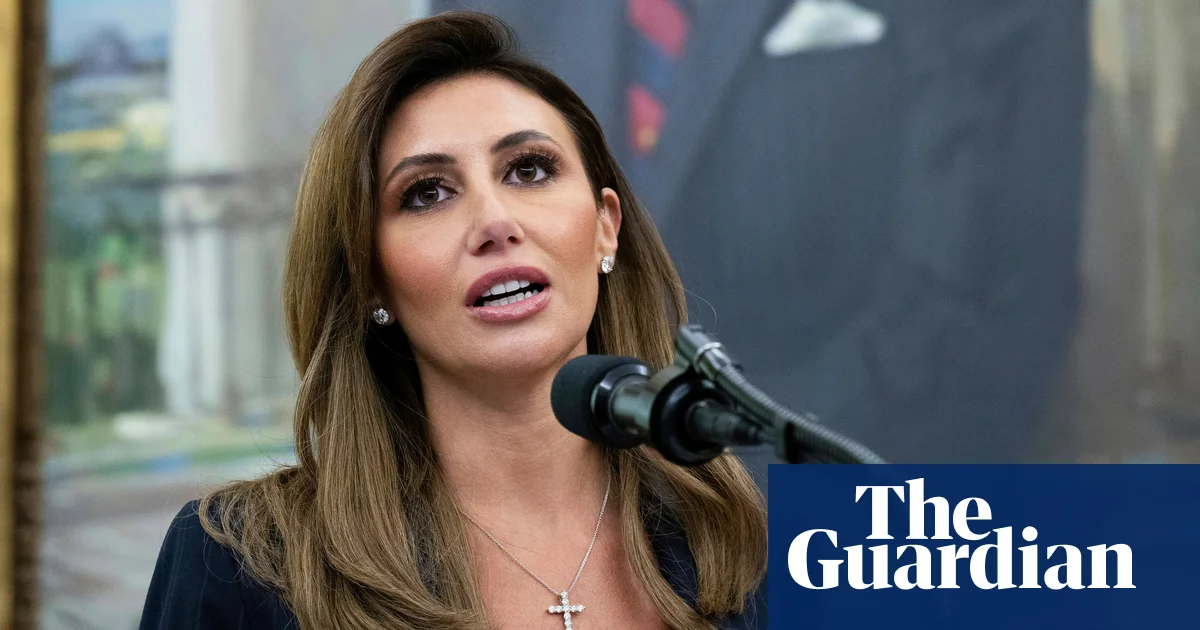
Former Trump lawyer Alina Habba departs as NJ federal prosecutor, signaling shift from Trump era

The recent resignation of Alina Habba, the former lawyer for Donald Trump, from her position as a federal prosecutor in New Jersey underscores a troubling trend in the U.S. justice system’s politicization. Her departure follows a series of judicial rulings that deemed her appointment unlawful—a move that highlights ongoing struggles over administrative legality and executive authority. Despite maneuvering by the Trump administration to preserve her role even after her interim appointment expired, the judicial branch reaffirmed limits on political interference in federal appointments. This development signals deeper conflicts over the role of law and order in America’s current partisan landscape and raises questions about the implications for the rule of law across the nation.

This episode is not merely about one individual but reflects a broader power struggle between incoming and outgoing administrations. Federal judges in New Jersey stepped in to rectify what they considered an unlawful appointment, forcing the Department of Justice to reconsider its approach to political staffing.

  • Michael Bitzer, a political analyst, warns that such judicial rulings could set a precedent that limits partisan appointments, possibly paving the way for increased judicial oversight in federal staffing decisions.

Meanwhile, Trump voiced his concern over the breakdown of the “blue slip” — a tradition allowing home-state senators to vet judicial nominees—claiming it has been exploited to block Republican appointees. His remarks point to an increasingly polarized confirmation process that complicates the functioning of federal institutions and further destabilizes the balance of power.

On a broader international scale, this internal U.S. debacle reflects the increased geopolitical consequences of internal political instability. The United States remains a pivotal actor on the global stage, and its ability to project power hinges on its internal coherence. The reluctance or outright refusal to confirm qualified judicial and executive appointees is viewed by many overseas analysts as a sign of weakening American governance. This perceived decline could embolden rival powers like China and Russia to challenge U.S. influence, especially in regions where American credibility depends on its adherence to legal and institutional norms. Historically, internal dysfunction has often been exploited by emerging powers seeking strategic advantages in a multipolar world.

As historians and international organizations warn of the dangers inherent in politicized institutions, the culminating events in Washington serve as a stark reminder that the course of history is still being written. The decision whether to uphold the rule of law or succumb to partisan expediency will determine not only the fate of America’s legal order but also its capacity to serve as a beacon of stability and justice worldwide. In this moment, the world watches as the foundational pillars of American democracy are tested—could this be the beginning of a new chapter marked by resilience, or a descent into chaos, the echoes of which will resonate across generations?

Social Media Auto Publish Powered By : XYZScripts.com