Matox News

Truth Over Trends, always!

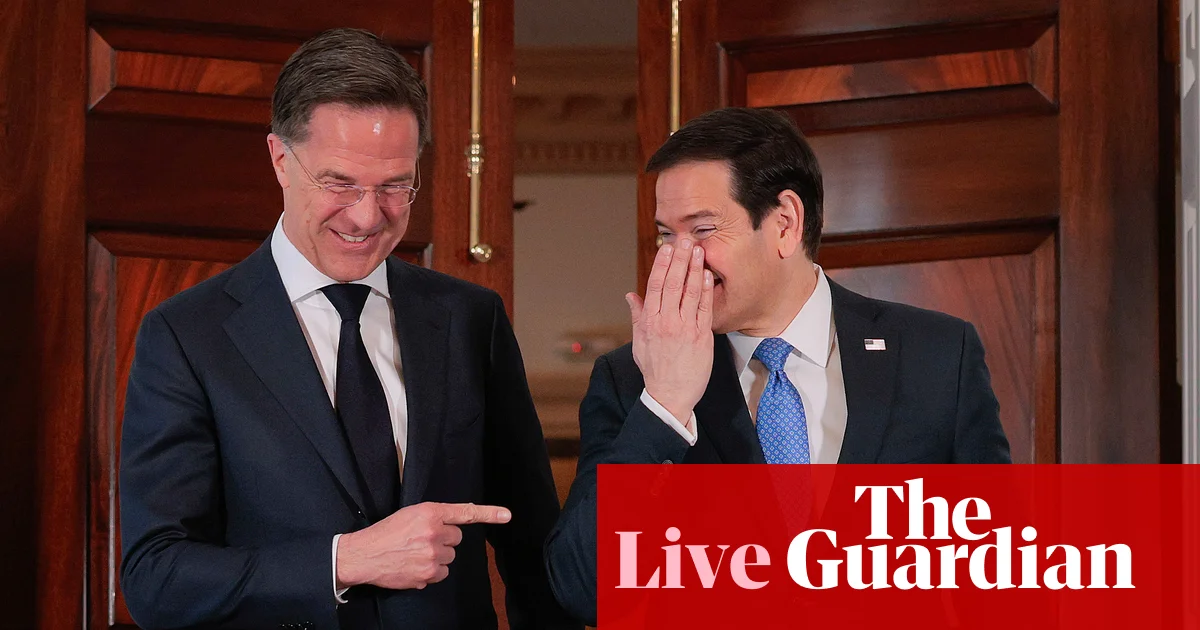
Middle East Tensions: Trump Predicts Quick End; Rubio Calls to Rethink NATO | US-Israel Confront Iran

International Stage Shifts as Middle East Crisis Deepens

The geopolitical landscape is experiencing a profound upheaval as a cascade of conflicts and strategic recalibrations ripple across the globe. French President Emmanuel Macron’s recent remarks in Japan highlight Europe’s desire for stability through “predictability,” standing in stark contrast to the erratic decisions of other major powers. Macron’s critique appears pointed at the United States, especially amid its ongoing military engagements and diplomatic positions surrounding Iran. Macron emphasized the importance of consistent policy directions, implicitly criticizing the United States’ stance which, in recent weeks, has been marked by unpredictable shifts and assertive military postures. Such remarks signal a growing divergence within Western alliances, raising questions about the future cohesion of NATO and transatlantic strategic unity, especially as Washington contemplates reevaluating its alliances in light of emerging threats.

The Middle East: A Theatre of Escalating Conflict

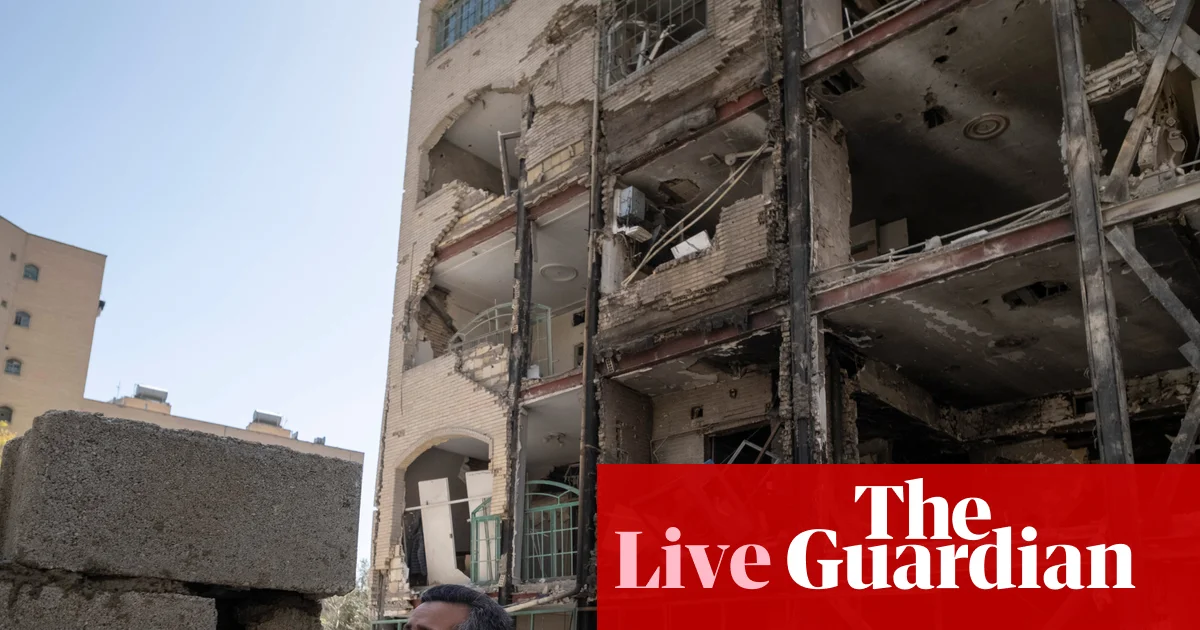
Across the Middle East, the situation remains perilous, with escalating hostilities between Iran and Israel threatening regional stability. Israeli defense systems identified and intercepted missile launches from Iran, with war warnings activating across central Israel. Meanwhile, Iran reported attacks within Tehran, underscoring the country’s vulnerability amidst a barrage of recent assaults. Saudi Arabia and Bahrain have intercepted and neutralized multiple drones originating from Iranian-backed groups, illustrating a pattern of proxy warfare that complicates the regional security landscape. The United Arab Emirates suffered a tragic incident when drone debris fell on a farm in Fujairah, killing a Bangladeshi national. Such incidents underscore the dangerous spillover of proxy conflicts and asymmetric warfare into the heart of the Gulf states, stirring anxiety among their populations and foreign investors alike. Furthermore, Iran’s retaliatory strikes and the United States’ deployment of additional military assets, including the USS George W. Bush strike group, exemplify a dangerous escalation that threatens to ignite a wider regional war. Analyses from international military strategists warn that these actions could spiral into a broader conflict entangling major powers, with catastrophic implications for global stability.

Strategic Repercussions and Evolving Alliances

The unfolding crisis has prompted serious discourse among international leaders about the redefinition of alliances and the future of global security arrangements. US Secretary of State Marco Rubio’s statement that NATO might need to re-examine its role after the Iran conflict signals a paradigm shift in North Atlantic security policy. The U.S. appears to be reevaluating its strategic commitments, especially given the strain of ongoing military operations and diplomatic setbacks. Correspondingly, reports indicate that the United Arab Emirates is considering aiding the US in efforts to reopen the Strait of Hormuz by force, a move that could set a precedent for regional intervention under the banner of international legitimacy. Such developments reflect a fragile nexus of alliances, with traditional partnerships strained by divergent priorities and emerging regional powers asserting their claims.

Meanwhile, the economic repercussions are becoming increasingly apparent. Asian markets surged on hopes that the Iran conflict might conclude swiftly, but the risk of prolonged warfare looms large. Domestically, countries like Australia are implementing measures to buffer their economies from the cascading effects of conflict—fuel price hikes, supply chain disruptions, and financial market volatility. The global economy, intertwined with geopolitical stability, teeters on a knife’s edge, with young voters around the world questioning whether their leaders will choose confrontation or diplomacy in this critical juncture of history.

As the geopolitical chessboard continues to shift, the weight of history presses heavily upon the present—every decision, every conflict, etches a new chapter into the annals of international relations. The question remains: will this spiral of violence lead to a new era of global cooperation or plunge us into the chaos of unchecked conflict? Only time will tell, but one certainty persists: the pages of history are turning, and humanity stands at a crossroads, watching the shadows of war lengthen across the horizon.

DHS Funding Freeze Becomes Longest Partial Shutdown in U.S. History Under Trump

The ongoing partial shutdown of the United States Department of Homeland Security (DHS), now reaching the longest in American history, underscores a deepening crisis rooted in political stalemate. For over six weeks, the DHS, responsible for crucial national security and immigration enforcement, has operated with less than 10% of its workforce active, leaving nearly 200,000 employees, including airport security personnel, in limbo. This paralysis is not just a domestic mess but a signal that the fragile fabric of American governance is fraying. Such internal instability is bound to ripple outward, affecting international perceptions of the world’s most powerful democracy and its capacity to project stability in a turbulent global landscape.

The root of this crisis lies in Congress’s failure to bridge partisan divides concerning immigration and border enforcement policies. Despite numerous attempts by President Donald Trump to allocate emergency funds, negotiations have repeatedly collapsed, leaving agencies like FEMA and the US Coast Guard without resources. As the shutdown prolongs, the chaos at America’s airports epitomizes its consequences: overcrowded security lines, missed flights, and over 480 TSA workers having left service since the shutdown began. Notably, authoritative voices such as the American Federation of Government Employees president Everett Kelley have denounced this government failure as a betrayal of the American people. Kelley’s call for lawmakers to “return to Washington, honor their oath and do their job” underscores the urgent need for leadership that prioritizes national stability over partisan gamesmanship.

From a geopolitical perspective, the shutdown weakens America’s global credibility. As international institutions and allied nations watch the wreckage caused by internal political discord, they are forced to question whether the U.S. can sustain its commitments or lead global efforts. Meanwhile, organizations like Airlines for America and the Modern Skies Coalition warn of a broader economic fallout. These groups point out that the shutdown hampers vital transportation infrastructure, jeopardizes international trade, and signals a retreat from the American keystone role in global stability. As global analysts cautioned, such internal dysfunction leaves the door open for adversaries to exploit America’s vulnerabilities, further destabilizing an already volatile international order.

In the wider context, these government challenges are symptomatic of a deeper political polarization. Experts such as law professor Eric Chaffee warn that short-term legislative fixes are merely delaying the inevitable, emphasizing that the true solution demands a political environment where the public’s will and national interests are prioritized. The current deadlock, with bills rejected and leaders retreating into partisan bunkers, risks being a prelude to further crises—not just within the U.S., but across the world stage. As history continues to unfold and the weight of this crisis bears down, the question remains: will American democracy rally or falter under the weight of its own divisions?

As the shutdown drags on, the world watches a nation claiming to be a global leader caught in a spiral of self-inflicted chaos. The narrative remains unwritten, but the shadows of past conflicts suggest that history’s gaze will be unforgiving to those who let internal discord threaten to dismantle their nation’s sovereignty. The next chapter in this saga holds the power to redefine America’s reputation—either as a resilient beacon of democracy or as a fractured power adrift in a world with no room for weakness. With each passing day, the weight of history presses down, waiting for leaders to act before the nation’s legacy is forever altered.

No Kings protests sweep the US, rallying against Trump influence

On Saturday, cities across the United States are expected to witness a wave of mass demonstrations against the Trump administration. These rallies, fueled by widespread discontent over recent policies and political rhetoric, underscore a broader domestic and international debate about the direction of American governance. While rooted in U.S. internal affairs, the protests resonate globally, reflecting anxieties about the influence of U.S. leadership on global stability and values.

In recent years, analysts and international organizations have closely scrutinized the shifting paradigms of American foreign policy under President Donald Trump. Critics argue that his approach—characterized by a confrontational stance on trade, climate accords, and international institutions—has redefined the geopolitical balance. Experts from institutions like the Council on Foreign Relations have warned that such unilateralism could erode decades of multilateral diplomacy, encouraging other nations to adopt more aggressive postures. Meanwhile, supporters contend that his policies restore American sovereignty and prioritize national interests — a view that finds substantial backing among youth segments and nationalist movements across various nations.

The planned protests are emblematic of a period of intense societal upheaval that transcends borders.

  • They echo historic moments where mass mobilization altered political landscapes.
  • They serve as a reminder that domestic unrest often acts as a mirror for international discord, especially when rises in populism or nationalism gain momentum.
  • The demonstrations also highlight the ongoing tension between globalist institutions—such as the United Nations or European Union—and rising sovereign nations asserting their independence.

From a geopolitical impact perspective, these protests symbolize a potential shift in how societies perceive authority and influence. Governments worldwide are watching closely, as rising civil unrest can threaten entrenched power structures or accelerate a reevaluation of their own policies regarding internal dissent. As historians like Dr. Laura Chen have noted, moments of intense internal division often precede significant historical turning points. These demonstrations may signal a new chapter—one where the forces of nationalism, tradition, and sovereignty challenge the liberal global order relentlessly evolving in the post-Cold War era.

Ultimately, the weight of history presses heavily upon the unfolding narrative—each chant, each march, each speech contributing to a larger story of nations choosing their destiny amid the tumult of change. The world watches, already marked by shifting alliances and emerging conflicts, as the American questions of leadership and principles become a fulcrum for the future of global order. The outcomes of these protests are not merely localized acts of civil discontent but are threads woven into the broader fabric of history, whose pattern remains painfully uncertain yet undeniably consequential.

No Kings Protests: Massive Global Rally Against Trump and the Deep State

Unrest Ignites Global Resistance: The Geopolitical Impact of America’s Domestic Movements

In recent months, the United States has witnessed an unprecedented surge in mass protests, echoing beyond its borders and shaping the geopolitical landscape in ways few anticipated. Drawing inspiration from concepts like the 3.5% protest rule, which posits that sustained mass participation by even a fraction of the populace can topple authoritarian regimes, American citizens have mobilized at an astonishing scale. From the expansive No Kings protests against the Trump administration to demonstrations demanding accountability for immigration, climate, and social justice, these grassroots movements are redefining the boundaries of civic activism and challenging traditional power structures in democracy.

According to political analysts and historians like Dr. Erica Chenoweth of Harvard Kennedy School, such high levels of participation—sometimes estimated in the millions—signal a potential turning point for American democracy. However, the ripple effect is felt more broadly. Countries across Europe, Asia, and the Middle East are observing these protests closely, with many seeing parallels in their own struggles against authoritarian populism, far-right extremism, and elite dominance. In the UK, the Together Against the Far Right march drew nearly half a million multicultural advocates—outpacing some national policies—indicating that resistance is now a universal language of the youth, especially when political elites falter or ignore the grassroots.

The geopolitical impact of such movements extends beyond simple protests; they threaten the stability of fragile regimes and influence international relations. The coordination of protests in multiple US states—especially in Minneapolis, where activists rallied against police brutality and immigration enforcement—has been likened by foreign policy experts to a modern form of soft power. Countries like Russia and China are reportedly monitoring these unrests, aware that the spread of such resistance challenges not just the U.S. political order but also global narratives about liberal democracies. As the Crowd Counting Consortium reports over ten thousand protests in 2025 alone—an increase of over 130% from previous years—the world witnesses a new era where domestic upheaval becomes an international phenomenon.

Added to this, measures taken by the U.S. government—such as deploying federal troops and militarized police—highlight a troubling shift toward authoritarian tactics, inspiring reactions worldwide. The protests in London, Porto, and Berlin reflect a shared sentiment: that rising extremism and the erosion of democratic safeguards are issues that transcend borders. International organizations and democracy advocates warn that unless the collective voice of the youth and marginalized is heeded, the dominoes could begin to fall across nations, triggering a global crisis of legitimacy.

As history continues to unfold, it remains uncertain whether these protests will catalyze genuine systemic reform or escalate into more authoritarian crackdowns. Seared into the collective memory are images of millions marching against what they perceive as the betrayal of democracy, with the specter of history—like the upheavals of the civil rights era—looming just beyond the horizon. What is undeniable, however, is that this formidable wave of resistance signals a profound shift: a stark reminder that in the theater of geopolitics, the power of the people cannot be underestimated, and the pages of history are once again being written—sometimes with the blood of confrontation, but always with the indomitable spirit of youth revolution.

Trump delays Iran’s Hormuz closure by 10 days amid US-Israel push on Iran

US-Iran Tensions Reach Critical Point: A New Phase in the Middle East Crisis

The recent developments in the Middle East signal a pivotal turn in international geopolitics, with United States President Donald Trump extending his deadline for Iran to reopen the strategic Strait of Hormuz. This vital waterway, through which approximately 20% of global oil passes, has become a battleground in a conflict that threatens to destabilize the world’s economic center of gravity. Trump’s decision to pause the destruction of Iran’s energy infrastructure, citing ongoing negotiations, underscores the precarious balance of power and the high-stakes diplomacy at play. Yet, analysts warn that behind this diplomatic veneer lies an escalation of military posturing, with thousands of U.S. troops poised to seize strategic nodes such as Kharg Island, Iran’s principal oil export hub, signaling a possible shift toward open conflict.

Significant strikes by Israel and the U.S. against Iranian military and naval targets—most notably the elimination of the Revolutionary Guards’ naval commander, Alireza Tangsiri—highlight an aggressive effort to dismantle Iran’s maritime capabilities. Administrators such as Adm Brad Cooper have claimed that these actions are barometers of irreversible decline for Iran’s naval strength, yet Iran continues its retaliatory assaults by missile and mine attacks, demonstrating its resilience and capacity for asymmetrical warfare. Meanwhile, Israel contends with missile interceptions in Jerusalem and Tel Aviv, illustrating how regional conflicts are entangling a host of nations beyond the primary adversaries. This broadening of hostilities raises urgent questions about how decisions made today will shape the geopolitical architecture of the Middle East for generations to come.

Diplomacy and Deterrence in a Widening Conflict

Despite the ongoing military escalation, diplomatic efforts persist—albeit amidst deep skepticism. Trump’s administration has proposed a 15-point framework through Pakistan, purportedly offering Iran a pathway to end its nuclear aspirations and regional provocations. However, Iran’s officials dismiss these overtures as “one-sided and unfair,” demanding not only an end to US and Israeli attacks but also reparations and recognition of their sovereignty over the Strait of Hormuz. Such demands, coupled with Iran’s insistence that its defense is justified, reflect the profound divergence in perceptions and intentions that hinder meaningful resolution. According to historians and foreign policy analysts, this discord underscores a reality where dialogue remains fragile, and the risk of miscalculation is dangerously high at a moment when the world watches with bated breath.

Adding to the volatility, the U.S. has bolstered its military presence, risking a broader confrontation that could ignite regional proxy wars. The potential for a ground invasion, particularly targeting Iran’s strategic ports, looms as a dark cloud over the Gulf, with Ali Bahreini, Iran’s envoy to the UN, warning of grave consequences. Meanwhile, Yemen’s Houthis, allied with Iran, have signaled their willingness to retaliate by attacking Red Sea shipping—an economic artery vital to global commerce. These intertwined conflicts threaten to draw more nations into a regional maelstrom, transforming localized skirmishes into a global crisis with far-reaching consequences.

Unfolding History and the Weight of Decisions

As the world teeters on the brink of a broader war, international organizations like the United Nations attempt to serve as mediators, but their influence is waning in the face of aggressive posturing and national self-interest. The death toll, now surpassing 1,900 in Iran and causing mass displacement in Lebanon, signals the human cost of this burgeoning conflict. Leaders in both Washington and Tehran trade warnings with veiled threats, each side prepared to escalate further if the other’s red lines are crossed. In this volatile chess game, every move reverberates across continents, altering geopolitical balances and societal structures. The weight of history, with all its lessons and tragedies, hangs heavy in the balance—yet the story remains open, unwritten, with every day bringing new moves that could either restore peace or plunge the world into chaos.

Middle East Tensions: Trump Claims Iran's Still Open to Deal, China Finds Slim Hope for Talks — US-Israel Push Back Against Iran
Middle East Tensions: Trump Claims Iran’s Still Open to Deal, China Finds Slim Hope for Talks — US-Israel Push Back Against Iran

China Sees ‘Glimmer of Hope’ Amid Rising Middle East Tensions

The international landscape is once again at a crossroads, as China’s foreign minister Wang Yi articulated a cautious optimism in recent diplomatic efforts to curb the ongoing Middle East conflict. Despite Tehran’s unwavering stance to continue fighting, Wang described the emergence of “a glimmer of hope” for peace, citing signals from both the United States and Iran of a willingness to re-engage in negotiations.

This diplomatic move comes amidst escalating violence and a series of strategic military operations that highlight a scenario where geopolitical fault lines are intensifying nuclear and regional tensions. Analysts from various international think tanks and United Nations officials have warned that such conflicts threaten to spiral into wider regional chaos, risking destabilization of entire alliances and prompting profound societal repercussions across involved nations.

Regional Actors and the Shadow of Distrust

Historically, Qatar has played the role of a key mediator, but recent developments signal a dramatic shift. Majed al-Ansari explicitly distanced Qatar from alleged US-led negotiations, sarcastically questioning their very existence. This move underscores prevalent distrust among Gulf states towards Washington, driven by previous failed peace initiatives and the complex toll of ongoing conflicts. Experts like Bilal Saab argue that “they’ve been burned by their previous experience,” suggesting that regional players are now skeptical of moves that appear to serve external agendas rather than genuine peace efforts.

Similarly, Turkey has engaged in “intense” diplomatic efforts, seeking to balance relations with both Washington and Tehran. Hakan Fidan’s calls reveal a concerted effort to prevent an unchecked escalation, with warnings from Wang Yi emphasizing that prolonged warfare could only usher in further casualties and regional spillovers. These diplomatic intricacies highlight how global powers manipulate regional dynamics, often at the expense of local stability.

Militarization and the Escalating Cost of War

On the battlefield, the situation is equally dire. The Israeli military reports a series of missile intercepts triggered by Iranian launches, raising fears of a widening conflict. Reports detail that Israeli defenses responded to missile attacks from Iran and Hezbollah, with sirens blaring across central Israel, Jerusalem, and even the occupied West Bank. Meanwhile, Hezbollah launched fresh missile strikes into Israel, confronting the narrative of a potential de-escalation and revealing the deep-rooted animosity and strategic hostility that remains entrenched in the region.

Adding to the tinderbox, Iran is reportedly reviewing the US’s 15-point peace plan, initially rejected, yet still under consideration amidst ongoing threats and military confrontations. United States forces have claimed to have targeted over 10,000 Iranian military assets, signaling that the conflict has turned into a show of unparalleled military might. Historians warn that such escalation risks creating a “fertile ground for further violence,” potentially igniting a broader regional war with devastating societal consequences.

International Community and the Shadow of Uncertainty

The global economic repercussions are already evident, with Asian stock markets falling and oil prices rising amidst fears of a wider conflict. Western intelligence reports suggest that Russia is supplying Iran with drones, food, and medical supplies, aiming to bolster its strategic ally amid this turbulent crisis. Meanwhile, the UN’s António Guterres warns against copying the “Gaza model” in Lebanon, calling for a cessation of hostilities and urging Iran to cease aggressive actions. Yet, many see such calls as echoing hope in a divided international community that remains plagued by skepticism over the sincerity of diplomatic calls for peace.

As history’s pages continue to turn, the unwavering resolve of nations in the Middle East and beyond signifies that the weight of their choices will determine whether peace can prevail or whether the cycle of destruction will persist. The world watches with bated breath, aware that these decisions—acute and irreversible—are shaping the course of future generations. Only time will reveal if diplomacy shall triumph or if history will record yet another chapter of unmitigated chaos.

Middle East Tensions: Iran Attacks US Bases Amid Oil Drop and Trump Peace Plan Revealed

Global Tensions Surge as Iran Dismisses US Ceasefire Attempts Amid Middle East Escalation

In a dramatic display of defiance, Iranian military spokesperson Lt. Col. Ebrahim Zolfaghari dismissed recent American efforts to broker peace in the ongoing Middle East crisis. During a prerecorded address aired on state television, Zolfaghari derided the US’s ceasefire negotiations as emblematic of American strategic failure, asserting that Washington is only negotiating with itself. His pointed declaration—“The one claiming to be a global superpower would have already gotten out of this mess if it could”—underscores Iran’s rejection of Washington’s recent diplomatic overtures, which included a 15-point ceasefire plan sent through Pakistan. Analysts note this exchange marks a pivotal moment: Washington’s diplomatic attempts seem to have little traction amid Tehran’s outright rejection, exacerbating an already volatile region.

This escalating rhetoric comes at a time when oil markets are reacting sharply. Following President Donald Trump’s claims that negotiations with Iran are progressing and that Tehran has committed to never acquire nuclear weapons, global markets exhibited sudden volatility. Early Wednesday, Brent crude oil plummeted nearly 6%, with trading at $98.30 per barrel, while the West Texas Intermediate fell 5% to $87.72. Asian markets responded with optimism; Tokyo’s Nikkei 225 rose 2.8%, KOSPI gained 3.1%, and other regional indices followed suit. This market bounce, however, belies the underlying tension—analysts from the International Crisis Group warn that these optimistic surges could be short-lived if diplomatic efforts continue to falter.

Amid the diplomatic deadlock, the military actions on both sides escalated dramatically. Iran’s Revolutionary Guards launched missile strikes targeting locations in Israel—including Tel Aviv and Kiryat Shmona—as well as US bases in Kuwait, Jordan, and Bahrain. Iranian state media reported these attacks, which came shortly after Iran’s authorities claimed responsibility for firing a projectile at the Bushehr nuclear power plant, an incident managed without damage but indicative of a widening conflict. In Lebanon, Israeli strikes continued to inflict significant humanitarian toll—killing over a thousand civilians and displacing more than a million—while Iran’s alliances in the region, notably Hezbollah, remain poised to expand hostilities further. The U.N. reports that Iran’s military campaign has resulted in the deaths of approximately 1,500 Iranians, adding more fuel to the regional inferno.

On another front, American troop deployment remains on high alert. President Trump reportedly approved the movement of over 1,000 soldiers from the elite 82nd Airborne Division into the Middle East to bolster US presence, undermining earlier claims of a peace process. Meanwhile, Iran’s response to this increased military presence has been hostile, with fears that Iran might resort to mining the Gulf or seizing more strategic assets, threatening global energy supplies. As the war’s stakes extend beyond borders, international organizations such as the WTO issue warnings about the impending global food crisis. The agency’s deputy director general, Jean-Marie Paugam, has highlighted that the closure of the Strait of Hormuz by Iran—a critical route for nearly a third of the world’s fertiliser supplies—has already begun affecting food security, particularly in West and North Africa. Paugam warns of a subsequent reduction in harvests and rising food prices, prognosticating a devastating impact on world agriculture in the coming years.

This turbulent convergence of geopolitics, military confrontation, and economic upheaval underscores a profound chapter in the unfolding history of the 21st century. As historians and analysts observe, decisions made today will resonate across generations, shaping the geopolitical landscape with consequential weight. The region’s fragile stability hangs in the balance; with each side entrenched in their resolve and outside powers inching closer to escalation, the world watches as the pages of history continue to turn—an epoch defined by conflict, diplomacy, and the unpredictable march of fate. The next move remains uncertain, but its consequences are bound to echo through the annals of history, reminding future generations that in the theater of nations, every act carries the weight of eternity.

US to Deploy Airborne Troops to Middle East as Trump Claims Iran Talks Underway

Global Hotspot: Middle East on the Edge of Chaos

The United States is now preparing to deploy airborne combat troops, potentially sending 3,000 soldiers from the elite 82nd Airborne Division to the volatile Middle East. This escalation, announced amidst intensifying strikes across the region, underscores the growing likelihood of a broader conflict. The Trump administration signals readiness to confront Iran directly, with the possibility of blockades or military operations targeting Iran’s key oil exports—particularly the strategic Strait of Hormuz and Kharg Island. Meanwhile, diplomatic efforts seem tentative at best, with the White House mentioning the “possibility” of negotiations, but Iran’s government and its allies dismissing such overtures as insincere. Analysts warn that these developments could usher in an epoch of unprecedented instability, threatening global energy supplies and regional security alike.

Examining the Geopolitical Impact and Regional Dynamics

The Iranian regime has been fiercely resistant to US overtures, citing broken previous agreements and deep mistrust rooted in past encounters—most notably the assassination of Iran’s top commanders and the destruction of nuclear facilities. Iran’s UN ambassador attributed over 1,300 civilian deaths to current hostilities, further inflaming tensions. Meanwhile, neighboring powers – Pakistan, Oman, and Egypt – have taken on a crucial role as intermediaries, attempting to de-escalate through back-channel diplomacy amid divisions within Iran’s own political elite. The involvement of Russian, Turkish, and Gulf state factions heightens the complexity, transforming local conflicts into a geopolitical chessboard where each move could ripple worldwide, affecting energy markets, security alignments, and regional stability.

Historical assessments, including those by prominent scholars and international organizations, emphasize the peril of unchecked escalation. The International Crisis Group warns that prolonged regional war could spiral into a broader confrontation, drawing global powers into a dangerous proxy war scenario. The recent strikes on Iran’s infrastructure, coupled with Israeli offensive measures in Lebanon targeting Hezbollah, reveal how perilously close the region is to full-scale conflagration. Each targeted attack risks igniting a wider conflict, with the U.S., Israel, and Iran battling not just for territorial control but for the very future of regional sovereignty and influence.

The Global Economic Toll and the Weight of History

Markets reacted sharply to the rising tensions, with oil prices soaring past $104 per barrel—an increase of more than 40% since the conflict began. Such volatility threatens to trigger economic tremors worldwide, especially for nations heavily dependent on Middle Eastern energy supplies. Experts warn of long-term disruptions even if hostilities cease swiftly: ruptured pipelines, damaged desalination plants, and shattered infrastructure threaten the stability of entire economies. This high-stakes confrontation’s shadow looms large over the international community, as global institutions scramble to contain chaos before it is too late. The warning flags of history flutter faintly in the background, reminding all that once regional conflicts ignite, their flames can quickly engulf the world.

In the midst of this unfolding storm, the echo of history’s most pivotal moments—such as the 1973 oil crisis or the Gulf War—resound with renewed urgency. The fate of the Middle East and its implications for global order remain uncertain, yet unresolved. The decisions made in these critical days will reverberate across generations, shaping the contours of diplomacy and conflict for years to come. As the world watches, one truth remains evident: the unfolding story in the heart of the Arab world is a testament to the peril and promise of human history—an ongoing saga of power, resistance, and the relentless quest for stability amidst chaos.

Trump pushes for deal with Iran amid ultimatums, diplomacy, and a Graceland visit

America’s Strategic Maneuvers in a World of Uncertainty

Amidst ongoing military conflicts and escalating global tensions, United States President has continued to navigate a complex landscape of diplomacy, diversion, and surreal political theater. While the nation remains embroiled in wars and economic uncertainties, the administration’s focus has shifted unpredictably—balancing behind-the-scenes negotiations with public spectacle. International observers and analysts suggest that these tactics reflect a broader strategy to maintain American influence regardless of setbacks, yet the overall geopolitical impact remains profound and unpredictable.

The President’s recent activities have included a series of diplomatic efforts aimed at key allies and adversaries alike. Notably, meetings with European leaders have reaffirmed commitments to NATO and counterbalance China’s ascent in the Indo-Pacific. However, these diplomatic gestures are accompanied by episodes that critics describe as “diversions”—symbolic acts or rhetorical excesses that obscure deeper policy shifts. These moments of surrealism, such as unexpected policy announcements or inflammatory statements, risk undermining longstanding alliances, and analysts warn they could embolden America’s foes while alienating its traditional partners. According to experts from the International Institute for Strategic Studies, such erratic behavior may inadvertently diminish Washington’s credibility in critical crisis moments.

Meanwhile, a significant international shift is underway with the renewal of the Iran nuclear agreement, a move that has been met with mixed reactions. The Biden administration’s efforts to re-enter or renegotiate treaties signals an attempt to stabilize volatile regions, yet it also fuels tensions with regional rivals such as Saudi Arabia and Israel. These shifts hold considerable geopolitical consequences: they could either pave the way for renewed diplomacy or deepen regional conflicts. Critics voice concern that such decisions prioritize short-term political objectives over enduring security strategies—an assessment supported by historical analysis pointing to the dangerous repercussions of inconsistent US foreign policy.

The broader international community remains vigilant as the global balance of power continues to shift. Organizations like the United Nations and strategic think tanks warn that instability within the United States’s leadership—exacerbated by internal divisions and unpredictable international antics—could weaken efforts towards global cooperation. As history scholars debate the trajectory of America’s influence, many cite the peril of leadership uncertainty during times of crisis. The enduring question remains: how will these decisions shape the future of international order? With each political wobble, the weight of history presses closer, and the world watches—not knowing if this chapter will end with renewed stability or new chapters of upheaval.

In this volatile arena, the ultimate course of American foreign policy remains uncertain. What appears as distractions and surreal episodes merely mask a turbulent quest for dominance amid a rapidly shifting international landscape. The decisions made today will reverberate through the corridors of power and society for generations, determining whether the global order tilts toward chaos or coherence. As history continues to unfold, one truth remains clear: amidst the chaos, the future is being written—an urgent chapter of geopolitics that no nation can afford to ignore.

Trump and RFK Jr push leucovorin for autism—FDA pulls back silently

In recent months, a wave of social and cultural shifts has emerged surrounding treatments for autism, revealing the volatile intersection between community hopes, scientific rigor, and political influence. High-profile figures like Donald Trump and Robert F. Kennedy Jr publicly hyped the potential of leucovorin, a vitamin B derivative, as an autism remedy. Their statements, though lacking solid scientific backing, triggered a surge of parents seeking the unproven treatment, illustrating a societal tendency to embrace quick-fix solutions out of desperation and a desire for hope in the face of complex disorders. As William Graf, a respected pediatric neurologist, emphasized, such impulses are often fueled by misinformation, with outpatient leucovorin prescriptions increasing by 71% in a matter of weeks following the announcement. This phenomenon underscores how communities, especially families affected by autism, are vulnerable to authoritative claims that sideline caution and evidence-based medicine, risking their children’s well-being.

However, the cultural shift toward accepting and prescribing this vitamin-based intervention has encountered significant skepticism from the medical and scientific communities. The FDA’s decision in March to approve leucovorin solely for cerebral folate deficiency — a *rare* condition that mimics autistic features — marks a stark manifestation of how political and public pressures can distort regulatory decisions. Earlier, prominent figures like FDA commissioner Marty Makary had proclaimed leucovorin as the *first FDA-recognized treatment for autism*, claiming benefits for “hundreds of thousands of children” and suggesting that autism might be avoidable altogether. Such assertions, however, stand in conflict with the rigorous standards of scientific proof emphasized by notable experts like sociologist Leon Epstein, who reminds us that “science is a matter of facts and data,” not declarations rooted in hope or speculation.

This disconnect between social enthusiasm and scientific validation reveals underlying social tensions and ethical concerns. Institutions like the American Academy of Pediatrics have issued cautious statements, noting the limited and inconclusive evidence supporting leucovorin’s use for autism. Critics argue that promoting unverified treatments based on minimal data endangers children, especially when families, driven by hope, may opt for therapies that lack proper clinical validation. Such scenarios echo historical patterns where ineffective or dangerous “miracle cures” gained traction, often at the expense of patient safety. As social commentators warn, giving access to treatments without proven efficacy is “just wrong,” emphasizing that ethical responsibility must guide medical advice, especially when vulnerable children are involved.

Amid these battles between hope and skepticism, society must reckon with a collective moral obligation: to prioritize genuine scientific research and ethical standards over populist narratives. The societal challenge lies in overcoming the allure of quick solutions and acknowledging that addressing neurodevelopmental disorders requires an enduring commitment to rigorous testing, nuanced understanding, and compassionate care. As history and sociology remind us, sustainable societal change doesn’t arise from fleeting promises but from steadfast dedication to truth and healing. In confronting these deeply rooted social issues, society must listen not just to voices of hope, but also to the quiet, persistent call for evidence and integrity — for only then can the dream of a society that truly cares for its most vulnerable become a reality, and the shadows of misinformation give way to the light of science and human dignity.

Social Media Auto Publish Powered By : XYZScripts.com