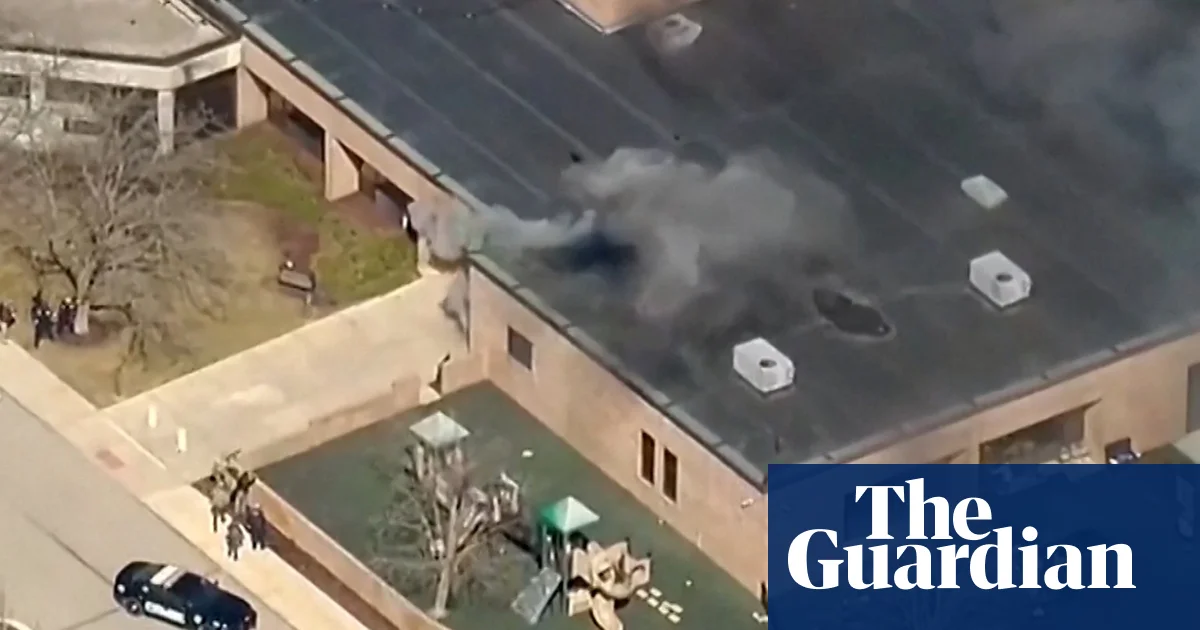
The recent attack at Temple Israel in West Bloomfield, Michigan underscores a growing concern over domestic threats catalyzed by wider geopolitical and ideological shifts. A man drove his vehicle into the synagogue, an act quickly neutralized by security personnel. While no fatalities occurred, the incident resulted in injuries and the discovery of explosives within the vehicle, prompting a swift law enforcement response. This event appears to be more than isolated violence; it is emblematic of escalating antisemitic rhetoric and targeted violence within vulnerable communities in the United States, raising alarms among international observers and policymakers about the stability of social cohesion amidst rising tensions.
Analysts note that incidents like this occur within a broader context of ideological polarization and radicalization fueled by global conflicts. The FBI’s presence at the scene and the deployment of bomb squads reflect the seriousness with which authorities are treating domestic terrorist threats. According to international security experts, such acts are often exacerbated by echo chambers online and political rhetoric that fosters division. The incident echoes a disturbing pattern highlighted by academics such as Dr. Laura Shepherd, who warns that “domestic extremism is increasingly intertwined with global narratives of conflict, turning localities into battlegrounds for ideological supremacy.”
The geopolitical impact of these tragedies extends beyond national borders. The United States, as a global leader, must grapple with how internal conflicts impact its international standing and security partnerships. The incident coincides with ongoing debates about security policies and the balance between civil liberties and national safety. Meanwhile, authoritarian regimes worldwide see such events as opportunities to discredit democratic systems—portraying them as fragile or incapable of maintaining law and order. The international community observes, in particular, the response of the United States in demonstrating resilience and commitment to protecting minority rights, a vital measure amidst a geopolitical climate rife with instability and conflict.
As officials and communities vigilantly respond to this attack, the core question remains: how will this event shape societal resilience in the face of rising domestic terrorism and ideological strife? History suggests that moments of crisis often serve as crucibles, testing national values and unity. The incident at Temple Israel could be a catalyst for renewed debate on security, social cohesion, and the role of international influence in shaping domestic ideology. How nations respond—by strengthening defenses, addressing root causes, or succumbing to division—will determine whether the fabric of pluralistic societies unravels or gains strength.
In the shadows of these unfolding events, history continues to write itself. The weight of collective memory presses heavily upon this moment—a reminder that the flames of intolerance can ignite with devastating speed, yet human resolve and international cooperation can forge pathways toward understanding and security. The distant echoes of past conflicts and the flashpoints of today merge in a reminder that the future remains unwritten, yet every decision holds the power to shape the course of history. As the world watches, it is crucial that this chapter not be defined by fear and division, but by courage and resolve—a legacy that, no matter how fragile, can be defended against the darkness that seeks to engulf it.