In a striking development that underscores the mounting challenges facing Tesla and the global push towards electric vehicle dominance, the company is now embroiled in a series of legal battles over safety issues linked to its Cybertruck. The latest suits, filed by the grieving parents of two young victims, illuminate not only profound safety flaws but also raise questions about corporate transparency and regulatory oversight. These incidents highlight how decisions made within corporate corridors can ripple across international geopolitics, influencing trade, regulatory standards, and national security, as major players continue to compete for global auto market supremacy.
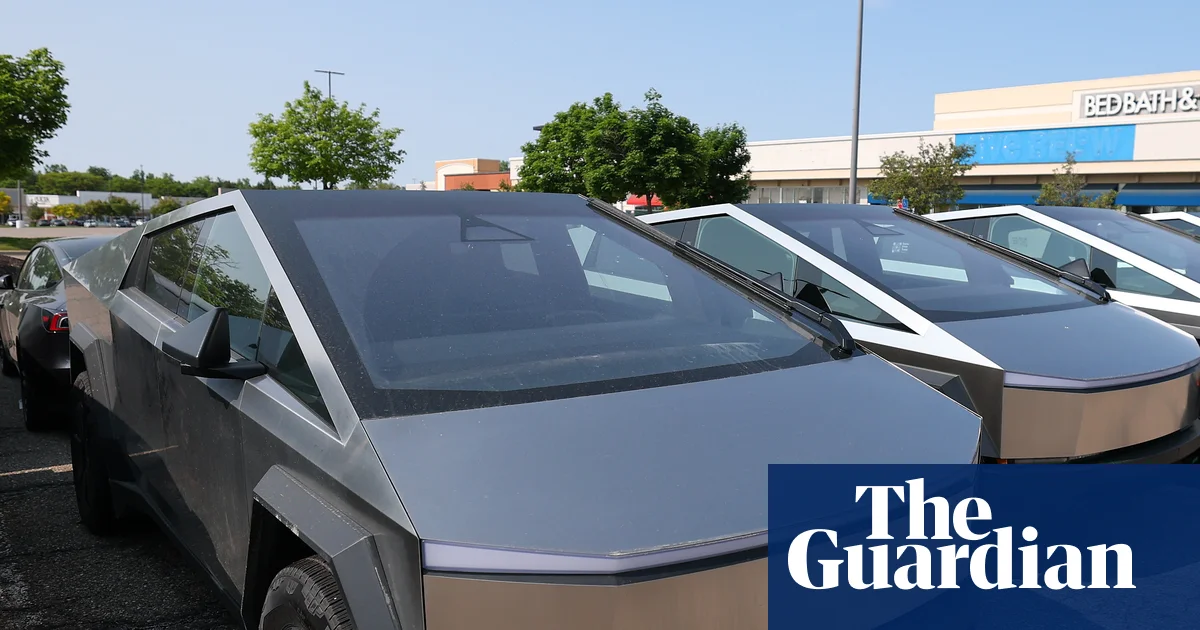
On the legal front, California-based Tesla faces accusations that its design flaws—specifically in their electric doors and overall vehicle safety—turned what could have been survivable crashes into deadly catastrophes. The families of Jack Nelson and Krysta Tsukahara accuse Tesla of neglecting known issues, including a concealed manual release system that proved ineffective during fires. The complainants argue that the automaker’s safety features, meant to enhance user experience and sleekness, instead jeopardized lives, with the victims trapped inside the flames due to locked doors and hidden mechanisms. The lawsuit states, “This case arises from catastrophic design defects in the Tesla Cybertruck that turned a survivable crash into a fatal fire.”
The geopolitical impact of these allegations extends beyond mere consumer safety concerns. As Tesla operates globally, with manufacturing and sales networks spanning continents, such safety controversies threaten to undermine its ambitions for international expansion. Governments worldwide, especially in the European Union and Asia, increasingly scrutinize vehicle standards, and these crises could prompt tighter regulations, affecting Tesla’s market access. The wake of these lawsuits comes as the National Highway Traffic Safety Administration (NHTSA) is investigating Tesla’s electric door handles, emphasizing how safety flaws rooted in design choices reverberate through policy and diplomatic channels. Moreover, international critics warn that Tesla’s rapid global expansion may be driven more by technological optimism than rigorous safety testing—prompting calls for a reassessment of how innovation is balanced with consumer protection across nations.
Leading analysts and historians have observed that in the>*era of emerging superpowers like China and the United States, technology firms are increasingly becoming geopolitical battlegrounds*. As Elon Musk seeks to position Tesla as a symbol of the future economy, these safety issues threaten to diminish its diplomatic clout, especially as competitors leverage such vulnerabilities for strategic gains. The unfolding saga foreshadows a time where the decisions of a single corporate behemoth could influence international relations and even economic alignments. As one senior analyst notes, “Tesla’s safety failures are not just about consumer protection—they reflect a broader struggle for technological dominance, where each accident can become a diplomatic incident, and each new regulation can reshape alliances.”
As history continues to unfold, the tragic fates of Jack Nelson, Krysta Tsukahara, and others serve as stark reminders of how technological progress can sometimes outpace safety and accountability. With governments, regulators, and international watchdogs watching closely, the weight of history now hangs in the balance. The path Tesla charts—whether towards safety, innovation, or further controversy—will indelibly influence the legacy of the new century’s enterprise, shaping a world where the collision of ambition and caution is played out on a global stage.