

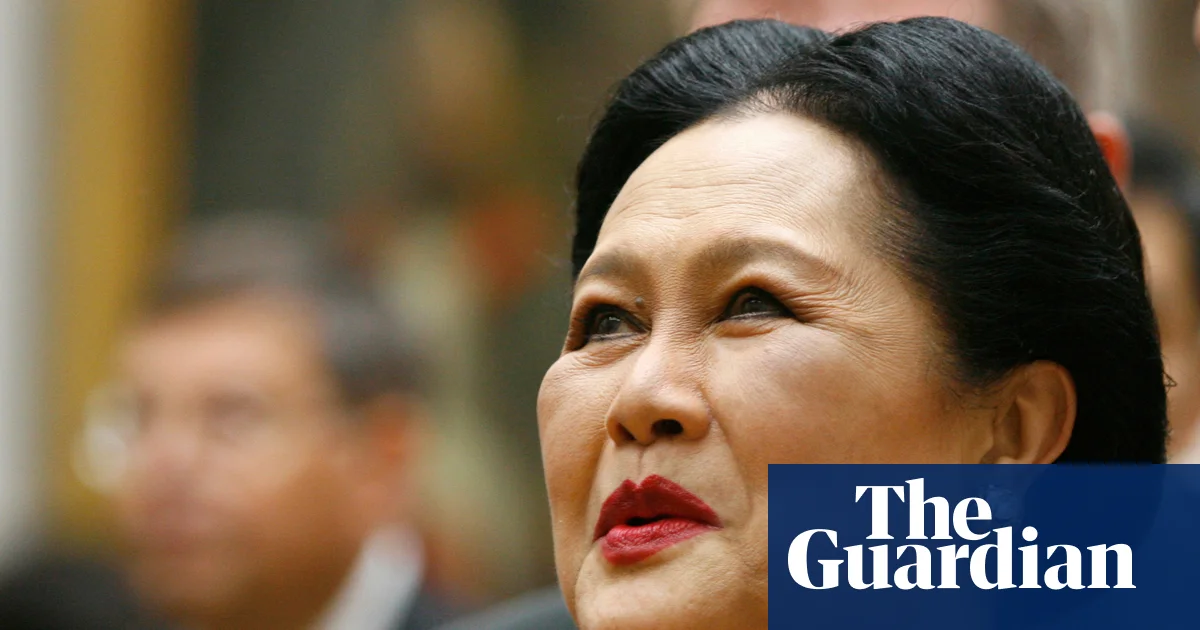
Thailand has experienced a profound national loss with the death of Queen Mother Sirikit, a towering figure who symbolized resilience, cultural pride, and maternal virtue for over nine decades. Her passing at age 93, announced by the Thai Royal Household, marks a pivotal moment not only for Thailand but also for the shifting dynamics of Southeast Asian geopolitics. Her death, after years of declining health, underscores the end of an era where the monarchy was both a unifying symbol and a subtle political actor—an institution whose influence extends far beyond the palace walls, shaping the socio-political fabric of the nation.
Despite her largely quiet public life since her 2012 stroke, Queen Sirikit remained a revered maternal figurehead, celebrated for her charitable work and the preservation of Thai tradition. Her deep-rooted ties to cultural identity and national cohesion rendered her an indelible part of Thailand’s collective consciousness. The declaration of a one-year mourning period exemplifies the magnitude of her significance, which transcended political boundaries and fostered a unifying narrative amid the nation’s long history of coups and government instability. In a country where lèse-majesté laws strictly curb any criticism of the monarchy, her death will be observed with profound reverence, emphasizing her enduring role as the cornerstone of Thai identity.
Historically, the Thailands’ monarchy has served as an anchor amidst turbulent political tides. King Bhumibol Adulyadej, her husband, reigned for 70 years, a period marked by stability through crises and upheavals. Queen Sirikit, from her Parisian roots—where she studied music and languages—wove herself into the social and cultural fabric of Thailand, revitalizing traditional weaving and silk industries and embarking on development initiatives in rural areas. Her dynamic involvement in political affairs, particularly as acting regent during her husband’s absences, exemplifies how the royal family has often intertwined with state affairs, subtly influencing policy and political shifts.
The geopolitical implications of her death ripple through Southeast Asia, where monarchies remain powerful symbols. Many analysts emphasize that Thailand’s monarchy, long regarded as a stabilizing yet discreet political force, continues to influence regional dynamics. With her son, King Maha Vajiralongkorn, now ascending the throne, questions remain about how the monarchy will navigate Thailand’s evolving political landscape. Observers such as political historians and international organizations warn that the royal family’s role could become even more critical in maintaining regional stability or, conversely, ignite tensions if internal or external forces seek to challenge royal authority.
As the world watches, and Thailand mourns, the death of Queen Mother Sirikit signals not merely a personal loss but the fading of a legacy that symbolized maternal authority, cultural preservation, and a subtle, often opaque, political presence. The process of her farewell, marked by official ceremonies and national mourning, invites reflection on how a single figure can embody the history—and perhaps the future—of a nation. Under the weight of history, the question remains: how will Thailand’s monarchy adapt and endure in an era of rapid change, and how will their decisions reshape the geopolitical contours of Southeast Asia? The answer lies hidden in the ongoing unfolding narrative—a story written in the quiet resilience of a nation, and in the shadows where power still silently resides, waiting for the next chapter to be inked in the pages of history.














