U.S. Federal Push to Standardize AI Regulation Sparks Industry Debate
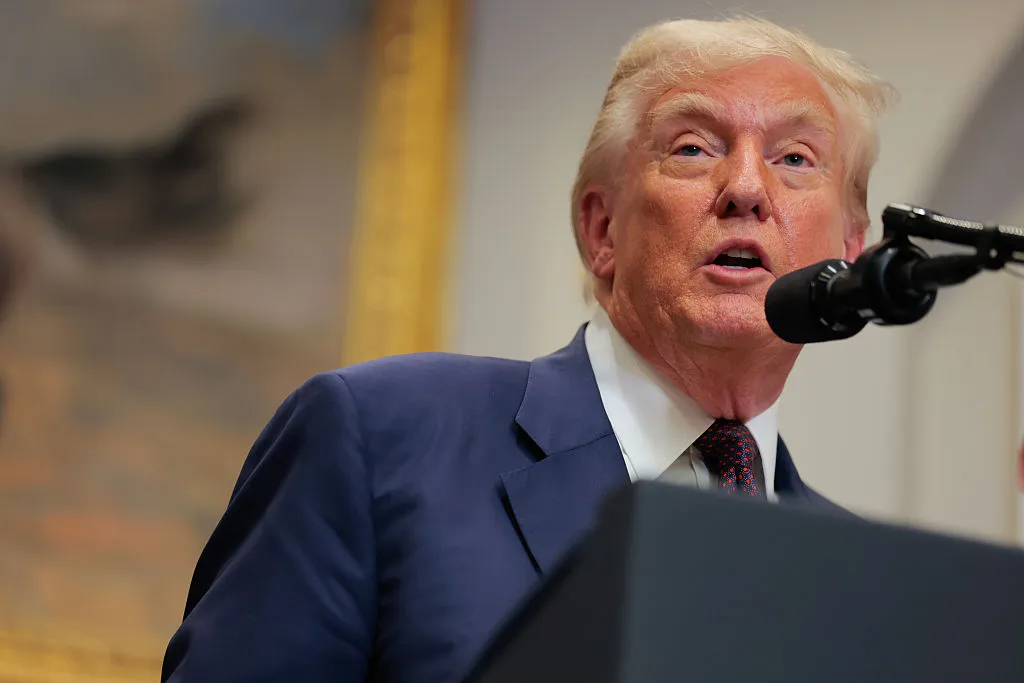
The current trajectory of artificial intelligence (AI) regulation in the United States signals a pivotal shift toward centralized oversight, with the Trump administration advocating for a unified federal standard. In a recent social media post, former President Donald Trump emphasized the necessity of moving away from a patchwork of state-level laws, calling for “one Federal Standard” to streamline AI governance. This initiative underscores a major departure from the decentralized regulatory landscape that has characterized the industry, potentially setting a precedent for how innovation will be managed at the national level.
Historically, the idea of a federal approach was rooted in the administration’s earlier legislative attempts, such as the proposed “Big Beautiful Bill,” which included a decade-long ban on state AI regulations—a measure seeking to preempt local restrictions and foster nationwide industry growth. Although this specific measure was ultimately removed by the Senate in a rare bipartisan vote (99-1), the renewed push signals an urgent effort to suppress what industry insiders see as disruptive, often inconsistent, state laws that could stifle technological innovation and market expansion. The move appears to be motivated by fear of regulatory fragmentation impeding the competitive edge of American AI firms against global rivals, particularly China and Europe, which are investing heavily in setting comprehensive AI standards.
Disruption Strategies: Litigation and Funding Leverage
According to reports from CNBC and Reuters, the administration is considering aggressive tactics to enforce federal dominance, including the drafting of an executive order that would create an AI Litigation Task Force. This body would have the authority to challenge state-level AI laws through lawsuits, potentially disrupting local jurisdictions that seek to implement their own regulations. Additionally, the executive order aimed to wield financial influence by threatening to withhold crucial federal broadband funding from states that resist federal standards, a move interpreted as a strategic effort to consolidate control over the AI ecosystem.
- Milestones: Drafting of executive orders aimed at legal challenges
- Tools: Federal funding leverage to influence state policies
- Implications: Disruption of grassroots and local innovation efforts
Such aggressive measures, however, face mounting opposition within Congress and the private sector. Notably, Republican lawmakers—who previously criticized a proposed moratorium on state AI regulation—are wary of overreach and the potential stifling of regional innovation hubs. The political pushback reflects tension between fostering innovation freedom and ensuring national security and ethical standards in AI deployment. Major industry analysts, including those from Gartner, warn that such centralized control may hinder disruptive innovation in emerging AI sectors such as autonomous vehicles, biotech, and cybersecurity tools.
Business Implications and the Future Trajectory
The strategic push for federal AI regulation could reshape the American tech landscape, positioning the United States as a global leader in setting standards—yet risking environmental and entrepreneurial stagnation. Firms based in states wary of federal overreach—like California and Texas—may face increased regulatory uncertainty, potentially forcing relocations or strategic shifts in R&D investments. Behind the scenes, industry giants like OpenAI and Tesla are closely monitoring the legislative environment, knowing that heavy-handed regulation could either hinder innovation or provide clarity that accelerates deployment and commercialization of breakthrough AI products.
The trajectory of AI regulation in the U.S. is emblematic of the broader disruption the industry faces—balancing top-down governance with bottom-up innovation. As political actors and industry leaders scramble to define the rules of the game, the collective impact will determine whether America maintains its technological dominance or surrenders ground to more agile, less regulated competitors. Forward-looking executives, investors, and technologists should be prepared for rapid shifts, driven by policy decisions that could either catalyze or constrain the next wave of AI breakthroughs. With technology advancing at breakneck speed, the window for strategic positioning is narrow, making the next few months critical for shaping the future of AI governance and its business implications.