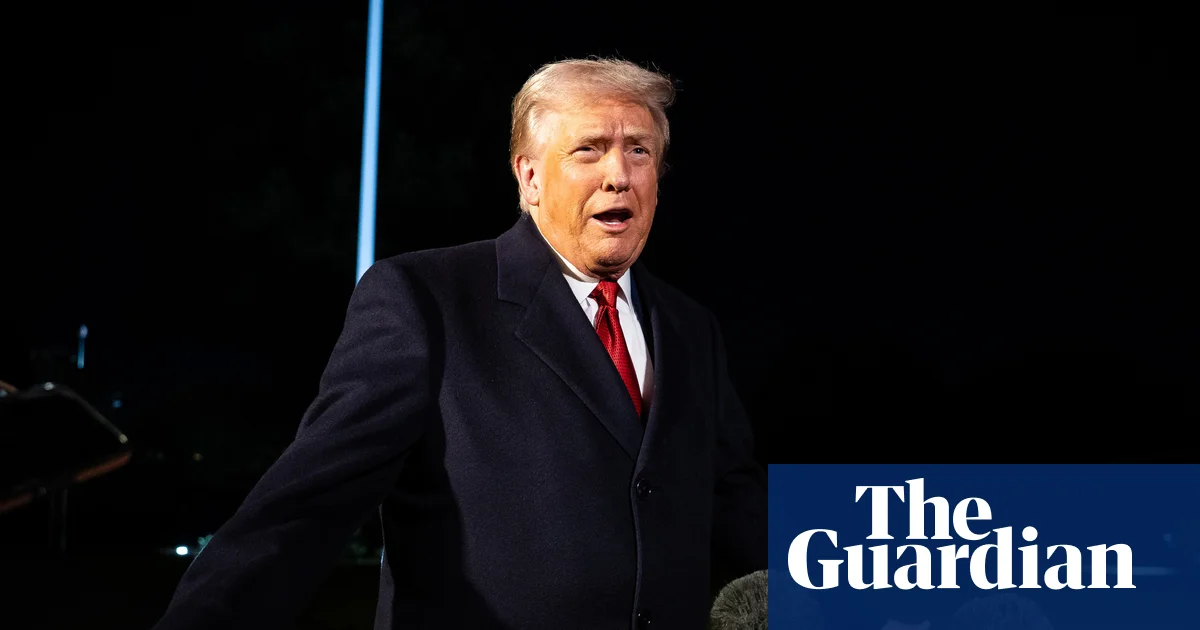
In a definitive display of renewed U.S. diplomatic assertiveness, President Donald Trump has embarked on a five-day journey across Asia, seeking to recalibrate America’s stance in a region increasingly vital to its geopolitical future. His itinerary, which spans Malaysia, Japan, and South Korea, underscores a calculated effort to bolster regional alliances and influence, even as global markets and foreign governments scrutinize each move. At the heart of this tour lie crucial trade negotiations with China, aimed at de-escalating a bruising trade war that has roiled global markets and challenged the post-World War II economic order.
- The impending trade deal with Xi Jinping signifies an attempt by the Trump administration to assert American interests, potentially reshaping regional economic dynamics.
- Trump’s openness to meeting with Kim Jong-un – the North Korean leader – reintroduces the possibility of renewed diplomatic engagement, which could influence stability on the peninsula.
- The focus on issues like Taiwan sovereignty and U.S.-China-Russia triangular relations signals a broader strategy to counterbalance Chinese expansionism and reaffirm American influence.
Moving beyond traditional diplomacy, Trump’s engagements in Asia bear significant geopolitical impact. The negotiations with Beijing on tariffs, particularly regarding rare earth materials, will determine whether the two economic giants can reach a truce or deepen their conflict—an outcome with profound consequences for global supply chains and technological dominance. Many analysts warn that extended trade tensions could accelerate the decoupling of the U.S. and Chinese economies, reshaping global commerce. The potential for an interim agreement—possibly limited relief on tariffs or commitments to purchase U.S. exports—remains a tangible yet fragile hope. Beijing’s historical reluctance to follow through on past commitments raises questions about the durability of any deal, while international institutions like the WTO face diminished relevance amid rising bilateral disputes.
Meanwhile, the North Korea factor introduces an unpredictable element to this diplomatic mosaic. Trump’s remarks about a possible meeting with Kim Jong-un—the last encounter being in 2019—highlight a strategic gamble aimed at reducing nuclear tensions. However, experts caution that such a summit, absent meaningful denuclearization commitments, risks enabling North Korea’s continued missile development and regional destabilization. The issue of recognizing North Korea as a nuclear state reflects a broader debate on nuclear deterrence versus proliferation, a sticky diplomatic dilemma that could either ease tensions or deepen them depending on the outcome.
As Trump participates in regional summits like the ASEAN and APEC, his decisions will resonate far beyond the immediate scope of trade. Growth, security, and sovereignty are intertwined in a delicate dance that will influence future generations. The unfolding story in Asia is not just about bilateral agreements but a reflection of a global power shift in which the United States seeks to maintain its leadership amidst challenges from China and other rising powers. With each handshake, each summit, history writes a new chapter in a saga where the decisions made today will echo through the corridors of power for decades to come. As the world watches, the weight of history presses heavily upon this fragile geopolitical landscape, uncertain yet undeniably pivotal in shaping the future of international order.