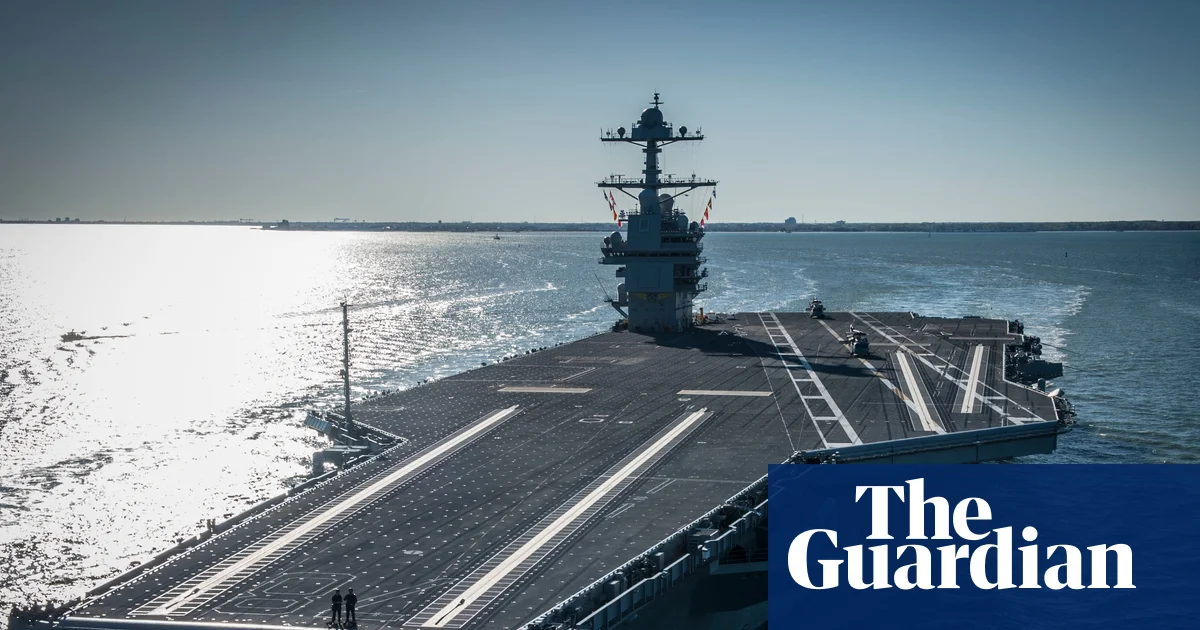
In a striking display of military posturing, the United States has ordered the deployment of the USS Gerald R. Ford, the world’s largest aircraft carrier, along with a contingent of supporting warships, to the volatile Middle East. Originating from the Caribbean Sea, this strategic move aims to escalate pressure on Iran amid ongoing negotiations concerning its nuclear and ballistic missile programs. With an expected transit time of approximately three weeks, the Ford’s arrival in the region signifies a clear signal of U.S. commitment to military strength and deterrence, especially following the recent repositioning of the USS Abraham Lincoln and indications of further escalation.
According to officials in Washington, President Donald Trump is contemplating the deployment of a second carrier strike group, reflecting heightened concerns over Iran’s resolve and regional influence. Despite previous diplomatic efforts—including indirect talks in Oman—stalled negotiations over Iran’s nuclear ambitions remain a flashpoint, threatening to destabilize an already fragile Middle East. Analysts assert that the U.S. move fundamentally shifts the geopolitical landscape, signaling a shift from diplomacy towards a display of military might, with significant ramifications for regional allies and adversaries alike. International institutions, such as the United Nations, watch with cautious vigilance as the potential for unintended escalation looms large.
Meanwhile, Iran remains a study in contradictory signals. While Tehran has expressed willingness to curb its nuclear enrichment in exchange for sanctions relief, it firmly rejects other demands, notably those aimed at limiting its ballistic missile program and proxy support for groups like Hezbollah. Such tensions have deepened fears of an impending confrontation, exacerbated by recent Israeli air strikes against Iranian targets and the Israeli government’s calls for a tougher stance. This complex web of negotiations and military posturing highlights the uncertain future of diplomatic solutions, as Iran’s internal turmoil—marked by recent brutal crackdowns—adds further layers of unpredictability.
In the broader context, the decision to reposition the Ford carrier underscores the transformative impact of recent U.S. policy shifts. Strategic analysts emphasize that this deployment is not merely about Iran but signifies a broader assertion of American resolve in protecting its interests and allies in a multipolar world. Historical perspectives, from military historians to geopolitical thinkers, warn that such displays of force, if mismanaged, could ignite a regional conflict with global consequences. As China and Russia observe from afar, this tumultuous chapter in international diplomacy threatens to redefine alliances, influence economic stability, and determine the future of global order.
Ultimately, as the US and Iran navigate these perilous waters, the weight of history hangs heavily, reminding humanity that the unfolding narrative of conflict and diplomacy will be written in the blood and resolve of generations to come. The coming weeks will reveal whether negotiations will bridge divides or if the region will face new, darker chapters wrought by misunderstandings and the relentless march of power.