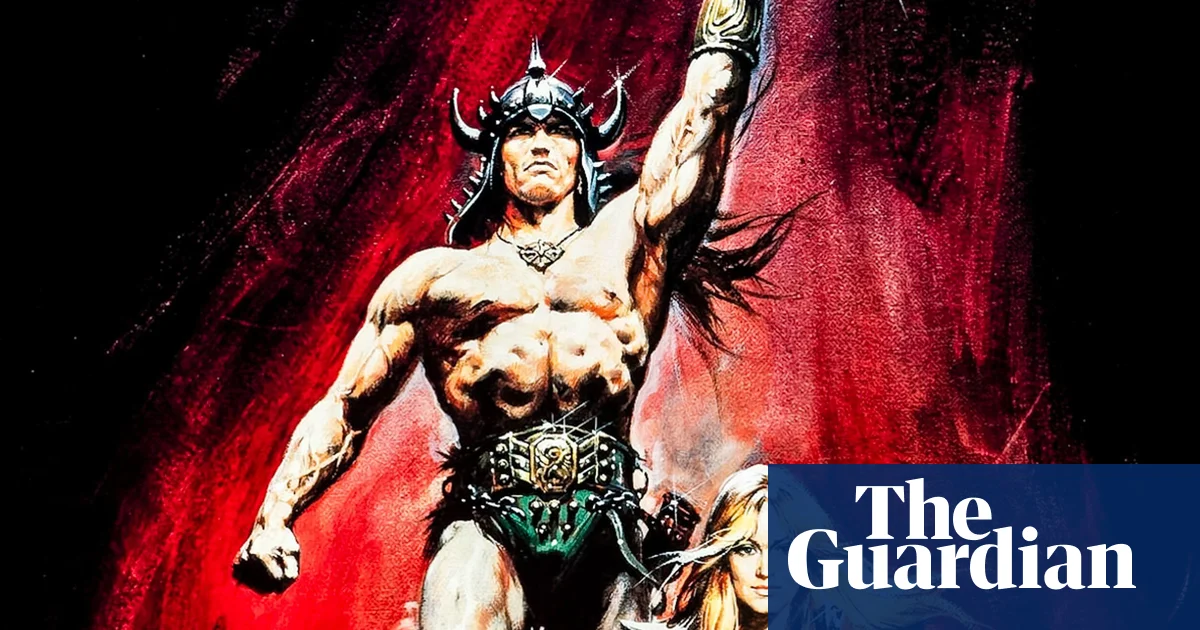
In the contemporary landscape of visual culture, few names resonate with the weight of Renato Casaro. His passing at age 89 marks the end of an era where artistry in film promotion was handcrafted, imbued with a soul that digital transformations have often threatened to erase. Casaro’s work represented more than mere promotional material; it was a testament to the enduring power of image-making rooted in tradition, craftsmanship, and the cultural dialogue between cinema and society. By elevating the heroic stature of icons such as Arnold Schwarzenegger and Sylvester Stallone, Casaro lent a mythic aura to modern heroes—echoes of classical heroism reimagined for the heroic age of postwar America and the cultural manifestations of strength, valor, and resilience.
This tradition of handcrafted poster art, a symbol of cultural memory and societal aspiration, encapsulates what Ortega y Gasset might have viewed as the way in which art manifests the collective spirit. As studios transitioned to digital tools in 1998, the tactile and visceral qualities of Casaro’s work began to fade, yet his influence remains a vital marker of cultural heritage. It is not merely about aesthetics but about the role of art in shaping identity and societal values. When Casaro returned to craft posters for Quentin Tarantino’s Once Upon a Time in Hollywood, it signaled a conscious return to that romantic, heroic mythmaking—a refusal to surrender entirely to digital repetition and superficiality.
Throughout history, critics like Chesterton have championed the idea that culture is a battleground for meaning; it is where tradition confronts innovation, where memory solidifies into societal identity. The cultural critic Christopher Lasch argued that in an age of relentless progress, it is the memory of the past that anchors societal coherence. Casaro’s posters, vibrant with heroism, did precisely that—they connected audiences to a shared mythos, imbuing cinematic images with a symbolic purity that transcends the fleeting nature of trends. As Tocqueville warned, the preservation of cultural identity is vital in a democratic society—where uniformity often threatens the uniqueness of tradition. Casaro’s work exemplified the human desire for heroism rooted in tradition, a rallying cry for a society that seeks meaning through its cultural icons.
In the end, the significance of figures like Casaro extends beyond their craft; they serve as custodians of a collective memory and prophecy. Their creations, like the finest poetry or philosophy, remind us that culture is both a reflection of what we are and a vision of what we might become. The tapestry of human history, woven with images and stories, calls us to consider that our deepest identity lies not just in the present but in the echoes of the past and the possibilities of the future—a future illuminated by the enduring light of cultural memory, shining brightly like a hero’s silhouette against a great, timeless horizon.