The Geopolitical Tensions Ignite in Australia Over Herzog’s Planned Visit
The upcoming visit of Isaac Herzog, the President of Israel, to Australia in February has transformed a diplomatic gesture into a flashpoint for international and domestic controversy. The Albanese government’s decision to host Herzog, amidst mounting violence in the Israel-Gaza conflict, underscores the profound geopolitical impact that international diplomatic decisions are increasingly carrying in an era of amplified global tensions. As pro-Palestinian protests threaten to flood streets nationwide, and security measures are heightened, analysts warn that this situation could further destabilize Australia’s social fabric and influence international relations.
This tension was precipitated by the December 2023 terror attack in Bondi, which left 15 civilians dead, prompting a deeply divisive debate on whether inviting Herzog to visit amid ongoing conflict and alleged war crimes is a prudent decision. Anne Aly, Australia’s Minister for Multicultural Affairs, refrained from outrightly endorsing the visit but acknowledged its importance in fostering unity. Conversely, Sophie Scamps, a member of Australia’s parliamentary opposition, and the Palestine Action Group have voiced vehement opposition. They argue that Herzog’s presence could “ignite further division” and could serve to legitimize a controversial figure accused by some international bodies of inciting genocide. These domestic divisions echo wider international debates over how nations should navigate relationships with Israel in a landscape scarred by accusations of war crimes and the ongoing humanitarian crisis in Gaza.
International Organizations and Historical Perspectives Shape the Discourse
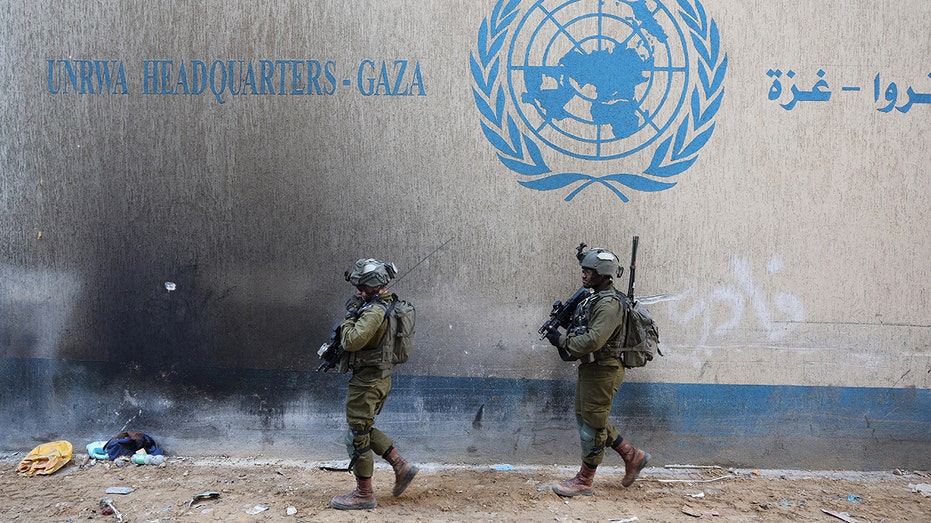
Adding to the complexity, the United Nations—or more precisely, a commission of inquiry—has accused Israel of genocide in Gaza in a 2025 report, a document dismissed by Israel as “distorted and false.” Despite this, critics highlight that such accusations reflect a growing international criticism of Israel’s military conduct and raise questions about the legitimacy of Herzog’s visit. Historically, the international community has been divided over how to address Israel’s actions in Gaza, with some, such as the UN panel, framing Israeli policies as genocidal, while others, like Israel’s foreign ministry, dismiss such claims as “Hamas falsehoods”.
Observers including historians like Beverly Crawford and international analysts emphasize that the decisions taken by Australia in this context could have ripple effects well beyond bilateral relations. As U.S. and European alliances continue to grapple with their own external pressures, Australia’s handling of Herzog’s visit serves as a microcosm for the global debate over morality, solidarity, and strategic interests. The planned protests witness Australia’s detailed confrontation with its identity—balancing its historic alliance with Israel and its moral responsibility amidst a humanitarian crisis.
Decisive Actions Shape the Future of International Diplomacy
- The Albanese government’s insistence on maintaining the visit despite protests reflects a broader choice—prioritizing diplomatic engagement over domestic and international dissent.
- Major security responses and policy restrictions, such as the controversial protests and police restrictions in Sydney’s CBD, illustrate how internal security concerns are directly linked to international diplomatic gestures.
- The ongoing debate about Herzog’s visit—and whether it will serve to deepen divisions or foster reconciliation—underscores **the critical importance of diplomatic strategy** in shaping regional stability and international perceptions of Australia’s role on the world stage.
As protests continue and the world watches, Australia’s decision stands as a stark reminder of how history’s heaviest questions—about justice, morality, and international order—are judged in its courts, in its streets, and in the corridors of power. The weight of history is relentless, and with each decision, the world edges closer to defining its moral compass in an era where illusions of separation give way to the profound interconnectedness of nations and peoples. In this moment, the future hangs in a delicate balance, a testament to how echoes of decisions made today will shape the legacy of generations to come—and the unfolding story of a divided world that seeks unity amidst chaos.