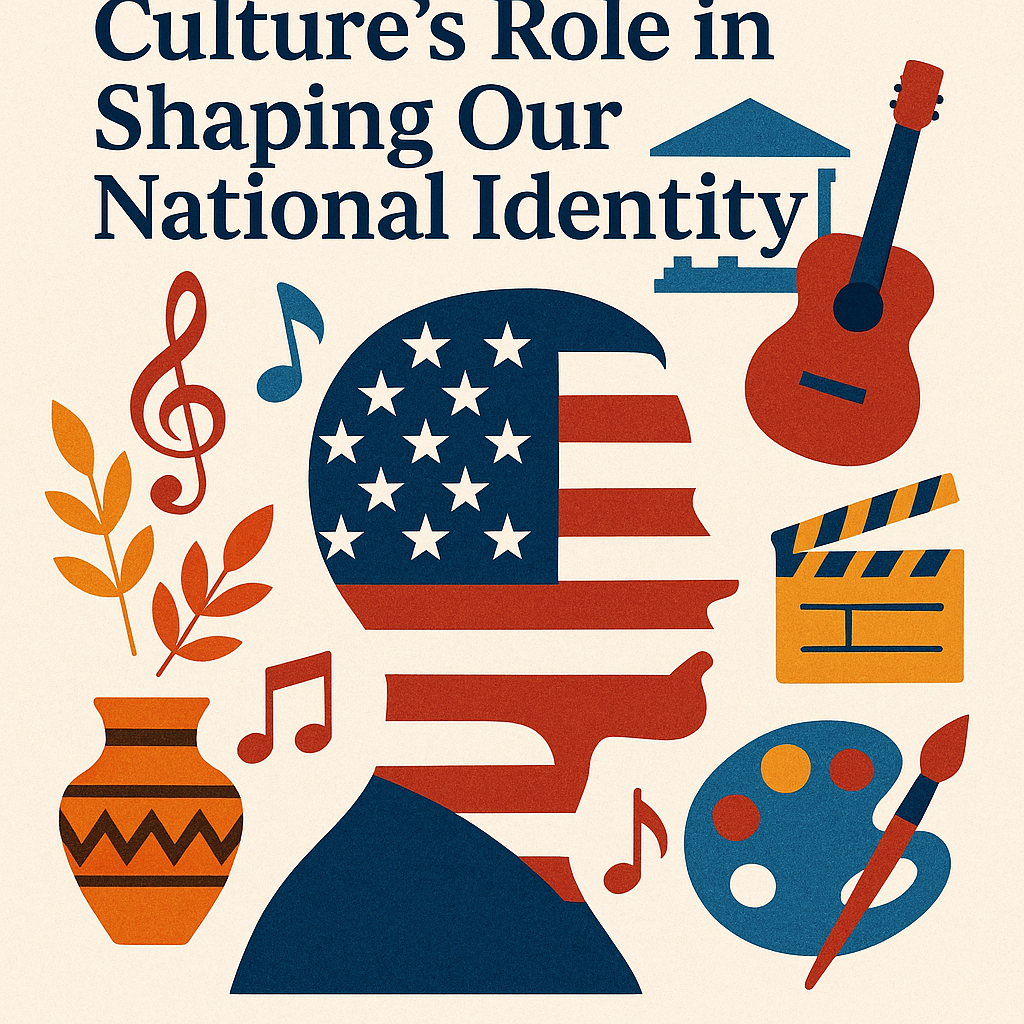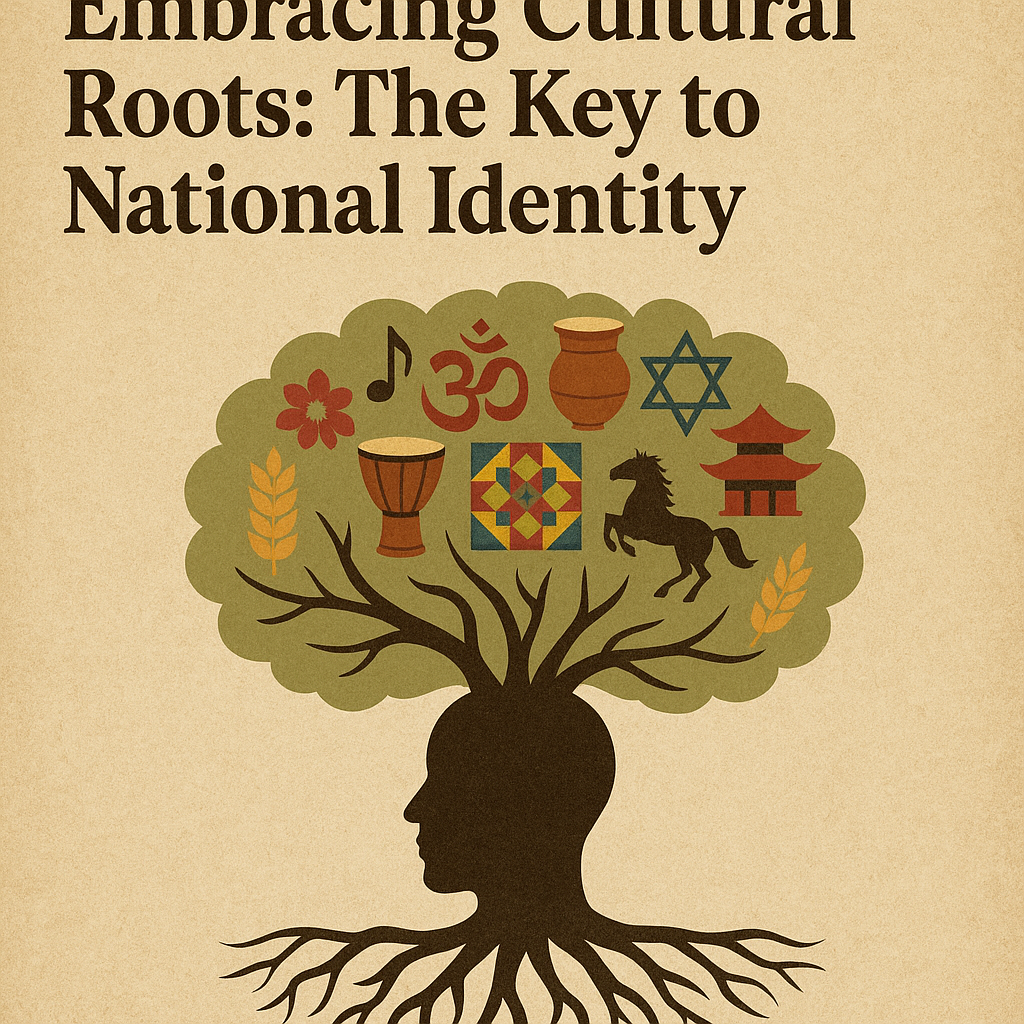
In an era characterized by relentless globalization and technological upheaval, the significance of cultural roots as the foundation of national identity cannot be overstated. Critics argue that the rapid spread of Western ideals and the homogenization of cultures threaten the unique traditions that define a nation’s soul. Historically, nations have thrived by nurturing their distinct cultural narratives—whether it be the resilience of Japan’s samurai ethos or the enduring spirit of European renaissance. These cultural elements serve not merely as relics of the past but as living conduits of collective memory, shaping a nation’s worldview and guiding its future trajectory.
Economists such as George Friedman and Samuel Huntington emphasize that a strong national identity rooted in cultural heritage fosters social cohesion and resilience in times of crisis. When citizens share a common understanding of their history, values, and traditions, they are more inclined to unite against external threats and internal divisions. The erosion of this shared cultural fabric, critics warn, paves the way for fragmentation and a loss of sovereignty. As Huntington suggested in his seminal work The Clash of Civilizations, the future geopolitical order depends heavily on how well nations preserve their unique cultural identities amidst the external forces seeking to erase them.
Reclaiming cultural roots does not imply a retreat into insularity, but rather an empowering recognition of diversity within a shared national narrative. It involves championing traditional language, customs, and histories as vital components that shape a sense of purpose and belonging. Movements advocating for the preservation of indigenous languages, regional histories, and cultural practices highlight a collective desire to resist cultural dilution. Furthermore, embracing one’s heritage fosters a youthful sense of pride and authenticity, crucial for inspiring future generations to carry forward their cultural legacy. Such efforts often generate innovative cultural rebirths that bridge old traditions with modern realities, thus enriching the national tapestry rather than impoverishing it.
Amidst these developments, policymakers and cultural leaders must acknowledge that preservation and innovation are not mutually exclusive. The challenge lies in cultivating a balanced approach where cultural roots are celebrated and revitalized without becoming an obstacle to progress. As historian Yuval Noah Harari notes, humanity’s greatest achievements have often sprung from a profound understanding of shared stories and myths—a testament to the enduring power of cultural narratives. When a nation recognizes its cultural origins as a source of strength rather than chain, it embarks on a journey towards a resilient, authentic identity that can weather the storms of modern change. It is within this sacred act of remembrance and renewal that the true essence of a nation endures, whispering through the ages as a timeless echo—a reminder that, in embracing our roots, we embrace the very foundations upon which our future is built.”