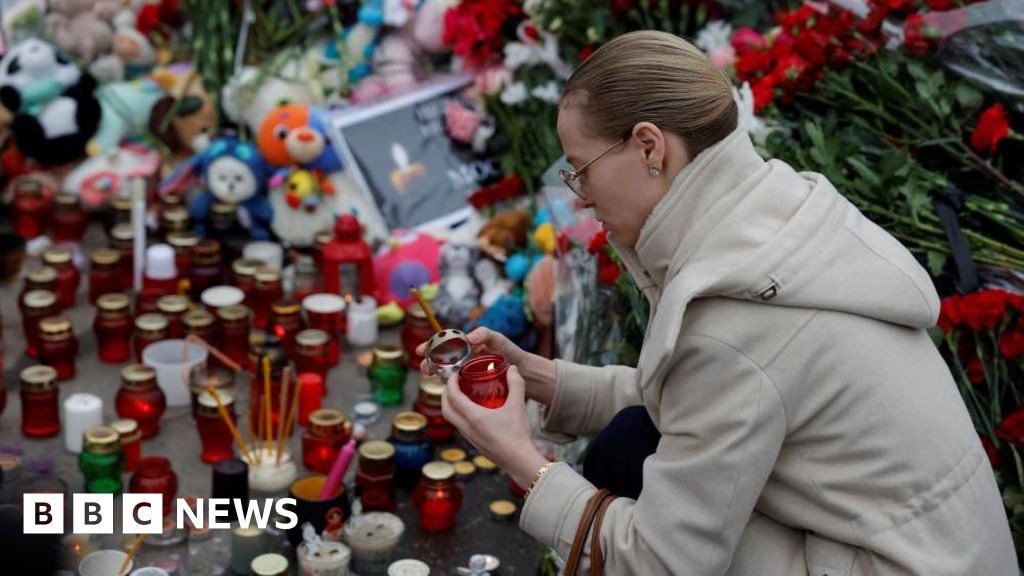
In a chilling act of violence that has sent shockwaves through the international community, gunmen launched a deadly assault at the Crocus City Concert Hall near Moscow in 2024. The attack resulted in the tragic loss of 149 lives and left more than 500 others wounded, marking one of the deadliest incidents on Russian soil in recent history. The incident underscores the persistent threat of terrorism that continues to challenge the stability of Russia and, by extension, the broader security architecture across Eurasia.
Initial investigations suggest that the attack was meticulously planned, with evidence pointing to a sophisticated operational network. The Russian authorities quickly identified the attackers as linked to extremist factions operating in the North Caucasus, a region long plagued by insurgency and unrest. Yet, this massacre has reignited debates about the effectiveness of Russia’s counter-terrorism measures and the regional stability of Eurasia. Analysts from the International Crisis Group warn that without comprehensive strategies that address underlying socio-economic grievances, such tragedies could become more frequent. The geopolitical implications of this violence extend beyond Russia’s borders, influencing regional security alliances and international counter-terrorism efforts.
This attack also poses profound questions about how decisions made by global powers impact nations and societies. As Russia tightens its internal security protocols, Western nations are compelled to reconsider their diplomatic and military strategies in the region, particularly in relation to the ongoing conflicts in neighboring Ukraine and the broader Middle East. Some experts argue that such acts of terrorism threaten the fragile stability that global institutions like the United Nations and NATO seek to preserve. The incident serves as a stark reminder that security concerns transcend borders and that cooperative international action remains vital in counteracting the root causes of extremism.
Historians and geopolitical analysts have long emphasized the importance of understanding how cultural, economic, and political tensions are manipulated by militant groups to serve their agendas. The International Institute for Strategic Studies (IISS) highlights that such attacks are not isolated acts but symptom of deeper conflicts. As nations grapple with the fallout, many worry whether this horrific event will mark a turning point in Russia’s internal policies or if it will further polarize the region. The weight of history presses down heavily, reminding the world that the cycle of violence could either be broken through decisive, inclusive action or continue to spiral into chaos. As 2024 unfolds, the world watches with bated breath—each new day carrying the potential to alter the course of history forever.