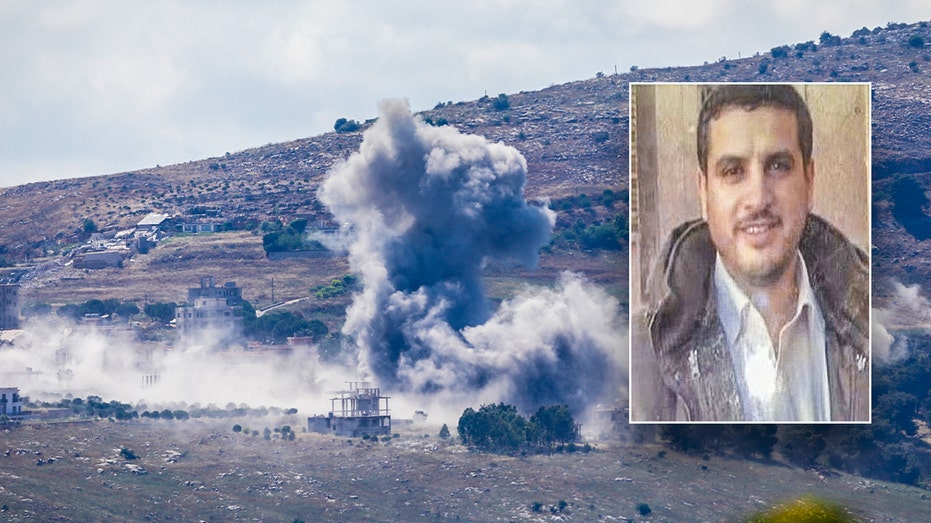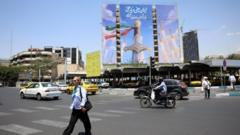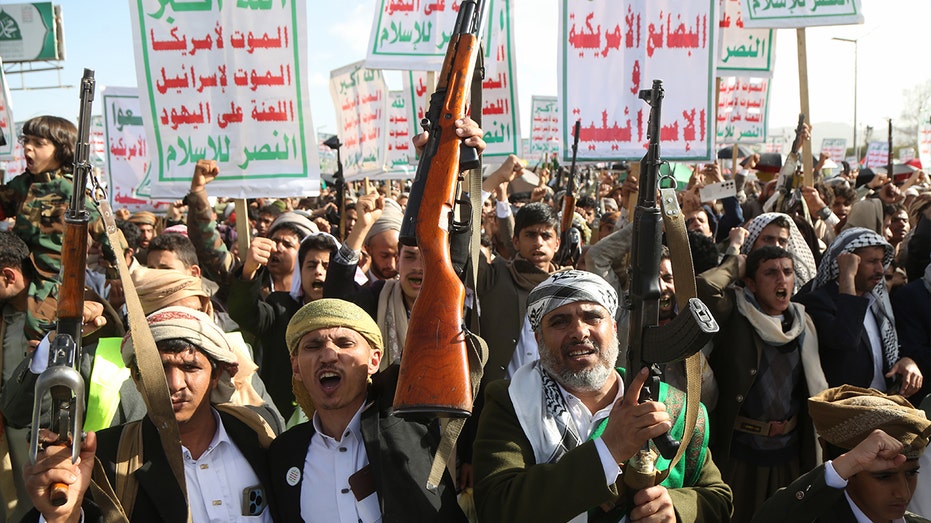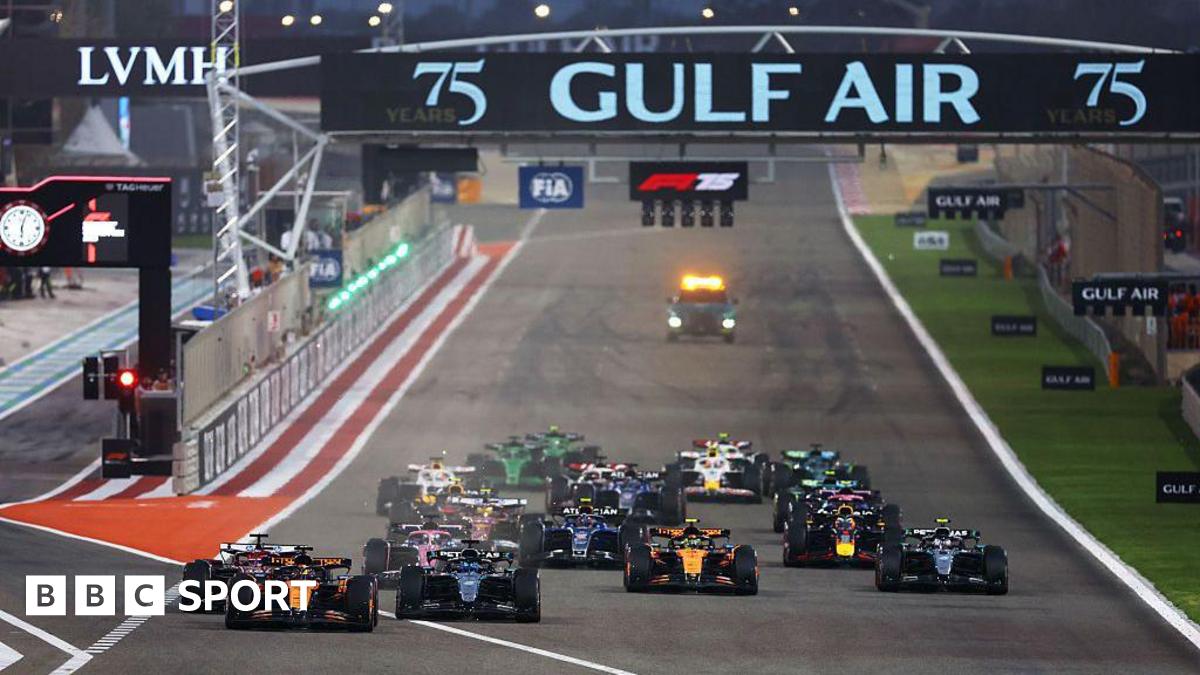
The upcoming Bahrain and Saudi Arabia Grands Prix, traditionally pivotal fixtures in the Formula 1 calendar, are on the verge of cancellation due to the escalating conflict in the Middle East. While an official decision remains pending, insiders suggest that organizers are poised to announce the cancellations by the end of the weekend, citing safety concerns and logistical hurdles. The outbreak of hostilities between U.S./Israel and Iran has created a volatile atmosphere, making the international racing event a potential hub of chaos rather than celebration. The decision highlights how geopolitical tensions can ripple through industries far beyond military spheres, directly impacting global entertainment and economic interests.
Logistically, the conflict has derailed plans to ship freight and personnel to the Gulf region, with looming fears that holding the events would risk lives and compromise operational integrity. No alternative venues have been confirmed, with organizers considering but ultimately dismissing potential replacements such as Portimao in Portugal, Imola in Italy, and Istanbul Park in Turkey. These options faced scrutiny over time constraints and financial viability, as securing the necessary hosting fees amidst regional instability proved unfeasible. This shift leaves the current season with just 22 Grand Prix, marking a significant contraction that will undoubtedly influence the championship standings and the sport’s revenue streams.
Financially, the impact is profound. F1 faces an estimated loss of over £100 million, primarily due to the absence of Bahrain and Saudi Arabia, which are among the highest-paying Grand Prix hosts. This economic hit underscores the fragile balance between sport, diplomacy, and power politics. Historically, analysts note that sporting events have often become inadvertent battlegrounds for broader geopolitical struggles—lessons from past crises suggest that geopolitical stability directly correlates with economic and cultural vitality. As the series shifts to a five-week hiatus until the Miami race, questions remain over how international relations will evolve and whether the sport’s calendar might face further upheavals in the near future.
As the world watches, the unfolding crisis in the Middle East serves as a stark reminder that the decisions taken today will shape history’s narrative. The canceled races symbolize more than logistical setbacks; they are emblematic of a world where conflicts threaten to overshadow human achievement and corporate ambitions. International organizations and political leaders have a fleeting window to de-escalate hostilities or risk further repercussions—far beyond the racing circuit, in the very fabric of global stability. As history’s ink begins to dry on this turbulent chapter, one truth remains clear: the dynamic landscape of geopolitics has entered a new, unpredictable era, where every decision echoes through the corridors of history and the very core of international society.