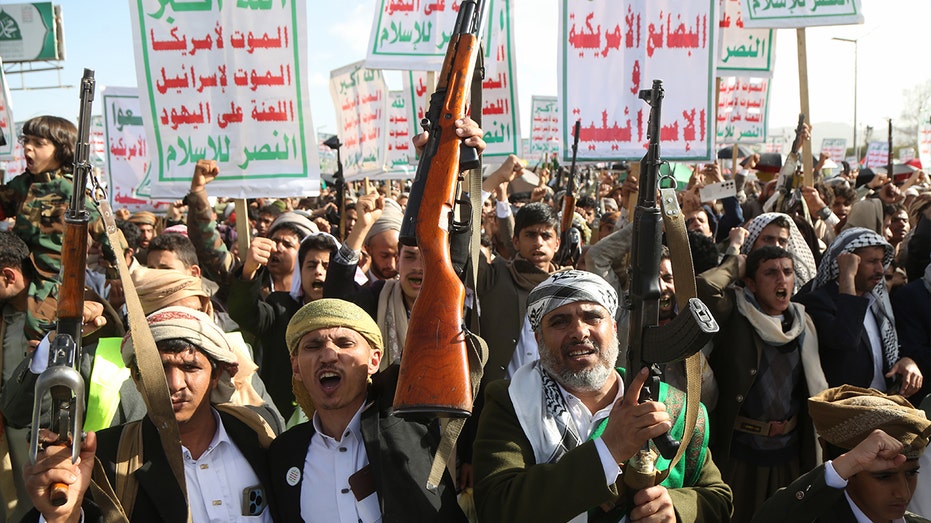
Recent statements by National Counterterrorism Center Director Joe Kent have reignited debates surrounding the origins of America’s ongoing conflicts in the Middle East. Kent claims that former President Donald Trump “started this war due to pressure from Israel and its powerful American lobby,” casting new light on the complex web of international influence that shapes U.S. foreign policy. These remarks serve as a stark reminder that decisions made at the highest levels often have profound and lasting geopolitical consequences, influencing the stability and security of nations far beyond America’s borders.
This assertion prompts a reassessment of how external pressures from special interest groups and foreign allies can sway American policy, especially in volatile regions like the Middle East. Historians and analysts have long debated the extent to which domestic lobbying impacts presidential decision-making. According to the International Institute for Strategic Studies, such influence often steers war efforts in directions that may prioritize geopolitical interests over national security, leading to prolonged conflicts with difficult resolutions. While the precise instances and motivations behind Trump’s policies remain contentious, the broader discussion underscores an enduring question: how much of America’s foreign engagements are genuinely driven by national interest versus external pressures?
In addition to domestic debates, this revelation has significant geopolitical impact. The Middle East, a nexus of geopolitical rivalries, remains deeply entwined in U.S. foreign policy calculations. The region’s long history of conflict has been compounded by decisions influenced by external lobbying, which in turn alters alliances and military commitments. International organizations, such as the United Nations, warn that such external pressures could exacerbate regional instability, heightening risks of escalation and long-term unrest. Moreover, the implications for societies within these nations are profound: prolonged military interventions often lead to human suffering, economic devastation, and the destabilization of entire communities.
The role of powerful lobbies and allies remains a contentious subject. Critics argue that when foreign interests dictate policy, it undermines the sovereignty and self-determination of the nations involved. Such influence often results in policies that favor external actors at the expense of long-term peace and stability. As international political analysts caution, the potential for these decisions to ignite broader conflicts remains a lingering threat. Considering the recent revelations, many are urging policymakers to examine how external pressures shape decisions on the global stage, with some foreseeing a future where conflicts are prolonged by external interests rather than national security needs.
As history continues to unfold, the weight of past decisions remains etched into the fabric of global politics. The question persists: will future generations view these moments as the turning points where geopolitics was manipulated for short-term gains, or as lessons that could usher in a new era of sovereignty and genuine peace? The ongoing debate invites citizens, leaders, and international observers alike to scrutinize the true drivers behind the conflicts that define our era. In a world teetering on the edge of new alliances and ancient rivalries, the final chapters of this complex story are yet to be written—and the shadows of history cast their long, uncertain gaze upon our future.