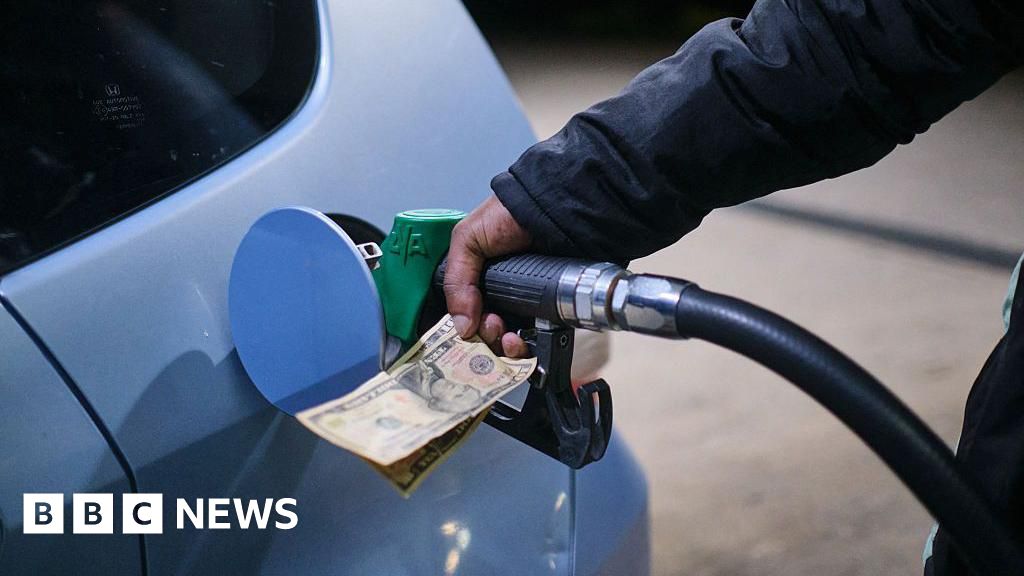
The recent disruption in oil supplies has sent shockwaves across the African continent, exposing vulnerabilities in one of the world’s most critical economic sectors. Countries such as Nigeria, Angola, and South Africa are feeling the immediate effects of this crisis, which threatens not only their energy security but also their broader socio-economic stability. This disruption, driven by a complex combination of geopolitical tensions and logistical failures, highlights the newfound fragility of global energy markets and the strategic importance of resource security for developing nations.
Analysts from international institutions like the International Energy Agency warn that the current shortages could precipitate a broader economic downturn if swift action is not taken. The International Monetary Fund and World Bank underscore that energy poverty hampers economic growth, increases inflation, and exacerbates social inequities. For nations heavily reliant on oil imports, such as many in Africa, these disruptions threaten to undo years of economic progress. The African Union has called for urgent diplomatic engagement and strategic reserves policies, recognizing that the continent’s developmental trajectory could be set back for decades if the crisis persists.
Underlying the supply shock are layered geopolitical tensions; rising conflicts in the Middle East, tensions over Russian sanctions, and the OPEC production decisions have all played roles in tightening global markets. Governments worldwide are observing with keen interest—some military strategists even suggest that the disruptions could be exploited by geopolitical rivals seeking to weaken certain nations’ stability. This situation exemplifies how interconnected and fragile the global energy infrastructure truly is. According to renowned geopolitical analyst Dr. Laura Simmons, “The unfolding crisis exposes the artificial foundations of our current energy-centric economy, revealing how geopolitical churn directly translates into tangible hardship on the streets of African cities.”
The disruption also highlights the shifting power dynamics on the world stage. As traditional oil-producing nations grapple with internal conflicts and economic restructuring, emerging global players and non-state actors are positioning themselves to fill the void. China’s expanding investments in African energy infrastructure exemplify a broader strategy to secure resources outside traditional alliances, fueling debates about neocolonial influence and resource sovereignty. Meanwhile, within Africa, there is rising concern about the impacts on social stability, job security, and basic services, as governments scramble to secure energy futures amidst an uncertain geopolitical landscape.
As history continues to be written, the unfolding crisis reminds us that energy resources are not merely commodities but strategic linchpins shaping the future of nations and societies. The decisions made in the current geopolitical arena will reverberate through generations, defining a new epoch in global power relations. With history’s weight pressing on the present, the world stands at a crossroads—where resilience and strategic foresight will determine whether Africa, and indeed the entire global community, can survive the storm of uncertainty that now looms on the horizon.